



























Coordinating dental care for an entire family can feel like a logistical puzzle, especially when different family members are registered with different practices or scattered across separate appointment schedules. Choosing a dental practice that treats every age group under one roof simplifies this considerably, cutting down on the back-and-forth of managing multiple providers while making it easier to stay consistent with everyone’s oral health needs. The benefits extend well beyond convenience alone, touching everything from scheduling to how comfortable children feel about dental visits.
Key takeaways
Managing separate dental appointments for each family member across different practices often means juggling multiple booking systems, different office hours and varying appointment reminders. Consolidating care under a single practice that treats all ages significantly simplifies this, often allowing back-to-back or same-day appointments for multiple family members in a single visit to the office.
This kind of scheduling efficiency becomes especially valuable for families with busy work and school routines, where finding time for even one dental appointment can be a challenge. Reducing the number of separate trips required to keep everyone’s dental care on track frees up time that would otherwise be spent coordinating logistics.
When a family sees the same dental practice over time, that practice builds a fuller picture of the family’s collective dental history, including patterns that might not be obvious when looking at any one individual in isolation. This can include shared tendencies toward certain dental issues, which sometimes run in families due to genetics or shared habits.
Having this consistent record in one place also means less repetition of medical history forms and fewer gaps in information when switching providers. Over years, this continuity supports more informed, personalised care for every member of the family, built on a fuller understanding of their specific history.
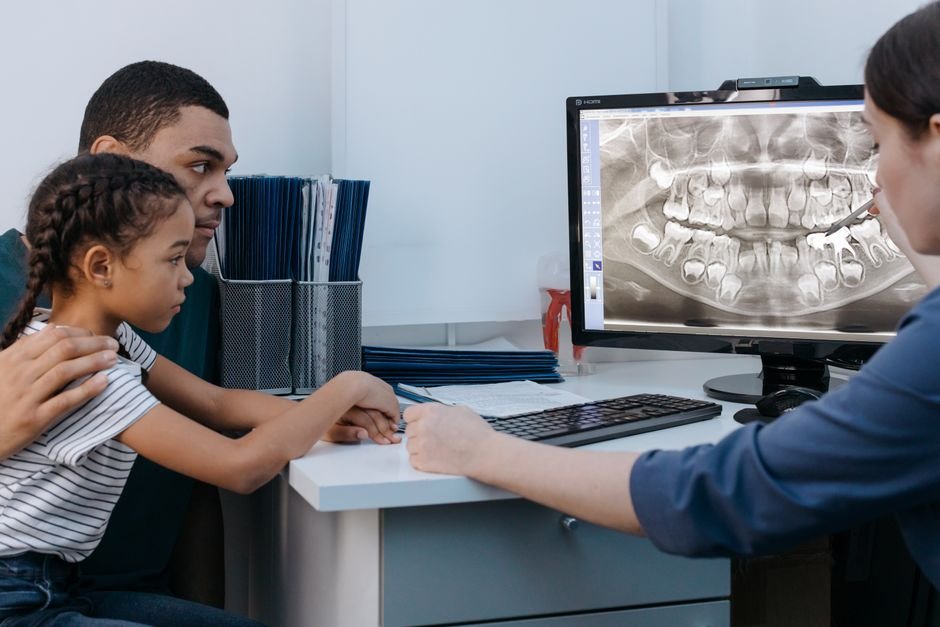
Children often take emotional cues from their parents and older siblings, and seeing familiar faces attend the same dental practice can meaningfully reduce anxiety around visits. A child who watches a parent calmly go through a checkup, or who sits in a waiting room they’ve been to before with a sibling, often approaches their own appointment with less apprehension.
This familiarity extends to the practice itself, since children who grow up visiting the same office tend to build a comfortable, ongoing relationship with the dental team over time. That sense of consistency can make a real difference in how a child feels about dental care well into adulthood.
Many practices that treat whole families offer the option to schedule multiple family members’ checkups close together, sometimes even on the same day. This can turn what would otherwise be several separate trips into a single, more efficient visit to the dental office, cutting down significantly on time spent travelling and waiting.
For families managing busy schedules, this kind of streamlined approach can be the difference between staying on top of regular checkups and letting them slip due to the difficulty of coordinating separate appointments. Reduced friction in scheduling tends to translate directly into better long-term consistency with dental visits.
A practice familiar with an entire family’s dental history is often better positioned to flag preventive opportunities early, whether that’s noticing a pattern of cavities that seems to run in the family or recommending a particular focus area based on what’s worked well for other family members in the past.
This proactive, informed approach to preventive care can help catch small issues before they become bigger problems, benefiting from the practice’s accumulated understanding of the family’s specific tendencies and needs rather than starting from scratch with every individual visit.
Parents managing a household often carry the mental load of tracking everyone’s appointments, follow-ups and ongoing dental needs. A single family practice reduces this administrative burden considerably, since there’s only one office to communicate with, one set of records to keep track of, and often one point of contact for any questions that arise.
This simplification can free up meaningful mental bandwidth, particularly for parents juggling multiple children’s schedules alongside their own. Fewer separate systems to manage generally means less chance of an appointment being missed or a follow-up being forgotten amid a busy routine.
Practices that treat the whole family are generally set up to handle the different needs of each age group, from a toddler’s first dental visit through to the more specific needs of older adults. This range of experience within one practice means transitions between developmental stages, such as a child moving from paediatric-style visits toward more standard adult checkups, tend to feel more seamless.
This continuity avoids the disruption of switching providers at various life stages, allowing the same practice to support a person’s dental care from early childhood through to later adulthood, adjusting its approach as needs naturally change over time.
Dental emergencies, such as a chipped tooth or sudden pain, can be stressful enough without the added complication of trying to find and coordinate care through an unfamiliar provider. A family already established with a practice that knows their history often has an easier time getting timely attention during these moments.
Familiarity with the practice, combined with existing dental records already on file, can streamline emergency care considerably, reducing both the practical hurdles and the added stress of navigating unfamiliar systems during an already difficult moment.
Not every dental practice is equally equipped to serve every age group well, so it’s worth considering a practice’s specific experience with children, teenagers and adults alike when making a choice. Asking about the range of services offered and how the practice handles different developmental stages can help families choose a good long-term fit.
A practice’s approach to communication and scheduling flexibility also matters considerably for families juggling multiple members’ needs. Finding a practice that genuinely accommodates the practical realities of family life tends to make the most difference in how sustainable the arrangement feels over the years.
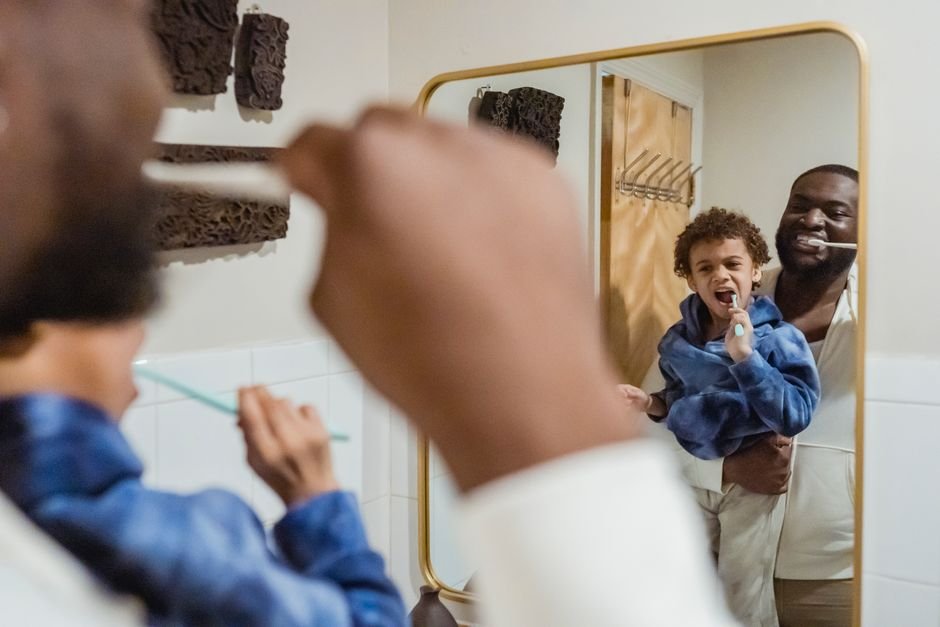
Children who grow up attending the same practice as their parents tend to internalise dental visits as a normal, unremarkable part of life rather than something separate or intimidating. This early exposure, repeated across regular checkups over years, plays a meaningful role in shaping lifelong attitudes toward oral health.
Parents modelling consistent attendance at their own checkups reinforces this pattern further, since children are highly attuned to the habits demonstrated by the adults around them. A shared family practice makes this kind of modelling a natural byproduct of everyday scheduling rather than something that needs to be deliberately engineered.
Many family dental practices welcome children from their very first dental visit, often recommended around the time the first tooth appears or by their first birthday. It’s worth confirming directly with a specific practice about their approach to very young patients.
Cost depends on the specific practice and treatments needed rather than the family care model itself. Many families find that reduced travel time and streamlined scheduling offer practical savings, even if per-visit costs are similar to other providers.
Yes, most family dental practices are equipped to handle patients across all age groups, adjusting their approach as needs change from childhood through adulthood, which is one of the core benefits of this model.
Dental records can typically be transferred between practices with a simple request. Most family practices are experienced in helping new patients bring their history over smoothly when switching from a previous provider.
Not necessarily. Many family practices have multiple dentists on staff, allowing family members to see different practitioners within the same office if that suits their preferences, while still benefiting from shared scheduling and records.

What and when a family eats together has a surprisingly direct effect on children’s dental health, since mealtime patterns often

Children are far more likely to stick with good oral care habits when they see parents practising the same routines
Most dentists recommend a child’s first dental visit by their first birthday, or within six months of their first tooth
 English