


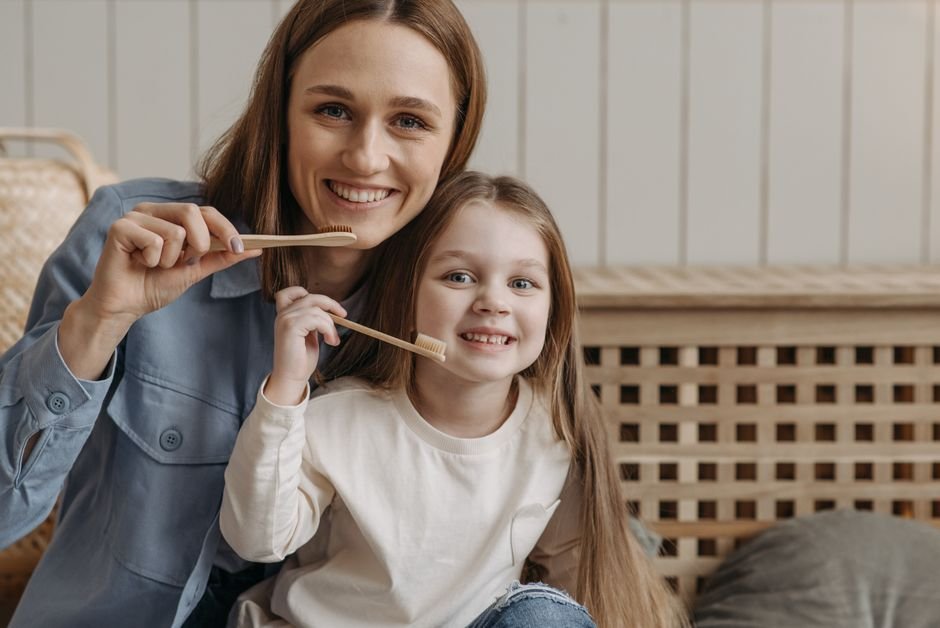























Oral care becomes a lasting family habit when it is treated as a shared daily routine rather than an individual chore, ideally brushed and flossed together at set times, modelled consistently by adults, and reinforced with encouragement rather than pressure. Children pick up habits far more readily by watching and joining in than by being told what to do, which is why building oral care into the rhythm of family life tends to work better than repeated reminders alone.
Key takeaways
Habits form more reliably when they are tied to a consistent routine and reinforced by the people around us, and family life naturally provides both. When brushing and flossing happen at the same time each day, alongside other family members, they become part of the household rhythm rather than a task that is easy to forget or skip. This consistency is particularly valuable for younger children, who are still developing the self-discipline needed to maintain habits independently.
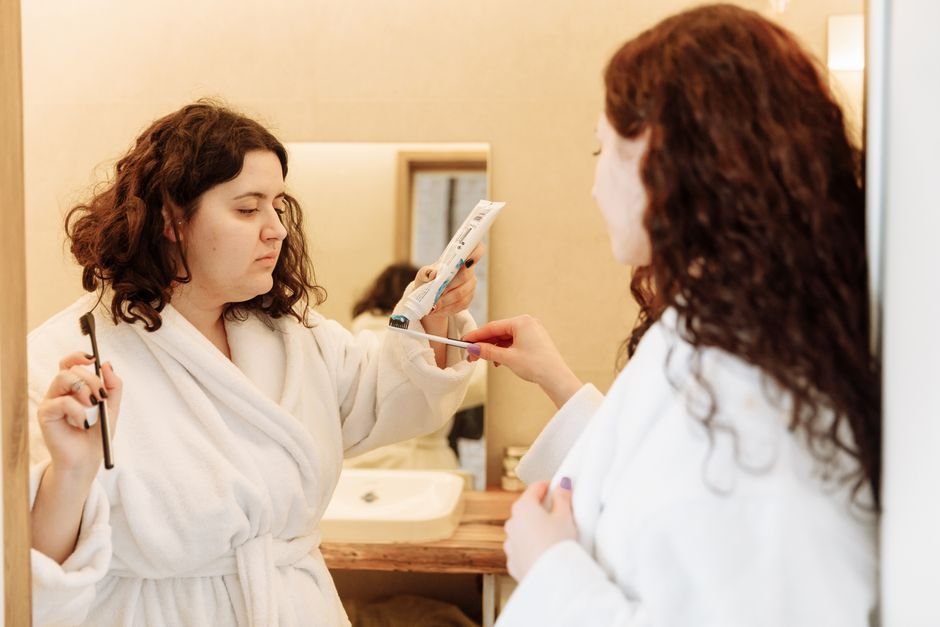
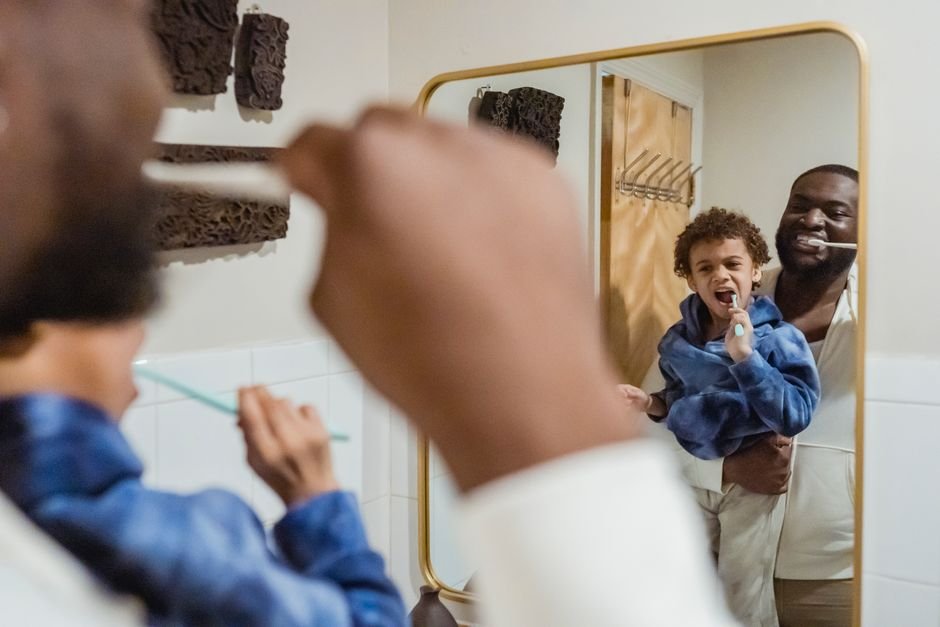
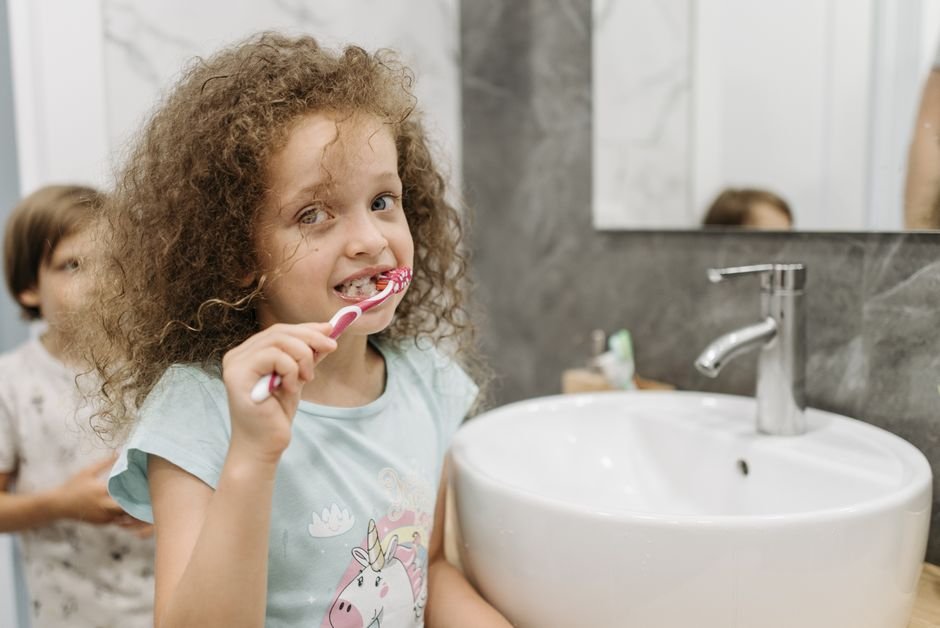
There is also a strong social element at play. Children are highly attentive to what the adults and older siblings around them actually do, often more so than what they are told to do. When oral care is visibly shared, brushed together in the bathroom each morning and evening, it sends a quiet but consistent message that this is simply a normal, expected part of the day, rather than an optional extra that can be negotiated away.
Modelling starts with visibility. Brushing teeth in front of children, rather than out of sight, allows them to observe technique, timing, and the general tone of the activity, whether it is approached as a chore or as a normal, unremarkable part of the routine. Children absorb attitudes as much as actions, so an adult who brushes calmly and thoroughly, without rushing or complaining, teaches far more than any verbal instruction about the importance of oral care.
Consistency across all adults in the household strengthens this modelling further. If one parent brushes diligently while another skips it regularly, children notice the inconsistency and may conclude that the routine is optional. Where possible, aligning on shared expectations, such as brushing together after breakfast and before bed, helps present a unified and dependable example that children are more likely to internalise as they grow older.
Habits are far more durable when they are anchored to a specific time and trigger rather than left to memory alone. Linking brushing to existing daily anchors, such as immediately after breakfast and right before the bedtime story, gives the habit a reliable place in the day that does not depend on remembering or deciding to do it. Over time, this anchoring reduces the mental effort required, since the routine becomes automatic rather than something that needs active reminding.
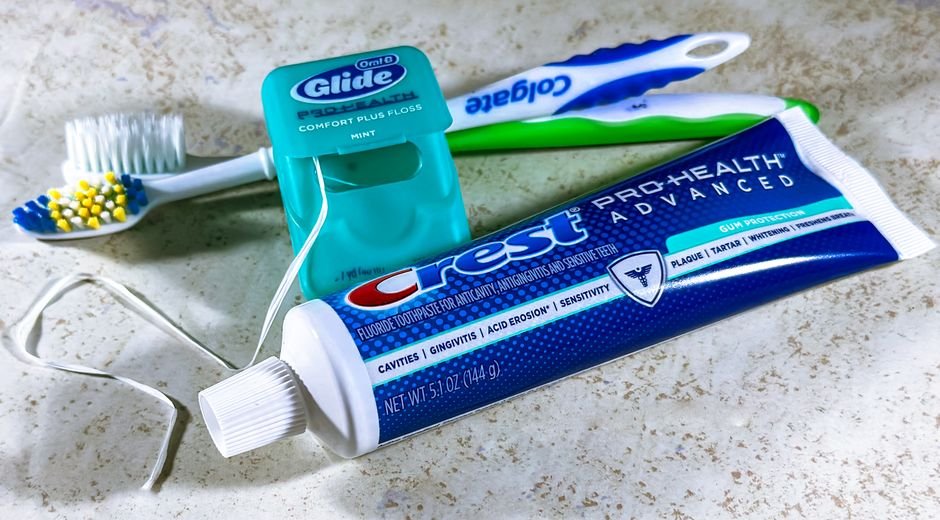
Flossing or interdental cleaning benefits from the same approach, though it is often the habit most likely to be dropped when routines are loose. Pairing it consistently with brushing, rather than treating it as a separate and optional task, helps it become part of the same automatic sequence. Families that build flossing into the same time slot as brushing, even briefly, tend to sustain the habit far longer than those who treat it as an occasional extra.
Young children respond well to oral care routines that feel interactive rather than instructional. Using a two-minute timer, playing a favourite short song, or turning brushing into a simple game of covering every tooth “like a treasure hunt” can shift the activity from something imposed to something enjoyable. Reward charts that track consistent brushing over a week or month can also provide younger children with a visible sense of progress, which tends to be more motivating than verbal praise alone.
Letting children make small, low-stakes choices, such as picking their own toothbrush colour or choosing which song plays during brushing, can increase their sense of ownership over the routine. This does not mean the core habit becomes negotiable, but allowing some flexibility around the edges often reduces resistance and makes the overall experience feel less like a rule being enforced and more like a routine they are actively part of.
As children grow, the goal shifts from close supervision toward gradually handing over responsibility for their own oral care. Early on, this might mean an adult brushing a young child’s teeth directly, moving later to supervised brushing where the child leads and an adult checks the result, and eventually to fully independent brushing with periodic spot checks. This gradual handover helps children build confidence and competence at a pace that matches their developing coordination and understanding.
Throughout this transition, continued family involvement still matters, even once children can technically manage brushing alone. Older children and teenagers benefit from occasional check-ins, shared conversations about flossing or diet, and continued modelling from adults, since independence in oral care does not mean the habit no longer needs reinforcement. Families that maintain some shared oral care rituals, even loosely, tend to see those habits persist more consistently through adolescence.
Oral care extends beyond brushing and flossing into what happens at the table. Family meals and shared snack choices directly affect how often teeth are exposed to sugars and acids throughout the day, since frequent grazing on sugary or starchy snacks gives bacteria more opportunities to produce the acid that leads to decay. Households that establish regular meal and snack times, rather than constant grazing, naturally reduce this frequency of exposure without needing any extra effort around brushing.
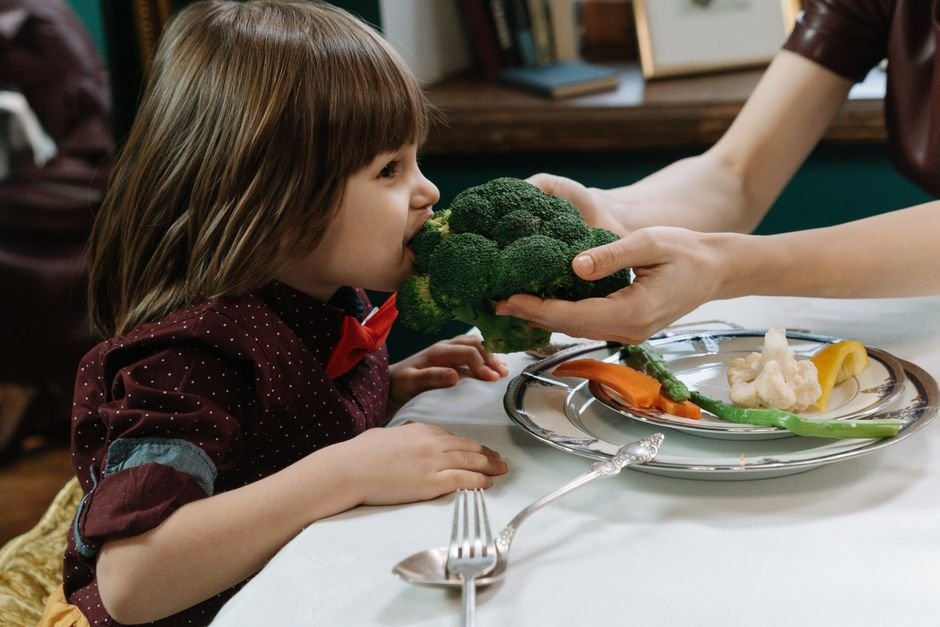
Choosing water as the primary drink between meals, keeping sugary drinks and snacks for occasional moments rather than daily habits, and offering teeth-friendly options such as cheese, vegetables, or plain yoghurt as snacks all support oral health as a natural side effect of everyday family food choices. Because children largely eat what is offered and modelled at home, these dietary patterns often have as much influence on oral health as brushing technique itself.
Oral care can become a flashpoint, particularly with toddlers and young children who resist having their teeth brushed. Turning brushing into a battle of wills tends to backfire, often making children associate oral care with stress rather than routine. Approaching resistance calmly, offering brief choices such as “top teeth or bottom teeth first,” and keeping the tone light rather than tense can defuse much of this friction without compromising on the habit itself.
Consistency also reduces conflict over time, since children generally push back harder against routines that are inconsistently enforced than against ones that are simply expected every day without negotiation. When brushing happens at the same time, in the same way, every single day, it gradually stops being something to resist and becomes just another unremarkable part of the daily rhythm, much like getting dressed or having breakfast.
Habits formed within a family setting tend to carry forward into adulthood far more reliably than habits taught in isolation. A child who grows up brushing alongside parents and siblings, attending regular dental check-ups as a normal family activity, and hearing conversations about oral health treated matter-of-factly is more likely to maintain these habits independently later in life. This long-term payoff is one of the strongest arguments for treating oral care as a collective family practice rather than an individual responsibility assigned to each person separately.
Shared oral care habits also create natural opportunities for early problem detection. Families that maintain visible, consistent routines are more likely to notice changes, such as a child avoiding brushing on one side of the mouth or complaining of sensitivity, simply because the routine puts oral health in view regularly. This ongoing awareness supports timely conversations with a dental professional, rather than issues going unnoticed until they become more significant.
Building a shared oral care habit does not require a complete overhaul of the household routine. Small, consistent changes tend to be more sustainable than ambitious ones that are hard to maintain. Choosing a fixed brushing time that works for the whole family, gathering in the same space for it, and keeping the atmosphere relaxed rather than rushed are practical starting points that require little more than a shift in scheduling and attention.
From there, layering in supporting habits, such as flossing at the same time, keeping water as the default drink, and having regular family conversations about dental check-ups, reinforces the routine without adding significant extra effort. The goal is not perfection from day one but steady consistency, since habits that are repeated calmly and reliably over weeks and months are the ones most likely to become a lasting, shared part of family life.
Oral care routines can begin as soon as the first tooth appears, with an adult gently cleaning the teeth and gums as part of the daily routine. As children grow, they can gradually take on more of the process themselves while continuing to brush alongside family members, keeping the shared routine consistent from infancy through to independence.
A thorough brushing session generally takes around two minutes per person, covering all surfaces of the teeth and the gumline. Using a timer, a short song, or a phone timer during a shared family brushing session helps ensure everyone, including younger children, brushes for the full recommended length rather than stopping too early.
Resistance is common and often responds well to calm consistency rather than pressure or bargaining. Offering small choices, such as which toothbrush to use or which tooth to start with, keeping the tone light, and maintaining the same routine every day without exception, tends to reduce resistance more effectively than strict enforcement or repeated reminders.
Yes, flossing or another form of interdental cleaning reaches areas between teeth that brushing alone cannot clean effectively. Building it into the same routine as brushing, rather than treating it as a separate or optional step, helps it become a consistent daily habit for every member of the family, regardless of age.
Keeping the same brushing times as closely as possible, even when the setting changes, helps preserve the routine during travel or disruption. Packing a travel-sized toothbrush and toothpaste, maintaining the same order of activities, and continuing to brush together as a family, even briefly, helps the habit survive changes to the usual environment or schedule.

What and when a family eats together has a surprisingly direct effect on children’s dental health, since mealtime patterns often

Children are far more likely to stick with good oral care habits when they see parents practising the same routines
Most dentists recommend a child’s first dental visit by their first birthday, or within six months of their first tooth
 English