




























A child’s sleep habits shape their oral health in several direct ways. Drinks other than water at bedtime bathe the teeth in sugar for hours while saliva flow is low, mouth breathing during sleep dries the gums and front teeth, and irregular routines make consistent toothbrushing harder to maintain. Poor or disrupted sleep also affects mood and appetite, which influences food choices during the day. Building a calm, predictable bedtime routine that ends with brushing and only water afterwards is one of the most effective things parents can do to protect young teeth.
Key takeaways
During the day, saliva constantly washes over the teeth, neutralising acids, rinsing away food particles, and carrying minerals that help repair early enamel damage. When a child falls asleep, saliva production slows to a trickle. This natural defence is effectively switched off for the whole night, so the mouth is much more vulnerable during those hours.
Anything sugary or acidic consumed just before bed therefore sits on the teeth with little to dilute or clear it. Bacteria in plaque feed on the sugar and produce acid continuously, and there is minimal saliva to buffer it. This is why a biscuit or a cup of juice at bedtime does more harm than the same item eaten at lunchtime, and why the last thing to pass a child’s lips before sleep should be a toothbrush.
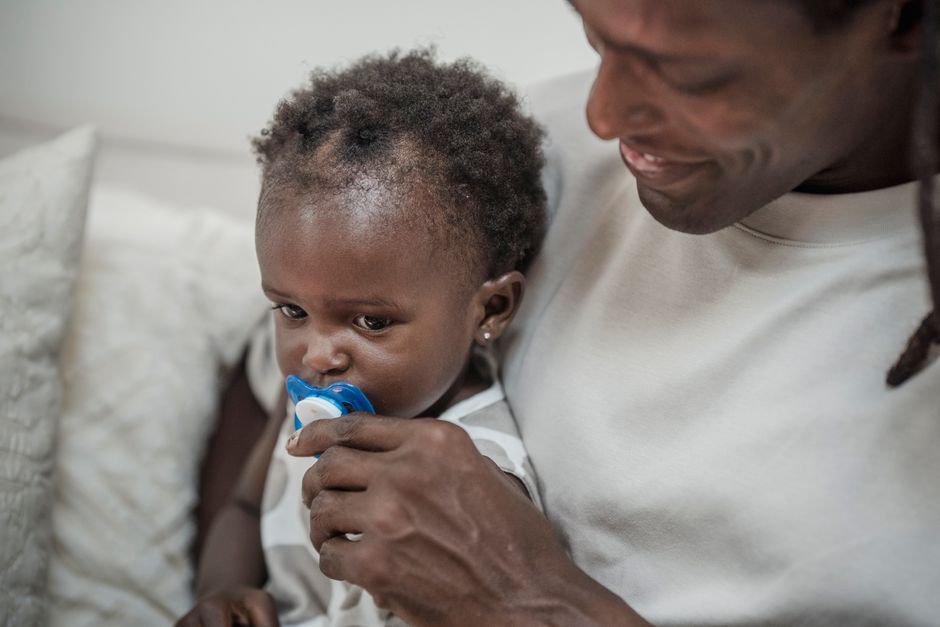
Early childhood caries, sometimes called baby bottle tooth decay, is a pattern of rapid decay in very young children, most often affecting the upper front teeth. It is strongly linked to putting a baby or toddler to bed with a bottle or sippy cup containing milk, formula, juice, or any sweetened drink, or allowing prolonged on-demand breastfeeding through the night once teeth have come in.
The liquid pools around the front teeth for hours as the child sleeps, feeding acid-producing bacteria in the near-absence of saliva. Decay can appear within months and progress quickly because baby tooth enamel is thinner than adult enamel. Offering only water in any bottle or cup taken to bed, and moving away from the bedtime bottle as early as is practical, prevents this pattern.
Some children breathe through the mouth rather than the nose while asleep, often because of enlarged tonsils or adenoids, allergies, or nasal congestion. Air passing over the front teeth and gums all night dries out the protective film of saliva, leaving those areas more prone to inflammation and to plaque sticking firmly. Parents may notice puffy gums around the upper front teeth that do not improve with brushing alone.
Long-term habitual mouth breathing can also influence how the jaws and teeth develop, since the resting position of the tongue and lips changes. If a child regularly snores, breathes through an open mouth at night, or seems tired despite enough hours in bed, it is worth raising with a dentist, doctor, or health visitor so the underlying cause can be checked.
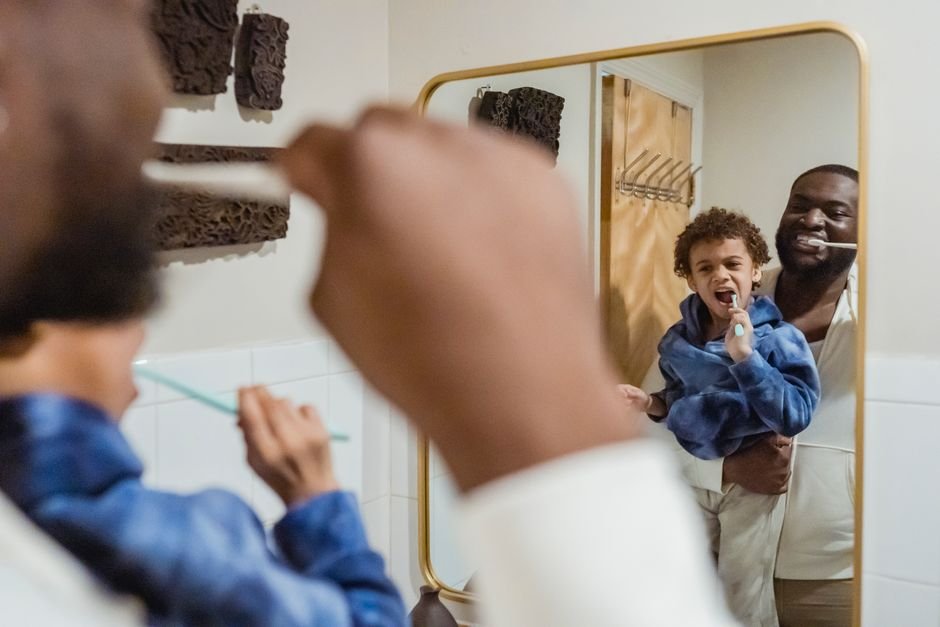
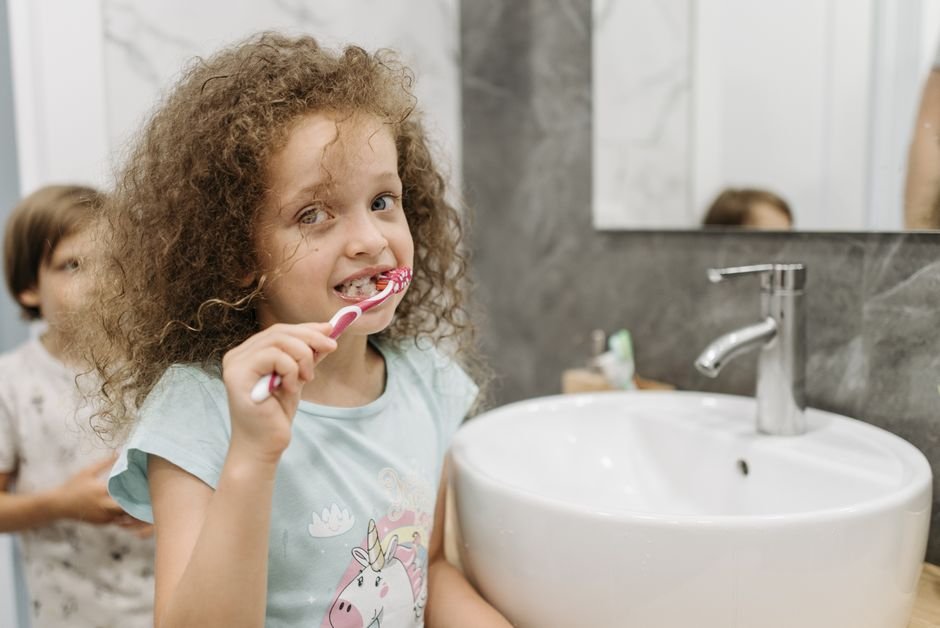
Toothbrushing works only when it happens every day, and the evening brush is the most important one because of the long low-saliva period that follows. A predictable sequence, such as bath, pyjamas, brush teeth, story, lights out, turns brushing into a fixed step rather than a negotiation. Children cope far better with routines they can anticipate.
When bedtimes drift late or vary a lot from night to night, the evening brush is the step most often skipped, usually because everyone is tired and rushing. Over a year, frequently missed evening brushing adds up to a great deal of extra acid exposure. A consistent routine protects the habit, and the habit protects the teeth.
After the evening toothbrushing, the only drink should be water. If a child is thirsty in the night, water is the safe choice to keep by the bed. Milk contains natural sugars, and although it is a valuable food, it should be finished before brushing, not sipped afterwards or during the night once teeth are present.
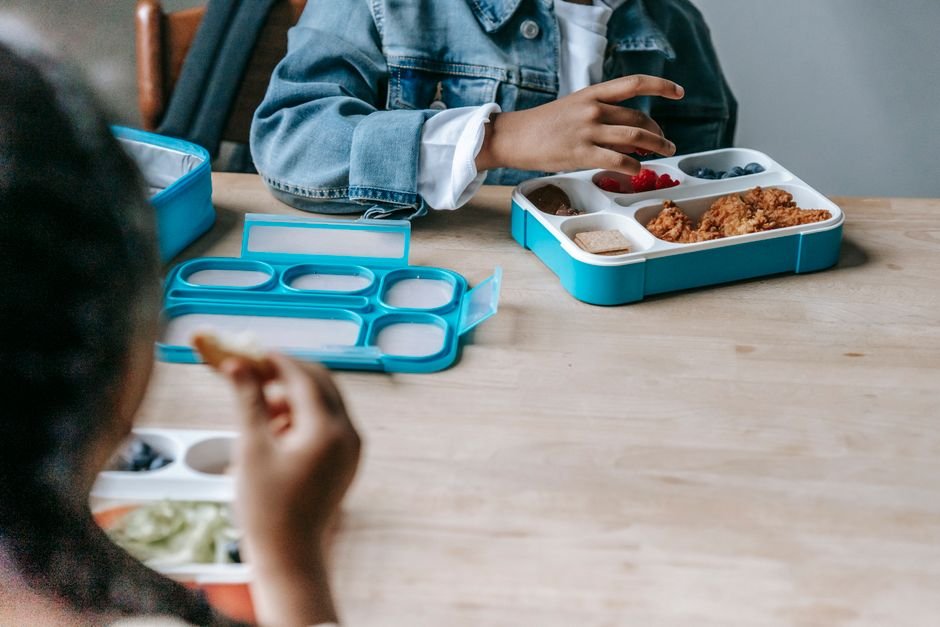
Bedtime snacks are best kept to tooth-friendly options eaten before brushing, such as cheese, plain yoghurt, or vegetable sticks, rather than crackers, dried fruit, sweetened cereal, or biscuits, which cling to the teeth. Ideally the routine allows a gap between the last food and brushing, so brushing genuinely is the final thing before sleep.
Yes, through its effect on daytime behaviour. Children who are short on sleep tend to be hungrier, to crave sweet and starchy foods for quick energy, and to snack more often. Frequent snacking is one of the biggest drivers of decay because each snack restarts the acid attack on the teeth, and grazing all day gives enamel no time to recover.
Tired children are also less cooperative with routines, so morning and evening brushing can become more of a struggle and may be done quickly or skipped. Improving sleep often makes the whole day run more smoothly, including meals and brushing. In this way, a good sleep routine supports oral health well beyond the bedtime hours themselves.
Many young children grind their teeth at night at some point, often making a sound their parents notice from another room. In most cases it is harmless, does not damage the baby teeth significantly, and stops on its own as the adult teeth come through and the bite settles. It is thought to be related to the developing jaw, and sometimes to tiredness or a blocked nose.
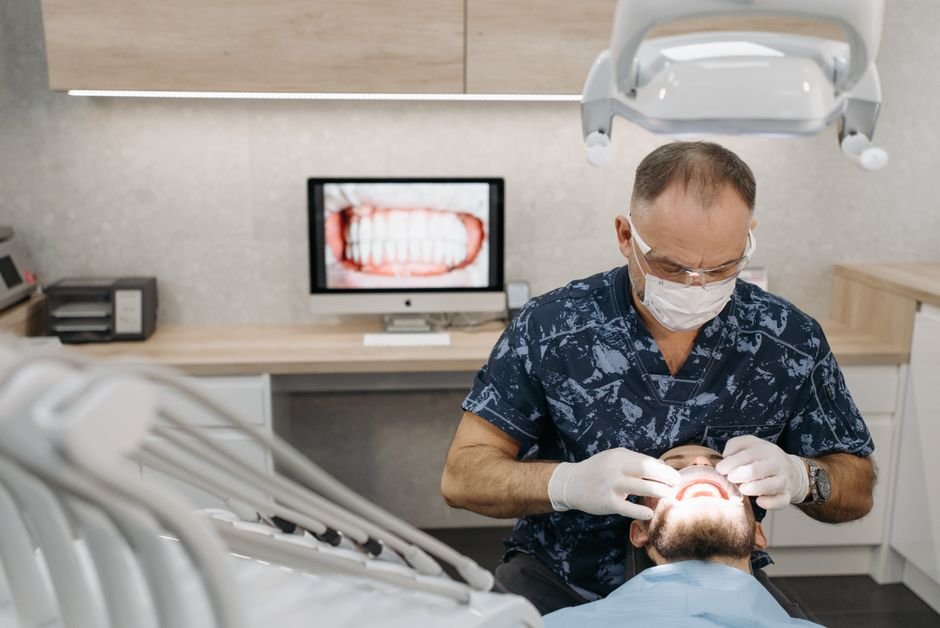
It is still worth mentioning at a routine dental visit so the dentist can check for any unusual wear and reassure you. If grinding is heavy, seems linked to disturbed sleep or daytime tiredness, or continues strongly once adult teeth are established, the dentist may look more closely or discuss whether anything, such as a breathing issue, is contributing.
Screens in the hour before bed push bedtimes later and make children more wound up, so the whole evening routine, including brushing, gets rushed or skipped. Late, bright-screen evenings are also when snacking creeps in, often on sweet or starchy foods eaten in front of a device without much awareness, which then sit on the teeth overnight.
Setting a firm cut-off for screens, ideally at least half an hour before brushing, gives the routine room to happen properly and calmly. It also removes the temptation of the late snack. Making the last part of the evening consistent and screen-free tends to improve both sleep and the reliability of the bedtime brush, which work together to protect young teeth.
Oral health benefits from routine at both ends of the night, not just bedtime. A regular wake time helps set the body clock, which makes falling asleep at a sensible hour easier and keeps the evening routine on track. It also anchors breakfast, and eating breakfast restarts saliva flow and gives a natural point for the morning brush.
When wake times swing widely between school days and weekends, bedtimes drift, evenings become unpredictable, and the morning brush is more likely to be missed in the rush. Keeping wake times within about an hour of each other across the week supports steadier meals and more reliable brushing, both of which reduce a child’s risk of decay over time.
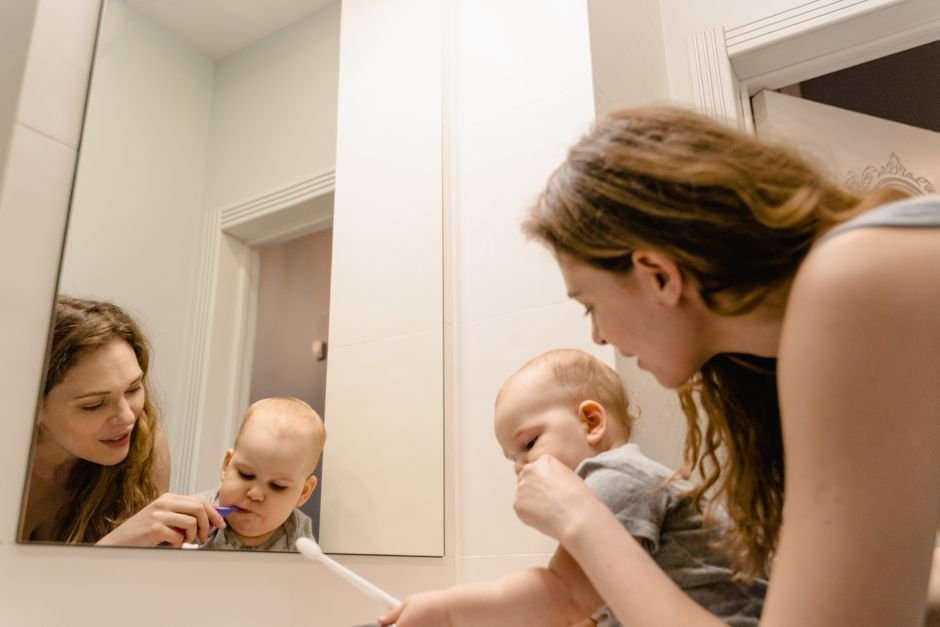
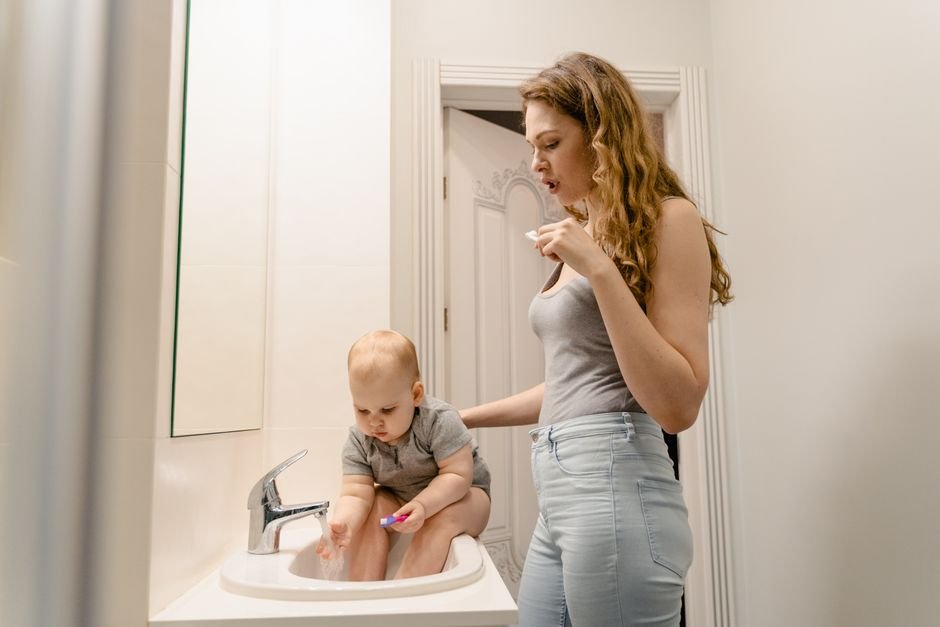
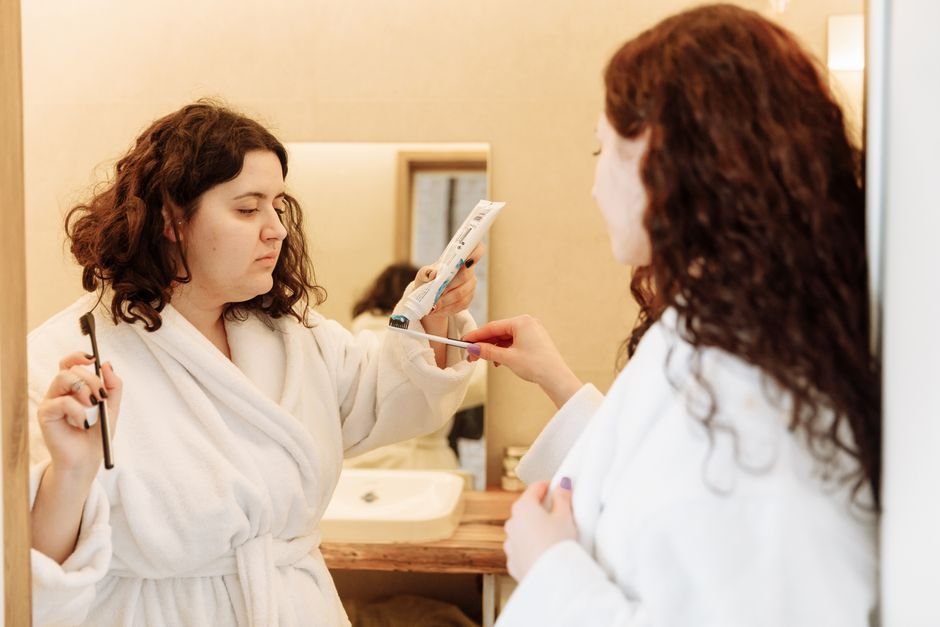
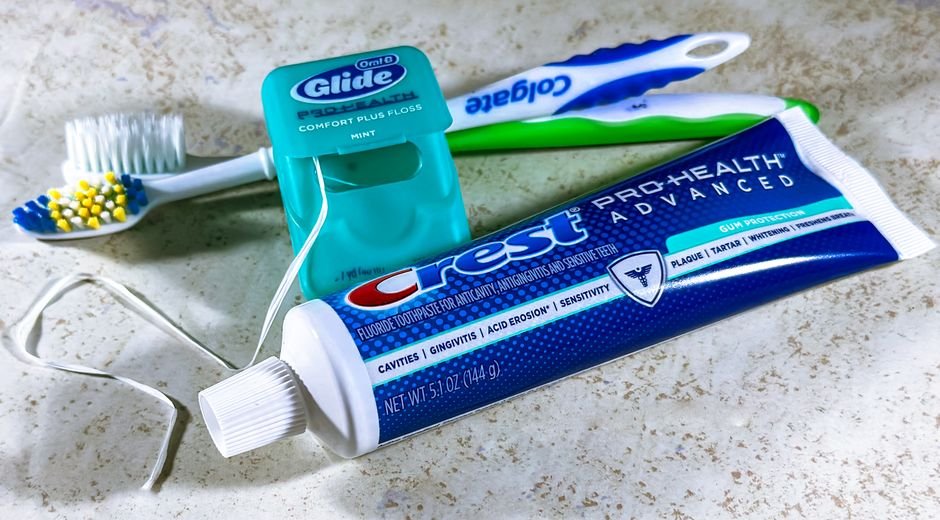
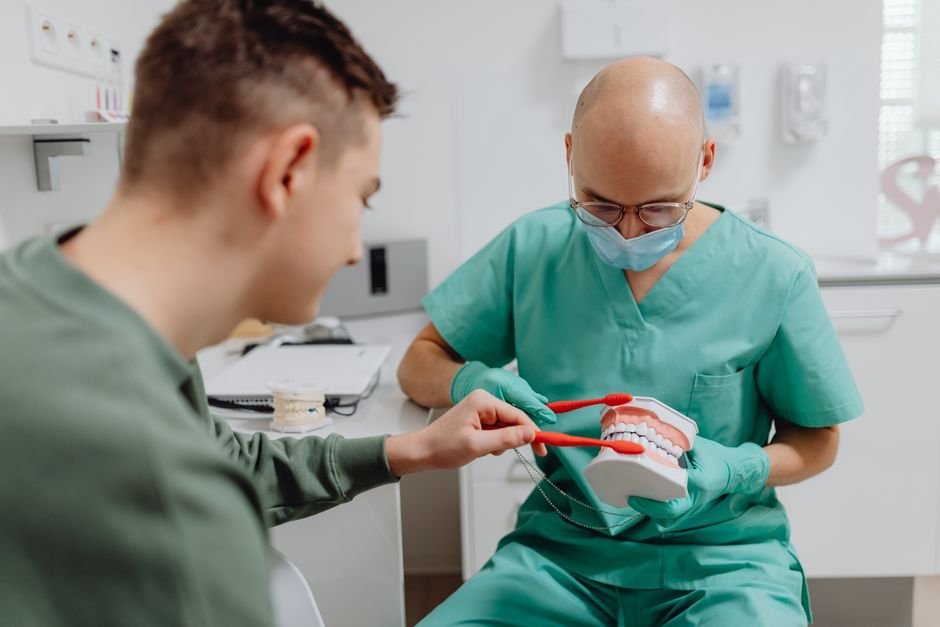
Brush at the same point in the routine every night so it is expected. For younger children, brushing their teeth for them, or finishing off after they have had a go, ensures the job is actually done, since young children lack the coordination to clean thoroughly until around the age of seven or later. Standing behind them and tilting the head back gives the best view.
Use a smear or pea-sized amount of fluoride toothpaste appropriate for the child’s age, and encourage spitting out rather than rinsing so a little fluoride stays on the teeth overnight. Keep it light-hearted with a song, a two-minute timer, or letting the child choose their brush. If evenings are hard, moving the whole routine ten minutes earlier, before everyone is exhausted, often makes the difference.
Once teeth have come through, milk should be finished before the evening brushing rather than sipped in bed or overnight. Milk sugars feed decay-causing bacteria, and with little saliva during sleep the teeth have no protection.
Only water. A bottle of milk, formula, or juice taken to bed pools around the front teeth for hours and is a common cause of early childhood decay. Aim to phase out the bedtime bottle when practical.
Regular snoring or night-time mouth breathing is worth mentioning to a dentist or doctor. It can dry the gums and front teeth, may affect jaw development over time, and sometimes points to enlarged tonsils, adenoids, or allergies.
In young children night grinding is usually harmless and self-limiting, often stopping as adult teeth appear. Mention it at dental visits so any wear can be checked, especially if it continues once adult teeth are established.
Indirectly, yes. Late and irregular bedtimes are when evening brushing is most often rushed or skipped, and tiredness the next day tends to increase snacking on sugary foods, both of which raise the risk of decay.

What and when a family eats together has a surprisingly direct effect on children’s dental health, since mealtime patterns often

Children are far more likely to stick with good oral care habits when they see parents practising the same routines
Most dentists recommend a child’s first dental visit by their first birthday, or within six months of their first tooth
 English