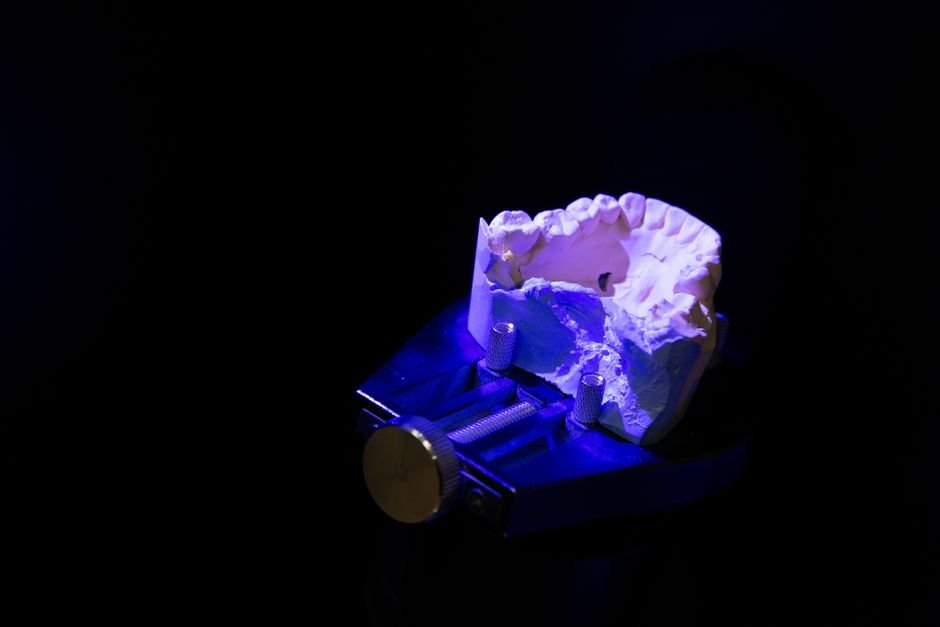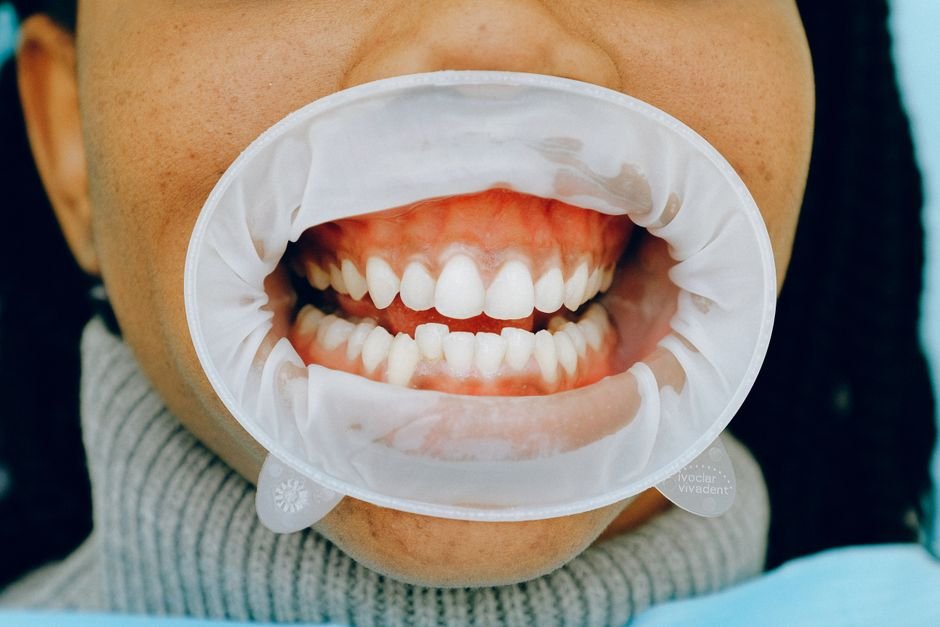




































Modern dental practices use a combination of gentler numbing methods, quieter equipment, digital imaging and calmer communication techniques to make appointments far less frightening for anxious children and adults alike. Together, these tools reduce the noise, pressure, waiting time and uncertainty that typically trigger dental fear, turning a once-dreaded visit into a manageable, even comfortable, experience.
Key takeaways
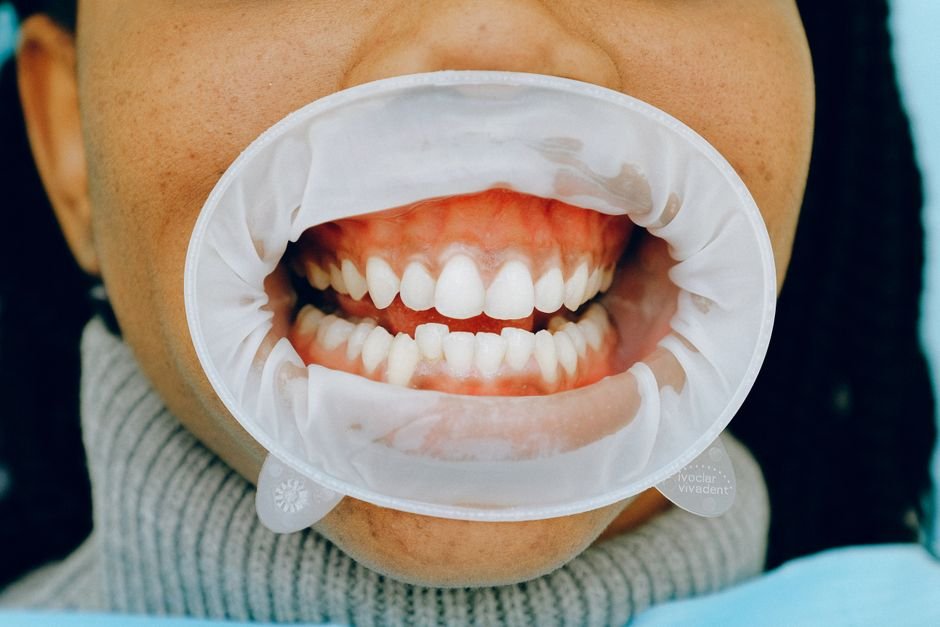
Dental anxiety can range from a mild sense of unease before an appointment to a genuine fear response that makes people avoid the dentist for years. Common signs include a racing heart, sweating, tense muscles, difficulty sleeping the night before an appointment, or feeling the urge to cancel at the last minute. In children, anxiety often shows up as crying, clinginess, refusal to open the mouth, or physically pulling away from the dental chair. Adults may mask their nerves better outwardly, but internally experience the same heightened stress response.
It is worth remembering that dental anxiety is not a personal failing or an overreaction. It often stems from a previous uncomfortable experience, a fear of pain, a feeling of losing control while lying back in a chair, or simply the unfamiliar sounds and smells of a dental surgery. Recognising these feelings as valid, rather than something to push through silently, is the first step towards finding an appointment style that actually works for the person experiencing them.
Dental fear is one of the most widely reported forms of healthcare anxiety, affecting a substantial proportion of both children and adults at some point in their lives. It exists on a spectrum, from a mild preference to put off booking an appointment through to a more intense phobia that leads to avoidance of dental care altogether. Because it is so widespread, most dental teams are well practised at recognising the signs and adjusting their approach accordingly, rather than treating it as unusual or difficult to manage.
Understanding how common this fear is can be reassuring in itself. Nervous patients often assume they are the only ones struggling, when in reality entire appointment schedules are frequently built around accommodating anxious patients of all ages. Dental teams routinely see patients who have avoided check-ups for years, and they are generally far more focused on helping someone feel safe than on judging why they waited so long to come back.
One of the biggest anxiety triggers is the fear of needles or the sensation of an injection. Many practices now use gentler numbing techniques, including topical numbing gels applied to the gum before any injection, slower and more controlled delivery of anaesthetic to reduce pressure and stinging, and smaller, finer needles designed to minimise discomfort. Some practices also offer numbing methods that reduce the initial sting altogether by targeting the nerve more precisely, meaning less anaesthetic is needed overall.
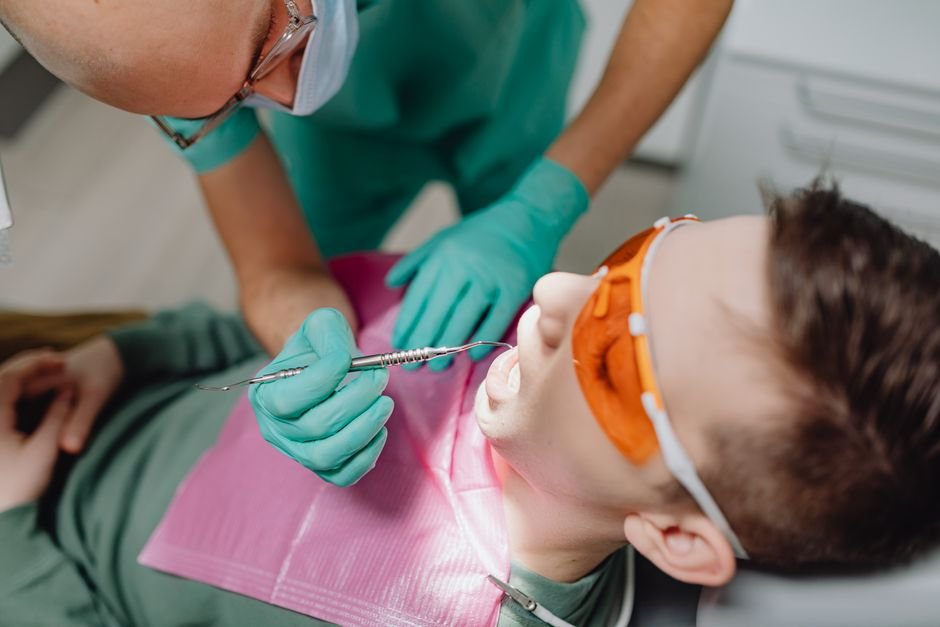
These approaches do not eliminate every sensation, but they significantly reduce the sharpness and unpredictability that patients often remember and dread from past visits. For children in particular, a gentler numbing experience can shape how they feel about dental visits for the rest of their lives. For anxious adults, knowing that numbing will be applied gradually and carefully, rather than abruptly, can make the lead-up to an injection feel far less stressful.
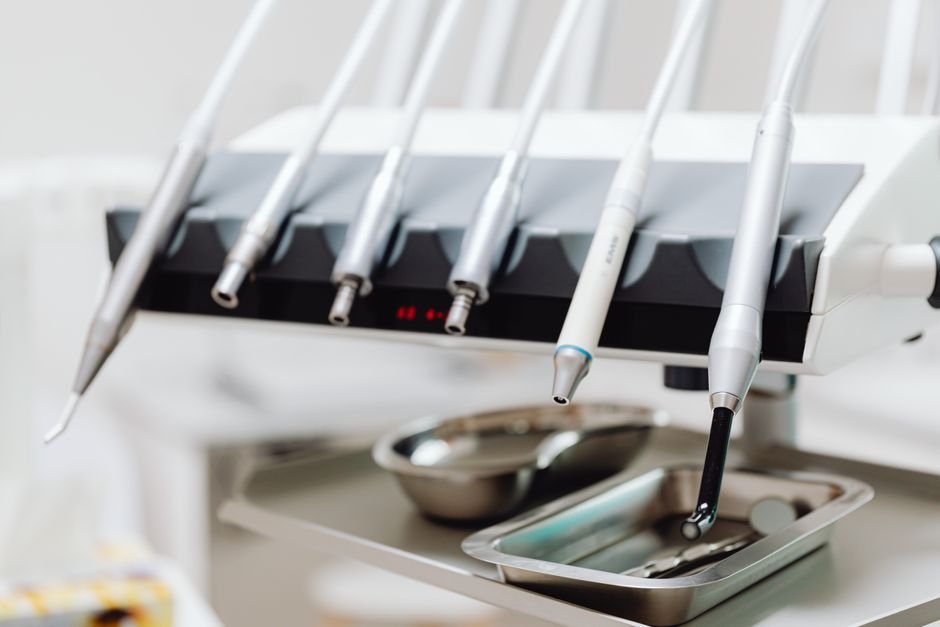
The sound of dental equipment is a well-known anxiety trigger, often ranking alongside the fear of pain itself. High-pitched drilling noises can trigger a stress response even before any actual sensation occurs, simply because the brain associates the sound with discomfort. Newer generations of dental equipment are engineered to run more quietly and with less vibration, which reduces this anticipatory anxiety considerably. Some tools also work at a steadier, smoother pace rather than in short, jarring bursts.
Reducing noise is not just about comfort for its own sake; it directly interrupts the anxiety cycle. When a patient does not flinch at the sound of a tool starting up, their muscles stay more relaxed, which in turn can make the actual procedure quicker and smoother. This creates a positive loop: less noise leads to less tension, which leads to an easier appointment, which then makes the next visit feel less daunting from the very start.
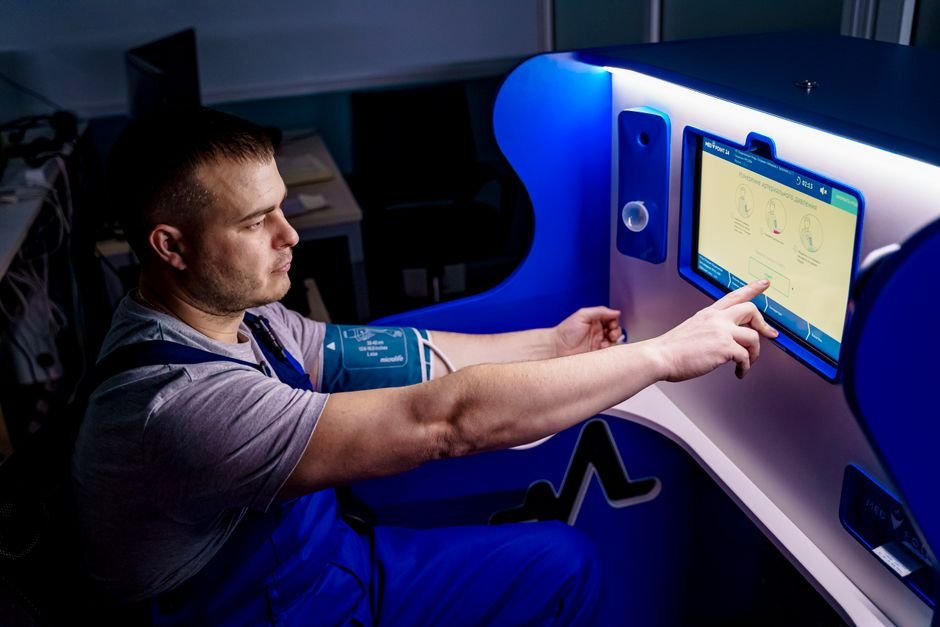
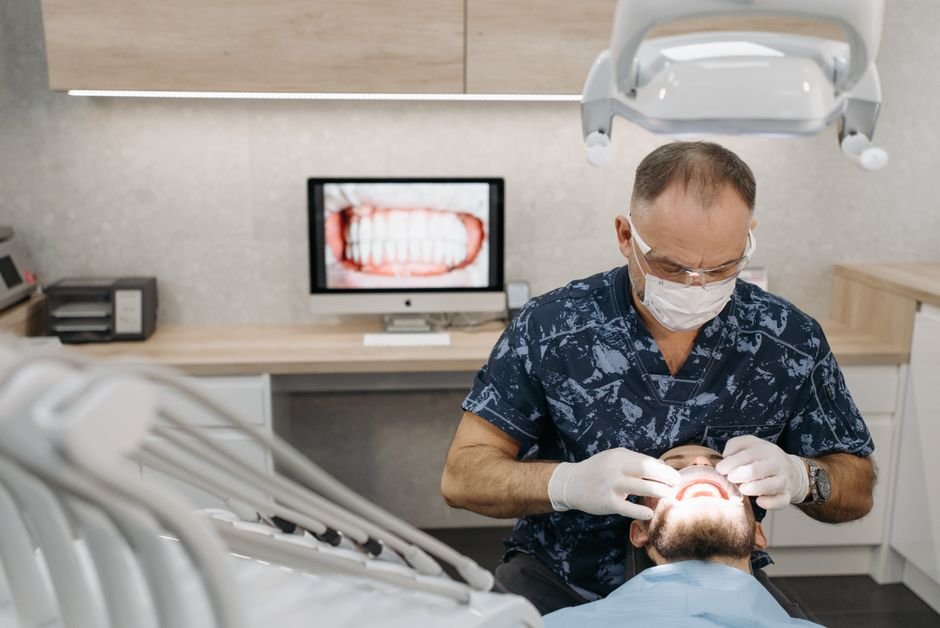
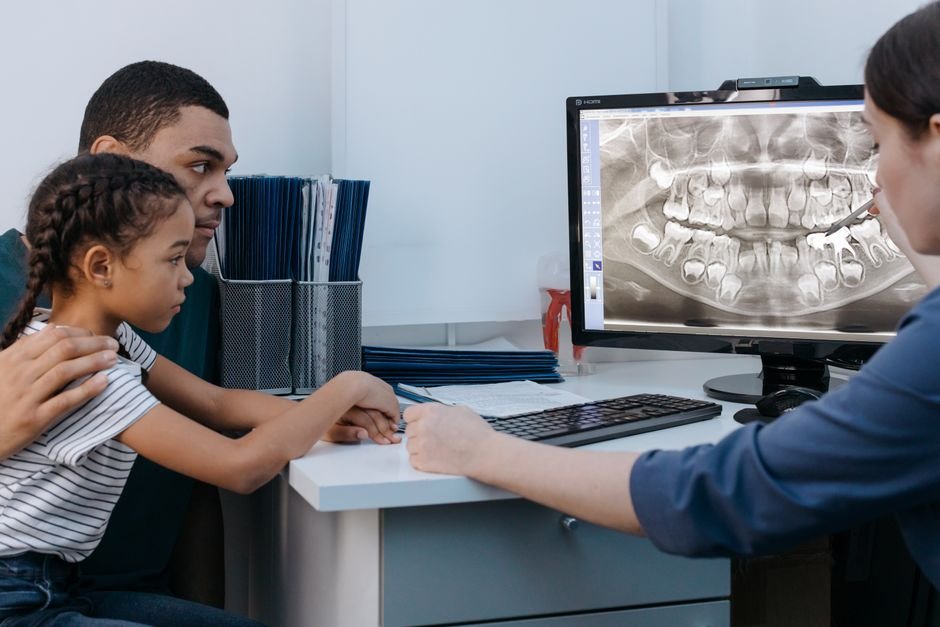
Traditional dental X-rays historically required uncomfortable positioning, biting down on rigid film, and sometimes retaking images if they were not clear the first time. Digital imaging has changed this considerably. Images can be captured more quickly, viewed instantly on a screen, and adjusted without needing the patient to hold an awkward position for long periods. This is particularly helpful for children, who often struggle to stay still, and for adults with a sensitive gag reflex.
Beyond comfort, digital imaging also shortens the overall length of an appointment. Because images are ready immediately, the dental team can move through diagnosis and planning without long pauses for processing. Less time in the chair means less time for anxious thoughts to build, and a shorter appointment overall feels far more manageable for someone who is already nervous about being there.
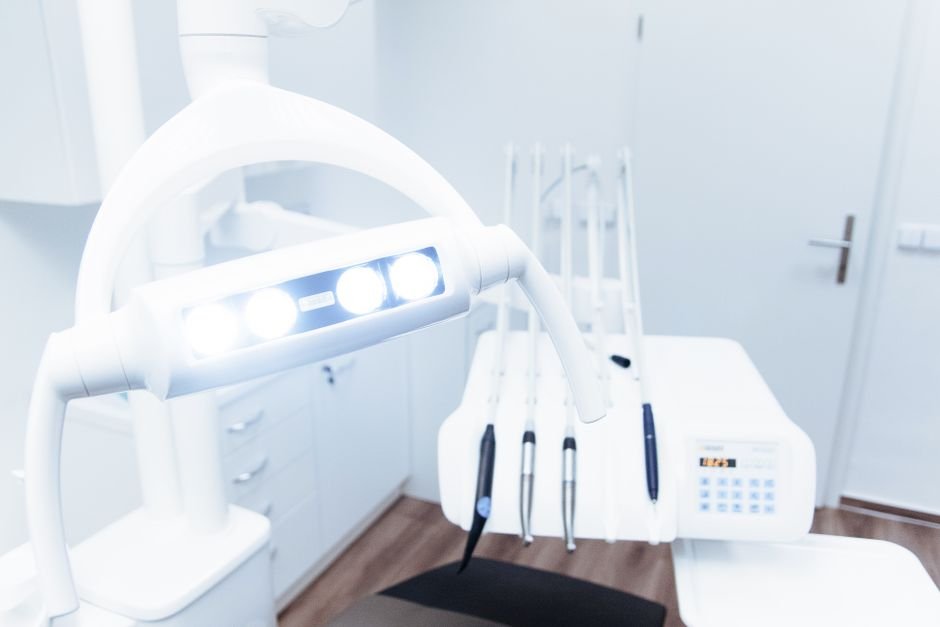
Anxiety in a dental setting is often driven less by pain itself and more by a build-up of sensory triggers: bright lights, unfamiliar smells, sharp instrument sounds, and the sensation of hands and tools working close to the face. Comfort-focused technology addresses several of these triggers at once. Quieter equipment reduces auditory stress, gentler numbing reduces the fear of a sharp sensation, and faster digital processes shorten the overall exposure to the environment that feels overwhelming.
When these triggers are reduced together, rather than addressed one at a time, the cumulative effect on a nervous patient can be significant. A person who might have tensed up at every stage of an older-style appointment can instead move through a visit with far fewer moments that spike their stress response. This is particularly valuable for children, whose anxiety can escalate quickly once one uncomfortable sensation sets off a chain reaction of fear.
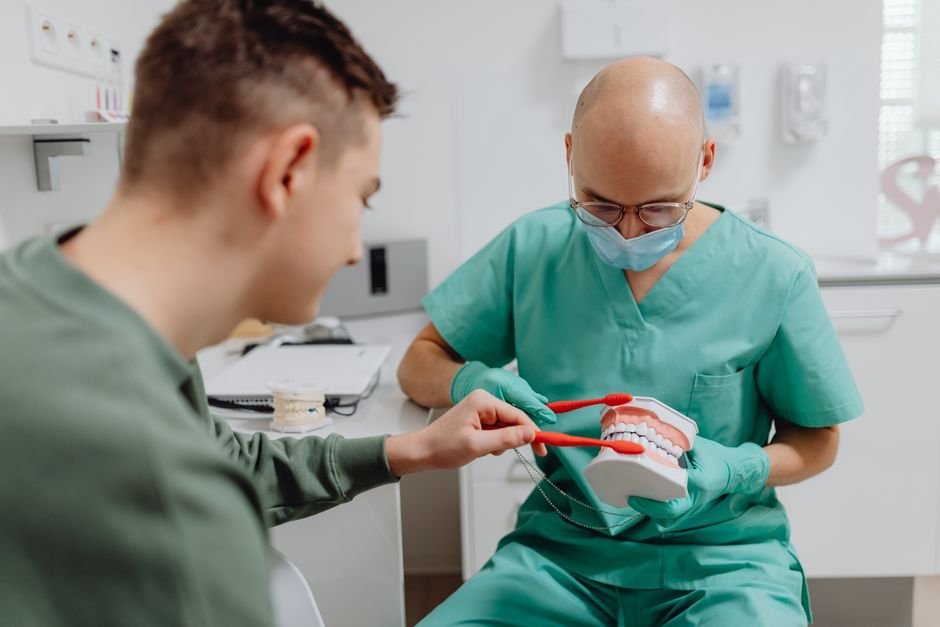
Technology alone cannot fully resolve dental anxiety without the right approach from the people delivering care. Clear, simple explanations of what is about to happen, offered before rather than during a procedure, help patients feel more in control. Many dental teams also use a “tell, show, do” method, particularly with children, where a tool is described, then demonstrated somewhere harmless like the back of a hand, before it is used in the mouth.
Pacing is equally important. A rushed appointment can heighten anxiety even with the gentlest tools available, whereas a team that checks in regularly, offers breaks, and agrees on a simple signal for “stop for a moment” gives the patient a genuine sense of control. This combination of predictability and reassurance often has as much impact on comfort as the equipment itself, because it addresses the psychological side of dental fear alongside the physical one.
Preparation before the visit makes a noticeable difference. Explaining what will happen in simple, non-frightening language, avoiding words like “hurt” or “injection” in favour of neutral terms, and reading a children’s book about visiting the dentist can help a child feel less blindsided. Bringing a comfort item, such as a small toy, and scheduling the appointment for a time of day when the child is well-rested and not hungry can also reduce the chances of a difficult visit.
During the appointment itself, staying calm as a parent is one of the most powerful tools available, since children often mirror the emotional state of the adults around them. Praising small steps, rather than focusing on perfection, and avoiding bribery framed as “if you’re good” in favour of simple encouragement tends to work well. If a child does become upset, allowing the dental team to guide the pacing, rather than stepping in to rush or force compliance, generally leads to a calmer resolution.
Adults can benefit from many of the same principles that help children, adapted to a more independent context. Booking the first appointment of the day can prevent anxiety from building up over hours of anticipation. Practising slow, controlled breathing in the waiting room, and continuing it during the procedure, helps keep the nervous system calmer. Agreeing on a hand signal with the dental team to pause at any point can restore a sense of control that anxiety often strips away.
It also helps to be open with the dental team about specific fears, whether that is the sound of a tool, the sensation of numbness, or simply lying back in the chair. A team that knows exactly what triggers someone’s anxiety can adjust their pacing and explanations accordingly. Some adults also find it useful to bring headphones for calming audio, or to schedule a brief introductory visit purely to look around the surgery before any treatment is planned.
A comfort-focused appointment typically begins with a short conversation about any concerns before treatment starts, rather than diving straight into the chair. The dental team will usually explain each step before it happens, use quieter equipment where possible, and apply numbing gradually rather than all at once. Regular check-ins throughout the appointment are common, along with a willingness to pause if the patient signals they need a moment.
Patients can also expect shorter overall appointment times where digital tools are used, since diagnosis and imaging are processed almost instantly rather than requiring lengthy waits. The overall atmosphere tends to be unhurried and predictable, with clear communication about what comes next at every stage. For someone who has avoided the dentist for years due to fear, this style of visit can make a significant difference in whether they feel able to return for regular care in future.
Dental anxiety affects both children and adults, though it can look different in each group. Children often express it through crying or physical resistance, while adults may internalise it as avoidance or a racing heart before appointments. Neither group is more or less affected overall; it is simply a widespread response to an unfamiliar and vulnerable situation.
Quieter tools primarily reduce the anticipatory stress caused by loud sounds, which in turn helps patients stay more relaxed. A more relaxed patient often experiences less muscle tension, which can make procedures feel more comfortable overall. The reduction in noise itself is a major comfort factor, separate from any change in the physical sensation of treatment.
Yes, dental teams can often use topical numbing gel first, apply anaesthetic more slowly, and use finer needles to reduce discomfort for patients with a strong fear of injections. Discussing needle phobia openly with the dental team beforehand allows them to plan an approach that minimises exposure to the aspects a patient finds most distressing.
Digital imaging produces results almost instantly, removing the waiting time associated with traditional processing methods. It also reduces the need to retake images that were unclear the first time, since results can be checked on screen straight away. This combination shortens the overall time a patient spends in the chair.
Communicating specific fears to the dental team ahead of time is one of the simplest and most effective steps a nervous patient can take. This allows the team to adjust pacing, explain steps in advance, and use gentler tools where relevant. Agreeing on a signal to pause during treatment also gives patients a practical way to maintain a sense of control throughout the visit.

What and when a family eats together has a surprisingly direct effect on children’s dental health, since mealtime patterns often

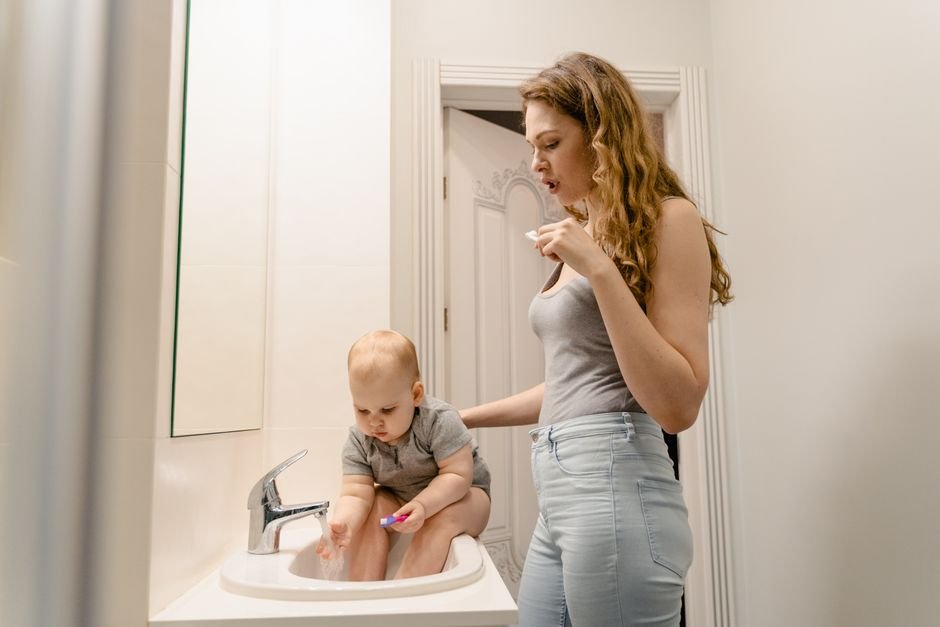
Children are far more likely to stick with good oral care habits when they see parents practising the same routines
Most dentists recommend a child’s first dental visit by their first birthday, or within six months of their first tooth
 English