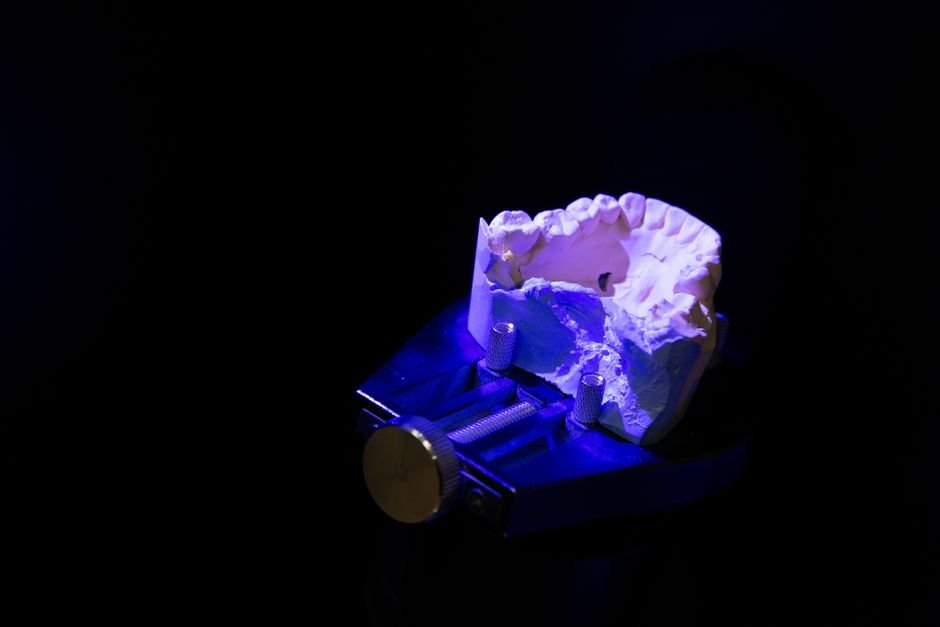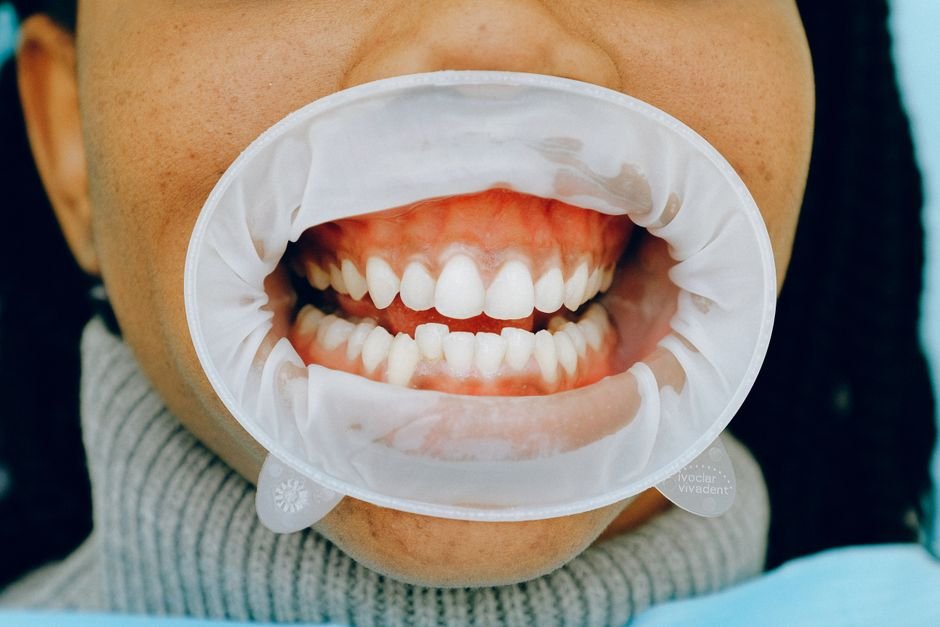

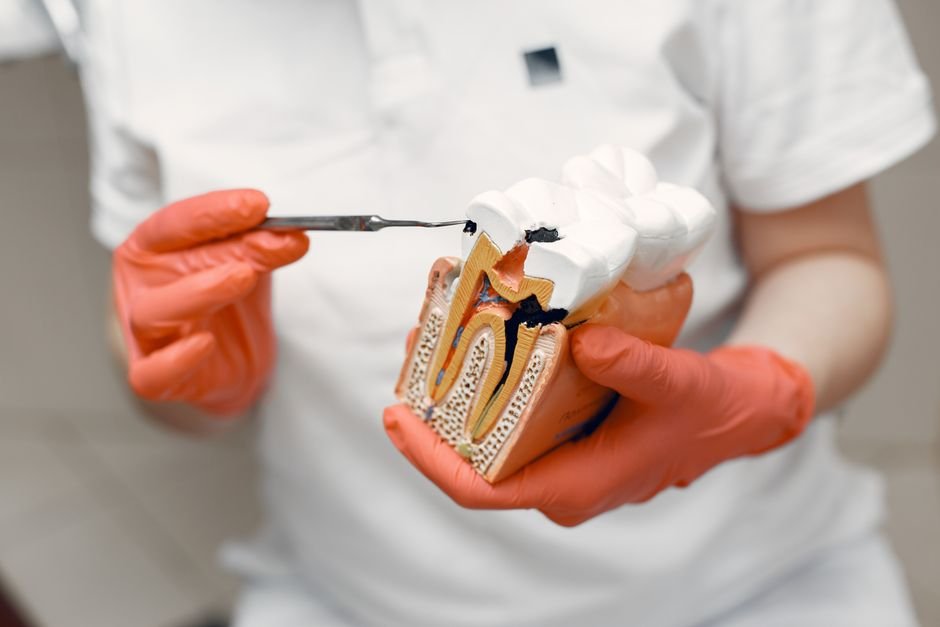



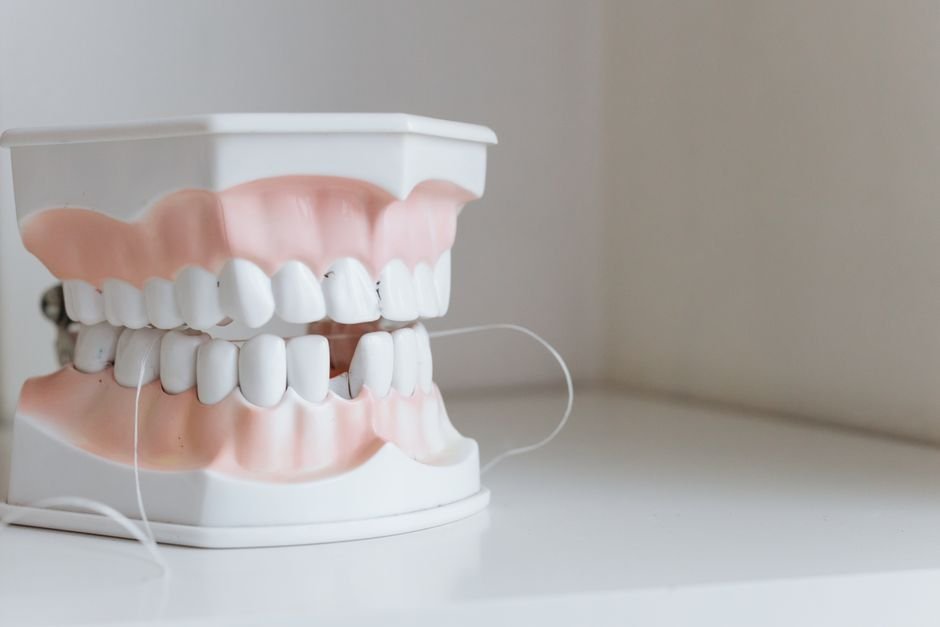




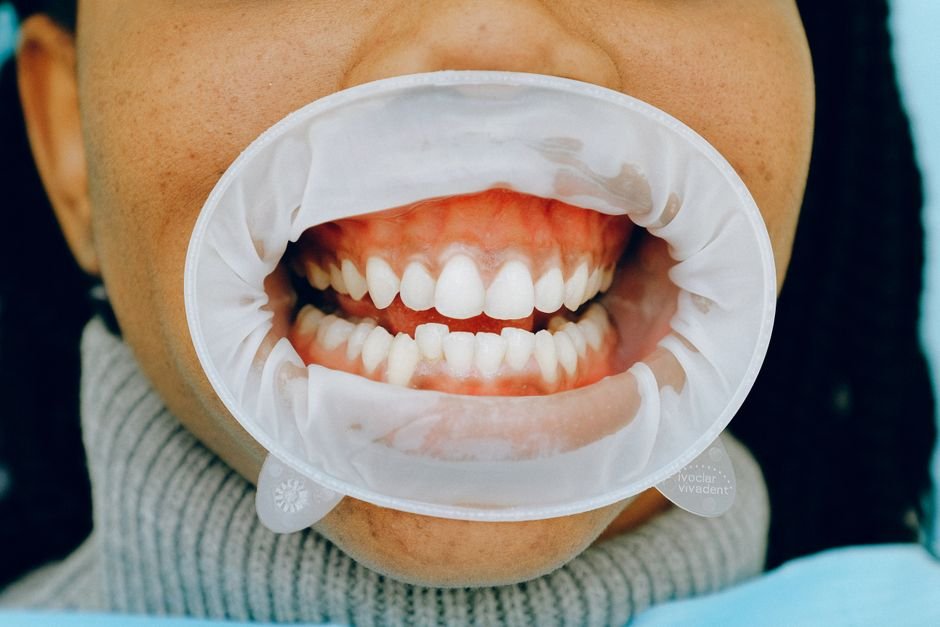





























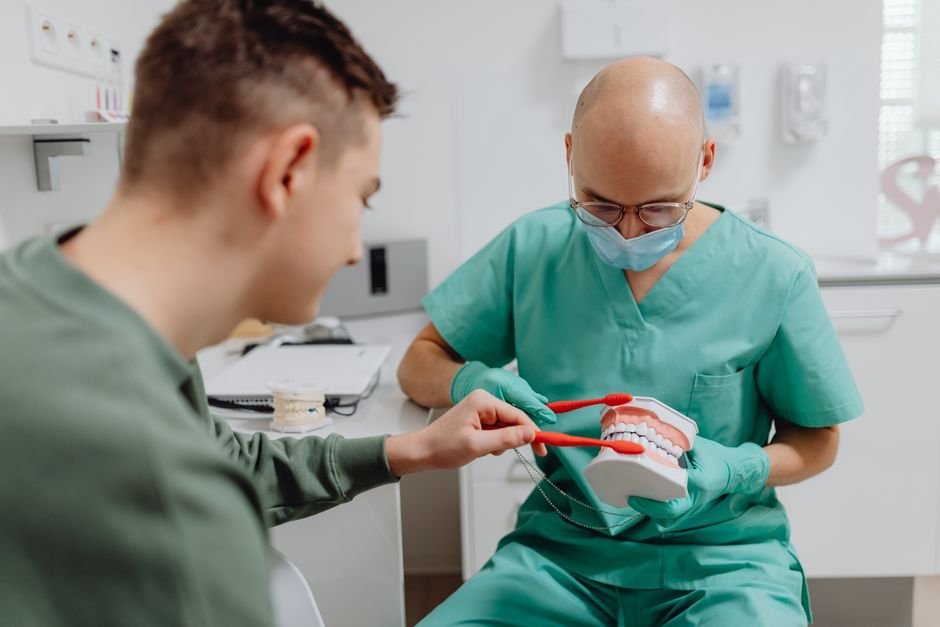




For most families, a check-up every six months strikes the right balance between catching problems early and not overloading a busy calendar, though the ideal interval can shift depending on each family member’s age, oral health history, and risk of decay or gum disease. A toddler with healthy teeth and a low-risk adult with excellent home care might comfortably stretch to longer gaps between visits, while a teenager with braces or an adult with a history of gum problems may need to be seen more often. Rather than following a single fixed rule for everyone in the household, it helps to think of visit frequency as something a dentist tailors to each individual after getting to know their mouth and habits over time.
Key takeaways
The twice-yearly check-up became the standard recommendation because it offers a practical middle ground between prevention and convenience for most people with average risk. Early tooth decay and gum inflammation typically develop slowly enough that a six-month gap still allows a dentist to catch problems while they are small and easier to treat, rather than waiting until discomfort forces an appointment. It also gives enough time for plaque and tartar to build up in ways that a home routine cannot fully remove, making a professional clean worthwhile roughly twice a year for the average mouth.
That said, six months is best understood as a sensible default rather than a rule carved in stone. Dentists use the first few visits with a new patient to assess how quickly plaque builds up, how well gums respond to brushing, and how consistent someone is with flossing, before deciding whether that person truly needs six-monthly visits or could safely be seen less or more often. Families with a mix of ages and risk levels under one roof will often find that not everyone needs to be on the exact same schedule.
Young children benefit from regular early visits even before all their teeth have come through, since this is when habits, comfort with the dentist, and early monitoring of tooth development matter most. Baby teeth, while temporary, still play an important role in speech, chewing, and holding space for adult teeth, so keeping a close eye on them through the early years is worthwhile even if decay risk seems low. Frequent, brief visits in early childhood also build the familiarity that makes later appointments far less stressful.
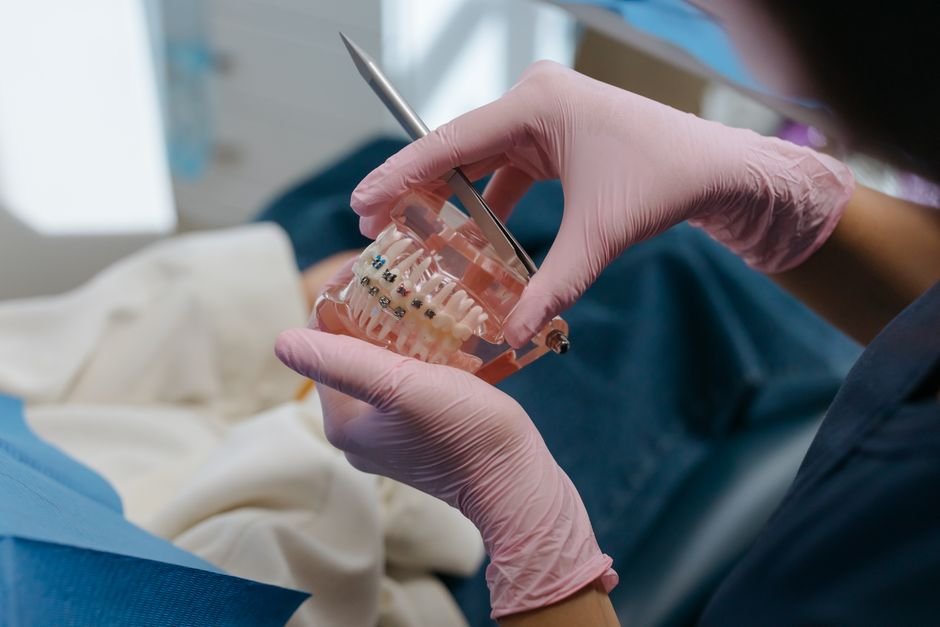
Teenagers often need closer attention too, particularly if they wear braces or other orthodontic appliances, since these make thorough cleaning at home more difficult and increase the risk of decay around brackets and wires. Adults in good health with a strong home care routine sometimes extend their gap between visits, especially once a dentist has observed a stable, low-risk pattern over several years. Older adults, meanwhile, may need more frequent visits again if they take medications that reduce saliva flow or if they have a longer history of dental work that needs monitoring.
Some individuals need to be seen more often regardless of their age. A history of frequent cavities suggests a mouth that is more prone to decay, whether due to diet, tooth shape, saliva composition, or brushing technique, and closer monitoring helps catch new problems before they progress. Gum disease is another major factor, since early gum inflammation can advance without obvious pain, and more frequent professional cleaning helps prevent it from developing into more serious, harder-to-reverse gum conditions.
Lifestyle factors matter as well. Smoking, a diet high in sugary or acidic foods and drinks, dry mouth caused by certain medications, and conditions like diabetes can all increase the rate at which dental problems develop, making shorter intervals between visits worthwhile. On the other hand, someone with excellent brushing and flossing habits, a balanced diet, and no history of gum or decay problems may reasonably be told they can wait longer between routine visits, since their personal risk profile is genuinely lower than average.
Many families find it easier to batch appointments together where possible, booking several household members on the same day or within the same week to cut down on separate trips. Some practices are happy to arrange back-to-back appointments for parents and children, which can turn what feels like a recurring chore into a single, manageable outing a couple of times a year. Keeping a simple shared calendar reminder for each family member’s next due date also prevents visits from being forgotten amid a busy schedule.
It also helps to treat check-ups as a standing household habit rather than something to schedule reactively. Booking the next appointment before leaving the practice, rather than waiting for a reminder months later, removes the friction of having to think about it fresh each time. For families juggling different individual schedules, some find that anchoring visits to a memorable point in the year, such as a season change, makes the recurring booking easier to remember and stick to.
Regardless of how recently a check-up took place, certain symptoms warrant an earlier visit. Persistent tooth pain, sensitivity to hot or cold that lingers rather than fading quickly, visible swelling in the gums or face, and bleeding gums that do not improve with better brushing are all signs that something needs professional attention sooner rather than later. A cracked or chipped tooth, even one that does not hurt, should also be checked promptly, since damage can sometimes worsen quietly beneath the surface.
Bad breath that persists despite good oral hygiene, a loose adult tooth, or a mouth ulcer that has not healed within a couple of weeks are further reasons to bring an appointment forward. Parents should also watch for children complaining about pain while chewing or reluctance to eat on one side of the mouth, as these can indicate a problem that needs attention rather than something to monitor until the next scheduled visit. Waiting out symptoms rarely makes them resolve on their own.
Consistent, effective brushing and flossing genuinely does reduce the workload a dentist has to do during a visit, and over time this can support a case for slightly longer intervals between appointments for otherwise low-risk adults. Brushing twice daily with a fluoride toothpaste, cleaning between teeth daily, and limiting frequent snacking on sugary or acidic foods all reduce the rate at which plaque hardens into tartar and the likelihood of new decay forming between visits.
However, home care cannot replace professional visits entirely, since even the most diligent brushing cannot remove hardened tartar once it has formed, and many early problems such as small cracks, early decay between teeth, or gum pocket changes are only reliably detected with professional tools and expertise. Good home habits are best understood as something that supports and can slightly extend a sensible visit schedule, rather than something that removes the need for professional check-ups altogether.
After the first couple of visits, most dentists build a picture of an individual’s risk level by looking at factors like how much plaque accumulates between cleans, whether gums bleed easily during examination, how quickly tartar builds up, and whether previous decay has appeared in new spots. This assessment, built over time rather than from a single visit, is what allows a dentist to recommend a schedule tailored to that person rather than applying a blanket six-month rule to everyone who walks through the door.
This personalised approach also adapts as circumstances change. A period of illness, a new medication, pregnancy, a shift in diet, or a stressful period that affects brushing habits can all temporarily raise someone’s risk level, prompting a dentist to suggest closer monitoring for a while even if that person previously qualified for longer gaps between visits. Communicating any changes in health, medication, or habits at each visit helps the dentist keep the recommended schedule genuinely relevant.
No, more frequent visits are not harmful and are often exactly what is recommended for people with higher risk of decay or gum disease. Extra visits simply mean more opportunities to catch small problems early and keep on top of professional cleaning, which is generally beneficial rather than something to worry about.
Some people with consistently excellent oral hygiene, a low-risk history, and no ongoing dental issues may be told by their dentist that a slightly longer interval is reasonable for them. This decision should be made together with a dentist who knows an individual’s history, rather than decided independently, since risk factors can change without someone noticing.
Young children generally benefit from regular visits roughly twice a year once their teeth begin appearing, as this allows early monitoring of development and helps build comfort with the dental environment. Some very young children or those with higher decay risk may be seen slightly more often at their dentist’s recommendation.
Yes, people with braces or other orthodontic appliances are often seen more frequently, both by their orthodontist for adjustments and by their general dentist for cleaning, since brackets and wires make thorough home cleaning more difficult and increase the risk of decay and gum irritation around the appliance.
This is common and nothing to be embarrassed about. Most dental practices keep records of previous visits and can tell you when you were last seen and when a follow-up is recommended. If in doubt, it is always reasonable to simply book a check-up rather than wait, since a routine examination will confirm what, if anything, needs attention.

What and when a family eats together has a surprisingly direct effect on children’s dental health, since mealtime patterns often

Children are far more likely to stick with good oral care habits when they see parents practising the same routines
Most dentists recommend a child’s first dental visit by their first birthday, or within six months of their first tooth
 English