



























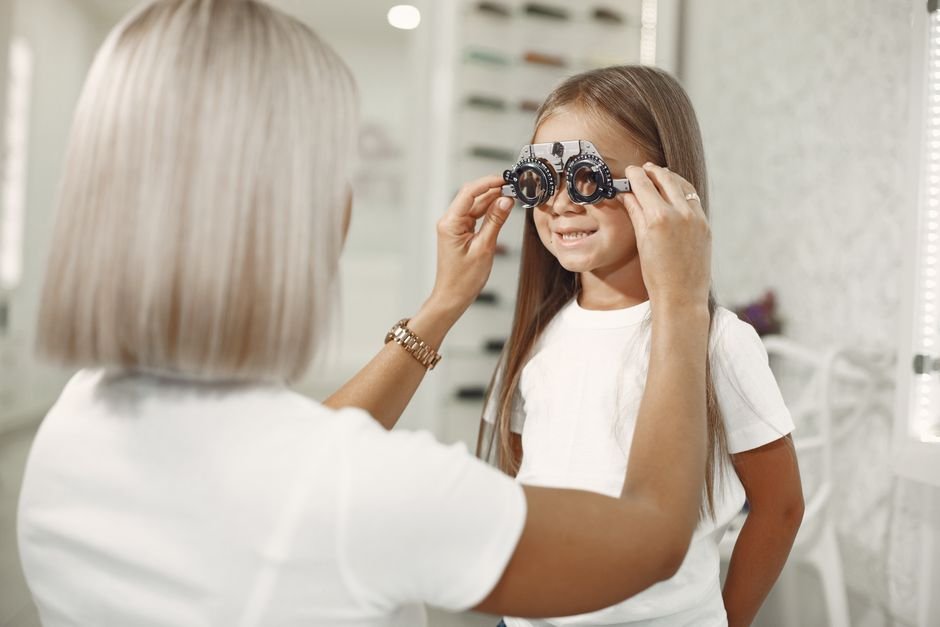


An early orthodontic evaluation is a check of how a child’s jaws and teeth are developing, usually recommended by around age seven, when a mix of baby and adult teeth makes certain problems easier to spot. It does not mean braces are coming soon. In most cases the outcome is simply monitoring, with the orthodontist watching growth over the following years and stepping in only if and when treatment will be most effective. For a smaller number of children, acting early on a specific issue can make later treatment shorter or simpler, or avoid it altogether.
Key takeaways
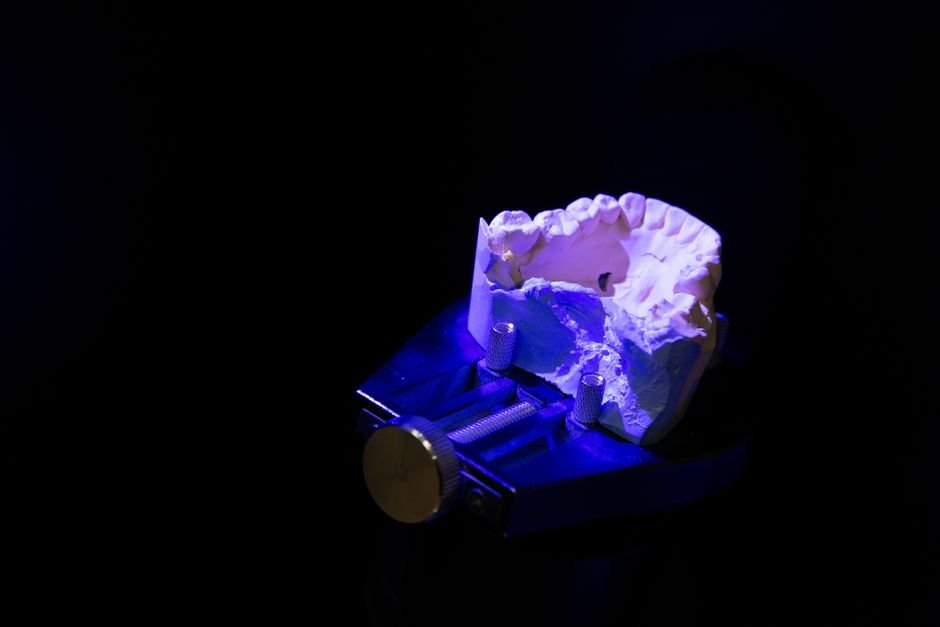
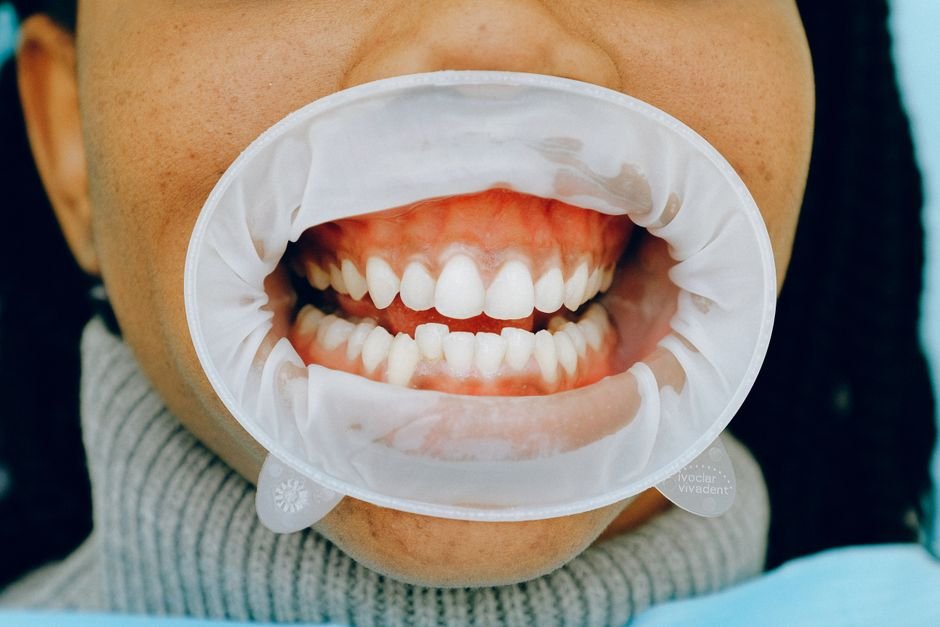
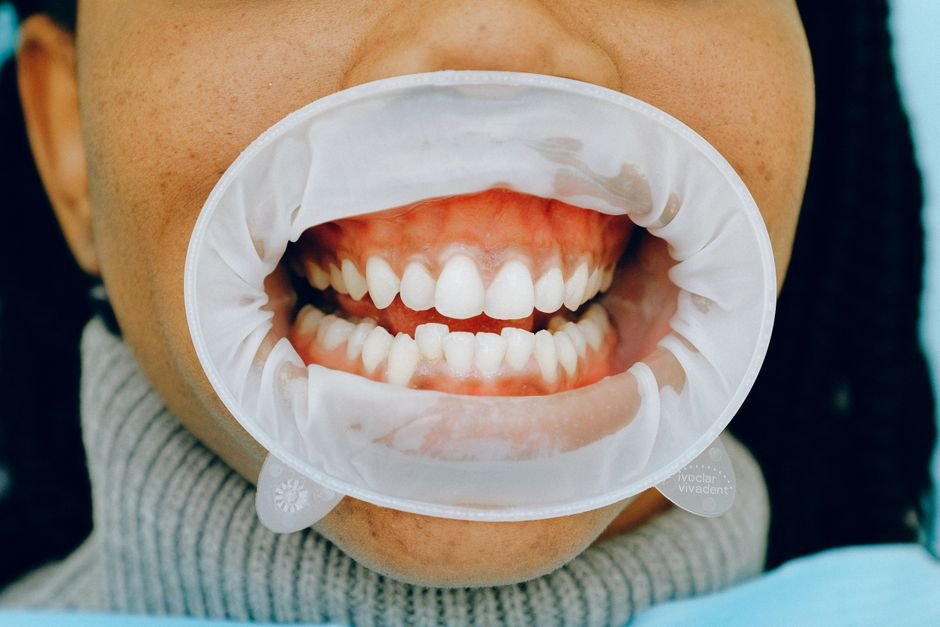
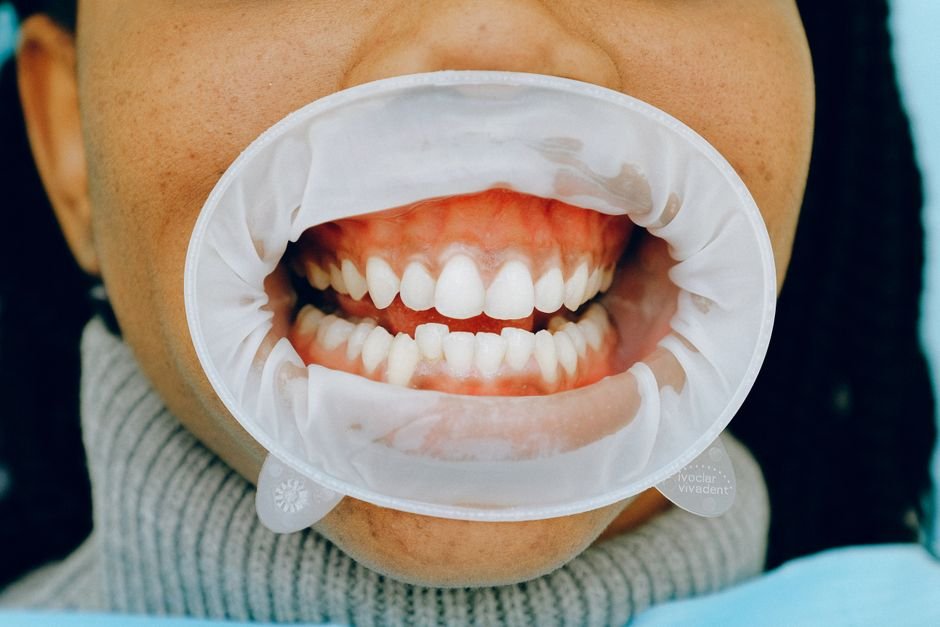
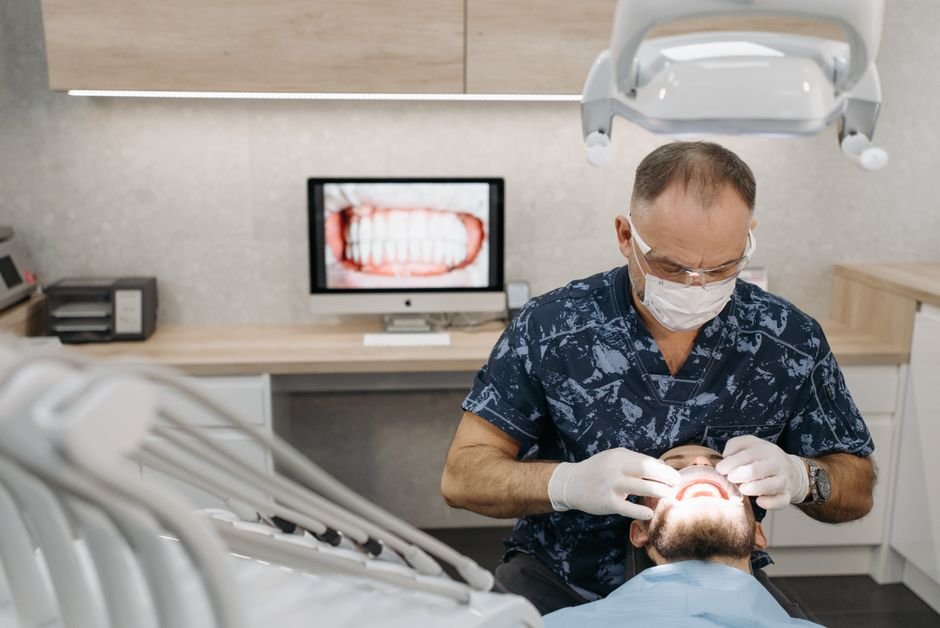
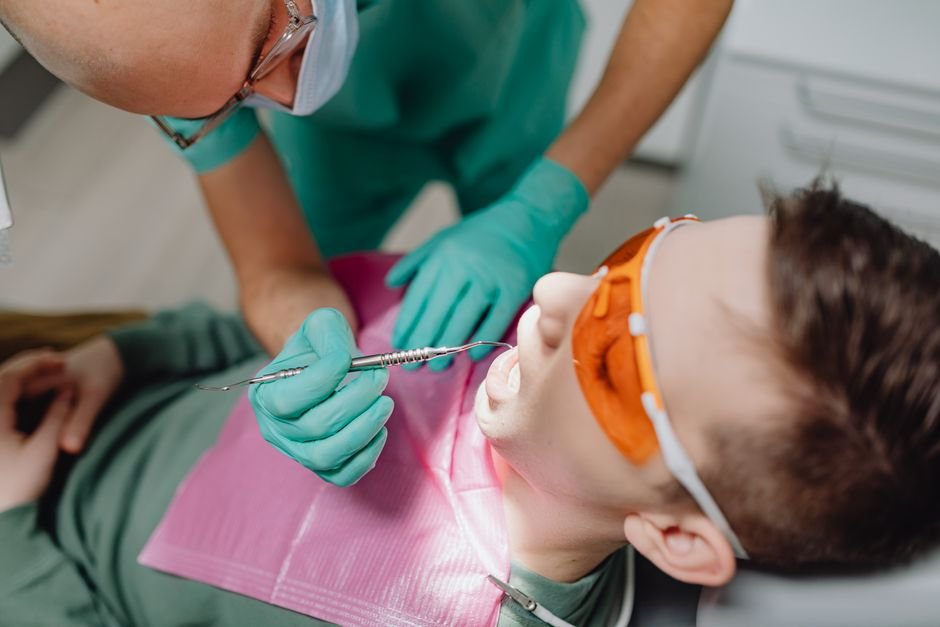
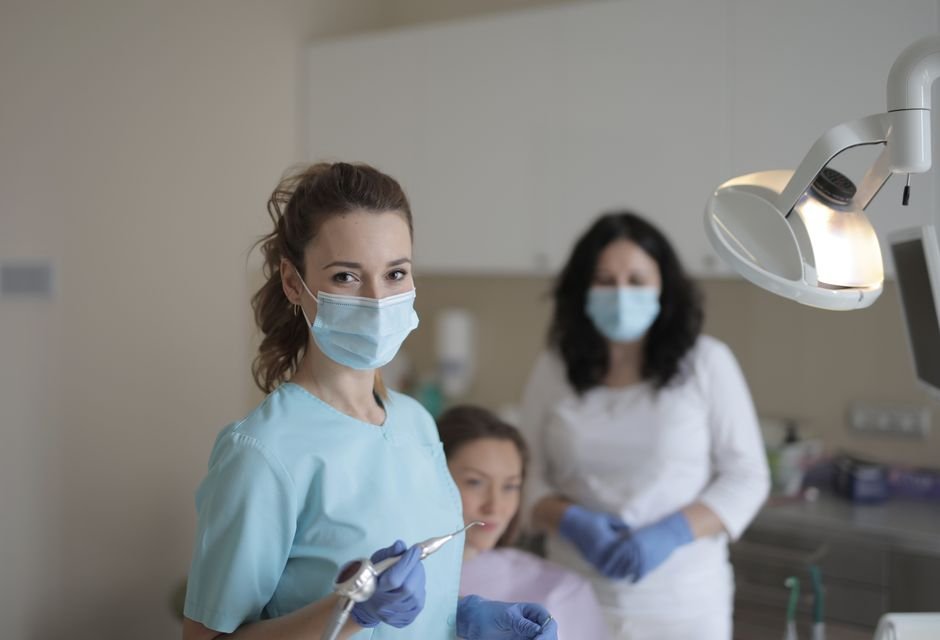
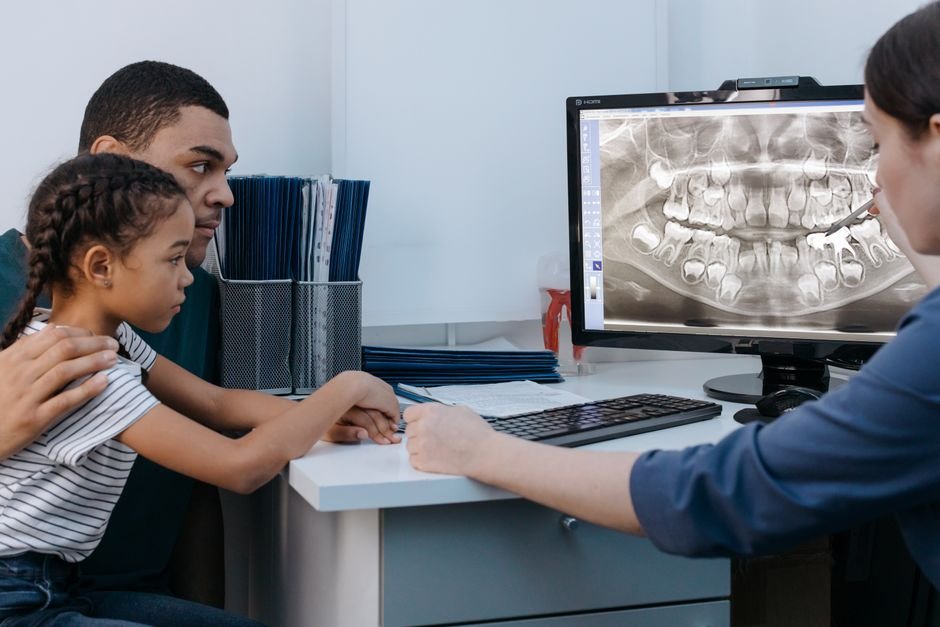
It is an assessment appointment, not a treatment appointment. The orthodontist looks at the child’s face and profile, how the upper and lower teeth meet, the width of the jaws, the amount of space for adult teeth, and any habits such as thumb sucking. Photographs and sometimes an X-ray may be taken to see teeth that have not yet erupted and to judge the pattern of growth.
From this the orthodontist decides one of three things: everything is developing well and no follow-up is needed for a while; development is worth watching, so the child is placed on a periodic review; or there is a specific problem that would benefit from early action. The large majority of children fall into the first two groups.
By around seven, the first adult molars have usually come through at the back, establishing the bite, and the adult front teeth are erupting. This combination lets an orthodontist see how the jaws relate to each other and whether the front teeth have room, while there is still plenty of growth ahead to work with if needed.
Seeing a child at this stage is about timing information, not treatment. Problems with jaw width, crossbites, protruding front teeth at risk of injury, or teeth erupting in the wrong place can be identified and planned for. If nothing needs doing yet, the orthodontist simply knows what to keep an eye on, which is valuable in itself.
A few specific issues are genuinely better treated while a child is still growing. A crossbite, where the upper teeth bite inside the lower ones on one or both sides, can cause the lower jaw to shift and may be corrected by gently widening the upper jaw before the growth plate in the palate fuses. Severe crowding may be eased by guiding or maintaining space as baby teeth are lost.
Front teeth that stick out prominently are more likely to be chipped or knocked in a fall, and reducing that protrusion early can lower the injury risk. Persistent thumb or finger sucking that is affecting the bite, and habits that push the tongue forward, may also be addressed. Underlying jaw size differences can sometimes be influenced while the jaws are still developing.
Usually not. For most children the evaluation ends with the orthodontist saying they would like to see the child again in six to twelve months to watch how things progress. This monitoring phase can last several years and costs little, and it means that if treatment is eventually needed, it starts at the ideal moment rather than too early or too late.
Starting braces before enough adult teeth are present often means a longer overall treatment time and a second phase later anyway. A good orthodontist avoids treating simply because a family is keen to begin. The point of seeing a child early is to make sure nothing time-sensitive is missed, not to start braces at the earliest opportunity.
Early, or interceptive, treatment is limited and targeted. It might involve an expander to widen the upper jaw, a partial set of braces on a few teeth, a space maintainer, or an appliance to discourage a habit. It typically lasts several months to about a year and has a specific goal, after which the child returns to monitoring.
Comprehensive treatment, usually with a full set of braces or aligners, generally happens once most or all adult teeth have come through, often between about eleven and fourteen. This is when the fine detail of aligning every tooth and perfecting the bite is done. A child who had early treatment may still need this phase, but it can be shorter or more straightforward because the foundation was prepared.
While a child is growing, the jaws are still forming and the sutures between bones have not fully closed. This means an orthodontist can influence jaw width and, to some extent, guide the relationship between the upper and lower jaws using the child’s own growth. The palate can be widened relatively easily with an expander during these years.
Once growth finishes in the mid-to-late teens, these opportunities are largely gone. Correcting a significant jaw size or position difference in an adult may require surgery in addition to braces, whereas the same issue guided during childhood might be managed with an appliance alone. Not every child has a problem that depends on growth, but for those who do, the window matters.
If your child is placed on review, you will return at intervals for the orthodontist to check progress. They watch for baby teeth being lost in a reasonable order, adult teeth erupting into good positions, jaw growth staying balanced, and space being maintained. Sometimes a small intervention is added partway through if a tooth looks likely to become stuck or a habit persists.
These visits are usually short and often free or low cost as part of a growth-observation programme. Keeping them is important, because the recommendation for the main phase of treatment depends on catching the right moment. Missing several years of monitoring can mean a narrower window and a more complicated treatment when the child finally returns.
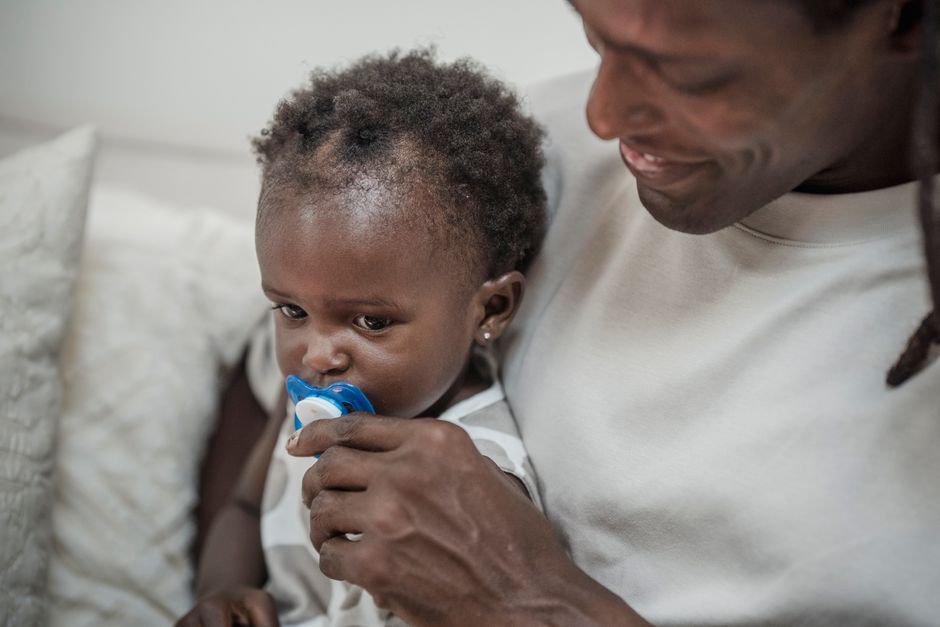
Thumb and finger sucking is normal in babies and toddlers and usually stops on its own. When it continues past the age at which the adult front teeth start to erupt, the constant pressure can push the upper front teeth forward, tip the lower front teeth back, and create an open space between the top and bottom teeth when the mouth is closed. Prolonged dummy use and tongue thrusting can have similar effects.
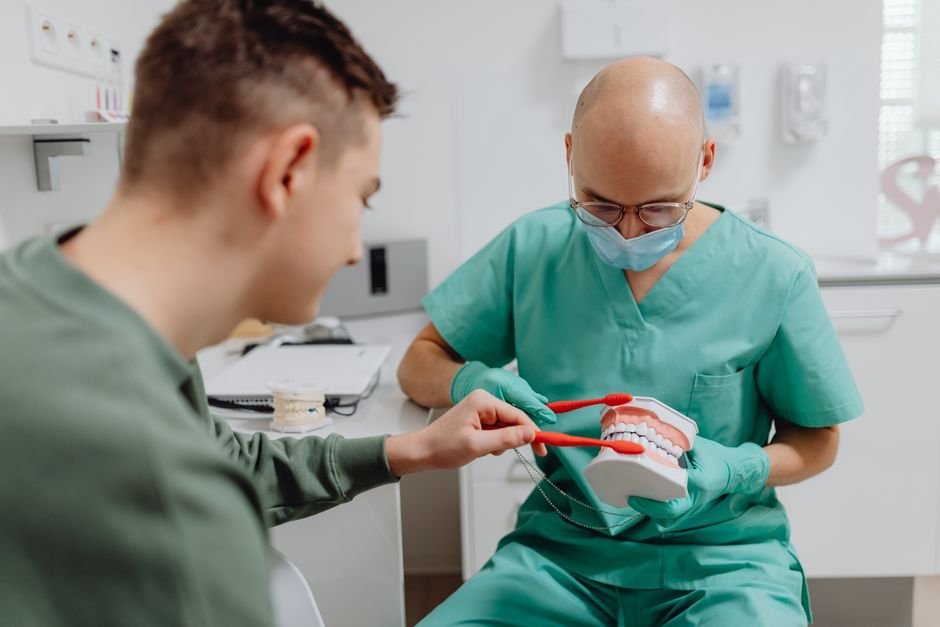
At an early evaluation the orthodontist checks whether a habit is actively shaping the bite and, if so, how strong it is. Often gentle encouragement, reminders, and rewards are enough. If the habit is entrenched and clearly affecting development, a simple appliance that makes sucking less satisfying can be fitted for a few months. Stopping the habit early frequently allows the bite to recover with the child’s own growth, avoiding later treatment.
Alignment of the teeth is only part of the picture. The orthodontist also studies the child’s face from the front and side, looking at how the upper and lower jaws relate to each other, whether the chin sits forward or back, how the lips meet at rest, and whether the midlines of the upper and lower teeth line up. These features reveal whether a difference is coming from the teeth alone or from the way the jaws are growing.
This matters because jaw-based differences are the ones most influenced by growth and therefore most time-sensitive. A profile that suggests the lower jaw is growing short, for example, may prompt closer monitoring so that a growth-guiding appliance can be used at the most effective stage. A purely dental issue, by contrast, can usually wait until the adult teeth are through.
Bring a list of any concerns you have noticed, such as difficulty biting, teeth that look very crowded or gappy, a jaw that seems to shift to one side, mouth breathing, snoring, or a thumb-sucking habit. Mention any family history of jaw problems or teeth that never developed, and note whether your child has had any dental injuries.
It also helps to keep up with regular visits to your general dentist, who is often the one to suggest an orthodontic check in the first place and who will continue to look after cleanings and any fillings during the orthodontic years. Approaching the first evaluation as information gathering, rather than a decision point about braces, tends to make it a relaxed and useful appointment.
Around age seven is the commonly suggested time, because the first adult molars and front teeth are usually in place, allowing an orthodontist to assess jaw development while significant growth remains. Your dentist may refer earlier if they spot a specific concern.
Usually not. Most children are simply monitored after the first visit, and any main treatment still happens in the early teens. Only a minority need limited early treatment for a specific problem.
Crossbites, narrow upper jaws, severely protruding front teeth at risk of injury, significant crowding, harmful sucking or tongue habits, and some jaw growth differences are the main issues where acting during growth is beneficial.
Sometimes, but often not entirely. Early treatment fixes a particular problem and can make later treatment shorter or simpler, though many children still need a comprehensive phase to align all the adult teeth and refine the bite.
For many children, waiting is exactly right. But for growth-dependent problems such as a narrow jaw or a skeletal imbalance, waiting can close the window when non-surgical correction is possible, which is why an early check is recommended.

What and when a family eats together has a surprisingly direct effect on children’s dental health, since mealtime patterns often

Children are far more likely to stick with good oral care habits when they see parents practising the same routines
Most dentists recommend a child’s first dental visit by their first birthday, or within six months of their first tooth
 English