























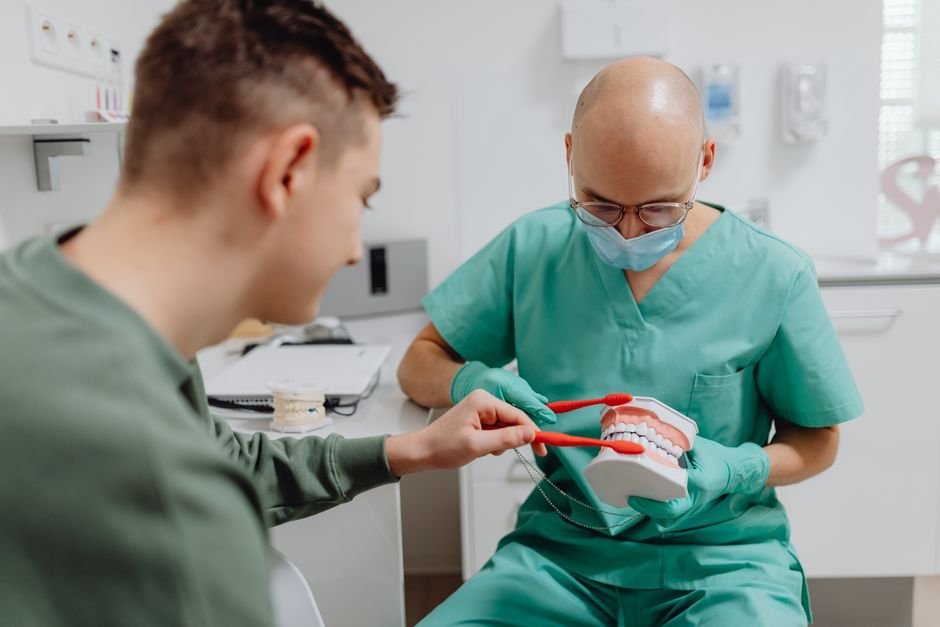




Tooth sensitivity in children can catch parents off guard, especially when it appears suddenly during a period of otherwise normal development. A child wincing at cold water or avoiding certain foods may be experiencing genuine sensitivity, and understanding what typically causes this in growing children helps families respond with the right mix of reassurance and appropriate care.
Key takeaways
A child’s teeth, particularly newly erupted permanent teeth, often have enamel that is still maturing and has not yet reached its full hardness and mineral density. This developing enamel can be more porous than fully matured adult enamel, making it somewhat more reactive to temperature changes and certain foods during the years it takes for enamel to fully strengthen after eruption.
This is a normal part of dental development rather than an indication that something has gone wrong. Newly erupted molars, in particular, are known to experience a period of heightened sensitivity as they settle into place and their enamel continues to mature. Understanding this as a typical, temporary phase can help parents respond calmly rather than assuming immediate concern.
The process of a tooth breaking through the gum line can cause noticeable discomfort on its own, separate from any issue with the tooth’s structure. As new teeth push upward or the gum tissue around them becomes slightly inflamed, nearby teeth or the erupting tooth itself may feel more reactive to pressure, temperature or sweet foods during this transitional period.
This type of sensitivity generally settles once the tooth has fully erupted and the surrounding gum tissue has had time to heal and adjust. It tends to be most noticeable with molars, given their larger size and the more involved eruption process compared to smaller front teeth, which typically emerge with less associated discomfort.
Frequent exposure to acidic foods and beverages, including some fruit juices and fizzy drinks, can gradually soften enamel and contribute to sensitivity over time. Because children‘s enamel is already in a more vulnerable developmental state, this effect can be somewhat more pronounced than it might be in a fully matured adult mouth, making dietary patterns particularly relevant during these years.
This does not mean these foods need to be eliminated entirely, but moderation and mindful timing can make a meaningful difference. Encouraging water after acidic foods or drinks, rather than allowing prolonged exposure, helps reduce the extent to which enamel is affected, supporting healthier long-term development without requiring dramatic dietary restriction.
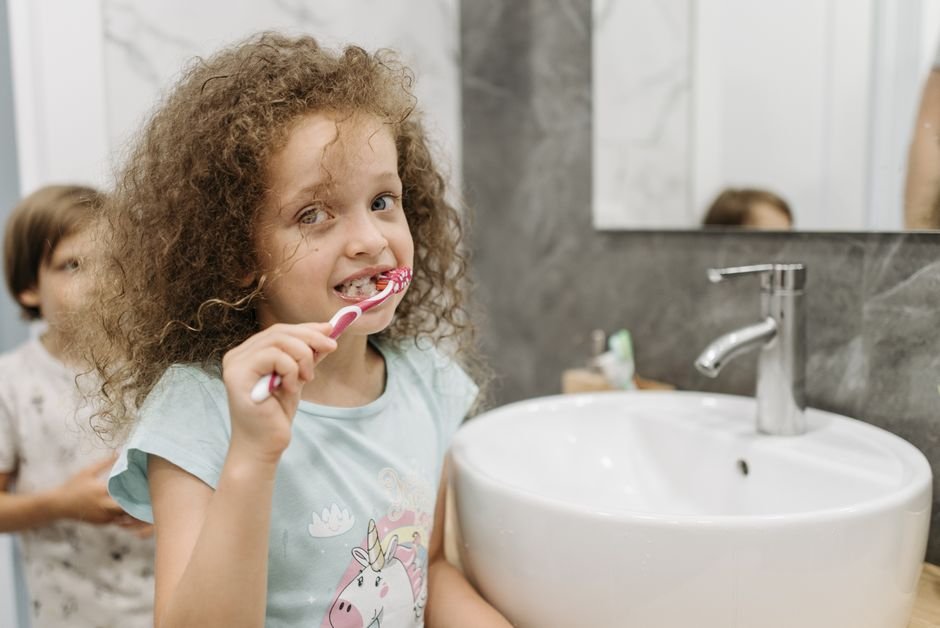
Overly vigorous brushing, or brushing with a toothbrush that has firm rather than soft bristles, can gradually wear down enamel and even irritate gum tissue, both of which can contribute to increased sensitivity in a child’s mouth. Children are still developing fine motor control, which can sometimes lead to brushing that is more forceful than necessary.
Choosing a soft-bristled toothbrush sized appropriately for a child’s mouth, and gently guiding proper brushing technique, can help prevent this contributing factor. Supervising brushing, particularly for younger children, allows a parent to notice and correct overly forceful habits before they become an ingrained pattern that affects enamel over the longer term.
Mild, occasional sensitivity, such as a brief reaction to something very cold, is common and usually not a cause for concern, particularly during periods of active tooth eruption. This type of sensitivity tends to be short-lived and does not typically interfere significantly with eating, drinking or daily comfort.
Sensitivity that is persistent, worsening, or accompanied by visible changes to a tooth, such as discoloration or an obvious cavity, is more likely to indicate an underlying issue that warrants a dental evaluation. Sensitivity that causes a child to consistently avoid chewing on one side of the mouth is also a signal worth paying closer attention to.
Enamel continues to mature and harden for a period after a tooth first erupts, gradually becoming less porous and more resistant to the everyday temperature changes and acids it encounters. This maturation process is a key reason sensitivity in children’s newly erupted teeth often improves naturally over months, without requiring any specific intervention beyond good general oral care.
Supporting this natural process with fluoride exposure, whether through toothpaste or professional applications recommended by a dentist, can help enamel mature more effectively. This makes routine dental visits during childhood particularly valuable, since a dentist can monitor this developmental process and flag anything that seems to be progressing differently than expected.
While mild, occasional sensitivity often resolves on its own, certain patterns are worth bringing to a dentist’s attention. Sensitivity that persists for more than a couple of weeks, seems to be getting worse rather than better, or is localised to one specific tooth rather than a general area, are all reasonable reasons to schedule an evaluation rather than waiting to see if it improves.
A dental visit allows a professional to distinguish between normal developmental sensitivity and something that may need attention, such as early decay or a small crack. Catching these issues earlier generally makes them easier and less involved to address, which is part of why prompt evaluation is worthwhile when sensitivity does not follow the typical, temporary pattern.
Consistent, gentle oral care habits give a child’s developing teeth the best possible foundation. This includes regular brushing with a soft-bristled brush, encouraging water as the primary beverage between meals, and limiting prolonged exposure to sugary or acidic foods that can gradually affect enamel during this more vulnerable developmental window.
Routine dental checkups also play an important supporting role, allowing early identification of any patterns that might benefit from additional attention, such as targeted fluoride application. Building these habits early tends to make them feel natural rather than burdensome, setting a foundation that continues to serve a child well into adolescence and beyond.
Baby teeth have thinner enamel and dentine compared to permanent teeth, which can sometimes make them react more noticeably to temperature or sugary foods. This does not necessarily mean a baby tooth is more prone to serious problems, but it does help explain why a young child may express discomfort more readily than an older child with fully erupted permanent teeth.
Because baby teeth eventually fall out, some parents assume sensitivity in them matters less than sensitivity in permanent teeth. However, baby teeth still play an important role in chewing, speech development and guiding the position of permanent teeth underneath, so sensitivity affecting a child’s ability to eat comfortably is still worth addressing rather than dismissing as temporary and unimportant.
For mild, occasional sensitivity, simple adjustments at home can often help. Offering foods and drinks at moderate temperatures rather than extremes, encouraging thorough but gentle brushing, and maintaining a consistent oral care routine all support a child’s comfort while any developmental sensitivity naturally settles over time.
Keeping a general note of when sensitivity occurs, such as specific foods, temperatures or times of day, can also be genuinely useful if a dental visit becomes necessary. This kind of detail helps a dentist more quickly identify whether a pattern reflects normal developmental sensitivity or something that would benefit from closer examination.
Not necessarily. Mild, occasional sensitivity is common during tooth eruption and enamel maturation. Persistent or worsening sensitivity is more likely to warrant a closer look from a dentist.
Some sensitivity toothpastes are suitable for children, but it is best to check with a dentist first, since formulations and appropriate use can vary depending on a child’s age and specific needs.
It varies, but sensitivity linked to eruption and enamel maturation often improves over the course of several weeks to a few months as the tooth settles and enamel continues to harden.
Not necessarily, but moderating temperature extremes and offering water instead of very cold or acidic drinks can help reduce discomfort while any underlying sensitivity resolves naturally.
Frequent exposure to acidic or sugary foods can contribute to sensitivity over time, particularly given how developing enamel is more vulnerable, though it is usually one of several contributing factors rather than the sole cause.

What and when a family eats together has a surprisingly direct effect on children’s dental health, since mealtime patterns often

Children are far more likely to stick with good oral care habits when they see parents practising the same routines
Most dentists recommend a child’s first dental visit by their first birthday, or within six months of their first tooth
 English