







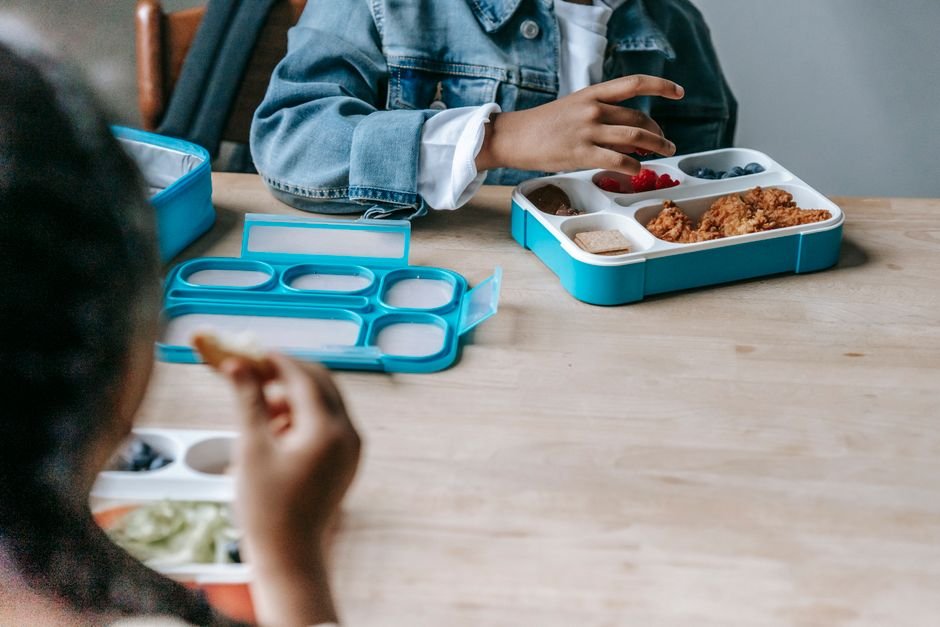



















Packed lunches shape children’s dental health because whatever sits in that lunchbox gets eaten slowly, over an hour or more, at a time when there’s no easy way to rinse or brush afterwards. Sugary snacks, sticky dried fruits and fizzy or juice-based drinks bathe the teeth in acid for far longer than the same items eaten at home, while cheese, raw vegetables, plain yoghurt and water help protect enamel and support saliva flow. The single biggest factor isn’t any one food but how often sugar is consumed across the school day, since each exposure triggers a fresh acid attack on the teeth.
Key takeaways
A packed lunch is usually eaten away from home, without supervision over pace or portion, and almost always without a toothbrush nearby. Children tend to nibble their way through a lunchbox over twenty to forty minutes, which means any sugary or starchy item isn’t cleared from the mouth quickly. Saliva needs time to neutralise acid and remineralise enamel, and repeated small exposures throughout that period can outpace what saliva can manage, leaving enamel under sustained attack for the whole lunch break rather than a single brief moment.
Children’s teeth are also more susceptible to decay than adult teeth in some respects, because the outer enamel layer on newly erupted teeth is thinner and less mineralised until it matures over the following few years. This makes the choices packed into a lunchbox especially significant during primary school years, when permanent molars are erupting and settling in. A lunchbox built around whole foods rather than processed sweet snacks gives those developing teeth a much better chance of staying decay-free.
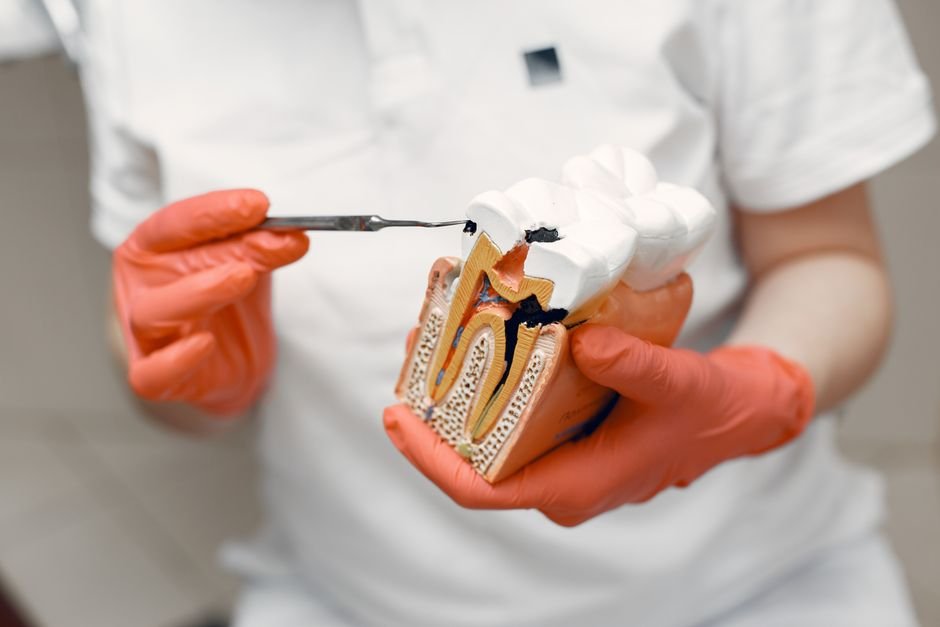
Sugar itself doesn’t damage teeth directly; the bacteria naturally living in dental plaque feed on sugar and produce acid as a by-product, and it’s this acid that dissolves minerals out of enamel. Biscuits, cereal bars, sweets and flavoured yoghurts with added sugar all supply that fuel. Every time sugar is consumed, plaque bacteria produce acid for around twenty to thirty minutes afterwards, so a lunchbox with several separately packaged sweet items, eaten one after another, can keep the mouth in an acidic state for the better part of an hour, far longer than the sugar content alone would suggest.
Sweetened drinks compound the problem because liquid sugar washes over every tooth surface, including the back molars that are hardest to clean. Squash, flavoured milk with added sugar, and fruit-flavoured drinks are common lunchbox staples that quietly contribute a large share of a child’s daily sugar intake without seeming like a “treat” in the way a chocolate bar does. Over months and years, this repeated acid exposure is one of the clearest drivers of tooth decay in children of school age.
Texture matters as much as sugar content when it comes to lunchbox decisions. Sticky foods such as dried fruit, chewy cereal bars, fruit-flavoured chews and some granola bars cling to the grooves and surfaces of teeth rather than being swallowed quickly. This means the sugar they contain stays in contact with enamel for much longer than a food that’s chewed and cleared from the mouth within moments, giving plaque bacteria an extended feeding window and a correspondingly longer period of acid production.
Dried fruit is a good example of a food that seems like a healthy choice but behaves, from a dental perspective, more like a sweet. Raisins, dried apricots and similar snacks are concentrated in natural sugars once the water is removed, and their sticky texture means they wedge into the pits and fissures of molars. This doesn’t mean dried fruit needs to be avoided altogether, but it’s worth treating as an occasional item rather than a daily staple, and ideally pairing it with a meal rather than eating it alone.
Beyond decay, acid itself can wear away enamel through a separate process called erosion. Fruit juices, fruit squash, fizzy drinks and even some flavoured waters are acidic enough to soften the outer layer of enamel on contact, independent of any bacterial activity. Straight after drinking something acidic, enamel is temporarily weaker and more prone to physical wear, which is why brushing immediately afterwards is generally discouraged; waiting allows saliva to help the enamel re-harden first.
Citrus fruits, including oranges and pineapple, carry the same acidic profile, so a lunchbox heavy in fruit juice alongside citrus pieces can deliver a double dose of erosive acid. This doesn’t mean fruit should be left out, since whole fruit brings fibre and nutrients that support overall health, but it’s sensible to serve acidic drinks with food rather than sipped alone, and to favour water as the main drink, keeping juice as an occasional addition rather than the default.
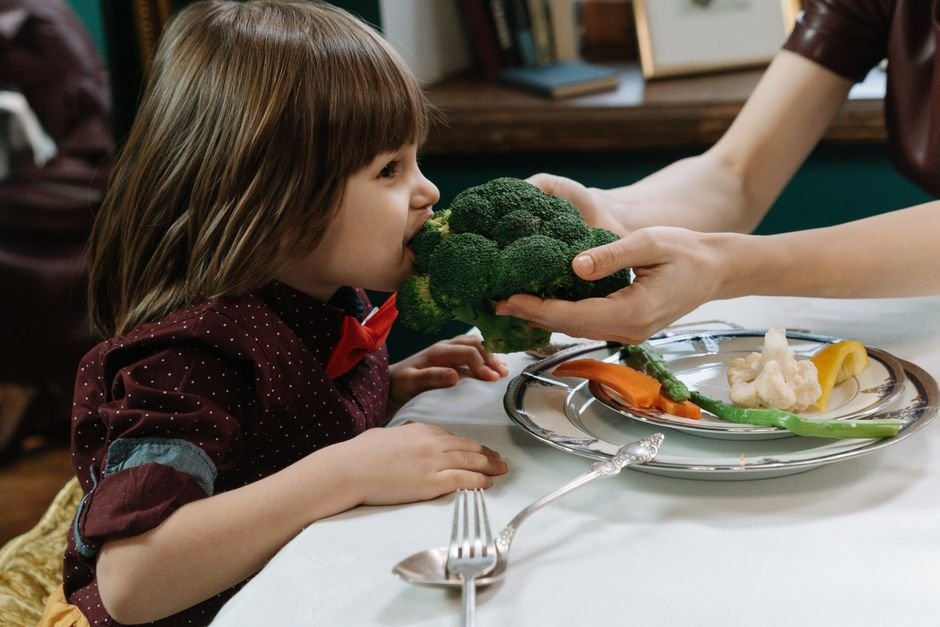
Some foods do more than simply avoid harm; they actively support a healthier mouth. Cheese is one of the best examples, as it raises saliva flow, buffers acid in the mouth, and supplies calcium and phosphate that help remineralise enamel. Plain yoghurt without added sugar has a similar buffering effect. Crunchy raw vegetables such as carrot sticks, cucumber and pepper strips also help by mechanically stimulating saliva and requiring more chewing, which in turn increases the mouth’s natural rinsing action during the meal.
Nuts, where allowed by school policy, and plain wholegrain crackers are further useful additions, since they’re low in sugar and don’t stick to tooth surfaces. Building a lunchbox around a savoury base, such as a sandwich with cheese or a protein filling, plus raw vegetables and a piece of whole fruit, naturally limits the amount of sugary filler needed to make the meal feel complete. Even small substitutions, like swapping a flavoured yoghurt for a plain one, add up across a school term.
Frequency is arguably the single most important variable in lunchbox dental health, more so than the total quantity of sugar consumed. A child who eats one sweet item at lunch and then stops experiences a single acid attack that saliva can gradually neutralise. A child who nibbles crisps, then a biscuit, then a sweet drink, then a chocolate bar across the same lunch period keeps resetting that acid attack, meaning the mouth barely gets a chance to recover before the next exposure begins.
This is why packing fewer, better-chosen items tends to protect teeth more effectively than packing a wide variety of small sweet treats, even if the overall sugar total looks similar on paper. Grouping a treat item together with the main meal rather than as a separate mid-morning or after-lunch snack also reduces the number of separate acid attacks across the day. Parents and carers thinking about lunchbox structure can get more dental benefit from consolidating sugary items than from simply reducing portion sizes.
Water is consistently the best choice for a lunchbox drink because it has a neutral pH, doesn’t feed decay-causing bacteria, and actively helps rinse food debris and dilute any acid already present in the mouth. Milk is a solid second choice, since it contains calcium and casein that support enamel strength, though flavoured milks with added sugar lose much of that advantage and should be treated more like a sweetened drink than a health food.
When juice or squash is included, diluting it and limiting it to mealtimes rather than sipping throughout the day reduces the length of time teeth are exposed to acid and sugar together. A reusable water bottle sent alongside the lunchbox, refilled through the afternoon, gives children an easy default to reach for between meals instead of a sweet drink, and reinforces water as the “normal” choice rather than an alternative that has to be actively chosen.
Small, realistic swaps tend to stick better than a complete lunchbox overhaul. Replacing a sugary cereal bar with a plain wholegrain cracker and cheese, swapping flavoured yoghurt for plain yoghurt with fresh fruit stirred in, and choosing a piece of whole fruit over dried fruit are all changes that keep the lunch appealing while reducing the frequency and length of acid exposure. None of these swaps require cutting out treats entirely, just shifting the balance of what makes up most of the box.
Ending the lunch with a firmer, fibrous food such as an apple slice or a raw vegetable stick can also help, since the chewing action stimulates saliva right at the point when the mouth most needs it, after any sweeter items have already been eaten. Framing these changes as “what usually goes in the box” rather than a strict rule makes them easier for children to accept and for the swaps to become routine rather than a one-off effort.
Dried fruit is concentrated in natural sugar and has a sticky texture that clings to tooth surfaces, so it behaves more like a sweet treat than a piece of fresh fruit from a dental perspective. It isn’t necessary to avoid it completely, but it’s best treated as an occasional addition, eaten alongside a meal rather than as a standalone snack, and ideally followed by water.
Fruit juice is less carbonated but still acidic and high in natural sugar, so it carries a similar risk of enamel erosion and decay as a fizzy drink if sipped over a long period. If juice is included, diluting it with water and serving it with food rather than throughout the lunch break reduces the impact, but water or plain milk remain the more tooth-friendly everyday choices.
Brushing straight after eating, especially after anything acidic, isn’t ideal because enamel is temporarily softened and more prone to being worn away by brushing. It’s better to wait around thirty minutes to let saliva neutralise acid and allow enamel to re-harden. Rinsing with water immediately after lunch is a good interim step when brushing isn’t practical at school.
Plain crisps don’t contain the same level of sugar as sweets, so they don’t feed decay-causing bacteria in the same way, but they’re still a starchy, processed snack with limited nutritional value and can stick in the grooves of teeth. They’re a reasonable occasional inclusion, though raw vegetables, cheese or wholegrain crackers offer more dental and nutritional benefit as a regular alternative.
Reducing how often sugary or acidic items are eaten across the lunch period matters more than any single food swap. Grouping any sweet treat with the main meal instead of spacing it out, and making water the default drink, limits the number of separate acid attacks on the teeth and gives saliva more opportunity to neutralise acid and support remineralisation between meals.

What and when a family eats together has a surprisingly direct effect on children’s dental health, since mealtime patterns often

Children are far more likely to stick with good oral care habits when they see parents practising the same routines
Most dentists recommend a child’s first dental visit by their first birthday, or within six months of their first tooth
 English