










































Tooth enamel forms before a child’s teeth ever appear in the mouth. Cells lay down the enamel layer while the tooth is still developing inside the jaw, starting in the womb for baby teeth and continuing through the first years of life for permanent teeth. Once a tooth erupts, no new enamel is made, so the quality of that early formation lasts a lifetime. Good nutrition, adequate but not excessive fluoride, healthy pregnancy and infancy, and avoiding certain illnesses and medicines during the forming years all support strong enamel. After eruption, protecting enamel becomes a matter of daily care and diet.
Key takeaways
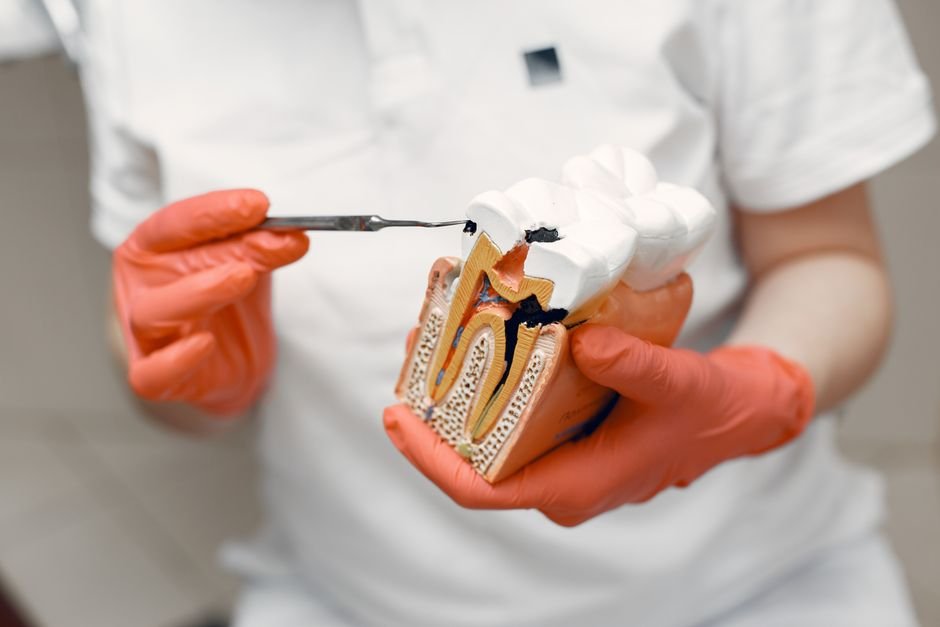
Enamel is the hard, glassy outer layer of every tooth and the most heavily mineralised substance the body produces. Its job is to protect the softer dentine and the living pulp inside from temperature, pressure, acid, and wear. A well-formed enamel shell lets a tooth withstand decades of chewing and exposure to food and drink.
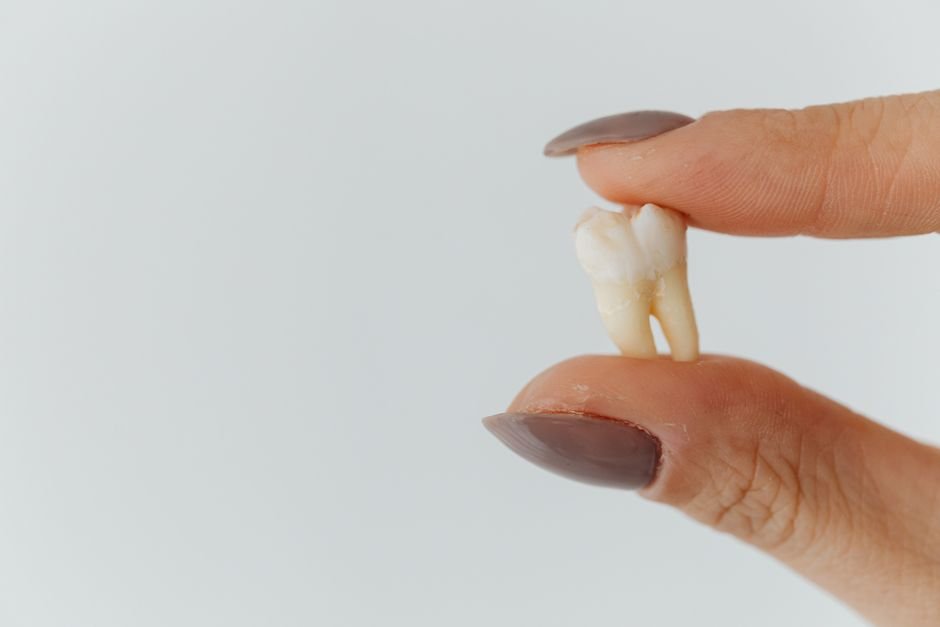
Unlike bone, enamel contains no living cells once it is complete. It cannot repair a hole or regrow a chipped edge. It can lose and regain minerals at a microscopic level, which is how early decay is sometimes reversed, but structural damage is permanent. This is why the way enamel forms in childhood has such a long shadow over adult dental health.
For baby teeth, enamel formation begins during pregnancy, from about the fourth month in the womb, and finishes in the months after birth. For permanent teeth, the process runs from around birth through to roughly age seven or eight for the front teeth and first molars, and into the early teens for teeth that erupt later such as second molars.
Each tooth has its own timetable. The cells responsible, called ameloblasts, lay down enamel in layers and then disappear once the crown is complete. Because these cells work to a schedule and cannot come back, anything that disturbs them during their active phase can leave a permanent mark on the tooth that was forming at that time.
Enamel needs a steady supply of minerals and vitamins during formation, particularly calcium, phosphate, and vitamin D, which helps the body use calcium. Vitamin A and vitamin C also play roles in the development of dental tissues. A varied diet during pregnancy, infancy, and early childhood generally provides what the forming teeth require.
Significant, prolonged nutritional shortfalls during the forming years can contribute to weaker or poorly mineralised enamel. This is different from the day-to-day effect of sugar, which harms teeth after they erupt rather than during formation. Parents do not need special supplements for tooth development in most cases; a balanced diet and following standard health advice during pregnancy and early life is usually enough.
Fluoride becomes part of the enamel structure as it forms, making the crystals more resistant to acid. Appropriate low-level exposure through fluoride toothpaste, and fluoridated water where it is available, supports stronger enamel. After eruption, fluoride continues to help by encouraging minerals to redeposit on the tooth surface.
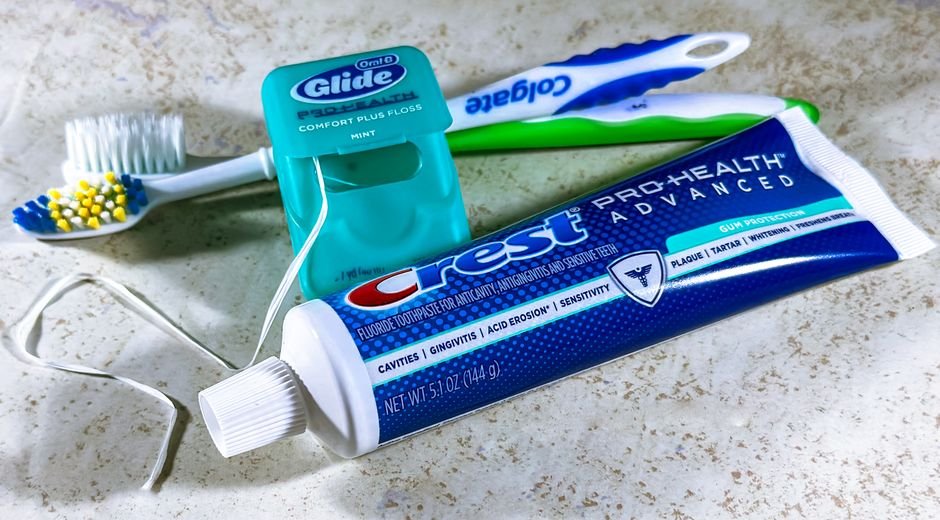
Balance matters. Swallowing large amounts of fluoride while enamel is forming, most often from eating toothpaste, can cause dental fluorosis, which usually appears as faint white flecks or lines and, in more marked cases, brown staining or pitting. To keep exposure right, use only a smear of toothpaste for under-threes and a pea-sized amount for older children, and supervise brushing so most of it is spat out.
A high fever or serious illness during infancy or early childhood can interrupt the ameloblasts and leave a band of altered enamel on the teeth that were developing at the time. Some conditions present from birth, and certain nutritional or metabolic disorders, are also linked to enamel defects. Premature birth and low birth weight can affect baby teeth in particular.
A few medicines taken during the forming years, notably tetracycline antibiotics, can discolour developing teeth, which is why they are generally avoided in young children and in pregnancy. Molar incisor hypomineralisation, a common condition where first molars and front teeth have soft, discoloured patches, is thought to arise from disturbances during the first years of life, though the exact causes are still being studied.
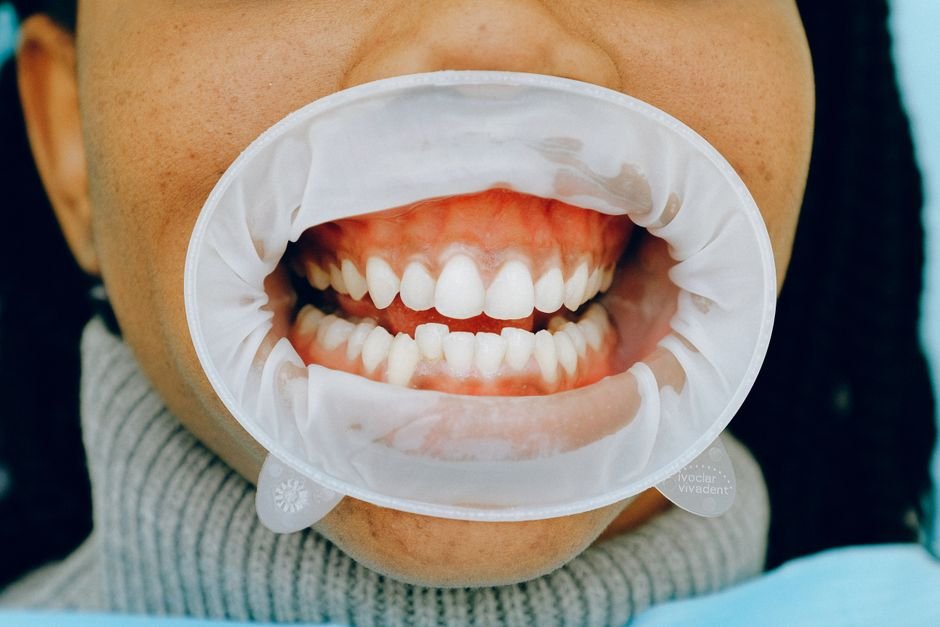
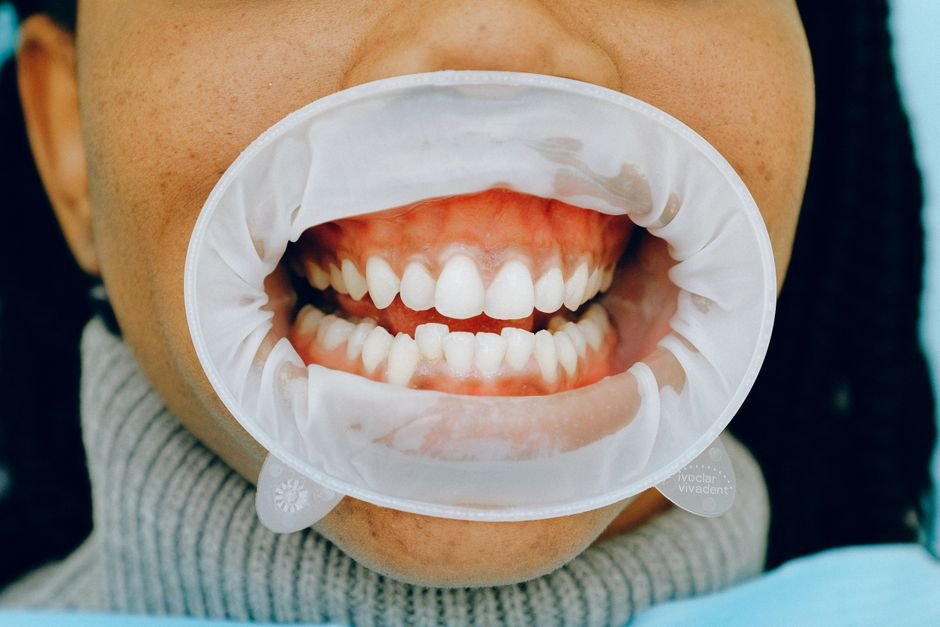
Defects fall broadly into two groups. In the first, the enamel is the right thickness but not fully mineralised, so it looks chalky white, cream, yellow, or brown and may feel slightly rough. In the second, less enamel forms than normal, leaving pits, grooves, or thin areas where the tooth looks smaller or the surface is uneven.
Affected teeth can be more sensitive, chip more easily at the edges, and are at higher risk of decay because the weakened surface is harder to clean and less acid-resistant. If you notice unusual marks, patches, or texture on your child’s teeth as they come through, point them out at a dental visit so the dentist can assess them and advise on protection.
The enamel itself cannot be regrown, but a lot can be done to protect and manage affected teeth. Fluoride varnish applications strengthen the surface and reduce sensitivity. Fissure sealants placed over vulnerable grooves keep decay out. For teeth with noticeable pits or discoloration, options range from tooth-coloured fillings and bonding to crowns on badly affected molars.
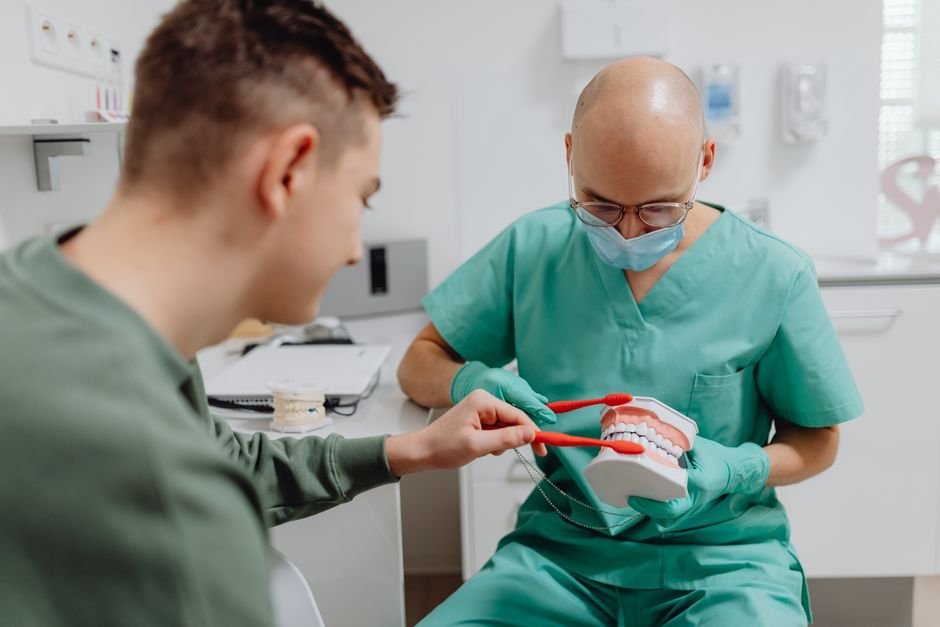
Early, regular dental care is the most important factor. A dentist who knows a child has enamel defects can monitor those teeth closely, apply preventive treatments on a schedule, and step in before small problems become large ones. Aesthetic concerns on front teeth are often addressed later, once growth is more complete, using conservative techniques.
Before teeth erupt, the priorities are a healthy pregnancy, a balanced diet through infancy and early childhood, following standard advice on vitamin D where recommended, and avoiding tetracycline antibiotics in young children. There is no way to guarantee flawless enamel, but these steps give the forming teeth the best conditions.
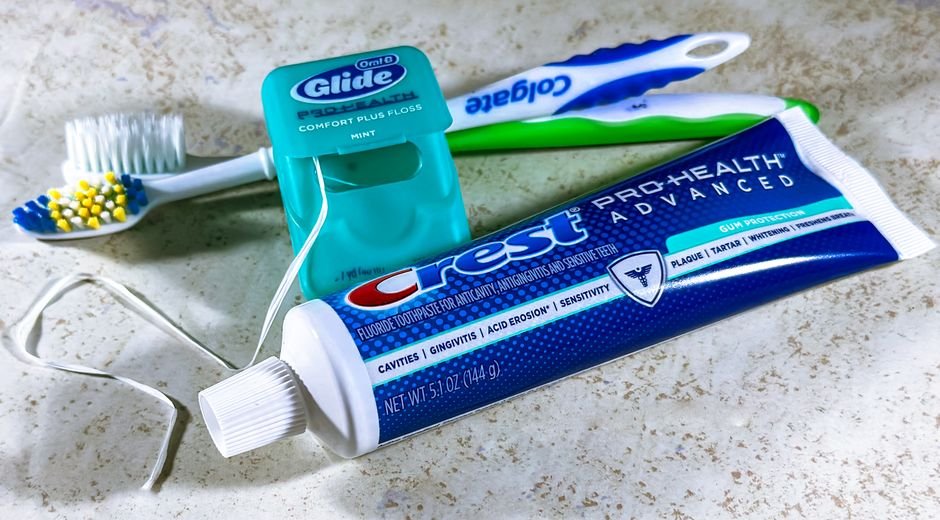
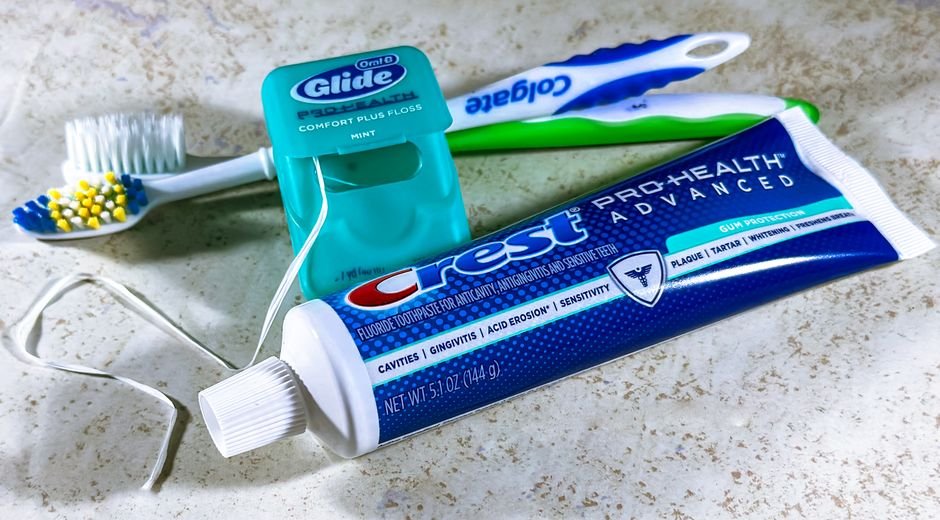
After teeth appear, focus on daily protection: brush twice a day with an age-appropriate amount of fluoride toothpaste, supervise young children so toothpaste is not swallowed in quantity, keep sugary and acidic food and drink to mealtimes, and attend dental check-ups from the first birthday. Strong enamel formation and good daily habits together give a child the best chance of keeping healthy teeth into adulthood.
Newly erupted teeth have enamel that is not yet fully hardened at the surface. Over the first months to years in the mouth, minerals from saliva and fluoride continue to seep into the outer layer in a process called post-eruptive maturation, which makes the enamel gradually more resistant to acid. This is one reason freshly erupted molars are especially prone to decay and benefit from sealants.
Through adolescence and adulthood, enamel slowly thins from normal wear, acidic foods, and any grinding. It does not renew itself, so this loss is cumulative. The habits set in childhood, such as limiting acidic drinks, brushing gently rather than scrubbing, and using fluoride toothpaste, help preserve the enamel a person carries for the rest of their life.
The body cannot make new enamel once a tooth has erupted, so the tooth will not become thicker or structurally stronger. However, fluoride from toothpaste and professional applications can help minerals redeposit on the surface, making existing enamel more resistant to acid. Good cleaning and a low-sugar diet also protect what is there.
White spots can be developmental defects from the forming years, mild dental fluorosis, or early decay where plaque has sat on the tooth. The location and texture help a dentist tell them apart. Have any spots checked so the cause is identified and the tooth is protected if needed. Many are minor and only cosmetic.
A balanced diet with normal amounts of calcium, phosphate, and vitamin D supports tooth development, but extra calcium beyond normal dietary needs does not create stronger enamel and is not recommended without medical advice. Once teeth have erupted, dietary calcium has no effect on the enamel that has already formed.
It is a common developmental condition where one or more first permanent molars, sometimes with the front teeth, have patches of soft, discoloured enamel that formed poorly. Affected teeth can be sensitive and decay easily. A dentist manages it with fluoride treatments, sealants, fillings, or crowns depending on severity, and monitors the teeth closely.
For children under three, use a thin smear of fluoride toothpaste. From three to six, use a pea-sized amount. Supervise brushing, encourage the child to spit out rather than swallow, and avoid letting them eat or lick toothpaste. This keeps fluoride at a level that strengthens forming enamel without causing fluorosis.

What and when a family eats together has a surprisingly direct effect on children’s dental health, since mealtime patterns often

Children are far more likely to stick with good oral care habits when they see parents practising the same routines
Most dentists recommend a child’s first dental visit by their first birthday, or within six months of their first tooth
 English