



























Small, everyday swaps across a household, from the drinks in the fridge to the toothbrushes in the bathroom cupboard, can add up to a meaningful difference in the whole family’s oral health without requiring a complete lifestyle overhaul. Rather than aiming for perfection, families often see the best results by identifying a few realistic changes that fit naturally into existing routines. These swaps tend to work because they reduce daily wear on teeth while making good habits easier to maintain for everyone, from young children to adults.
Key takeaways
Sugary and acidic drinks expose teeth to a steady stream of substances that feed harmful bacteria and soften enamel, and when these drinks are consumed frequently throughout the day, teeth rarely get a break to recover. Water, by contrast, does not feed decay-causing bacteria and helps rinse the mouth naturally between meals and snacks.
Making water the household default, with sweeter drinks reserved for occasional treats rather than daily habits, is one of the simplest and most effective swaps a family can make. Keeping a water jug or bottles easily accessible around the home encourages everyone, including children, to reach for water first out of convenience rather than needing to be reminded each time.
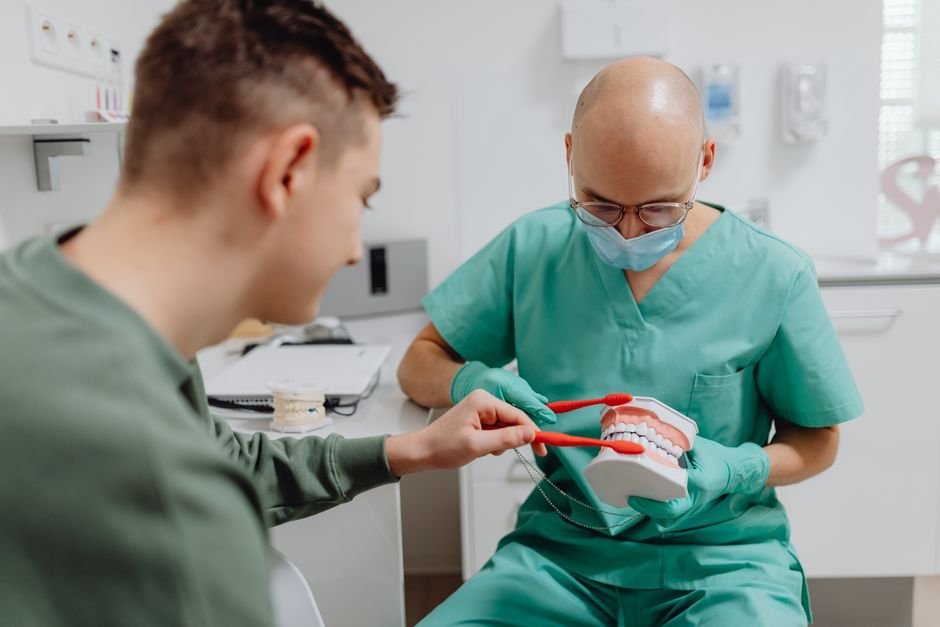
Not every toothbrush works equally well for every person, and mismatched brushes can lead to less effective cleaning or even gum irritation over time. Soft-bristled brushes are generally gentler on gums and enamel, while brush head size should suit the size of the mouth, particularly for younger children who need smaller heads to reach every surface comfortably.
Electric toothbrushes can also make a noticeable difference for family members who struggle with brushing technique or motivation, since many built-in timers and pressure sensors help guide more effective, consistent brushing. Reassessing toothbrush choices for each household member periodically, rather than assuming one type suits everyone, often improves overall cleaning results.
It is not just what is eaten but how often that matters most for tooth health. Constant grazing throughout the day means teeth are almost continuously exposed to the acid produced when bacteria break down food particles, giving enamel little opportunity to recover between exposures.
Grouping snacks around set times, rather than allowing continuous nibbling throughout the day, gives saliva a chance to neutralise acid and begin repairing enamel between eating periods. This swap does not necessarily mean eating less, simply organising eating patterns in a way that gives teeth more recovery time, which can meaningfully reduce cavity risk across the household.
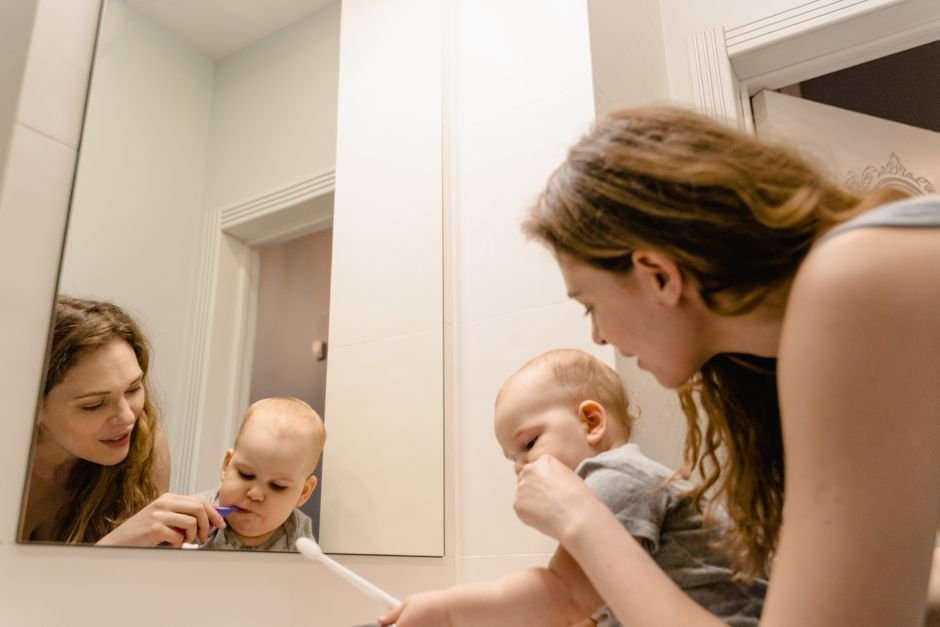
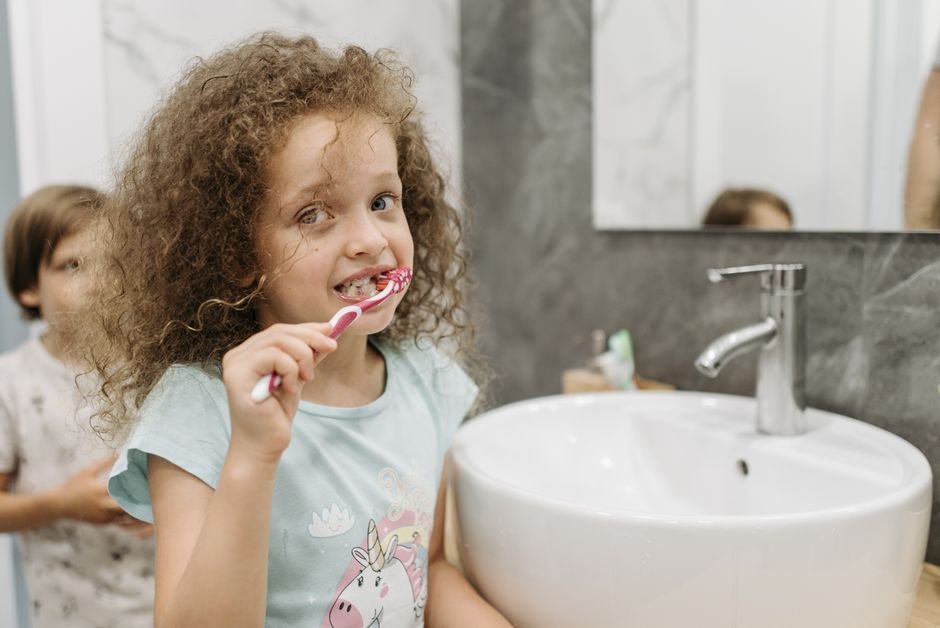
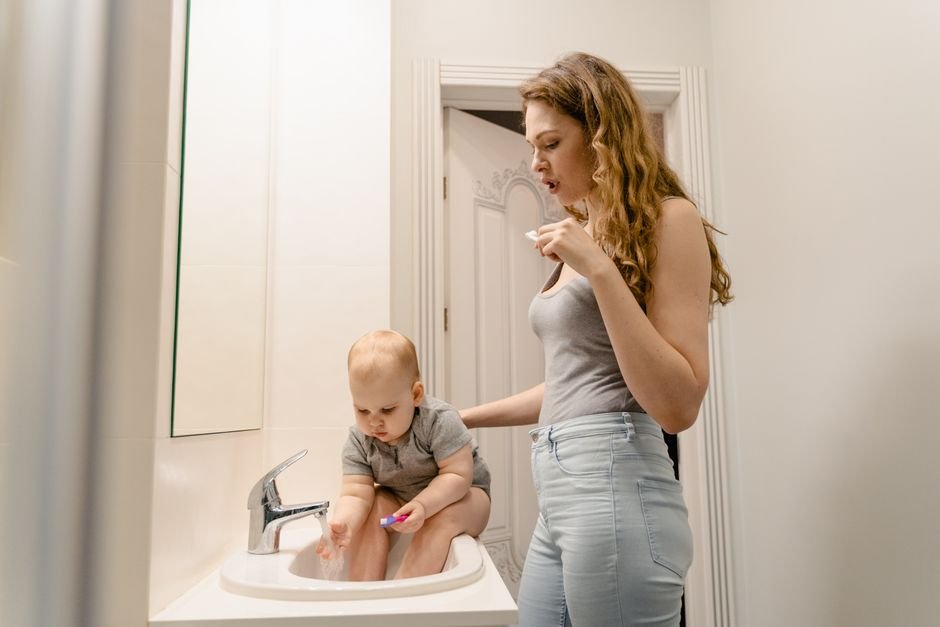
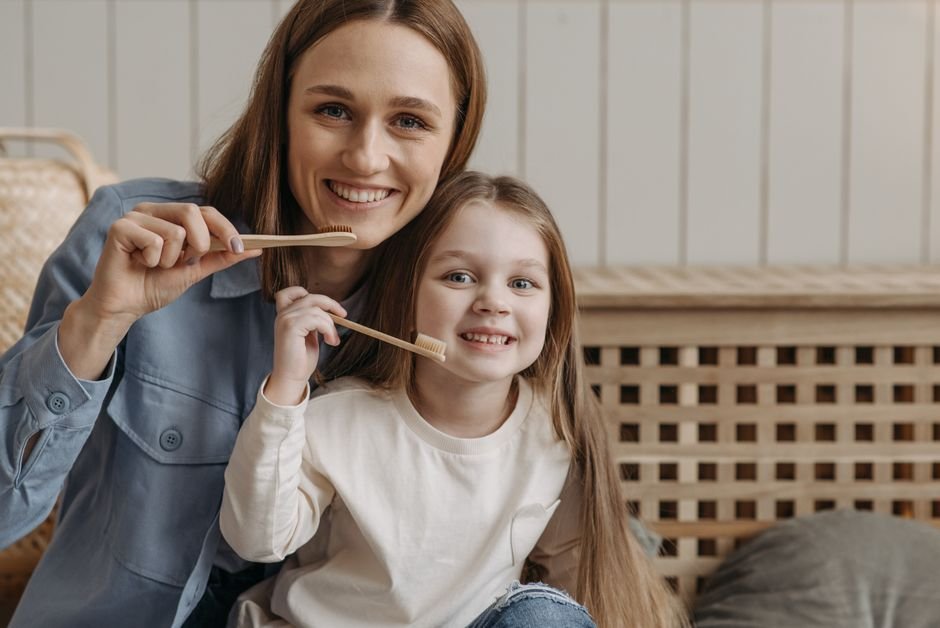
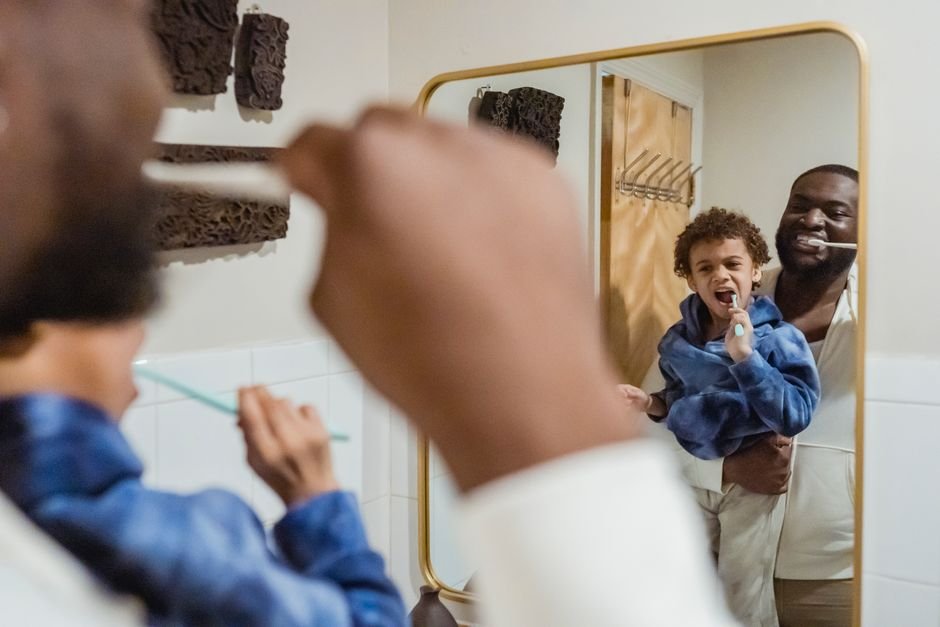
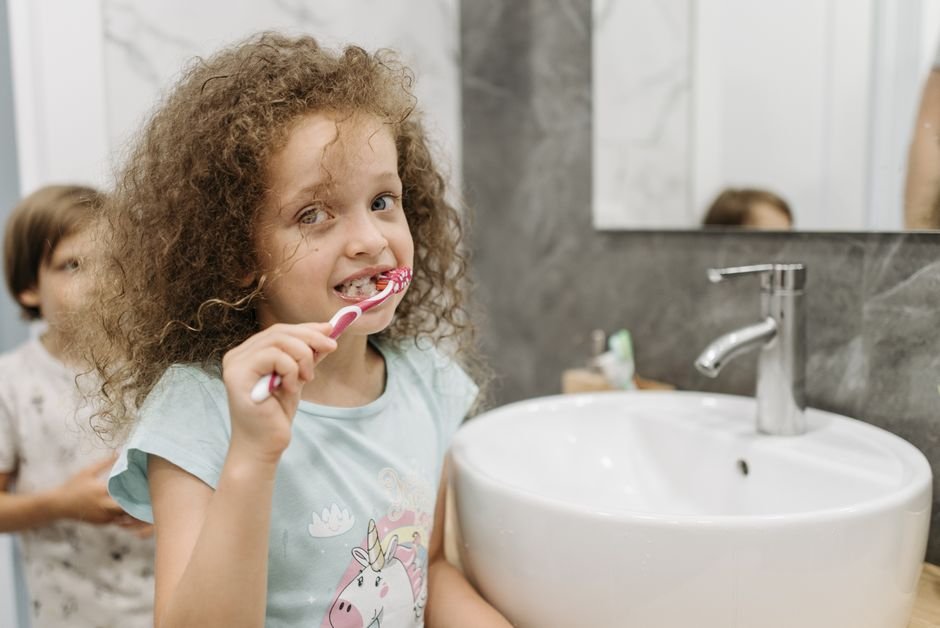
Children often learn oral care habits by watching the adults around them, which makes shared family brushing routines a particularly effective way to reinforce consistency. When brushing becomes something the whole family does together at set times, it removes some of the daily negotiation that can otherwise make the habit inconsistent.
This shared approach also gives parents a natural opportunity to check that younger children are brushing thoroughly and for the recommended length of time, since technique and duration matter just as much as frequency. Over time, this consistency tends to become self-sustaining as children internalise the routine as simply part of daily life.
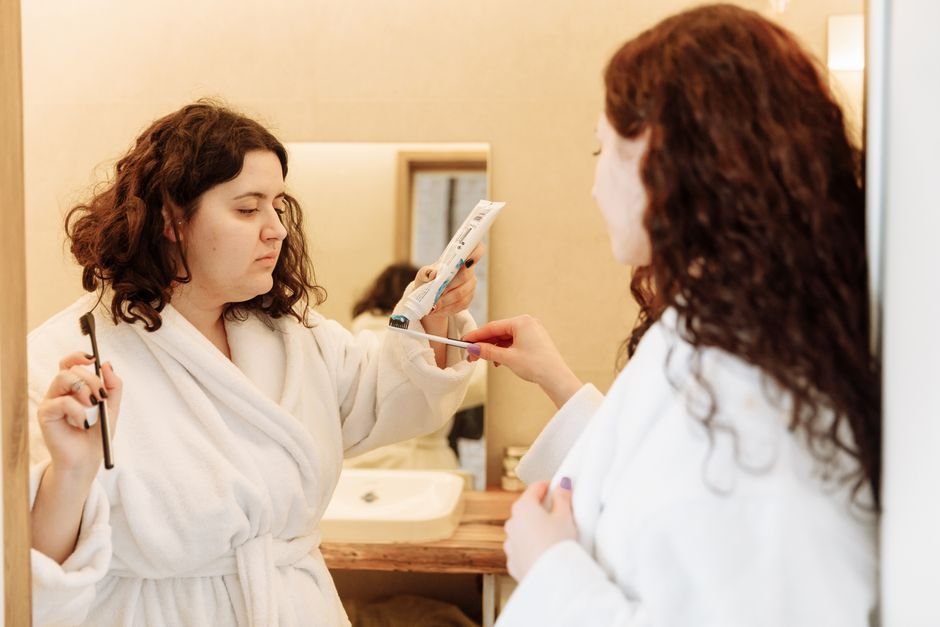
Toothpaste needs can vary across a household, with young children generally requiring a different formulation and fluoride level than teenagers or adults. Using an age-appropriate toothpaste ensures each family member gets the right level of protection without unnecessary risk, particularly for very young children who may swallow small amounts while learning to brush.
For family members dealing with sensitivity, a toothpaste formulated to help manage that discomfort can make brushing more comfortable and therefore more consistent. Taking a few minutes to review what toothpaste each person is using, rather than assuming one tube suits the whole family, is a simple swap that can improve comfort and effectiveness.
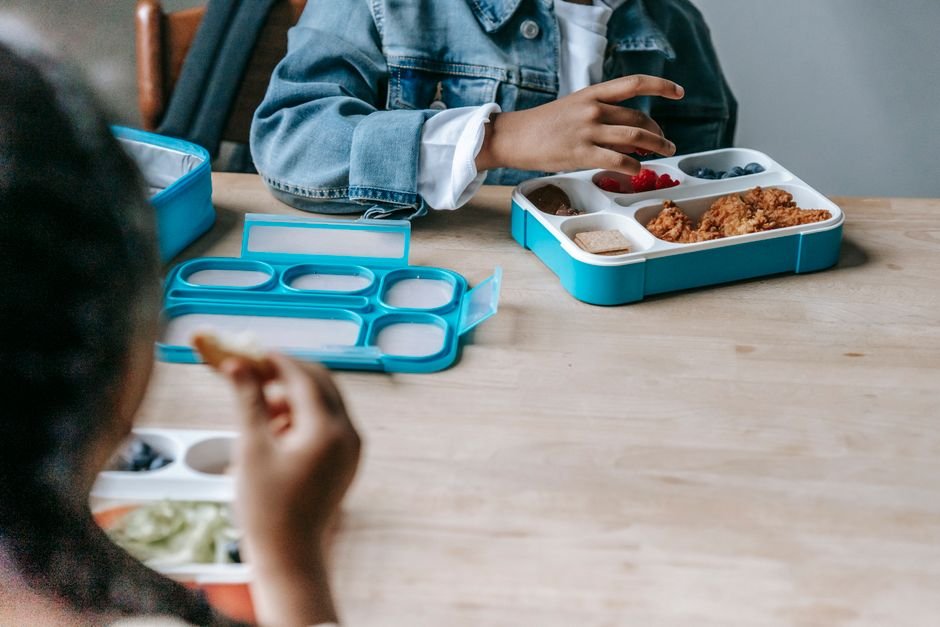
Packed lunches often include convenient options that, while practical, can be heavy on sugary or sticky foods that cling to teeth throughout the day. Swapping some of these for options like cheese, raw vegetables, or whole fruits can reduce the overall acid and sugar exposure teeth experience during school or work hours.
Sticky dried fruits and sweet snack bars, while often perceived as healthier alternatives, can actually stay on tooth surfaces for extended periods, prolonging acid exposure. Choosing lunch box items that clear the mouth more easily, alongside water rather than juice or flavoured drinks, is a practical swap that supports better oral health without requiring a complete lunch overhaul.
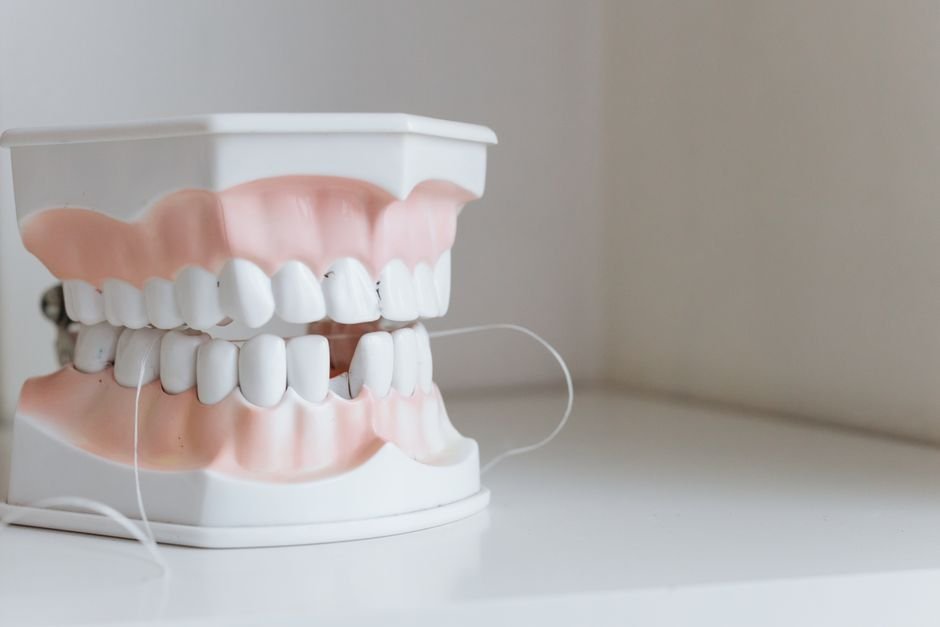
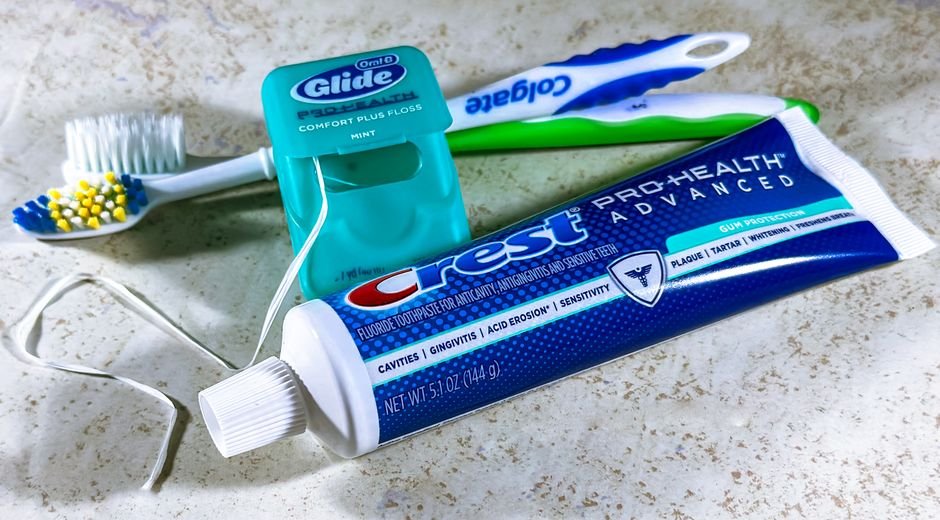
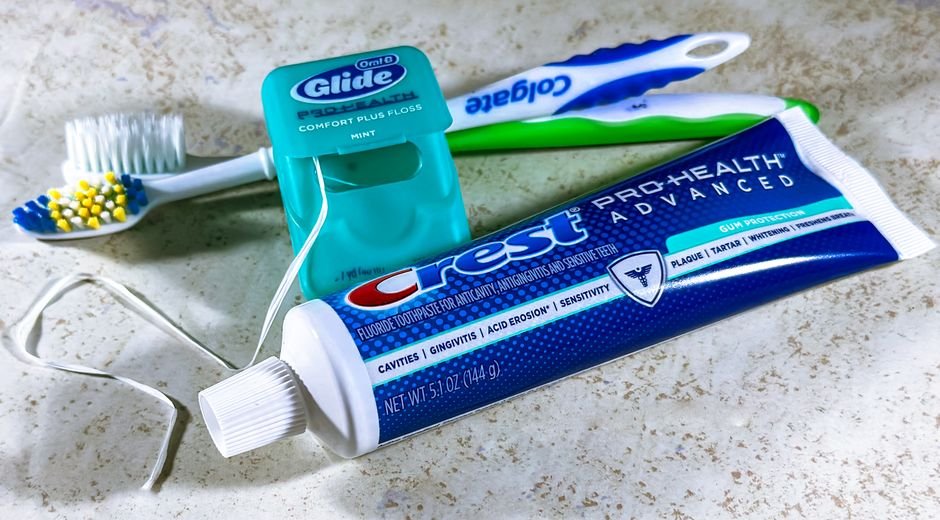
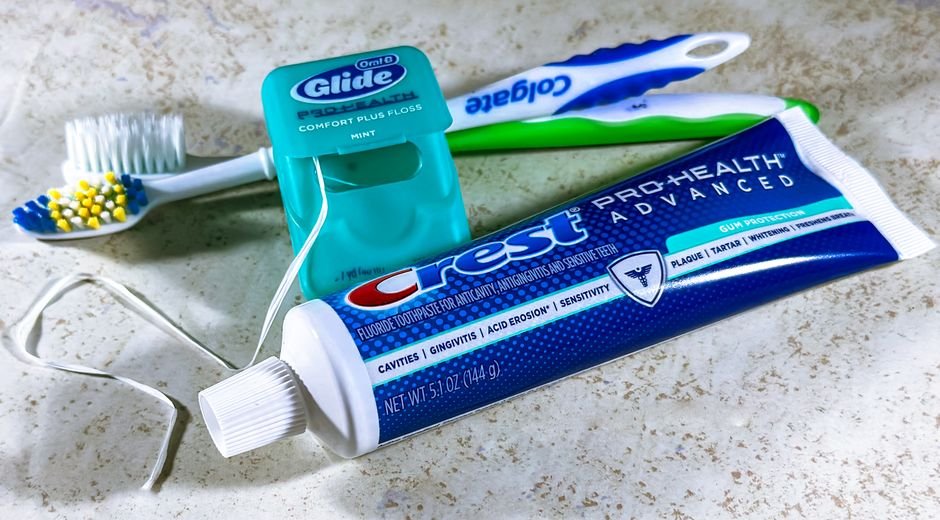
Brushing alone cannot reach the tight spaces between teeth, where food particles and plaque commonly build up unnoticed. Introducing flossing or interdental brushes as a standard part of the household routine, rather than an occasional afterthought, helps address these hard-to-reach areas before problems develop.
For younger children, flossing tools designed with easier grips can make the habit more approachable, while older family members might prefer traditional floss or interdental brushes depending on personal comfort. Making these tools visible and accessible in the bathroom, alongside toothbrushes, helps normalise them as a routine step rather than an extra chore.
Sustainable change tends to come from a handful of realistic swaps rather than attempting to overhaul every habit at once. Choosing two or three changes to focus on first, such as swapping sugary drinks for water and adjusting snack timing, allows a family to build confidence before introducing further adjustments.
Revisiting these habits periodically, particularly as children grow and routines shift, helps keep them relevant and effective. Involving the whole family in choosing which swaps to try first can also improve buy-in, since habits that feel chosen rather than imposed tend to stick more reliably over the months and years ahead.
The way a bathroom is organised can quietly influence how consistently a household sticks to good oral care habits. Keeping toothbrushes, toothpaste, and interdental tools visible and within easy reach for every family member removes small barriers that might otherwise lead to skipped steps, particularly during busy mornings or tired evenings.
Simple additions, like a designated cup or holder for each person’s brush, a visible timer for younger children, or a shared checklist by the mirror, can reinforce routines without much effort. These small environmental swaps often make consistency easier to maintain than relying purely on memory or willpower alone.
Reducing frequent sugary or acidic drinks in favour of water is often considered one of the most impactful swaps, since it directly reduces the acid exposure teeth face throughout the day across every member of the household.
Both matter, but timing plays a particularly important role because it determines how much recovery time teeth get between acid exposures. Grouping snacks rather than grazing constantly gives enamel a better chance to remineralise.
It is worth reviewing toothbrush choice roughly every few months, especially for growing children, since brush head size and bristle type needs can change as teeth and gums develop over time.
Not necessarily, but they can help family members who struggle with brushing technique or consistency, thanks to built-in timers and pressure sensors that encourage more thorough and gentle brushing habits.
Starting with just one or two changes, such as swapping drinks or adjusting snack timing, tends to be more sustainable than attempting several changes simultaneously, allowing the family to build consistency gradually.

What and when a family eats together has a surprisingly direct effect on children’s dental health, since mealtime patterns often

Children are far more likely to stick with good oral care habits when they see parents practising the same routines
Most dentists recommend a child’s first dental visit by their first birthday, or within six months of their first tooth
 English