






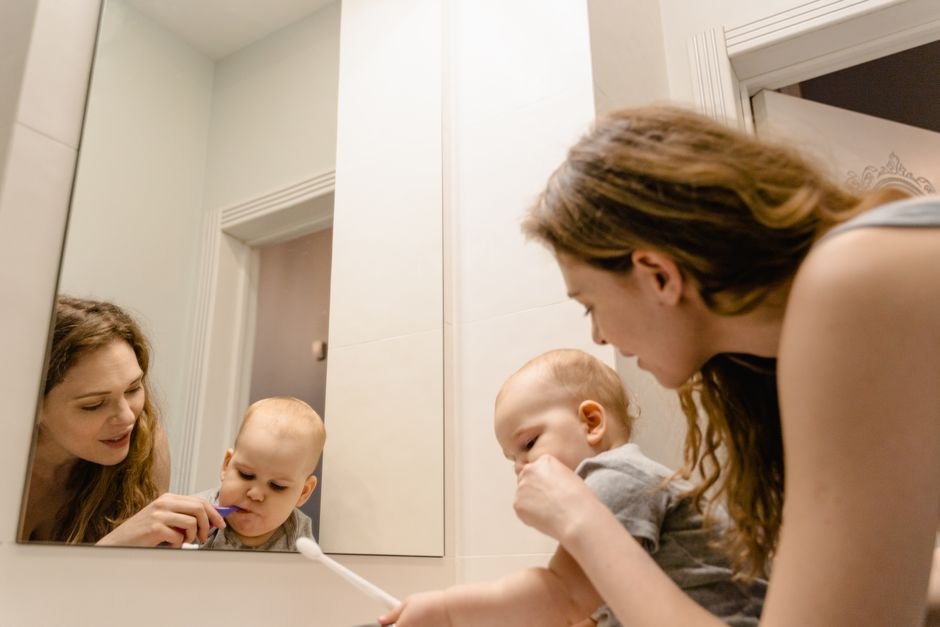




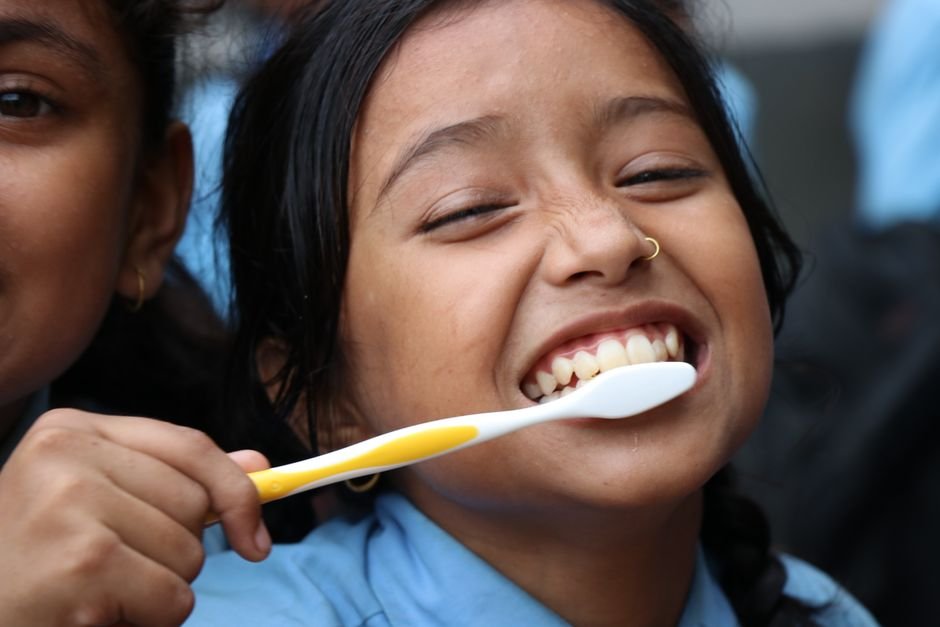
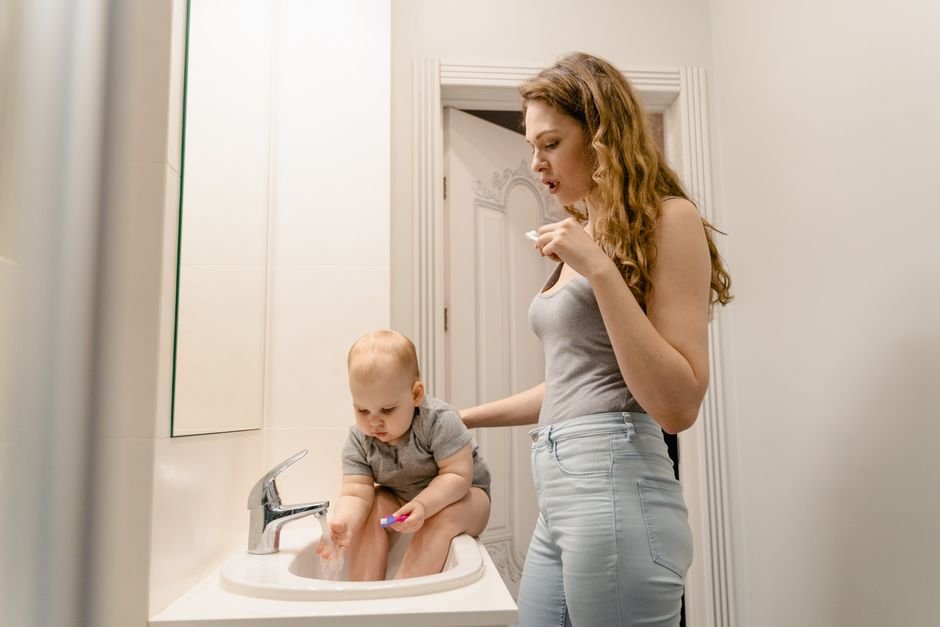









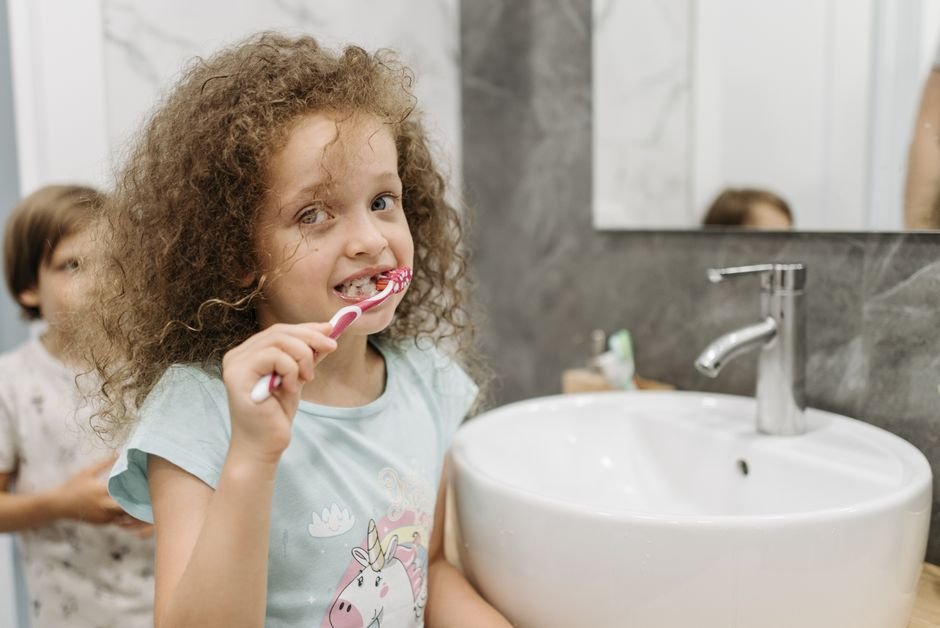


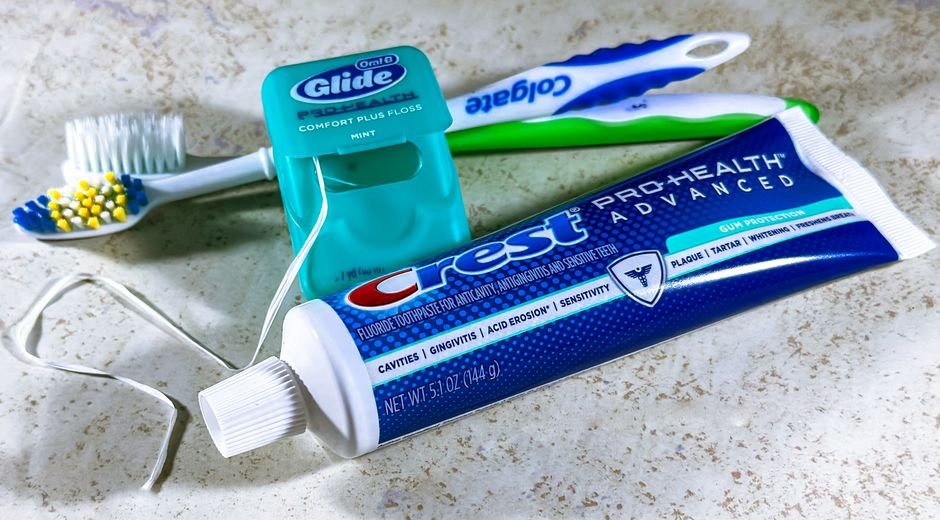

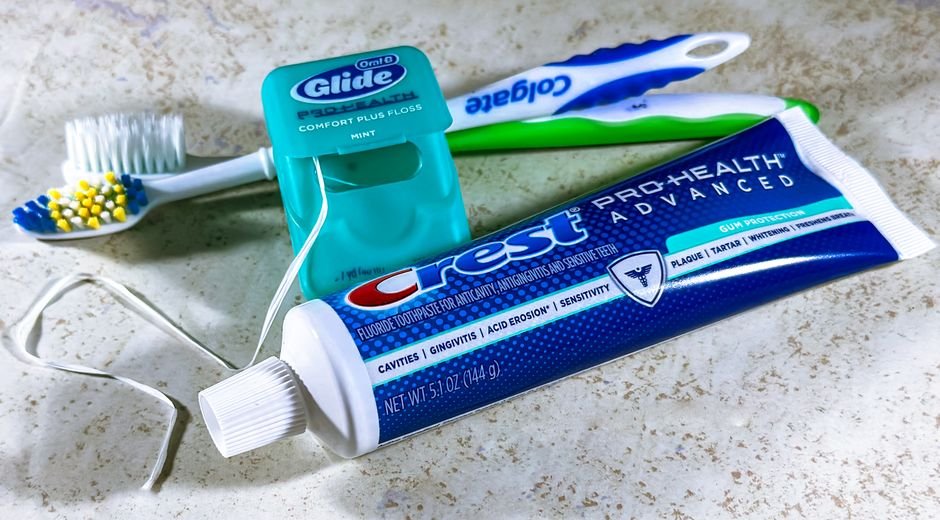









Start brushing as soon as your baby’s first tooth appears, twice a day, using a soft, small-headed baby toothbrush and a smear of fluoride toothpaste no bigger than a grain of rice. Gently brush every surface of each tooth and along the gum line in small circles, then let your baby spit or simply wipe away the excess. There is no need to rinse.
Key takeaways
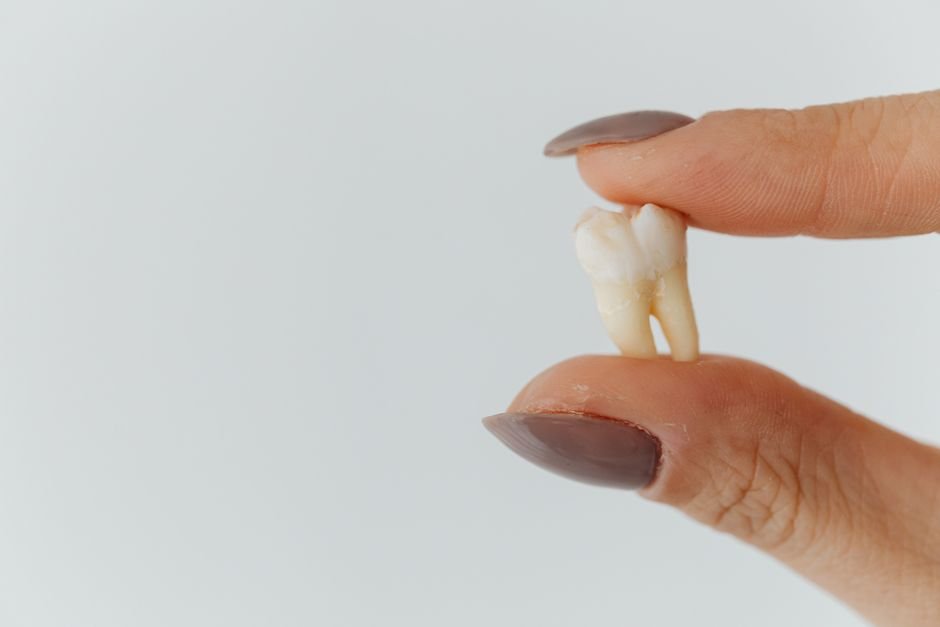
Brushing should begin the moment the first tooth breaks through the gum, which for most babies happens somewhere around six months, although anywhere from a few months to after the first birthday is within the normal range. Many parents assume baby teeth do not matter much because they will eventually fall out, but they play a vital role. They help children chew, speak clearly and smile with confidence, and they hold space for the adult teeth developing underneath.
Even before teeth appear, you can wipe your baby’s gums gently with a clean, damp cloth or a soft finger brush after feeds. This keeps the mouth clean and, just as importantly, gets your baby used to having their mouth touched. When that first tooth arrives, the step up to a toothbrush feels much more natural. Starting early also helps build a routine that becomes an ordinary, expected part of the day, rather than a battle introduced later on.
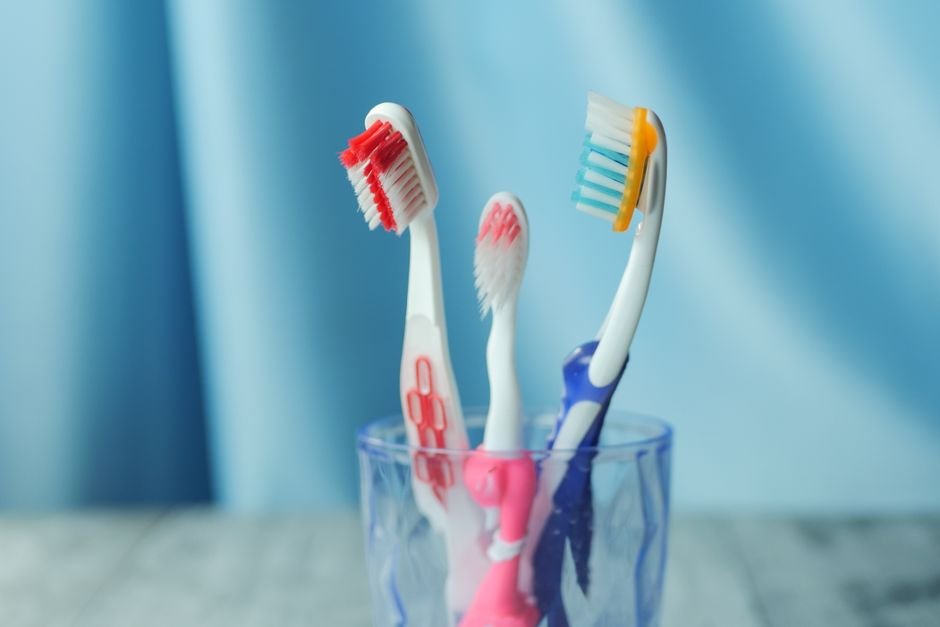
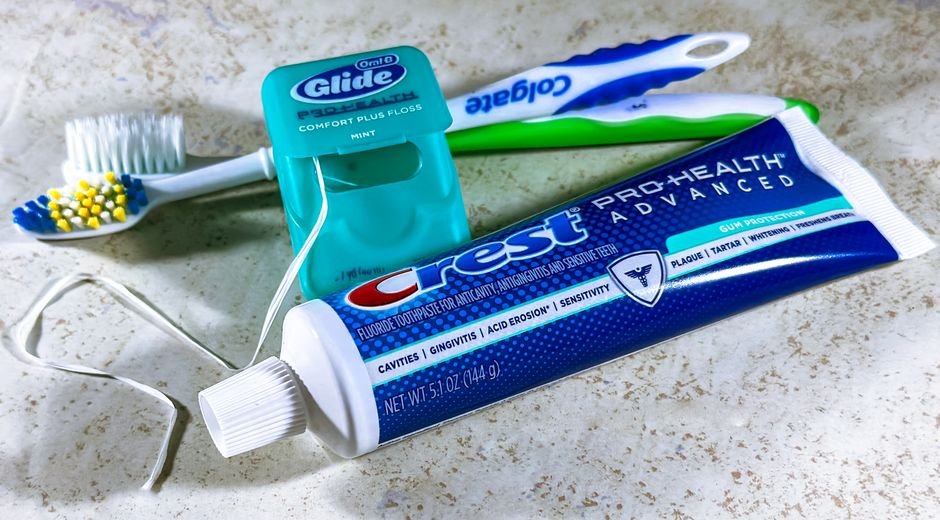
Choose a toothbrush designed specifically for babies. It should have a small head that fits comfortably into a tiny mouth, very soft rounded bristles and a chunky handle that is easy for an adult to grip. Many baby brushes are labelled by age range, which makes selection straightforward. Some parents also like silicone finger brushes for the earliest stage, although a proper toothbrush generally cleans more effectively once several teeth are present.
Replace the toothbrush roughly every three months, or sooner if the bristles become splayed, which can happen quickly when babies chew on them. Keep the brush clean by rinsing it after use and storing it upright to air-dry, away from other family brushes. Avoid sharing toothbrushes, and try not to clean a dummy or spoon by putting it in your own mouth, as this can pass decay-causing bacteria from adult to child.
Fluoride is one of the most effective ways to protect teeth against decay, and dental organisations widely recommend fluoride toothpaste from the very first tooth. The key is using the right amount. For babies and children under three, a thin smear about the size of a grain of rice is enough. From around three years of age, this increases to a pea-sized amount. Check the label and choose a toothpaste with a fluoride level suitable for your child’s age, or ask your dentist for advice.
Using such a small quantity means very little is swallowed, which is why the amount matters more than avoiding fluoride altogether. Encourage your child to spit out the excess as soon as they are able, and avoid rinsing the mouth with water afterwards, because rinsing washes away the protective fluoride. Store toothpaste out of reach of young children so they cannot eat it straight from the tube.
Being able to see clearly makes a huge difference. One of the easiest positions for young babies is to sit on the floor or a bed and lay your baby on your lap with their head resting towards your body. This lets you look straight down into their mouth, much as a dentist would, and gives you a free hand to gently lift the lip. Another option is to sit your baby on your knee facing away from you, cradling their head against your chest.
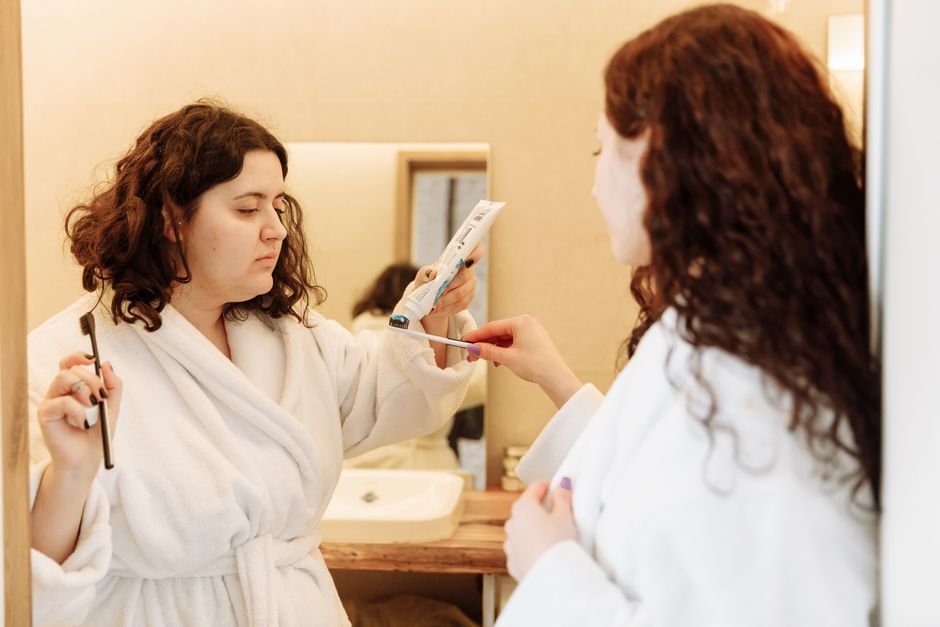
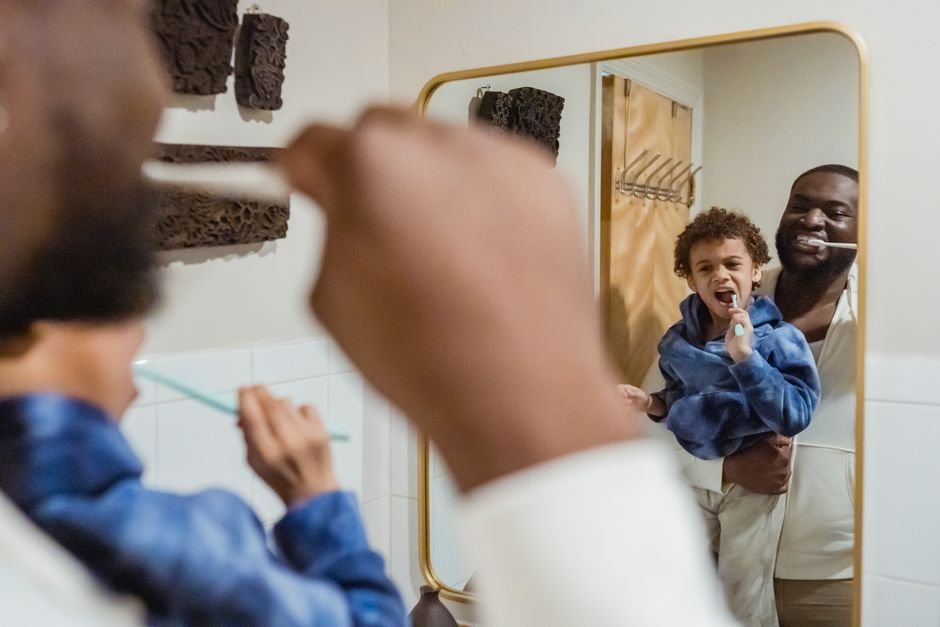
As babies grow into toddlers, you may find it easier to stand behind them in front of a mirror, tilting their head back slightly against you. Whatever position you choose, make sure your child is secure and supported. If two adults are available, one can hold and distract while the other brushes. Good lighting helps too, so brushing in a well-lit bathroom or near a window makes it easier to see every tooth.
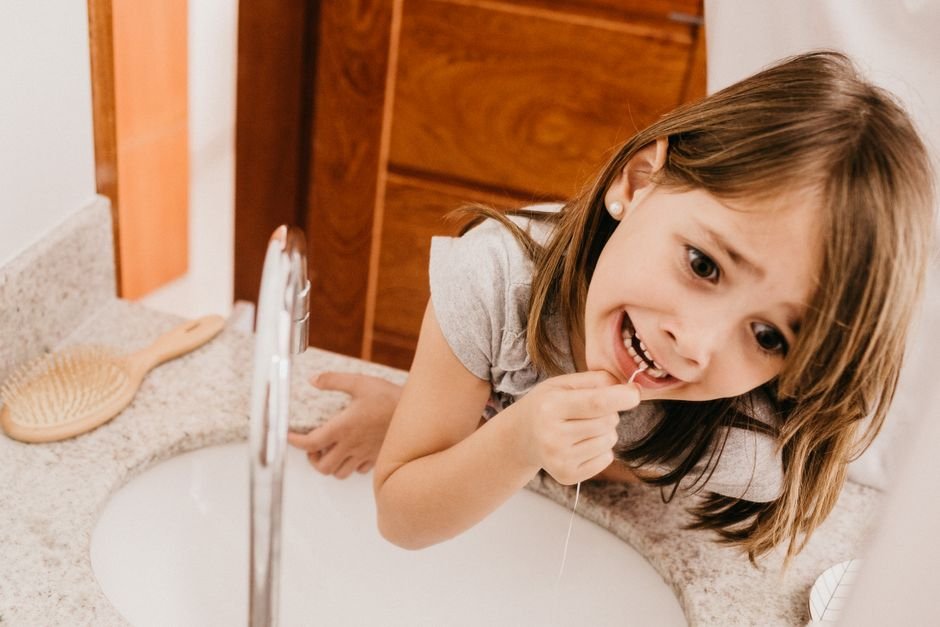
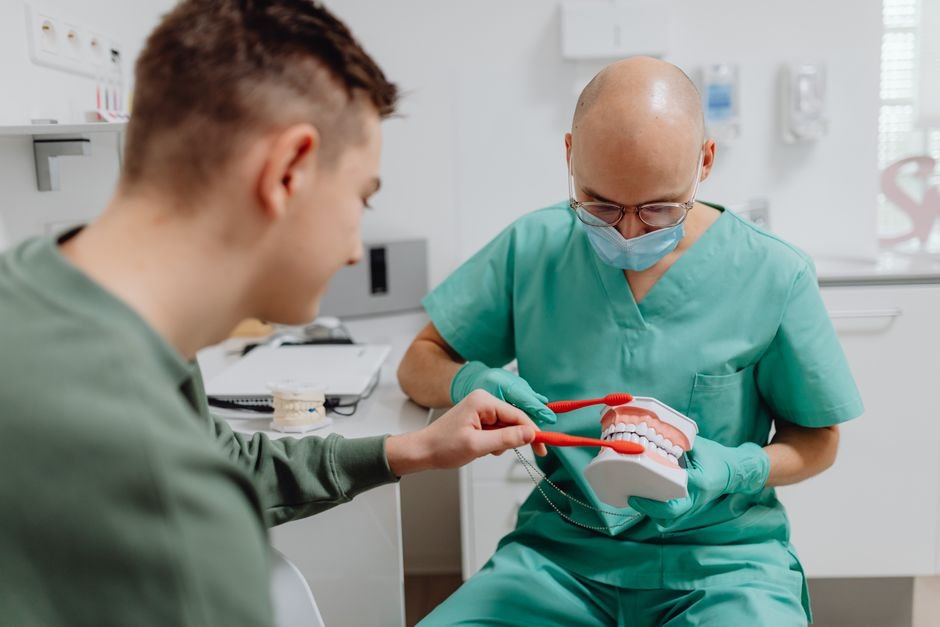
Place the toothbrush where the teeth meet the gums and use small, gentle circular movements, cleaning one or two teeth at a time. Brush the front surfaces, the back surfaces facing the tongue and, once back teeth appear, the chewing surfaces too. Pay particular attention to the gum line, where plaque tends to collect. Lift the upper lip gently to reach the top front teeth, as this area is especially prone to early decay.
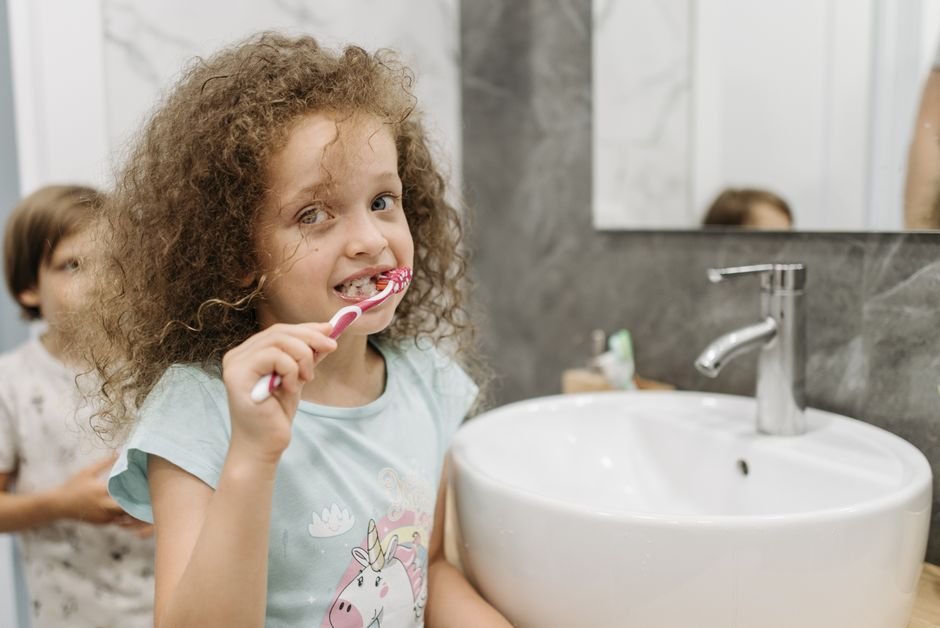
Aim for around two minutes, although with a wriggly baby you may need to settle for less at first and build up gradually. It is more important to be thorough than fast. There is no need to press hard; light pressure is enough to remove soft plaque. Finish by encouraging your child to spit, or simply wiping away excess foam with a cloth. Keep going with regular supervision and help until at least seven or eight years of age, as young children lack the dexterity to clean thoroughly on their own.
Brush twice a day: once in the morning and once last thing at night before bed. The night-time brush is the most important, because saliva flow drops during sleep and the teeth are less protected. Brushing after the last feed of the day removes milk and food residue so it does not sit against the teeth for hours. If your baby falls asleep while feeding, gently wiping the teeth with a clean cloth is better than nothing.
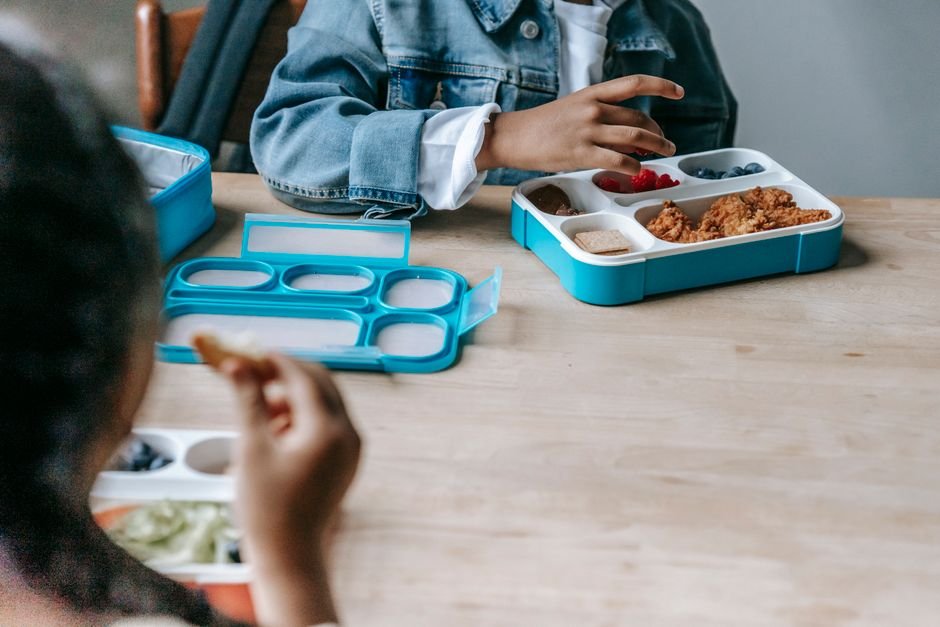
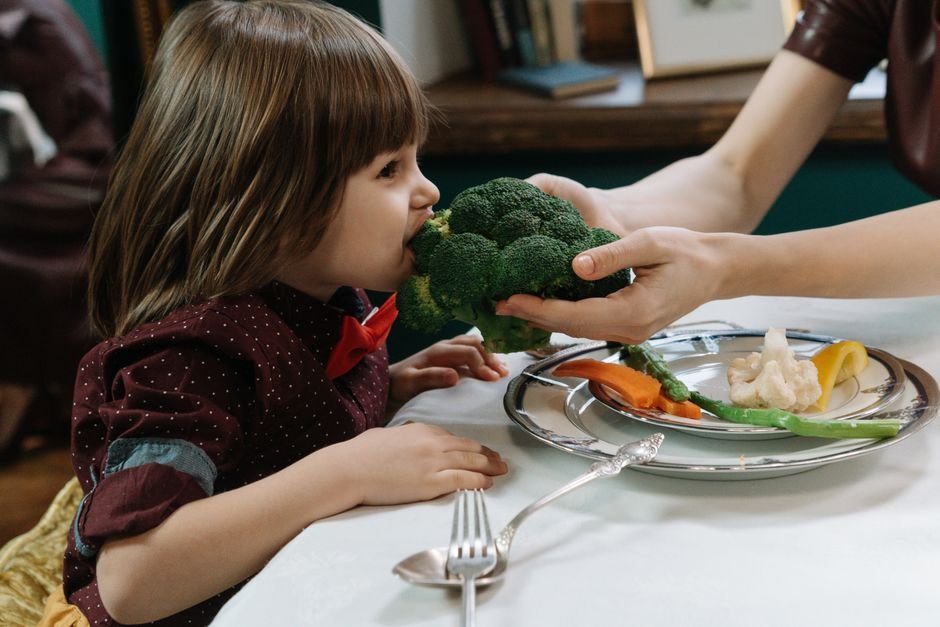
Try to avoid putting your baby to bed with a bottle of milk, formula or juice, as prolonged contact with these drinks is a major cause of early childhood tooth decay. Water is the only safe drink to leave in a bedtime bottle or cup. Between meals, offer water or plain milk rather than sweetened drinks, and keep sugary foods to mealtimes to limit the number of acid attacks on newly emerged teeth.
Resistance is very common and completely normal. Teething can make gums sore, and some babies simply dislike the sensation. Keep sessions short, calm and predictable. Singing a song, using a brushing app or timer, or letting your child hold a second toothbrush can turn brushing into a game. Many children enjoy watching a parent or sibling brush first, then copying them. Praise every small success and avoid turning brushing into a struggle.
If your baby is teething, a cold teething ring before brushing may ease discomfort. Try different times, positions and brushes until you find what works. On difficult days, a quick, gentle clean is still worthwhile. Consistency matters more than perfection, and most children accept brushing far more readily once it is a fixed part of their daily routine. If brushing remains very difficult, your dentist or health visitor can offer practical tips tailored to your child.
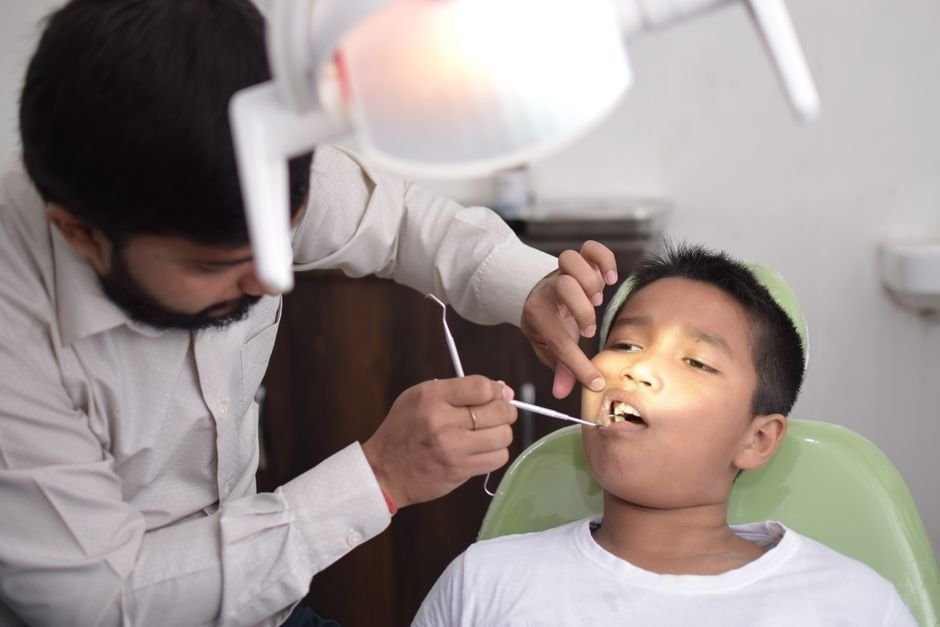
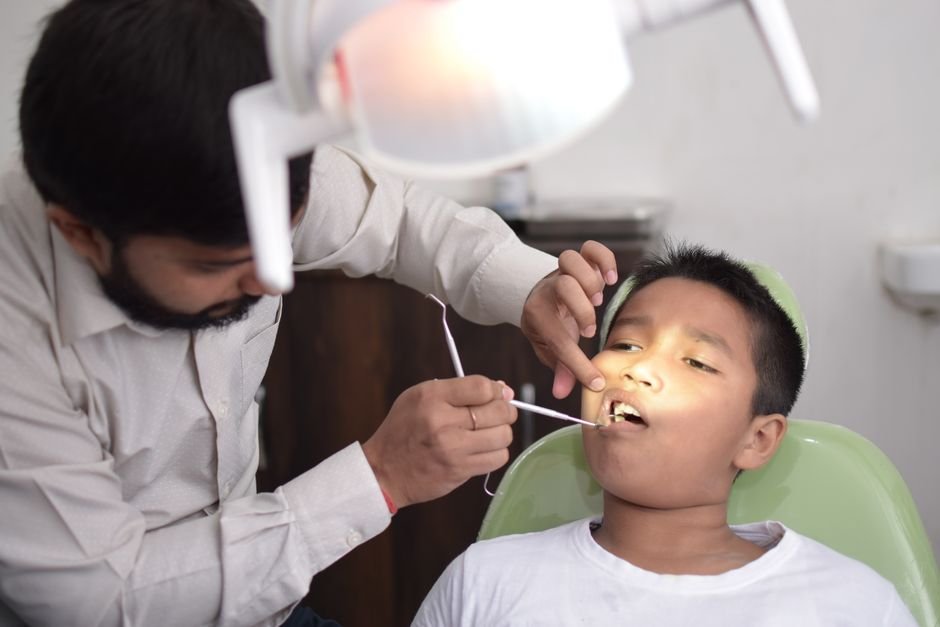
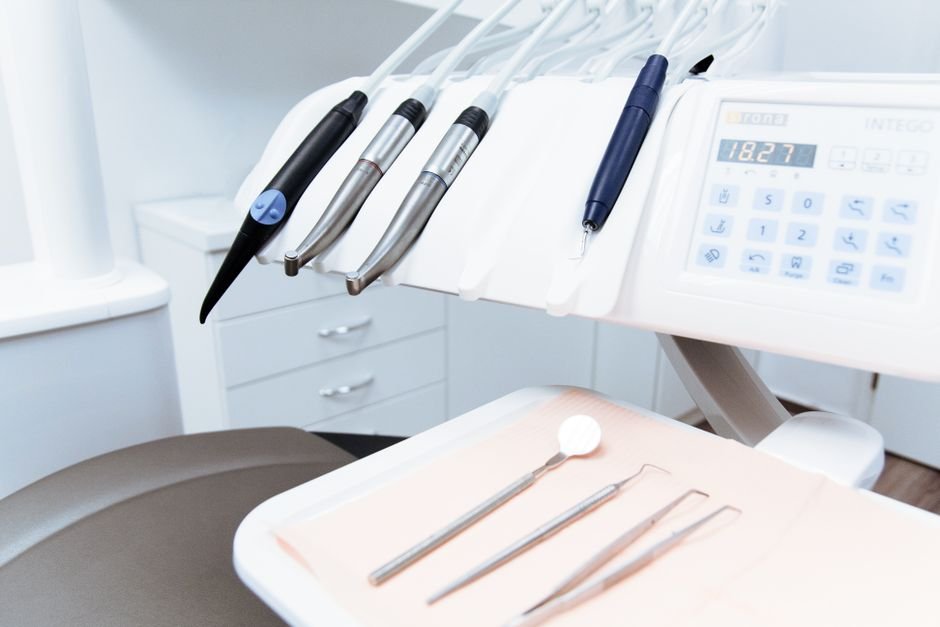
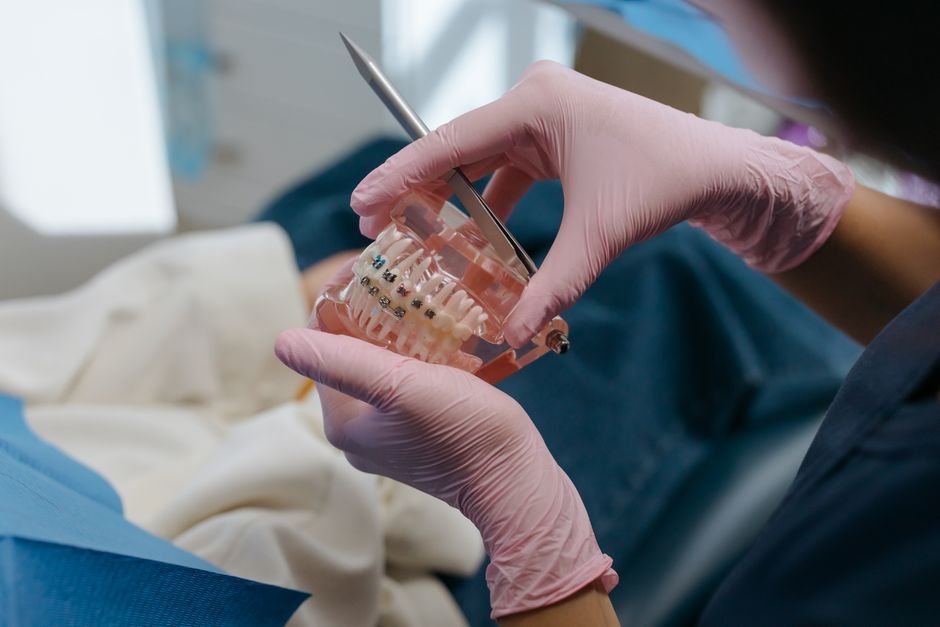
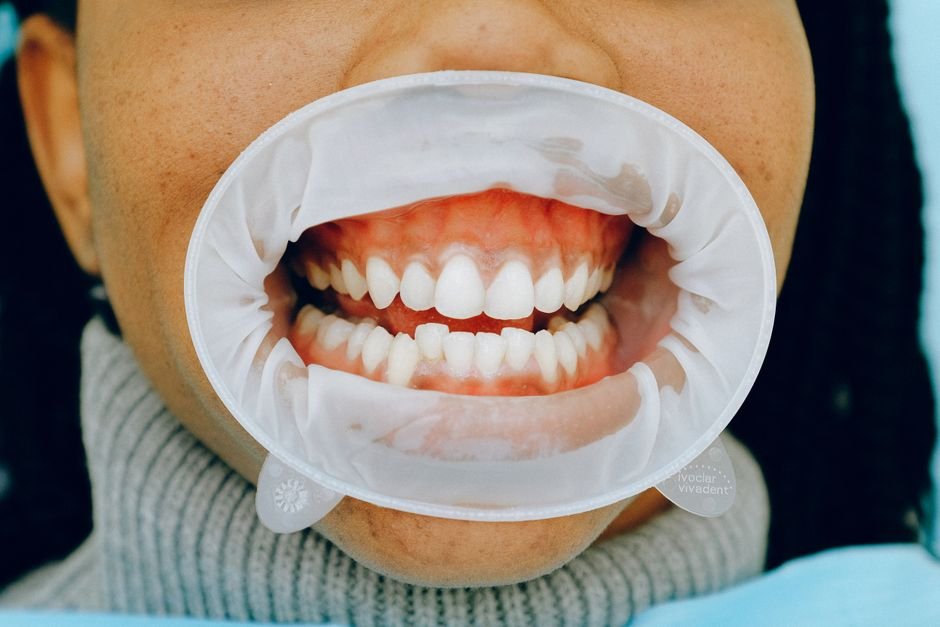
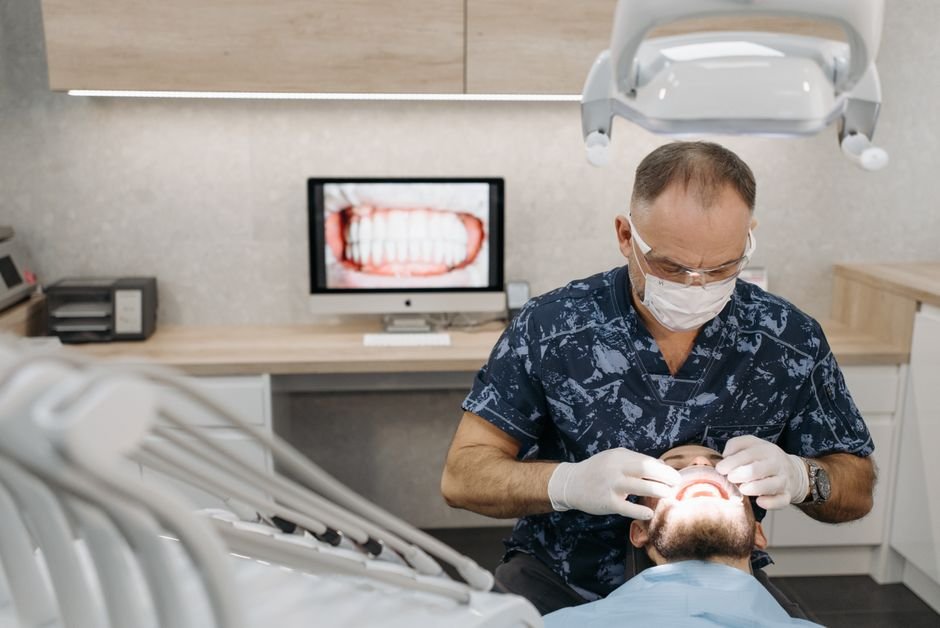
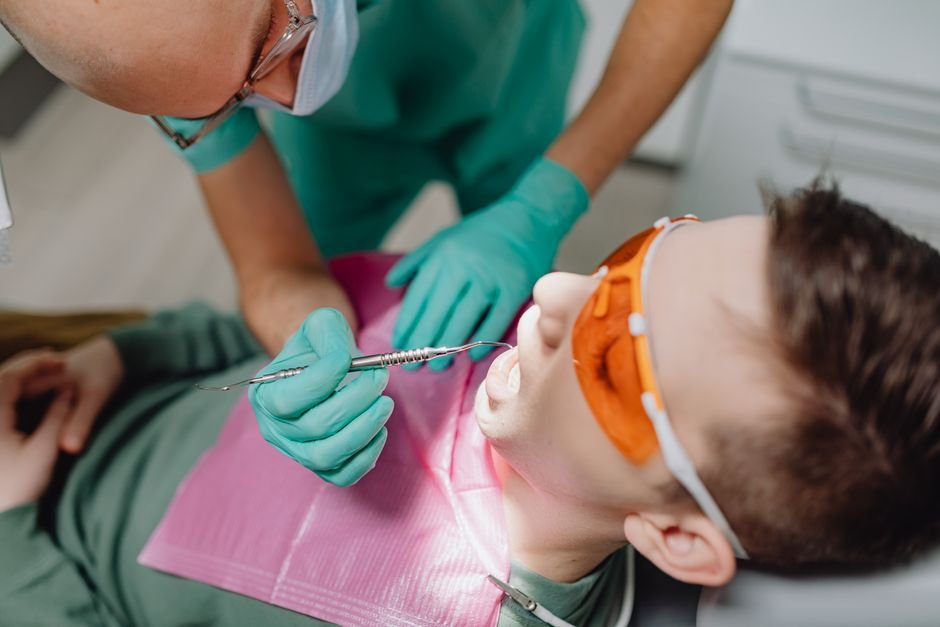
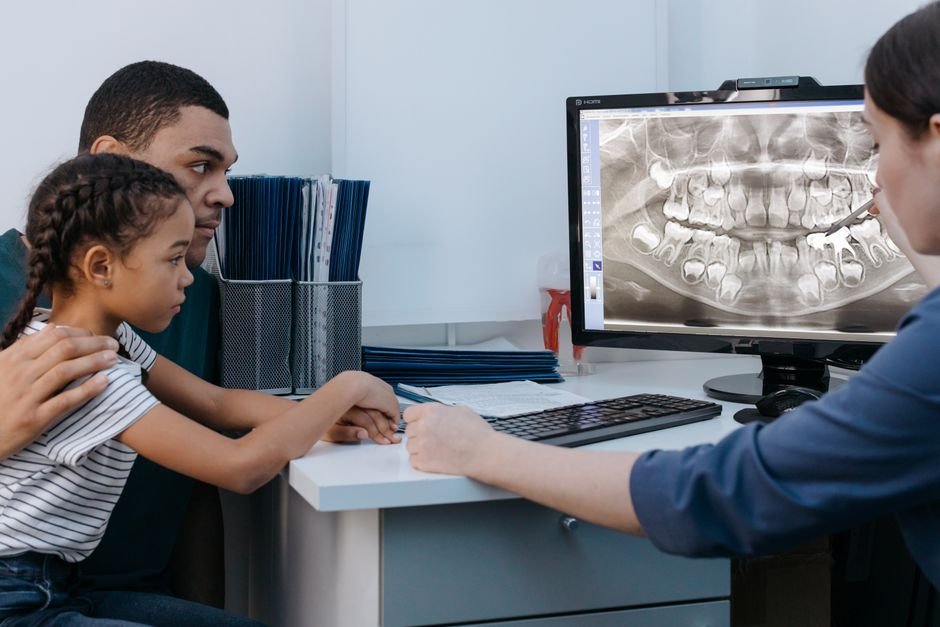
Many dental organisations recommend taking your child to the dentist when their first tooth appears or by their first birthday. This first visit is usually short and relaxed. The dentist will look at your baby’s teeth and gums, check that development is on track and talk to you about brushing, toothpaste, feeding, teething and dummy or thumb habits. It is also a great opportunity to ask any questions you may have.
Early visits help children become familiar with the sights, sounds and people at the dental practice, which reduces anxiety later on. Regular check-ups allow the dentist to spot early signs of decay, such as chalky white patches near the gum line, and to apply fluoride varnish if your child would benefit. Starting good habits and positive dental experiences from the very first tooth sets the foundation for a lifetime of healthy smiles.
Yes. Dental organisations widely recommend fluoride toothpaste from the first tooth because it helps prevent decay. For babies and children under three, use only a smear about the size of a grain of rice, and encourage them to spit out the excess without rinsing afterwards.
Wipe your baby’s gums gently with a clean, damp cloth, gauze or a soft silicone finger brush once or twice a day, especially after feeds. This removes milk residue and helps your baby get used to having their mouth cleaned before the first tooth arrives.
Swallowing the tiny rice-grain smear recommended for babies is not a concern. The small amount is used precisely so that very little fluoride is swallowed. Keep toothpaste tubes out of reach so children cannot eat larger quantities, and teach spitting out as soon as your child is able.
Electric toothbrushes are generally designed for older children, often from around three years of age. For babies, a soft manual infant toothbrush is usually the best choice. Check the manufacturer’s age guidance and ask your dentist if you are considering an electric brush for a young child.
Early decay in babies often appears as dull, chalky white spots or lines near the gum line, especially on the upper front teeth. These may progress to yellow or brown patches. If you notice any of these changes, book a dental appointment promptly, as early decay can often be managed simply.

What and when a family eats together has a surprisingly direct effect on children’s dental health, since mealtime patterns often

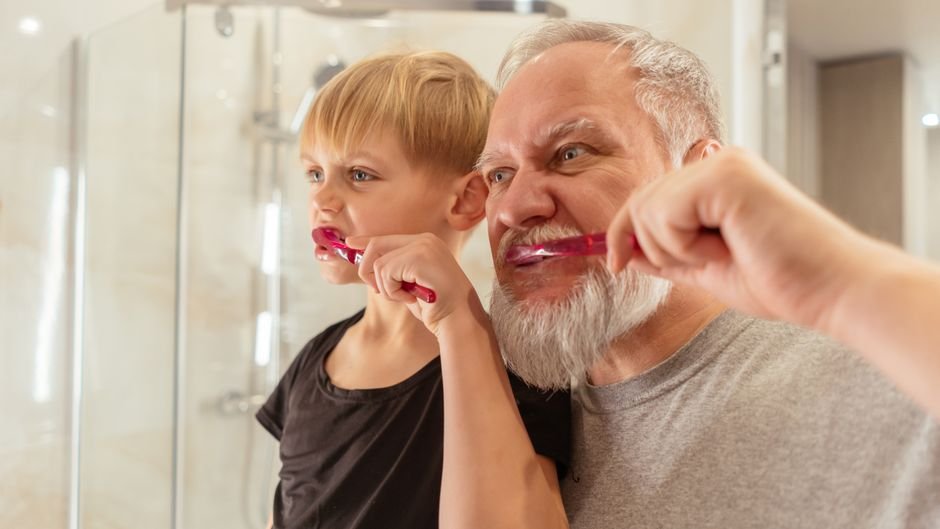
Children are far more likely to stick with good oral care habits when they see parents practising the same routines
Most dentists recommend a child’s first dental visit by their first birthday, or within six months of their first tooth
 English