

































The habits you follow in the last half hour before sleep have an outsized effect on long-term oral health, because saliva production drops sharply overnight, leaving teeth and gums with far less natural protection against acid and bacteria for six to eight hours at a stretch. A consistent bedtime routine that includes thorough brushing, flossing, and avoiding food or sugary drinks after cleaning gives the mouth a genuine chance to repair and remineralise while you sleep. Skipping or rushing this routine, even occasionally, allows plaque to sit undisturbed on the teeth for the longest unbroken stretch of the day, and over months and years this pattern contributes measurably to cavities, gum disease, and enamel wear.
Key takeaways
Throughout the day, saliva plays a constant background role in protecting the teeth. It buffers the acid produced when bacteria break down sugars and starches, washes away loose food particles, and carries calcium and phosphate that help re-harden enamel that has been softened by acid attack. Because you swallow, talk, and drink regularly during waking hours, this protective cycle repeats itself many times over, giving the mouth frequent small chances to recover from everyday wear.
At night, that cycle effectively pauses. Whatever state your teeth and gums are in when you fall asleep is roughly the state they will remain in until you wake, because there is little swallowing, drinking, or saliva flow to intervene. This is precisely why the bedtime routine carries more weight than any other single habit in your day: it sets the starting conditions for the longest period your mouth spends without active defence.
Saliva production is governed by the body’s autonomic nervous system, and as part of normal sleep physiology, output slows dramatically once you drift off. This is a natural, expected change rather than a sign of anything wrong, but it has real consequences for the mouth. With less saliva circulating, the buffering effect that neutralises acid during the day is largely absent overnight, so any acid already present when you fall asleep lingers on the tooth surface for far longer.
Reduced saliva also means the mouth naturally feels and becomes drier overnight, which is part of why so many people wake with a stale taste or mild bad breath. This dryness is not merely uncomfortable; a drier environment allows bacteria to adhere more readily to enamel and along the gumline, which is one of the clearest links between overnight physiology and long-term decay and gum disease risk.
An occasional missed brushing session is unlikely to cause lasting harm on its own, but the pattern matters far more than any single night. Plaque that is not disturbed can begin hardening into tartar within a day or two, and tartar cannot be removed by brushing alone once it has calcified onto the tooth surface. Each night the mouth goes uncleaned before the long overnight dry period compounds the effect of the last, so an irregular routine tends to snowball rather than average out harmlessly.
Over months and years, habitually skipping nighttime brushing shows up as demineralised patches near the gumline, increased sensitivity, and a higher rate of cavities forming between teeth where plaque is hardest to see. Gum tissue also responds to this ongoing irritation by becoming inflamed, which is the earliest stage of gum disease and, left unaddressed, can progress to more serious and harder-to-reverse conditions affecting the structures that support the teeth.
Brushing alone cannot reach the tight contact points between teeth, which together make up a substantial portion of each tooth’s total surface area. Food particles and plaque that collect in these spaces overnight, right before the driest and least protected period of the day, are exactly the kind of debris that flossing is designed to clear. Doing this before bed, rather than at some other point in the day, targets the window where its absence would otherwise do the most damage.
The general recommendation is to floss before brushing, so that loosened debris can then be brushed and rinsed away rather than pushed further under the gumline. Making this a genuine nightly habit, rather than an occasional effort, is one of the most consistent predictors of lower rates of gum disease and fewer cavities between teeth over the course of a lifetime, since it removes the exact material that would otherwise sit against the enamel for hours.
Many people breathe through their mouth while asleep, whether because of nasal congestion, sleeping position, or simply habit, and this compounds the natural drop in saliva that already occurs overnight. Air passing continuously over the oral tissues accelerates moisture loss far beyond what reduced saliva production alone would cause, leaving the mouth noticeably drier by morning than it would be with normal nasal breathing throughout the night.
Over the long term, habitual mouth breathing during sleep is associated with drier, more irritated gum tissue, a higher tendency for plaque to stick to enamel, and a greater likelihood of morning bad breath. Where the cause is ongoing congestion or an anatomical issue, it is worth discussing with a healthcare provider, since addressing the underlying reason for mouth breathing can meaningfully reduce its cumulative effect on oral tissues over time.
Eating or drinking anything other than plain water after your final brushing effectively resets the clock on the very protection you just created. Sugars and starches from a late snack feed oral bacteria, which then produce acid at the precise moment saliva flow is beginning its overnight decline, meaning that acid has far less buffering than the same snack eaten earlier in the day. This is one of the most common ways a genuinely good bedtime routine gets quietly undermined.
It is worth noting that this applies even to foods often considered healthy, such as fruit, dried fruit, or milk, all of which contain natural sugars that bacteria can use. The simplest and most reliable habit is to treat brushing as the final act before sleep, with only water permitted afterwards, since this single change removes the fuel source during the exact hours when the mouth has the least capacity to defend itself.
Grinding or clenching the teeth during sleep, often referred to as bruxism, is common and frequently linked to stress, an uneven bite, or disrupted sleep quality. Because it happens involuntarily during sleep, people are often unaware it is occurring until a dentist notices the signs, such as flattened biting surfaces or small fracture lines. The forces generated during nighttime grinding can be considerably greater than those produced during normal daytime chewing.
Left unmanaged over years, this repeated overnight force gradually wears down enamel, flattens the natural contours of the biting surfaces, and can contribute to jaw discomfort or headaches upon waking. In more pronounced cases it increases the risk of chipped or fractured teeth. A properly fitted nightguard, along with addressing contributing factors such as stress or sleep quality, can substantially reduce this long-term wear.
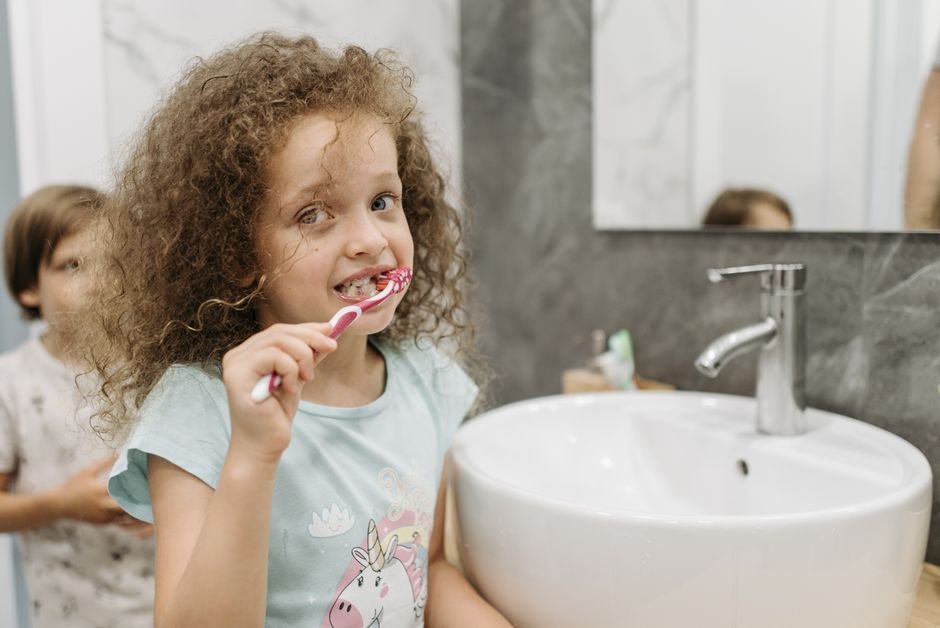
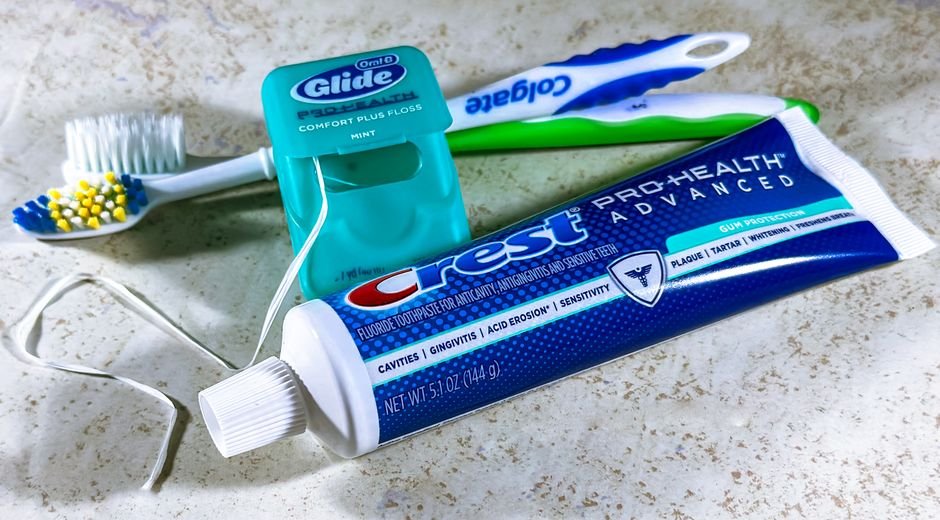
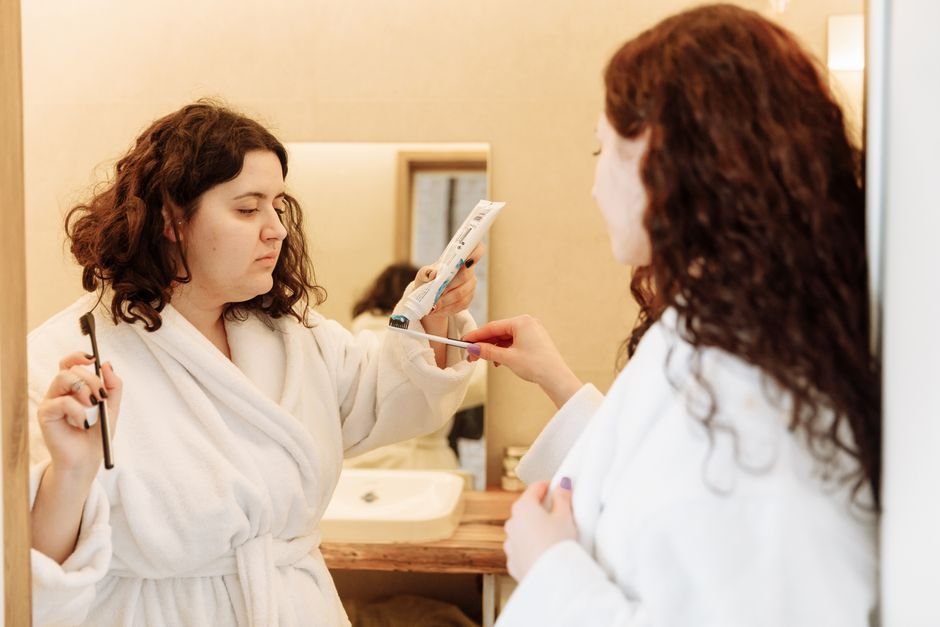
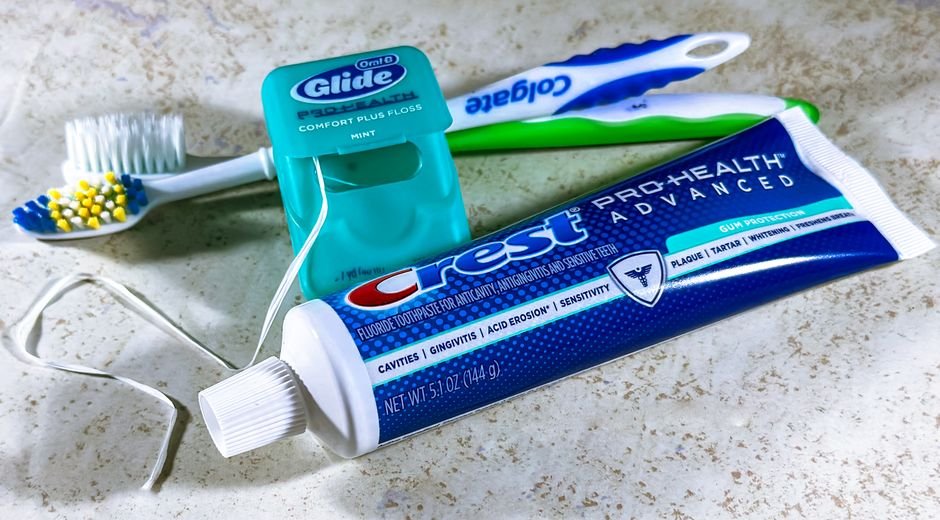
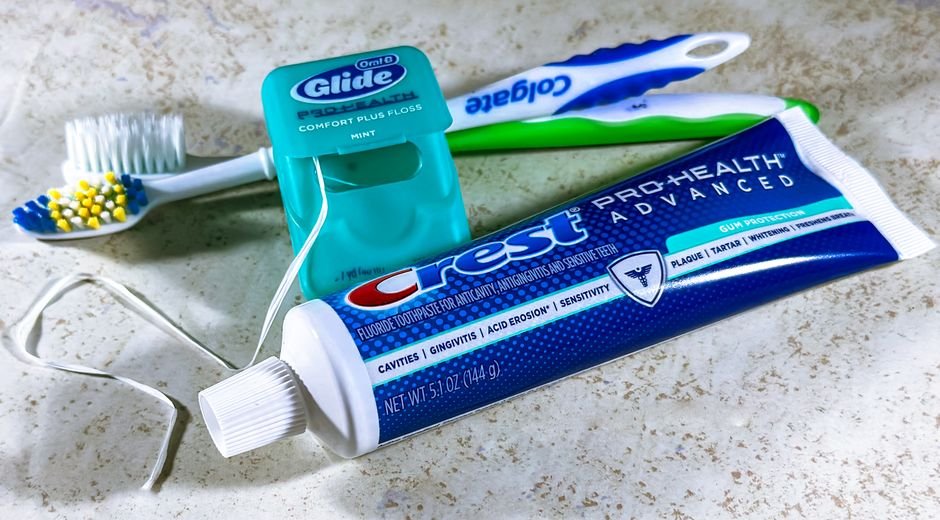
A dependable routine follows a simple, repeatable order: floss first to loosen debris between the teeth, then brush thoroughly for around two minutes with a fluoride toothpaste, paying particular attention to the gumline and back teeth, which are the areas most often rushed. After brushing, spit out the excess toothpaste rather than rinsing thoroughly with water, since leaving a light residue of fluoride on the teeth allows it to continue working while you sleep.
Consistency matters far more than perfection. A routine performed reliably every night, even if slightly imperfect in technique, does more for long-term oral health than an excellent routine followed only sporadically. Over years, this small nightly investment of a few minutes compounds into a measurable difference in gum health, cavity rates, and how much dental treatment is ultimately needed.
Flossing before brushing is generally recommended, since it loosens plaque and food particles trapped between the teeth so that brushing and rinsing can then clear them away, along with the fluoride from toothpaste reaching those surfaces more effectively. Brushing first and flossing afterwards still offers real benefit, so the most important factor is doing both consistently every night rather than achieving a perfect order.
Yes, plain water is the one exception to the “nothing after brushing” rule. Water does not feed oral bacteria or introduce sugars or acids, so it will not undo the protective effect of your bedtime clean. Anything flavoured, sweetened, or containing milk or juice should be avoided after brushing, since these can reintroduce fuel for bacteria during the very hours saliva is least able to buffer the resulting acid.
When plaque is allowed to build up along the gumline over several nights, the gum tissue responds with mild inflammation, which makes it more prone to bleeding when flossing eventually resumes. This is usually a sign that plaque has accumulated rather than a sign of harm caused by flossing itself, and the bleeding typically settles within a week or two of returning to a consistent daily flossing habit.
Yes. Saliva is one of the mouth’s main natural defences, neutralising acid and helping minerals redeposit into enamel. Because saliva flow drops during sleep, a mouth that is already dry from breathing patterns, dehydration, or other causes has even less protection during those hours, which allows acid produced by bacteria to act on the enamel for longer than it would during the day.
If you do eat something after your usual bedtime brushing, it is better to brush again afterwards than to go to sleep without doing so, since leaving that residue on the teeth overnight is the worst-case scenario for decay risk. Where possible, it is simpler and more reliable to avoid late snacking altogether and treat your final brushing as the true end of eating for the day.

What and when a family eats together has a surprisingly direct effect on children’s dental health, since mealtime patterns often

Children are far more likely to stick with good oral care habits when they see parents practising the same routines
Most dentists recommend a child’s first dental visit by their first birthday, or within six months of their first tooth
 English