





































Modern dental technology has moved a long way from the noisy drills and awkward silver fillings many adults remember from their own childhood visits. Digital scanners, gentler imaging, softer materials, and quieter tools now make routine dental care faster, more comfortable, and considerably less intimidating for anyone who feels nervous in a dental chair. Understanding what these tools actually do, and why they were designed the way they were, takes away much of the mystery and helps make sense of what happens during a typical modern checkup.
Key takeaways
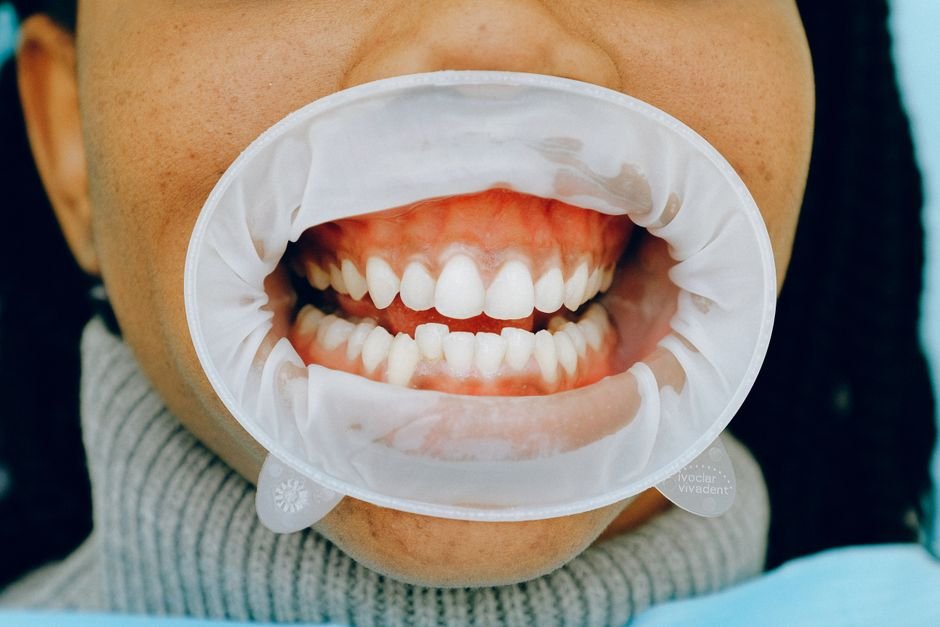
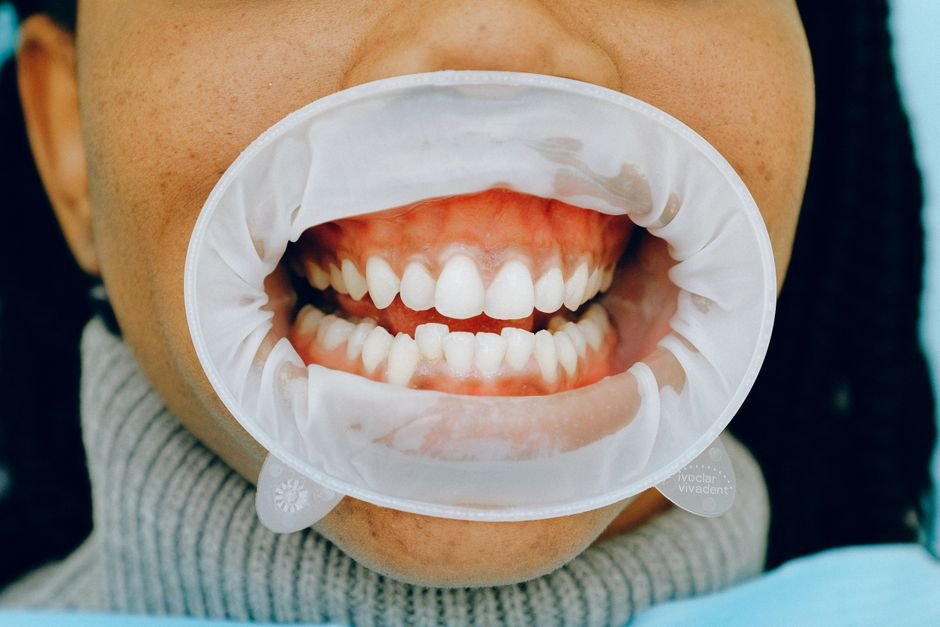
An intraoral scanner is a small wand-like camera that a dentist moves gently around inside the mouth to capture a detailed three-dimensional digital model of the teeth and gums. It replaces the traditional method of biting into a tray of thick, often unpleasant-tasting putty and holding still while it sets, which many patients find uncomfortable or even gag-inducing. The scanner instead simply glides over the surfaces of the teeth, building up the digital model on a nearby screen in real time.
Because there’s no material to mix, place, or wait for, the whole process is typically much quicker and can be paused or restarted at any point without any mess or wasted material. The resulting digital file can be zoomed in, rotated, and reviewed instantly, which also makes it easier for the dentist to explain what they’re seeing directly on screen. For anyone who finds the sensation of a filled mouth stressful, this shift toward digital scanning removes one of the more disliked parts of a dental visit.
Digital X-ray sensors have largely replaced traditional film in modern dental practices, and one of the biggest advantages is a substantial reduction in the amount of radiation needed to produce a usable image. Digital sensors are more sensitive to X-rays than older film, meaning a much lower dose can still produce a clear, diagnostically useful picture of the teeth and jawbone. This makes regular check-up imaging a far smaller consideration than it once was.
The image also appears on a screen within seconds rather than needing to be developed in a darkroom, which shortens the overall time spent during the imaging part of an appointment. Because the image is digital, it can be brightened, zoomed, or measured directly on screen, helping a dentist spot small areas of concern, such as early decay between teeth, that might be harder to see on a smaller printed film. Fewer repeat images are usually needed as a result, further limiting overall exposure.
Dental lasers use a focused beam of light energy to treat certain soft tissue and, in some cases, hard tissue procedures, offering an alternative to a traditional rotary drill for specific treatments. Because a laser doesn’t involve the same mechanical spinning and vibration as a drill, many patients find the sensation far less unsettling, and the associated whining noise that many people find unpleasant is largely eliminated for the procedures where a laser is suitable.
Certain laser treatments can also reduce bleeding during minor soft tissue work, since the laser energy tends to seal small blood vessels as it works. Recovery from some laser-based procedures can be quicker than from equivalent drill-based treatment, with less swelling reported afterwards in many cases. It’s worth noting lasers aren’t suitable for every situation, and a traditional drill remains necessary for certain types of restorative work, but where a laser can be used, it often makes for a calmer overall experience.
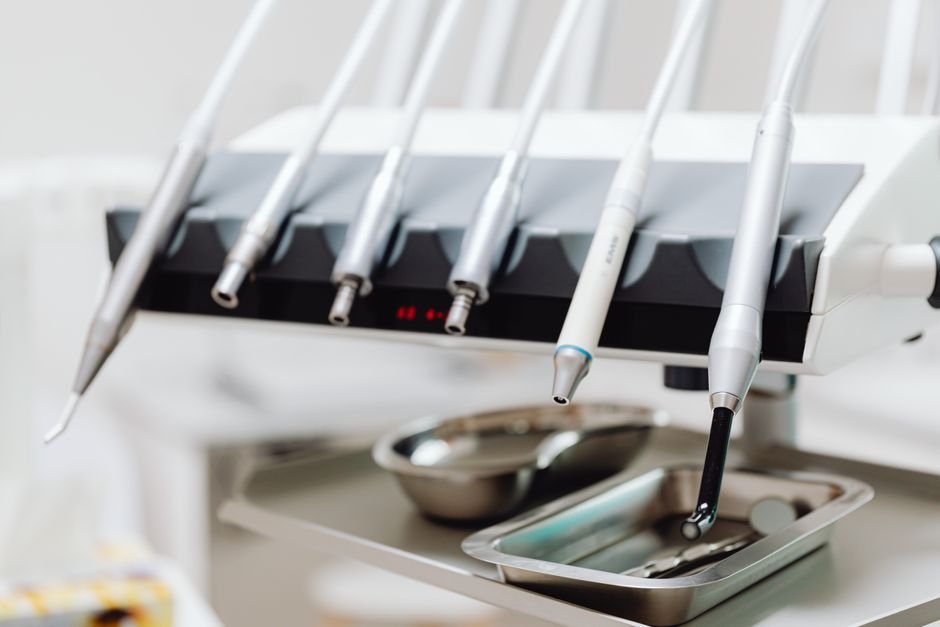
The high-pitched whirring sound long associated with dental drills has historically been one of the most commonly cited sources of dental anxiety, often more distressing to patients than the actual sensations involved in treatment. Newer handpiece designs incorporate improved bearings, better balanced internal components, and refined air and water delivery systems that together produce noticeably less noise and vibration than older models.
Some modern electric handpieces also run at more consistent speeds with smoother torque than older air-driven turbines, which reduces the higher-pitched whine that many people associate with unpleasant memories of past visits. Because sound plays such a large role in anxiety around dental visits, this shift toward quieter equipment has a disproportionately positive effect on comfort, even though the underlying procedure hasn’t fundamentally changed.
Composite resin fillings, which are tooth-coloured, have become the standard choice for many routine cavities, largely replacing the silver-coloured amalgam fillings that were common in the past. Beyond the obvious cosmetic advantage of blending in with the surrounding tooth, composite materials bond directly to the tooth structure, which generally means less of the natural, healthy tooth needs to be removed to prepare the cavity compared with older filling techniques.
Composite fillings are typically placed and hardened in layers using a curing light, allowing the dentist to shape the material closely to the natural contours of the tooth before it’s fully set. This layered, light-cured approach also tends to allow the filling to be completed in a single visit. While material choice always depends on the size and location of the cavity, the shift toward tooth-coloured materials for routine fillings reflects a broader trend toward less invasive, more natural-looking dental work.
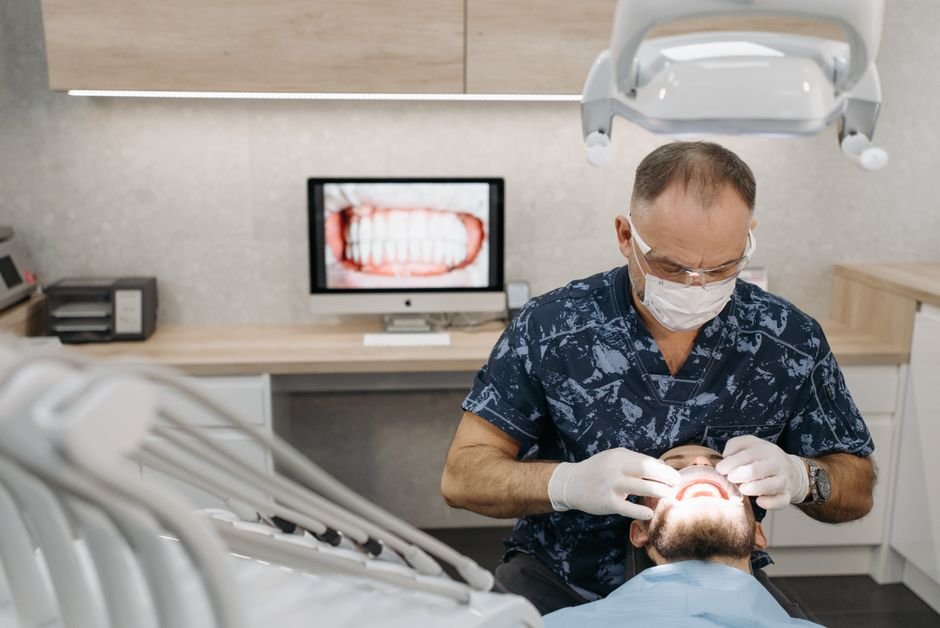
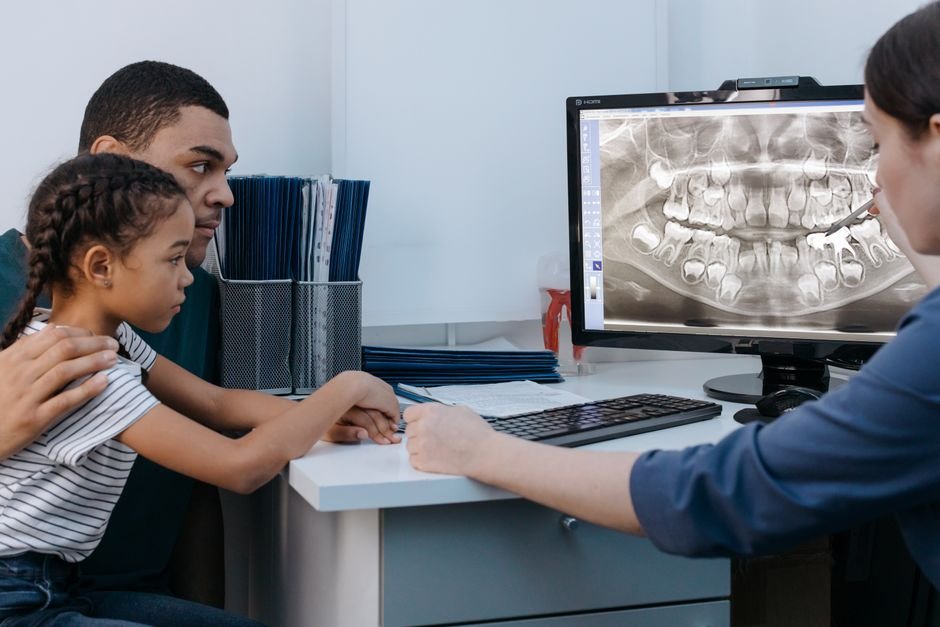
An intraoral camera is a small, pen-sized camera that captures magnified photos or live video of individual teeth and gum areas, displayed on a nearby monitor during an examination. Rather than relying solely on a dentist’s verbal description of what they can see with a mirror and light, the patient can look directly at the same screen and see exactly what’s being pointed out, whether that’s a small crack, a worn edge, or early staining.
This visual transparency tends to make explanations much clearer, since it’s far easier to understand a described problem when you can see the actual image rather than imagining it from a spoken description alone. It also helps build a shared understanding between dentist and patient about why a particular treatment is being recommended, since the evidence is visible on screen rather than taken on trust. Many practices also use these images as a simple before-and-after comparison once treatment is complete.
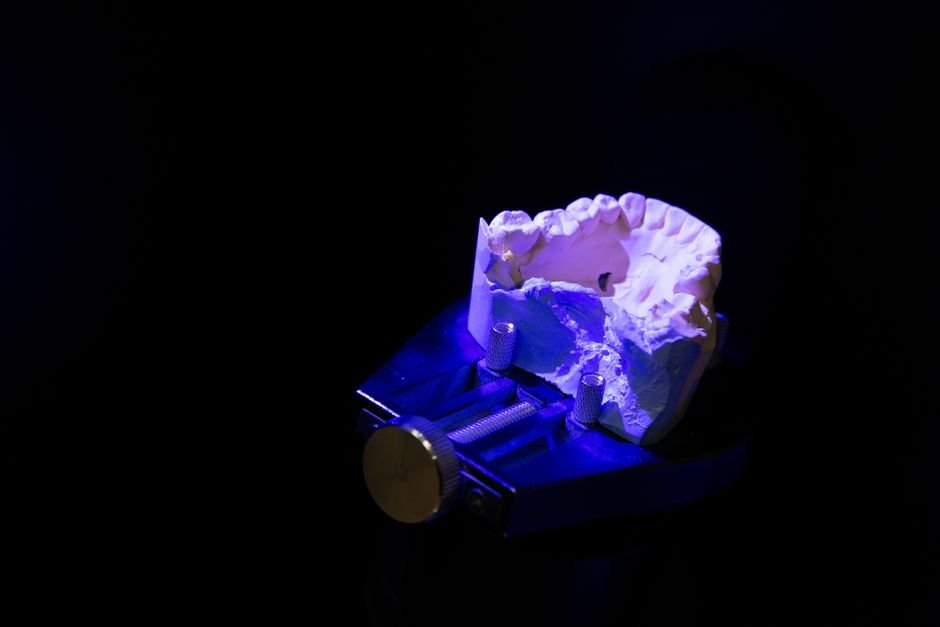
3D printing has increasingly found its way into dental practices, most commonly used to produce models, aligners, temporary crowns, and certain types of dental appliances directly from a digital scan. Once a tooth or set of teeth has been captured with an intraoral scanner, that digital file can be sent straight to a 3D printer, skipping several of the manual steps that traditional model-making and appliance fabrication used to require.
This more direct pathway from scan to finished object often shortens the time needed to produce items like a night guard, retainer, or temporary crown, sometimes allowing them to be ready within the same appointment or shortly afterwards rather than requiring a wait of a week or more. The precision of a digitally designed and printed appliance also tends to result in a more accurate, comfortable fit than some traditionally made equivalents, since it’s built directly from an exact digital model of the mouth rather than from a physical impression that can shift slightly during handling.
While no single piece of equipment eliminates nervousness about dental visits on its own, several of these technologies work together to remove specific triggers that commonly contribute to anxiety. Quieter handpieces address noise sensitivity, digital scanners remove the discomfort of traditional impression material, and on-screen imaging gives a clearer, less mysterious picture of what’s actually happening during an appointment.
Beyond the equipment itself, being shown images or scans on a screen and having each step explained in plain terms as it happens tends to give people a stronger sense of control over the experience, which is closely linked to lower anxiety in clinical settings generally. Familiarity also plays a role, since equipment that looks and sounds less intimidating than older, heavier tools tends to feel less threatening even before any treatment begins. Combined, these smaller changes add up to a noticeably calmer overall visit for many people.
A typical modern checkup now often begins with either a quick intraoral scan or a small number of digital X-rays, both of which are usually completed within a few minutes and displayed instantly on a nearby screen. The dentist can then talk through what’s visible directly on the display, pointing to specific teeth or areas rather than describing them in the abstract, which tends to make the whole conversation easier to follow.
If any additional images are needed, an intraoral camera may be used to zoom in on a particular tooth or area of concern, again shown live on screen. Where treatment is required, tools such as quieter handpieces or, where appropriate, a laser may be used to complete the work with less noise and vibration than older equipment. Overall, the modern checkup experience tends to involve more screen-based visual communication and less reliance on physical materials than checkups from a decade or two ago.
Digital X-ray sensors require considerably less radiation than older film-based systems to produce a clear, usable image, since digital sensors are more sensitive to X-ray exposure. This makes routine dental imaging a much smaller radiation consideration than it was with older film technology.
For the procedures where a laser is suitable, most people find it causes less discomfort than a traditional drill, largely because it removes the vibration and high-pitched noise associated with mechanical drilling. Some laser procedures also cause less bleeding and may allow for a quicker recovery afterwards.
Many practices have shifted to intraoral scanners, which capture a digital model of the teeth without requiring a tray of putty to be held in the mouth while it sets. This avoids the unpleasant taste, texture, and gag-inducing sensation some people associate with traditional impression material.
Modern composite resin materials are designed to withstand normal biting and chewing forces for many routine fillings and bond directly to the remaining tooth structure. The right material for a particular cavity depends on its size, location, and the forces it will experience, which a dentist assesses on a case-by-case basis.
Yes, viewing live images from an intraoral camera or a completed scan on a screen makes it much easier to understand what a dentist is describing, since you can see the exact area being discussed rather than picturing it from words alone. This visual transparency also tends to make explanations of recommended treatment clearer and easier to follow.

What and when a family eats together has a surprisingly direct effect on children’s dental health, since mealtime patterns often

Children are far more likely to stick with good oral care habits when they see parents practising the same routines
Most dentists recommend a child’s first dental visit by their first birthday, or within six months of their first tooth
 English