



























Dental sealants are thin protective coatings applied to the chewing surfaces of back teeth, filling in the deep grooves and pits where food particles and bacteria tend to collect and where a toothbrush often struggles to reach effectively. Because children’s back teeth are especially prone to decay in these grooves during the years when brushing skills are still developing, sealants offer a simple, painless way to add an extra layer of protection exactly where it is needed most. Understanding how they work helps explain why so many dentists recommend them as a routine part of preventive care for growing children.
Key takeaways
Dental sealants are a thin, protective resin coating applied directly onto the chewing surfaces of molars and premolars, the back teeth that contain the deepest and most complex grooves. These grooves, formally called pits and fissures, are naturally narrow and can be difficult to clean thoroughly even with careful brushing, since toothbrush bristles are often too large to reach fully into their depths. The sealant material flows into these grooves and hardens, creating a smooth, protective barrier over the vulnerable areas.
Once in place, a sealant acts as a physical shield, preventing food particles and the bacteria that cause decay from settling into the deep grooves where they would otherwise be difficult to remove. This barrier does not change the appearance or feel of the tooth in any noticeable way for the child, and most sealants are clear or tooth-coloured, making them essentially invisible during everyday activities like eating and speaking.
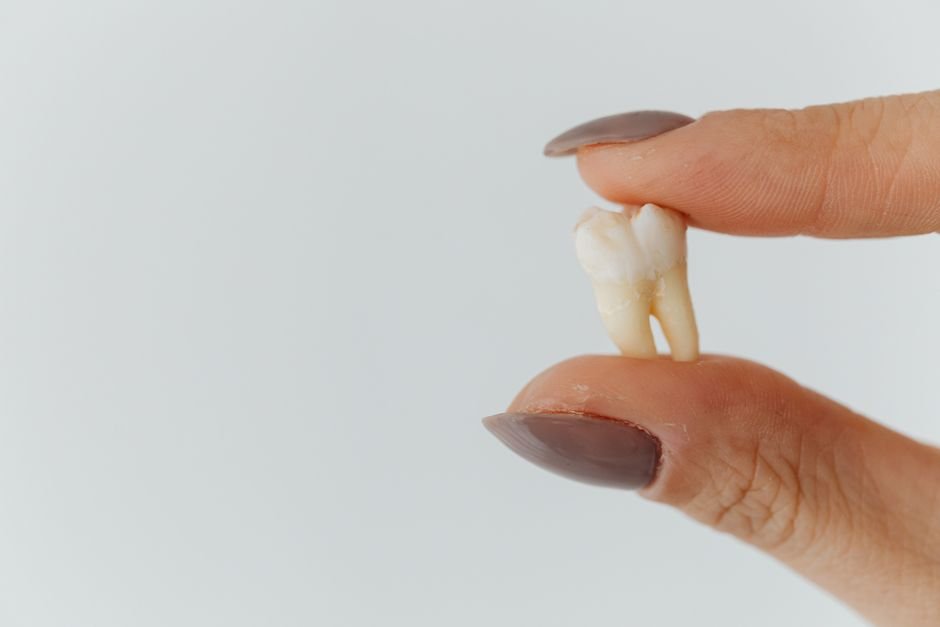
The permanent molars that erupt around six and twelve years of age have naturally deep and often irregular grooves on their chewing surfaces, a result of how the tooth forms during development rather than anything related to a child’s oral hygiene. These grooves can be narrower than a single toothbrush bristle in places, meaning that even a thorough brushing routine may not fully clean out every crevice.
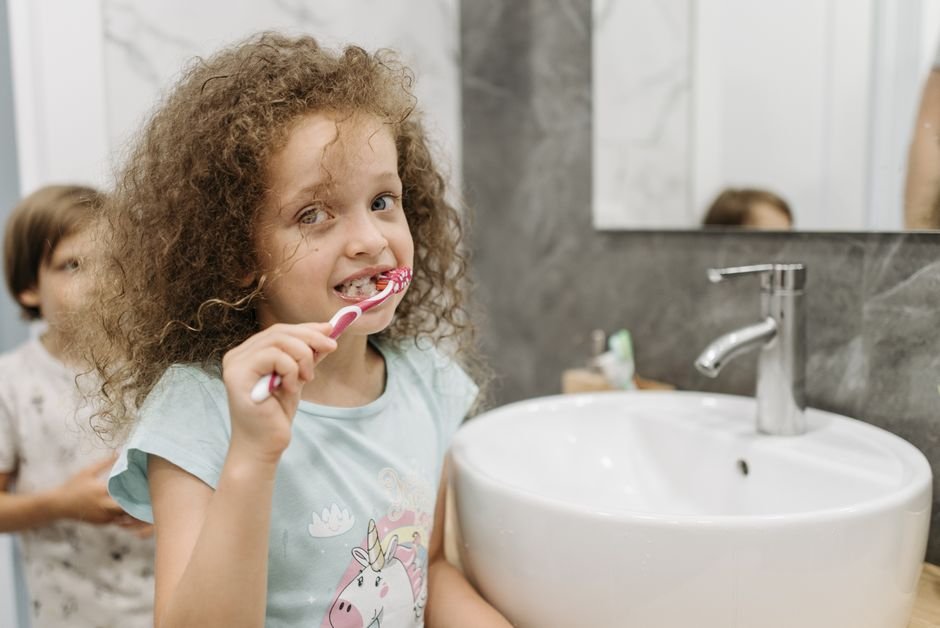
Combined with the reality that many children are still developing consistent and effective brushing technique during these years, this creates a period where back teeth are especially susceptible to decay forming within these hard-to-reach grooves. Sealants address this specific vulnerability directly, offering protection precisely where a child’s brushing routine is most likely to fall short, regardless of how conscientious they are about their oral care habits.
Sealants are most effective when applied soon after the relevant tooth has fully erupted, before decay has had any opportunity to develop within the grooves. The first permanent molars typically emerge around six years of age, making this an ideal window for a first round of sealant application, while a second set of permanent molars usually appears around twelve years old, prompting many dentists to recommend a follow-up application at that stage.
Sealants can also be applied to some baby teeth that have particularly deep grooves, especially in children who show a higher tendency toward developing decay. A dentist typically evaluates each child’s individual tooth anatomy and decay risk during routine check-ups to determine the most appropriate timing for sealant placement rather than applying a one-size-fits-all approach.
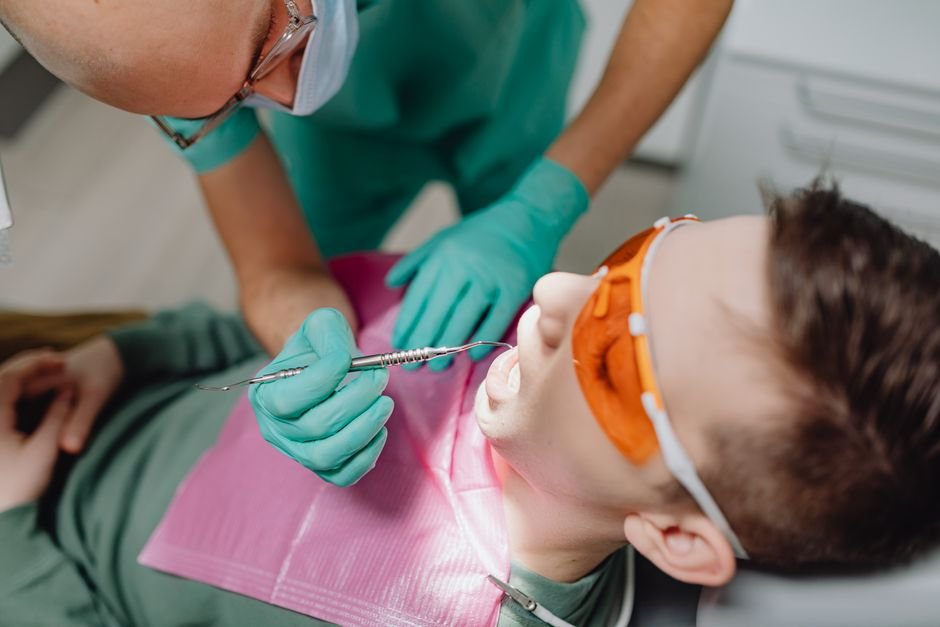
Applying a sealant is a straightforward, non-invasive procedure that does not require any numbing, drilling, or removal of tooth structure, which makes it comfortable and generally well-tolerated even by younger children. The tooth surface is first cleaned and dried thoroughly, after which a special conditioning gel is applied briefly to help the sealant material bond effectively to the enamel before being rinsed away.
The liquid sealant is then carefully painted onto the grooves of the tooth, where it flows into the crevices before being hardened using a special curing light, a process that typically takes only a few seconds per tooth. From start to finish, sealing several teeth usually takes just a few minutes, and children can eat and drink normally almost immediately afterwards.
Research consistently shows that sealants significantly reduce the likelihood of decay developing in the grooves of treated teeth compared to teeth left unsealed, since they directly address the specific vulnerability these grooves present. For children who receive sealants at the recommended age, the protective effect can last for a substantial portion of their more decay-prone childhood and adolescent years.
It is important to understand that sealants specifically protect the chewing surfaces where grooves are present, rather than the smoother surfaces between teeth or along the gumline, which remain dependent on regular brushing and flossing for protection. Sealants work best as one part of a broader preventive approach rather than as a complete substitute for consistent daily oral hygiene habits.
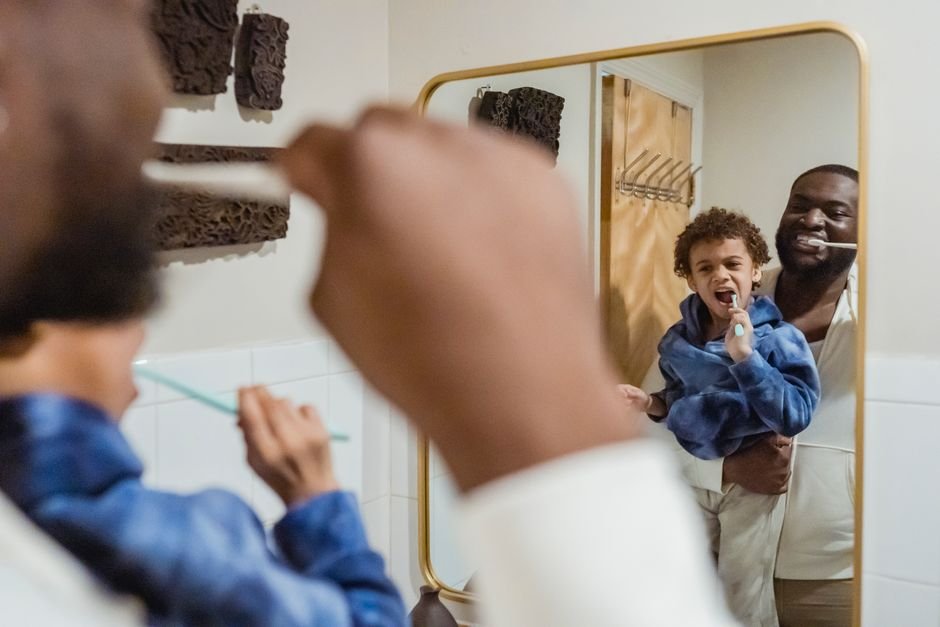
No, sealants are designed to complement good oral hygiene rather than replace it, since they only protect the specific grooved surfaces of back teeth and have no effect on the smoother surfaces where plaque can still accumulate between teeth or near the gumline. Children with sealants still need to brush twice daily and floss regularly to protect these other vulnerable areas of their teeth.
Thinking of sealants as one layer within a broader preventive strategy, alongside fluoride exposure, a balanced diet, and consistent brushing, helps set realistic expectations for parents. When combined with these other habits, sealants provide meaningful additional protection precisely in the areas where daily brushing alone often falls short, particularly during childhood years.
With proper care, sealants can remain intact and effective for several years, though their durability can vary depending on a child’s chewing habits and how well they hold up to the everyday forces of biting and grinding. Some sealants may show minor wear or partial chipping over time, particularly on teeth used heavily during chewing, without necessarily losing their overall protective function entirely.
Because of this natural wear over time, dentists routinely check the condition of existing sealants during regular check-up appointments, looking for any areas where the coating may have thinned, chipped, or come away from the tooth surface. If needed, a worn sealant can typically be touched up or reapplied fairly easily, extending the protection it offers for continued years of use.
Sealants are widely regarded as a safe and well-established preventive treatment, with minimal risk involved in their application. The materials used have been extensively studied, and the amount of any resin-related compound involved in application is considered very low, particularly when weighed against the meaningful decay protection sealants provide during vulnerable childhood years.
One practical consideration for parents is that sealants do require the tooth surface to be reasonably accessible and free of existing decay at the time of application, so timing the procedure soon after a tooth erupts tends to produce the best results. Discussing any specific concerns with a dentist beforehand can help parents feel confident about the process and its role within their child’s broader dental care plan.
No, applying a sealant is painless and does not require any numbing or drilling, since it involves only cleaning the tooth surface and painting on a liquid coating that is then hardened with a curing light. Most children tolerate the process very well.
Yes, while sealants are most commonly recommended for children due to their newly erupted permanent molars, adults without existing decay or fillings in their back teeth can also benefit from sealants, particularly if their grooves are especially deep or prone to trapping food.
Sealants are checked as part of routine dental check-ups, where a dentist examines the tooth surface for any signs of wear or chipping. Parents generally do not need to inspect sealants themselves, since accurate assessment requires a professional examination of the tooth surface.
Yes, even excellent brushing technique often cannot fully clean the deep, narrow grooves found on back teeth, since toothbrush bristles are typically too large to reach into every crevice. Sealants address this specific gap regardless of how thorough a child’s daily oral hygiene routine is.
A chipped or worn sealant does not usually cause any pain or immediate problem, but the protective effect in that specific area is reduced. A dentist can assess the sealant during a check-up and reapply or touch it up if needed to maintain effective protection.

What and when a family eats together has a surprisingly direct effect on children’s dental health, since mealtime patterns often

Children are far more likely to stick with good oral care habits when they see parents practising the same routines
Most dentists recommend a child’s first dental visit by their first birthday, or within six months of their first tooth
 English