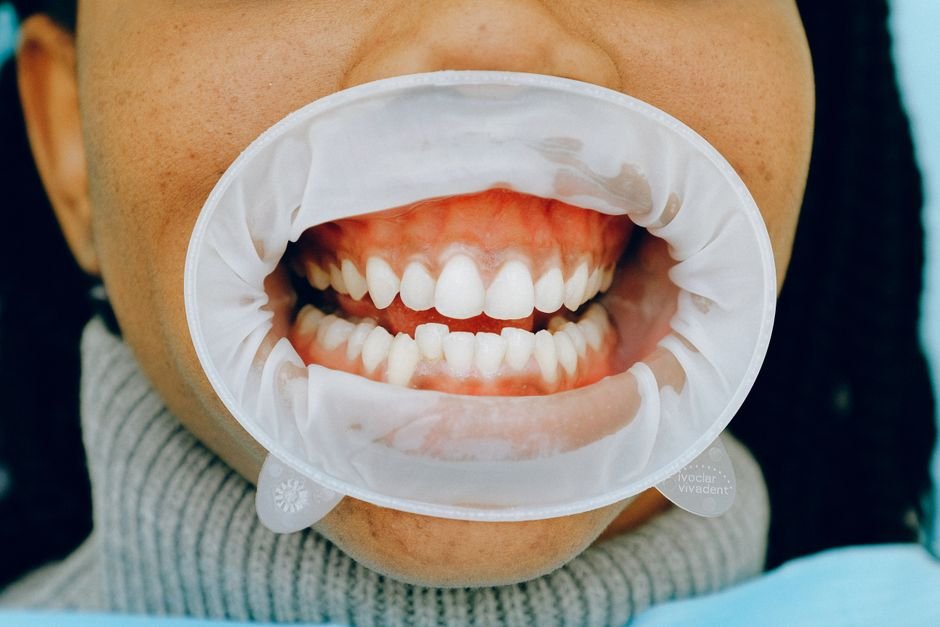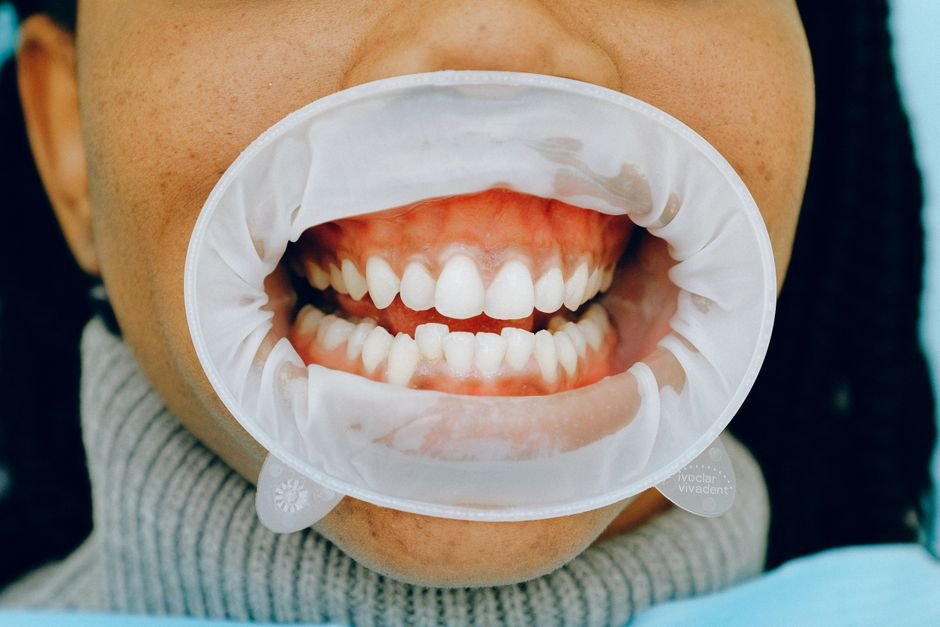

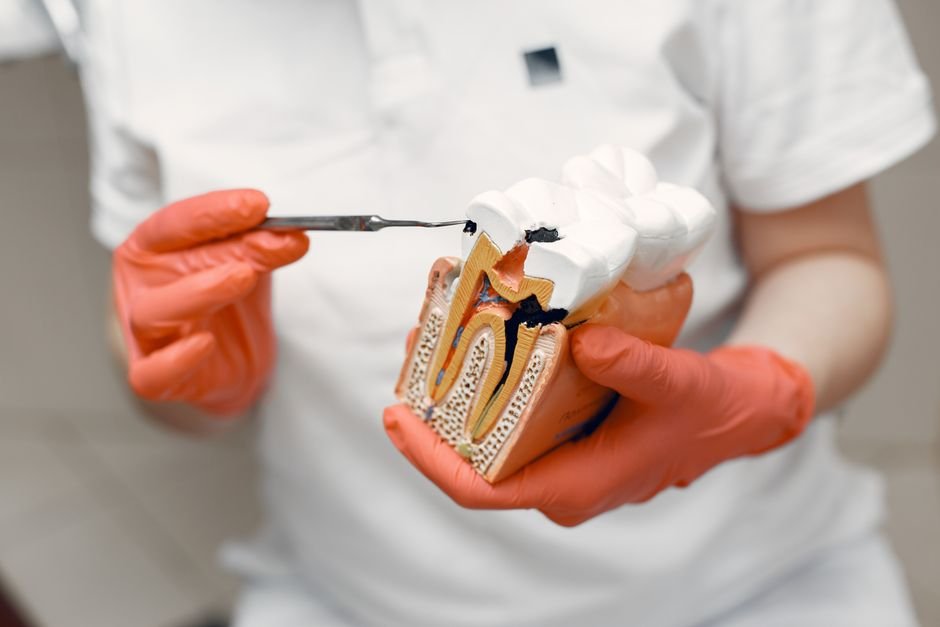



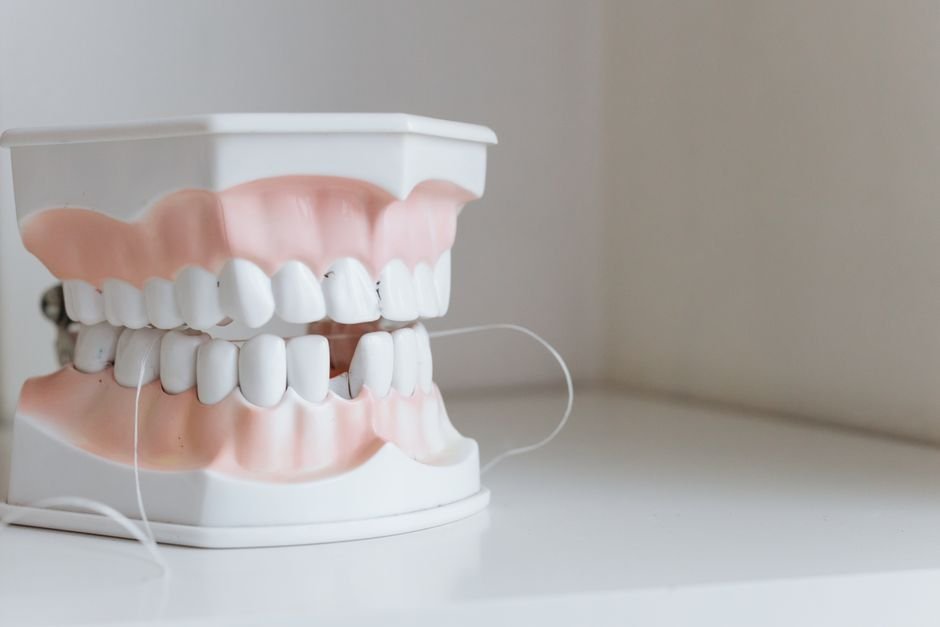




































Fluoride strengthens tooth enamel and helps reverse the very early stages of decay before a cavity ever forms, which is why it remains one of the most reliable tools families have for protecting smiles across every age group. From the first baby tooth to the well-worn enamel of a grandparent, fluoride works quietly in the background, making teeth more resistant to the acid attacks that follow eating and drinking throughout the day.
Key takeaways
Tooth enamel is constantly cycling between two processes: demineralisation, where acids produced by plaque bacteria strip minerals away, and remineralisation, where minerals are redeposited back into the enamel surface. Fluoride plays a direct role in this second process, attracting calcium and phosphate ions back to weakened areas of enamel and helping them rebuild stronger than before. This makes the enamel surface more resistant to future acid attacks, effectively raising the threshold at which decay can take hold.
Beyond simply patching up weak spots, fluoride also interferes with the ability of decay-causing bacteria to produce the acid that erodes enamel in the first place. This dual action, both strengthening the tooth structure and slowing the bacterial process that damages it, is what makes fluoride so effective as a preventive measure rather than merely a treatment for existing problems. It works continuously, in small amounts, every time it comes into contact with the teeth.
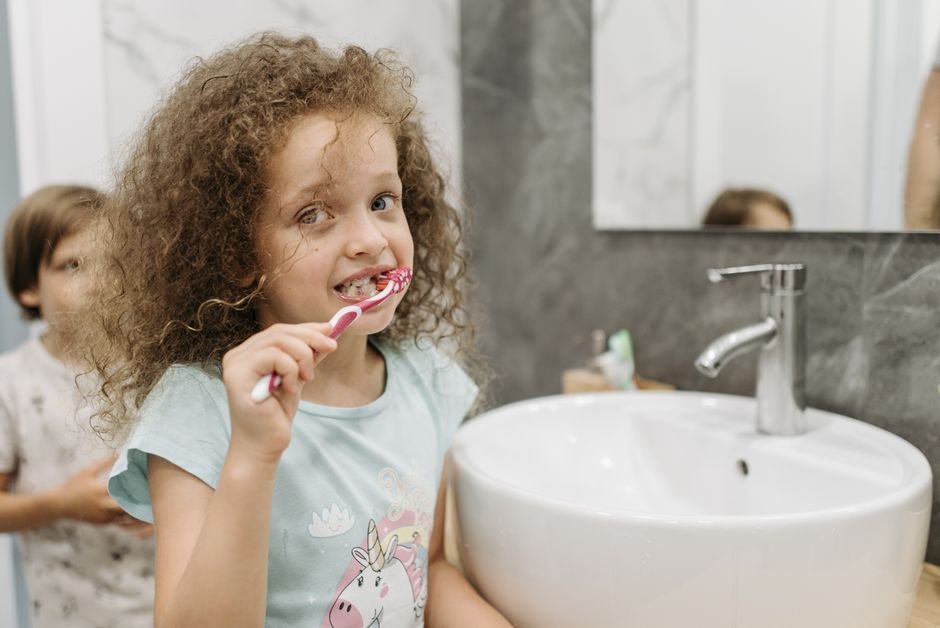
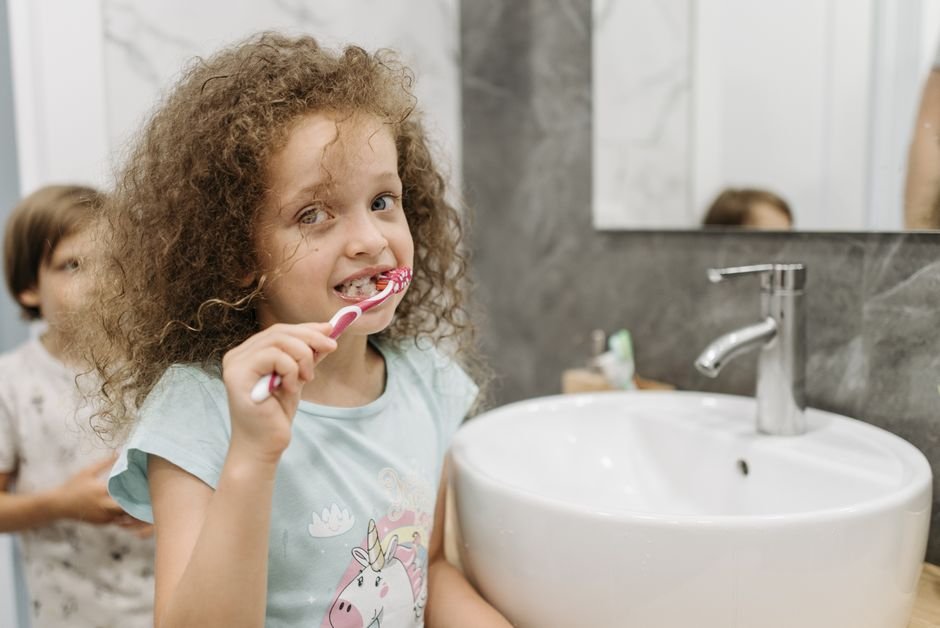
For young children, fluoride is particularly valuable because baby teeth, and the permanent teeth developing beneath them, have enamel that is still maturing and therefore more susceptible to early decay. A small smear of fluoride toothpaste, appropriate to the child’s age, helps protect these teeth from the moment the first tooth appears, supporting healthier chewing, speech development, and space-holding for adult teeth still to come. Establishing this habit early also builds the foundation for lifelong oral care routines.
Parents are usually guided to supervise brushing closely in these early years, both to ensure the right amount of toothpaste is used and to make sure a young child spits rather than swallows most of it. Because children’s enamel benefits so much from fluoride exposure during these developing years, consistent twice-daily brushing with an appropriately sized amount of fluoride toothpaste is generally considered one of the most effective habits a family can build together.
Adolescence brings its own set of challenges for oral health, including a greater reliance on convenient snacks and sugary drinks, along with the added complexity of orthodontic appliances for many teenagers. Fluoride continues to play a protective role during this stage, helping to strengthen enamel that is being exposed to more frequent acid attacks and offsetting some of the risk that comes with less consistent brushing habits that are common among busy teenagers juggling school and social commitments.
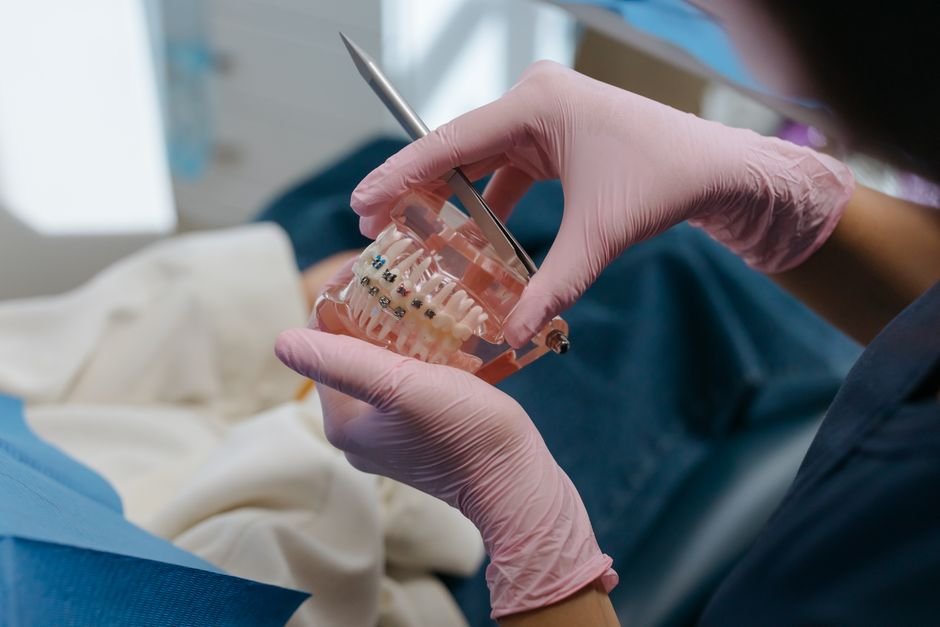
For teenagers wearing braces, fluoride becomes especially useful because brackets and wires create additional surfaces where plaque can accumulate and hide from a toothbrush. Fluoride toothpaste, along with fluoride rinses recommended by a dentist in some cases, can help protect the enamel around these hard-to-clean areas, reducing the likelihood of the faint white marks that sometimes appear on teeth after orthodontic treatment when enamel has been weakened by trapped plaque.
Adults are not immune to decay, and in fact, exposed root surfaces, ageing dental work, and years of accumulated wear can make adult teeth vulnerable in ways that differ from the decay patterns seen in children. Fluoride continues to reinforce enamel throughout adulthood, helping to slow the gradual wear and acid exposure that comes from a lifetime of eating, drinking, and, for some, grinding their teeth during periods of stress.
Busy adult lifestyles often mean less-than-ideal eating patterns, frequent coffee or tea consumption, and occasional lapses in brushing consistency, all of which increase reliance on fluoride’s protective effect. Using a fluoride toothpaste consistently, and mentioning any sensitivity or early signs of enamel wear at checkups, allows adults to catch and address weak spots before they progress into something requiring more involved treatment.
As people age, gum recession can expose the softer root surfaces of teeth, which lack the hard enamel coating found on the crown and are therefore more vulnerable to decay. Fluoride remains just as relevant, if not more so, at this stage of life, helping to strengthen these exposed surfaces and reduce the risk of root decay, which can otherwise progress quickly given how much softer root material is compared to enamel.
Reduced saliva flow, sometimes linked to medications taken for other health conditions, can also leave older adults with less of the natural rinsing and buffering action that saliva normally provides. Since saliva is one of the ways fluoride is distributed around the mouth throughout the day, older family members experiencing dry mouth may benefit from discussing additional fluoride support, such as a higher-strength toothpaste, with their dentist.
Fluoride reaches families through several everyday sources, the most consistent of which is fluoride toothpaste used during regular brushing. Many public water supplies also contain fluoride, either naturally occurring or adjusted to a level considered beneficial for dental health, meaning that simply drinking tap water throughout the day can contribute to ongoing fluoride exposure for the whole household without any extra effort required.
Certain foods and beverages contain trace amounts of fluoride as well, including tea, some seafood, and foods prepared with fluoridated water. While these dietary sources generally provide a smaller contribution compared to toothpaste and water, they add up as part of the broader picture of fluoride exposure that supports oral health over time. Families relying on filtered or bottled water may want to check whether their chosen source affects overall fluoride intake.
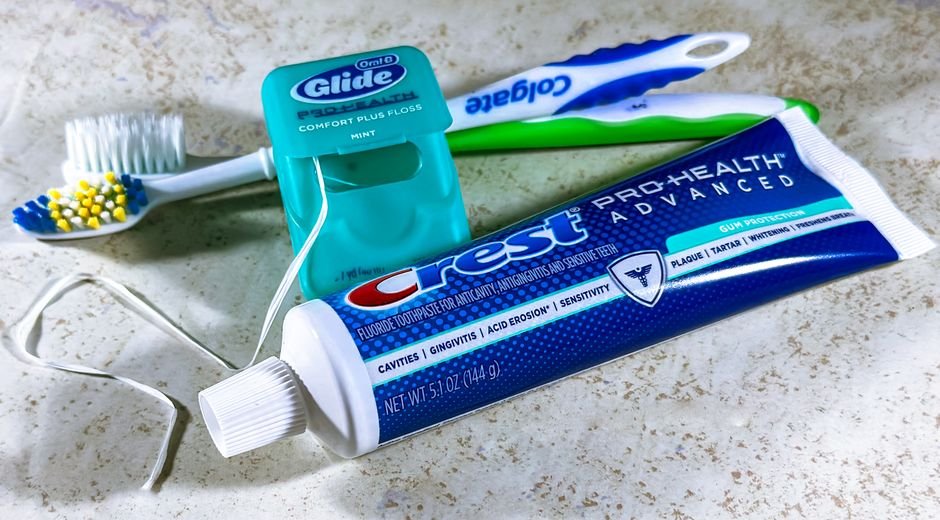
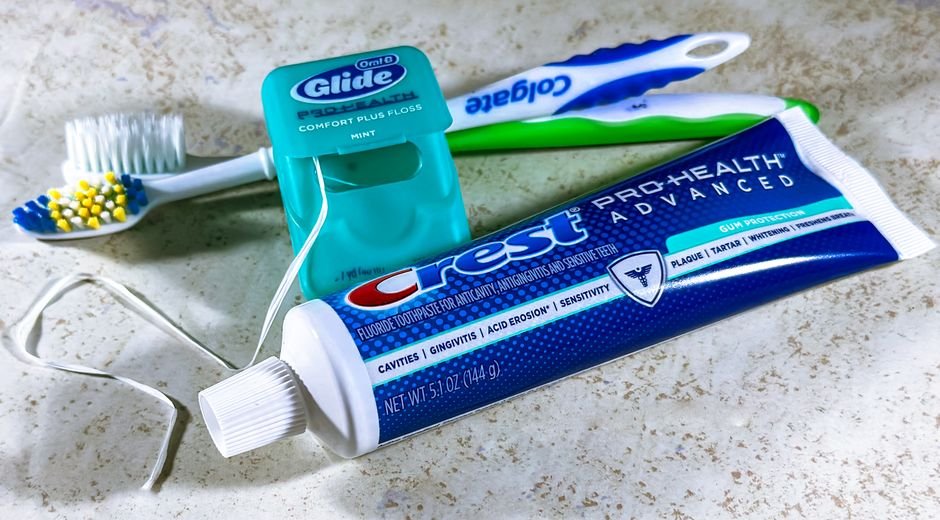
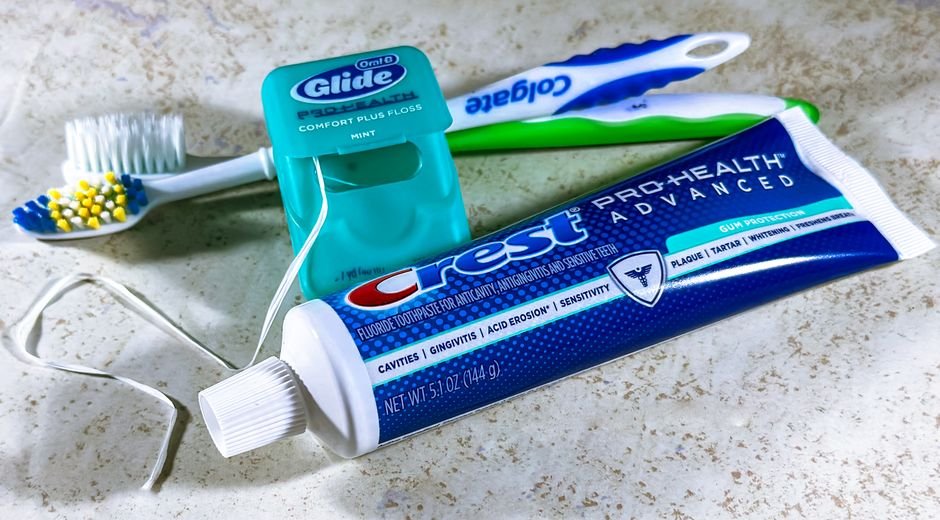
Fluoride toothpaste remains the most direct and controllable way for families to get consistent fluoride exposure, since the amount used and frequency of brushing are easy to manage at home. Toothpaste formulations vary in fluoride concentration, with different strengths generally recommended for different age groups, so checking that the product being used suits each family member’s stage of life is a simple but worthwhile habit to build into a shopping routine.
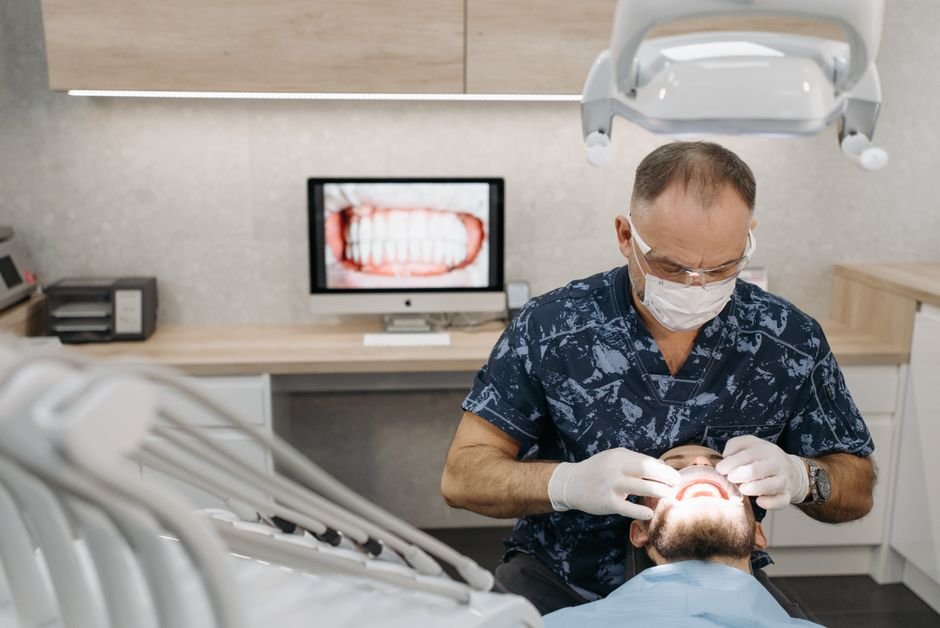
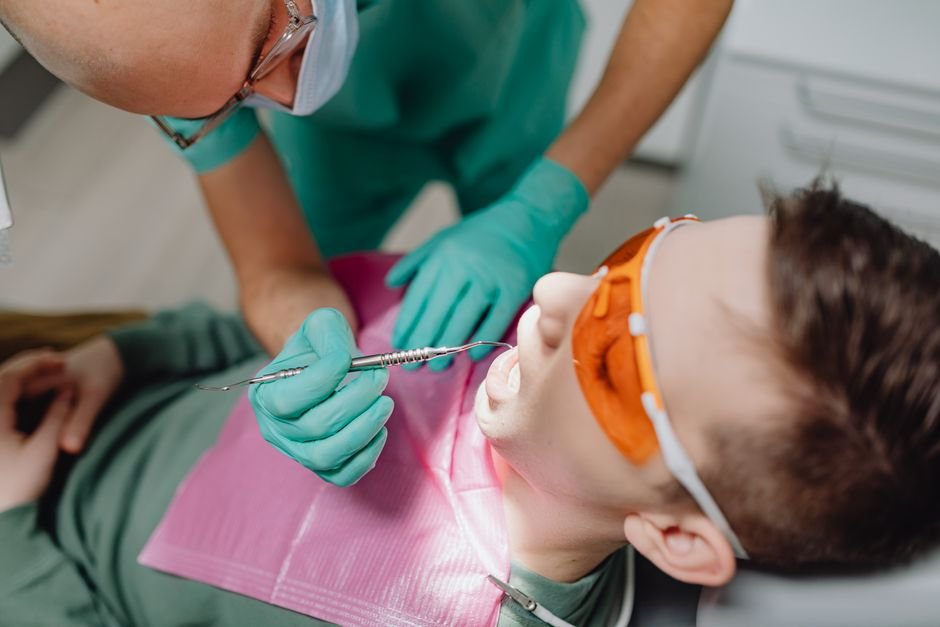
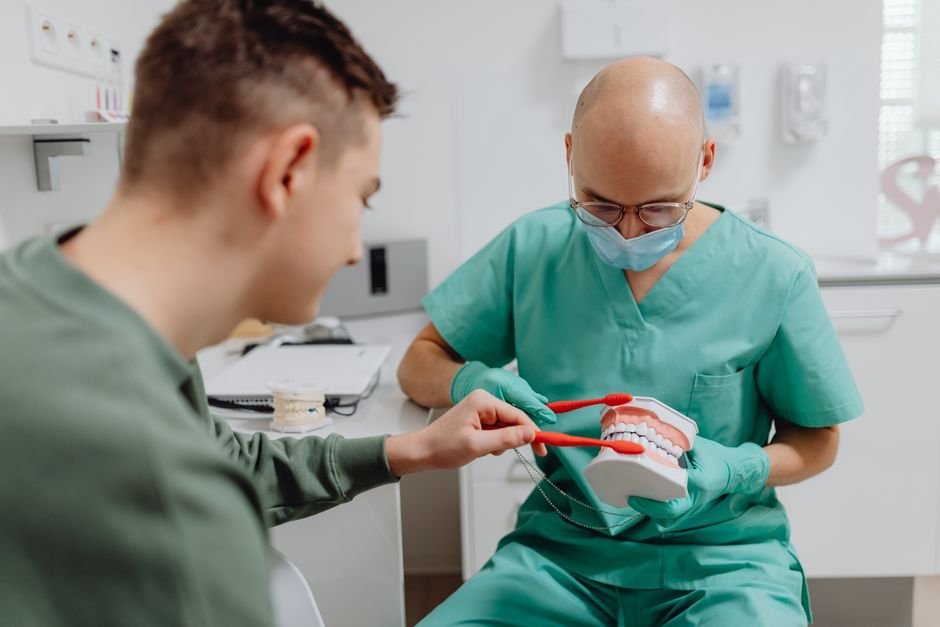
Beyond toothpaste, dentists can apply professional fluoride treatments during checkups, typically in the form of a varnish or gel that delivers a more concentrated dose directly to the tooth surface. These treatments are often recommended for individuals considered to be at higher risk of decay, such as those with a history of frequent cavities, and they complement, rather than replace, the daily fluoride exposure that comes from brushing at home.
Like many beneficial substances, fluoride is most helpful when used in the right amount, and excessive exposure during the years when adult teeth are still forming under the gums can occasionally lead to a cosmetic condition called fluorosis, which appears as faint white specks or streaks on the enamel. This is generally a mild, cosmetic issue rather than a functional problem with the tooth, but it does highlight why age-appropriate amounts of toothpaste and supervision of young children’s brushing habits matter.
For most families, following the guidance on toothpaste packaging regarding the appropriate amount for each age group, along with encouraging children to spit rather than swallow toothpaste, is sufficient to avoid excessive intake while still gaining the full protective benefit. Concerns about fluoride levels in a particular water supply or from combined sources are worth raising with a dentist, who can offer guidance suited to the specific circumstances of the family.
Because fluoride benefits every member of a household, though in slightly different ways depending on age, building a shared family approach to its use makes sense. This might mean keeping age-appropriate toothpaste options on hand for children and adults alike, encouraging everyone to brush twice daily, and treating fluoride exposure as a normal, unremarkable part of the household’s daily rhythm rather than something only certain family members need to think about.
Regular dental checkups offer a useful opportunity to review whether the family’s current approach to fluoride, from toothpaste strength to water sources, still matches everyone’s needs, particularly as children grow, teenagers begin orthodontic treatment, or older relatives experience changes such as gum recession. Revisiting this occasionally, rather than assuming one routine suits every stage of life indefinitely, helps fluoride continue doing its job effectively for the whole household.
Fluoride toothpaste can generally be introduced from the time the first tooth appears, using a very small, age-appropriate amount and with an adult supervising to encourage spitting rather than swallowing.
In areas where water supplies contain fluoride, regularly drinking tap water can contribute to ongoing protection for teeth, working alongside toothpaste and other sources as part of a broader daily fluoride routine.
Not necessarily. They are often recommended for individuals at higher risk of decay, but many people maintain strong enamel through consistent brushing with fluoride toothpaste and regular checkups alone.
These marks are usually a mild cosmetic condition called fluorosis, linked to excess fluoride exposure while adult teeth were still forming. It does not affect how strong or functional the tooth is.
Not necessarily more, but exposed root surfaces and reduced saliva flow that can come with age mean fluoride remains just as important, and a dentist may suggest a higher-strength toothpaste if needed.

What and when a family eats together has a surprisingly direct effect on children’s dental health, since mealtime patterns often

Children are far more likely to stick with good oral care habits when they see parents practising the same routines
Most dentists recommend a child’s first dental visit by their first birthday, or within six months of their first tooth
 English