
































Making time for oral care in a busy family schedule is mostly about building small, fixed routines rather than finding extra hours. Two minutes of brushing morning and night, plus one round of cleaning between the teeth each day, is enough to protect most people. Anchoring these habits to things that already happen every day, keeping supplies where they are needed, and sharing the load between parents makes the routine stick even on chaotic days.
Key takeaways
Oral care does not need long blocks of time; it needs consistency. The bacteria that cause decay and gum inflammation rebuild on the teeth within hours, so what protects a mouth is doing a little every day, not doing a lot occasionally. A family that brushes reliably twice a day and cleans between teeth once will almost always have healthier mouths than one that does an intensive session now and then.
Framing it this way takes the pressure off. You are not trying to carve an hour out of the week. You are trying to make sure that two short, predictable moments happen every day. Once those moments are built into the rhythm of the household, they stop feeling like separate tasks that compete with everything else for attention.
The easiest way to make a habit stick is to link it to something that already happens without fail. Brushing straight after breakfast, before anyone leaves the house, works well because the trigger is already there. In the evening, brushing as the first step of the bedtime routine, before stories or screen wind-down, protects it from being squeezed out when everyone is tired.
The same principle helps with cleaning between teeth. Pick a fixed point, such as just before the evening brush, and do it at that moment every day. It does not matter which point you choose, only that it is the same one each time so your brain stops treating it as a decision and starts treating it as part of the sequence.
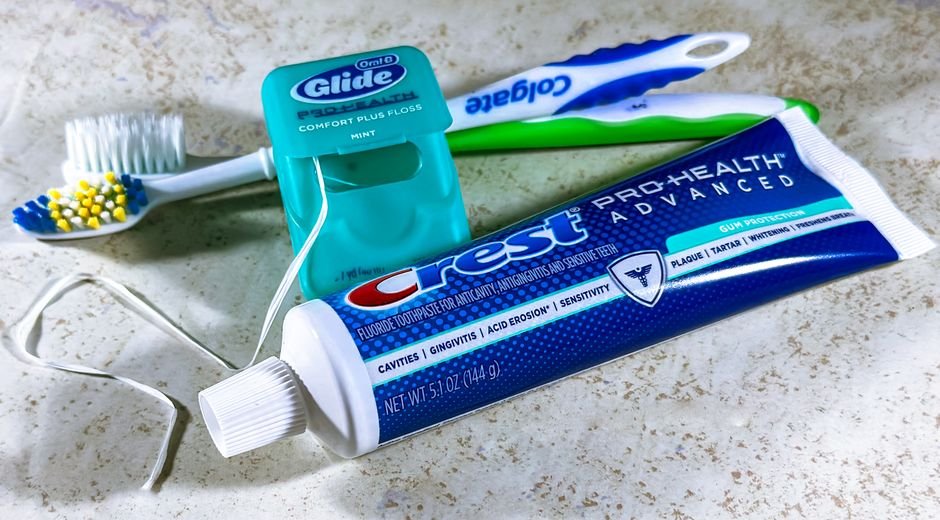
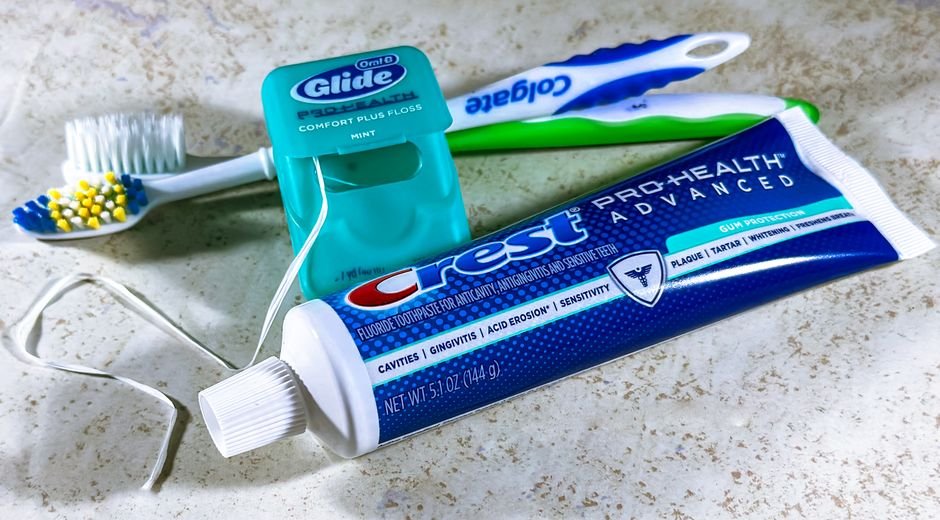
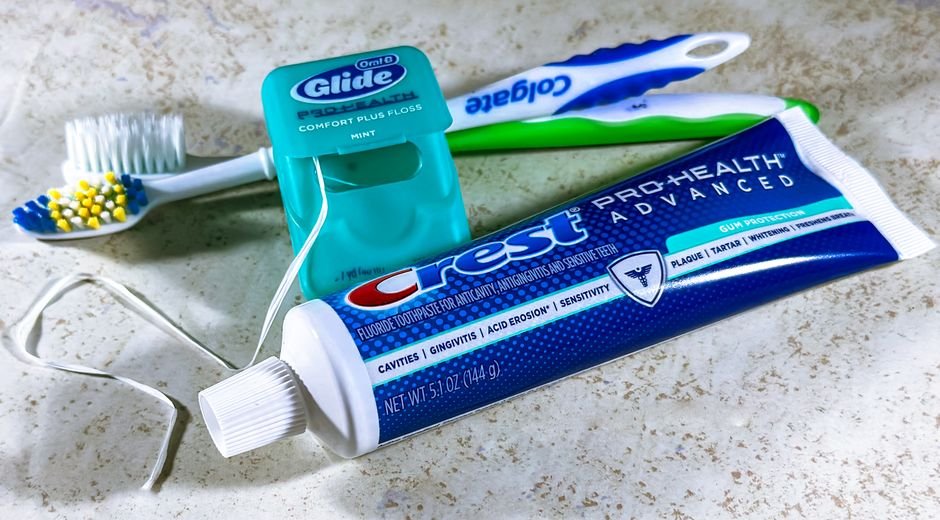
Reduce the friction. Keep toothbrushes, toothpaste and interdental brushes or floss visible and within reach at the sink, not tucked away in a cupboard. If children use a different bathroom in the evening, keep a second set there. When the tools are in front of you, the routine starts on its own; when you have to go and find them, it is easy to skip.
For families always on the move, a small travel kit in a bag means a missed morning brush can be caught up later, and older children can brush at school or after sport. Electric brushes with a built-in timer remove the need to watch the clock, and having a few spare brush heads in the drawer avoids the gap that appears when one wears out and nobody has replaced it.
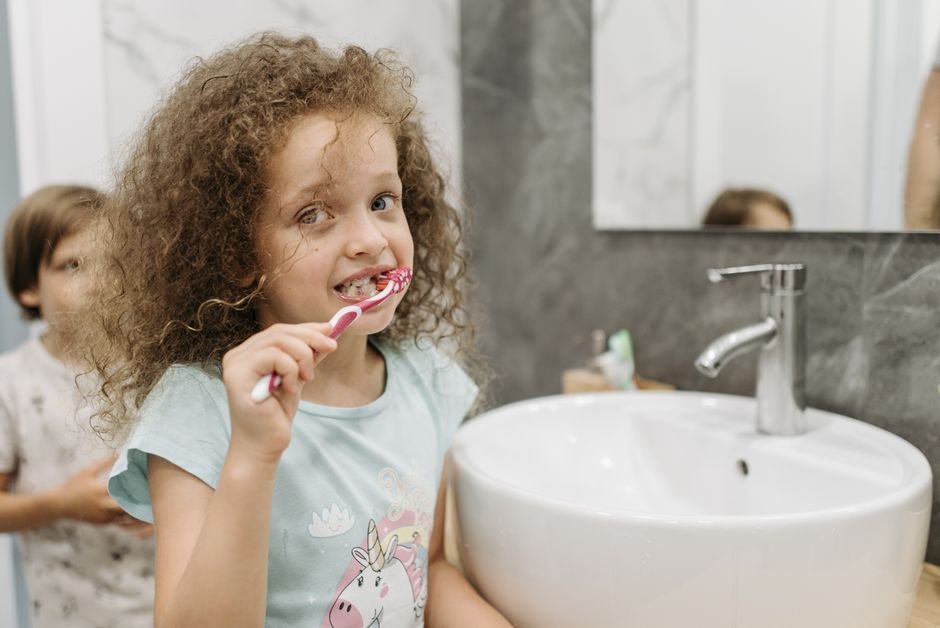
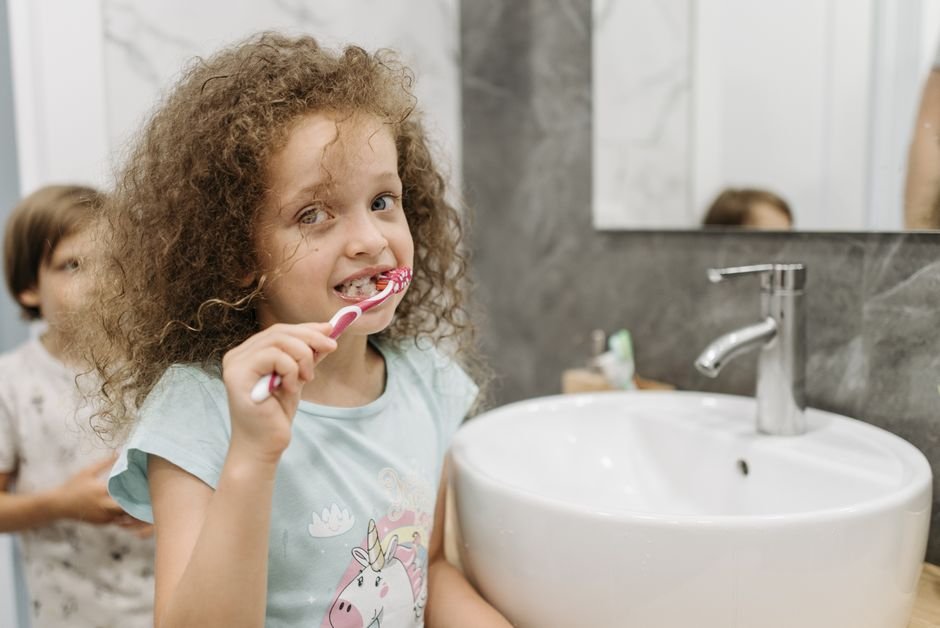
Children cooperate better when brushing is predictable and mildly fun rather than a battle. A two-minute song or a short video timer gives them a clear finish line. A simple wall chart with a sticker for each successful brush turns the routine into something they want to complete, and the novelty usually lasts long enough for the habit to form.
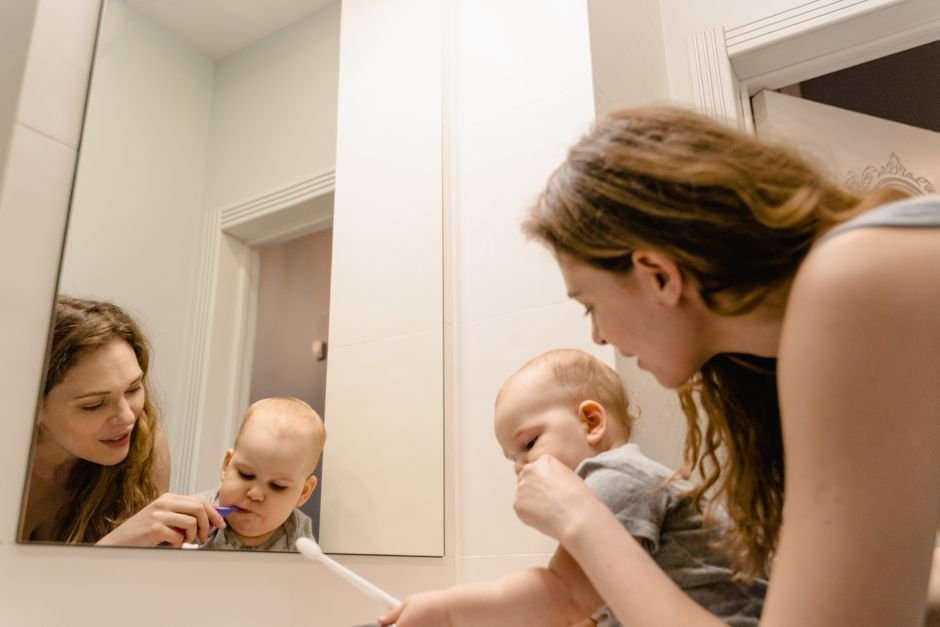
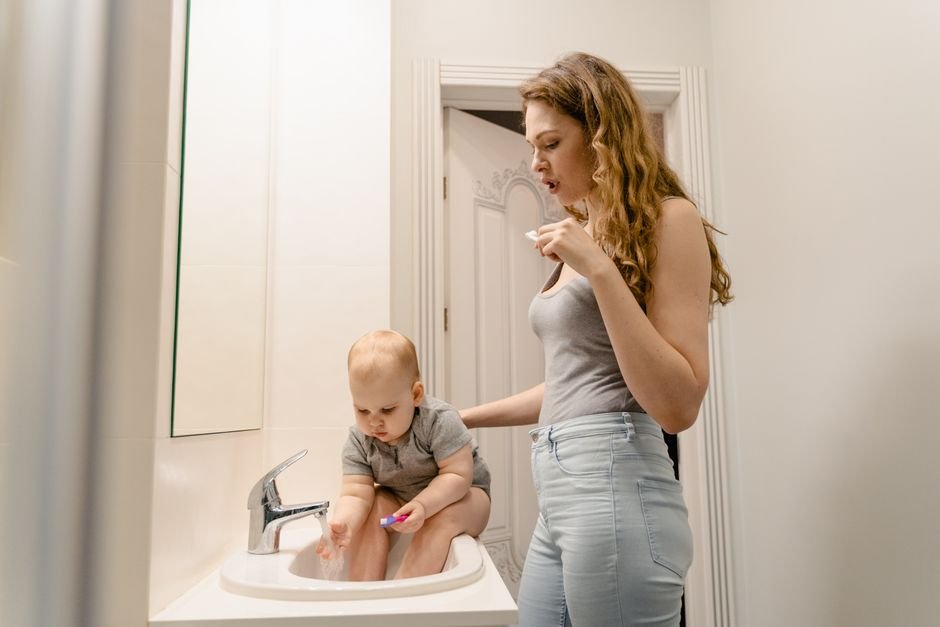
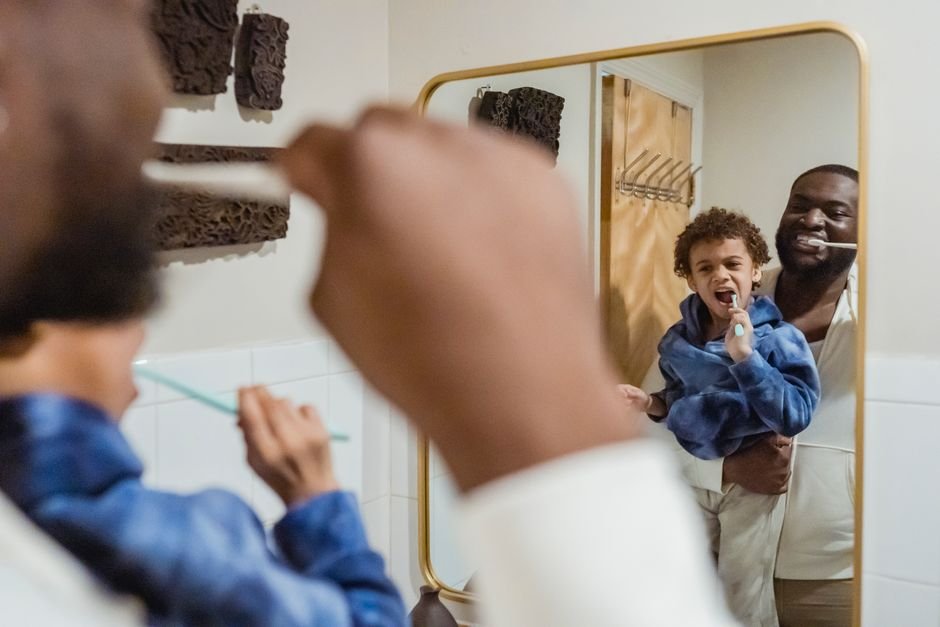
Brushing alongside your child, rather than supervising from the doorway, is quicker in practice because you model the behaviour and can help finish the areas they miss. Most children need an adult to brush for them or check afterwards until around the age of seven, when their coordination improves. Doing it together folds that check into your own routine instead of adding a separate job.
If an evening falls apart and something has to give, protect the night-time brush. During sleep, saliva flow drops significantly, and saliva is what neutralises acid and helps repair early enamel damage. A mouth that goes to bed with plaque and food debris on the teeth is far more vulnerable for those eight hours than at any point during the day.
Practically, this means brushing earlier in the evening on nights you know will be hectic, rather than leaving it until children are overtired and resistant. Brushing before the bath, or as soon as dinner is cleared, still counts. The goal is clean teeth at bedtime, not a particular clock time, so shift the routine forward whenever the evening looks busy.
Oral care does not have to fall to one parent. Splitting bedtime so one adult handles brushing while the other manages bath or stories spreads the effort and builds in a natural backup for nights when one of you is out or working late. Older siblings can help younger ones get started, though an adult should still check younger children’s teeth.
It also helps to agree the standard together so there is no debate each night about whether cleaning between teeth is happening or how long brushing lasts. When both adults treat the routine as non-negotiable in the same way, children pick up that consistency and are less likely to test it.
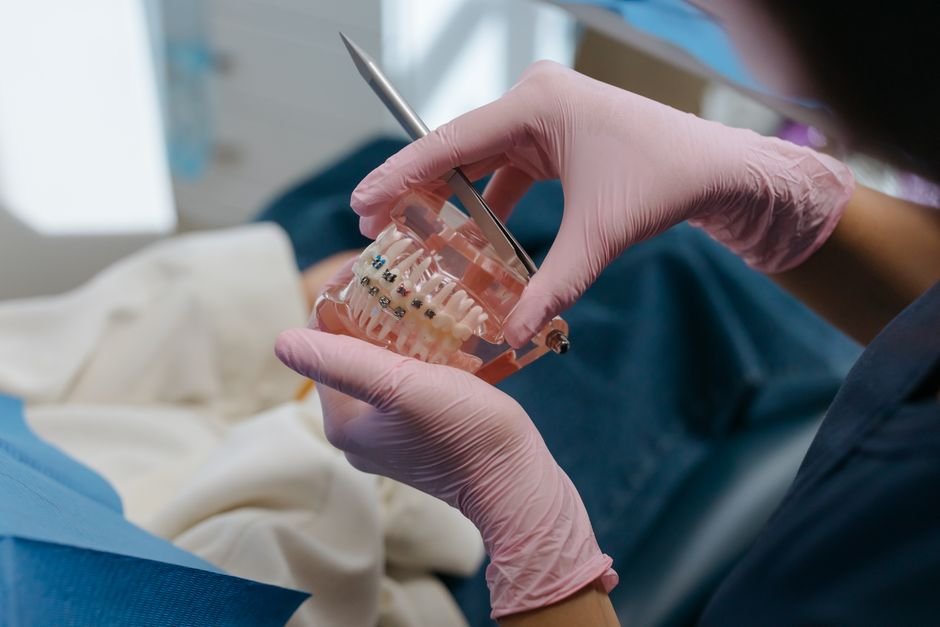
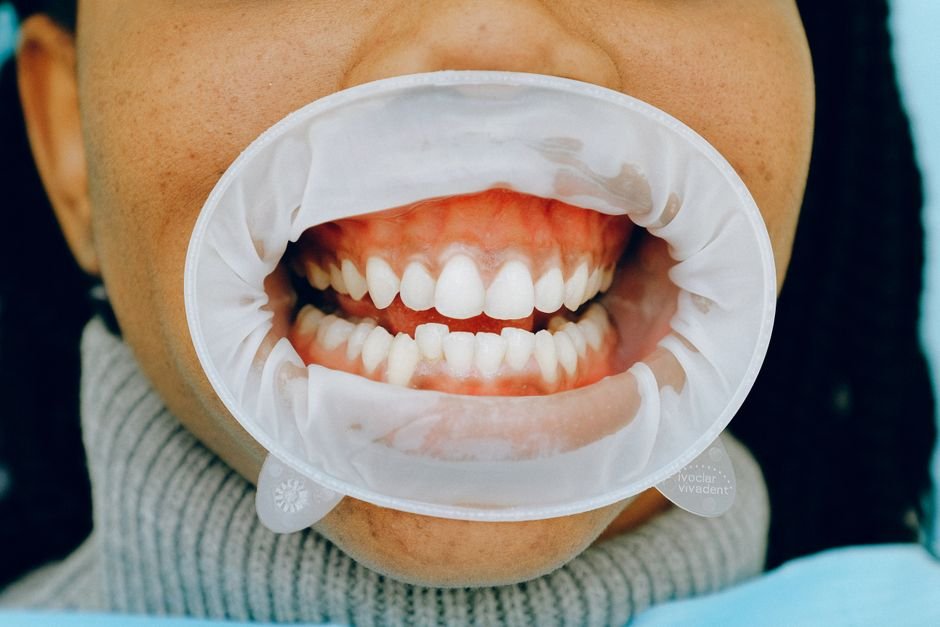
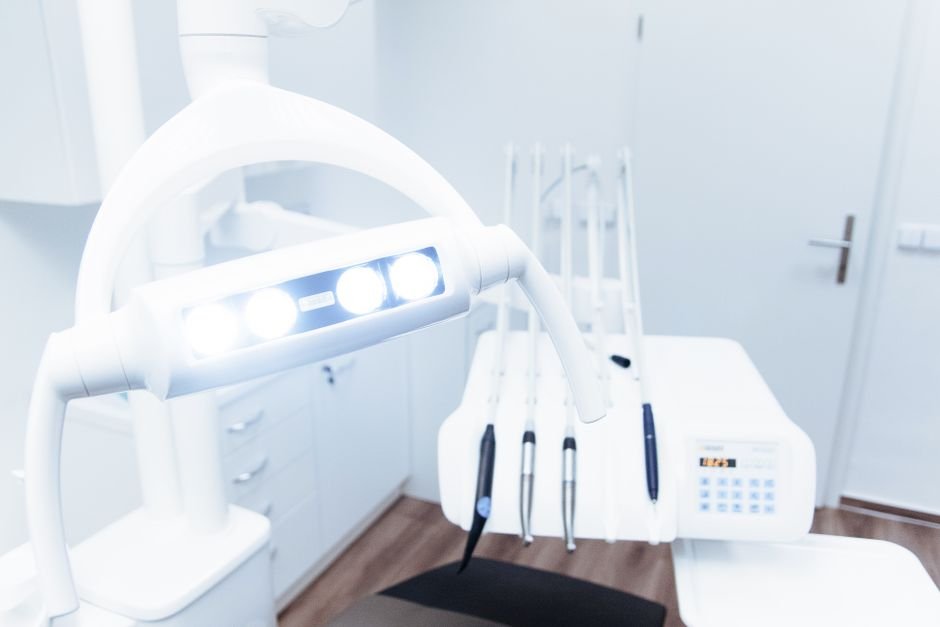
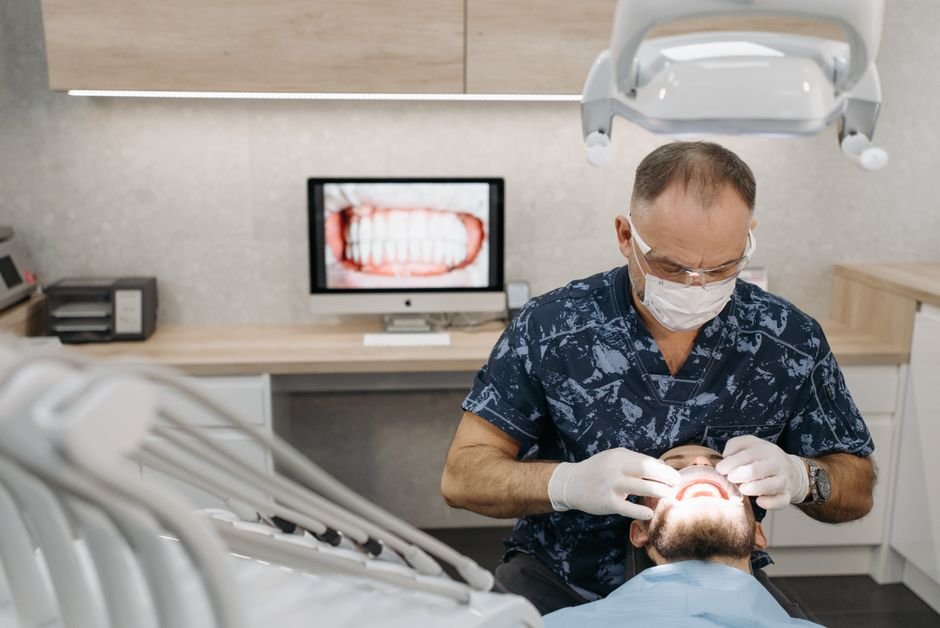
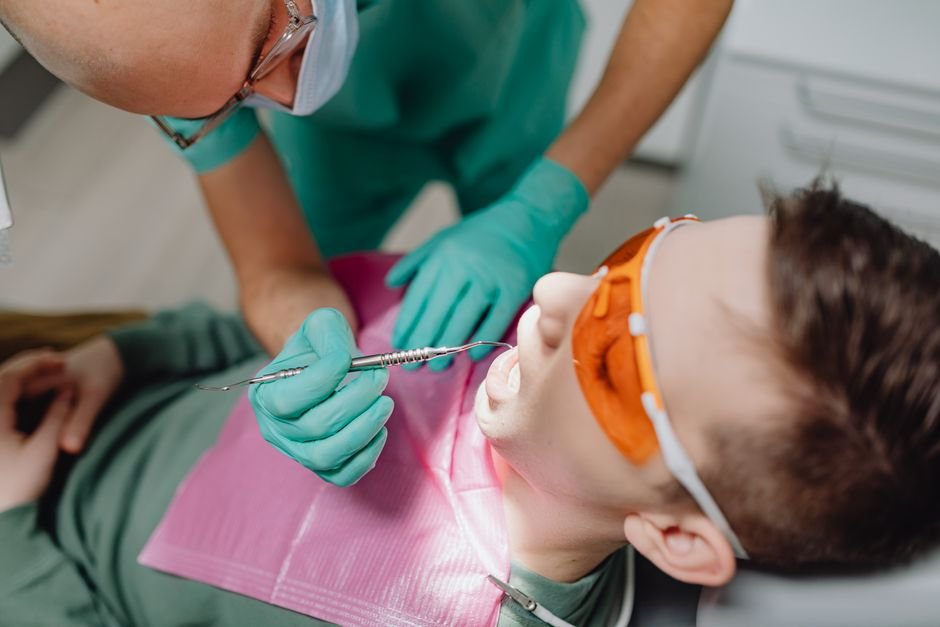
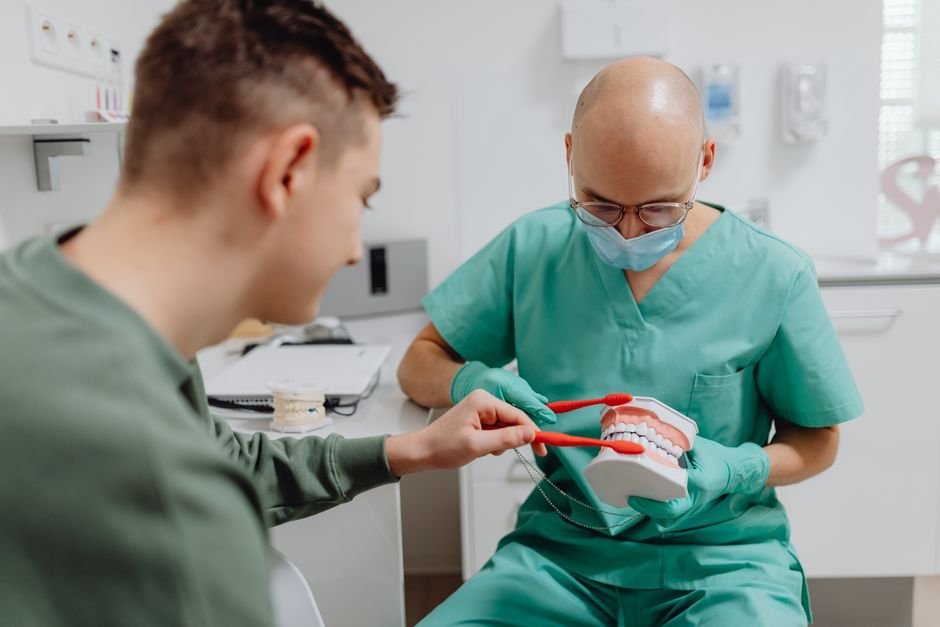
Ask your dental practice to schedule the whole family’s check-ups back to back, or on the same day where possible. One trip covers everyone, and children often feel more relaxed seeing a parent go first. Booking the next appointments before you leave means they are in the diary rather than something you have to remember to arrange later.
Keep a shared family calendar entry for dental visits and set a reminder a couple of weeks ahead so you can rearrange around school and work in good time. If your practice sends reminders by text or email, make sure they have current contact details. Regular short check-ups also prevent the far bigger time cost of emergency appointments and longer treatments that come from problems being missed.
Routines drift during holidays, illness, house moves and other upheavals, and that is normal. The important thing is to restart quickly rather than treating a few missed days as a failure. Go back to the anchors, breakfast and bedtime, and rebuild from there. Within a week the habit usually settles again.
It can help to do a brief reset: replace any worn brushes, restock toothpaste and interdental brushes, and if you use a sticker chart, start a fresh one. Small signals that the routine is beginning again help everyone, especially children, step back into it. Over months and years, a family routine that occasionally wobbles but always recovers will keep everyone’s teeth in good shape.
About five minutes a day in total: two minutes brushing in the morning, two minutes at night, and roughly a minute to clean between the teeth once a day. The challenge is consistency rather than duration, which is why linking the routine to fixed daily events helps so much.
Most children need an adult to brush for them or thoroughly check afterwards until around age seven, when their manual coordination is good enough to clean all surfaces properly. Even after that, an occasional check helps make sure the back teeth and gumline are not being missed.
Twice a day is strongly recommended, and the night-time brush is the one to protect above all. If a morning brush is genuinely missed, catch up when you can, but aim to get back to twice daily. Brushing only once a day leaves teeth exposed to acid for long stretches.
The timing matters less than doing it every day. Many people find just before the evening brush works best because it clears debris before the longest gap without saliva. Choose whichever fixed point you will actually keep to consistently.
Move it earlier, before the child is overtired, for example after dinner or before the bath. Use a short song or timer so there is a clear end, brush alongside them, and keep the tone calm and matter of fact. Predictability reduces resistance over time.

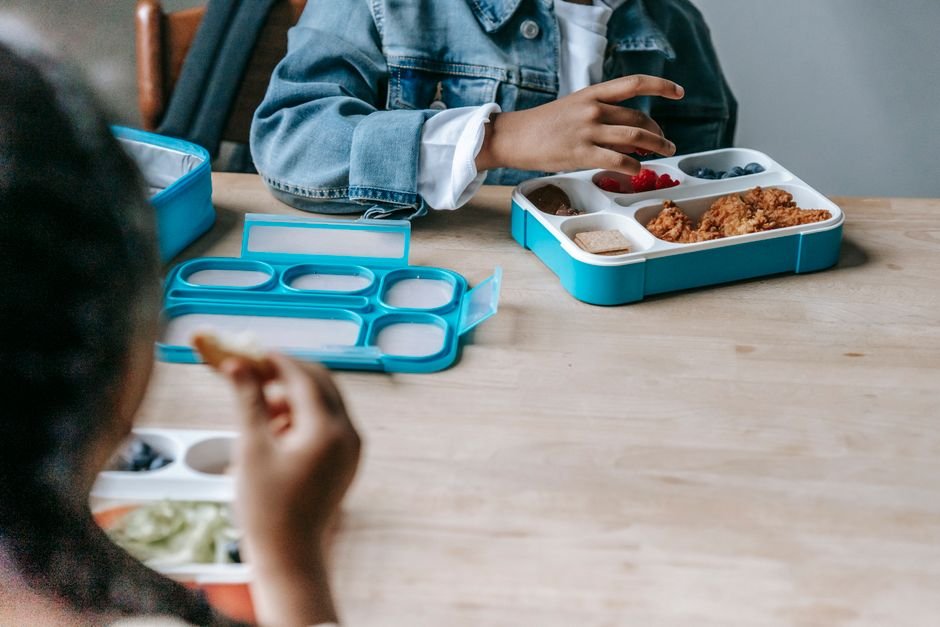
What and when a family eats together has a surprisingly direct effect on children’s dental health, since mealtime patterns often

Children are far more likely to stick with good oral care habits when they see parents practising the same routines
Most dentists recommend a child’s first dental visit by their first birthday, or within six months of their first tooth
 English