



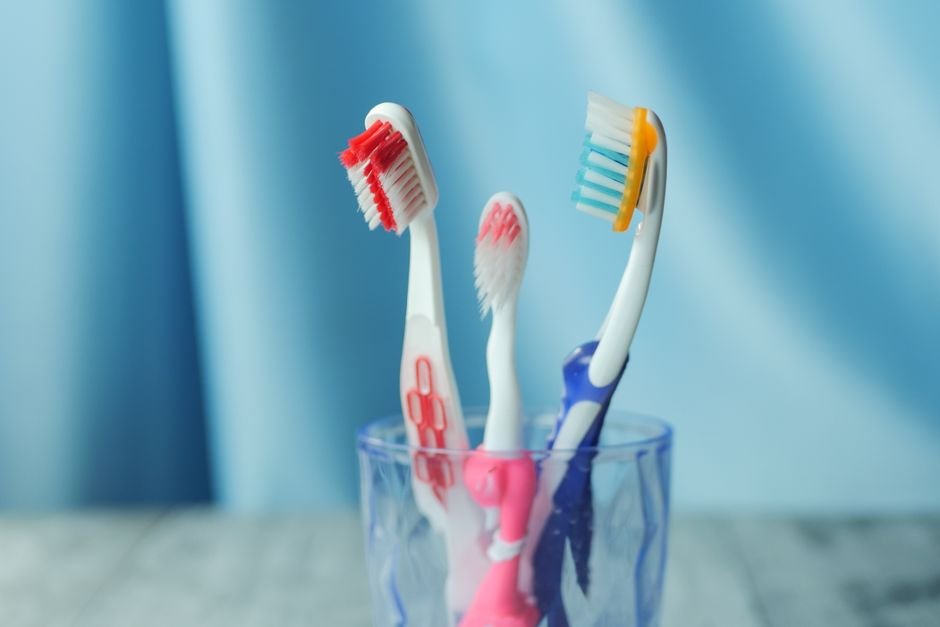
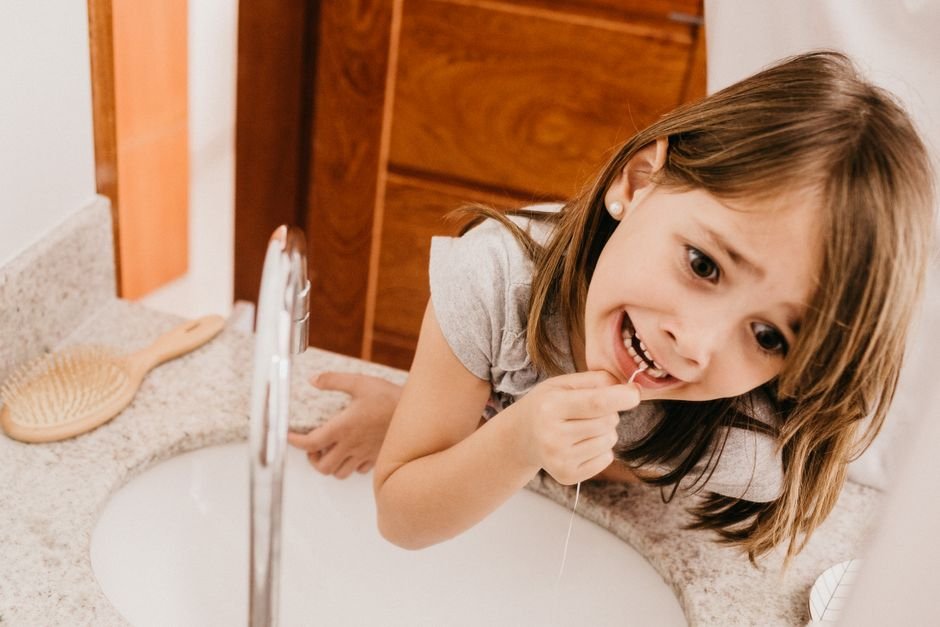

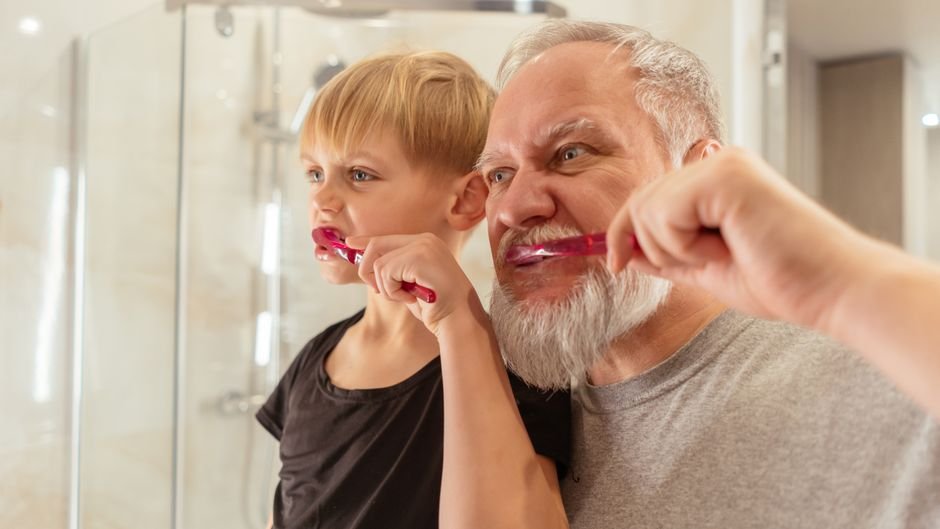



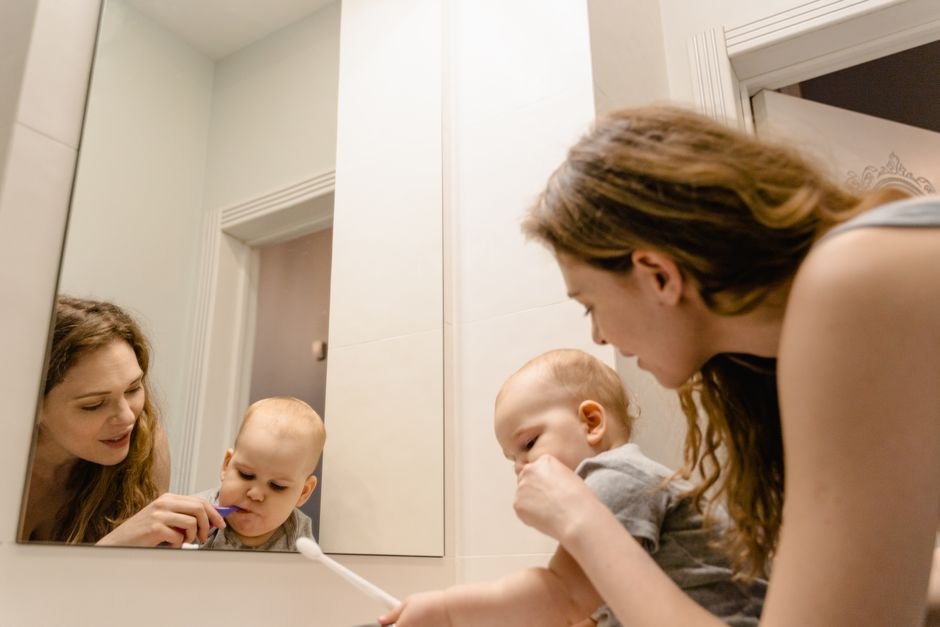



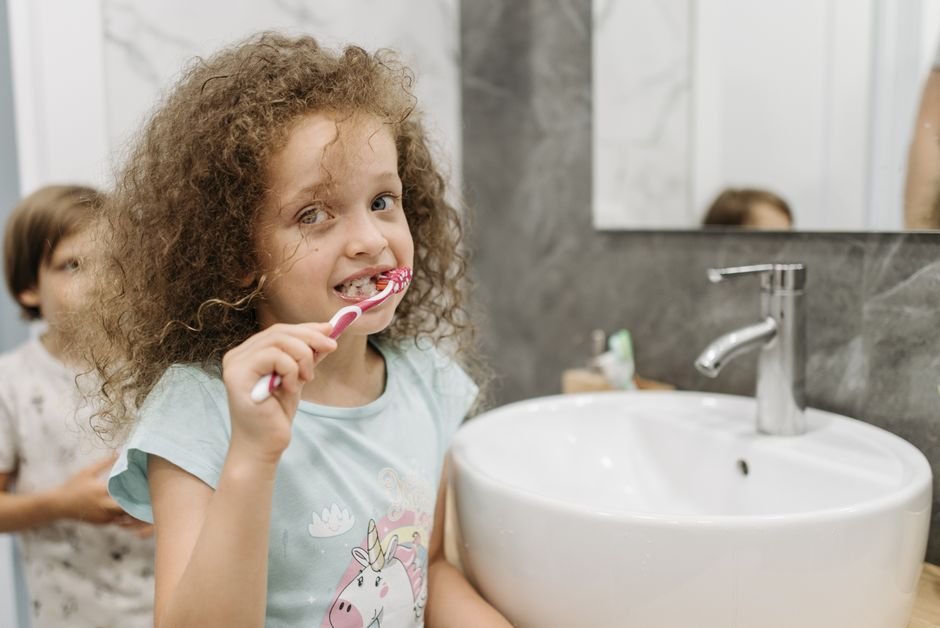
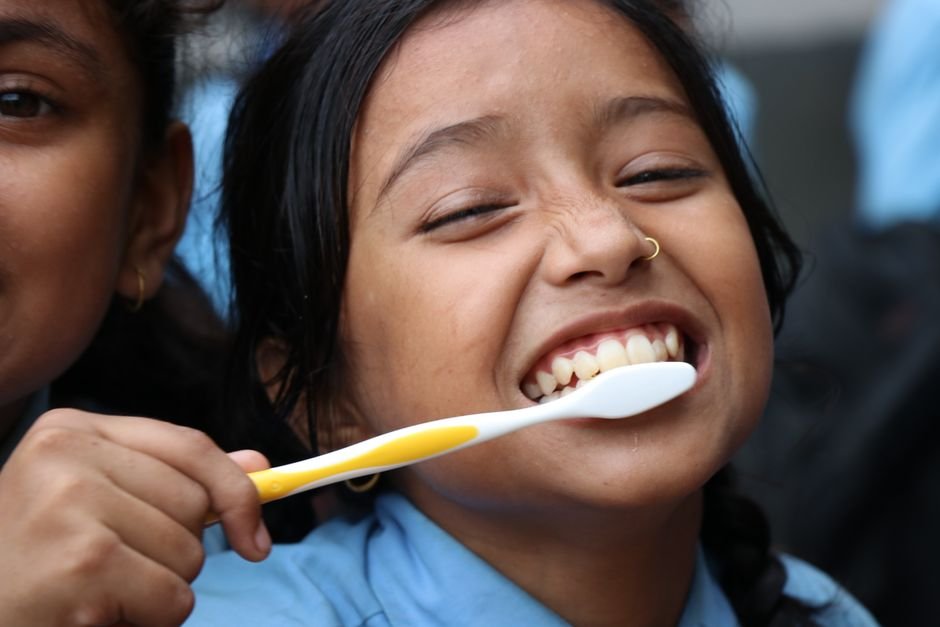
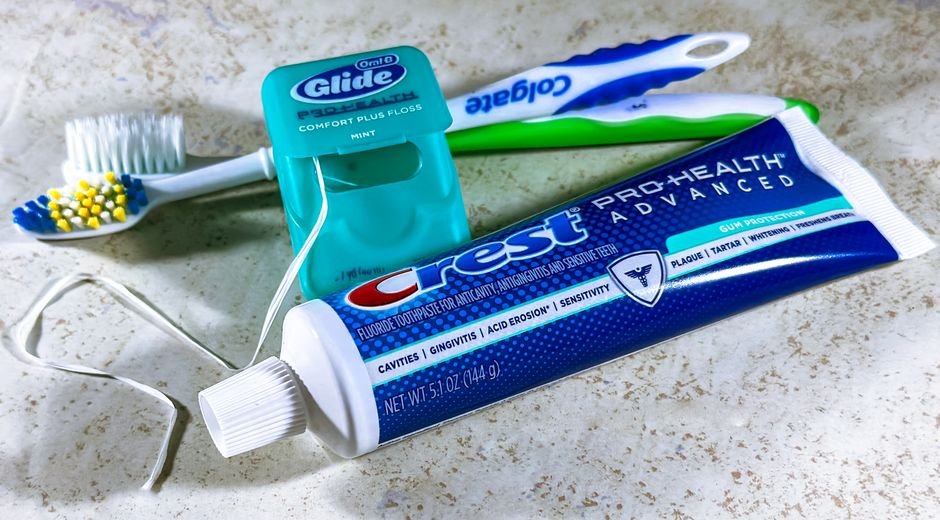
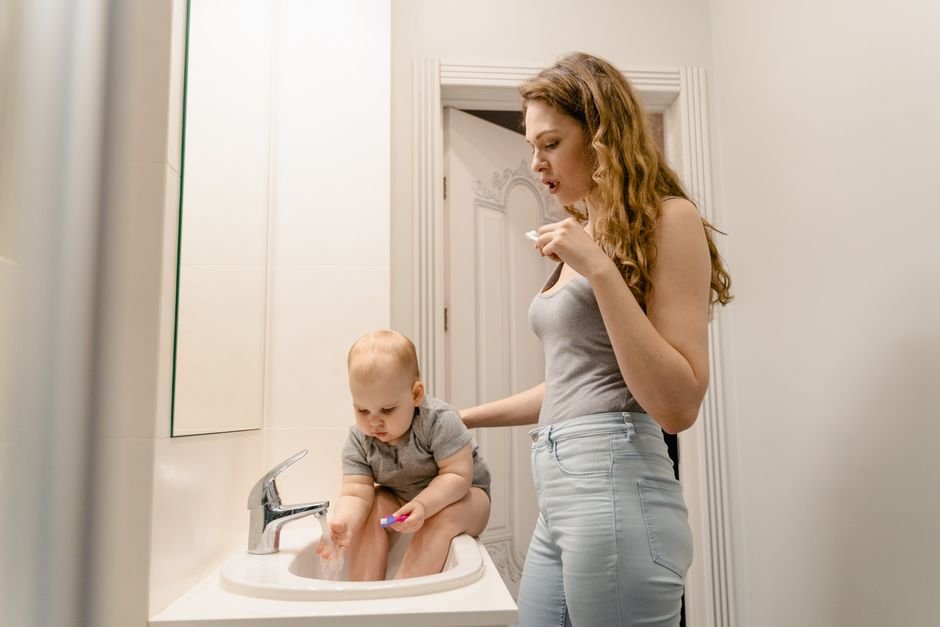


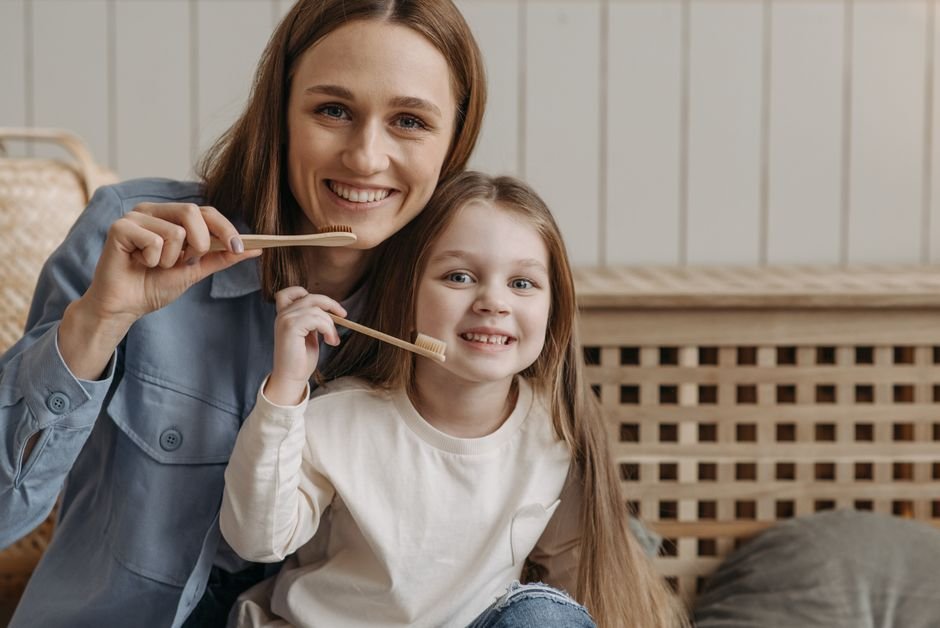










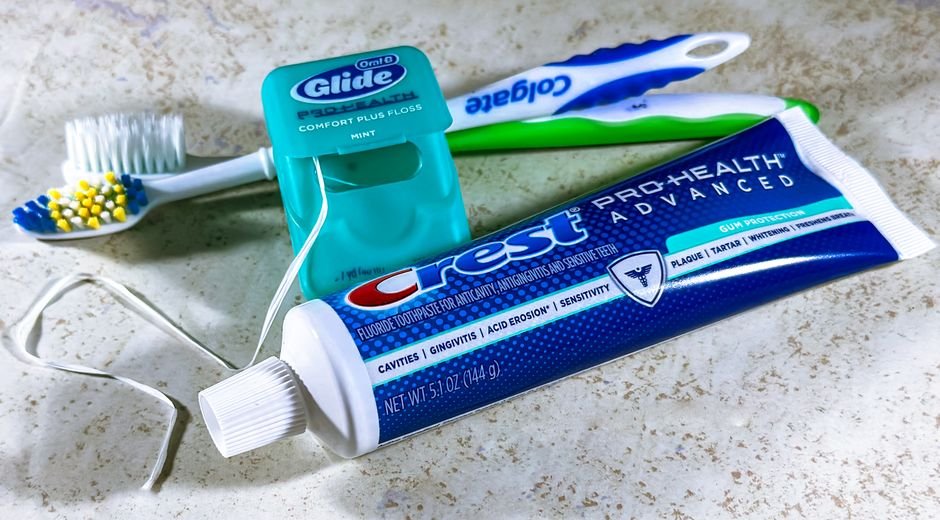





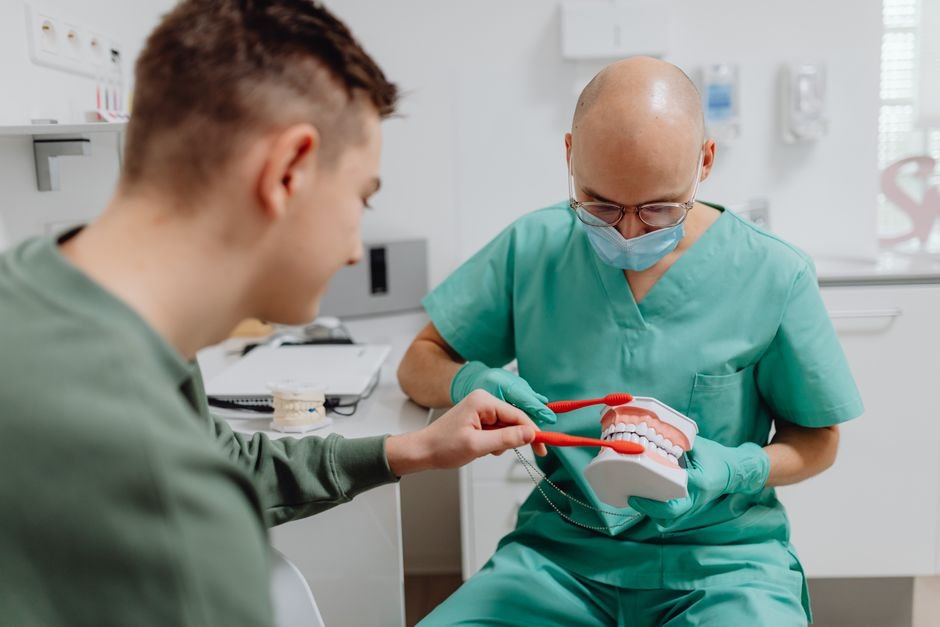



The best toothbrush for your child is one with soft bristles, a small head that fits comfortably in their mouth, and a handle that suits their age and the person doing the brushing. For babies and toddlers, that means a tiny, extra-soft brush designed for first teeth; for older children, a slightly larger head and a chunkier handle they can grip themselves. Manual and electric brushes can both clean well when used properly, so the right choice is the one your child will use twice a day, every day, with an adult helping or supervising until they have the skill to brush thoroughly on their own.
Key takeaways
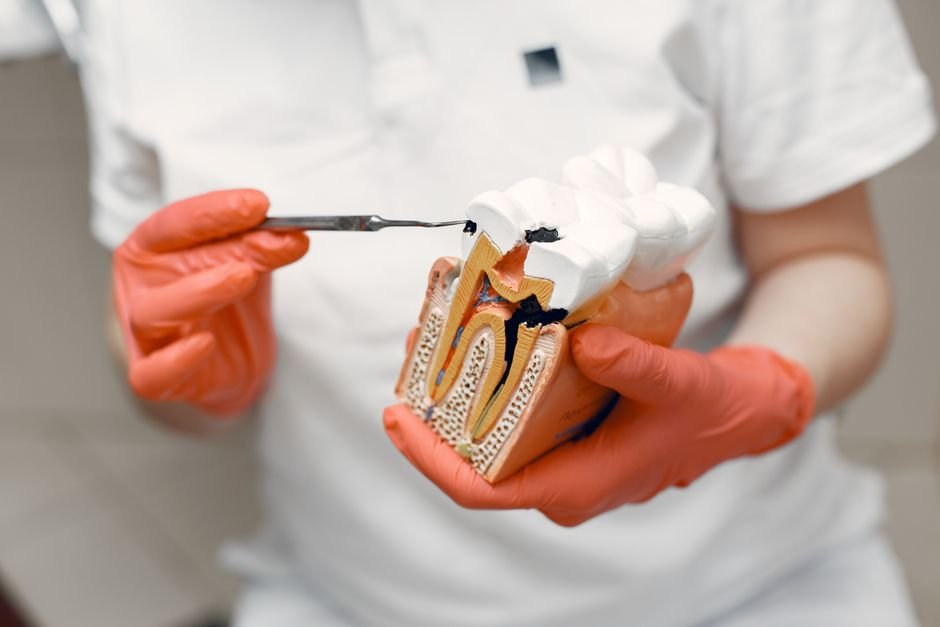
Children’s teeth and gums are not simply smaller versions of adult ones. Baby teeth have thinner enamel than permanent teeth, which makes them more vulnerable to decay, and young gums can be tender, particularly while new teeth are coming through. A toothbrush that is too large, too stiff or awkward to hold can make brushing uncomfortable, and an uncomfortable routine quickly becomes one that children resist. That resistance often leads to rushed or skipped brushing, which allows plaque to build up.
The right brush helps in two ways. First, it cleans more effectively, reaching into the grooves of back teeth and along the gumline where plaque tends to gather. Second, it makes brushing feel easier and more pleasant, which supports good habits that can last a lifetime. Baby teeth matter more than many people realise: they hold space for adult teeth, help children chew and speak clearly, and support confidence. Looking after them well from the start sets the scene for healthy permanent teeth later on.
Soft bristles are the clear choice for children of all ages. They are gentle enough not to damage gums or enamel but still effective at removing plaque when used with the right technique. Packaging may describe bristles as soft or extra soft; for babies and toddlers, extra soft is usually the most comfortable option. Medium and firm bristles are not recommended for children, as they can cause gum irritation and, over time, contribute to wear on the tooth surface.
Bristle shape and arrangement can also make a difference. Rounded bristle tips are kinder to gums than sharp, cut ends. Many children’s brushes have bristles of varying heights, which can help them reach between teeth and into the uneven surfaces of molars. Some include a softer outer row of bristles to cushion the gumline. These features are helpful, but they are not essential. A simple, soft, good-quality brush used carefully will clean well. If the bristles look flattened or splayed after a short time, it may be a sign that your child is brushing too hard.
The brush head should be small enough to move easily around the whole mouth, including behind the back teeth. A head that is too large makes it difficult to reach every surface and can trigger gagging, which may put a child off brushing altogether. For babies, the head might cover only one or two teeth at a time. As your child grows, the head can gradually increase in size, but it should still feel comfortable rather than crowded in the mouth.
Handles matter too, and the ideal design depends on who is holding the brush. Parents brushing a baby’s teeth often prefer a longer, slimmer handle that offers good control and reach. Toddlers and young children who are learning to brush benefit from a thick, chunky, non-slip handle that is easy for small hands to grip. Some brushes have suction bases or flat ends so they stand upright, which keeps the bristles off the bathroom surface and helps them dry. It is worth letting your child hold a few different brushes to see which feels most natural for them.
Brushing can begin as soon as the first tooth appears. For very young babies, some parents use a soft finger brush or a clean, damp cloth to wipe the gums and first teeth, which helps the child get used to having their mouth cleaned. Once a few teeth have come through, a small, extra-soft baby toothbrush with a tiny head is ideal. Use only a smear of fluoride toothpaste, about the size of a grain of rice, and brush gently twice a day.
Toddlers often want to do things themselves, and it is good to encourage that independence. Many families find it works well to let the toddler have a turn with their own brush, then follow up with a second clean done by the parent. Teething brushes and chewable brushes can be soothing and help familiarise children with the sensation of bristles, but they should not replace proper brushing by an adult. At this stage, a calm, predictable routine matters more than any particular product.
Both manual and electric toothbrushes can keep children’s teeth clean when they are used correctly. A manual brush is simple, affordable and available in many child-friendly designs, and it allows parents to control the pressure and movement closely. Some children prefer the familiarity of a manual brush, and it travels easily without the need for charging.
Electric toothbrushes designed for children can be helpful for some families. The powered movement does much of the work, which can be useful for children who struggle with technique or who have limited dexterity. Many include built-in timers that encourage brushing for the full two minutes, and some children find the novelty motivating. Look for a model specifically designed for children, with a small, soft head and gentle settings. The noise and vibration can startle some youngsters at first, so introduce it gradually. Whichever type you choose, supervision and good technique remain essential until your child can brush thoroughly alone.
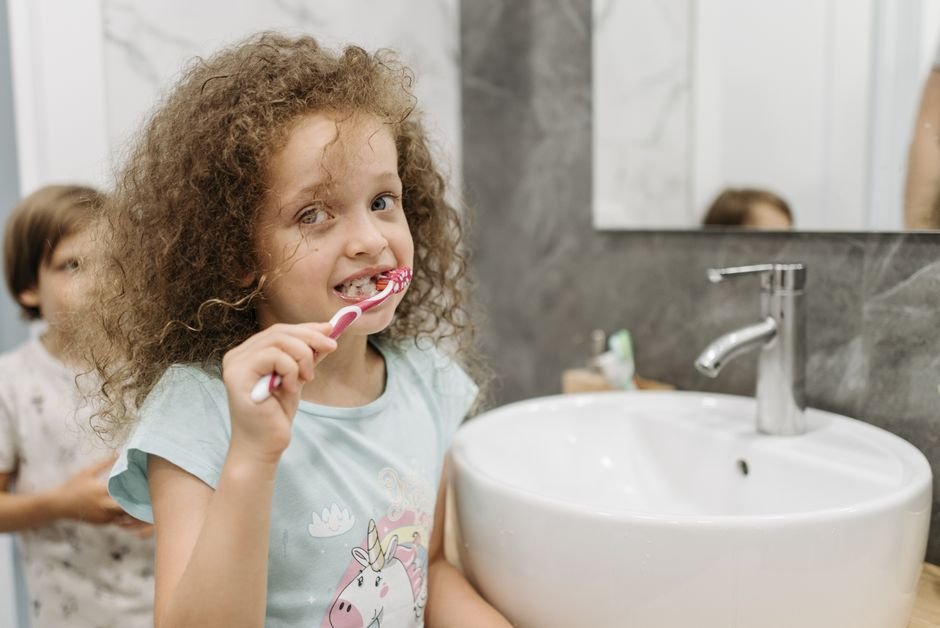
Children are far more likely to brush well when they enjoy the experience, so involving them in choosing their toothbrush can be a simple win. Letting them pick a favourite colour or character gives them a sense of ownership. Brushes with fun designs are perfectly fine, as long as they still meet the basics: soft bristles, the right head size and a comfortable handle. Novelty should never come at the expense of function.
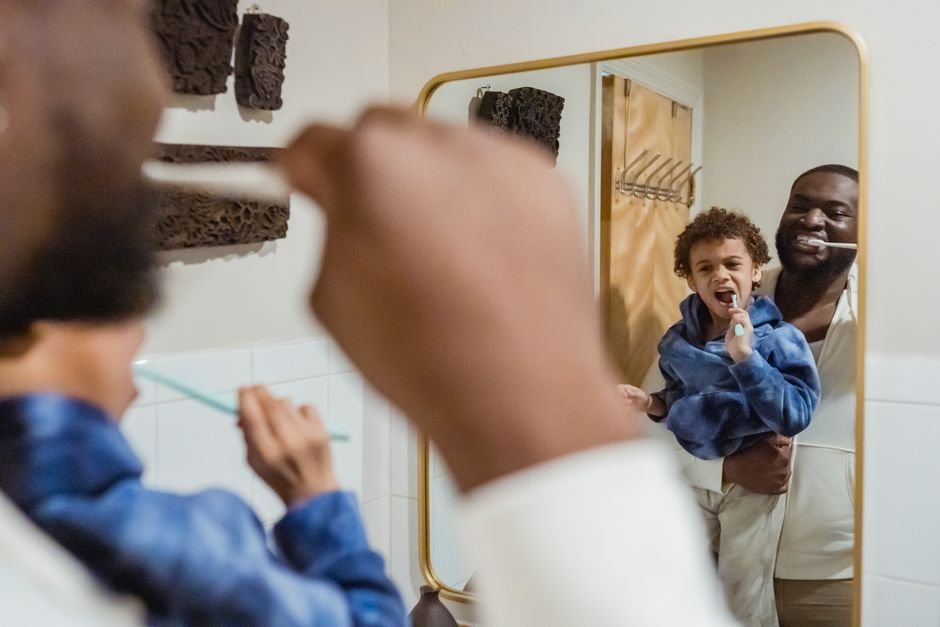
Routine and positivity also help. Brushing at the same times each day, usually after breakfast and before bed, makes it a normal part of life rather than a battle. Playing a two-minute song, using a sand timer, or brushing alongside your child so they can copy you can all make the process more engaging. Praise effort rather than perfection, and keep the atmosphere relaxed. If brushing becomes a source of conflict, a dental professional can offer practical tips and reassurance, and children sometimes respond better to advice from their dentist than from their parents.
A child’s toothbrush should generally be replaced every three months, or sooner if the bristles become frayed, bent or splayed. Children often chew on their brushes, which can wear them out much faster than an adult’s. A worn brush does not clean as effectively, because the bristles no longer hold their shape or reach into the gaps between teeth. Checking the bristles regularly is a quick way to spot when a replacement is due.
It is also sensible to replace the toothbrush after your child has had a cold, a sore throat or a similar illness. Store brushes upright in an open holder so they can air-dry between uses, and avoid sealed covers that trap moisture. Keep each family member’s toothbrush separate so the heads do not touch, and never share toothbrushes. Rinsing the brush thoroughly under running water after use removes toothpaste and debris. For electric brushes, the same replacement timeline applies to the brush head, and the handle should be wiped clean regularly.
Children usually need help with brushing for longer than many parents expect. Young children do not yet have the fine motor skills to clean every surface thoroughly, especially the back teeth and the gumline. A common guide is that children need an adult to brush for them, or to supervise and finish off, until they are around seven or eight years old. A helpful sign of readiness is when a child can tie their own shoelaces or write neatly, which shows they have developed the necessary hand control.
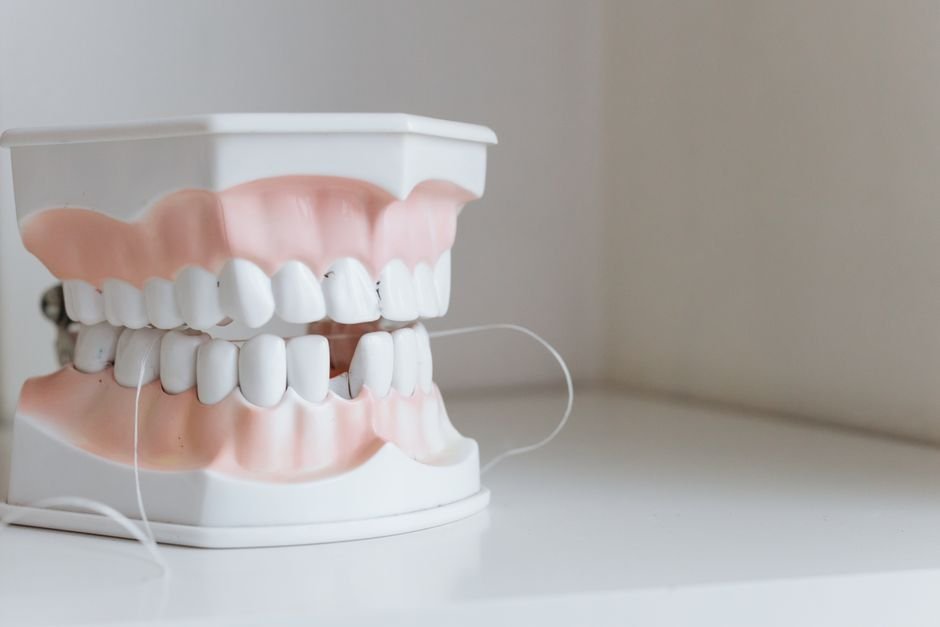
Even once they are brushing independently, it is worth checking in from time to time. Look at their teeth after brushing to see whether any plaque remains, particularly near the gums and on the back teeth. Plaque-disclosing tablets, which temporarily colour plaque, can be a fun way to show children where they are missing. As they grow and their adult teeth come through, they may also need to move up to a larger brush head. Regular dental check-ups give you a chance to ask the dental team for guidance tailored to your child.
A child’s toothbrush should always have soft or extra-soft bristles. These are gentle on young gums and on the thinner enamel of baby teeth while still removing plaque effectively. Medium and firm bristles are not recommended for children because they can irritate the gums and wear the tooth surface.
Brushing should start as soon as the first tooth appears. Use a small, extra-soft baby toothbrush and a smear of fluoride toothpaste about the size of a grain of rice, brushing gently twice a day. Before teeth arrive, wiping the gums with a clean, damp cloth helps babies get used to oral care.
Electric toothbrushes designed specifically for children are generally safe and can be helpful, especially for children who find brushing technique difficult. Choose one with a small, soft head and gentle settings. An adult should still supervise brushing and help as needed until the child can clean thoroughly on their own.
A child’s toothbrush should be replaced about every three months, or sooner if the bristles are frayed or splayed. Children often chew their brushes, which wears them out faster. It is also a good idea to replace the toothbrush after an illness such as a cold or sore throat.
Most children need an adult to brush for them or supervise closely until around seven or eight years old. By then they usually have the hand control needed to clean all tooth surfaces properly. Occasional checks after that age help ensure they are still brushing the back teeth and gumline well.

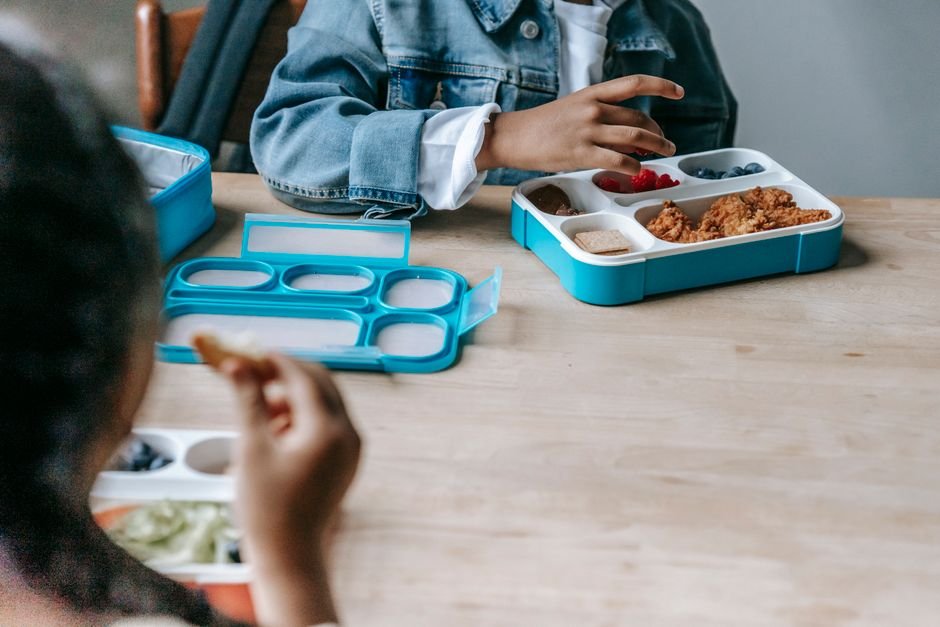
What and when a family eats together has a surprisingly direct effect on children’s dental health, since mealtime patterns often

Children are far more likely to stick with good oral care habits when they see parents practising the same routines
Most dentists recommend a child’s first dental visit by their first birthday, or within six months of their first tooth
 English