














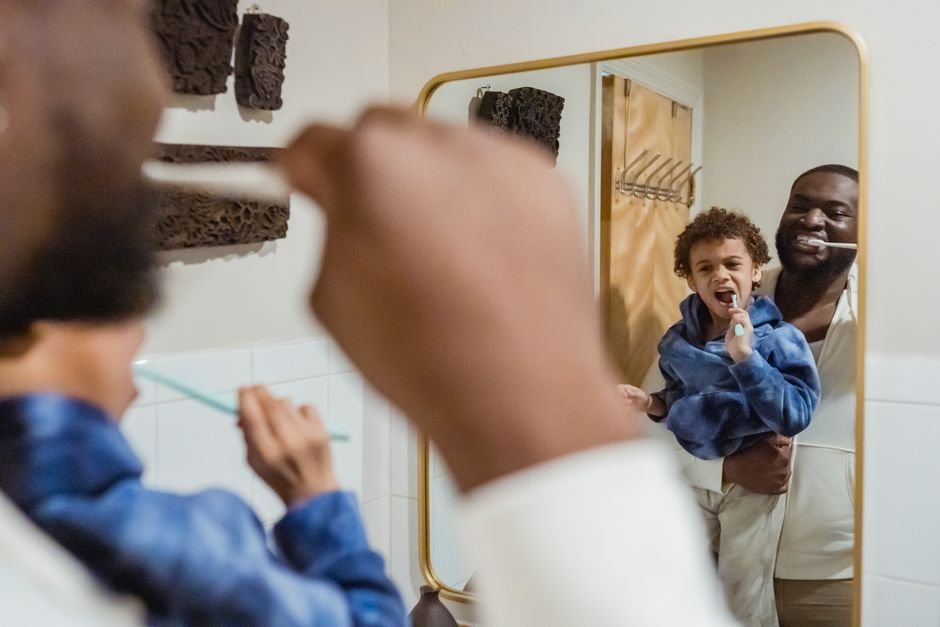











Children build lasting oral hygiene habits not by being told what to do every single day, but by gradually taking over the physical steps themselves while a parent stays close enough to guide and check the results. The shift from a parent doing all the brushing to a child managing their own routine happens in stages, and moving through those stages at the right pace, rather than too quickly or too slowly, is what makes the habit stick for the long term.
Key takeaways
Readiness for independent brushing is tied more closely to fine motor coordination than to a specific birthday. Most children begin developing the hand control needed to manoeuvre a toothbrush effectively somewhere between ages six and eight, though this varies considerably from child to child. Signs of readiness include being able to hold a toothbrush steadily, understanding basic instructions about angles and coverage, and showing interest in doing the task themselves.
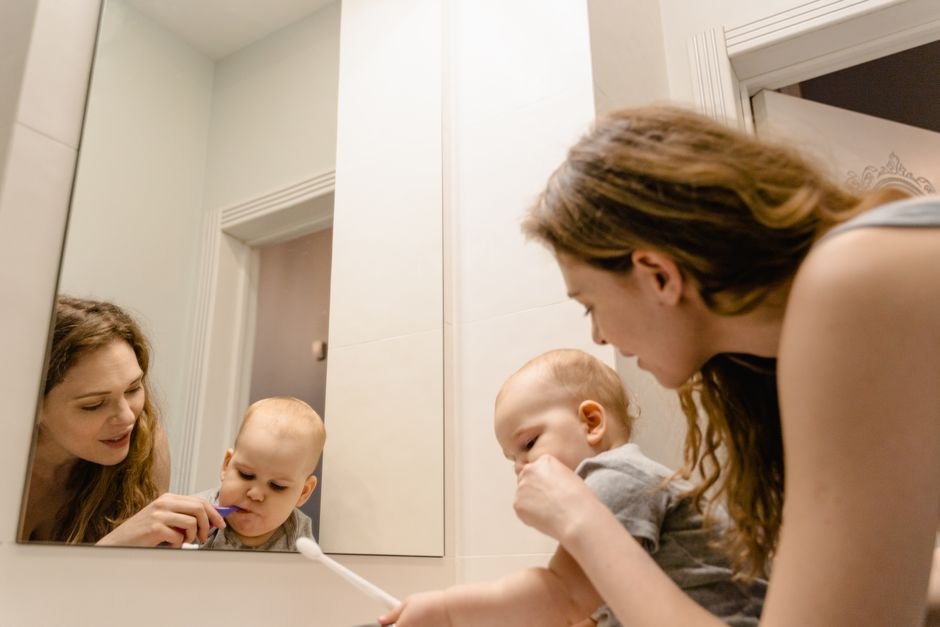
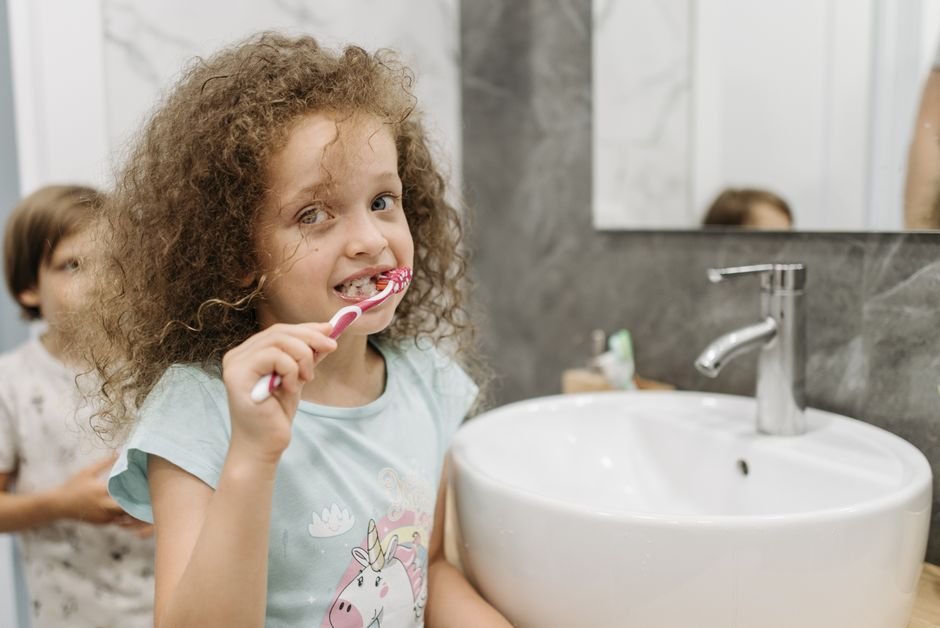
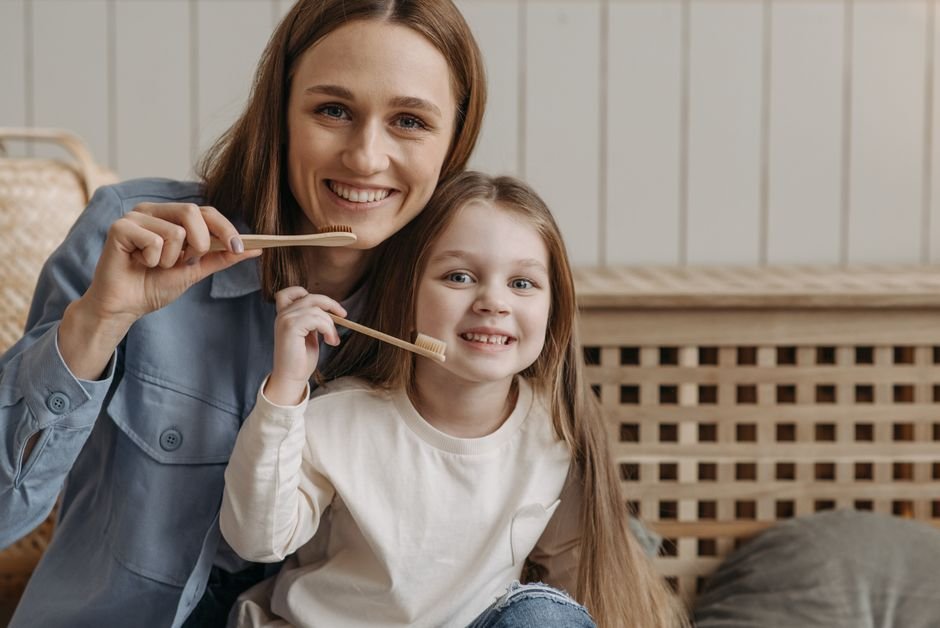
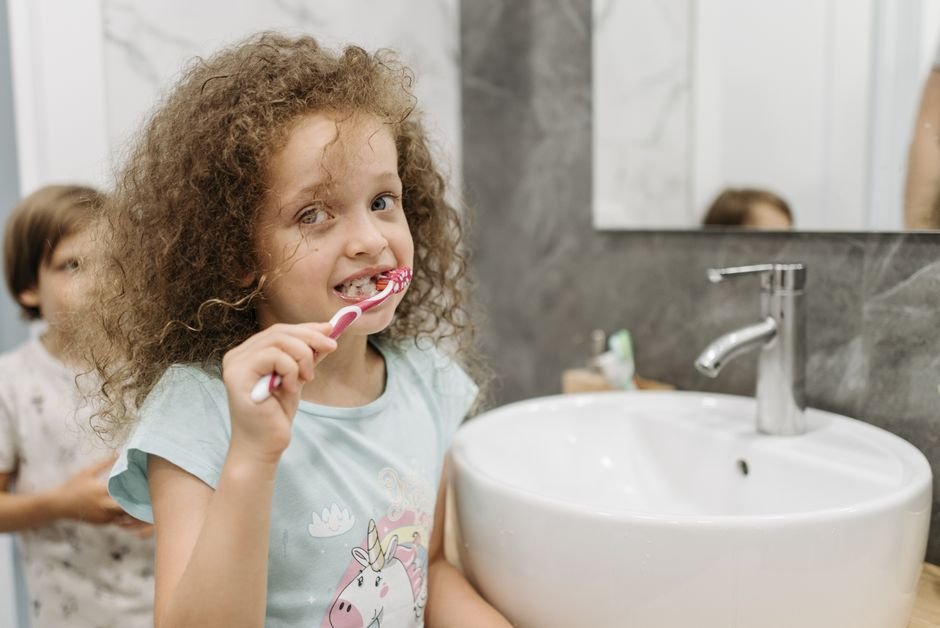
Rather than switching abruptly from fully assisted brushing to complete independence, it helps to introduce a transition period where the child brushes first and a parent finishes or checks the job afterward. This lets a child build confidence and muscle memory while ensuring plaque is not consistently missed in harder-to-reach areas like back molars, which tend to be the last spots children learn to clean thoroughly.
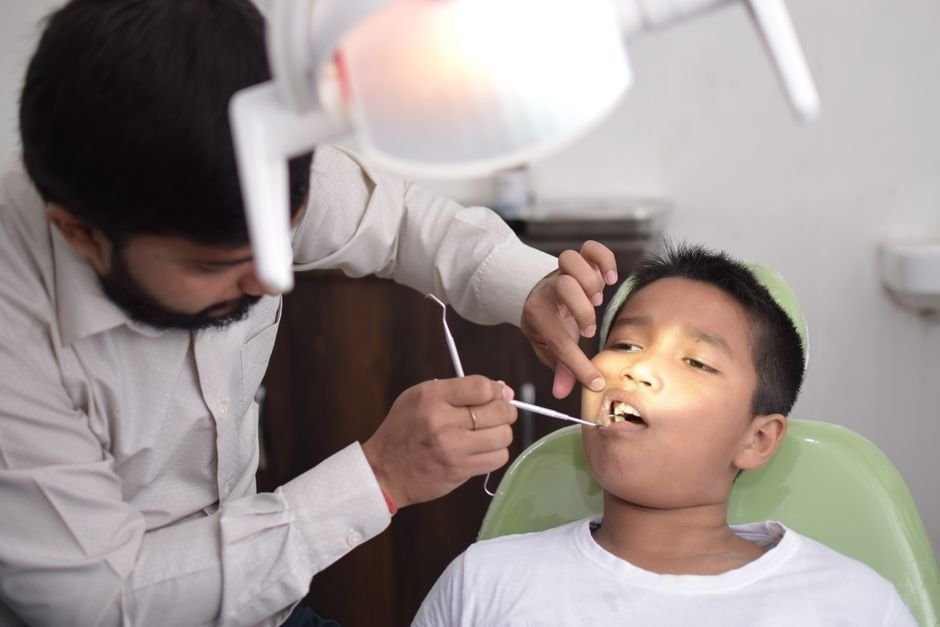
Handing full responsibility to a child does not mean stepping away from the routine entirely. Even children who seem confident with a toothbrush often miss the same spots repeatedly, particularly along the gumline and on the inner surfaces of teeth that are harder to see in a mirror. A brief supervised check, even just watching the last thirty seconds of brushing, helps catch these gaps before they become a pattern.
Supervision at this stage is less about correcting every stroke and more about spot-checking outcomes. A parent might occasionally look at the teeth after brushing to see if any visible plaque remains, or gently run a finger along a tooth surface to check for a rough, filmy texture. This kind of light-touch oversight can continue for a few years without undermining the sense of independence a child is building.
Children respond well to structure they can see rather than instructions they have to remember from memory alone. A simple chart near the bathroom mirror showing the order of steps, wetting the brush, applying paste, brushing each section, rinsing, can reduce the number of verbal reminders needed each day. Some families find that a two-minute timer or a favourite song of the right length helps children brush for an adequate duration without constant prompting.
These visual and auditory cues work because they shift the responsibility for pacing away from a parent nagging about time and onto an external, neutral signal. Over time, children internalise the rhythm of the routine itself, and the external cues can be gradually phased out once the habit feels automatic rather than imposed.
Children are far more likely to stick with a new responsibility when their effort is acknowledged, even if the result is not yet perfect. Praising a child for remembering to brush without being asked, or for trying to reach a tricky back tooth, reinforces the behaviour itself rather than focusing solely on technical accuracy. This matters because harsh correction of imperfect technique can make a child associate brushing with criticism rather than accomplishment.
A useful approach is separating encouragement of the habit from technical coaching. Praise consistency and initiative in the moment, and save detailed guidance on technique for a calmer, separate conversation, perhaps while brushing together as a family. This distinction helps a child feel supported while still receiving the correction needed to improve their actual cleaning coverage.
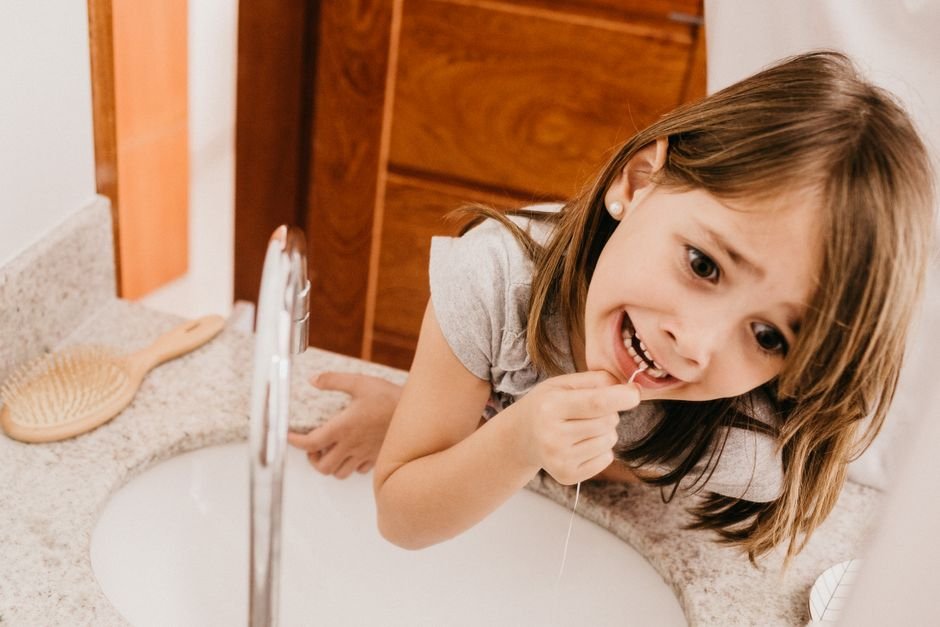
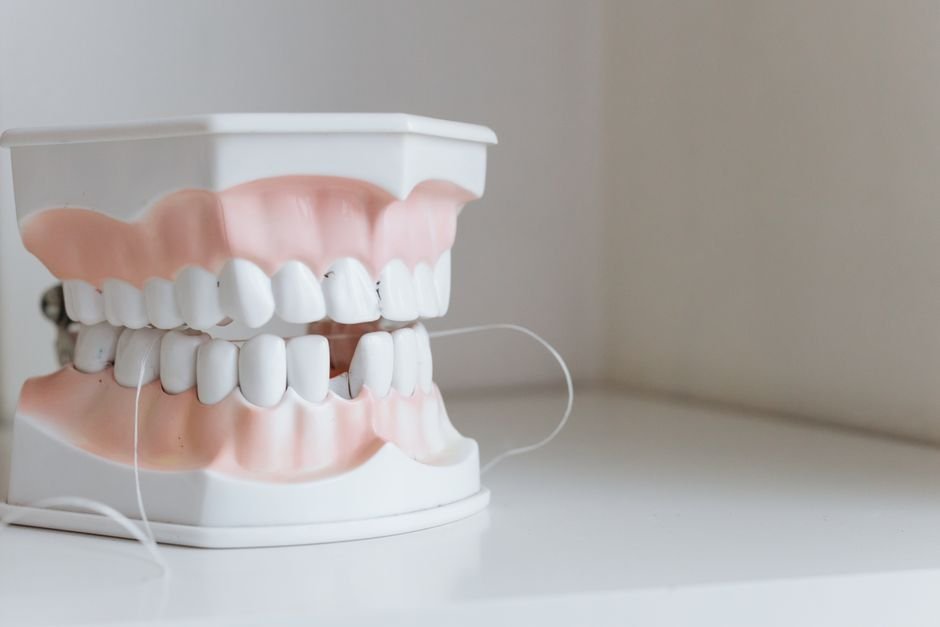
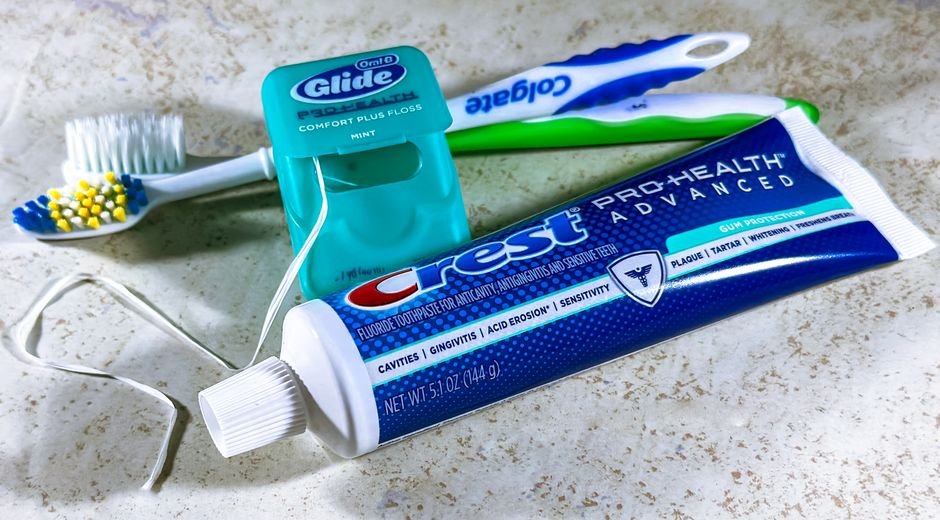
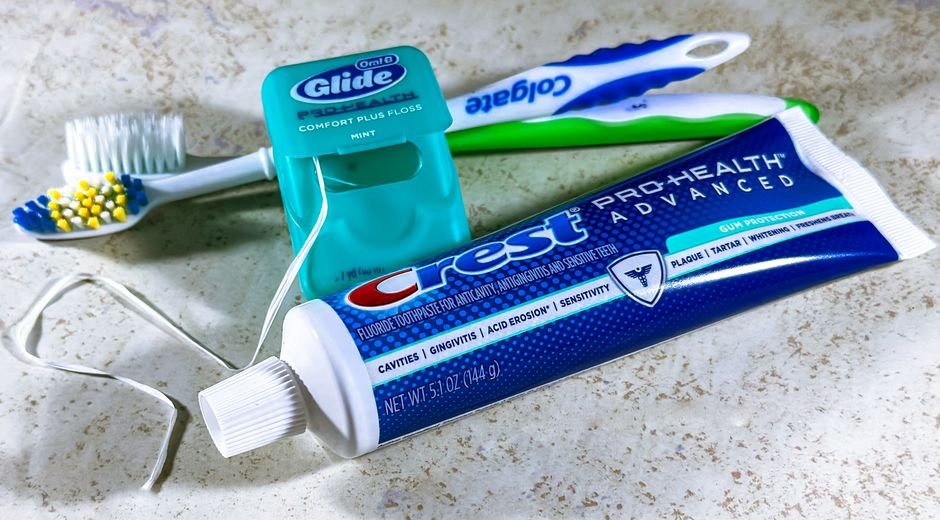
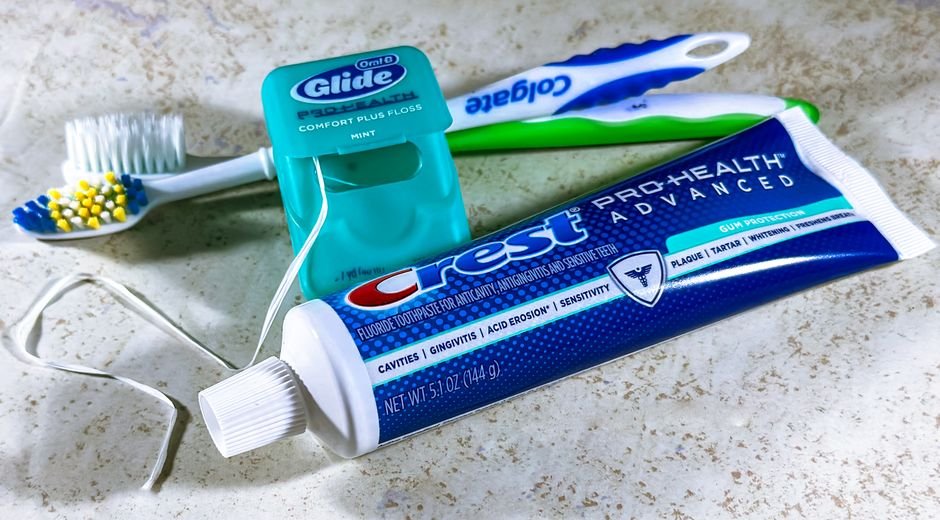
Flossing typically comes later in the independence timeline than brushing, since it requires more precise coordination and is easy to do incorrectly in ways that irritate the gums. Floss picks with small handles are often easier for children to manage than traditional floss wound around fingers, and they can serve as a useful bridge tool while coordination develops further.
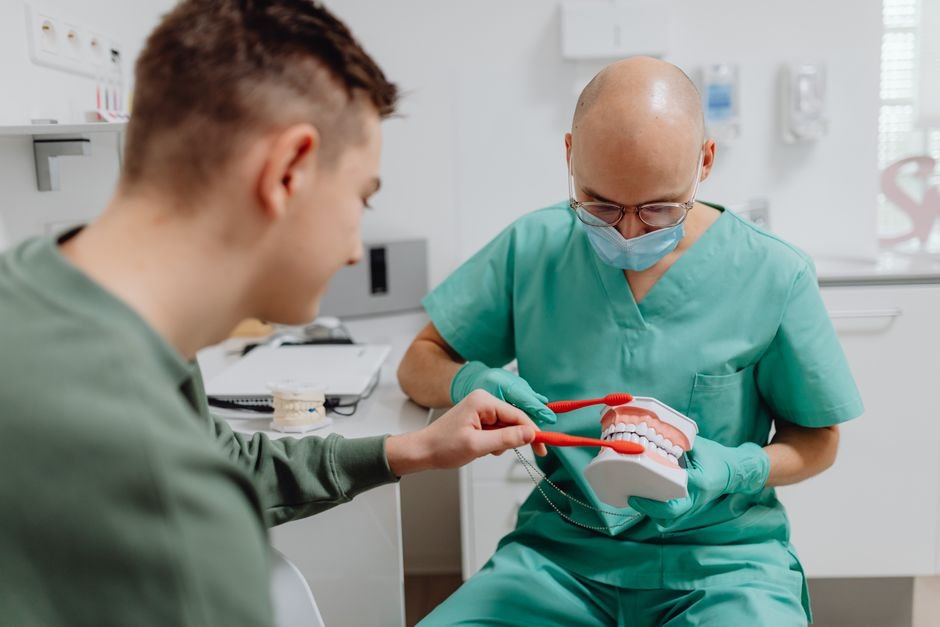
As with brushing, flossing is best introduced with a parent doing it for the child first, then transitioning to the child attempting it under supervision before doing it fully independently. Because flossing addresses the tight spaces between teeth where a toothbrush cannot reach, it is worth the patience required to teach it properly rather than skipping it until a child is much older.
One frequent misstep is granting full independence the moment a child expresses a desire to do it themselves, without maintaining any follow-up checks. Enthusiasm for a new responsibility does not always translate into thorough technique, and children can develop shortcuts, such as brushing only the front teeth or rushing through the routine, that go unnoticed for months if no one is checking.
Another common issue is inconsistent expectations between caregivers, where one parent supervises closely and another allows the child to skip steps. Aligning on a shared approach, including how long brushing should take and what level of check-ins is expected, helps prevent a child from learning that the routine is optional depending on who is present.
Learning to manage a daily hygiene routine independently teaches children skills that extend well beyond dental health. Following a consistent sequence of steps, remembering a task without prompting, and taking ownership of a personal responsibility are all transferable habits that support broader self-management as children grow older.
Framing oral care as one of the first tasks a child fully owns can also build confidence in their ability to handle other self-care routines, from getting dressed independently to managing homework schedules. The specific skill of brushing teeth well is valuable on its own, but the underlying habit of consistent self-directed routine is often just as important a lesson.
Some families find that simple tools, such as a toothbrush with a built-in timer light or an app that turns brushing into a short game, help maintain a child’s engagement during the transition period. These tools are most useful as a temporary bridge rather than a permanent crutch, since the goal is for children to eventually brush thoroughly without needing external motivation.
It is worth being selective about which tools are introduced, favouring ones that reinforce good technique and adequate duration over ones that are purely entertaining without any real hygiene benefit. A tool that encourages a child to cover all four quadrants of the mouth for the full recommended time is doing more for long-term habit formation than one that simply distracts during the process.
In households with more than one child, comparing an older sibling’s independence to a younger one’s progress can backfire, since children develop fine motor skills and attention spans at different rates. A six year old struggling with the same tasks a four year old sibling seems to manage easily is not necessarily behind, and drawing attention to the comparison can create frustration rather than motivation.
A more effective approach treats each child’s routine as its own separate track, with its own pace and milestones. Celebrating a child’s personal progress, brushing for a few more seconds than last week, or remembering the routine without a reminder, keeps the focus on individual improvement rather than measuring one child against another in a way that can feel discouraging.
Most children can manage the physical steps of brushing independently by around age six to eight, though supervision to check for missed spots is generally recommended for a few years beyond that point.
Two minutes is the generally recommended duration for a thorough brushing session, covering all surfaces of the teeth including the front, back, and chewing surfaces.
It is common and useful for a parent to do a quick follow-up check or brush over commonly missed areas for a period after a child begins brushing independently, gradually reducing this involvement as coverage improves.
Starting with floss picks designed for smaller hands, demonstrating the technique first, and supervising early attempts helps children learn to floss without irritating their gums or skipping the step altogether.
A simple check involves looking at the teeth after brushing for any visible plaque film, particularly along the gumline and back teeth, or occasionally running a finger over a tooth surface to feel for smoothness rather than a filmy texture.

What and when a family eats together has a surprisingly direct effect on children’s dental health, since mealtime patterns often

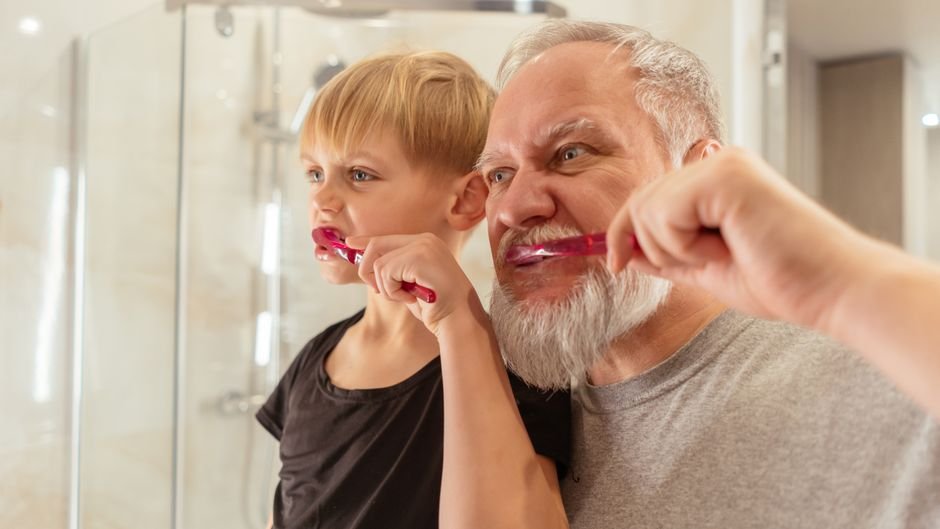
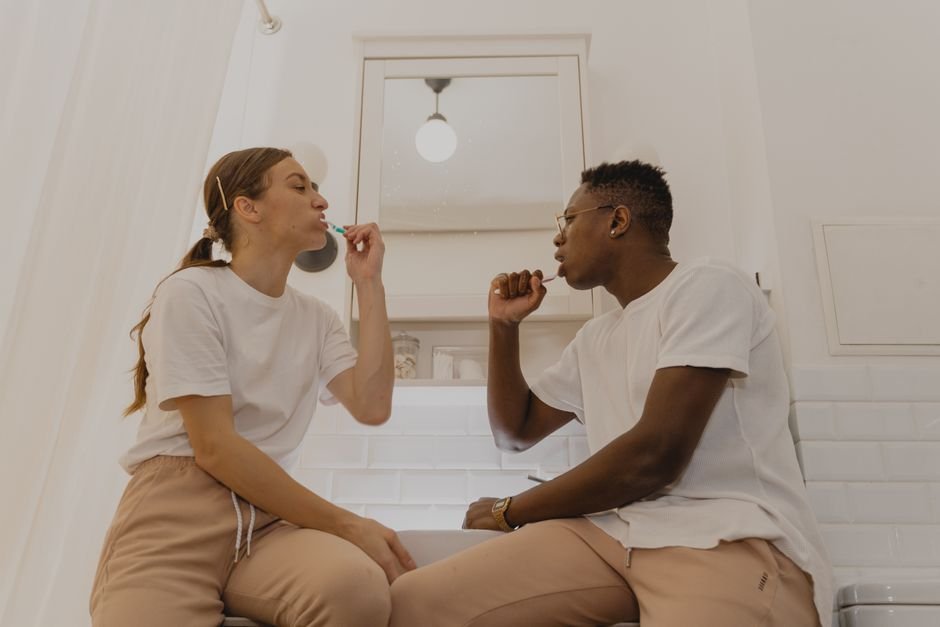
Children are far more likely to stick with good oral care habits when they see parents practising the same routines
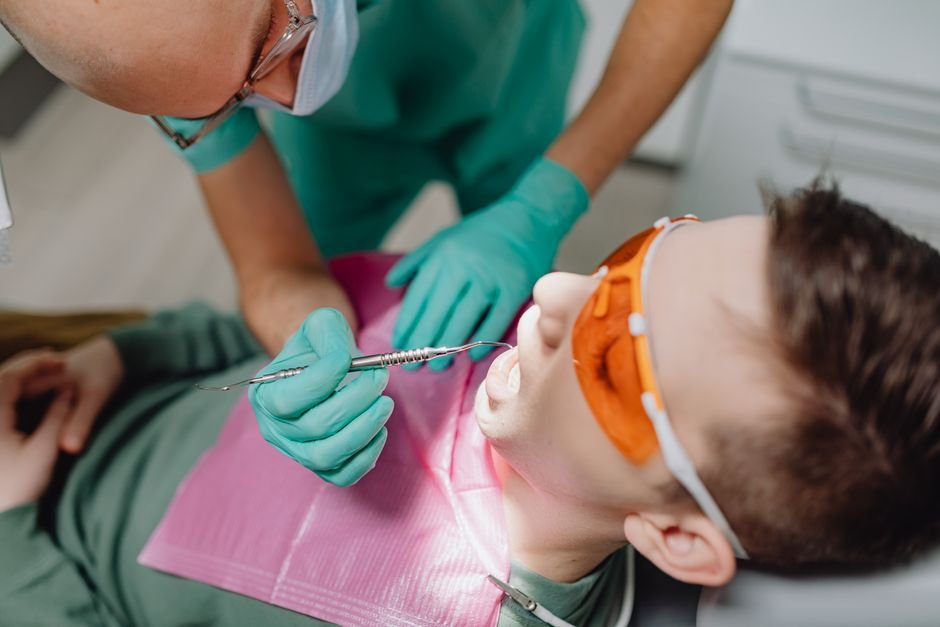
Most dentists recommend a child’s first dental visit by their first birthday, or within six months of their first tooth
 English