















Youth sports offer children enormous benefits, from physical fitness to teamwork and confidence, but active play also introduces certain risks to dental health that parents often overlook. From accidental impacts to the effects of sports drinks, understanding how athletic activity intersects with oral health helps families protect a child’s smile without limiting their participation in the activities they enjoy.
Key takeaways
Contact sports such as football, hockey and basketball tend to carry a higher risk of dental injury due to the likelihood of collisions, falls or accidental contact with equipment or other players. Even sports that are not typically classified as high-contact, such as cycling or skateboarding, can result in significant dental injuries from falls, particularly given the speed and lack of padding involved.
It is worth noting that dental injuries are not limited to obviously rough sports. A stray elbow during a friendly basketball game or a fall from a bicycle can cause just as much damage as a deliberate collision on a football field. This is part of why protective measures are worth considering even for sports that seem relatively low-risk on the surface.
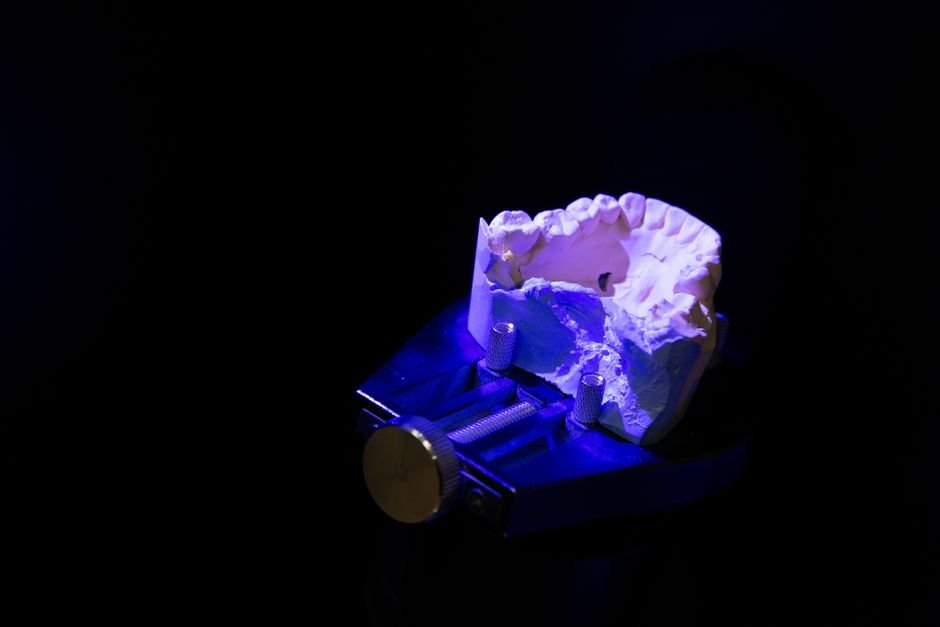
A well-fitted mouthguard acts as a cushion, absorbing and distributing the force of an impact that would otherwise be concentrated directly on the teeth and jaw. This significantly reduces the likelihood of chipped, cracked or knocked-out teeth, as well as reducing the risk of jaw injury and, in some cases, offering a degree of protection against concussion during high-impact collisions.
Custom-fitted mouthguards, made specifically for a child’s mouth, tend to offer better protection and comfort compared to generic, one-size-fits-all options, since a proper fit stays securely in place during active movement. While boil-and-bite versions are a reasonable and more affordable alternative, a well-fitted option of some kind is far better than skipping mouthguard use altogether during contact activities.
Many sports drinks are formulated with high sugar content and acidity, both of which can contribute to enamel erosion and an increased risk of cavities over time. Because these drinks are often consumed frequently during a game or practice session, teeth can end up bathed in an acidic, sugary environment for extended periods, which is considerably more damaging than a single quick drink.
Water remains the better default choice for most youth sports activities, particularly for shorter sessions where the electrolyte replenishment benefits of sports drinks are less necessary. When sports drinks are used, encouraging children to drink them relatively quickly rather than sipping slowly over a long period can help reduce the extended exposure that contributes most to enamel damage.
Saliva plays an important protective role in the mouth, helping neutralise acids and wash away food particles and bacteria. During intense physical activity, particularly in hot conditions, children can become dehydrated, which reduces saliva production and temporarily lowers this natural protective effect at exactly the time when the mouth may also be exposed to sugary drinks or snacks.
Encouraging regular water intake throughout sports activities, not just before or after, helps maintain adequate hydration and supports normal saliva flow. This is a relatively simple habit that supports both general athletic performance and oral health simultaneously, making it an easy recommendation for parents and coaches alike.
If a tooth is chipped, cracked or knocked loose during a sports activity, prompt attention can make a meaningful difference to the outcome. Rinsing the mouth gently with water and applying a cold compress to any swelling can help manage the immediate situation, while a dental evaluation as soon as possible allows a professional to properly assess the extent of the injury.
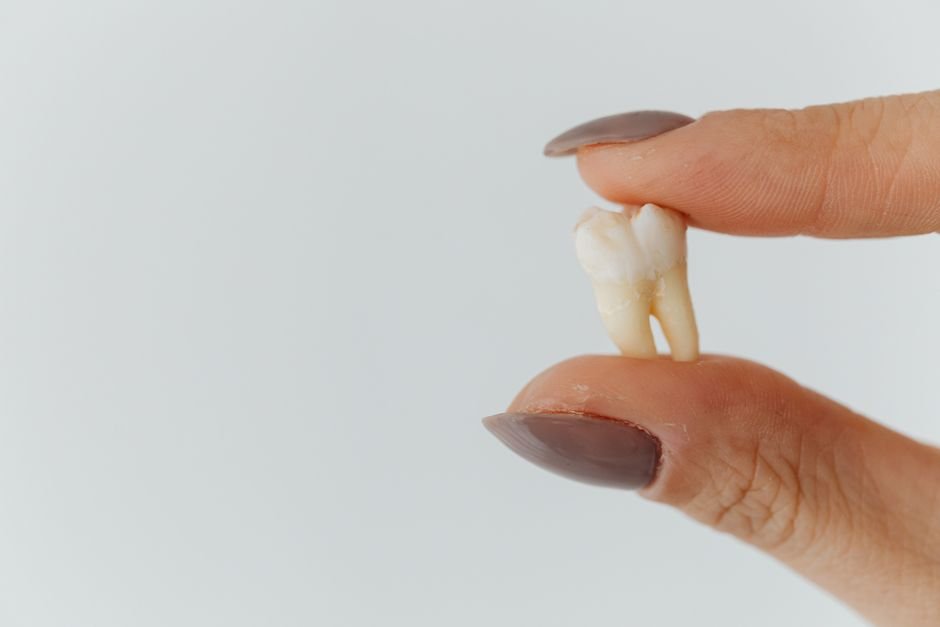
If a permanent tooth is fully knocked out, time is particularly important. Keeping the tooth moist, ideally by placing it back in the socket if possible or storing it in milk, and seeking dental care immediately gives the best chance of a successful outcome. Acting quickly and calmly in these situations genuinely matters for how well the tooth can ultimately be treated.
Beyond mouthguard use, ensuring a child understands and follows the safety rules of their sport can meaningfully reduce injury risk. Proper technique, appropriate protective equipment beyond just mouthguards, and age-appropriate supervision all contribute to a safer environment for active play, particularly for younger children still developing coordination and body awareness.
Regular dental checkups also play a supporting role, allowing a dentist to assess whether a child’s teeth or bite might benefit from additional protective consideration, particularly for children involved in especially high-contact sports. This kind of proactive attention helps identify any specific vulnerabilities before an injury occurs, rather than only responding after the fact.
While non-contact sports carry a lower risk of acute injury, they are not entirely without dental considerations. Endurance sports, such as long-distance running or swimming, often involve extended hydration needs and frequent snacking to maintain energy, both of which can influence oral health if not managed thoughtfully, particularly around sugar and acid exposure from sports nutrition products.
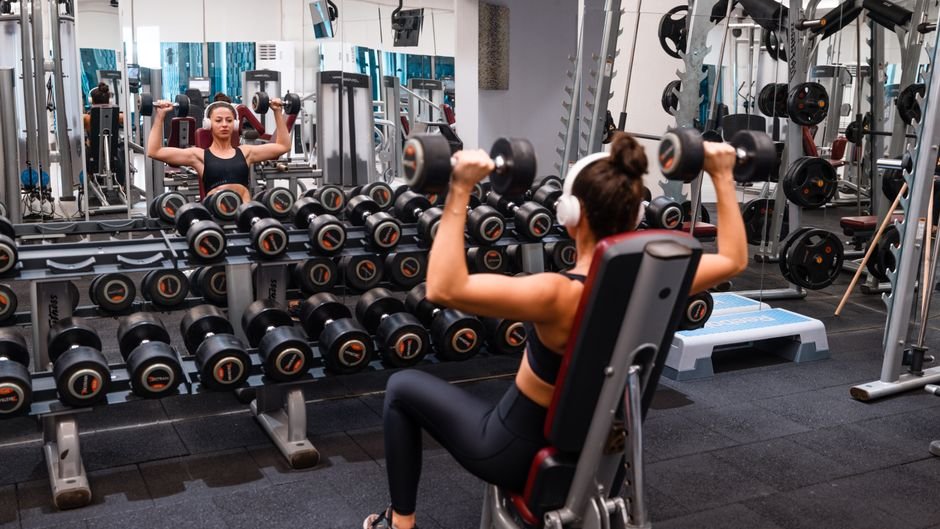
Sports involving repetitive jaw clenching or grinding under physical exertion, such as weightlifting, can also place additional stress on teeth over time. While this is a less commonly discussed risk, it is worth being aware of for children heavily involved in these kinds of activities, particularly if any signs of jaw discomfort or unusual tooth wear become apparent.
Active children often have busy schedules that can make consistent oral care more challenging to maintain, particularly around practice and game times. Building simple habits, such as keeping a travel toothbrush in a sports bag or ensuring water is always available during activity, helps oral health stay a consistent priority even amid a packed schedule.
Ultimately, sports participation and good dental health are not in conflict, but supporting both well requires a bit of intentional planning. With appropriate protective equipment, mindful hydration choices and consistent oral care habits, children can fully enjoy the benefits of sports participation while keeping their dental health well protected along the way.
A mouthguard should be rinsed after each use and stored in a ventilated container to prevent bacterial build-up, rather than left loose in a sports bag where it can pick up dirt or become damaged. Regularly checking for tears, thinning or an increasingly loose fit helps ensure it continues to provide adequate protection during active play.
Because children’s mouths change as they grow, and permanent teeth continue to erupt through childhood and adolescence, a mouthguard that fit well a year ago may no longer offer the same level of protection. Reassessing fit at the start of each sports season, and replacing the mouthguard as needed, helps ensure protection keeps pace with a child’s ongoing dental development.
Custom mouthguards generally offer a better fit and more reliable protection, particularly for children involved in frequent, high-contact activities. For occasional or lower-risk sports, a well-fitted boil-and-bite option can still provide meaningful protection.
Seek dental care immediately. Keep the tooth moist, ideally reinserted in the socket if possible or stored in milk, and avoid touching the root. Quick action significantly improves the chances of a good outcome.
They can be appropriate for longer, more intense activity where electrolyte replenishment is genuinely needed. For shorter sessions, water is generally the better default choice for supporting both hydration and dental health.
Requirements vary by sport and league. Even when not mandated, using a mouthguard for any sport with a meaningful risk of contact or falls is a reasonable precaution worth taking regardless of official rules.
It is best not to wait. A prompt evaluation allows a dentist to assess the full extent of the damage, including any effects that might not be immediately visible, and address it before it potentially worsens.

What and when a family eats together has a surprisingly direct effect on children’s dental health, since mealtime patterns often

Children are far more likely to stick with good oral care habits when they see parents practising the same routines
Most dentists recommend a child’s first dental visit by their first birthday, or within six months of their first tooth
 English