




























Most children feel at least a little nervous about visiting the dentist, and in the majority of cases this worry fades quickly once they realise the appointment is calm, brief, and even a little fun. The fear rarely comes from the dentist itself but from the unknown: strange sounds, an unfamiliar chair, and the feeling of not being in control. Parents and carers can shrink that fear dramatically by preparing children in advance, choosing their words carefully, keeping early visits short and positive, and working with a dental team that is experienced with young patients. With a steady, patient approach, almost every child can learn to see the dentist as a normal, unremarkable part of looking after their body.
Key takeaways
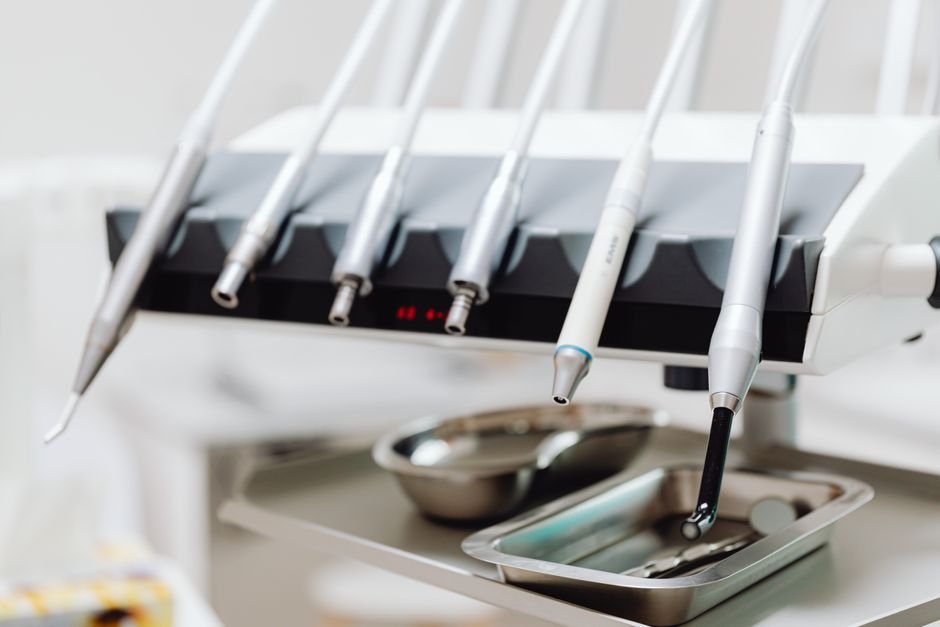
Childhood dental fear tends to stem from a mix of unfamiliarity, sensory overload, and a natural wariness of situations where someone else is in control of what happens to their body. The bright light, the reclining chair, the hum of equipment, and the request to lie still and open wide can all feel strange to a young child who has no context for what any of it means. Even the smell of a dental surgery can trigger unease, since scent is closely tied to memory and children often associate unfamiliar smells with uncertainty.
Fear can also be learned rather than experienced firsthand. A child who overhears an older sibling or adult describe a visit as unpleasant, or who senses a parent’s own nervousness in the waiting room, will often absorb that same apprehension before ever sitting in the chair. Because young children take emotional cues from the adults around them, calm and neutral body language from parents plays a bigger role in shaping their reaction than almost anything else.
Dental anxiety in younger children often shows up as clinginess, crying, refusal to open their mouth, or physical complaints like a sudden stomach ache on the morning of an appointment. Older children may express it more directly, saying they feel sick with worry or asking repeated questions about what will happen. Some children mask their fear with bravado, insisting they are not scared while showing tense shoulders, fidgeting, or reluctance to make eye contact with the dental team.
Recognising these signs early allows a parent to respond with reassurance rather than frustration. It helps to treat the anxiety as a normal reaction rather than a behavioural problem, since scolding or dismissing a child’s fear tends to heighten it rather than calm it. Naming the feeling out loud, such as saying it is fine to feel a bit nervous and that plenty of children feel the same way, often reduces the intensity of the reaction simply by making the child feel understood.
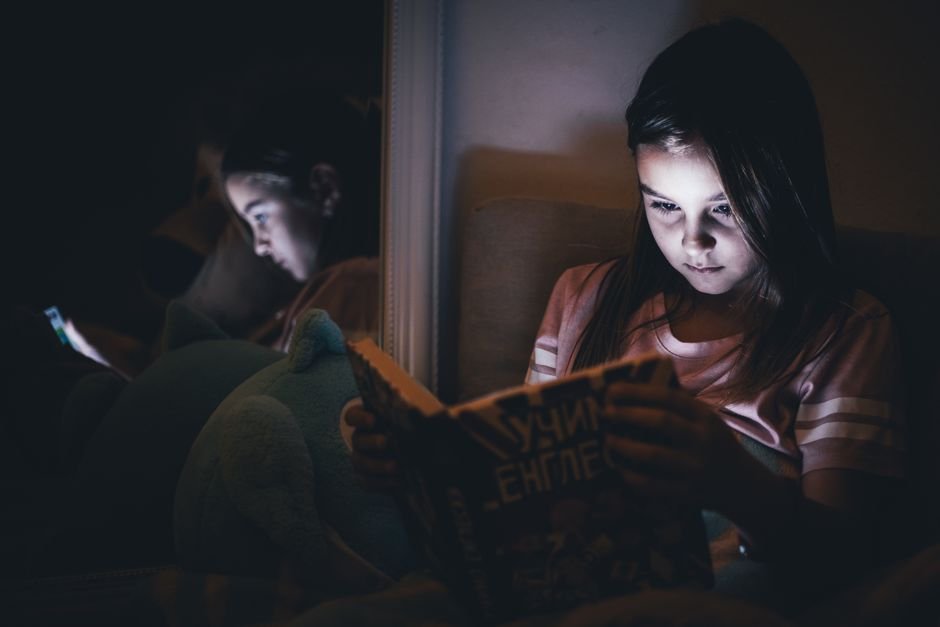
Preparation works best when it happens gradually and without drama. Reading a simple picture book about a trip to the dentist, watching a short child-friendly video, or playing a pretend game at home where a stuffed toy has its teeth checked can all help a child build a mental picture of what to expect. It is worth mentioning basic details in a matter-of-fact way, such as the dentist counting teeth, using a small mirror, and perhaps a soft brush, rather than leaving the visit as a complete mystery.
Timing also matters. Booking an appointment for a time of day when the child is well rested and not hungry reduces the chance of a meltdown that has nothing to do with dentistry at all. Some families find it useful to bring a younger child along to watch an older sibling’s routine check-up first, since seeing a familiar face go through the process calmly can be more reassuring than any amount of explanation.
Language has a surprisingly strong influence on how a child anticipates a visit. Words like “hurt,” “pain,” “injection,” or “drill” plant an expectation of discomfort before anything has even happened, so it is far better to use neutral, simple terms such as “check,” “count,” and “clean.” Describing the appointment as a chance for the dentist to make sure their teeth are strong and healthy frames the visit as a positive, caring event rather than something to be endured.
It also helps to avoid bribery framed around survival, such as promising a treat “if you’re brave” or “if you don’t cry,” since this implies the visit is something to be feared in the first place. A better approach is to praise cooperation and calmness after the appointment as a natural, expected outcome, and to avoid using the dentist as a threat or punishment for poor brushing habits at home, which can create lasting negative associations.
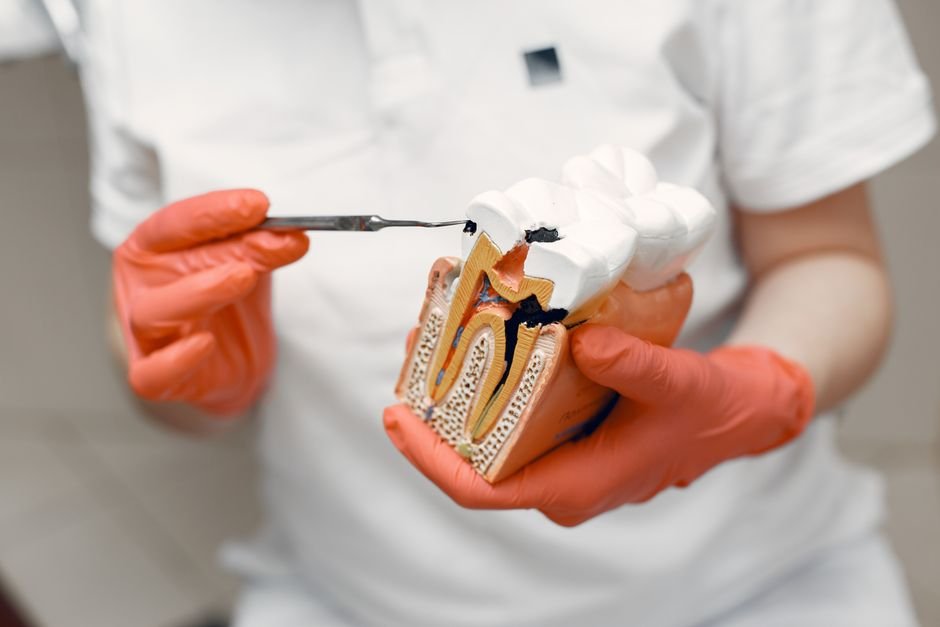
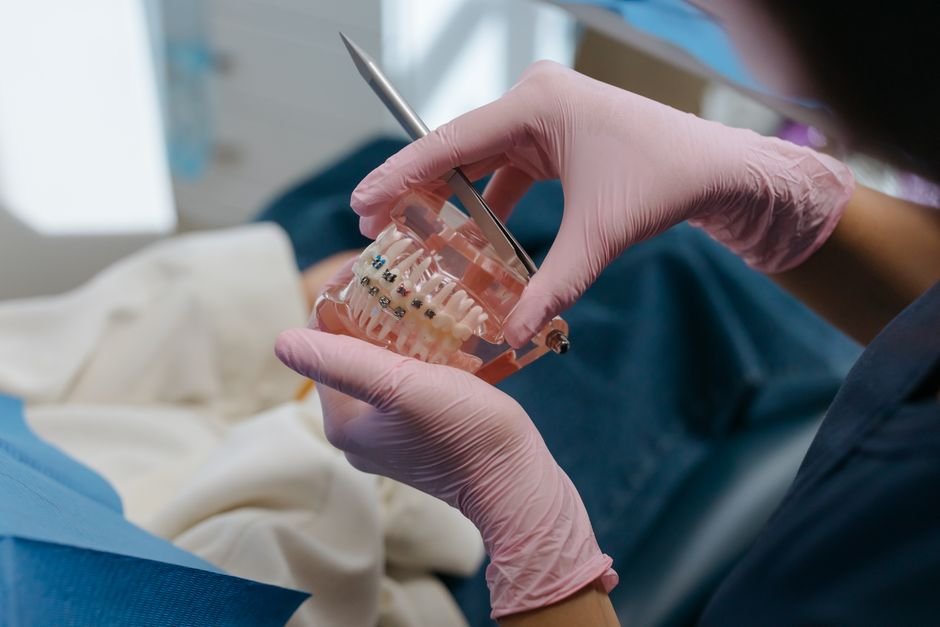
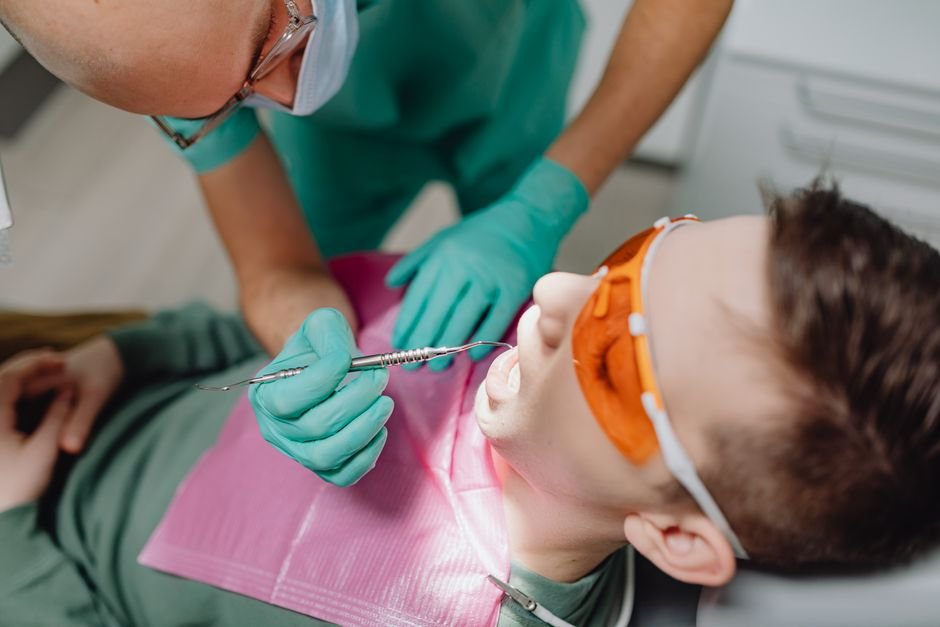
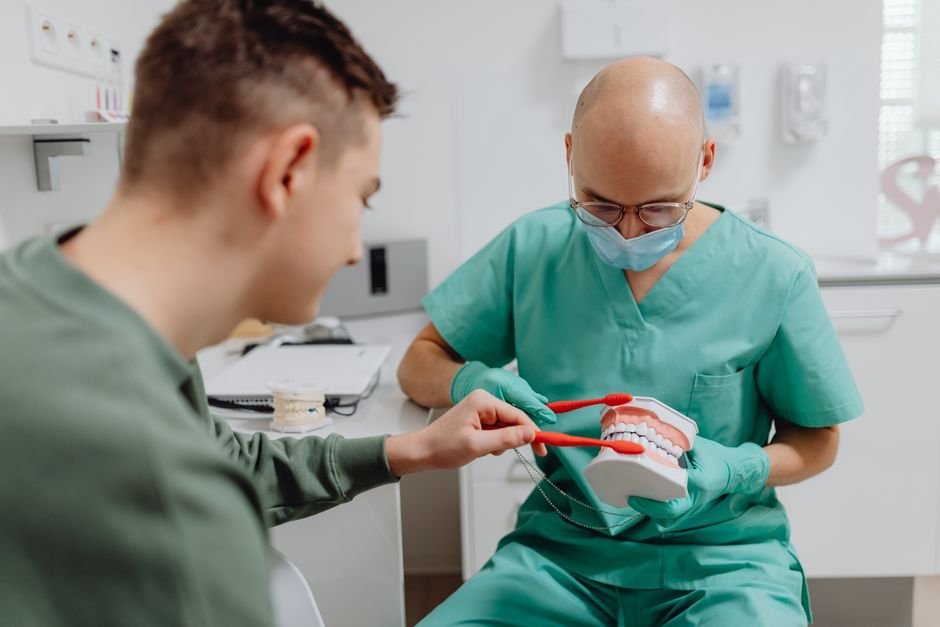
Dental teams who see many young patients tend to use a technique often described as “tell, show, do,” where they explain what a tool does, let the child see and sometimes touch it, and only then use it in the mouth. This step-by-step transparency removes much of the fear of the unknown and gives the child a sense of predictability. Many practices also pace the first visit deliberately slowly, sometimes doing little more than a look and a count of teeth so the child leaves with a positive first memory.
Friendly, unhurried communication is just as important as any technique. Dentists who speak directly to the child rather than only to the accompanying parent, who use simple age-appropriate explanations, and who allow small breaks if a child becomes overwhelmed tend to build trust far more quickly. Over several visits, this consistency helps a child learn that the dental chair is a predictable, safe place rather than something to brace against.
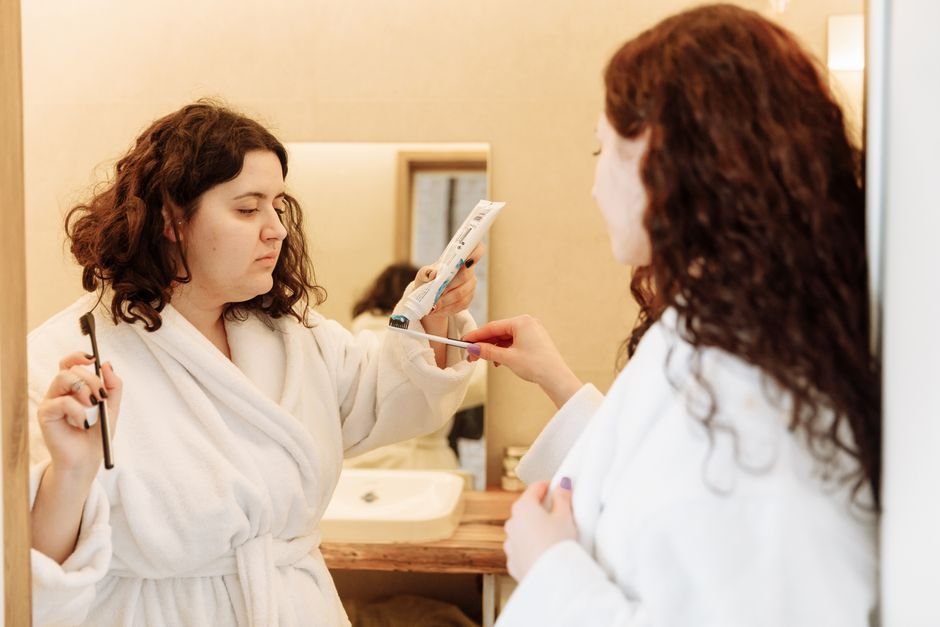
Play-based preparation is one of the most effective tools available to parents because it turns an unfamiliar event into something the child has already rehearsed. Role-playing at home, where the child takes turns being the dentist and the patient with a toothbrush and a torch, familiarises them with the basic actions of a check-up in a setting they control completely. This sense of control is often what is missing in the real appointment, so rehearsing it beforehand can meaningfully reduce anxiety.
Picture books and age-appropriate videos serve a similar purpose by normalising the experience through a story rather than a lecture. Children often respond better to a character they like going through the same steps than to a parent simply telling them there is nothing to worry about. Repetition matters too; reading the same reassuring story a few times in the days before a visit reinforces familiarity rather than introducing something new right before the appointment itself.
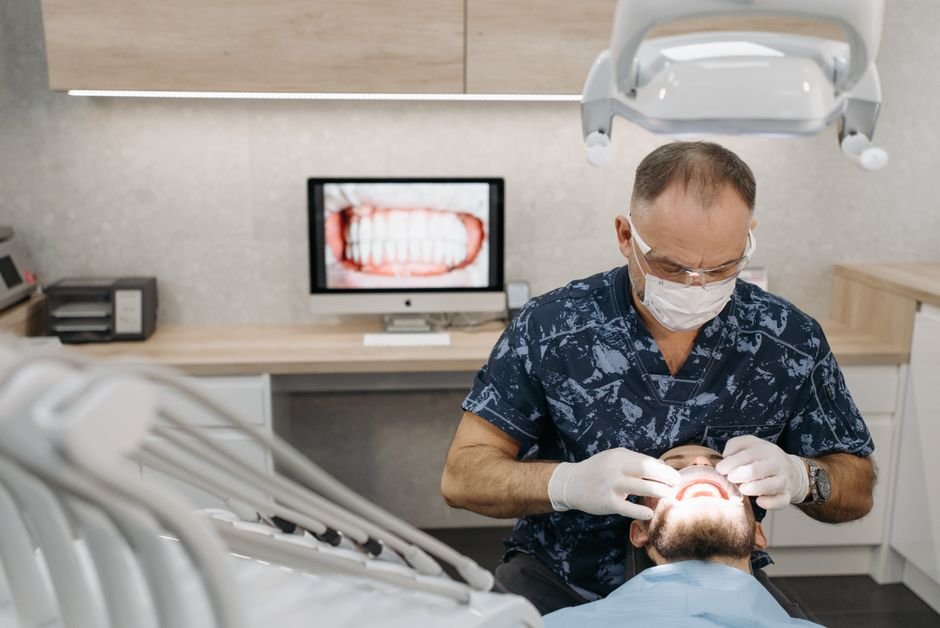
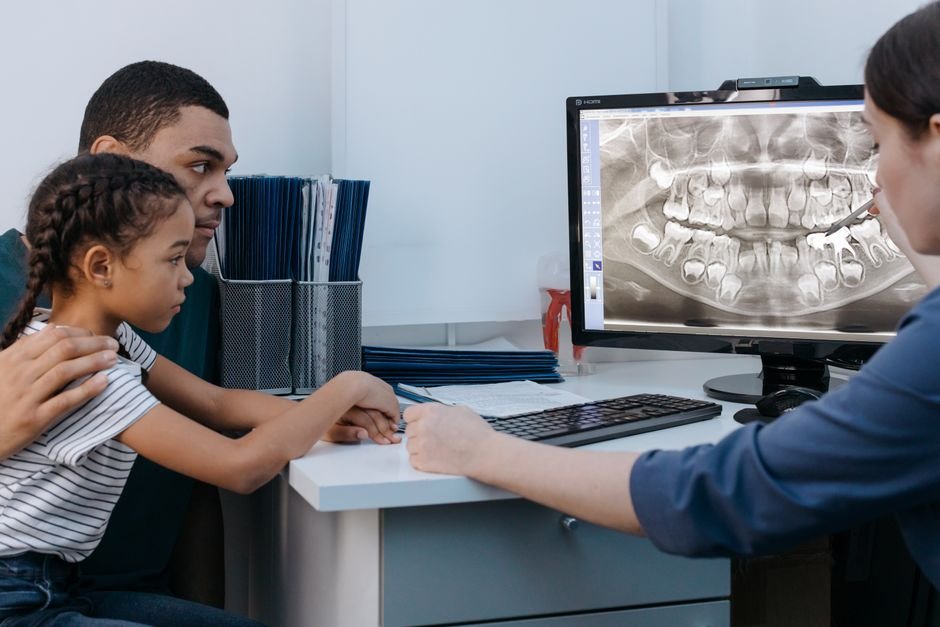
A standard check-up for a child is usually brief and follows a predictable pattern. The dentist or hygienist will typically count and look at the teeth, check how the bite fits together, look for any early signs of decay, and may apply a fluoride treatment or clean away any built-up plaque. For very young children or first visits, treatment is often kept to the bare minimum so the experience stays short and positive.
Throughout the appointment, the dental team will usually narrate what they are doing in simple, friendly language, pausing to answer questions and offering encouragement along the way. Parents are typically welcome to stay close by, particularly for younger children, offering a reassuring hand to hold or simply being present in the child’s eyeline. The entire visit for a routine check often takes only a matter of minutes, which can be worth mentioning to a nervous child beforehand.
For children whose fear persists beyond the first few visits, consistency and patience tend to work better than pushing through discomfort. Sticking with the same dentist and the same practice allows familiarity to build over time, since a new environment and unfamiliar staff can reset a child’s progress. Some families also find it helpful to schedule slightly more frequent, shorter check-ups initially, which keeps each individual visit low-stakes while still building positive experience.
It is worth remembering that a child’s fear is unlikely to disappear overnight, and setbacks after a difficult appointment are common and not a sign of failure. Praising small steps, such as sitting in the chair without protest or allowing a mirror check even if a full clean does not happen that day, helps build confidence gradually. Over months, most children who receive this steady, unpressured support settle into treating dental visits as routine rather than something to dread.
Most guidance suggests bringing a child in for their first check once their early teeth have started to appear, so the dental team can monitor healthy development from the outset. Starting early also means the first visits happen before any treatment is likely to be needed, which helps the child build a calm, low-pressure association with the dentist from the very beginning.
Stay calm and avoid reacting with frustration, since children often mirror the emotional tone of the adult around them. Try talking about the visit using neutral, simple language well in advance rather than springing it on them, and consider a practice run at home with role-play or a picture book. If the crying is severe or persistent, mentioning it to the dental practice beforehand allows them to plan a gentler, slower-paced appointment.
Yes, this is common and does not mean earlier progress has been lost. A single uncomfortable moment, a change in routine, or even unrelated tiredness can bring nervousness back temporarily. Returning to the same calm, predictable preparation steps that worked before usually helps the child settle again within a visit or two.
For younger children, staying close by and within sight is usually reassuring and can be discussed with the dental team beforehand. Some older children, however, feel more confident and cooperative without a parent present, since they can focus fully on the dentist’s instructions rather than looking to a parent for reassurance. It is worth asking your child what they would prefer and discussing the options with the practice.
Yes, simple distraction can meaningfully lower anxiety during a visit by giving a child’s attention somewhere else to go. A favourite small toy to hold, a story to listen to, or counting a rhythm together with the dentist can all shift focus away from any strange sensations. Many family-friendly practices already build small distractions like these into their routine for younger patients.

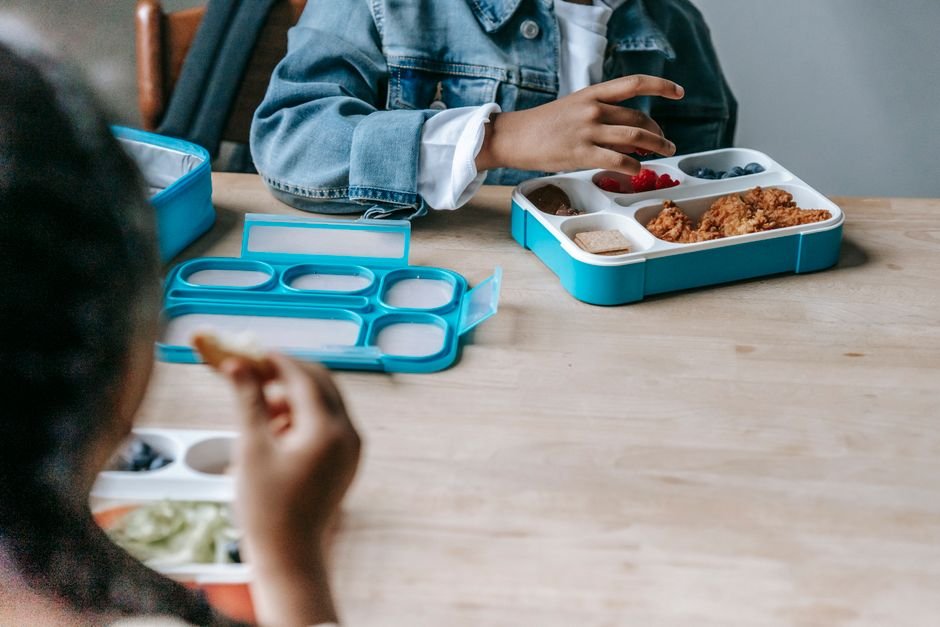
What and when a family eats together has a surprisingly direct effect on children’s dental health, since mealtime patterns often

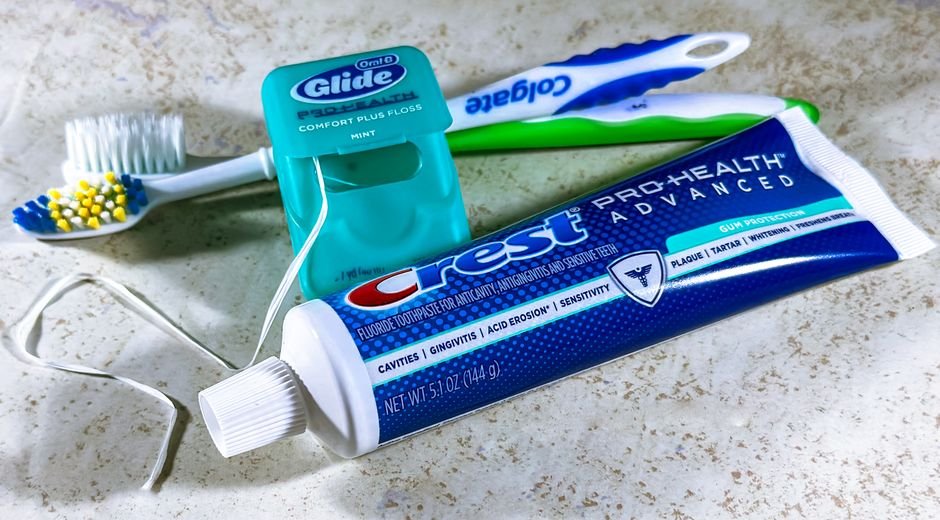
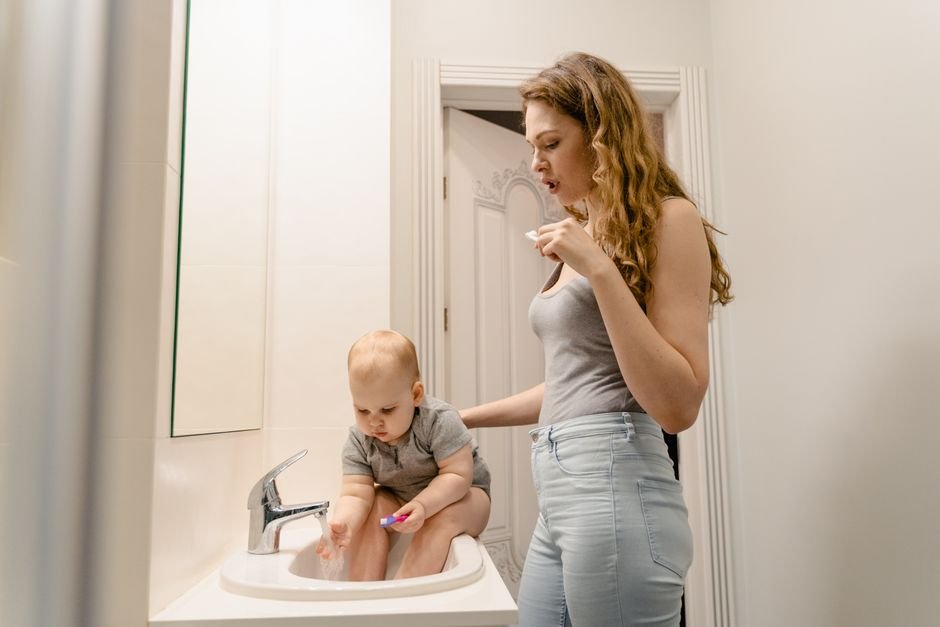
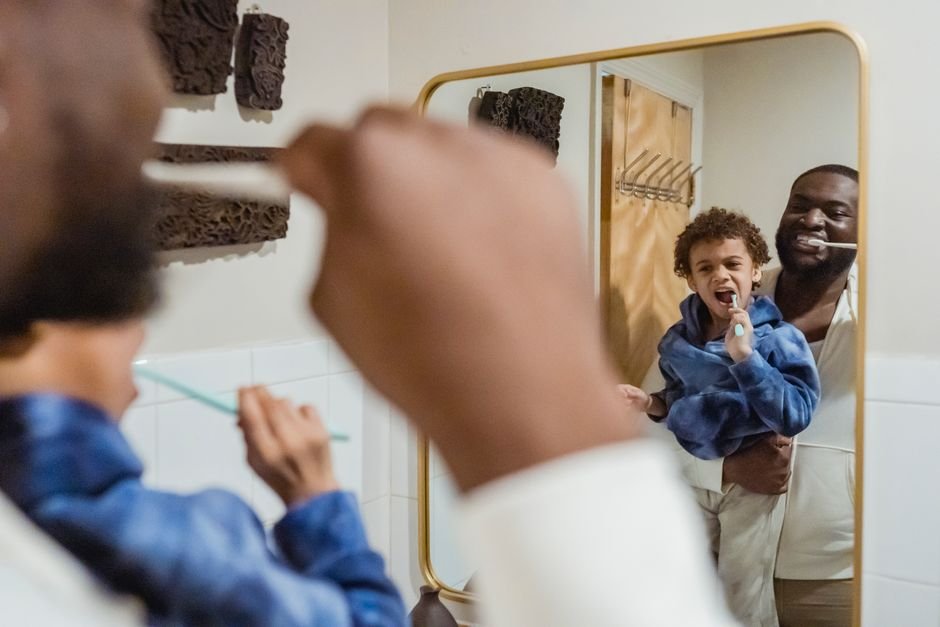
Children are far more likely to stick with good oral care habits when they see parents practising the same routines
Most dentists recommend a child’s first dental visit by their first birthday, or within six months of their first tooth
 English