



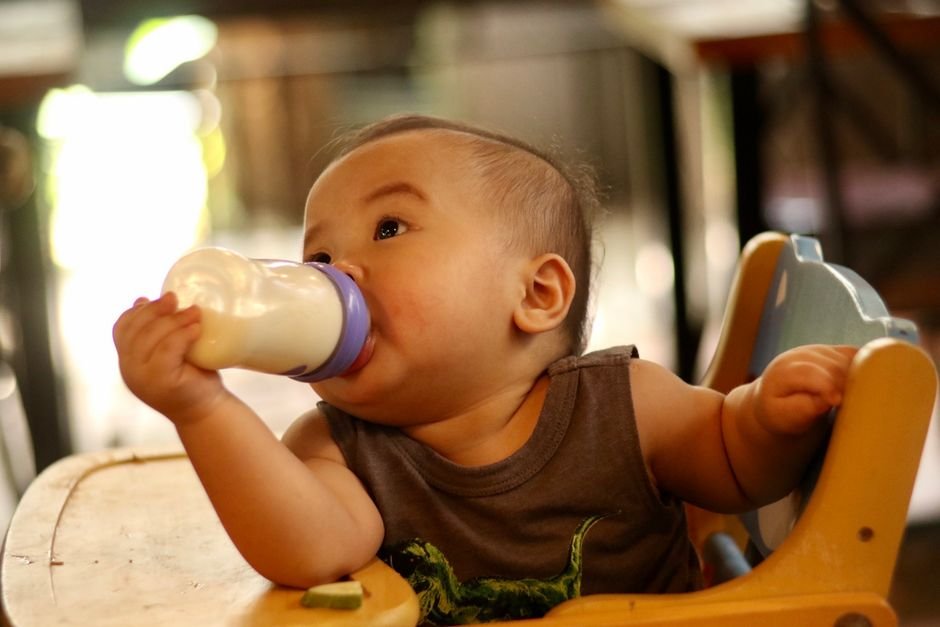






































Bottle feeding can contribute to early childhood tooth decay when a baby’s teeth are bathed in milk, formula, juice or other sugary drinks for long periods, especially overnight or while falling asleep. Bacteria in the mouth turn these natural and added sugars into acid, which attacks the thin enamel of baby teeth. Avoiding bottles in bed, offering only water between feeds, cleaning teeth from the first tooth and moving to a cup around the first birthday greatly reduce the risk.
Key takeaways
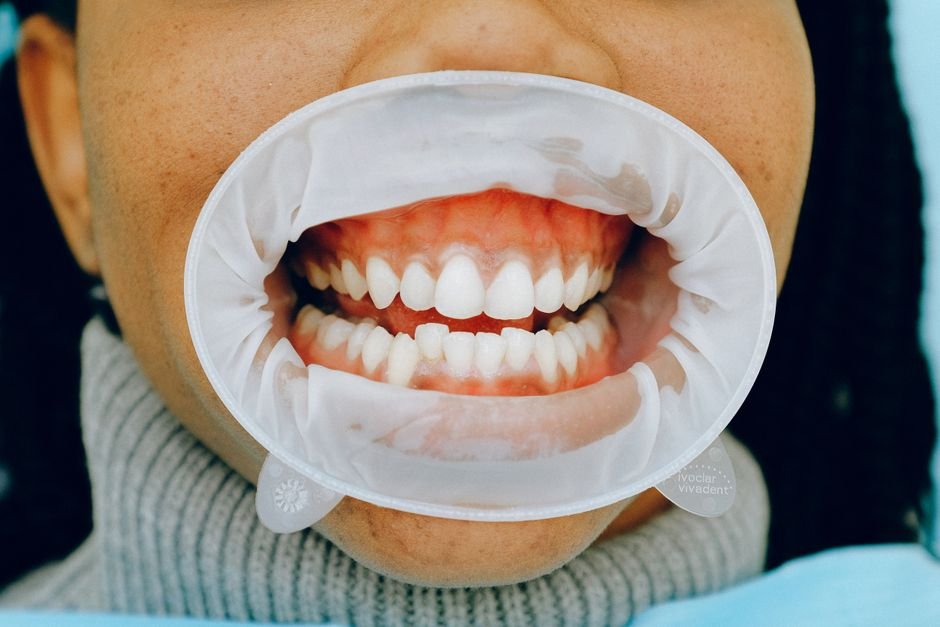
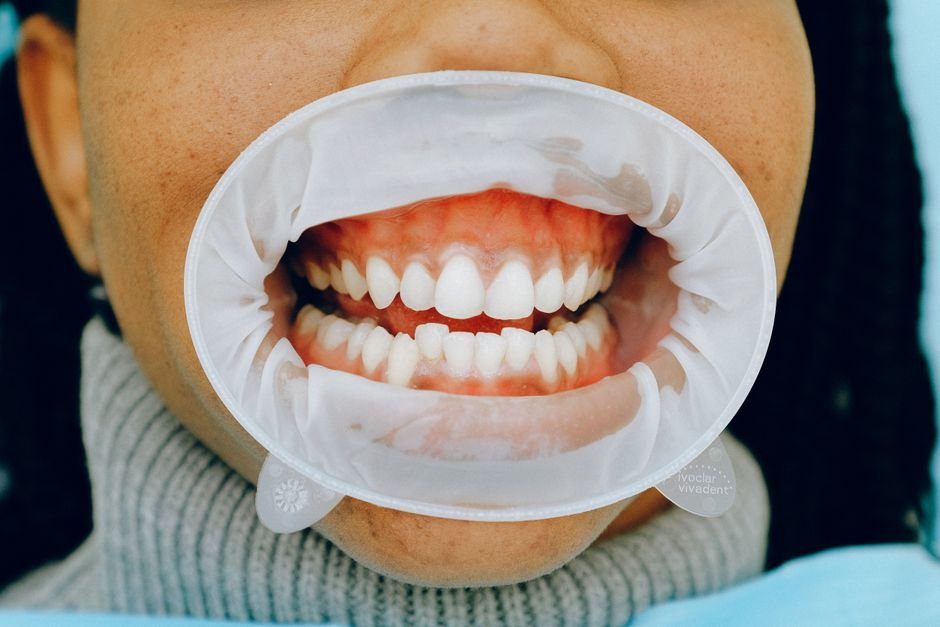
Early childhood tooth decay, sometimes called baby bottle tooth decay or early childhood caries, describes cavities that develop in the baby teeth of infants and young children. It often begins on the upper front teeth, because these are the first to come through and are the most exposed to pooling liquid during feeds. The lower front teeth tend to be protected by the tongue during sucking, which is why decay frequently affects the top teeth first.
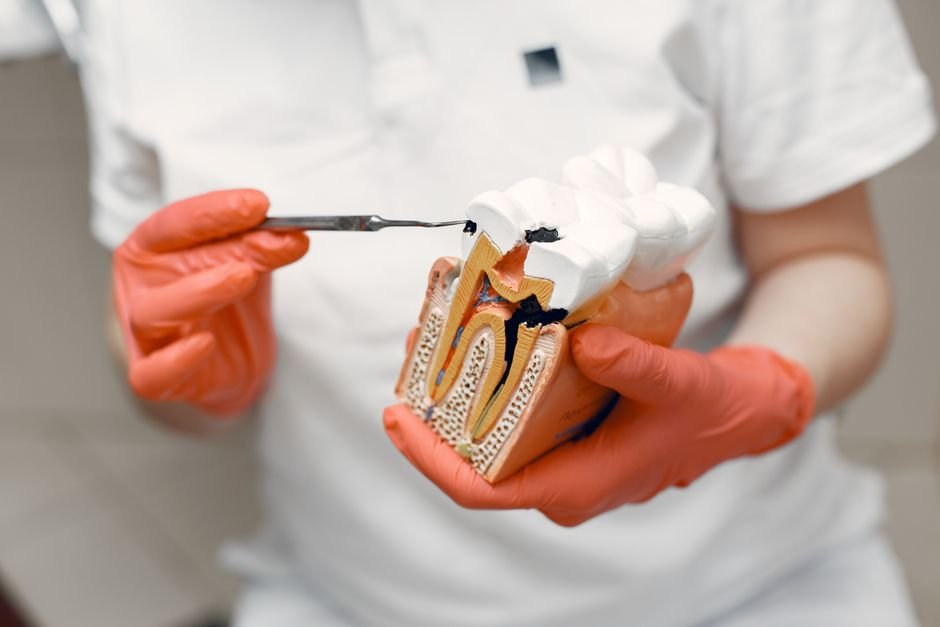
The earliest sign is usually a dull, chalky white line or patch near the gumline. If nothing changes, these areas can turn yellow, brown or black and gradually break down. Because baby teeth have thinner enamel than adult teeth, decay can spread surprisingly quickly. Early childhood tooth decay is one of the most common long-term conditions in young children worldwide, yet it is also largely preventable with simple, consistent changes to feeding and cleaning routines.
Milk, including breast milk and formula, naturally contains sugars that help fuel a baby’s growth. Juice and sweetened drinks contain even more. Every time these liquids touch the teeth, bacteria in plaque use the sugars to produce acid. Saliva normally washes the teeth and neutralises this acid between drinks, allowing enamel to recover. Problems arise when the teeth are exposed to sugars repeatedly or for long stretches without a break.
Bottles make it easy for babies and toddlers to sip slowly over long periods, especially when used as a comforter while playing, travelling or settling to sleep. During sleep, saliva flow drops significantly, so any milk left around the teeth stays there for longer, giving bacteria hours to produce acid. This combination of frequent sugar exposure and reduced natural protection is the main reason bottle habits are so closely linked with early childhood decay.
Breastfeeding has many well-recognised benefits for babies and is not considered a cause of tooth decay in itself. Breast milk does contain natural sugars, however, so once teeth appear, the same principles of oral hygiene apply. Frequent night-time feeding into the toddler years, combined with other sugary foods in the diet and no tooth cleaning, may increase the risk of decay in some children.
Rather than stopping breastfeeding, the focus should be on keeping teeth clean and limiting other sources of sugar. Gently wiping or brushing the teeth after the last feed of the evening, where practical, and avoiding sweetened foods and drinks can make a real difference. Parents with questions about night feeding and their child’s teeth should speak with their dentist, health visitor or child health nurse, who can give advice tailored to the child’s age, development and feeding needs.
For young babies, breast milk or infant formula provides all the nutrition they need, and feeding guidance from your health professional should always come first. As children grow and begin solid foods, water becomes the safest drink to offer between meals. It hydrates without feeding plaque bacteria and helps rinse the mouth. Where tap water is fluoridated, it also delivers a small amount of extra protection to developing teeth.
Fruit juice, cordial, flavoured milk, sweetened teas and fizzy drinks should not be given in a bottle at all. Even juice described as having no added sugar is high in natural sugars and acids that harm enamel. If juice is offered to older toddlers, it is best kept small, diluted and served in an open cup with a meal rather than sipped throughout the day. Plain milk is best given at meal or snack times rather than carried around for constant sipping.
Putting a baby or toddler to bed with a bottle of milk, formula or juice is one of the strongest risk factors for early childhood decay. As the child drifts off, liquid pools around the upper front teeth and stays there through the night with little saliva to clear it away. Over weeks and months, this repeated overnight exposure can cause rapid and widespread damage to the enamel.
If your child needs a bottle to settle, try finishing the feed before they go into the cot, then cleaning their teeth and offering a different comfort such as a soft toy, a favourite blanket or a calm bedtime routine. If a bottle is still needed at night during a transition, fill it with water only. Gradually diluting milk with more water over several nights can make the change easier for children who are used to a milk bottle at bedtime.
Many health and dental professionals suggest introducing an open cup or a free-flowing cup from around six months, when solid foods are usually introduced, with the aim of phasing out bottles by around twelve to fifteen months. Learning to drink from a cup encourages sipping only when thirsty rather than for comfort, and it reduces the time liquid spends around the teeth. It also supports the development of mouth muscles used for speech and eating.
Non-spill cups with valves can behave much like a bottle, as children need to suck to get the liquid out. If you use one, treat it in the same way as a bottle and fill it with water between meals. Moving from bottle to cup can take patience. Offering the cup at regular meal and snack times, letting your child practise with small amounts of water and praising their efforts usually helps the change happen gradually without too much upset.
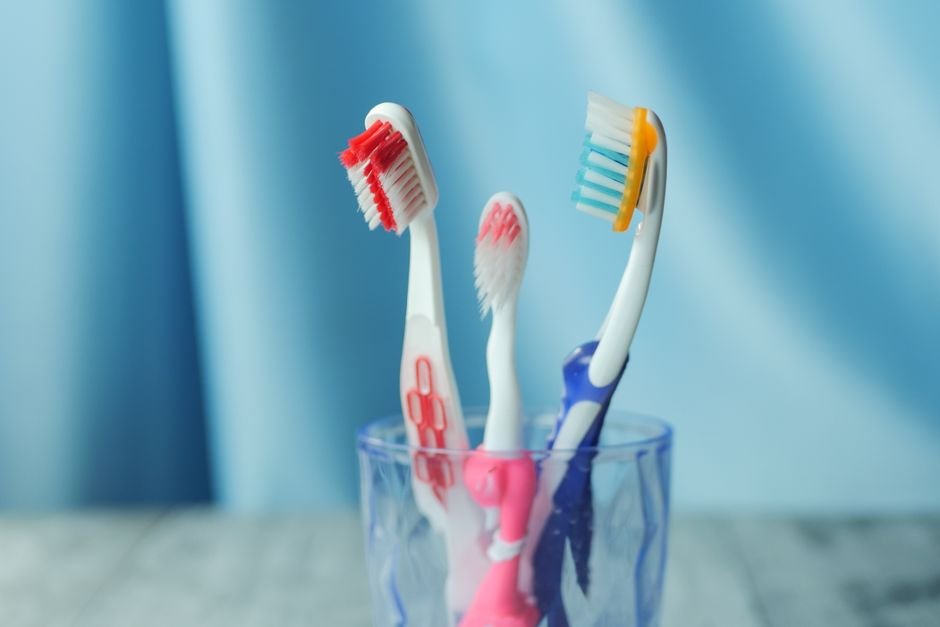
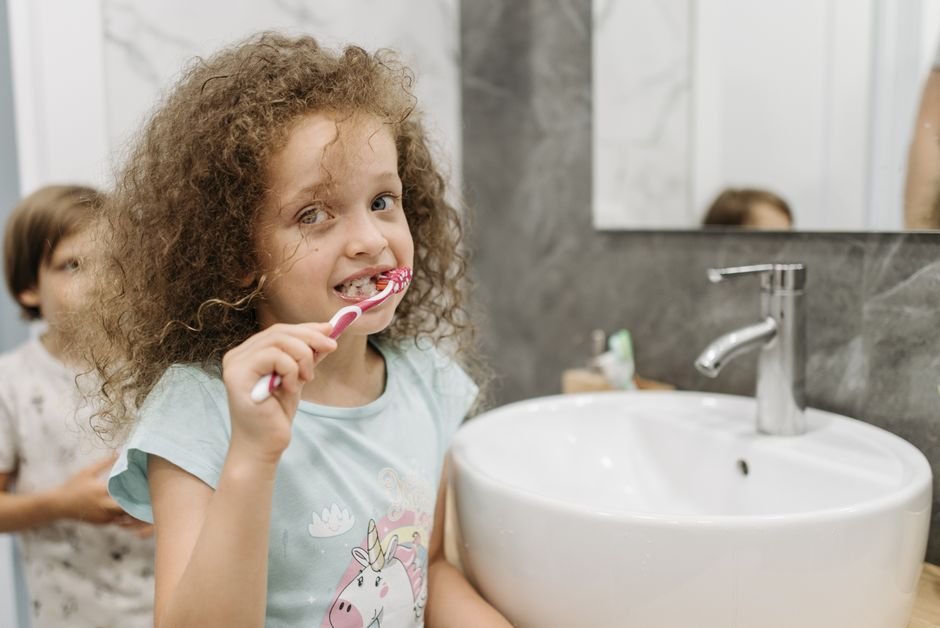
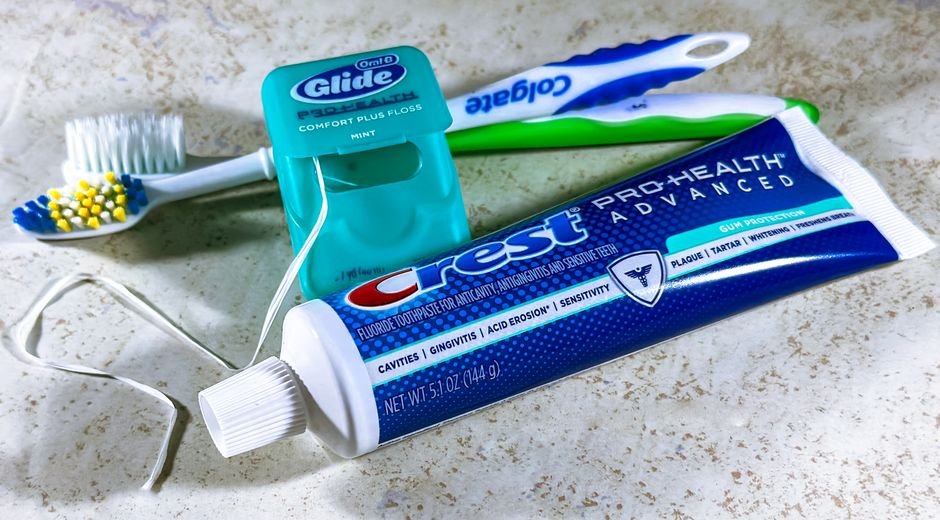
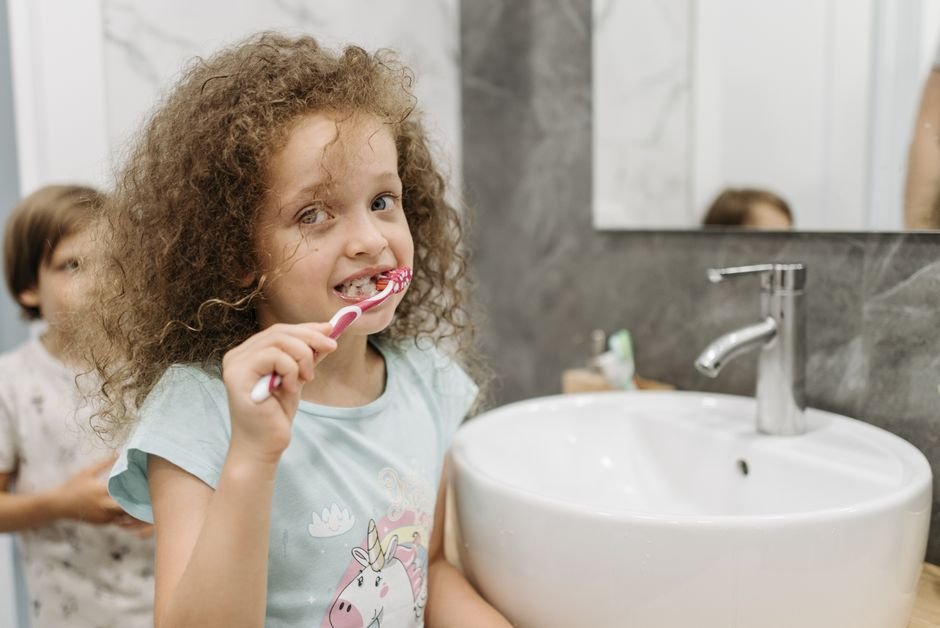
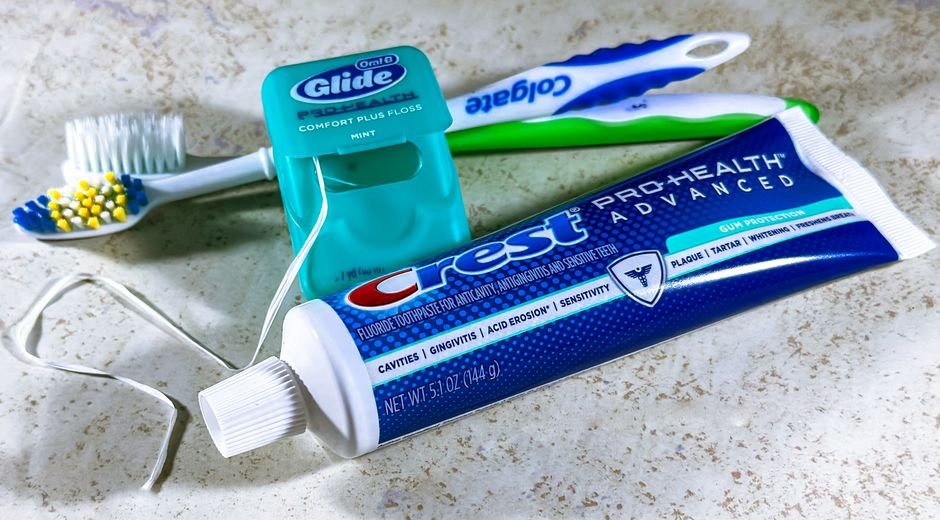
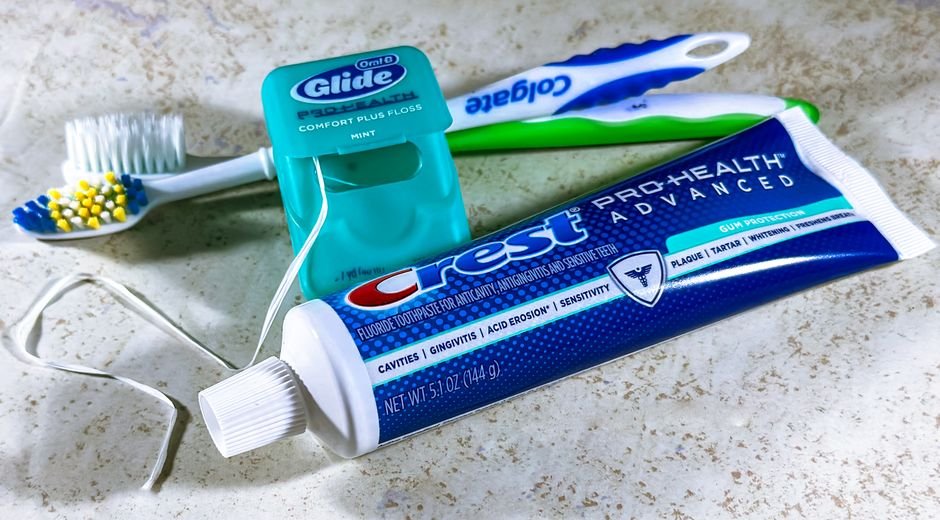
Oral care can begin even before teeth arrive by gently wiping the gums with a clean, damp cloth after feeds. Once the first tooth appears, start brushing twice a day, including just before bed, with a soft, small-headed toothbrush designed for babies. Use a smear of fluoride toothpaste, about the size of a grain of rice, for babies and toddlers under three, and a pea-sized amount for children aged three to six, unless your dental professional advises otherwise.
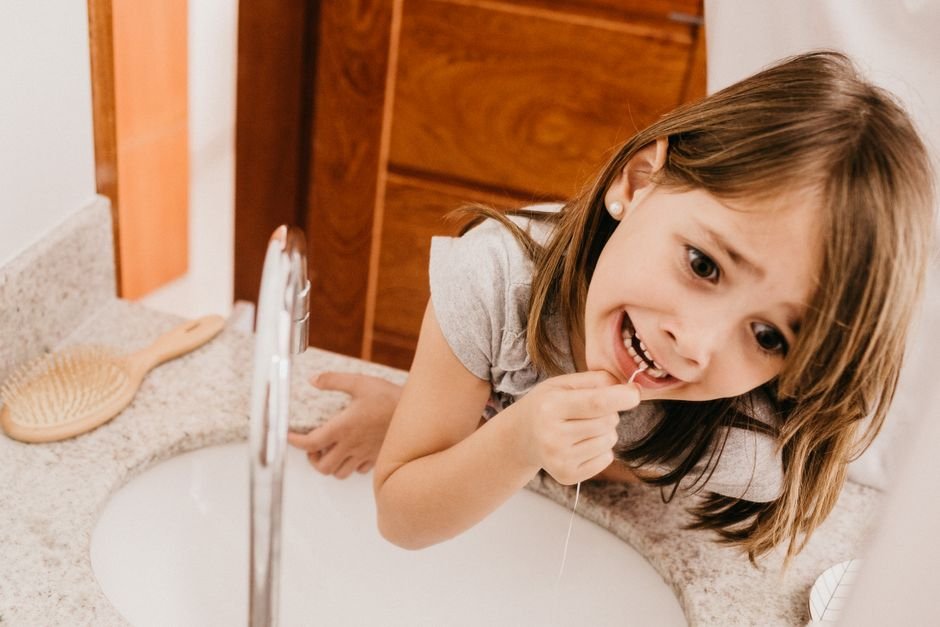
Position your child so you can see their teeth clearly, such as lying in your lap or standing behind them in front of a mirror. Brush gently along the gumline and every surface of each tooth. Encourage your child to spit out excess toothpaste rather than rinse, so a protective layer of fluoride stays on the teeth. Parents should continue to brush or closely supervise brushing until children can do it thoroughly themselves, often around the age of seven or eight.
Lift your child’s top lip regularly, perhaps once a month, and look closely at the front and back of the upper teeth near the gumline. Chalky white spots or lines, brown or yellow patches, rough areas or small holes can all be early signs of decay. Other warning signs include sensitivity when eating or drinking, a child refusing certain foods, swelling of the gum or face, persistent bad breath or unexplained irritability during meals.
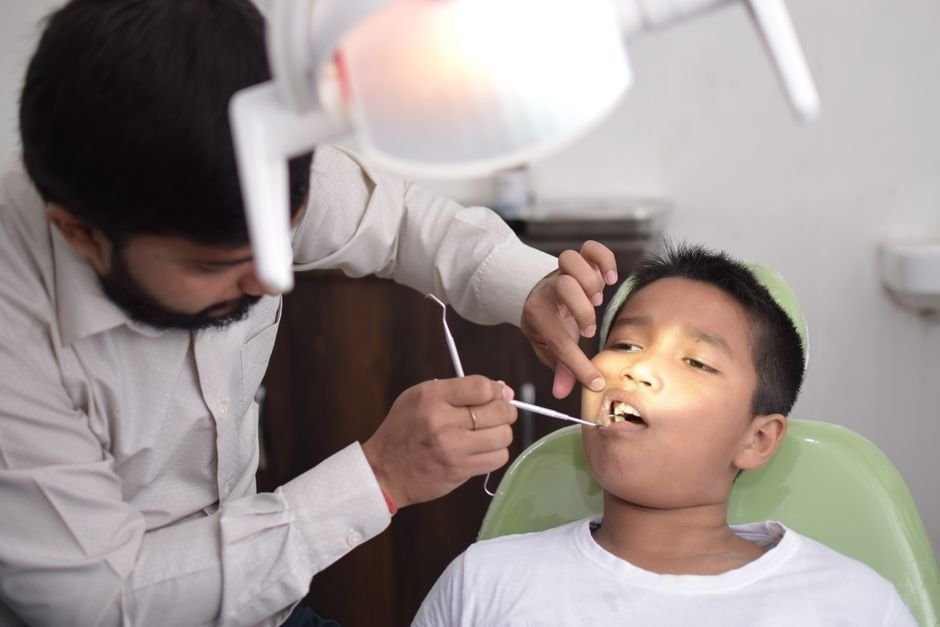
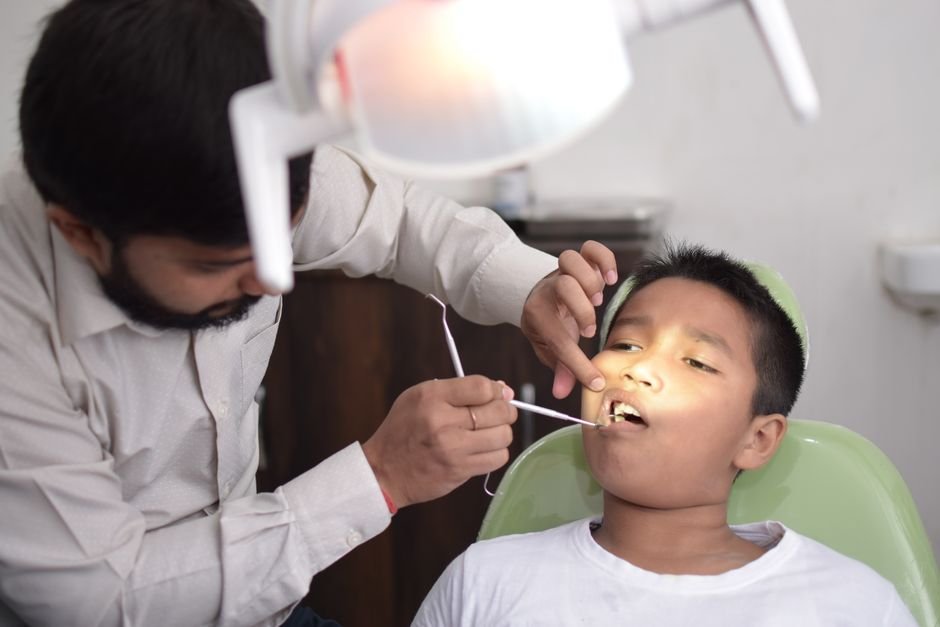
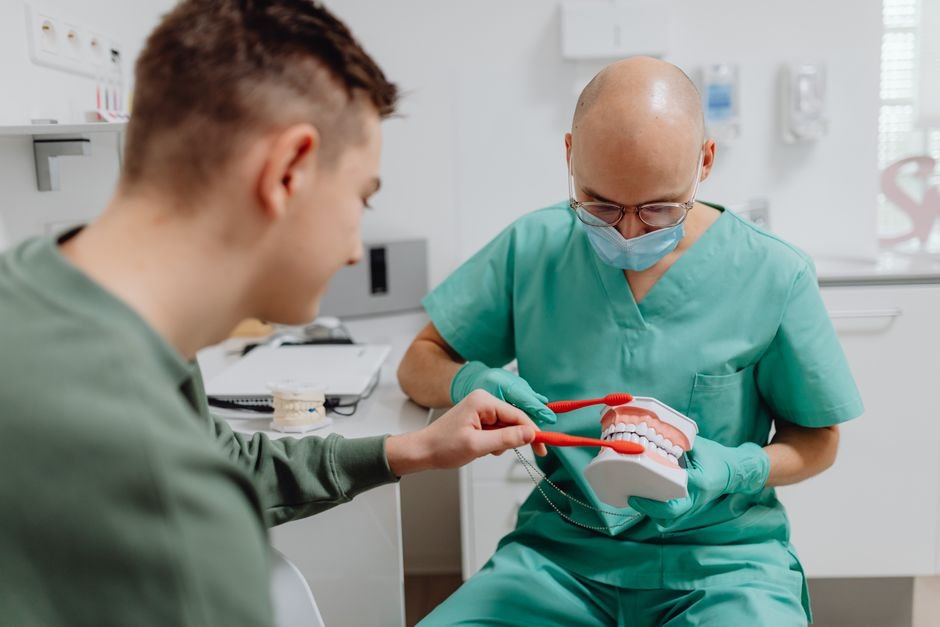
If you notice any of these signs, book a dental appointment promptly. Early white spots can sometimes be reversed with improved cleaning, fluoride and diet changes before they become cavities. Even if no problems are visible, a first dental visit is recommended when the first tooth appears or by around the first birthday. These early visits help children feel comfortable at the dentist and give parents a chance to ask questions about feeding, teething and tooth care.
Going to sleep with a bottle of milk or formula greatly increases the risk of tooth decay once teeth have appeared. Try finishing the feed before bed, cleaning the teeth and then settling your child without a bottle. If a bottle is still needed during a transition, fill it with water only.
Baby teeth are very important. They help children chew, speak clearly and smile with confidence, and they hold space for adult teeth. Decay in baby teeth can cause pain, infection and difficulty eating, and early tooth loss may cause crowding problems when adult teeth come through.
Start brushing with a smear of fluoride toothpaste, about the size of a grain of rice, as soon as the first tooth appears, unless your dental professional advises differently. Brush twice daily, including just before bedtime, and encourage your child to spit out the excess rather than rinse.
Even diluted juice contains sugars and acids that can damage teeth when sipped from a bottle over long periods. Bottles and non-spill cups between meals should contain water only. If juice is offered to an older toddler, keep it small, diluted and served in an open cup with a meal.
Very early decay, seen as chalky white spots, can sometimes be halted or reversed with better cleaning, fluoride and changes to feeding habits. Once a cavity has formed, the tooth needs professional treatment. A prompt dental visit is the best way to find out how advanced any changes are.

What and when a family eats together has a surprisingly direct effect on children’s dental health, since mealtime patterns often

Children are far more likely to stick with good oral care habits when they see parents practising the same routines
Most dentists recommend a child’s first dental visit by their first birthday, or within six months of their first tooth
 English