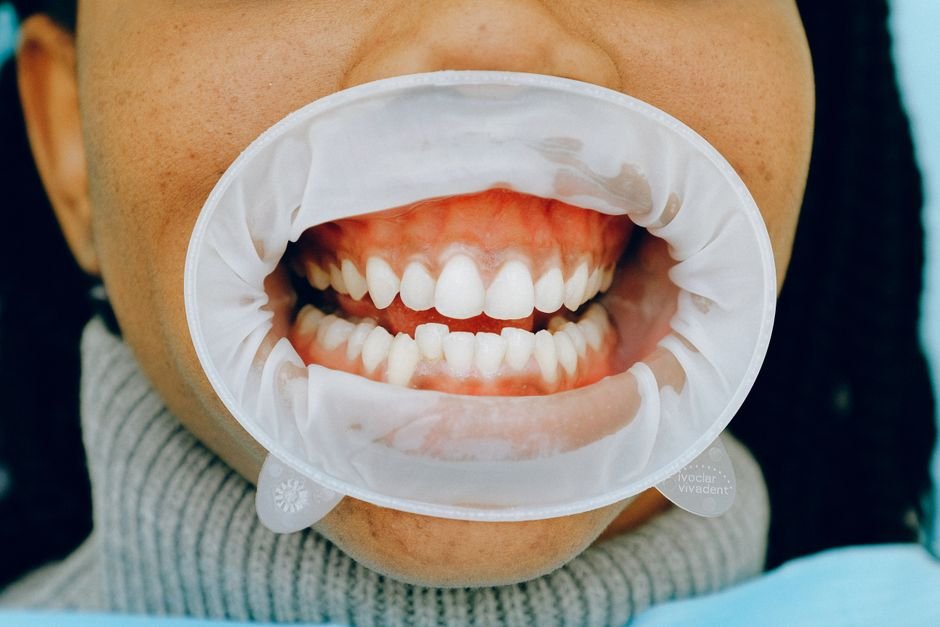

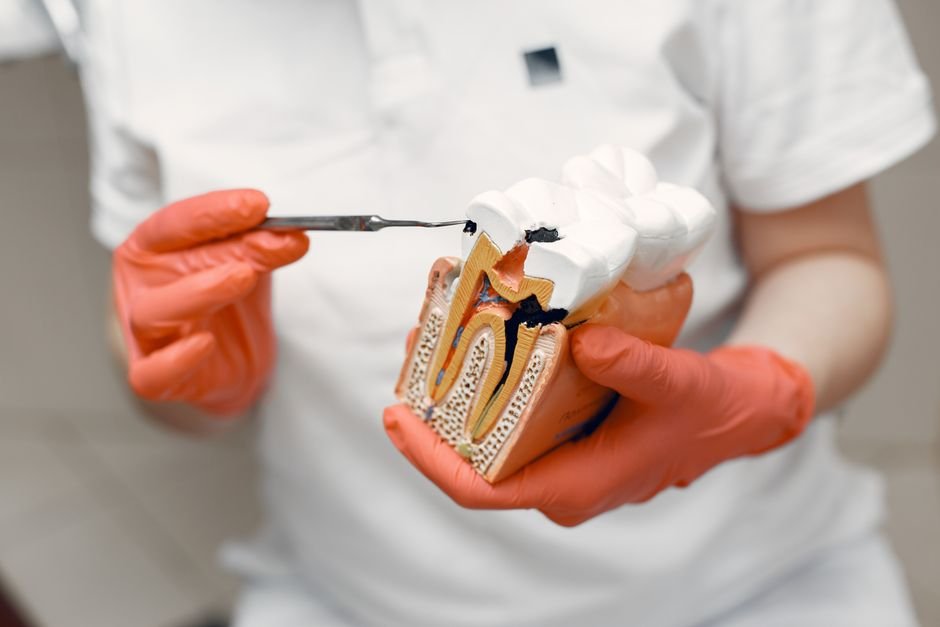






































Detecting cavities in children as early as possible, ideally before they progress beyond the enamel, gives families the best chance of simple, minimally invasive treatment rather than more extensive procedures later on. Modern dental technology has made this early detection considerably more reliable, helping dentists spot subtle changes in a child’s teeth that would have been much harder to identify through visual examination alone.
Key takeaways
Children’s teeth, particularly baby teeth, have thinner enamel than adult teeth, which means decay can progress from a minor surface issue to a deeper problem more quickly than in adult teeth. This faster progression makes the timing of detection especially important, since a small window of early intervention can prevent a much larger treatment need later.
Children’s teeth are also often more closely spaced, making it harder to visually spot decay forming between teeth during a routine look in the mouth. This combination of thinner enamel and tighter spacing is part of why relying on visual examination alone is less reliable in children than in adults, and why supplementary detection tools play such a valuable role.
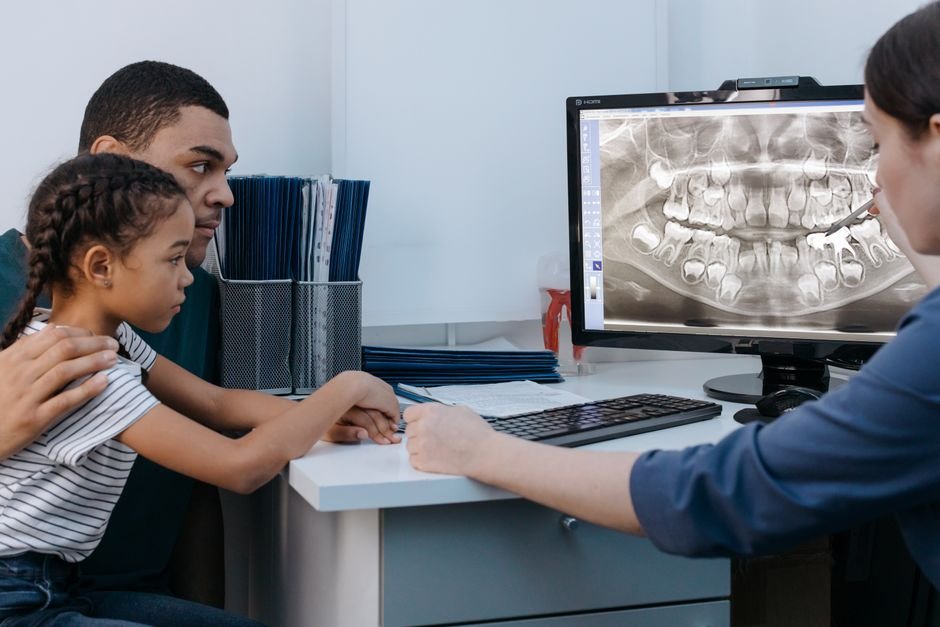
Digital X-rays produce clearer, more detailed images than older film-based X-rays, while also using significantly less radiation, an important consideration when imaging children. The improved clarity allows dentists to spot early decay between teeth or beneath existing fillings that might not be visible during a standard visual check.
Because digital images can be enlarged and enhanced on a screen, subtle early signs of decay become easier to identify than they would be on a small physical film image. This gives dentists a more reliable way to catch small areas of concern before they progress into something requiring more significant treatment, all while keeping radiation exposure appropriately low for a child’s developing body.
Some dental practices use tools that rely on laser fluorescence or specialised light wavelengths to detect changes in tooth structure that indicate early decay, even before a cavity is visible to the eye or shows up clearly on an X-ray. These tools measure how tooth structure responds to light in ways that differ between healthy and demineralising enamel.
This technology can be particularly useful for identifying very early decay on the chewing surfaces of back teeth, where deep grooves can hide developing problems from plain sight. Detecting decay at this early, sometimes reversible stage allows for less invasive management, sometimes involving fluoride treatments or sealants rather than a filling.
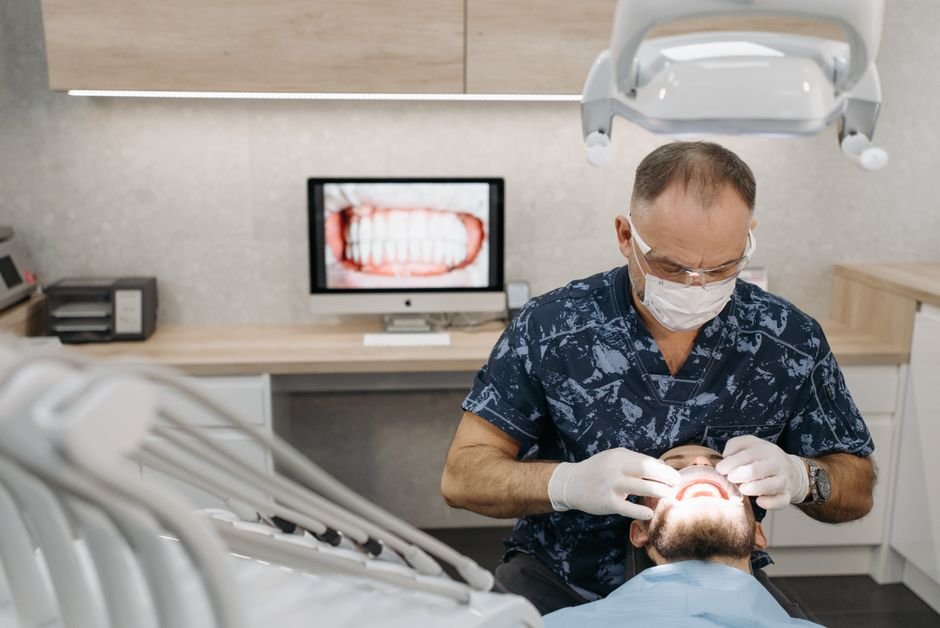
Intraoral cameras are small devices that capture magnified, well-lit images of individual teeth, allowing both the dentist and the family to see specific areas of concern clearly on a screen during the appointment. This magnified view can reveal early surface changes that would be difficult to see with the naked eye alone.
Beyond detection itself, these images help parents understand exactly what a dentist is seeing and why a particular recommendation, such as a sealant or fluoride treatment, is being suggested. This visual clarity often makes conversations about a child’s dental needs feel more concrete and easier to follow than a verbal description alone.
Yes, one of the most valuable aspects of modern detection tools is their ability to identify very early demineralisation, the initial stage of enamel weakening that precedes an actual cavity forming. At this early stage, the process can sometimes be slowed or even reversed through fluoride treatment and improved oral hygiene, avoiding the need for a filling altogether.
This is a meaningful shift from relying solely on visual inspection, which typically cannot detect a problem until enamel has already broken down enough to be seen. Catching decay at this earlier, still-reversible stage is one of the clearest practical benefits that modern detection technology brings to children’s dental care specifically.
The frequency of using tools like digital X-rays or laser fluorescence devices depends on a child’s individual risk factors, including their cavity history, diet, and how effectively they are currently managing oral hygiene. Children considered at higher risk for decay may benefit from more frequent monitoring using these tools compared to children with a low cavity risk and strong hygiene habits.
A dentist typically tailors this frequency to the individual child rather than applying a single fixed schedule to every patient, balancing the value of early detection against sensible use of imaging and other diagnostic tools. Regular checkups remain the foundation of this process, with technology supporting rather than replacing consistent professional monitoring.
No, detection technology is designed to support a dentist’s assessment during a checkup, not to replace the checkup itself. Regular visits allow a dentist to combine visual examination, professional cleaning, and any relevant imaging or detection tools into a complete picture of a child’s oral health at that point in time.
Skipping regular checkups in favour of relying on technology alone would miss the broader assessment a dentist provides, including monitoring gum health, bite development and overall oral hygiene habits. Technology works best as one part of a consistent, ongoing relationship with a dental provider rather than a standalone substitute for it.
When decay is caught at a very early stage, treatment options are often simpler and less invasive, sometimes involving fluoride varnish, improved hygiene habits, or a protective sealant rather than a filling. This not only reduces the immediate treatment needed but can also mean a more comfortable experience for the child, since simpler interventions are generally quicker and less involved.
By contrast, decay that goes undetected until it has progressed further often requires a filling, and in more advanced cases, more significant treatment. Early detection technology essentially widens the window during which the gentlest possible treatment option remains available, which is one of its most practical benefits for young patients specifically.
Parents do not need to understand the technical details of how these tools work, but knowing that they exist and what they are looking for can make dental visits feel less mysterious. Asking a dentist to explain what a particular tool is checking for, and what any findings mean, is a reasonable and often welcomed part of a child’s appointment.
Understanding that these tools are aimed at catching problems as early and gently as possible, rather than being an indication that something is already seriously wrong, can also help reduce any anxiety a parent might feel when a dentist recommends additional imaging or testing during a routine visit.
Digital X-rays use significantly less radiation than older film-based X-rays and are considered safe when used appropriately and only as often as clinically necessary. Dentists follow established guidelines to keep radiation exposure as low as reasonably possible while still gaining useful diagnostic information.
Laser and light-based detection tools are particularly good at identifying very early surface changes, especially in the grooves of back teeth, that may not always show clearly on an X-ray. Combining different detection methods often gives a more complete picture than relying on a single tool alone.
Most modern detection tools, including intraoral cameras and laser fluorescence devices, are non-invasive and do not cause discomfort. Digital X-rays require a child to briefly hold a small sensor in place, which some children adjust to more easily than others, but the process itself is quick and painless.
Modern tools can sometimes detect the very earliest stage of enamel demineralisation, before a visible cavity has formed, allowing for management through fluoride and improved hygiene rather than a filling. This early stage detection represents one of the most significant advantages of current dental technology for children.
Not necessarily. The frequency of additional detection tools depends on a child’s individual risk factors and dental history, and a dentist will tailor recommendations accordingly rather than using the same tools at every visit regardless of need.

What and when a family eats together has a surprisingly direct effect on children’s dental health, since mealtime patterns often

Children are far more likely to stick with good oral care habits when they see parents practising the same routines
Most dentists recommend a child’s first dental visit by their first birthday, or within six months of their first tooth
 English