











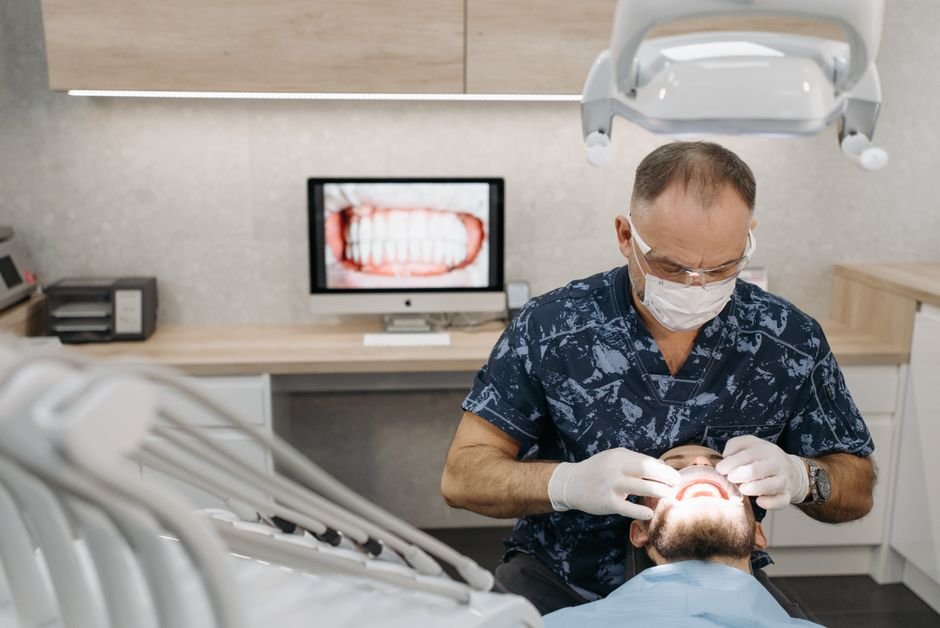



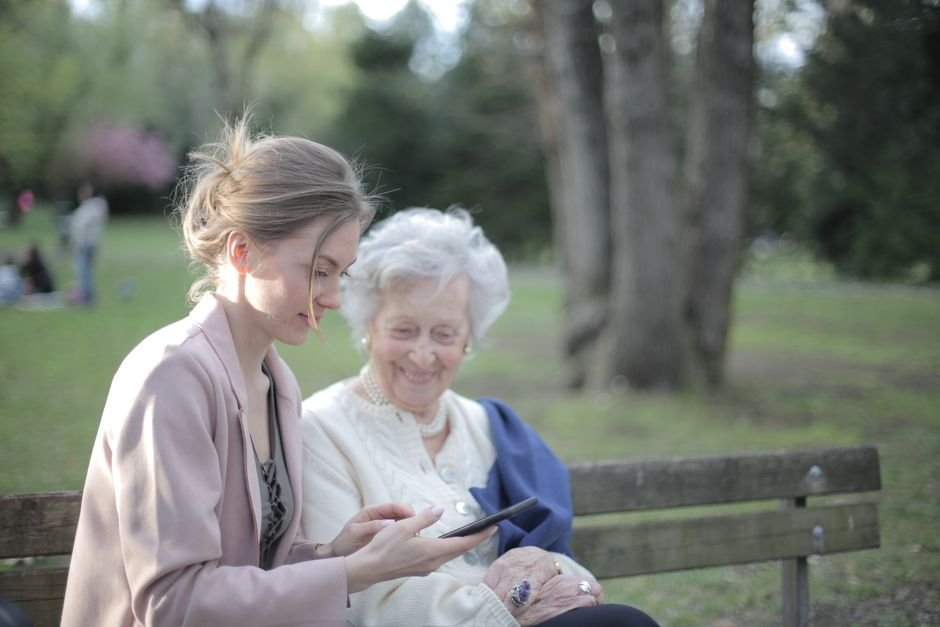






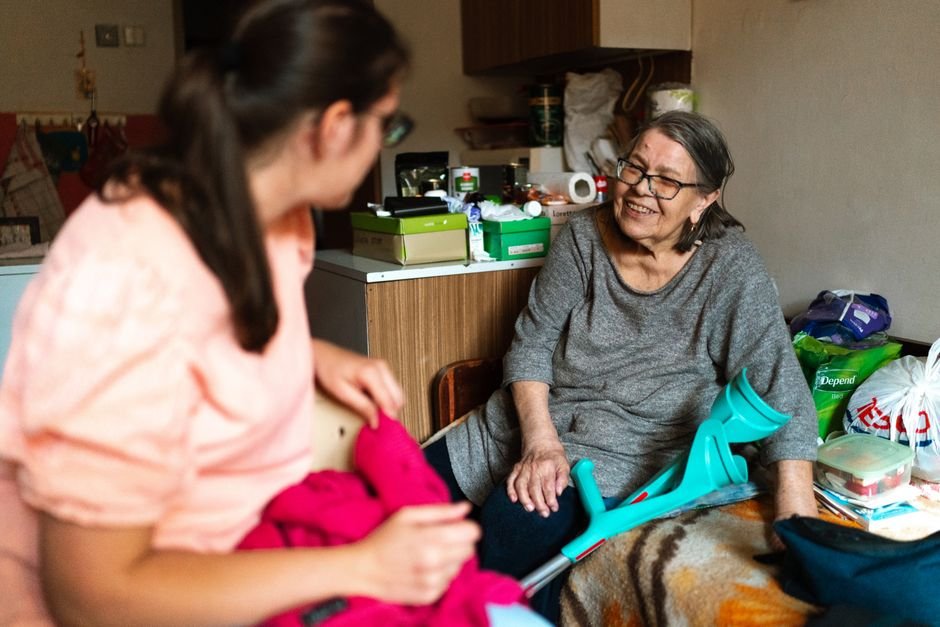




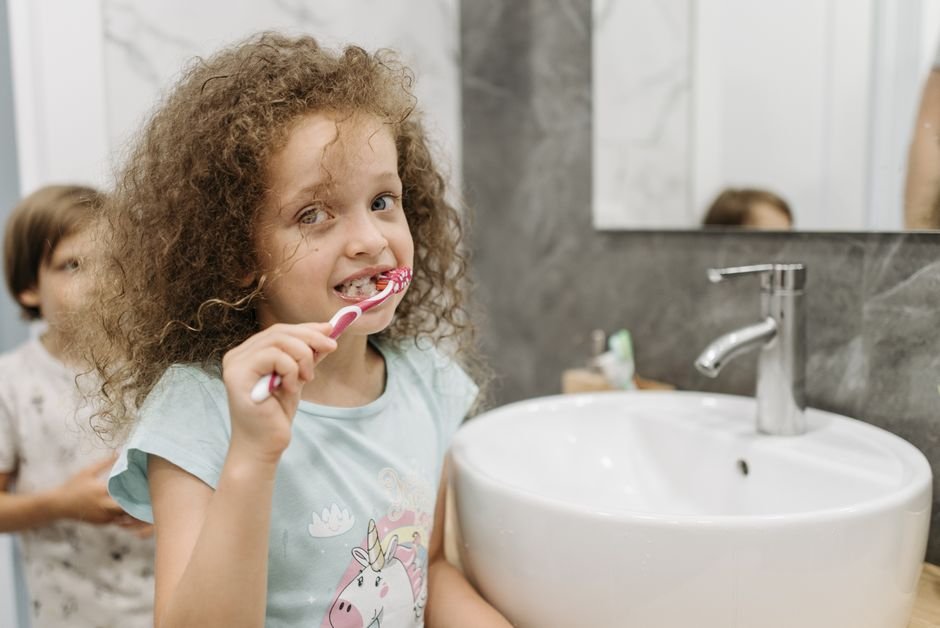












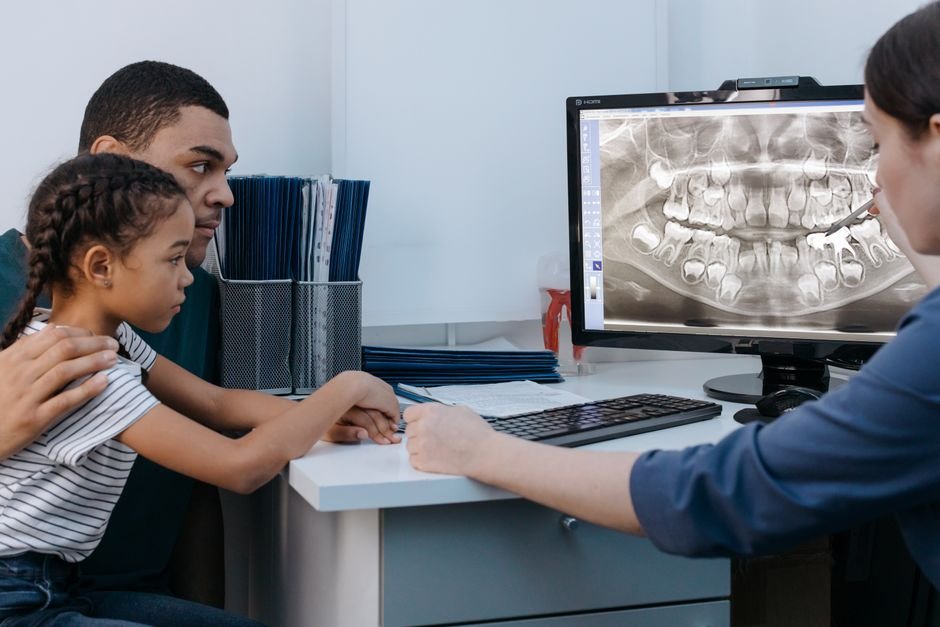

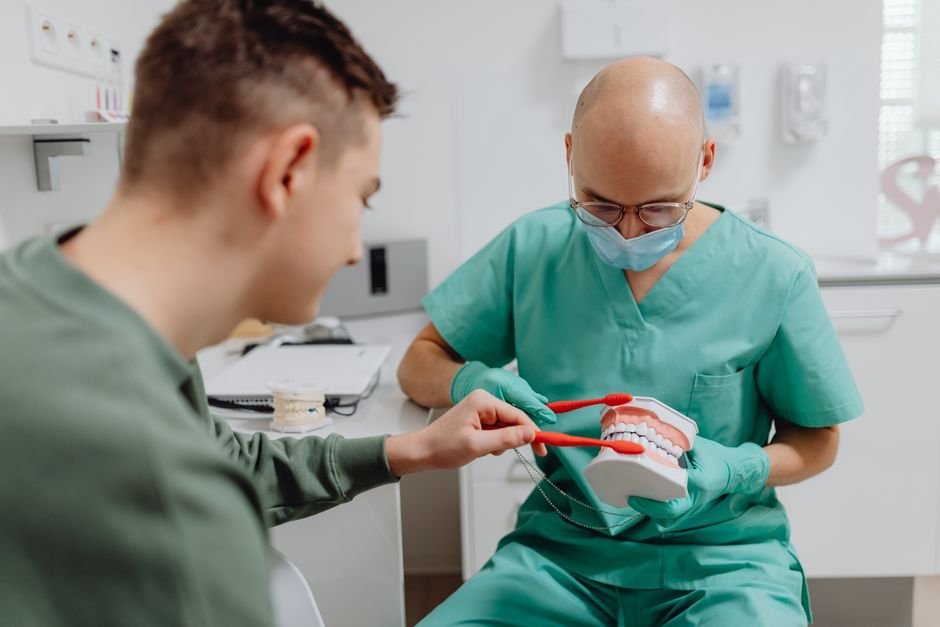



A family friendly dental practice is one that can comfortably and confidently treat every member of a household, from toddlers having their first check-up to grandparents managing dentures, without anyone feeling like an afterthought. It combines a welcoming physical space, staff who know how to adapt their approach to different ages and anxiety levels, flexible scheduling that respects busy households, and clinical teams trained across the full range of general and paediatric dental care. The result is a practice that removes the hassle of juggling multiple providers and instead becomes a single, trusted home for a family’s oral health over many years.
Key takeaways
The term gets used loosely, but at its core a family friendly practice is defined by breadth of care and consistency of experience. It means the clinical team is comfortable treating a wide age range, from a toddler’s first look-and-see visit through to a teenager’s orthodontic check and an older adult’s routine maintenance. Rather than referring children to a specialist paediatric clinic and adults elsewhere, the practice keeps the whole family under one roof, which simplifies logistics considerably for parents managing several appointments at once.
Beyond the clinical scope, it also refers to the tone of the whole visit. A family friendly practice pays attention to how the space feels the moment someone walks through the door, how staff greet a nervous seven-year-old differently from how they greet a confident adult, and how appointments are paced so that no one feels rushed. It is as much about culture and attitude as it is about the services listed on a website.
A waiting room says a great deal before a single word is exchanged with staff. Practices that genuinely welcome families tend to think about seating that works for parents with prams or several children in tow, low-noise environments that do not overwhelm a young child, and a general layout that feels open rather than clinical and cold. Small touches such as a distinct area for younger children, appropriate reading material, or simply enough space to avoid feeling cramped can make the wait far less stressful for everyone involved.
Practical details matter too. Accessible seating for grandparents or anyone with mobility needs, clear signage, and toilets that are easy for children to use independently all contribute to a smoother visit. None of these features are complicated or expensive to provide, but their absence is noticeable immediately, and their presence signals that the practice has genuinely thought through what a visit looks like from the perspective of a whole family rather than a single adult patient.
Staff attitude is arguably the single biggest factor in whether a practice feels family friendly. Dentists and hygienists who work well with children tend to use simple, honest language rather than frightening words, explain what they are doing in an age-appropriate way, and give a child some sense of control, such as choosing which flavour of fluoride to try. This approach builds trust early and helps prevent the dental anxiety that can otherwise follow someone into adulthood.
At the same time, the same team needs to be equally capable of speaking to adults in a more direct, detail-oriented way, discussing treatment options, costs, and timelines without over-simplifying. A genuinely family friendly team can shift naturally between these registers within the same afternoon, sometimes within the same appointment when a parent wants a treatment plan explained while their child listens nearby. That flexibility comes from experience and deliberate training, not chance.
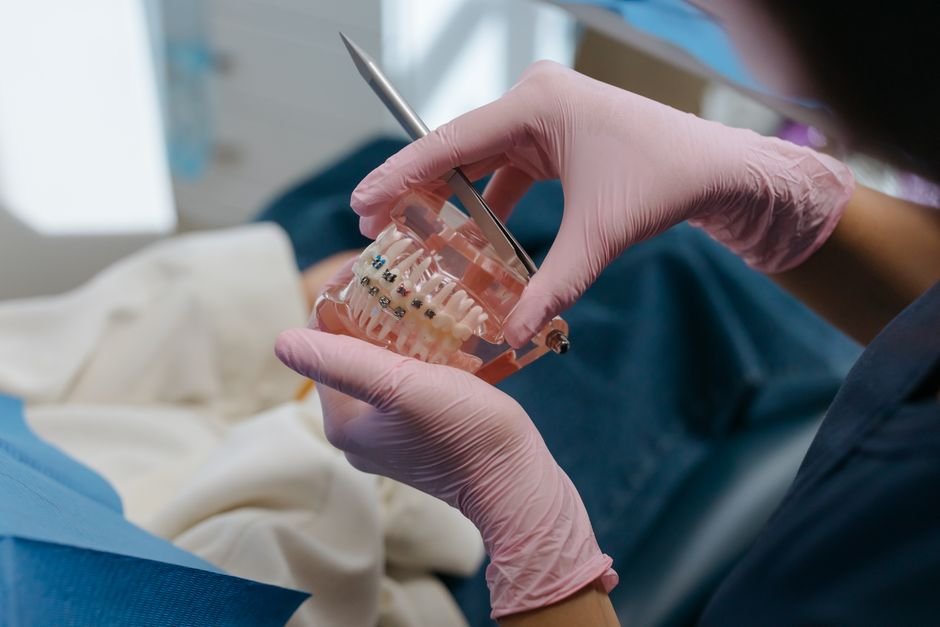
It is a fair question, because the clinical needs of a three-year-old and an eighty-year-old are genuinely different. Younger children need practitioners skilled in behaviour management, early orthodontic screening, and preventive care such as fissure sealants and fluoride treatments. Older adults often need more attention paid to gum health, restorative work, and managing the effects of long-term medication on the mouth. A practice that handles both well usually has a broader clinical team or dentists with wide-ranging general experience rather than a narrow specialism.
What ties the age groups together is a shared philosophy of prevention and long-term relationship building rather than one-off treatment. A family friendly practice tracks each person’s dental history over years, which means changes in a teenager’s bite or a parent’s gum health are noticed early because there is continuity of records and familiarity with each patient. That kind of longitudinal awareness is genuinely difficult to replicate when a family is split across several unconnected providers.
Anyone who has tried to coordinate dental appointments for several children around school hours, after-school activities, and their own work commitments knows how quickly logistics can become the real barrier to care. Practices that understand family life tend to offer early morning, evening, or weekend slots, and many will happily book siblings back-to-back or even in the same visit so that one trip to the practice covers the whole household rather than several separate journeys.
Flexibility also extends to how quickly a practice can respond when something unexpected happens, such as a chipped tooth during a school sports match. Family friendly practices tend to keep some capacity for urgent same-day or next-day appointments precisely because they know that children’s accidents rarely happen at convenient times. This responsiveness reduces stress considerably for parents and reinforces the sense that the practice is a reliable partner rather than just a scheduled appointment slot.
Clear communication underpins almost everything else on this list. Families juggling multiple patients within one household benefit enormously from practices that explain treatment plans plainly, are upfront about likely costs before work begins, and send reminders that make it easy to keep track of several appointments at once. Ambiguity or jargon-heavy explanations are far more frustrating when you are trying to coordinate care for three or four people rather than just yourself.
Good communication also means listening. A family friendly team asks about a child’s previous experiences at other practices, notes which techniques worked for calming a nervous patient, and adapts future visits accordingly. For older relatives, it might mean speaking a little more slowly or checking understanding around a more complex treatment plan. This attentiveness is not about talking down to anyone; it is about tailoring the conversation so every patient, regardless of age, leaves with a clear understanding of their own oral health.
Dental anxiety affects people of every age, and a genuinely family friendly practice treats it as a normal part of care rather than an inconvenience. For children, this often means shorter introductory visits focused purely on familiarisation, tell-show-do techniques where each step is explained and demonstrated before it happens, and plenty of positive reinforcement. For anxious adults, it might mean offering a quiet moment before treatment starts, agreeing on a signal to pause, or simply taking more time to talk through concerns before reaching for any instruments.
Practices that do this well tend to build anxiety management into their standard way of working rather than treating it as an exception. Staff are trained to notice early signs of distress, whether that is a fidgeting child or an adult gripping the armrests, and to slow down accordingly. Over time, this consistent, patient approach tends to reduce anxiety across repeat visits, which benefits the whole family and makes future appointments considerably easier for everyone involved.
A first visit tells you a lot about whether a practice will suit a whole household long term. Pay attention to how the front-of-house team greets you, whether children are acknowledged directly rather than spoken about over their heads, and how much time the dentist spends explaining findings rather than rushing through a checklist. A practice worth committing to will usually take the time to ask about each family member’s history and any specific worries, rather than treating the appointment purely as a transaction.
It is also worth observing the practical flow of the visit itself: how appointments are timed, whether siblings can be seen together, and how clearly any recommended follow-up care is explained. A family friendly practice will typically offer to answer questions from both the parent and, where appropriate, the child, and will be transparent about what happens next. These small signals, taken together, usually indicate whether a practice has genuinely built its approach around families or is simply applying a general adult model to younger patients.
Most dental professionals recommend a child’s first visit take place once their first teeth appear, generally within the first year of life, or certainly by the time all baby teeth have come through. Early visits are usually short and focus on familiarisation rather than extensive treatment, helping the child build positive associations with the practice from the outset.
Yes. Many general dentists are trained to treat patients across all age groups, and family friendly practices often build their teams specifically around this broad capability. Some practices also have dentists with additional training or interest in paediatric care working alongside colleagues who focus more on adult restorative or cosmetic work, while still coordinating as one team.
Speaking about the visit in neutral or positive terms, avoiding words that suggest pain or fear, and reading a simple story about visiting the dentist beforehand can all help. Choosing a practice experienced with children and letting staff know about any specific worries in advance also allows the team to adjust their approach and pace accordingly.
For most routine and preventive care, seeing one dentist or practice that knows the whole family’s history offers real advantages, including continuity of records and a consistent approach to prevention. More complex or specialised treatment may still require referral to a specialist, but a family friendly general practice can usually manage the majority of everyday needs for every age group.
Useful questions include whether the practice regularly treats young children and older adults, how appointments are scheduled for multiple family members, what happens in a dental emergency, and how the team handles anxious patients. Asking about typical wait times for appointments and how treatment costs are explained upfront can also help set expectations before committing to a practice.

What and when a family eats together has a surprisingly direct effect on children’s dental health, since mealtime patterns often

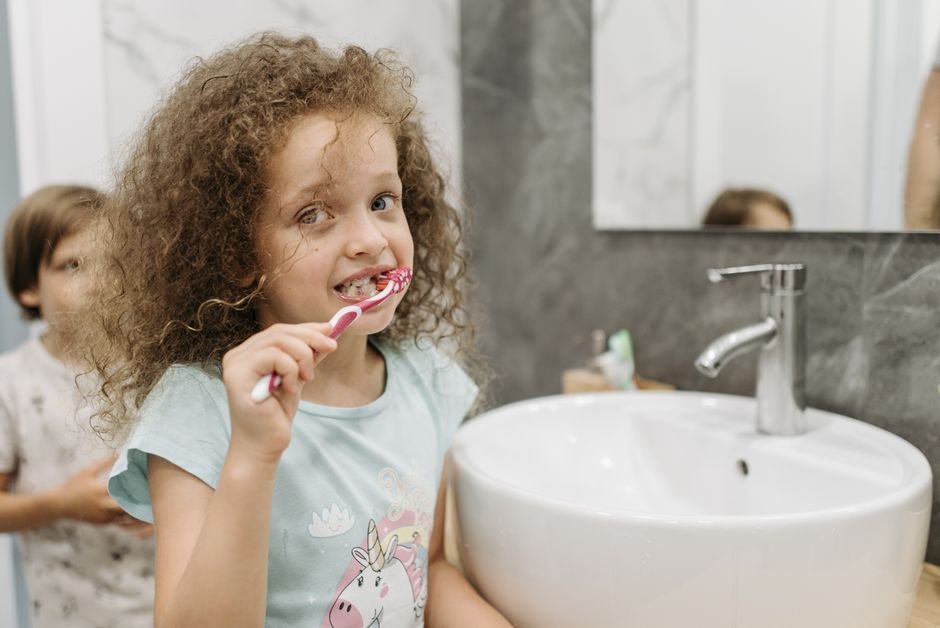
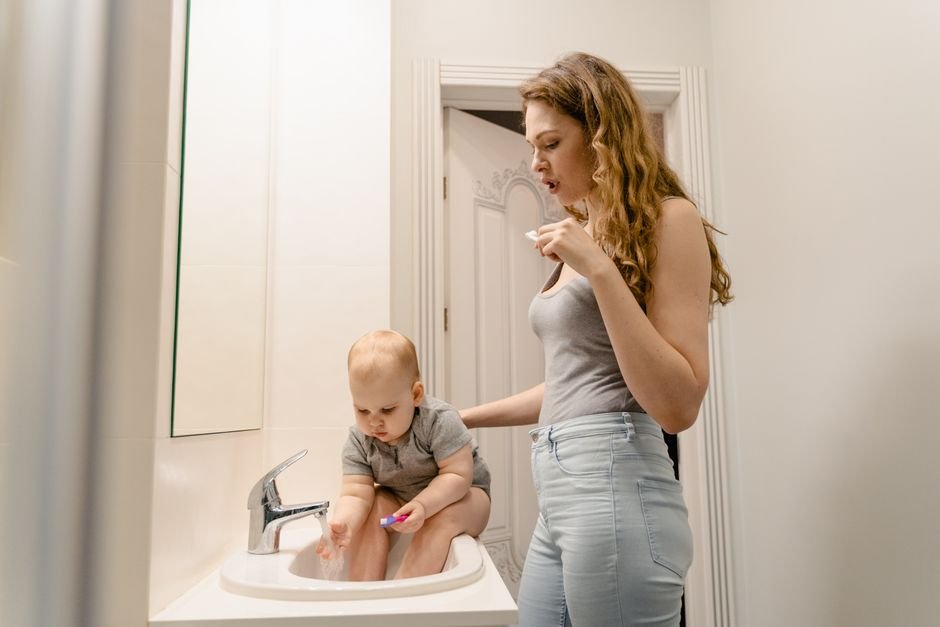
Children are far more likely to stick with good oral care habits when they see parents practising the same routines
Most dentists recommend a child’s first dental visit by their first birthday, or within six months of their first tooth
 English