






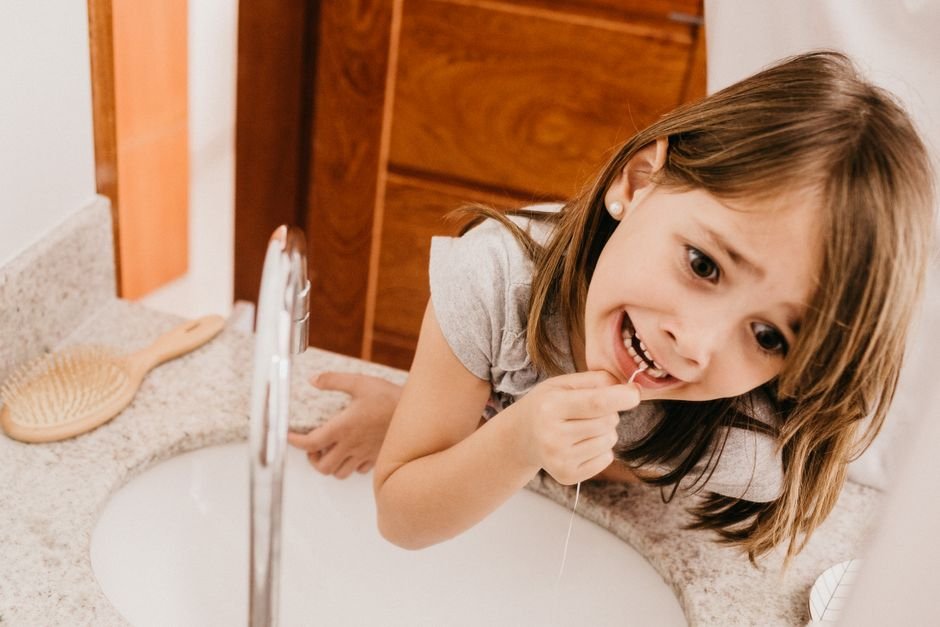

































Oral care habits formed early in life tend to persist largely unchanged into adulthood, which means the routines a family builds together now are likely to shape dental health decades from now. Rather than treating brushing and flossing as isolated chores, framing them as part of a broader, connected wellness routine, alongside diet, sleep, and general self-care, makes the habits more durable and less likely to be abandoned when life gets busy.
Key takeaways
The habits a person develops during childhood and adolescence tend to become deeply automatic, meaning they require little conscious effort to maintain once established. This is precisely why habits formed early carry outsized influence over decades of oral health outcomes, since automatic behaviours are far more resistant to disruption during stressful or busy periods than habits a person is still consciously working to build.
This does not mean habits formed later in life cannot take hold, but it typically takes longer and more deliberate repetition for an adult to establish a new automatic routine compared to a child absorbing a habit through consistent daily practice. Investing effort into establishing solid routines early, rather than assuming they can be corrected easily later, tends to pay off across a much longer timeframe.
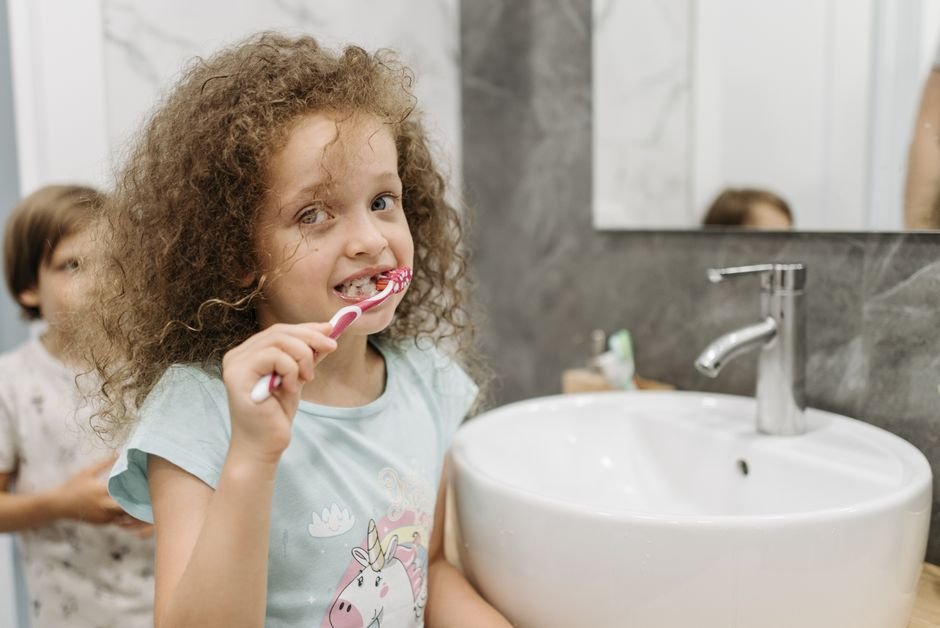
One of the most reliable ways to make any habit stick is to attach it to an activity that already happens consistently, rather than treating it as a separate task that competes for attention. Brushing immediately after breakfast and again as the final step before bed anchors the habit to events that already occur daily, reducing the mental effort needed to remember it.
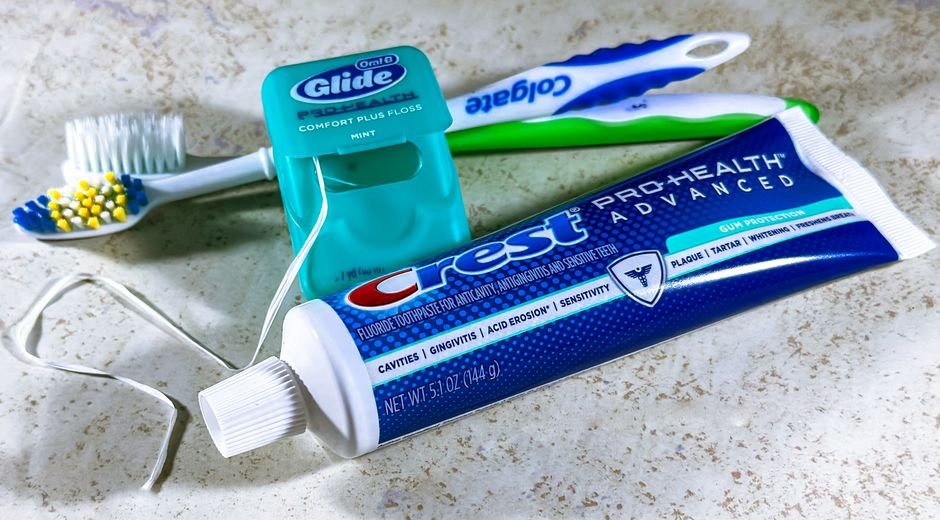
This principle, sometimes called habit stacking, works because it removes the need to consciously schedule the new behaviour. Instead of deciding each day when to brush, the routine becomes an automatic continuation of something already happening. Families can apply the same idea to flossing by linking it to a specific point in the evening routine, such as right after removing contact lenses or changing into sleepwear.
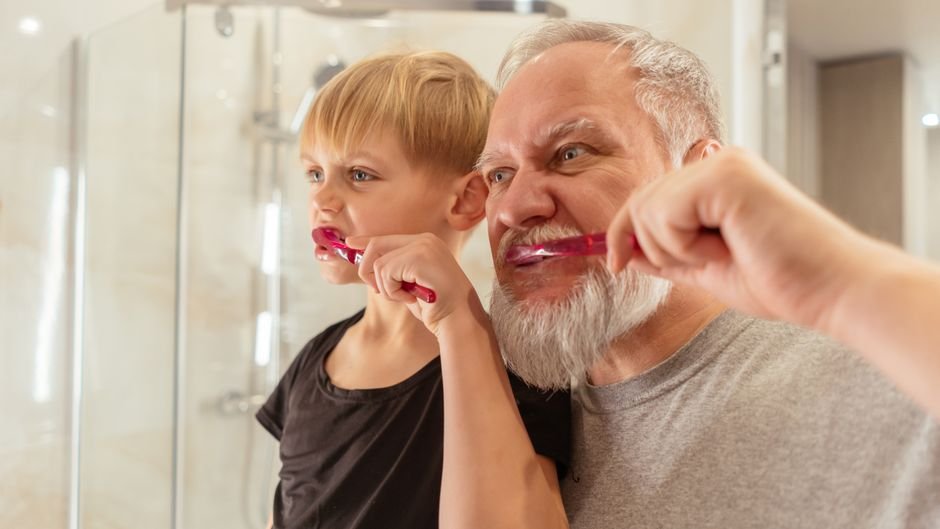
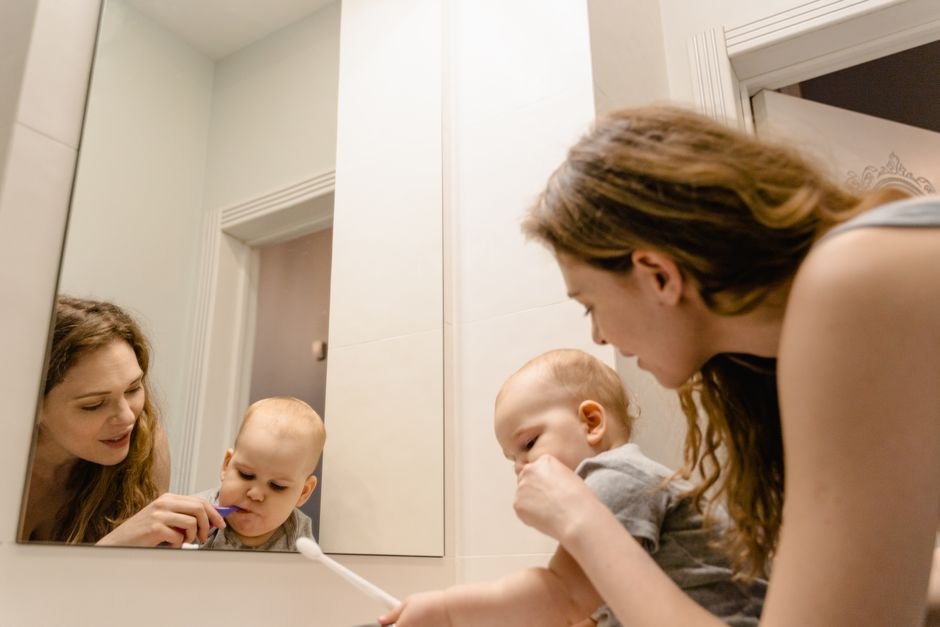
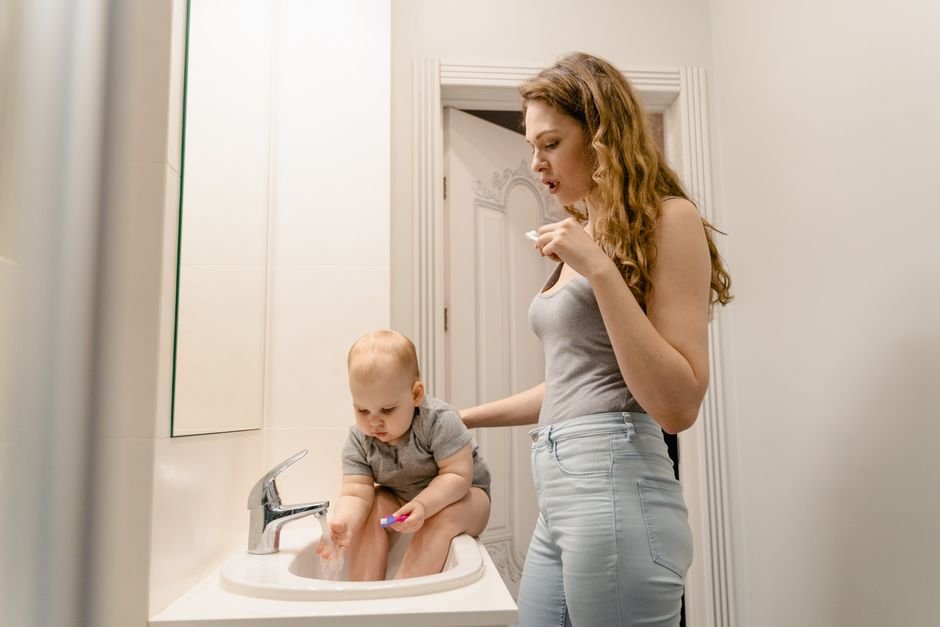
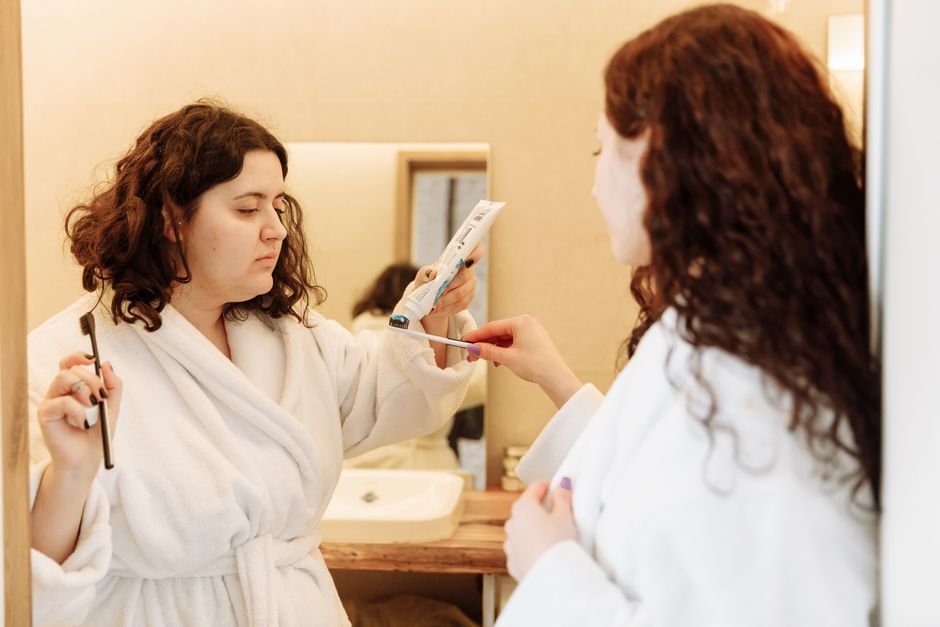
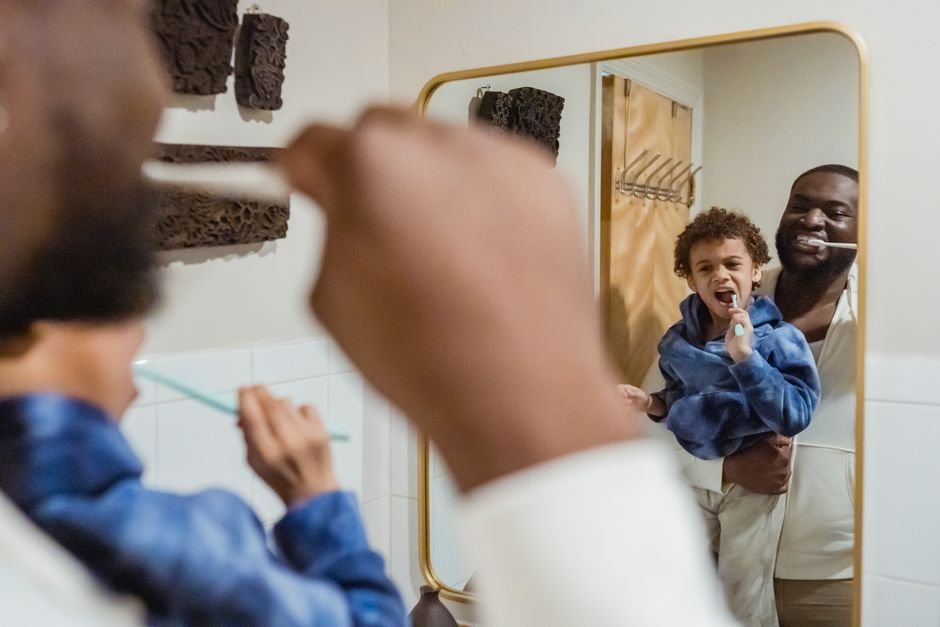
Oral care habits are far more likely to persist when they are treated as a shared family practice rather than an individual obligation enforced only for children. When parents visibly maintain their own routines, brushing at consistent times, flossing regularly, and attending their own checkups, children absorb these behaviours as simply how the household operates rather than as rules imposed only on them.
Shared routines also create natural accountability. A family that brushes together in the morning or evening, even briefly, reinforces the habit for every member without anyone needing to be individually reminded. This collective rhythm tends to be more resilient during disruptions like travel or illness, since the routine is embedded in the household structure rather than resting on any single person’s memory.
Oral care extends beyond the physical actions of brushing and flossing to include the dietary choices that influence how much work those actions have to do. Frequent snacking on sugary or starchy foods throughout the day creates more opportunities for acid production in the mouth than the same total intake consumed in fewer sittings.
Building broader wellness habits around oral health means paying attention to patterns rather than obsessing over individual food choices. Encouraging water as the default beverage between meals, keeping sugary treats to specific times rather than constant grazing, and including foods that support saliva production all contribute to an environment where oral hygiene efforts are more effective rather than working against a steady stream of acid exposure.
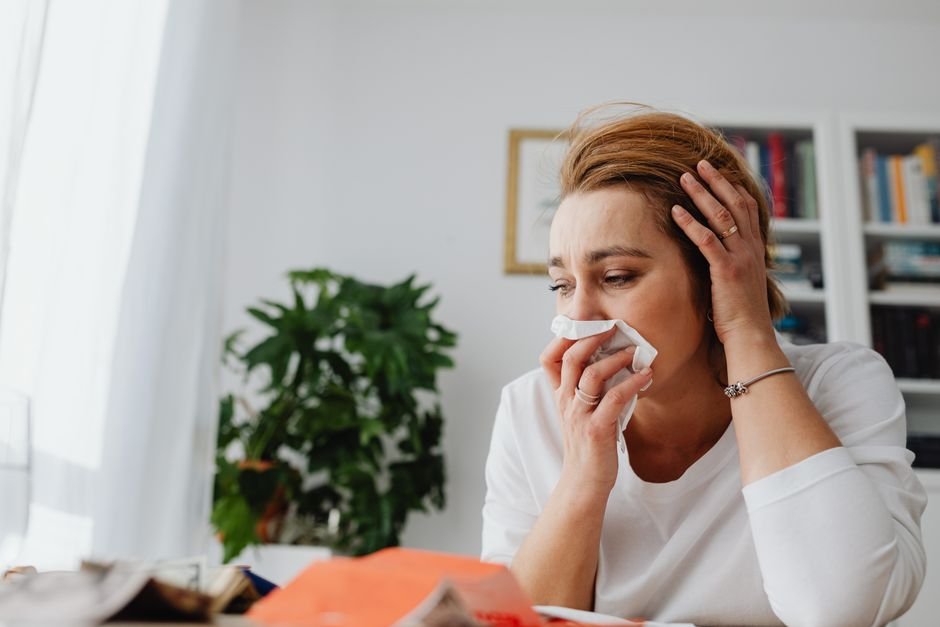
Sleep and oral health are connected in ways that are easy to overlook when thinking about wellness routines. Poor sleep can affect saliva production, and reduced saliva flow during sleep already leaves the mouth more vulnerable to bacterial activity overnight, which is part of why the pre-bedtime brushing routine carries particular importance.
Beyond the direct physiological connection, tiredness also affects behaviour. A person who is exhausted at the end of a long day is more likely to skip or rush through their oral care routine, undermining consistency regardless of how well-intentioned the habit was earlier in the day. Prioritising a wind-down routine that includes unhurried oral care, rather than leaving it as an afterthought right before collapsing into bed, supports both better sleep and better hygiene outcomes.
A routine that works well for young children will not necessarily suit the same family members as teenagers or adults, and treating oral care habits as fixed rather than evolving can cause them to feel outdated or irrelevant over time. Periodically revisiting the routine, checking whether the toothbrush type still suits current needs, whether flossing technique needs refreshing, or whether checkup frequency should change, keeps the habit relevant rather than stagnant.
This kind of periodic review does not need to be formal or frequent. A simple annual check-in, perhaps timed around a dental visit, gives a natural opportunity to reassess whether current tools and habits still fit each family member’s needs, particularly as life stages shift and priorities change.
It can be tempting to compensate for inconsistent daily care with more intensive occasional effort, such as a thorough cleaning session after a period of neglect. However, oral health responds far better to small, sustained actions repeated daily than to sporadic bursts of intensive attention, because plaque and bacterial activity build up continuously rather than in a way that can be reversed all at once.
This principle mirrors broader wellness patterns seen in areas like exercise and nutrition, where consistency outperforms intensity when it comes to long-term outcomes. A two-minute brushing session completed reliably every morning and evening does more for oral health over a year than an occasional deep-clean effort squeezed in only when problems become noticeable.
Every long-term habit experiences disruptions, whether from travel, illness, or simply a particularly hectic stretch of life. The habits that survive these disruptions long term are usually not the ones that were never interrupted, but the ones that were resumed quickly and without excessive self-criticism after a lapse.
Building this resilience into a family’s approach means treating a missed brushing session or a skipped dental visit as a normal, correctable occurrence rather than a sign of failure. Returning to the routine the next day, without dwelling on the gap, keeps the overall habit intact and prevents a single lapse from unravelling months or years of consistency.
Some families find that simple tracking tools, whether a printed chart on the bathroom wall or a basic app that logs brushing sessions, help maintain motivation during the early stages of building a new routine. Visual evidence of consistency, such as a streak of checked-off days, can provide a small but meaningful sense of accomplishment that reinforces the behaviour.
These tools work best as a temporary scaffold rather than a permanent requirement. Once a routine becomes genuinely automatic, most families find they no longer need to track it consciously, and the tool can be phased out or reserved for reintroducing a habit after a disruption rather than maintaining it indefinitely.
Attaching the new habit to an existing daily routine, such as brushing right after a specific meal or as the final step before bed, makes it far easier to remember and sustain than treating it as a separate task.
What matters most is consistency for each individual rather than everyone brushing at the exact same time, though shared routines can help reinforce the habit across the household, especially for children still building independence.
An annual review, often timed around a regular dental checkup, is a reasonable point to reassess whether current tools, techniques, and habits still suit each family member’s changing needs.
Yes, reduced sleep can affect saliva production and also makes people more likely to rush or skip their oral care routine, both of which can negatively affect oral health over time.
Consistency is generally more effective than intensity, since small daily actions prevent plaque and bacterial buildup from accumulating, whereas occasional intensive effort cannot fully reverse the effects of inconsistent daily care.

What and when a family eats together has a surprisingly direct effect on children’s dental health, since mealtime patterns often

Children are far more likely to stick with good oral care habits when they see parents practising the same routines
Most dentists recommend a child’s first dental visit by their first birthday, or within six months of their first tooth
 English