
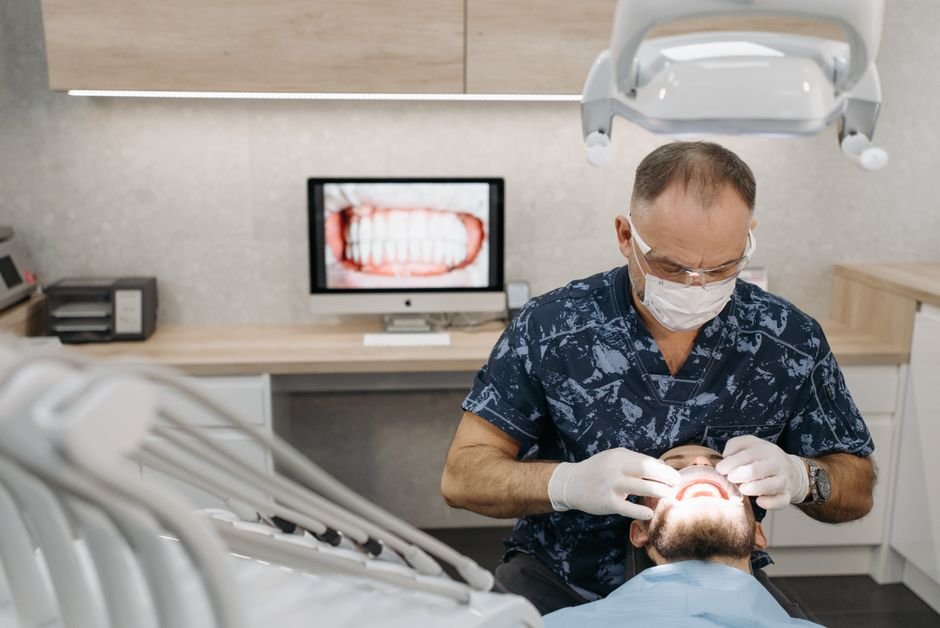




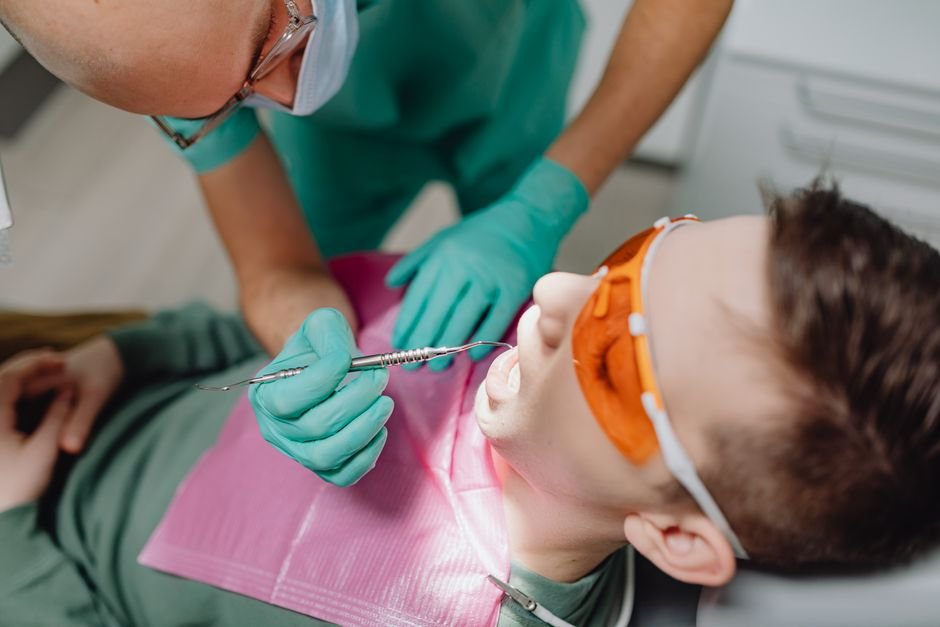











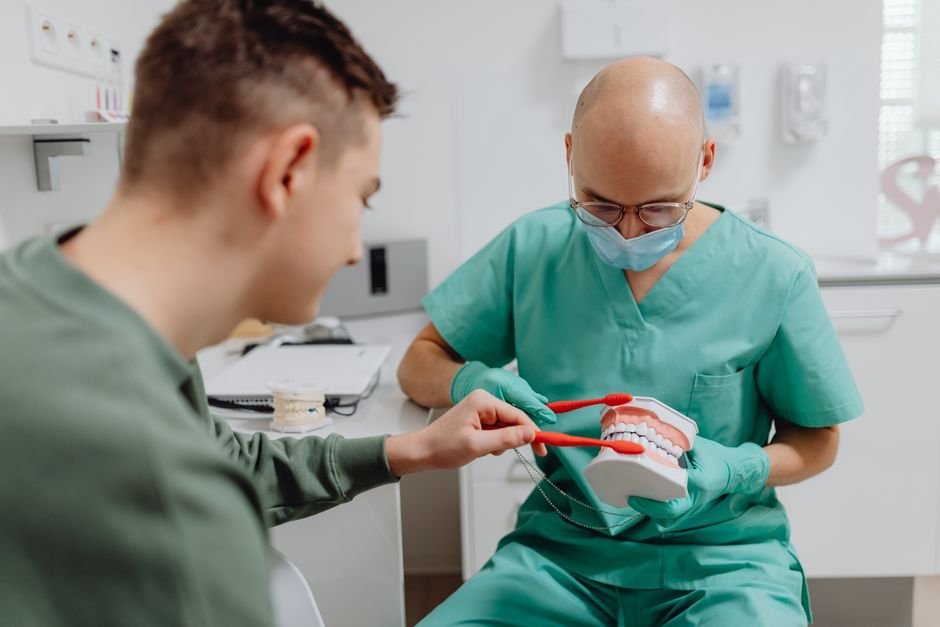

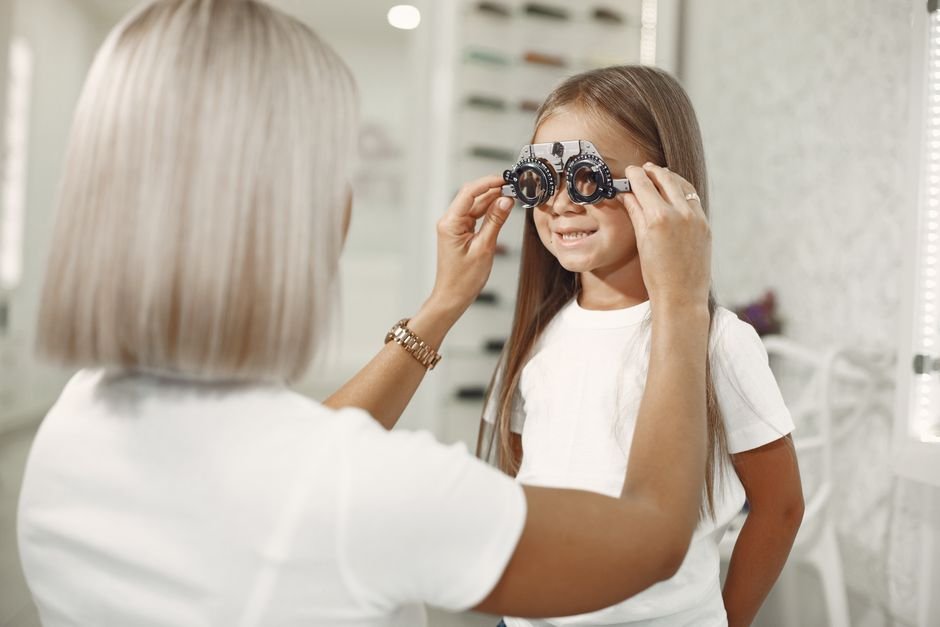


Modern dental tools make visits faster mainly by replacing slower manual processes, like traditional film X-rays or physical dental impressions, with digital equivalents that capture information in seconds and process it almost instantly, cutting out waiting time that used to be a routine part of nearly every appointment. For families juggling school pickups, work schedules, and multiple children’s appointments, this reduction in chair time is one of the most noticeable practical benefits of newer dental technology.
Key takeaways
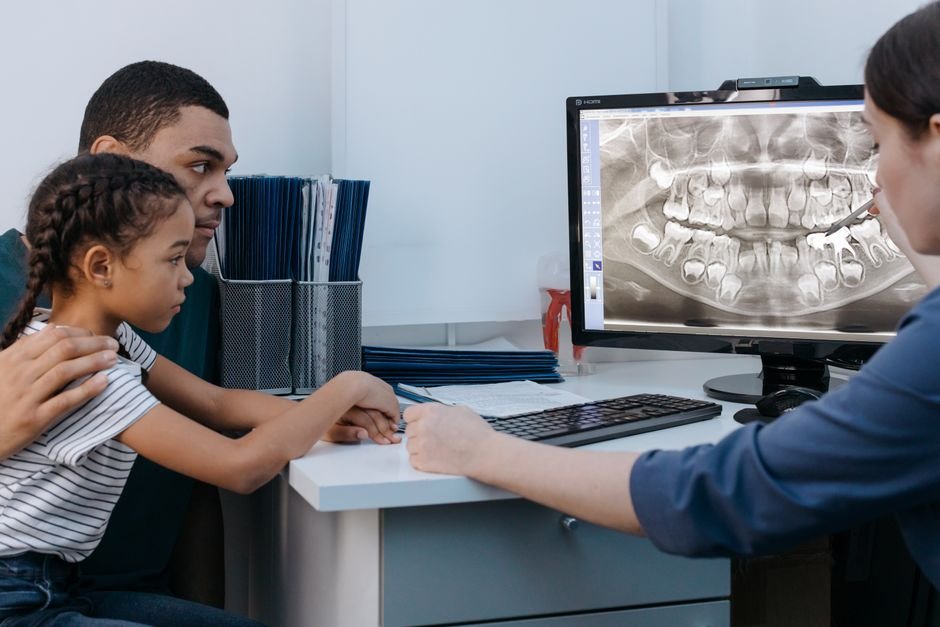
Traditional film X-rays require a chemical development process that takes several minutes per image, during which both the patient and the dental team wait before the images are ready to review. Digital X-ray sensors capture the image electronically and display it on a screen within a few seconds, cutting out that development wait almost entirely and letting the dentist review the image essentially in real time.
Digital X-rays also use noticeably lower radiation doses than traditional film, which is a meaningful additional benefit for families with children who need periodic X-rays as part of routine monitoring. The combination of speed and reduced exposure has made digital sensors close to standard equipment in most modern dental practices.
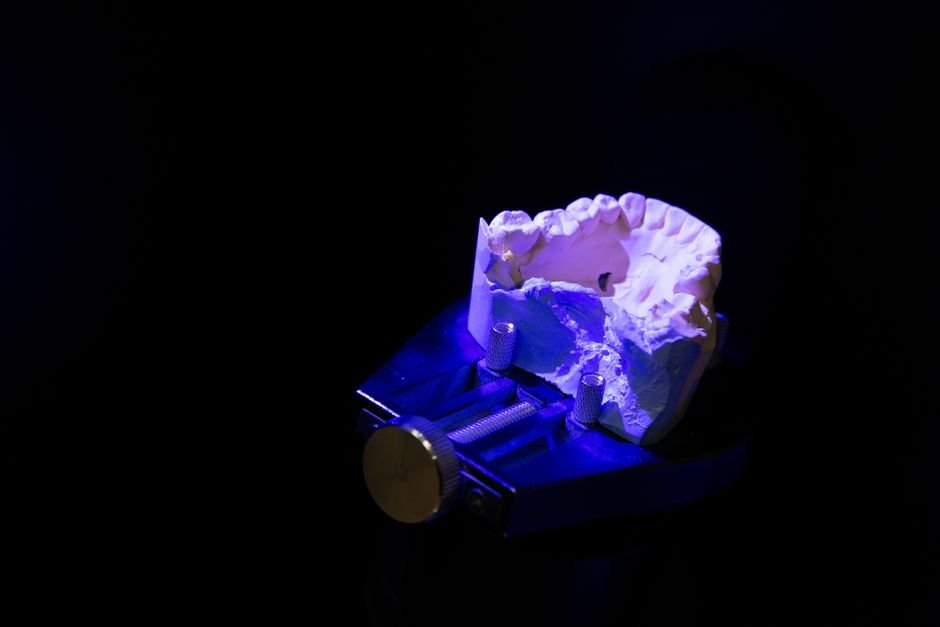
Traditional impressions involve biting into a tray of thick, slow-setting putty material that has to sit in the mouth for several minutes while it hardens, an experience many people, particularly children, find uncomfortable or even prompts a gag reflex. Digital intraoral scanners replace this entirely with a small wand that captures a detailed 3D image of the teeth by passing over them in a series of quick sweeps, usually completed within a few minutes without any material needing to set in the mouth.
Beyond the comfort improvement, digital scans are also immediately available on screen for review, whereas physical impressions often need to be sent elsewhere for processing, adding delay to treatments like crowns, aligners, or retainers that depend on an accurate mould of the teeth.
Traditional crowns typically require two separate appointments spaced a few weeks apart: one to prepare the tooth and take an impression, and a second after a dental laboratory has manufactured the crown, during which time a temporary crown is worn. Same-day crown systems use an in-office digital scanner combined with a milling machine that manufactures the crown from a solid block of ceramic while the patient waits, condensing what used to be a multi-week process into a single visit.
This is a significant time saver for families, since it removes an entire follow-up appointment along with the associated travel time, waiting room time, and time away from work or school. It also removes the period of wearing a temporary crown, which can sometimes feel less secure than a final restoration.
Digital patient records mean that returning patients do not need to fill out repeated paperwork at every visit, since medical history, insurance details, and prior treatment notes are already stored and simply need a quick confirmation rather than a full form. For families managing several children’s dental records, this can meaningfully shorten the check-in process compared with paper-based systems that require locating and updating physical files.
Digital systems also make it easier for a dental team to quickly reference prior X-rays, treatment notes, or images from previous visits during the current appointment, reducing the time spent searching through records mid-appointment and letting the dentist move through the visit more efficiently.
Automated appointment reminders sent by text or email have reduced the number of missed or forgotten appointments considerably compared with relying solely on a phone call days in advance, which in turn keeps a practice’s schedule running closer to on time throughout the day. Online booking systems also let families choose and confirm appointment slots without needing to call during business hours, which reduces friction on the scheduling side of the process.
When a practice’s schedule runs smoothly with fewer no-shows and last-minute cancellations, it also reduces the ripple effect of delays that can build up over the course of a day and push later appointments significantly behind schedule.
Small intraoral cameras allow a dentist to quickly capture a magnified image of a specific tooth or area of concern and display it immediately on a screen, which speeds up both diagnosis and the process of explaining a finding to a patient or parent. Rather than relying solely on a verbal description or a small hand mirror, the dentist can point directly to the issue on screen, which tends to shorten the discussion portion of an appointment considerably.
This visual clarity also reduces the likelihood of needing a follow-up visit purely to re-examine or confirm something that was unclear during the initial appointment, since the image is captured and available for reference immediately.
Certain laser tools can be used for minor procedures, such as treating small areas of soft tissue, with less need for the numbing injections that add time to a traditional appointment. Because laser treatments in these cases can also cause less bleeding, the overall procedure and recovery time within the appointment itself can be shorter than with a traditional method requiring more preparation and cleanup.
Laser tools are not a replacement for every dental procedure, but for the specific cases where they apply, they represent one more example of technology reducing the individual steps that previously added time to a routine visit.
Individually, each of these tools might only save a few minutes here or there, but across a single appointment that might involve X-rays, a scan, a diagnosis discussion, and check-in, the combined time savings become noticeable, often turning what used to be a much longer visit into something considerably more efficient. For families booking around school and work schedules, this cumulative effect is often the most practical benefit of a modern, technology-equipped dental practice.
It is worth noting that faster does not mean rushed; these tools are designed to remove inefficient waiting and processing time rather than to shorten the actual clinical examination or conversation with the dentist, which remains just as thorough as it would be using older methods.
Families juggling multiple children’s dental visits tend to feel the cumulative effect of faster tools most strongly, since even small time savings on each child’s appointment add up considerably when multiplied across two, three, or more visits scheduled back to back or on the same day. A quicker X-ray, a faster scan, and reduced paperwork per child can turn what used to be an entire afternoon into a much more manageable block of time.
This efficiency also tends to make the overall experience less stressful for children themselves, since shorter individual steps mean less time sitting still or waiting between parts of the appointment, which can be particularly helpful for younger children or those who feel anxious about dental visits in general.
Practices that treat multiple family members in one visit, or that schedule siblings back to back, benefit further when digital tools allow one team member to review a completed scan or X-ray while another begins preparing the next child, rather than each step happening in a strict sequence with idle waiting in between. This kind of overlap, made possible largely by instant digital results, is difficult to achieve with older equipment that requires a development or setting period before the next step can begin.
Digital X-rays use significantly lower radiation doses than traditional film X-rays, making them a safer option for the periodic monitoring children sometimes need as their teeth develop.
Same-day crowns are made from solid, durable ceramic material and are designed to offer comparable strength and longevity to traditional crowns, while eliminating the wait for a lab-manufactured version.
Most people find digital scanning considerably more comfortable than traditional impressions, since it involves a wand passing over the teeth rather than biting into a tray of thick setting material.
No, the time saved comes from cutting down waiting and processing steps, not from shortening the actual examination or conversation, which remains just as thorough as with older methods.
Digital X-rays and intraoral cameras are widely available in most modern practices, while same-day crown milling systems are becoming more common but are not yet present in every practice.

What and when a family eats together has a surprisingly direct effect on children’s dental health, since mealtime patterns often

Children are far more likely to stick with good oral care habits when they see parents practising the same routines
Most dentists recommend a child’s first dental visit by their first birthday, or within six months of their first tooth
 English