




























Protecting your family’s smiles comes down to a handful of small, consistent habits repeated every single day: brushing twice with a fluoride toothpaste, flossing once, limiting sugary snacks between meals, drinking plenty of water, and keeping up with routine dental check-ups. None of these choices are complicated on their own, but together they form the foundation that keeps teeth strong, gums healthy, and cavities at bay for every member of the household, from toddlers to grandparents.
Key takeaways
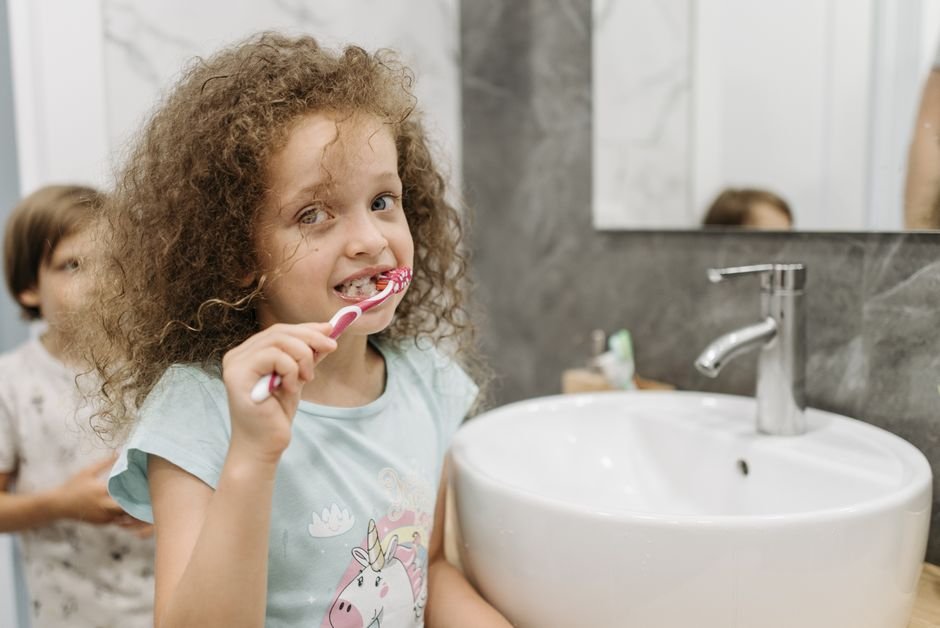
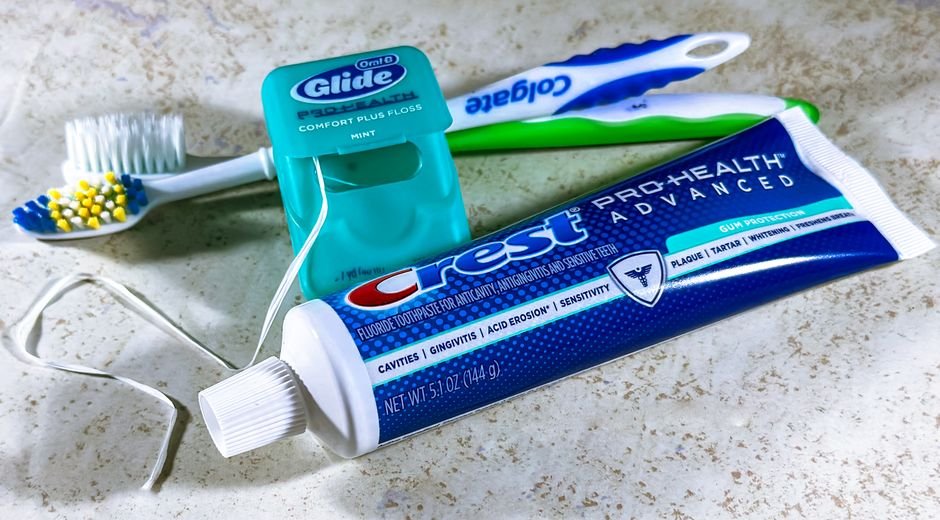
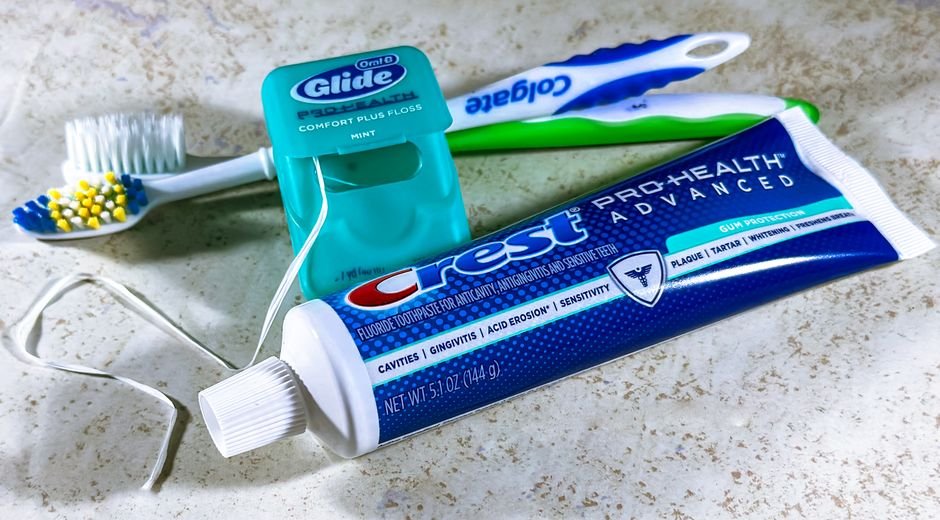
The general guidance for every family member with teeth is simple: brush twice a day for two minutes using a fluoride toothpaste, and floss or use interdental brushes once a day to clean between teeth where a toothbrush cannot reach. This routine removes the soft, sticky layer of plaque that forms constantly on tooth surfaces. Left undisturbed, plaque hardens into tartar and produces acids that wear away enamel, eventually leading to cavities and gum inflammation.
Consistency matters more than intensity. Brushing harder or for longer bursts once in a while does not make up for skipped sessions, and scrubbing too vigorously can actually irritate gums and wear enamel over time. A soft-bristled brush, gentle circular motions, and a fixed routine tied to waking up and going to bed tend to produce the best long-term results for both children and adults.
Teeth benefit from a diet that includes calcium-rich foods such as dairy products, leafy greens, and fortified alternatives, along with crunchy fruits and vegetables that encourage saliva flow and gently clean tooth surfaces as they are chewed. Saliva plays an underappreciated role in oral health, neutralising acids and washing away food particles, so anything that stimulates its production during meals is a quiet ally for your smile.
On the other side of the equation, frequent exposure to sugary or highly acidic foods and drinks feeds the bacteria that cause decay and can gradually soften enamel. This does not mean treats are forbidden, but families who reserve sweets for mealtimes rather than constant snacking give teeth far more recovery time between acid attacks, which noticeably lowers the risk of cavities over the years.
Fluoride works by strengthening the outer layer of enamel, making it more resistant to the acids produced by oral bacteria, and it can even help reverse very early stages of decay before a cavity fully forms. This is why most dental professionals continue to recommend fluoride toothpaste as a standard part of everyday hygiene for children and adults alike, alongside professional treatments where appropriate for higher-risk individuals.
For young children, a pea-sized amount of fluoride toothpaste is generally sufficient, and supervision during brushing helps ensure they spit rather than swallow the paste. As children grow older and develop better control, the amount and independence can increase gradually. A dental professional can offer guidance tailored to a child’s age, risk level, and existing dental history.
Tooth decay is not caused by sugar directly wearing away enamel, but by bacteria in the mouth converting sugar into acid as a by-product of digestion. Every time sugar is consumed, these bacteria produce a fresh wave of acid that lowers the pH around the teeth for around twenty to thirty minutes. Frequent sugar exposure throughout the day means teeth are almost constantly bathed in this acidic environment, which gradually erodes enamel and creates the conditions for cavities to form.
The type and timing of sugar intake matters as much as the total amount. Sticky sweets that cling to teeth, or sipping sugary drinks slowly over a long period, expose enamel to prolonged acid attacks. Choosing to enjoy sweet foods as part of a meal, followed by water, gives saliva a better chance to restore a neutral environment before the next exposure begins.
Water plays a genuinely protective role in the mouth that is easy to overlook. It helps rinse away food debris and sugars after eating, supports healthy saliva production, and, where fluoridated, can contribute a small additional layer of enamel protection throughout the day. Drinking water regularly, particularly after meals or snacks, is one of the simplest habits a family can adopt to support oral health without any real effort or cost.
Dehydration, by contrast, reduces saliva flow, and a dry mouth is more vulnerable to bacterial growth, bad breath, and decay because there is less natural rinsing and buffering happening. Encouraging children and adults alike to choose water over sugary or acidic drinks between meals is a small switch that pays off considerably for both general health and the condition of teeth and gums.
Children often snack more frequently than adults, and constant grazing throughout the day, even on foods that seem relatively healthy, can keep the mouth in a near-continuous acidic state. Dried fruit, crackers, and flavoured yoghurts, for example, can be surprisingly high in sugar and tend to stick to teeth, extending the time bacteria have to produce acid after each snack.
A practical approach is to group snacks into set times rather than allowing continuous access throughout the day, and to favour options like cheese, plain nuts, or raw vegetables that are less likely to feed decay-causing bacteria. Offering water alongside snacks, and encouraging a quick mouth rinse or brushing session afterwards where practical, further reduces the cumulative acid exposure that drives childhood tooth decay.
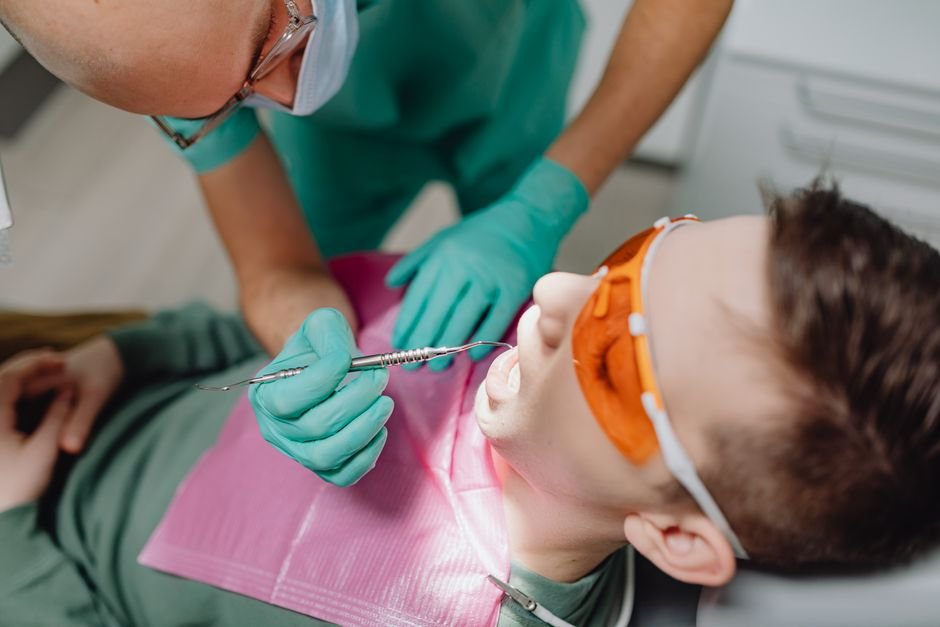
Routine dental visits allow a professional to spot early signs of decay, gum disease, or developmental issues long before they cause pain or become visible to the family at home. Many dental problems progress silently in their early stages, so regular examinations and professional cleans are one of the most effective ways to intervene early, when treatment is simpler and less invasive.
Check-up schedules can vary depending on individual risk factors such as age, diet, and existing dental history, so the exact frequency is best discussed with a dental professional. What matters most is treating these visits as a routine part of family healthcare, similar to other regular medical check-ups, rather than something reserved only for when a problem has already appeared.
Children learn far more from what they observe than from what they are told, and oral hygiene is no exception. When children regularly see parents and older siblings brushing, flossing, and drinking water rather than sugary alternatives, these behaviours are absorbed as simply “what our family does” rather than as an external rule imposed on them. Brushing together as a family routine, particularly with younger children, also makes supervision easier.
Positive language around dental care helps too. Framing brushing and dental visits as normal, even enjoyable, parts of the day, rather than a chore or something to fear, tends to reduce anxiety and resistance later in childhood. Praising effort rather than perfection, and keeping the tone light, helps build habits that children are more likely to carry into adulthood.
Beyond decay prevention, protecting teeth from physical injury is another important part of everyday family dental care. Simple precautions, such as using a properly fitted mouthguard during contact sports, avoiding chewing on hard objects like ice or pen lids, and being mindful during rough play, can prevent chipped, cracked, or knocked-out teeth that require urgent dental attention.
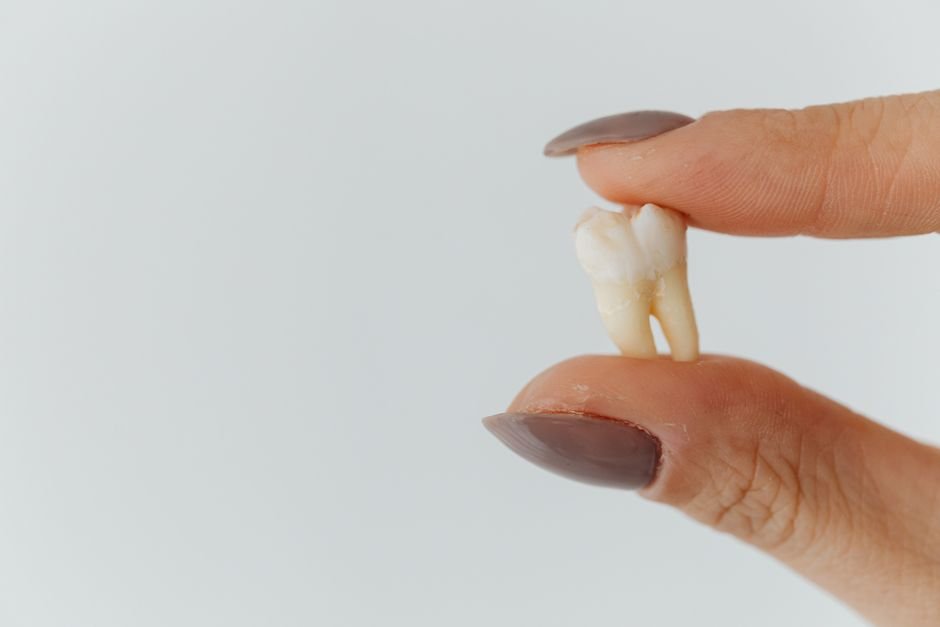
It is also worth knowing basic first-response steps in case of a dental injury, such as keeping a knocked-out tooth moist and seeking dental care promptly, since quick action can sometimes make the difference in whether a tooth can be saved. Keeping the contact details of a trusted dental practice easily accessible is a small but useful part of family preparedness.
The right frequency depends on individual risk factors, but many people benefit from a check-up roughly every six months, while some with lower risk may be advised to attend less often and those with higher risk more frequently. A dental professional can recommend a personalised schedule based on age, oral hygiene, and dental history.
Yes, fluoride toothpaste is considered safe for children when used in the recommended small amount for their age and under adult supervision to prevent swallowing. Fluoride helps strengthen developing enamel and reduces the likelihood of early childhood cavities when used consistently as part of a daily routine.
Diet has a significant influence on cavity risk because the bacteria responsible for decay feed on sugars and produce acid as a result. Frequent sugar exposure, especially from sticky or slowly consumed foods and drinks, gives these bacteria more opportunities to damage enamel, while balanced meals and water support a healthier oral environment.
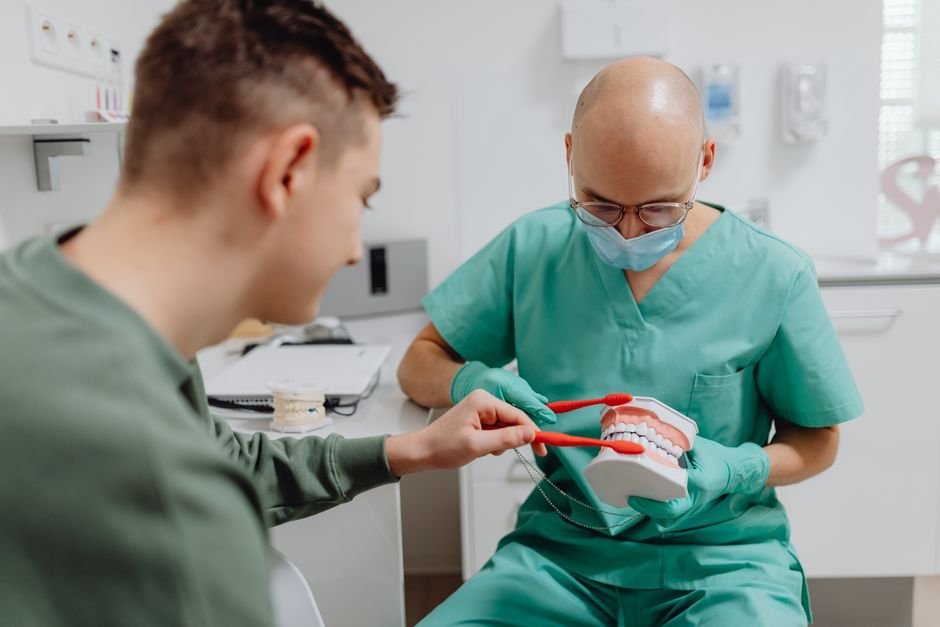
Demonstrating gentle, circular brushing motions, supervising until a child has the coordination to brush thoroughly on their own, and making the routine consistent and positive all help. Using a timer or a two-minute song can encourage children to brush for the full recommended time without feeling rushed.
Not necessarily. Many sugar-free drinks are still acidic and can contribute to enamel erosion even without sugar present. Plain water remains the safest everyday choice for hydration between meals, as it has no sugar content and no significant acidity to affect enamel over time.

What and when a family eats together has a surprisingly direct effect on children’s dental health, since mealtime patterns often

Children are far more likely to stick with good oral care habits when they see parents practising the same routines
Most dentists recommend a child’s first dental visit by their first birthday, or within six months of their first tooth
 English