
































Genetics can influence how likely a person is to develop tooth decay, gum disease, misaligned teeth, or weak enamel, but inherited risk is only part of the picture — daily habits, diet, and regular dental visits still play the larger role in whether that risk turns into an actual problem. Family dentistry looks at these patterns across parents, siblings, and children so that risks can be spotted early and managed with the right prevention plan, rather than treated only after symptoms appear.
Key takeaways
Genetics contributes to oral health in several indirect ways rather than through a single “cavity gene” or “gum disease gene.” Traits such as the shape and depth of tooth grooves, the thickness and mineral density of enamel, the size and shape of the jaw, and even the composition and flow rate of saliva can all be passed down through families. Each of these traits can make certain dental issues more or less likely to develop over a lifetime, which is why some families seem to share similar dental patterns generation after generation.
However, having a genetic tendency toward a particular issue is not the same as being destined to experience it. Environmental and behavioural factors, such as diet, oral hygiene routine, smoking status, and frequency of dental check-ups, interact constantly with these inherited traits. A person with a strong genetic predisposition to weaker enamel, for example, can often avoid decay altogether with consistent care, while someone without any known family risk can still develop problems through neglect.
Tooth decay itself is caused by bacteria that produce acid after feeding on sugars and starches, so it is not inherited in a direct sense. What can run in families are the underlying traits that make decay more or less likely, including enamel thickness, the natural buffering capacity of saliva, and the depth of grooves on the chewing surfaces of molars. Deeper grooves are harder to clean thoroughly, which can raise the risk of decay starting in those areas regardless of how careful someone is with brushing.
Family members also tend to share environments, meaning similar diets, similar brushing routines, and even similar early exposure to bacteria that cause decay. This shared environment can make it look as though decay is purely genetic when it is really a combination of inherited traits and learned habits. Understanding this distinction helps families focus on the parts of oral health they can actively control, such as diet and hygiene, alongside professional monitoring of the parts they cannot.
Gum disease shows one of the clearer genetic links in dentistry. Research into inflammatory response has found that some people inherit an immune system that reacts more aggressively to the bacteria found in dental plaque, producing higher levels of inflammation around the gums. This heightened response can accelerate the progression from mild gum irritation to more advanced gum disease, even when oral hygiene habits are reasonably good. Families with a strong history of gum disease across multiple generations may be dealing with this kind of inherited immune tendency.
This does not mean gum disease is unavoidable for those with a family history. It does mean that closer attention to gum health, including watching for early signs like redness, swelling, or bleeding during brushing, becomes especially important. Family dentistry often recommends more frequent professional cleanings and gum assessments for people with a known family pattern, since catching mild gum inflammation early makes it far easier to reverse before it progresses further.
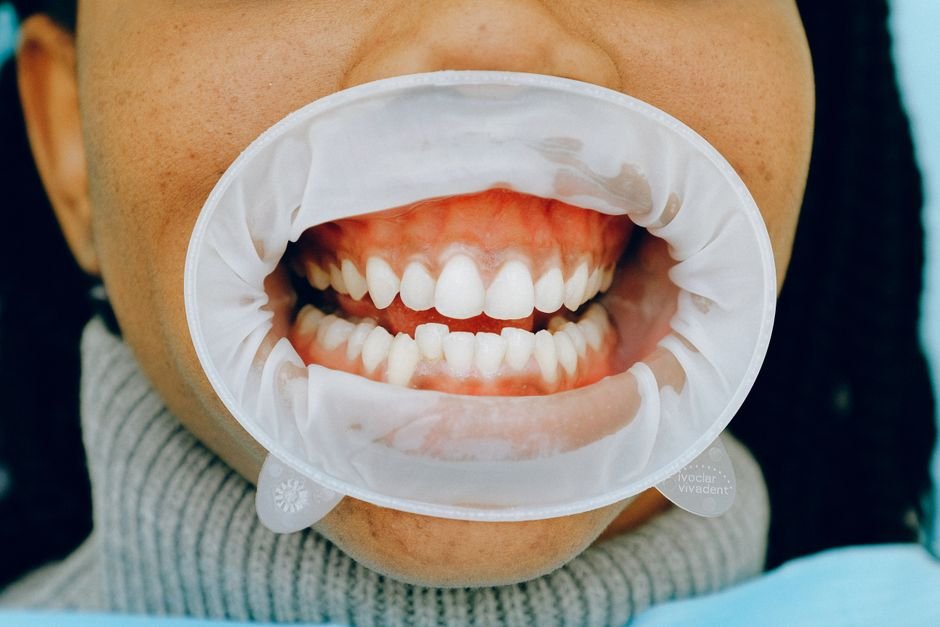
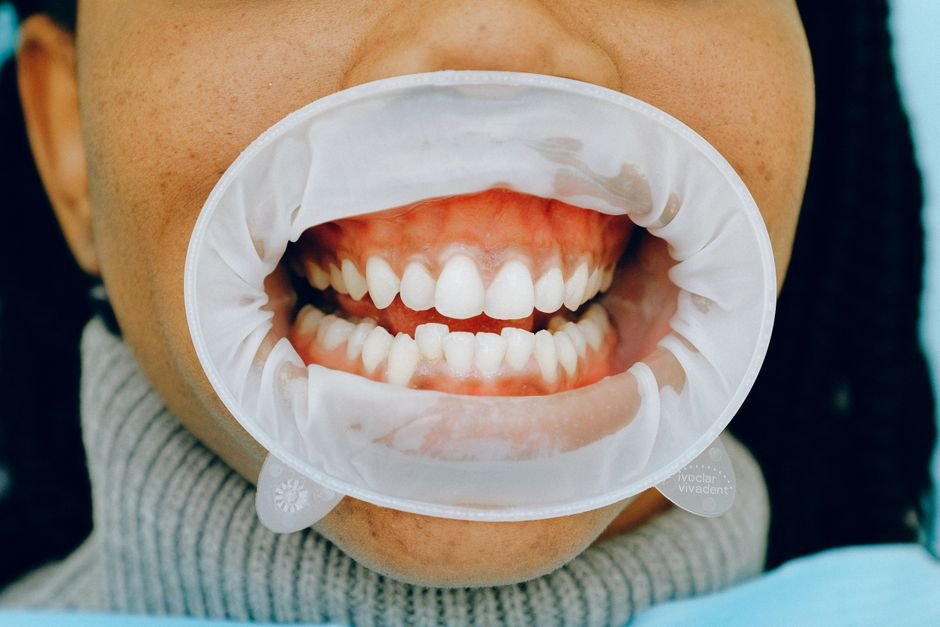
The size and shape of the jaw, the size of individual teeth, and the timing of tooth eruption are all strongly influenced by inherited traits. When a child inherits a small jaw from one parent and larger teeth from the other, the result can be overcrowding, since there simply is not enough space for every tooth to sit in proper alignment. Similarly, inherited jaw shape can contribute to bite issues such as an overbite, underbite, or crossbite, which may affect chewing, speech, and long-term jaw comfort if left unaddressed.
Because these traits are often visible from childhood, family dentistry places importance on monitoring jaw and tooth development from an early age, particularly when parents or siblings have needed orthodontic treatment themselves. Early observation allows dental professionals to track how the jaw and teeth are developing and to flag any emerging alignment concerns before they become more difficult or time-consuming to correct later on.
Enamel is the hardest substance in the body, but its thickness and mineral density can vary noticeably between individuals due to inherited factors. Some people are born with naturally thinner or less densely mineralised enamel, which can make teeth more sensitive to temperature changes and more vulnerable to acid erosion and decay over time. In rarer cases, families can carry inherited conditions that affect enamel formation more significantly, resulting in enamel that is unusually soft, discoloured, or prone to chipping from an early age.
Recognising an inherited enamel weakness early allows for a more protective approach to daily care, such as using remineralising toothpaste, being more cautious with acidic foods and drinks, and attending check-ups on a schedule that allows any early enamel wear to be caught quickly. For families where enamel issues have appeared in multiple members, mentioning this pattern to a dental professional helps ensure preventive strategies are put in place before visible damage develops.
Beyond cavities and gum disease, inherited traits can influence a range of other oral health outcomes. These include the natural alignment and spacing of teeth, the likelihood of developing a high or narrow palate, variations in tongue and lip attachment, and even how quickly plaque tends to build up due to differences in saliva composition. Some inherited syndromes can also affect the number, size, or shape of teeth that develop, occasionally resulting in missing teeth, extra teeth, or teeth with unusual shapes.
While many of these conditions are uncommon, being aware that they can run in families helps explain why a dental professional may ask about relatives’ dental history during an assessment. This information is not gathered out of curiosity alone; it genuinely shapes how closely certain areas are monitored and what preventive steps are recommended, particularly for children who may be showing early signs of an inherited pattern.
It is tempting to think of genetics and lifestyle as separate forces, but in reality they constantly interact. A genetic predisposition sets a baseline level of risk, while lifestyle choices determine how much of that risk actually materialises into a dental problem. Diet high in sugar, inconsistent brushing, smoking, and infrequent dental visits can all amplify an existing genetic vulnerability, while a solid daily routine and professional care can substantially offset it.
This interaction works both ways. Someone without any known genetic risk factors can still develop significant dental problems through prolonged neglect, while someone with several inherited risk factors can maintain excellent oral health through disciplined care. This is one of the most reassuring aspects of understanding genetic risk: it highlights where extra attention is worthwhile, but it never removes the value of everyday habits and professional guidance.
Managing inherited dental risk starts with awareness. Families benefit from discussing dental history openly, noting patterns such as early tooth loss, a history of gum disease, orthodontic treatment, or unusually sensitive teeth across parents, grandparents, and siblings. Sharing this history during dental visits allows a more tailored approach to prevention, whether that means more frequent cleanings, earlier orthodontic assessments, or a stronger focus on enamel protection through diet and oral care products.
Beyond sharing history, practical management involves consistent daily habits: thorough brushing twice a day, cleaning between teeth daily, limiting frequent exposure to sugary or acidic foods and drinks, and attending regular dental check-ups so that any developing issue is caught while it is still minor. These habits matter for everyone, but they carry particular weight for families with a known predisposition to decay, gum disease, or enamel weakness.
Family dentistry is well positioned to track genetic risk because it often sees multiple generations of the same family over many years. This continuity allows patterns to be noticed that might otherwise go unremarked, such as several siblings developing gum sensitivity at a similar age or a tendency toward crowded teeth appearing consistently across generations. Recognising these patterns early supports more proactive, rather than reactive, dental care for the whole family.
This long-term view also supports better communication between family members and dental professionals. When a parent mentions their own history of early gum disease or decay, it gives useful context for assessing a child’s risk and deciding how often they should be seen, what preventive treatments might help, and which habits deserve extra reinforcement at home. Over time, this collaborative approach tends to produce better outcomes than treating each family member’s dental care in isolation.
No, tooth decay itself is not directly inherited because it is caused by bacteria producing acid from sugars and starches. What can be inherited are traits such as enamel thickness, saliva composition, and the depth of grooves on teeth, which can make decay more or less likely depending on how well those factors are managed through diet and hygiene.
Having a family history of gum disease increases the likelihood of developing it because immune response to plaque bacteria can be inherited, but it does not make gum disease certain. Consistent oral hygiene, regular professional cleanings, and prompt attention to early signs like bleeding or swollen gums can significantly reduce this inherited risk.
Yes, tooth alignment is strongly influenced by inherited jaw size, tooth size, and jaw shape. When a smaller jaw is combined with larger teeth, overcrowding often results. This is why families with a history of orthodontic treatment are often encouraged to have jaw and tooth development monitored from an early age.
Not necessarily. Enamel can be weakened by acidic diets, insufficient fluoride exposure, or certain habits, in addition to inherited traits affecting its thickness or mineral density. A dental professional can help distinguish between enamel wear caused by lifestyle factors and enamel that is naturally thinner due to inherited characteristics.
Family dental history helps identify patterns that may indicate an inherited predisposition to conditions such as gum disease, enamel weakness, or misalignment. This information allows a more tailored prevention plan, including how frequently check-ups or cleanings might be recommended and which areas deserve closer monitoring over time.

What and when a family eats together has a surprisingly direct effect on children’s dental health, since mealtime patterns often

Children are far more likely to stick with good oral care habits when they see parents practising the same routines
Most dentists recommend a child’s first dental visit by their first birthday, or within six months of their first tooth
 English