







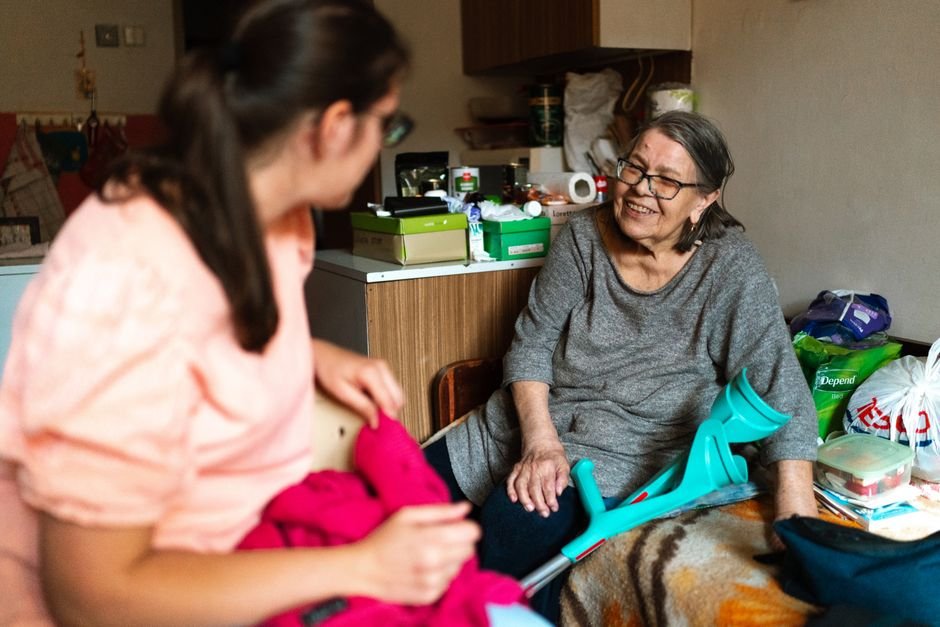
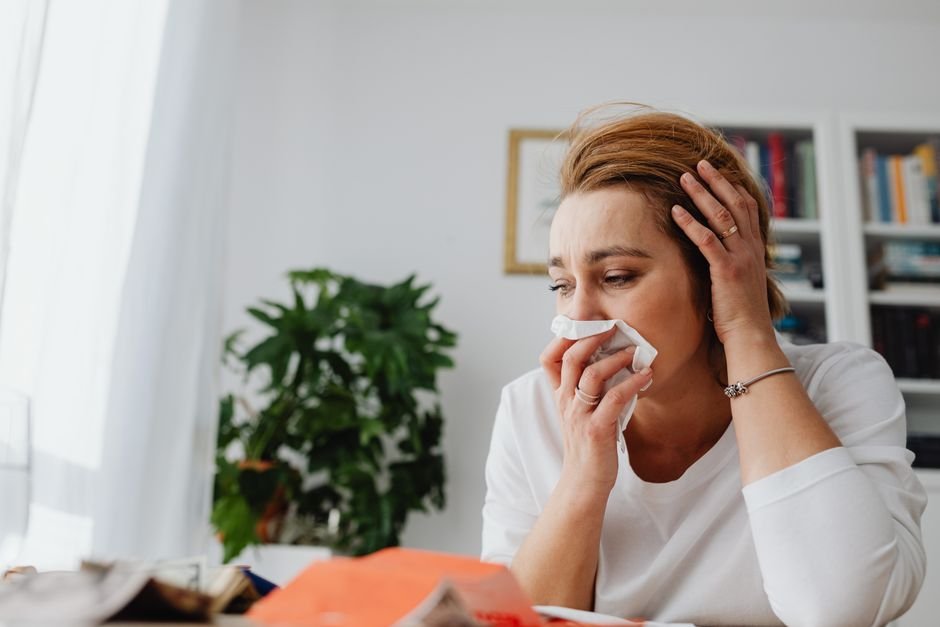








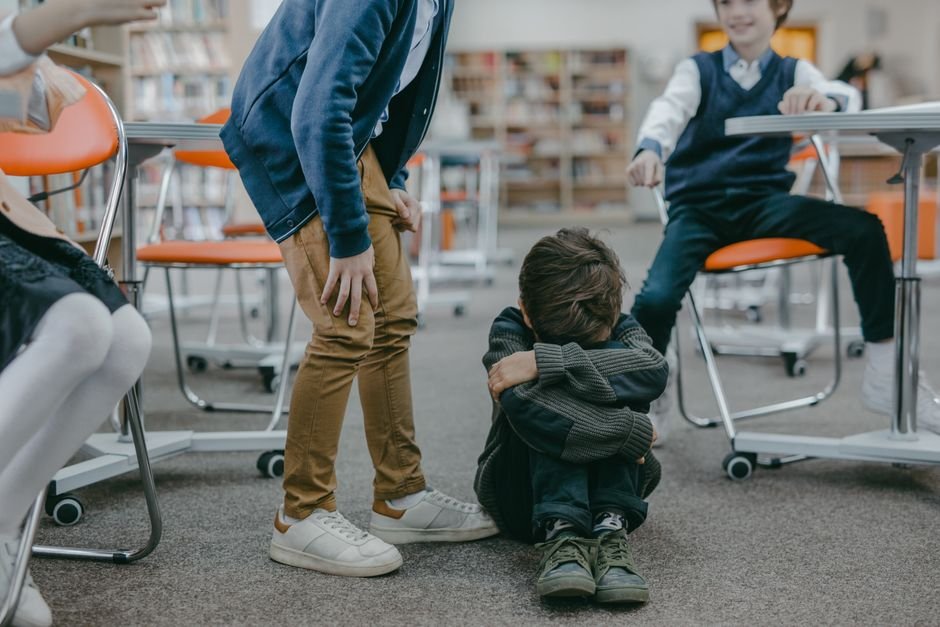

When stress rises inside a household, it often shows up in the mouth before anyone notices it anywhere else. Family stress can trigger or worsen habits such as teeth grinding, nail biting, lip chewing, thumb sucking in younger children, and even skipped brushing routines, because the nervous system and daily routines are closely linked to oral behaviour. Recognising this connection early helps families address the root cause rather than just the symptom.
Key takeaways
The mouth is packed with nerve endings and is one of the first places the body expresses tension. When stress hormones rise, muscles throughout the jaw, cheeks, and tongue tend to tighten involuntarily. This is why so many people clench their jaw during a difficult conversation or grind their teeth while asleep after a demanding day. The behaviour is largely unconscious, which is part of why it can persist for weeks or months without the person realising it is happening.
Oral habits also serve as a form of self-soothing. Chewing, biting, or repetitive mouth movements can temporarily lower anxiety by giving the nervous system something rhythmic to focus on. In children especially, these habits often reappear during periods of household tension even after they had previously stopped. Understanding this link allows families to respond with patience rather than frustration, since the habit is a symptom of stress rather than a deliberate choice.
Yes, teeth grinding, medically known as bruxism, is one of the most common stress-related oral habits seen in children living in tense household environments. Arguments, financial pressure, separation, or simply a chaotic daily schedule can all contribute. Grinding often happens during sleep, so parents may only discover it through a partner or sibling mentioning the sound, or through a dental check-up revealing flattened or worn tooth surfaces.
While occasional grinding is not usually a major concern, frequent or prolonged grinding can wear down enamel, increase tooth sensitivity, and contribute to jaw soreness or headaches upon waking. Children may not be able to articulate that they feel anxious, so the grinding itself can be an early signal worth paying attention to. A calmer bedtime routine, open conversation about feelings, and a dental review can all help manage the habit before it causes lasting wear.
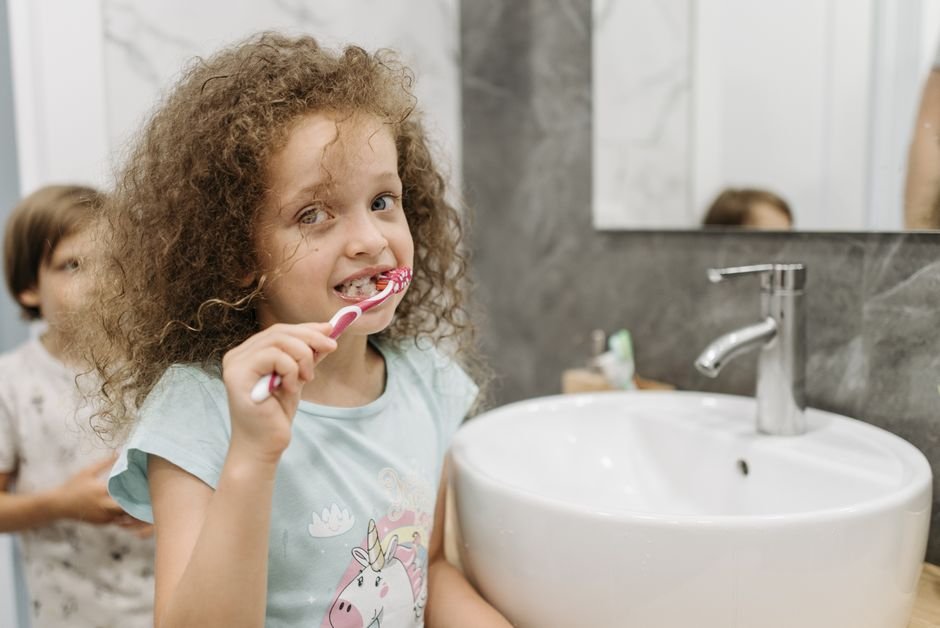
During emotionally difficult periods, oral hygiene routines are often among the first habits to slip. Fatigue, distraction, and a general sense of being overwhelmed can mean brushing gets rushed, shortened, or skipped altogether, particularly at night when energy is lowest. Over time, this inconsistency allows plaque to build up more than usual, increasing the risk of cavities and gum inflammation.
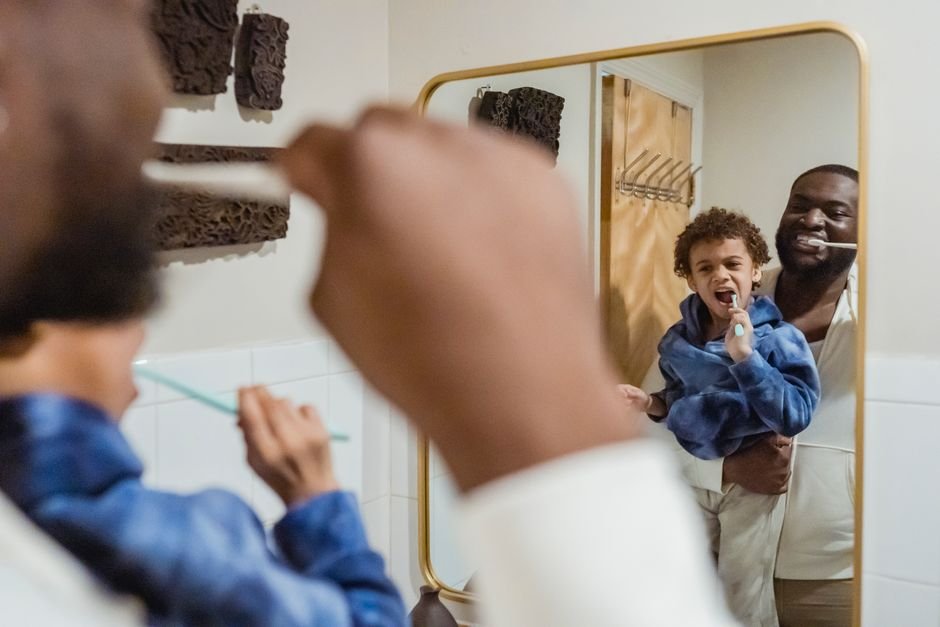
Families under strain may also fall out of shared routines, such as brushing together after dinner, which previously kept children on track. Without that structure, younger family members may forget or resist the task entirely. Rebuilding a simple, low-effort routine, even a shortened one during particularly hard weeks, helps maintain a baseline of oral care until life settles into a steadier rhythm again.
Thumb sucking and dummy use are natural soothing behaviours in early childhood, and many children who have already stopped may temporarily return to them during periods of household stress, such as a house move, a new sibling, or ongoing tension between caregivers. This regression is a normal coping response rather than a step backward in development, and it typically resolves once the child feels more settled.
The concern arises when the habit continues intensely or for a long stretch, as prolonged sucking habits can influence how the front teeth and jaw develop, potentially affecting bite alignment. Gentle encouragement, comfort through other means such as a soft toy or extra reassurance, and consistency from caregivers usually help the habit fade again naturally without added pressure on the child.
Jaw clenching is closely related to teeth grinding but can occur during waking hours as well as sleep, often without the person noticing until discomfort sets in. It frequently happens during moments of concentration, frustration, or suppressed emotion, all of which tend to increase during stressful family periods. Unlike grinding, clenching does not always produce a sound, which makes it easier to overlook.
Over time, sustained clenching can lead to soreness in the jaw joint, tension headaches, and even referred pain in the neck and shoulders. Some people also notice their teeth feel more sensitive after a clenching episode. Becoming aware of the habit, for example by noticing when the jaw feels tight during the day, is often the first step toward consciously relaxing the muscles and reducing the strain placed on the teeth and joint.
Nail biting and cheek or lip chewing are common nervous habits that tend to intensify when family tension is high. Both behaviours provide a repetitive, physical outlet for restless energy or anxious feelings, which is why they often appear during stressful conversations, homework struggles, or unsettled evenings at home. Adults are not immune either, and may bite their nails or the inside of their cheek during work-related or family stress alike.
These habits can cause more than cosmetic concerns. Repeated cheek chewing can create small sores or thickened tissue inside the mouth, while nail biting can chip front teeth or irritate the gums if fingers are bitten down to the skin. Identifying the triggers behind the habit, rather than only addressing the behaviour itself, tends to be more effective for reducing it over the long term.
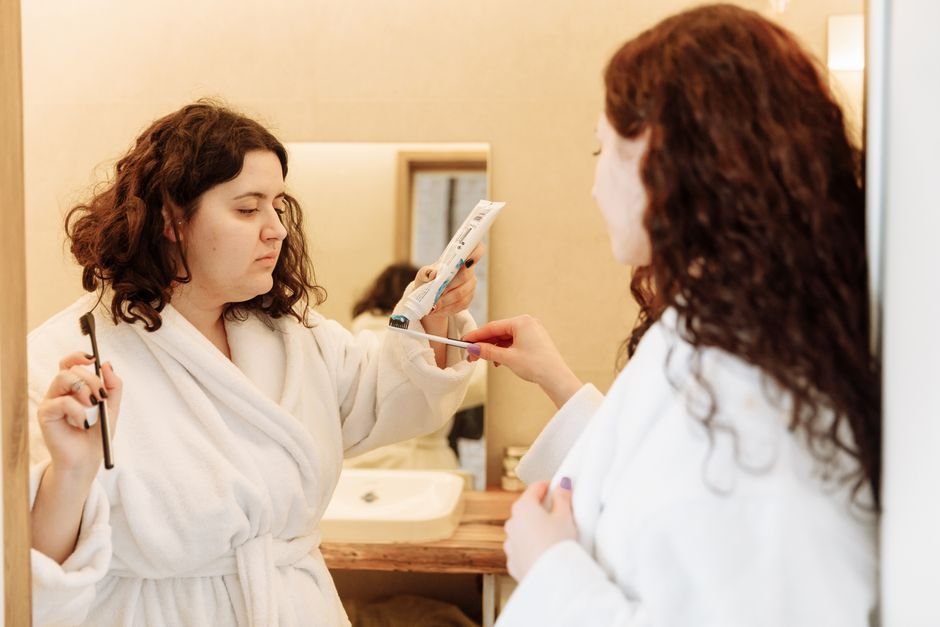
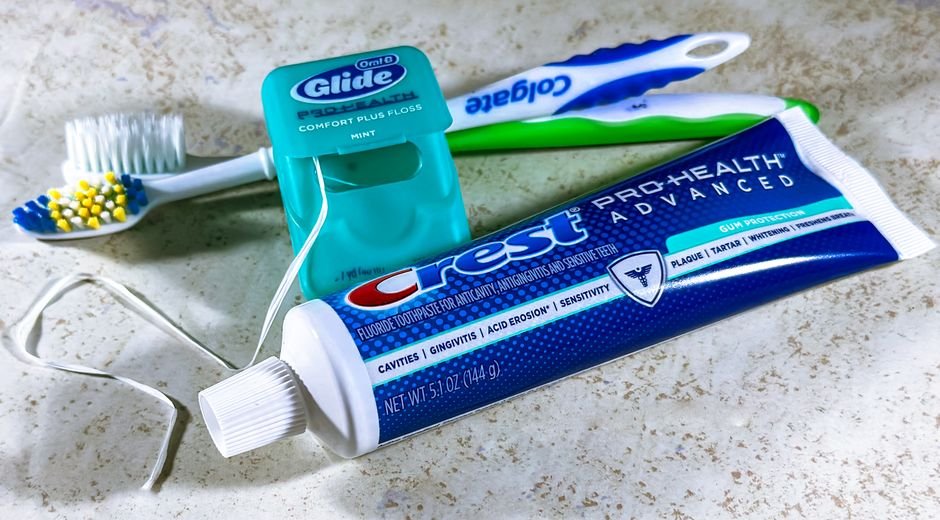
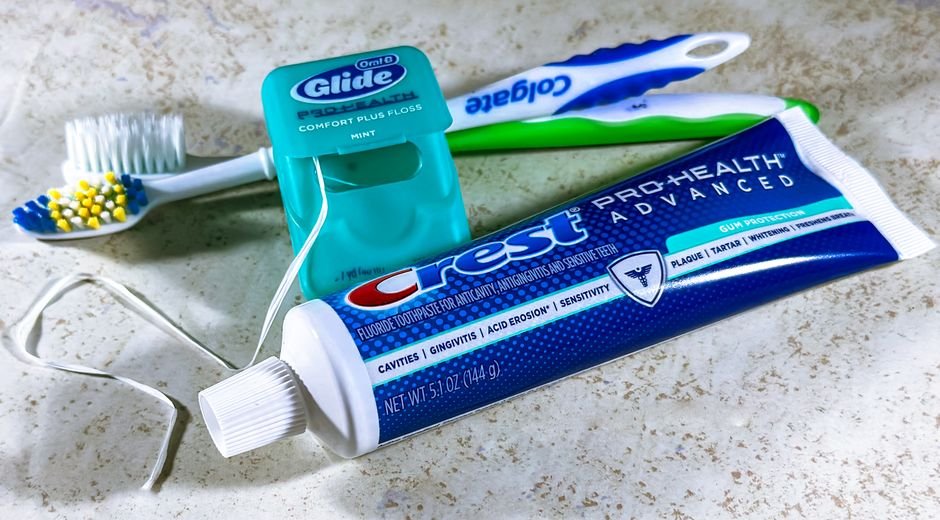
Simple, low-pressure strategies tend to work best when a household is going through a difficult stretch. Keeping a consistent, even if brief, brushing and flossing routine helps maintain a baseline of protection even when energy is low. Placing toothbrushes somewhere visible, using a timer, or brushing as a shared family activity can make the habit easier to sustain without requiring extra motivation.
Beyond hygiene, addressing the underlying stress itself is equally important. Open conversations about feelings, predictable daily routines, and reducing exposure to ongoing conflict where possible can all lower the physical tension that drives oral habits in the first place. Small, calming rituals such as a consistent bedtime or a few minutes of quiet time can reduce the nervous energy that often gets channelled into grinding, clenching, or biting.
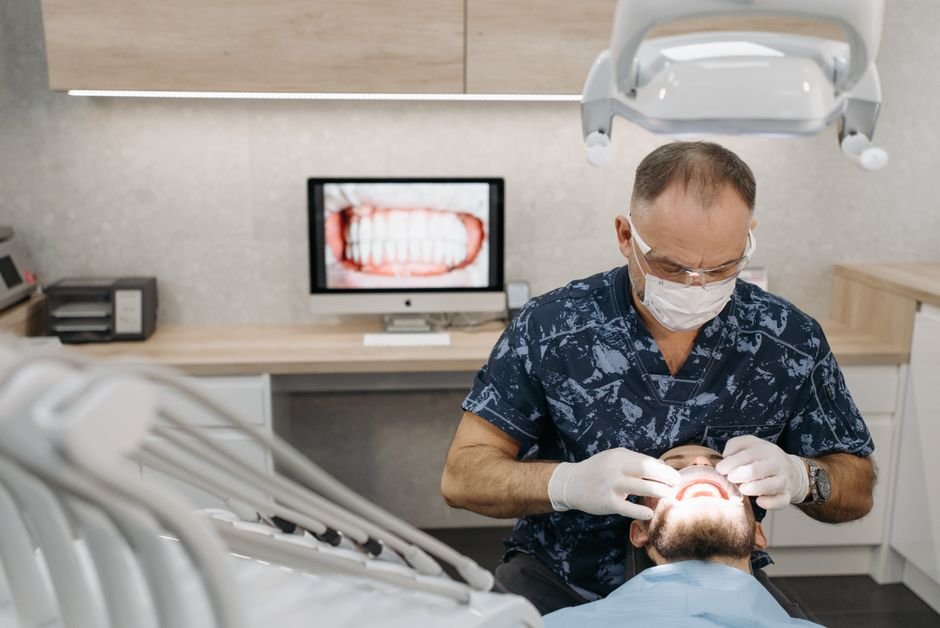
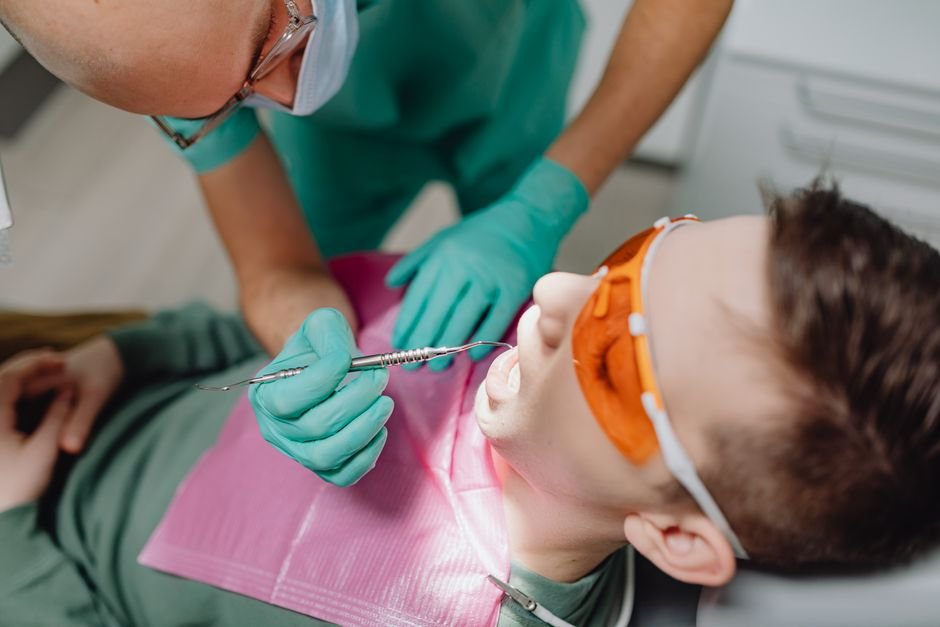
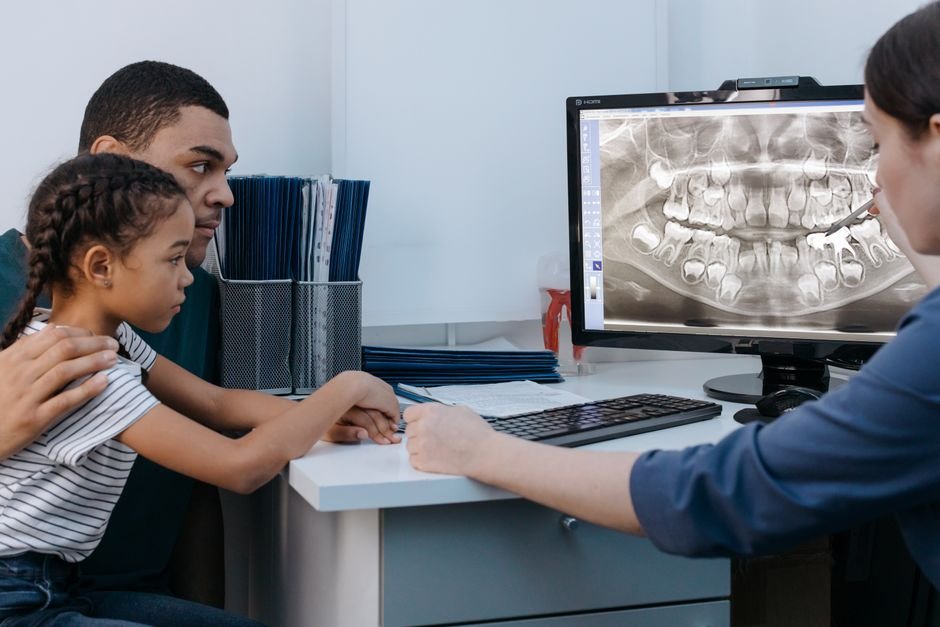
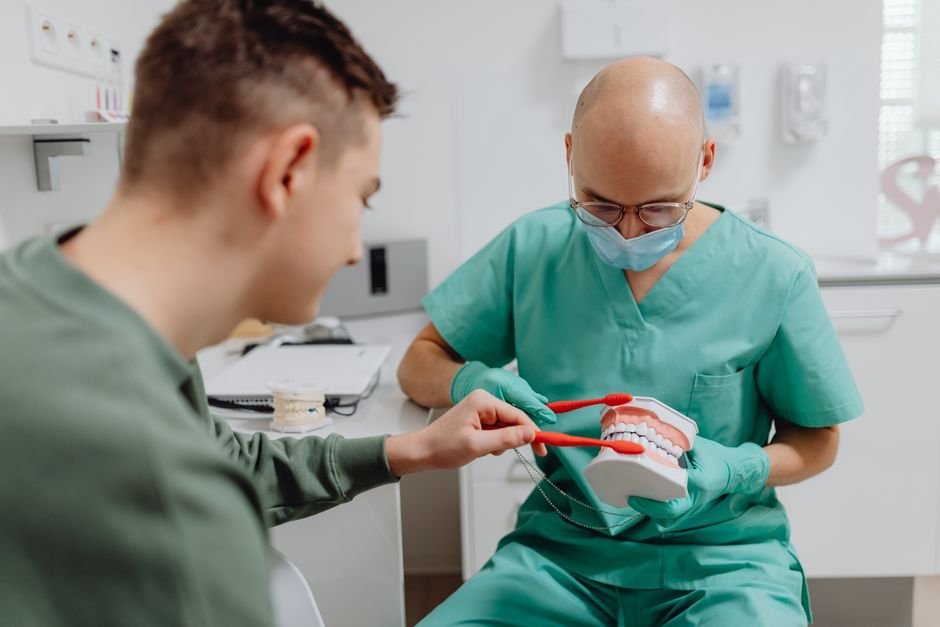
A dental check-up is worthwhile whenever a stress-related habit appears to be causing visible changes, such as worn or flattened tooth edges, chipped enamel, persistent jaw soreness, or sores inside the cheeks that do not heal. A dentist can assess the extent of any wear, monitor how a child’s bite is developing, and recommend supportive measures suited to the habit involved, all without needing to know the specific cause of the underlying stress.
Bringing up the habit openly during a routine visit is helpful, even if it feels minor. Dentists frequently see stress-related patterns and can offer practical, judgement-free guidance, whether that involves protective measures for grinding, monitoring for young children with lingering sucking habits, or simple advice on breaking a nail-biting or cheek-chewing pattern before it causes lasting damage.
For habits like grinding and clenching that occur mostly during sleep, a well-fitted mouthguard can be a practical way to protect the teeth while other coping strategies take effect. It will not eliminate the habit itself, but it does create a barrier that reduces enamel wear and eases pressure on the jaw joint, which can be especially useful during an extended stretch of family stress that is not likely to resolve overnight.
For daytime habits such as clenching, nail biting, or cheek chewing, awareness-based approaches tend to be more useful than physical devices. Techniques such as noticing the habit as soon as it starts, consciously relaxing the jaw, or replacing the behaviour with a less damaging alternative can gradually reduce frequency. Combining a protective approach with ongoing attention to family stress levels generally produces the best long-term outcome for oral health.
Stress-related oral habits can cause genuine dental problems if they continue over time. Teeth grinding and jaw clenching can wear down enamel and increase sensitivity, while repeated cheek or lip chewing can create sores inside the mouth. The habits themselves are often harmless in the short term, but sustained pressure or repetition can lead to lasting changes in the teeth, gums, or jaw joint.
Common signs include a grinding or clicking sound during sleep, complaints of jaw soreness or headaches upon waking, and visibly flattened or worn edges on the front teeth. Since grinding often happens unconsciously during sleep, it is frequently first noticed by a sibling, parent sharing the room, or during a routine dental check-up rather than by the child themselves.
Yes, this kind of regression is a common and normal soothing response to change or tension, such as a new sibling, a house move, or ongoing family stress. It usually resolves on its own once the child feels more secure. If the habit continues intensely for a long period or appears to be affecting how the front teeth are aligning, it is worth mentioning to a dentist.
Building awareness is the most effective first step, since clenching often happens without notice. Periodically checking in with the jaw throughout the day, consciously letting it relax with the lips together and teeth apart, and using relaxation techniques such as slow breathing can all help. For clenching that mainly occurs during sleep, a well-fitted mouthguard can protect the teeth while the underlying habit is addressed.
Many stress-related oral habits do ease once the underlying tension in the household resolves, particularly temporary ones like a child’s return to thumb sucking. However, habits that have been repeated for a long time, such as chronic grinding or nail biting, can persist even after the original stress passes, since they may become an ingrained pattern. Ongoing awareness and, if needed, professional guidance can help fully resolve a long-standing habit.

What and when a family eats together has a surprisingly direct effect on children’s dental health, since mealtime patterns often

Children are far more likely to stick with good oral care habits when they see parents practising the same routines
Most dentists recommend a child’s first dental visit by their first birthday, or within six months of their first tooth
 English