
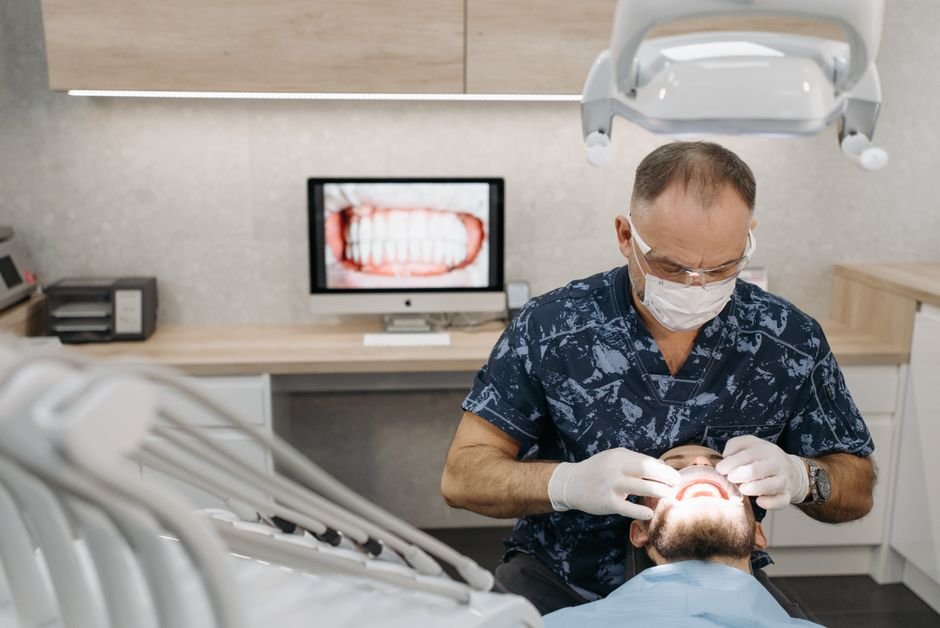




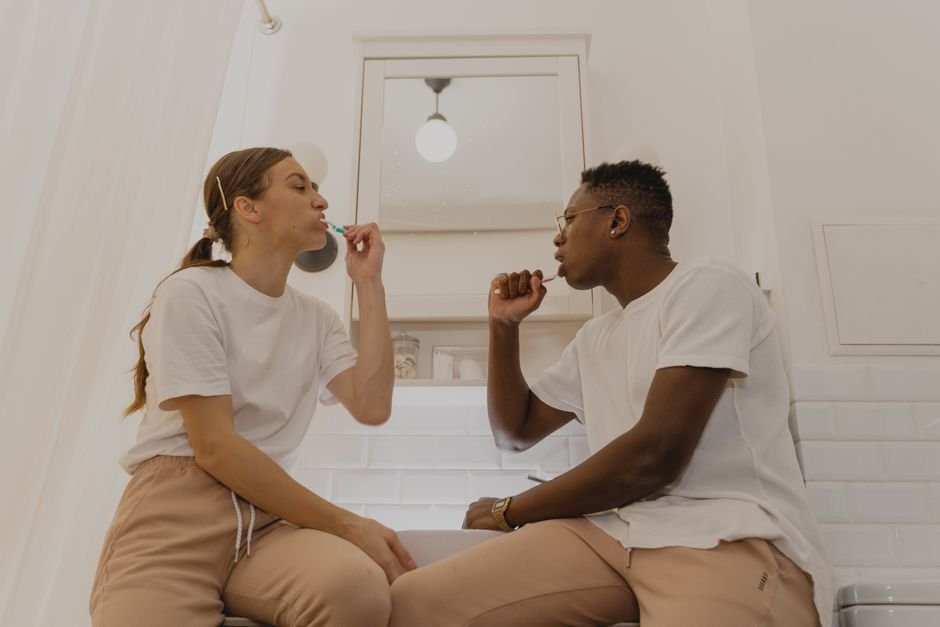
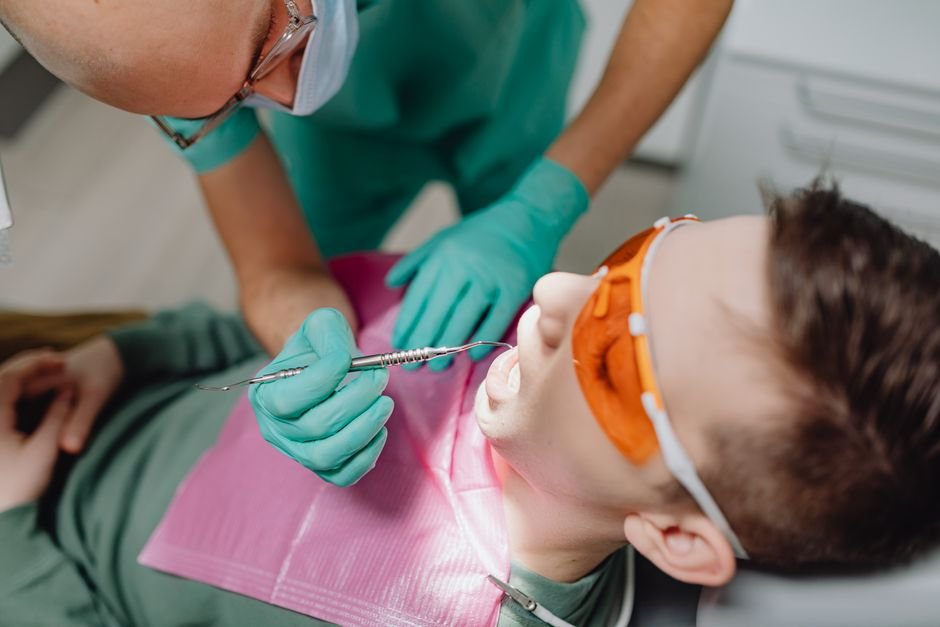
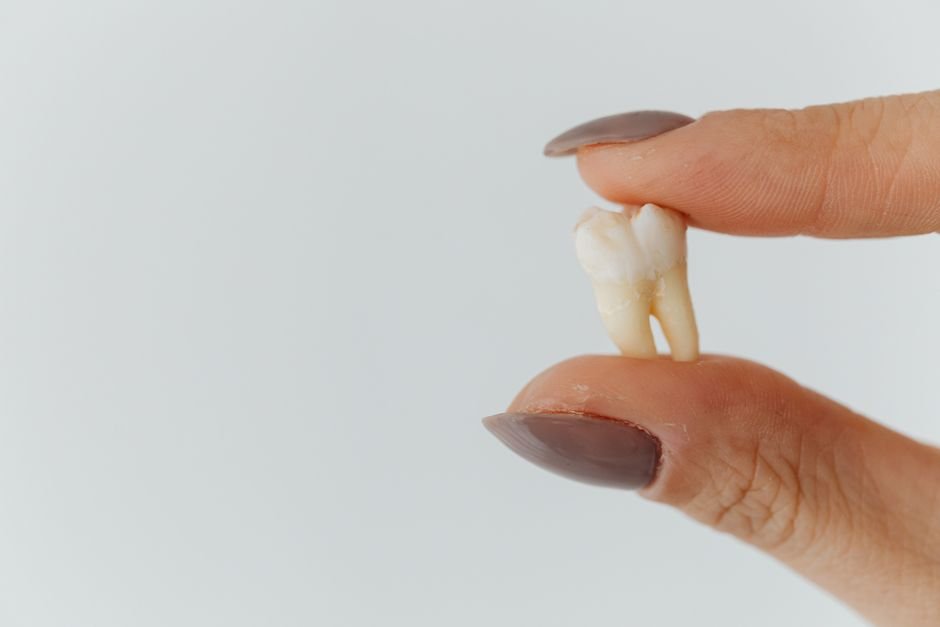


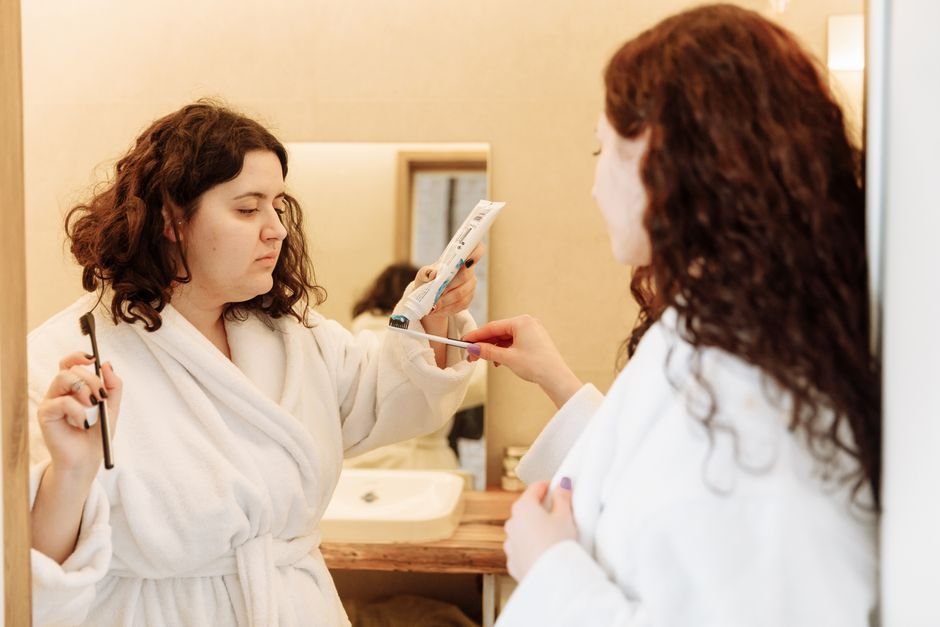
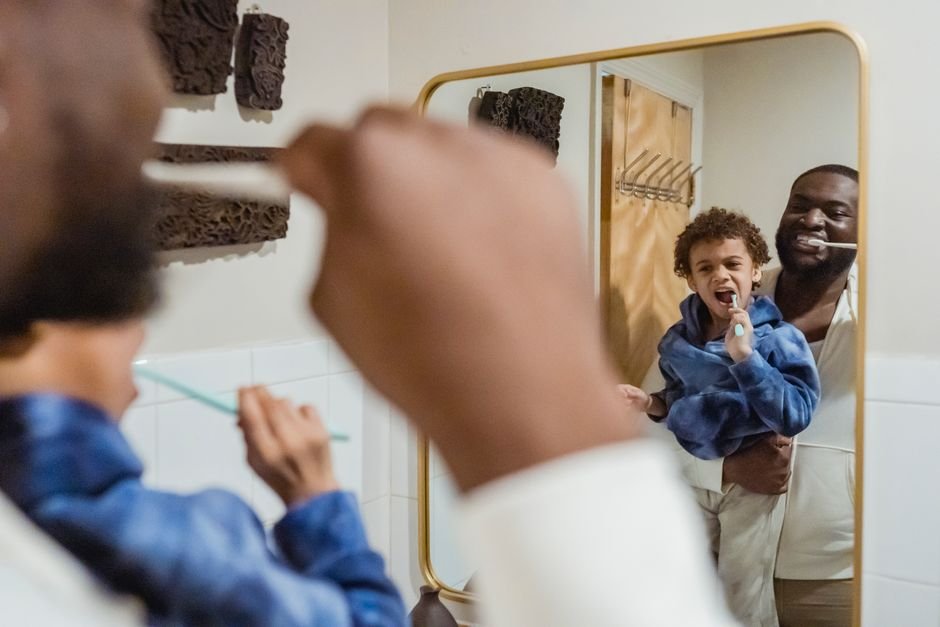

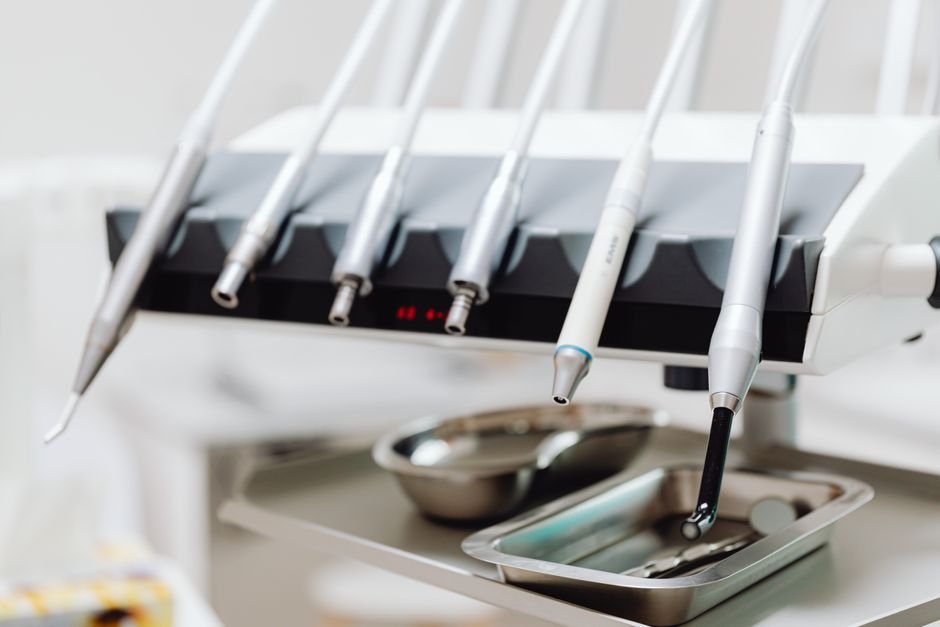
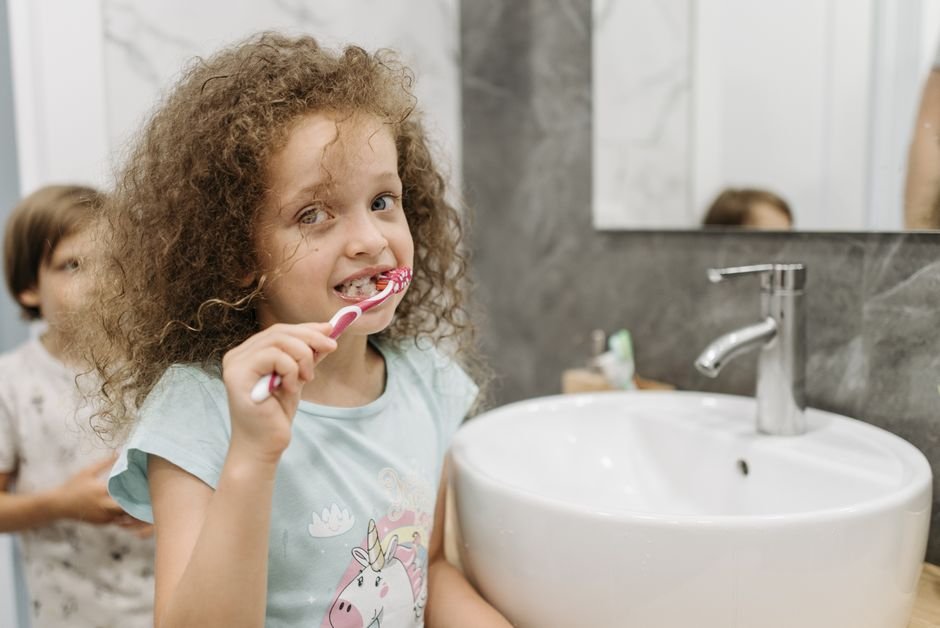








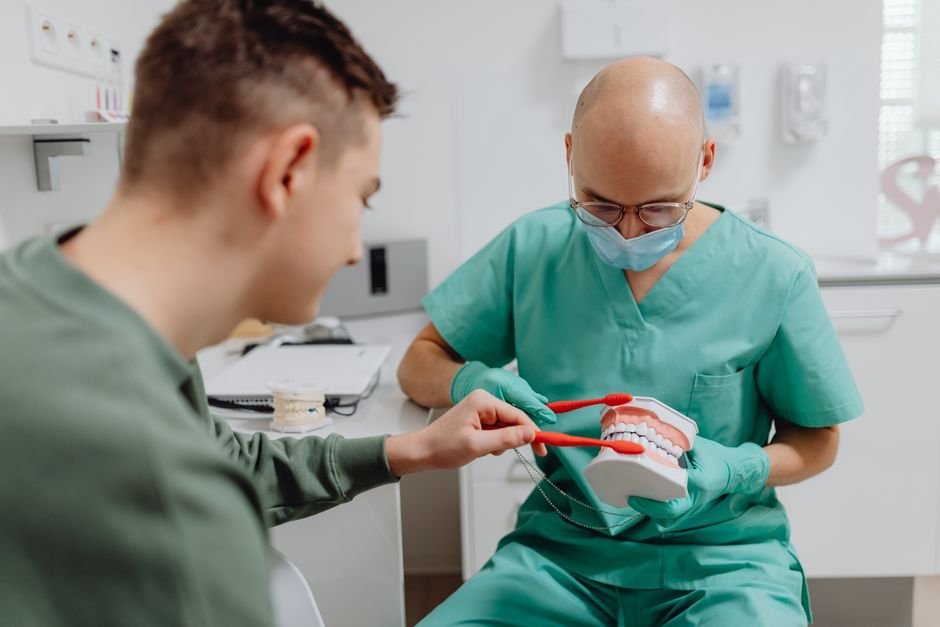



Technology helps families track oral health over time by turning scattered memories and paper reminders into organised, searchable records that show patterns across months and years. Digital charting, reminder apps, at-home monitoring devices, and imaging tools all work together to capture what is happening in every family member’s mouth, when it happened, and how it is changing. Instead of relying on a parent’s memory of “was it the top left molar or the bottom one last time,” families now have a running history that makes it easier to catch small issues before they become bigger, more complicated ones.
Key takeaways
Oral health rarely changes overnight. Gum recession, enamel wear, the development of a child’s bite, and the early signs of decay tend to progress slowly, which makes them easy to miss if each dental visit is treated as a standalone event. When a family keeps a running record, whether through a clinic’s digital system or their own notes, small shifts become visible much sooner. A slightly deeper gum pocket, a new area of sensitivity, or a change in how a child’s teeth are aligning can be flagged early, when treatment is usually simpler and less invasive.
Tracking also helps families understand patterns unique to them. Some households are more prone to plaque build-up, others to teeth grinding or acid erosion. Without a historical record, these tendencies are hard to recognise. With one, both the family and their dental team can spot recurring issues, adjust habits, and plan preventive care around the specific risks that keep showing up, rather than applying generic advice that may not fit the household’s actual needs.
Digital patient records replace loose paper charts with a structured history that includes notes, measurements, treatment plans, and images from every visit. Because everything is stored in one searchable system, a dental professional can pull up a child’s chart from several years ago and compare it directly with the most recent visit. This side-by-side view makes subtle changes far easier to spot than trying to recall details from memory or flip through handwritten notes that may be incomplete or hard to read.
These records also travel more easily. If a family relocates or switches providers, a digital history can usually be transferred securely, meaning the new dental team does not have to start from scratch. For families with several members attending the same practice, digital systems can also link related records, making it simpler to notice shared patterns, such as a tendency toward closely spaced teeth or higher cavity risk that seems to run through the family.
Consistency is one of the biggest challenges in family oral health, especially with multiple children on different appointment schedules. Digital reminder systems, whether built into a clinic’s booking software or a shared family calendar, reduce the chances of a check-up slipping through the cracks. Automated messages about upcoming appointments, overdue cleanings, or recommended follow-ups keep oral care on the family’s radar without requiring anyone to manually track dates for each person.
These tools also support daily habits, not just appointments. Simple reminders to brush, floss, or replace a toothbrush head can be scheduled through a phone or shared household app. For younger children still building routines, a visible reminder or checklist can reinforce consistency in a way that feels like a small habit-forming game rather than a chore. Over time, this steady structure tends to matter more for oral health outcomes than any single visit to a dental practice.
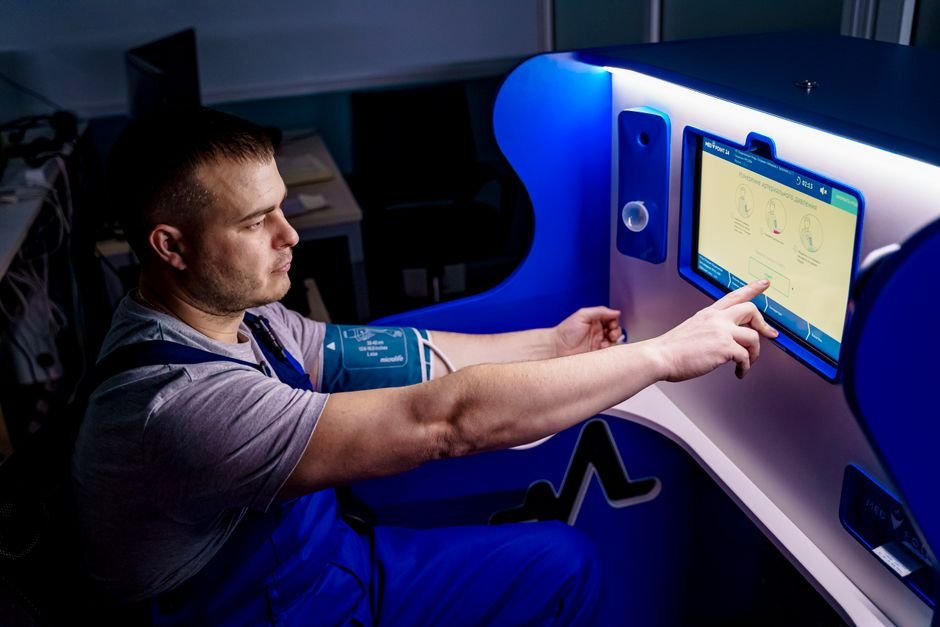
A range of connected brushing devices now give families feedback on how thoroughly and how long each person brushes, which areas of the mouth are missed, and whether pressure is too heavy. For children who resist brushing or rush through it, this kind of feedback can be more persuasive coming from a device than from a parent repeating the same reminder. Some tools use simple visual cues, such as a light or a screen prompt, to show when brushing has been completed properly across all areas of the mouth.
Parents can also use the data these devices collect to identify trends, such as a child consistently missing the same quadrant or brushing for too short a time in the mornings. This information can be shared with a dental professional at the next visit, giving them a more complete picture of daily habits rather than relying solely on what they observe during a short appointment. Over months, this steady stream of information often reveals patterns that would otherwise go unnoticed.
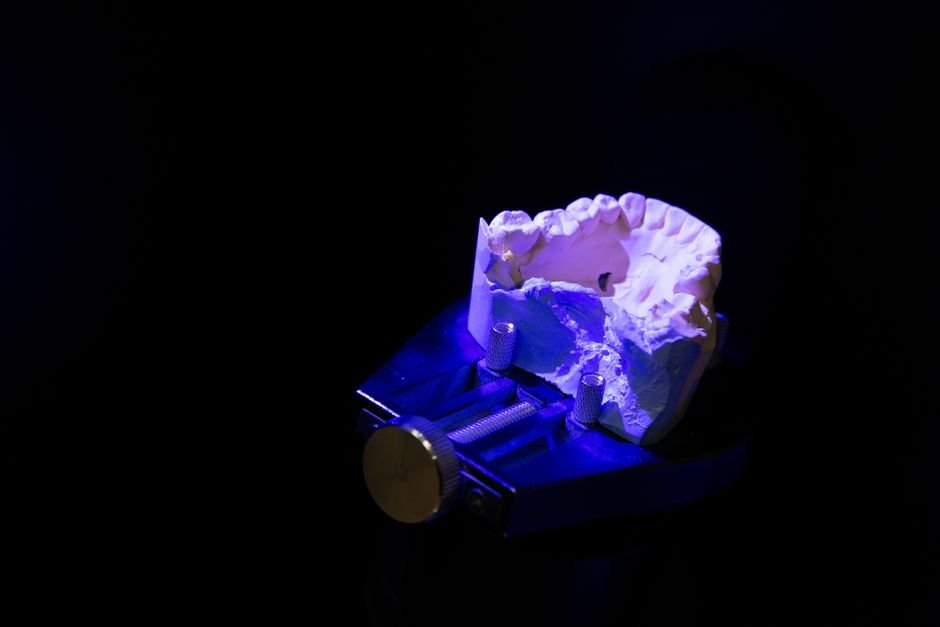
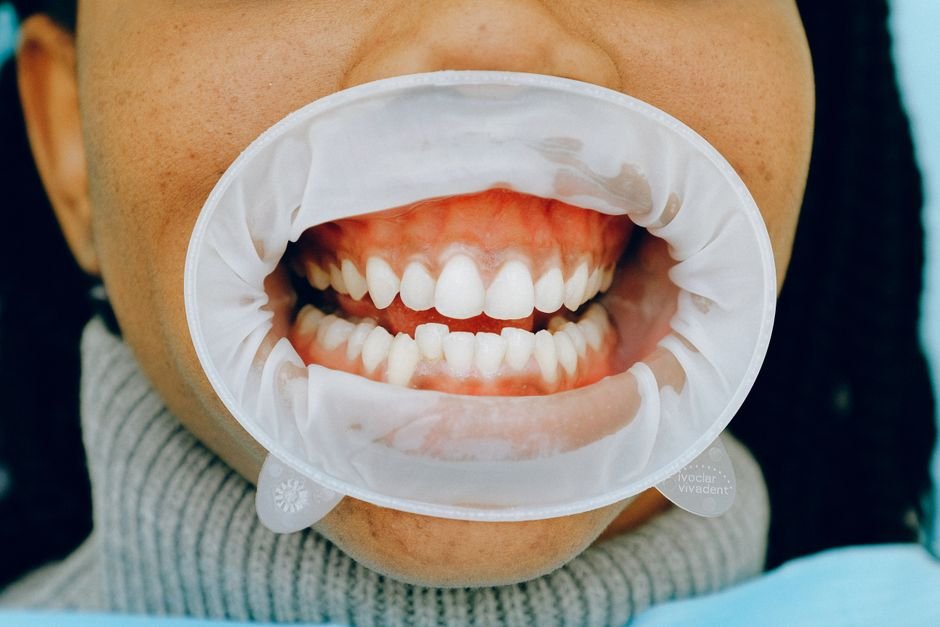
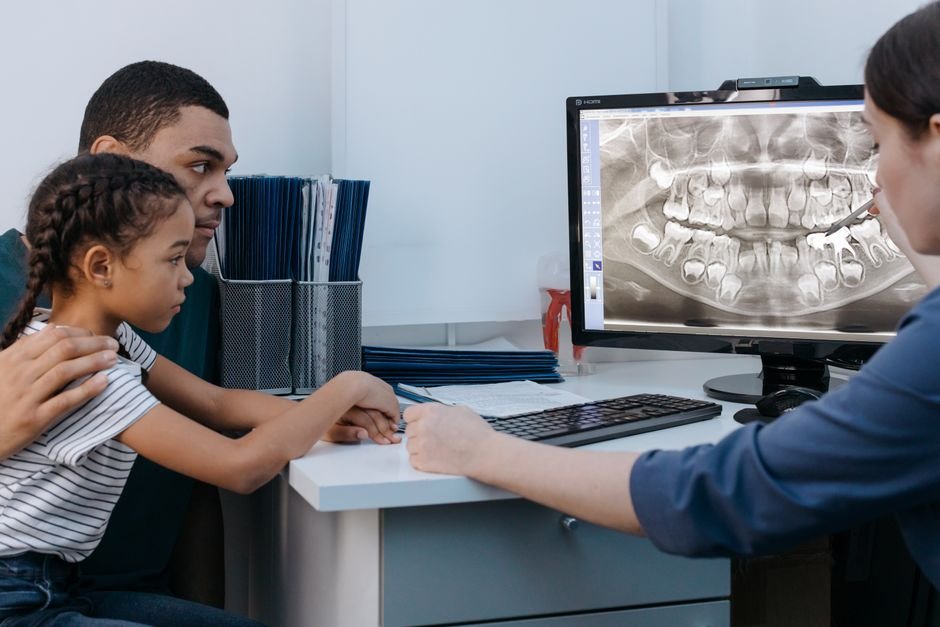
Digital X-rays, intraoral cameras, and 3D scanning have made it far easier to document the exact condition of teeth and gums at any given point in time. Because these images are stored electronically, they can be placed side by side with images from previous visits to highlight subtle differences, such as slight decay progression, gum line changes, or shifts in tooth position. This kind of visual comparison is far more precise than relying on written notes or general impressions from memory.
This approach is particularly useful for growing children, whose teeth and jaws change considerably over a short number of years. A scan taken during one stage of development can serve as a reference point for evaluating whether growth and alignment are progressing as expected. For adults, the same imaging history can help track the long-term effects of habits like grinding, or monitor an area that has previously required treatment, without needing to guess whether the situation has improved or worsened.
General family health apps, and dental-specific ones, allow households to store information for every family member in a single place. This can include appointment history, notes from previous visits, known sensitivities, and reminders for home care routines. Rather than each parent keeping separate mental notes or scattered messages, the whole picture becomes centralised and accessible to whoever needs it, which is especially useful in households where more than one caregiver manages appointments and routines.
These apps often include simple tracking features, such as logging when a toothbrush was last replaced, when fluoride treatments were applied, or when a child last had a check-up. Over time, this creates a lightweight but genuinely useful history that complements professional dental records. It also encourages children to take a more active role in their own oral care as they get older, since they can see their own routine laid out clearly rather than relying entirely on a parent to manage it for them.
One of the most valuable aspects of tracking oral health digitally is the ability to notice patterns that would be nearly impossible to catch through memory alone. For example, a family might realise that cavities tend to appear during particular seasons, coinciding with changes in diet or routine, or that gum sensitivity increases after periods of poor sleep or high stress. These correlations are easier to spot when data is recorded consistently rather than recalled after the fact.
Some clinics now use software that flags risk factors based on a patient’s history, such as a pattern of missed appointments, recurring decay in the same area, or a gap since the last professional cleaning. These flags help dental teams prioritise attention where it is genuinely needed, rather than treating every patient the same way regardless of their individual history. For families, this means preventive advice becomes more tailored and relevant, rather than generic guidance that may not reflect their actual risk profile.
Not every tracking tool suits every family, so it helps to think about what problem is actually being solved. A family struggling with missed appointments may benefit most from simple scheduling reminders, while a household with a child who dislikes brushing might get more value from a device offering real-time feedback. Choosing tools based on an actual gap in the current routine, rather than adopting every available option, tends to produce better long-term engagement and less frustration for everyone involved.
It is also worth considering how easy a tool is to maintain consistently. A tracking system that requires constant manual entry is less likely to be used for long compared with one that updates automatically or requires only occasional input. Families should also think about whether data can be easily shared with their dental team, since the real value of tracking comes from combining home observations with professional expertise, rather than treating either source of information as sufficient on its own.
Yes, to some extent. Children’s teeth and jaws change quickly during growth, so tracking tools that capture development over time, such as periodic imaging and growth notes, are particularly useful. Simple habit trackers for brushing and flossing also tend to work well for children, since they respond to visible progress and gentle routine reinforcement more than adults typically need.
Digital records are generally more consistent and easier to compare over time because they reduce the risk of illegible notes, lost pages, or incomplete entries. They also allow images and measurements from different visits to be placed side by side, which is far harder to do accurately with separate paper charts stored across multiple appointments or providers.
No. Tracking tools are designed to support and inform professional care, not replace it. Devices and apps can highlight habits, patterns, and potential concerns, but a trained dental professional is still needed to properly examine teeth and gums, interpret findings, and carry out any necessary treatment. Tracking works best as a complement to regular check-ups, not a substitute for them.
A brief review every few weeks is usually enough to catch emerging patterns without becoming a burdensome task. Many families find it convenient to check tracking data around the time of a dental appointment, so any patterns or concerns can be discussed directly with their dental team while the information is still fresh and relevant.
They can be a helpful addition, particularly for households with children who need encouragement to brush thoroughly and for the recommended length of time. That said, they are not essential. A standard toothbrush used correctly and consistently, combined with good flossing habits and regular check-ups, remains just as effective for maintaining strong oral health over time.

What and when a family eats together has a surprisingly direct effect on children’s dental health, since mealtime patterns often

Children are far more likely to stick with good oral care habits when they see parents practising the same routines
Most dentists recommend a child’s first dental visit by their first birthday, or within six months of their first tooth
 English