
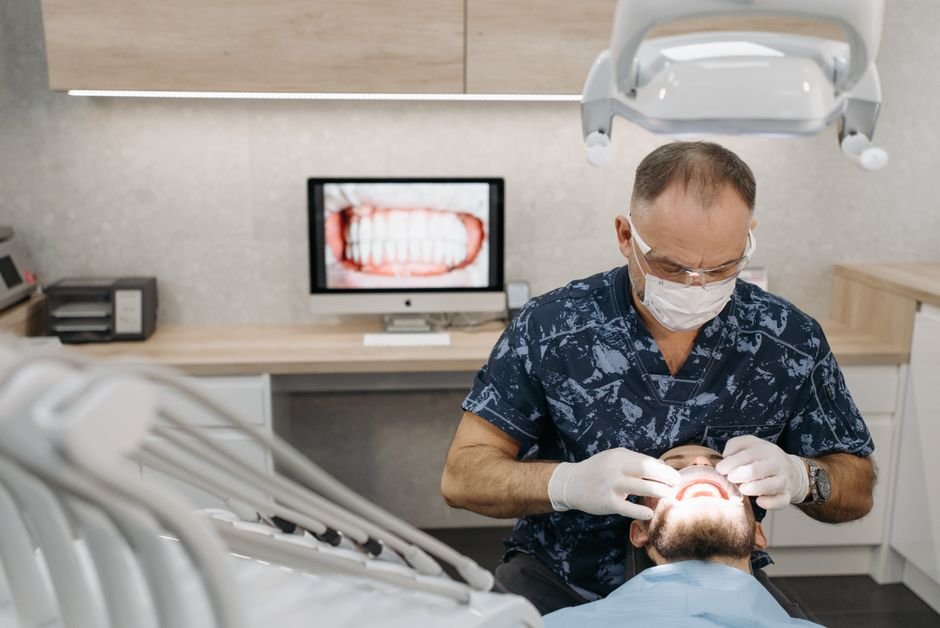



















Same day dental technology lets a practice diagnose, plan and complete many treatments in a single visit instead of spreading them across several appointments, which means less time away from work, school and family routines. For households juggling multiple calendars, this shift from multi-visit care to single-visit care is one of the most practical improvements modern dentistry has to offer, turning what used to be a half-day commitment repeated over several weeks into one focused appointment.
Key takeaways
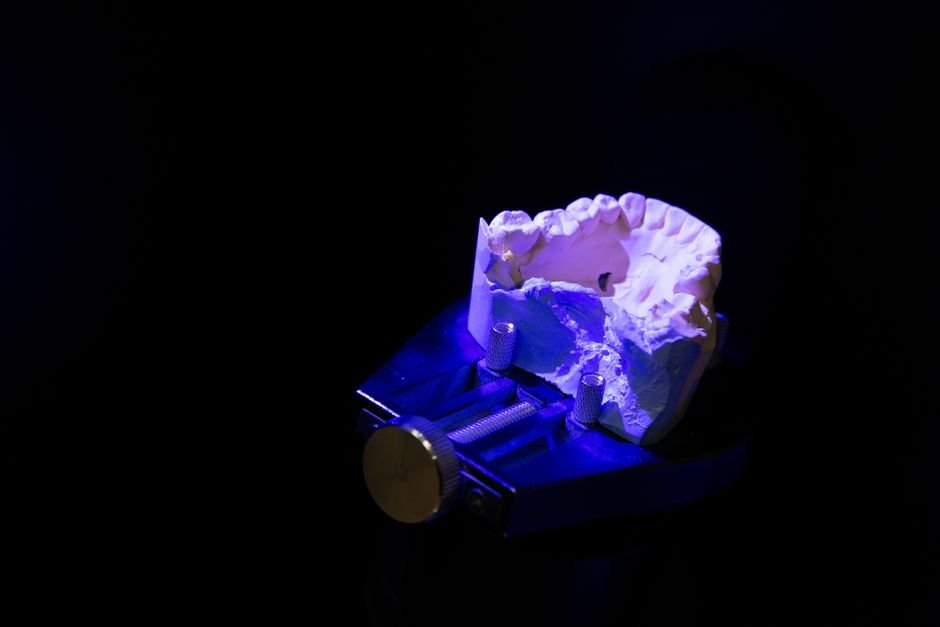
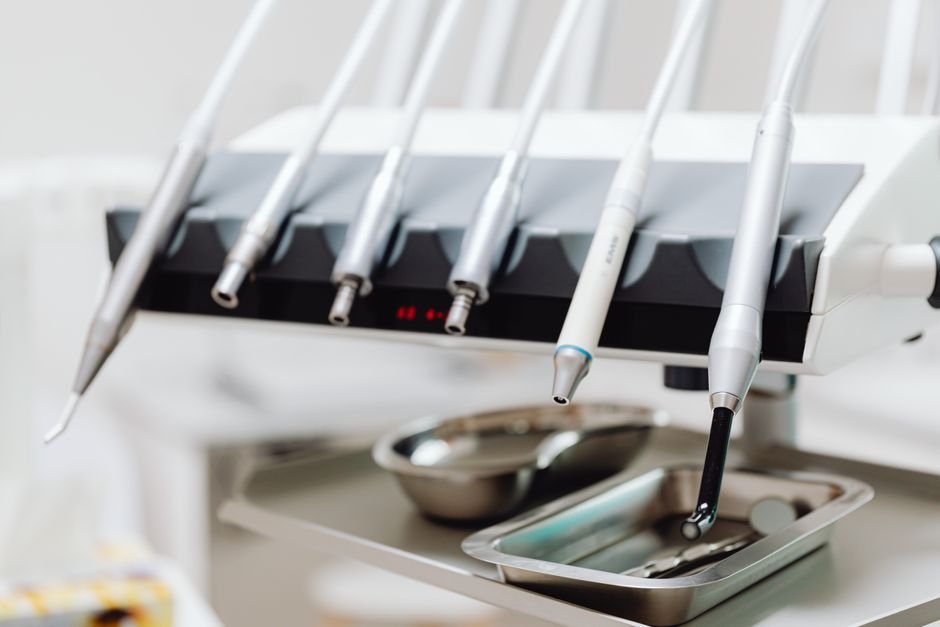
Same-day dental technology refers to a group of tools that allow a dental team to capture information, design a treatment and, in many cases, produce a finished restoration all within one appointment. This typically involves digital scanning devices that record the shape of the teeth, software that designs a crown or similar restoration on screen, and a milling unit that shapes the final piece from a solid block of material while the patient waits nearby. Instead of sending impressions away and waiting for a laboratory to return a finished piece, the entire process happens on site.
For families, understanding this distinction matters because it changes what a course of treatment actually looks like on the calendar. A restoration that once required a preparation appointment, a temporary covering, a laboratory turnaround period and a fitting appointment can now often be planned, made and fitted in one sitting. This does not apply to every procedure, but where it does, it removes several separate trips to the practice, each of which would otherwise need to be scheduled around school, work and other commitments.
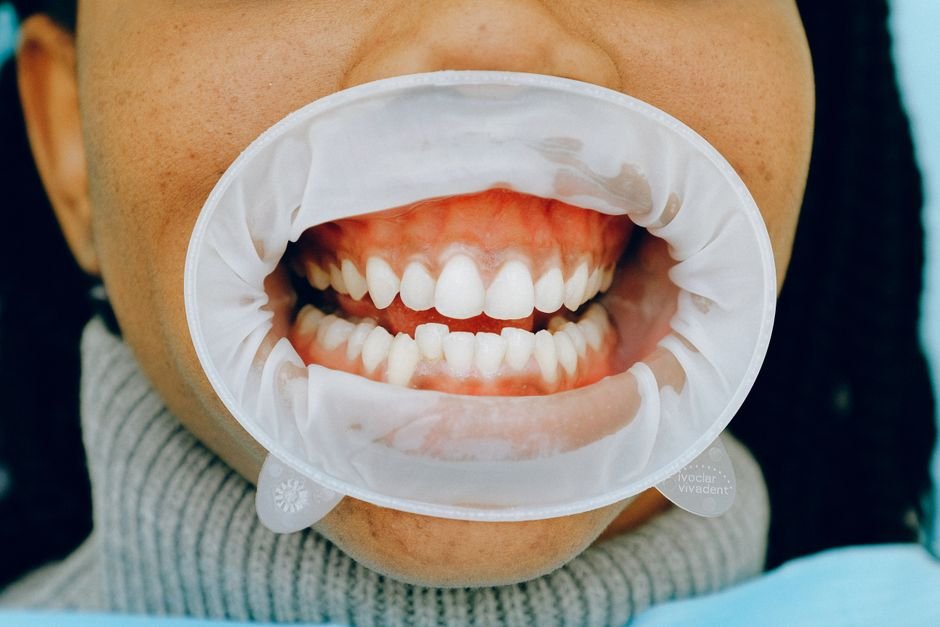
Digital scanning uses a small handheld wand to capture a detailed three-dimensional image of the teeth and gums, replacing the traditional tray of impression material that many people find uncomfortable. The scan appears on a screen within moments, allowing the dentist to check accuracy immediately rather than waiting for material to set and then hoping the impression came out cleanly. If a scan needs to be redone, it takes seconds rather than requiring the whole messy process to start again.
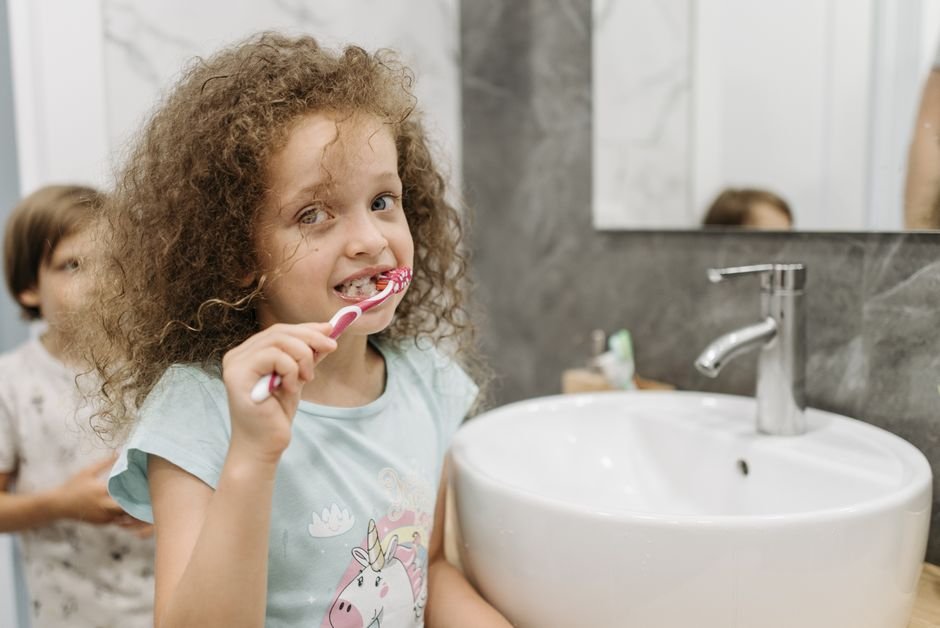
This matters particularly for children and for patients who find a strong gag reflex makes traditional impressions difficult. A quicker, cleaner scanning process tends to keep younger patients calmer, which in turn keeps the appointment moving efficiently. For parents managing a tight afternoon between school pickup and evening activities, an appointment that runs smoothly and finishes on time is far more valuable than it might first appear, since it protects the rest of the day’s plans from being pushed back.
Yes, in many straightforward cases a crown can be designed and milled on the same day using chairside technology, meaning there is no need for a temporary crown or a second appointment weeks later. Once the tooth has been prepared and scanned, software generates a digital model of the crown, which is then sent to an on-site milling machine that carves the restoration from a ceramic block. After a short period for shaping and finishing, the crown is fitted and adjusted before the patient leaves.
This approach removes several of the common frustrations associated with traditional crown treatment, such as a temporary crown coming loose, ongoing sensitivity while waiting for the permanent piece, or the inconvenience of arranging time off for a second procedure. For busy households, avoiding a follow-up appointment altogether can be the difference between treatment fitting neatly into an existing week and treatment becoming an ongoing source of rescheduling and reminders.
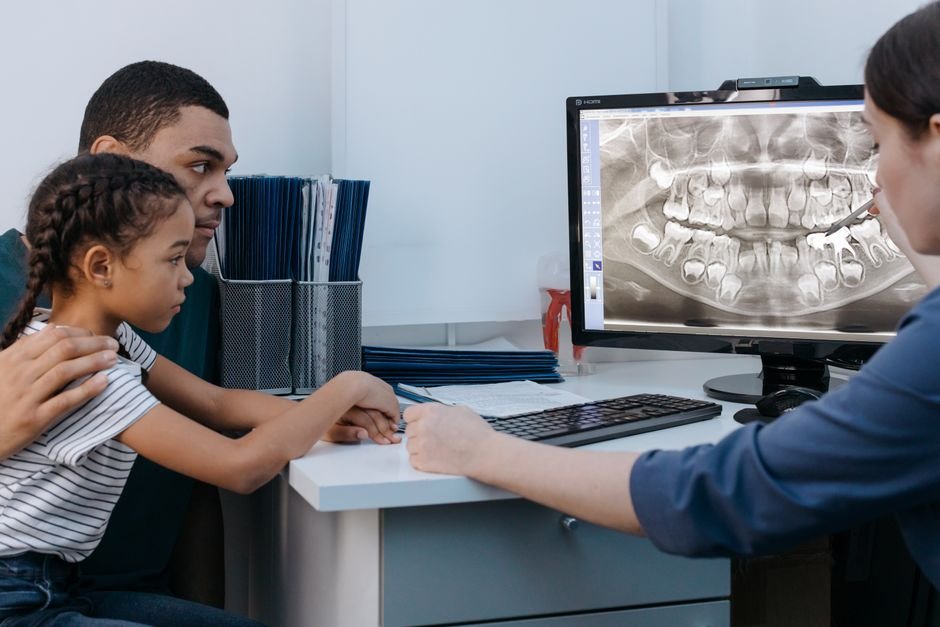
Modern imaging equipment can capture detailed X-rays or three-dimensional scans in a fraction of the time older systems required, with images appearing on screen almost instantly rather than after a lengthy processing delay. This speed allows a dentist to review the images, discuss findings with the patient, and move directly into treatment planning within the same appointment, rather than pausing the visit or asking the family to return once films have been developed and reviewed.
Faster imaging also tends to involve lower radiation exposure than older equipment, which is a welcome benefit for families bringing children in for regular check-ups. Because the images are digital, they can be enlarged, adjusted and compared side by side on screen, helping parents understand what the dentist is looking at without needing a separate explanatory appointment. The combined effect is a visit that answers questions and reaches decisions in real time.
The core advantage for families is straightforward: fewer appointments mean fewer trips organised around school runs, after-school activities, work meetings and the logistics of getting more than one person to a practice on time. A single consolidated visit reduces the mental load of tracking multiple bookings, arranging childcare or cover at work, and coordinating transport, particularly when more than one family member needs treatment.
This is especially relevant for households where several children attend the same practice, since same-day treatment can sometimes allow more than one family member’s needs to be addressed without requiring separate follow-up visits stretched across different weeks. Even when only one person needs treatment, condensing what used to be two or three appointments into one protects the rest of the family’s schedule from repeated small disruptions, which tend to add up over a school term.
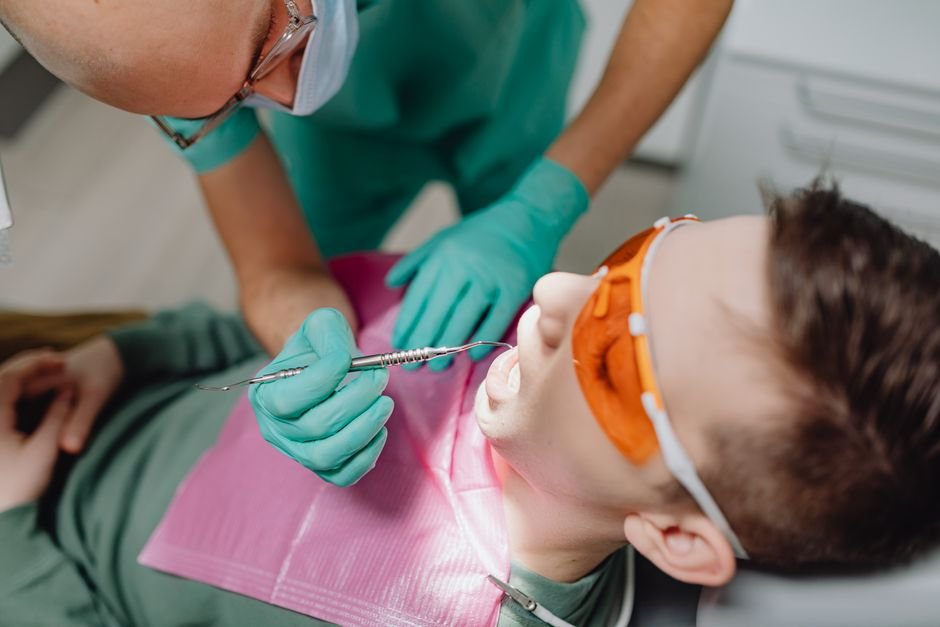
Many aspects of same-day dental technology work well for children, particularly digital scanning, which is generally quicker and less uncomfortable than traditional impression material. A shorter, more predictable appointment can also help reduce anxiety, since children are less likely to become restless or distressed during a long procedure, and parents are not required to arrange multiple visits that each carry their own build-up of nerves.
That said, whether a specific same-day treatment, such as a milled restoration, is appropriate for a child’s tooth depends on factors like the size and position of the tooth and the nature of the treatment needed. A dentist will assess this on a case-by-case basis, and in some situations a more traditional approach may still be recommended. The broader point for families is that even where a full same-day restoration is not suitable, the diagnostic side of the technology, such as scanning and imaging, still tends to make the visit faster and more comfortable.
A common assumption is that speed must come at the cost of precision, but digital design and milling systems are generally very accurate, often producing a closer fit than some traditional methods because the digital scan avoids distortions that can occur with physical impression material. The software used to design a restoration allows fine adjustments to shape, contact points and bite alignment before milling even begins, so the dentist can refine the design on screen rather than relying solely on adjustments after the piece is made.
Once milled, the restoration is still checked, polished and adjusted in the mouth before it is finished, in the same way a laboratory-made restoration would be. The main difference families notice is not a change in quality but a change in timeline: the checking and adjusting happens within the same appointment rather than during a separate fitting visit scheduled weeks after the initial preparation.
When booking, it is worth asking the practice directly whether the specific treatment being considered is suitable for a same-day approach, since not every procedure can be completed this way and appointment length can vary depending on what is involved. A same-day crown or similar restoration will generally take longer than a standard check-up, so it helps to plan for a more substantial block of time on the day, even though this single longer visit still tends to add up to less total time than several shorter appointments spread across weeks.
It is also useful to ask what preparation, if any, is needed beforehand and whether any follow-up is expected afterwards, even if that follow-up is simply a routine check-up rather than a further treatment stage. Practices that regularly use same-day technology are usually well placed to give a realistic estimate of appointment length, which makes it easier for families to plan around school hours, work commitments and the rest of the household’s schedule with confidence.
The main advantage is fewer appointments. Treatments that once needed a preparation visit, a waiting period and a separate fitting visit can often be completed in one sitting, which reduces the number of times a family needs to arrange time off work, school pickups or childcare around dental care.
Same-day crowns are generally made from durable ceramic materials that are milled to a precise digital design, and they are checked and adjusted in the mouth before the appointment ends. Durability depends more on the material used and how well the restoration is cared for than on whether it was made on the same day or by a laboratory.
No, digital scanning and digital X-rays serve different purposes. Scanning captures the visible surface of the teeth and gums to design restorations, while X-rays or three-dimensional imaging show what is happening beneath the surface, such as tooth roots or bone structure. Many same-day appointments make use of both.
Not every treatment is suitable for a same-day approach. Some conditions require monitoring over time, staged treatment, or materials and techniques better suited to a traditional process. A dentist will assess each case individually and explain whether a same-day option is realistic for the specific treatment needed.
Cost varies by practice, treatment type and materials used, so it is not accurate to say same-day technology is always more or less expensive than traditional methods. Many families find that any difference in cost is offset by the value of needing fewer appointments and less time away from work or school.

What and when a family eats together has a surprisingly direct effect on children’s dental health, since mealtime patterns often

Children are far more likely to stick with good oral care habits when they see parents practising the same routines
Most dentists recommend a child’s first dental visit by their first birthday, or within six months of their first tooth
 English