








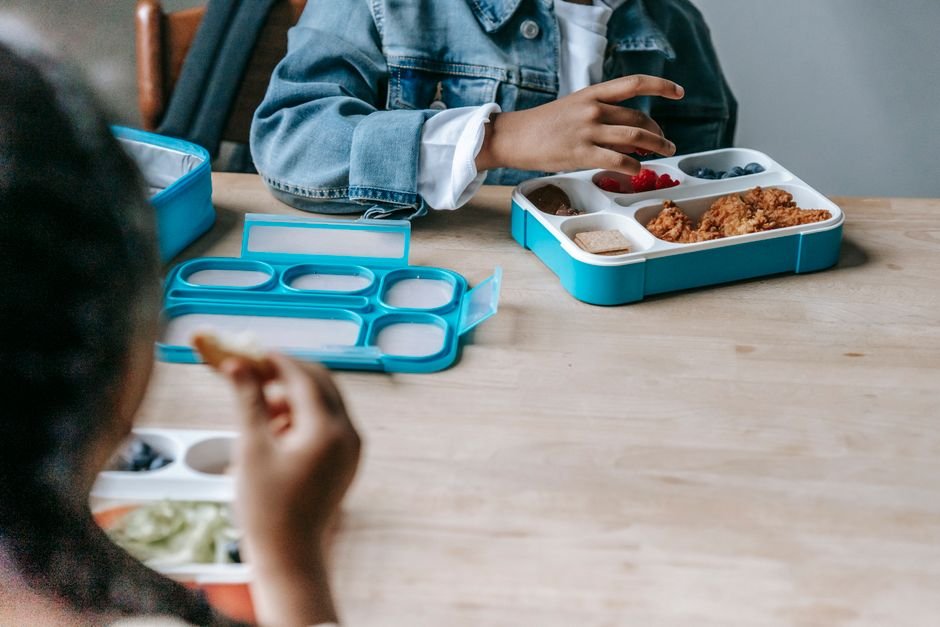
























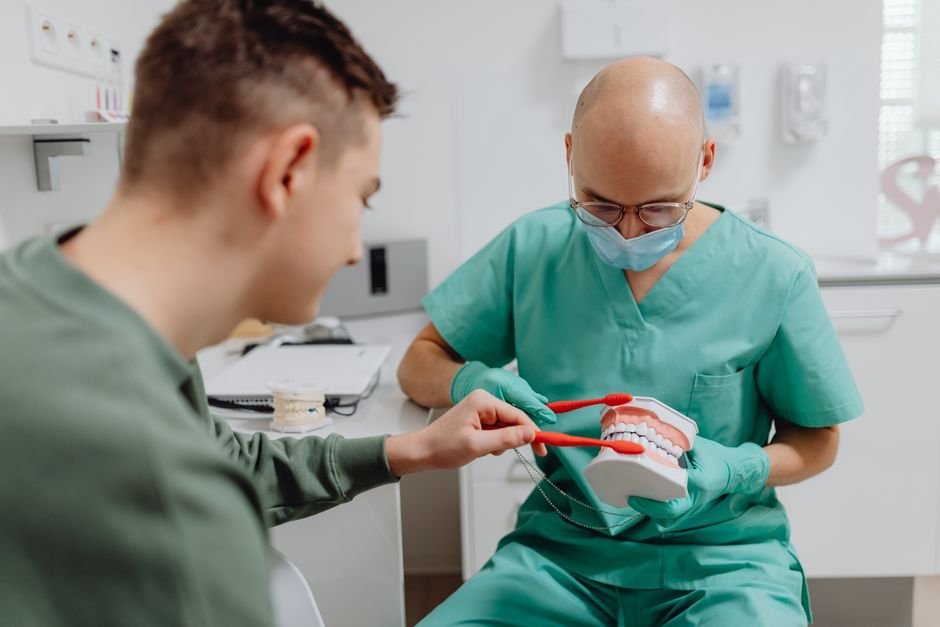




What and when a family eats together has a surprisingly direct effect on children’s dental health, since mealtime patterns often determine how often teeth are exposed to sugars and acids throughout the day. Structured family meals, rather than constant grazing, tend to give teeth more recovery time between exposures, and the habits formed around the family table often last well beyond childhood.
Key takeaways
Mealtime habits rarely exist in isolation from the rest of a family’s daily rhythm. Households with consistent meal structures often report smoother mornings, calmer evenings, and less friction around food generally, alongside the dental benefits already discussed. This overlap is part of why dentists increasingly encourage thinking about mealtime structure as a wellness habit rather than purely a dental one.
Framing these changes around broader family wellness, rather than dental health alone, can also make them easier to introduce and sustain, since the benefits extend well beyond what shows up at a dental checkup.
Every time a child eats or drinks something other than water, the mouth becomes slightly more acidic for a period afterwards as bacteria interact with food particles. With structured mealtimes, this acidity has time to settle before the next exposure, but constant grazing throughout the day keeps the mouth in an acidic state for much longer.
Encouraging set meal and snack times, rather than unlimited grazing, gives teeth the recovery window they need to stay protected throughout the day. This is one of the clearer, more overlooked ways that everyday family routines directly shape a child’s dental health without anyone necessarily realising it.
Children largely eat what is regularly available and modelled at home, which means the balance of foods served at family meals has a lasting influence on their preferences. A household that regularly includes fresh produce, dairy, and water alongside meals tends to raise children with similar habits by default.
This does not mean treats need to disappear entirely. It simply means the overall pattern of what is eaten daily matters more than the occasional dessert or sweet treat. Children who grow up seeing a wide variety of foods presented calmly, without pressure or negotiation, also tend to develop a more balanced relationship with food generally, which supports better choices long term.
Serving water alongside meals, rather than juice or sugary drinks, helps rinse away food particles and dilutes the acids produced during eating. This small habit does a lot of quiet, ongoing work to protect teeth without requiring any extra effort once it becomes routine.
Making water the default drink at the table, saving juice or soft drinks for occasional treats, is one of the simplest changes a family can make with a genuinely meaningful impact. Over time, children raised with this default tend to prefer water naturally, rather than experiencing it as a restriction being placed on them.
Consistent mealtimes can feel difficult with busy schedules, but even loosely structured meal windows, rather than food available at any moment, help maintain the recovery periods teeth need. This does not require rigid timing, just a general rhythm the household can rely on most days.
Preparing simple, repeatable meals in advance can also reduce the temptation to graze on convenient snacks throughout the day when time is tight. Batch cooking a few staple meals for the week, or keeping healthy snack options prepared and visible, both make it easier to stick to a consistent pattern even on busier days.
Snacks are a normal part of childhood, but choosing options like cheese, vegetables, or plain yoghurt over sticky or sugary alternatives makes a noticeable difference to how much residue is left on teeth afterwards. Sticky snacks in particular tend to cling to tooth surfaces far longer than other foods.
Pairing snacks with water, rather than juice, again helps rinse the mouth afterwards, extending the same protective habit built around main meals to snack time as well. Keeping snack options limited to one or two structured windows during the day, rather than allowing food access continuously, reinforces the same recovery time principle that applies to full meals.
The eating patterns established during childhood family meals often persist with surprising consistency into adulthood, including how frequently someone snacks, what drinks they default to, and how structured their eating windows tend to be. This makes family mealtimes one of the more powerful, long term influences on dental health across a person’s entire life, not just during childhood itself.
Parents who are mindful of this influence, even amid the genuine chaos of busy family life, are effectively investing in habits that will protect their children’s teeth for decades rather than just the years spent living at home.
Small, sustainable changes tend to work better than dramatic overhauls when it comes to family eating habits. Introducing water as the default drink, structuring snack times, and involving children in simple meal preparation are all changes that can be introduced gradually without turning mealtimes into a source of conflict.
Consistency across weeks and months, rather than occasional perfect days, is ultimately what determines whether these habits genuinely take hold as part of a family’s long term routine.
Studies on childhood eating patterns consistently point to structured mealtimes as beneficial not just for general nutrition but specifically for dental health, largely because of the recovery time argument already discussed. Families who eat together regularly also tend to have more oversight of what and how much children are actually consuming throughout the day.
This oversight matters particularly for very young children, who may not yet have the awareness to moderate their own snacking without some structure provided by the adults around them.
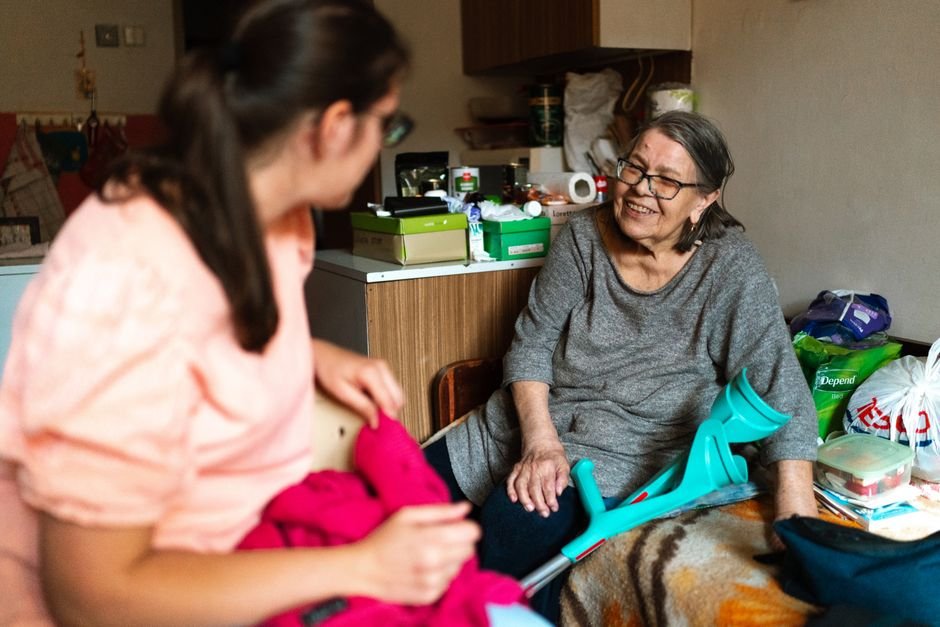
Children often spend meaningful time with grandparents or other caregivers outside the immediate household, and maintaining some consistency around meal and snack structure across these different settings can reinforce, rather than undermine, the habits being built at home.
A simple, friendly conversation about preferred snack and drink choices, without being overly rigid, usually goes a long way toward keeping a child’s overall pattern reasonably consistent regardless of who is caring for them on a given day.
It can help to eat more acidic or sugary foods as part of a larger meal rather than alone, since saliva produced during eating helps neutralise some of that acidity.
Whole fruit is generally a better choice, as juice is more concentrated in sugar and lacks the fibre that helps offset its effect on teeth.
One to two structured snacks between main meals is a reasonable guide for most children, rather than constant access to food throughout the day.
Cheese can help neutralise acidity in the mouth and stimulate saliva production, making it a genuinely useful addition to a meal or snack.
Rinsing with water after eating is a simple, helpful habit, particularly when brushing is not immediately possible after a meal or snack.

What and when a family eats together has a surprisingly direct effect on children’s dental health, since mealtime patterns often

Children are far more likely to stick with good oral care habits when they see parents practising the same routines
Most dentists recommend a child’s first dental visit by their first birthday, or within six months of their first tooth
 English