




























Most dentists recommend a child’s first dental visit by their first birthday, or within six months of their first tooth appearing, whichever comes sooner. This early visit is less about treatment and more about getting your child used to the environment while giving the dentist a chance to check early development. Starting this early sets the tone for how your child experiences dental care throughout the rest of their life.
Key takeaways
Recommendations from paediatric and dental organisations generally agree on the same broad timeline, a first visit around the first birthday or shortly after the first tooth appears. This consistency across different guidance sources is one reason the “first birthday” rule has become such a widely repeated standard among dentists and paediatricians alike.
Following this guidance does not require anything elaborate on the parent’s part, simply booking that first appointment within the recommended window and treating it as a normal, low pressure part of your child’s early healthcare routine, much like other standard checkups during infancy.
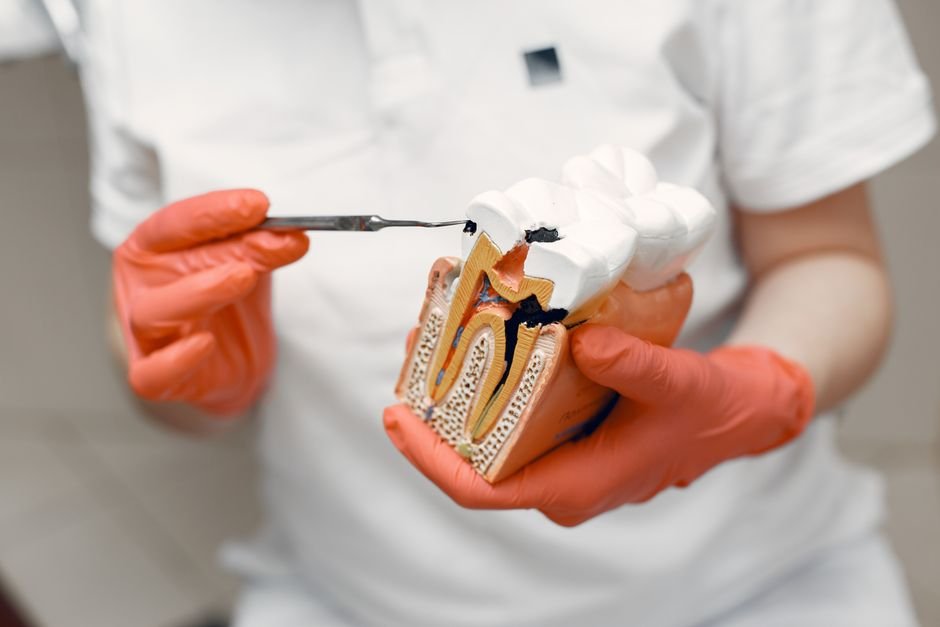
Baby teeth play an important role in speech development, chewing, and holding space for adult teeth to come through correctly later on. An early dental visit allows a dentist to check that teeth are coming through as expected and to catch any early signs of decay before they progress.
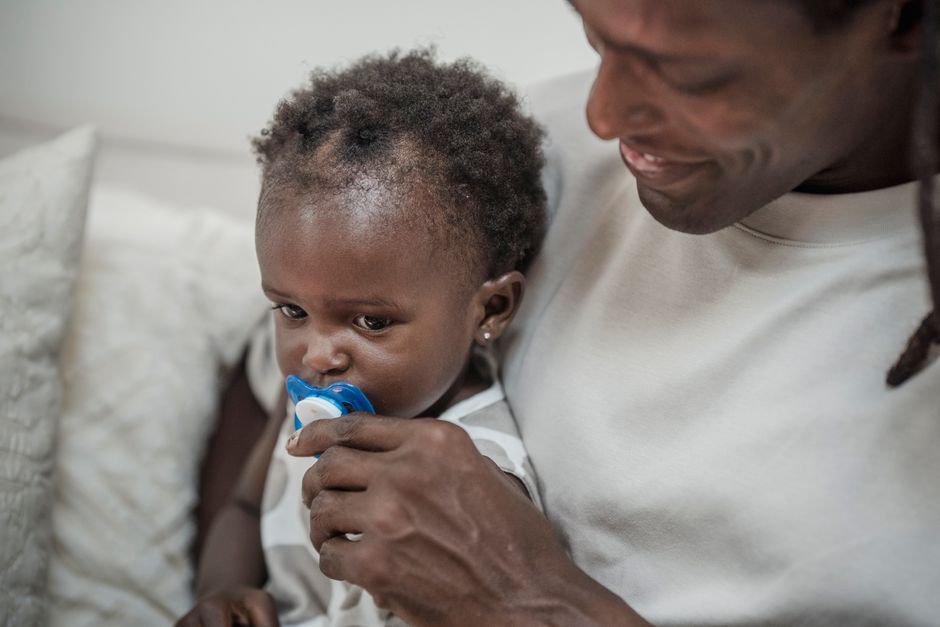
It also gives parents a chance to ask questions about teething, thumb sucking, or bottle habits, all of which can affect a child’s developing teeth in ways that are easier to address early rather than later. Many issues that seem minor at this age can become more complicated to manage if left unaddressed for several years.
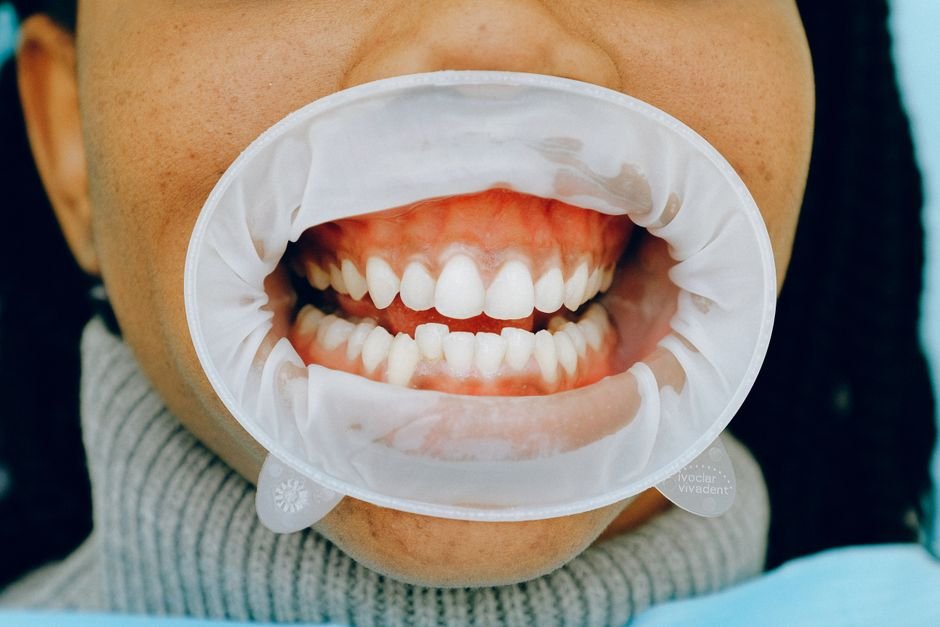
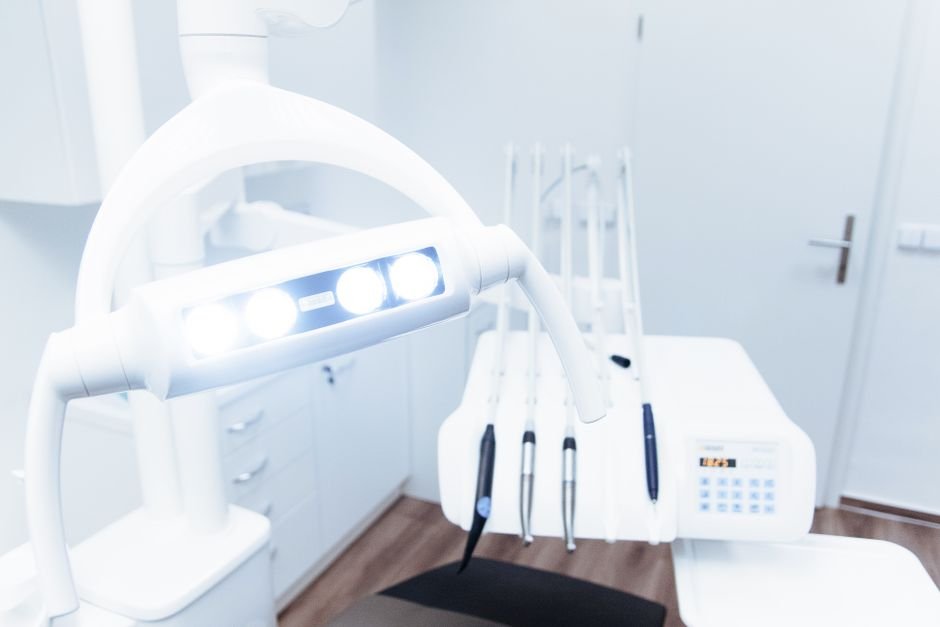
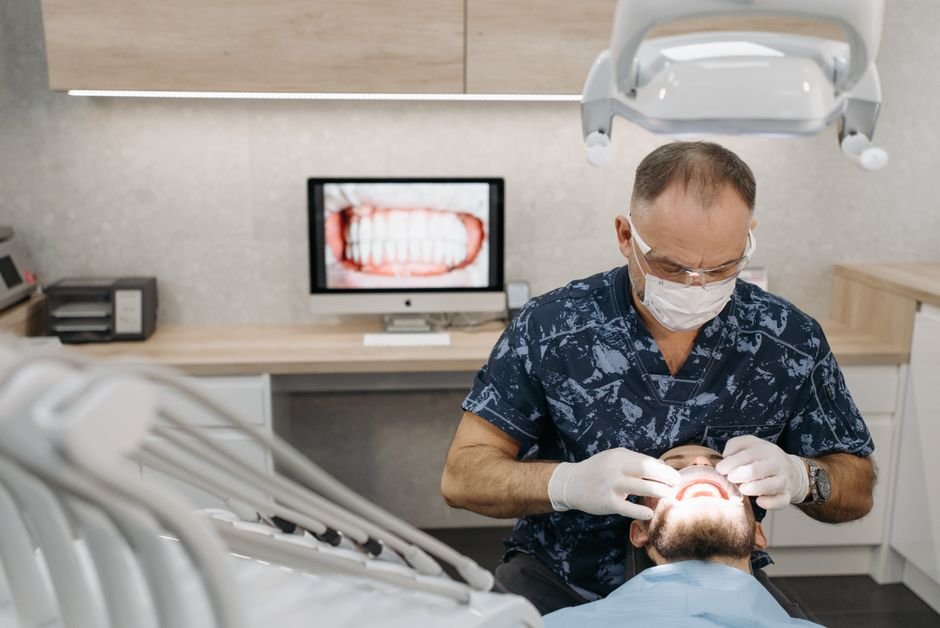
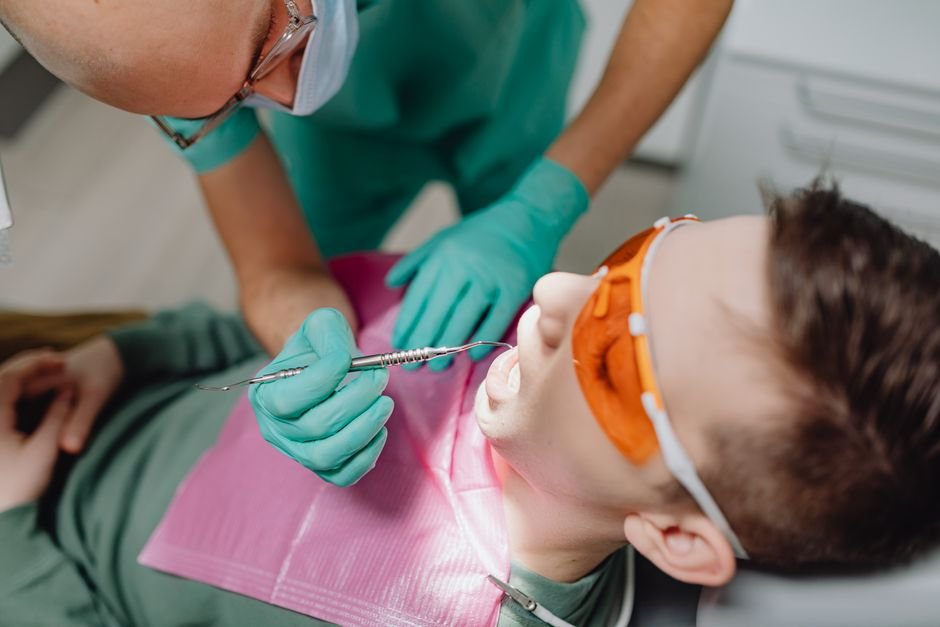
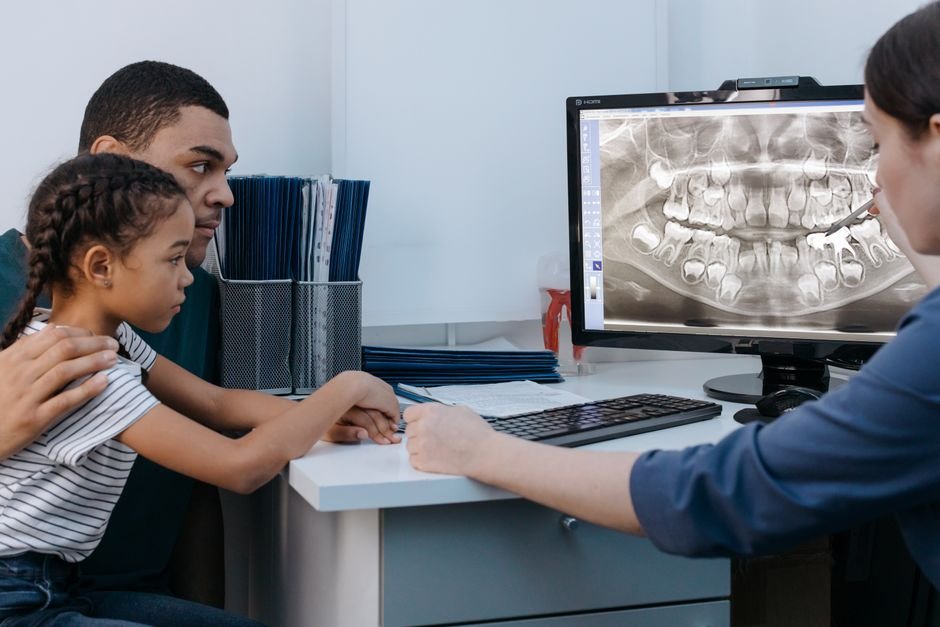
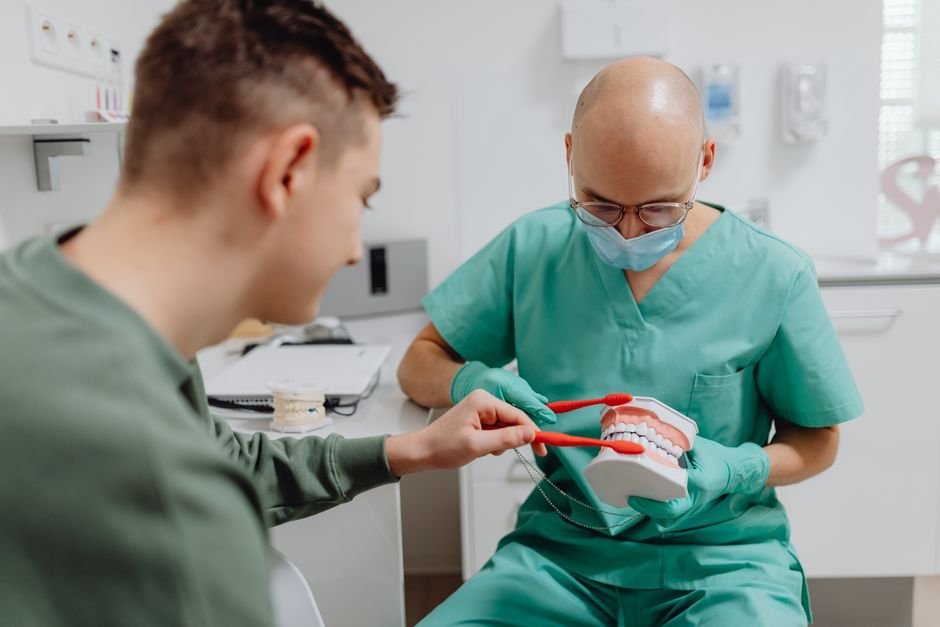
A first visit is usually short and gentle, often involving little more than a visual check of the teeth and gums while your child sits on your lap. Many dentists use this appointment to build familiarity and trust, rather than attempting any procedures.
This is also an opportunity for the dentist to demonstrate proper brushing and answer any questions about diet or habits that might affect your child’s oral development going forward. Some practices deliberately keep this first visit very brief, sometimes just a few minutes, specifically to avoid overwhelming a very young child before they have had a chance to feel comfortable in the environment.
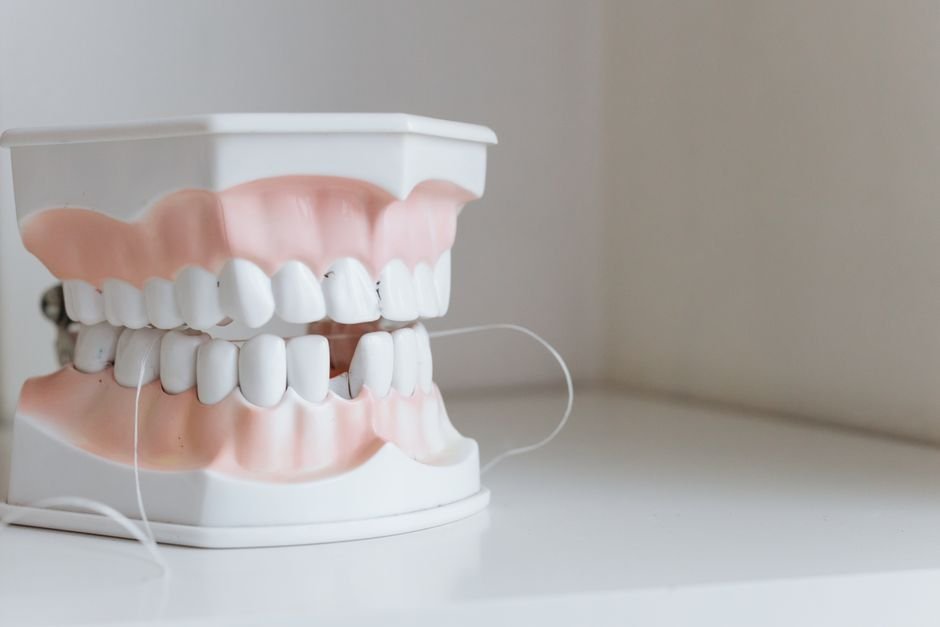
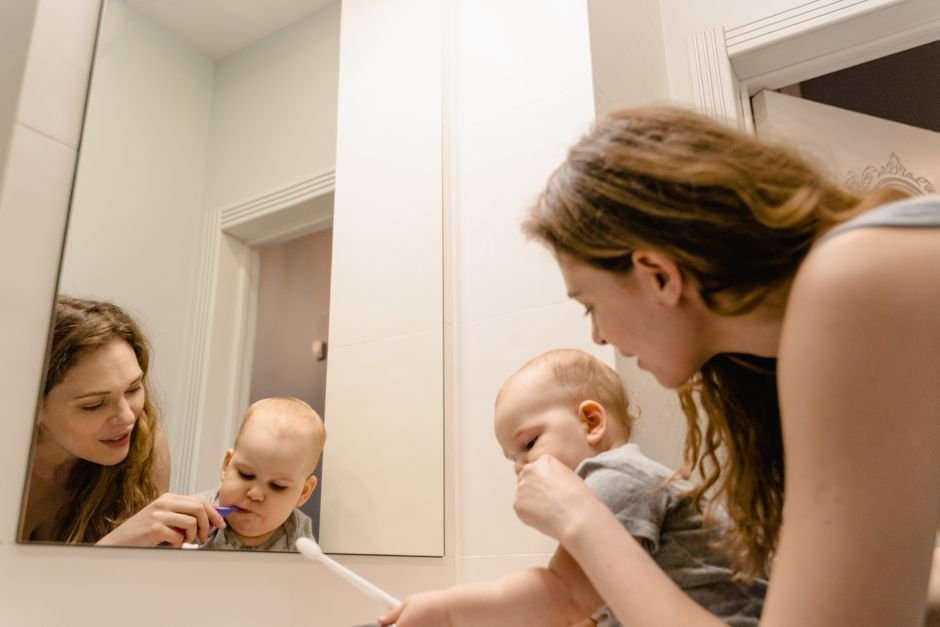
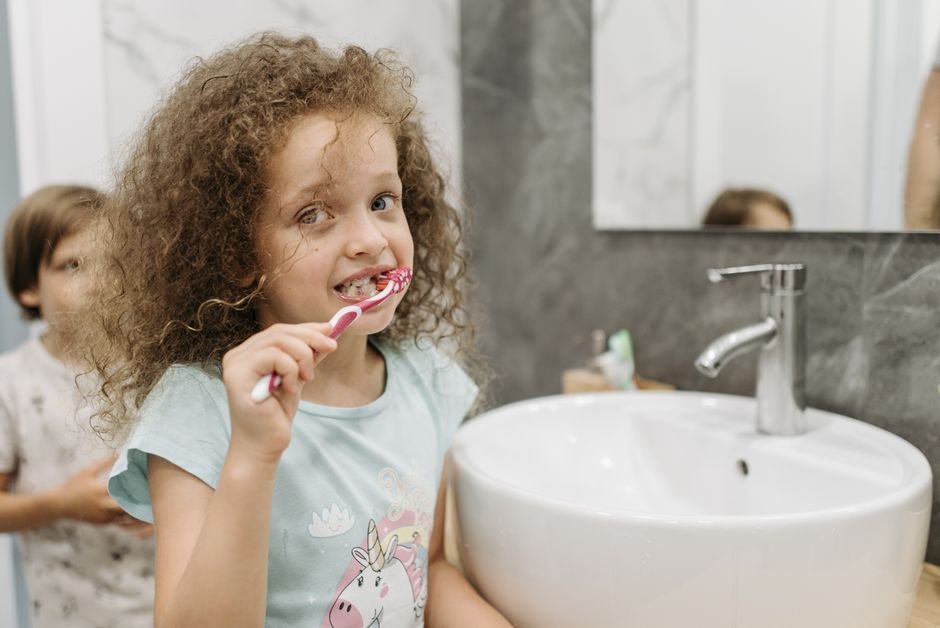
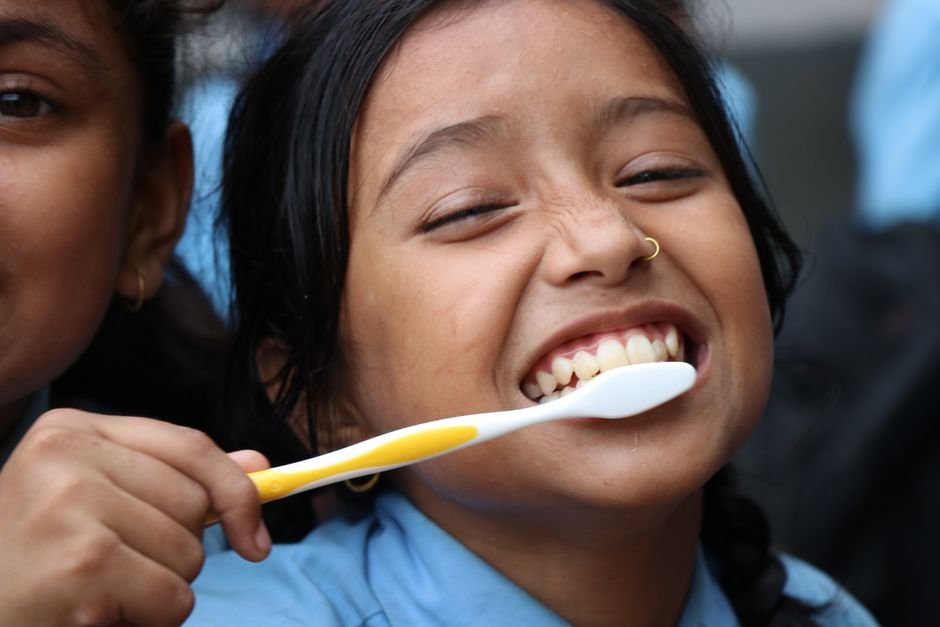
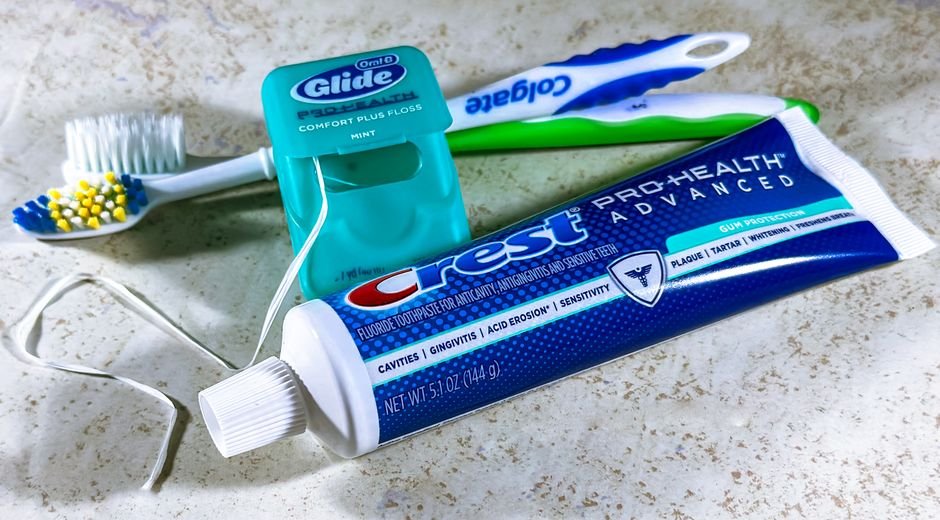
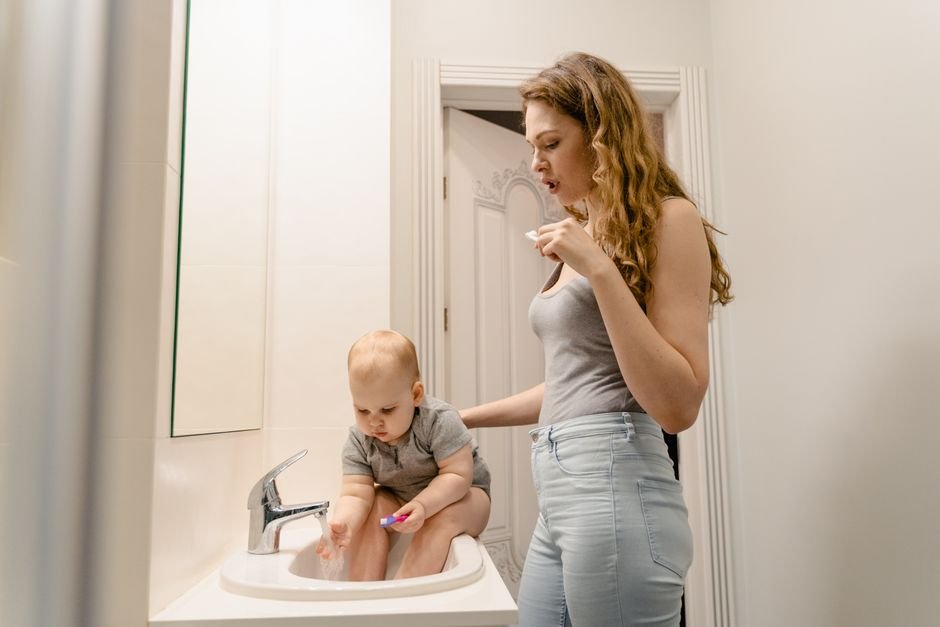
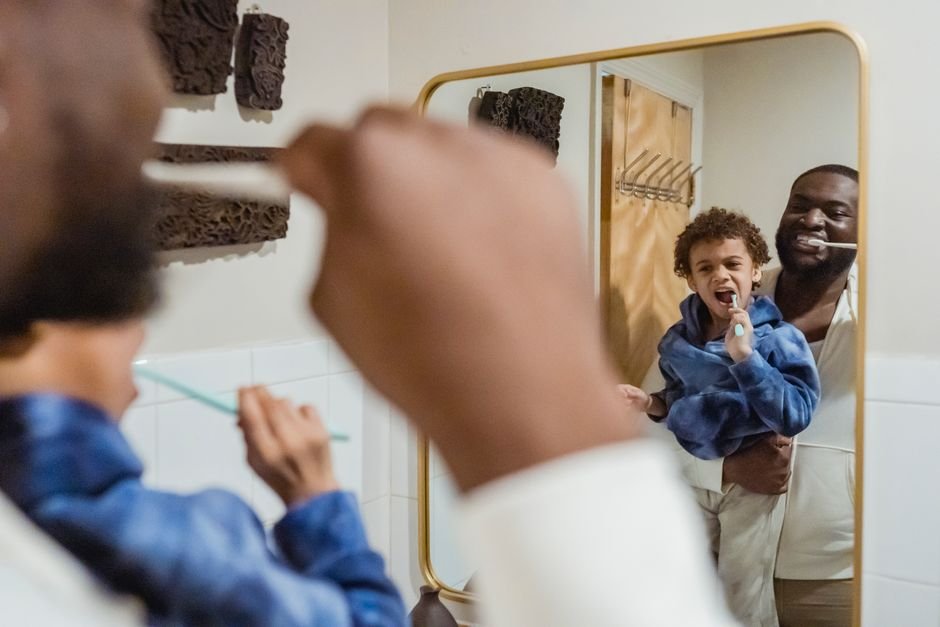
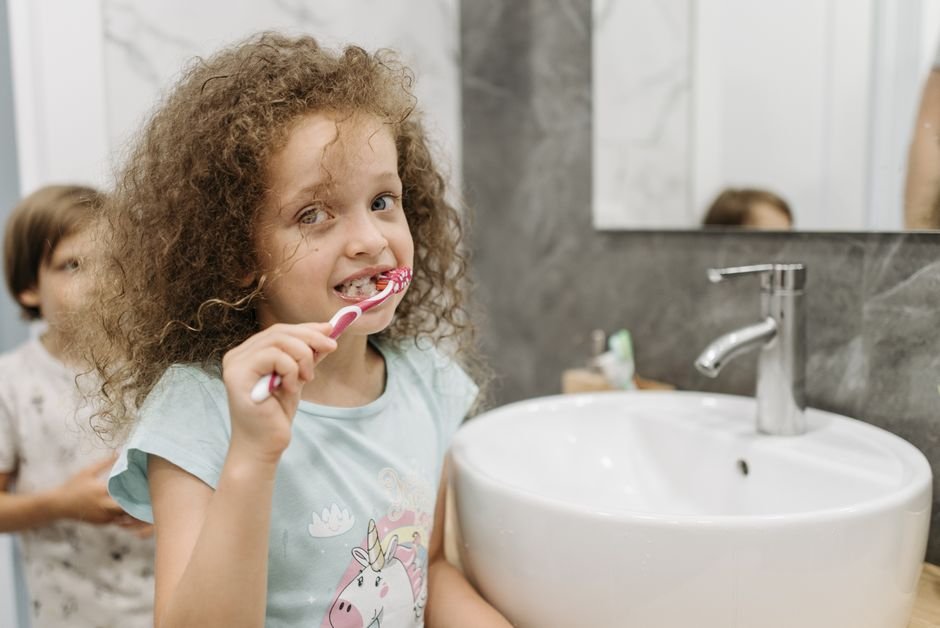
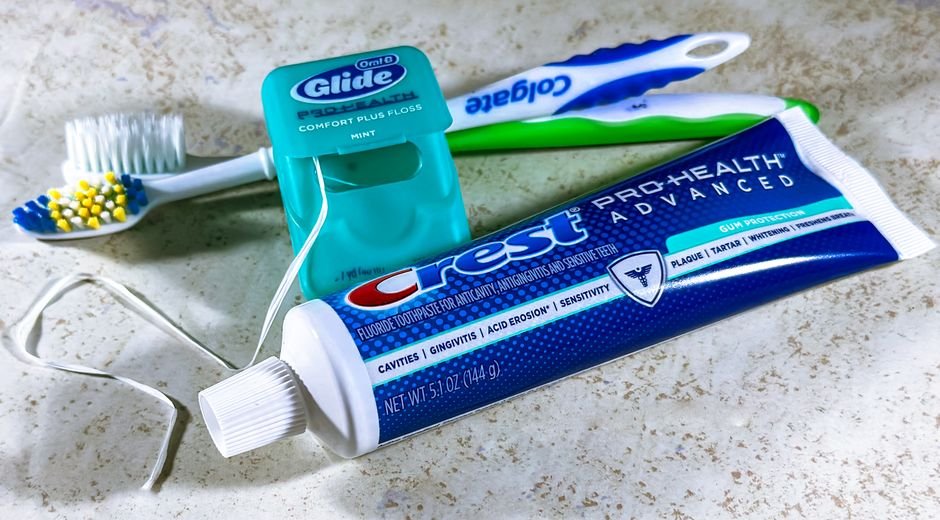
Even before that first dental appointment, simple daily habits matter. Wiping a baby’s gums gently with a clean, damp cloth before teeth appear, and switching to a soft, small toothbrush once the first tooth erupts, both help establish good habits ahead of that first professional checkup.
Avoiding putting a baby to bed with a bottle containing anything other than water is another widely recommended habit during this period, since prolonged contact with milk or juice overnight is one of the more common contributors to early tooth decay in very young children.
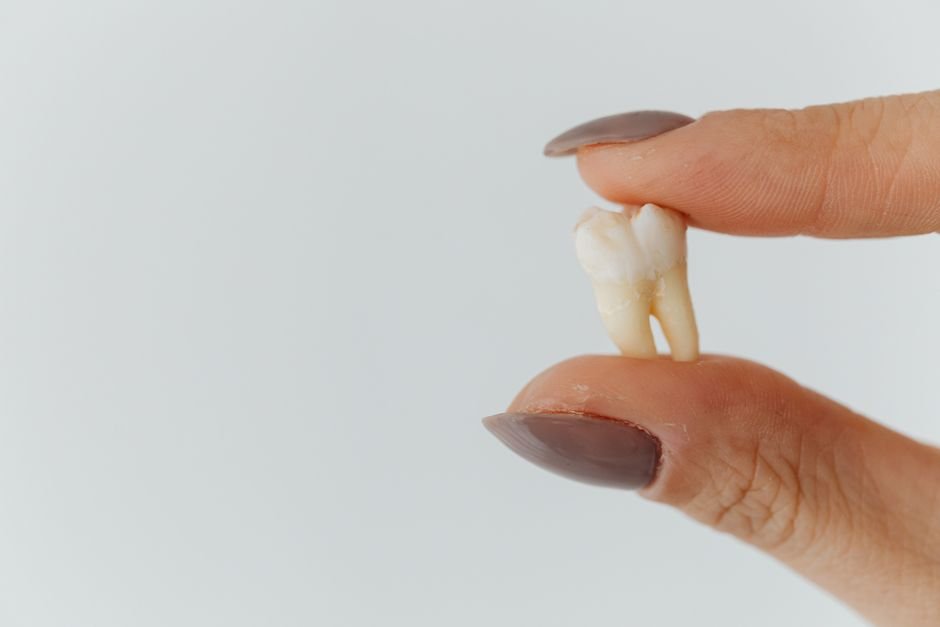
It is a common misconception that baby teeth do not matter much since they eventually fall out. In reality, decay in baby teeth can cause pain, affect eating and speech, and even impact the position of permanent teeth developing underneath them.
Treating baby teeth with the same level of care as adult teeth sets the foundation for good oral health habits that tend to carry through into later childhood and adulthood. Severe decay in baby teeth can also lead to early tooth loss, which sometimes causes nearby teeth to shift into the resulting gap and complicate the eruption of permanent teeth later.
Talking about the visit in simple, positive terms beforehand can help reduce any nervousness. Avoid using words that might sound scary, and instead frame the appointment as a chance to meet someone who helps keep their teeth healthy and strong.
Reading a children’s book about visiting the dentist or watching a short video together can also help make the experience feel familiar rather than intimidating before you arrive. Some parents find it helpful to schedule their child’s first appointment shortly after their own checkup, so the child can see a parent go through the same experience calmly beforehand.
Delaying the first visit does not usually cause immediate harm, but it can mean early issues such as developing decay or unusual eruption patterns go unnoticed for longer. Catching these early generally means simpler, less invasive treatment if anything does need addressing.
If your child has not yet seen a dentist and is older than the usual recommended age, it is never too late to book that first appointment and get started on a good routine. Dentists are used to seeing children of all ages for a first visit and will adjust their approach accordingly, regardless of how old your child is when that first appointment happens.
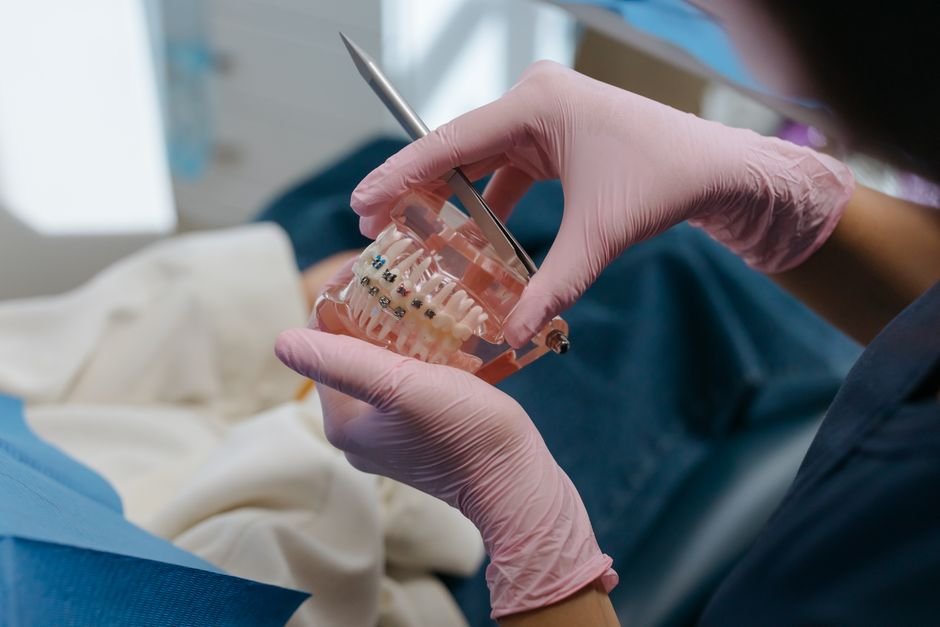
Dentists who regularly see young children typically have a range of techniques for helping a nervous child feel at ease, from letting them hold and examine the tools beforehand to using simple, friendly language to describe each step. Some practices also offer a “happy visit” specifically designed with no examination at all, purely to build comfort with the setting.
Patience matters enormously at this stage, and a good paediatric focused dentist will never rush or force a reluctant child through an examination, since doing so can make future visits considerably harder.
After the first visit, most dentists recommend checkups roughly every six months, similar to the standard interval for adults, though this can be adjusted based on your child’s individual risk factors and how their teeth are developing. Consistency across these follow up visits reinforces the comfort built during the first appointment.
Keeping a simple record of visit dates, either digitally or with a paper reminder, can help busy parents stay on schedule as their child grows and their dental needs continue to evolve over time.
Not every general dentist has the same level of comfort or experience working with very young children, so it is worth asking specifically about their approach to first visits when choosing a practice. Some dentists focus heavily on paediatric care, while others may be better suited to older children and adults.
Reading reviews from other parents, or asking friends and family for recommendations, can help narrow down options before booking. A practice with a genuinely calm, welcoming environment for young children often makes a noticeable difference in how that first appointment goes.
Even before a first dental visit, diet already plays a role in a baby’s developing oral health. Frequent exposure to sugary liquids in a bottle, especially overnight, is a common contributor to early childhood tooth decay, sometimes referred to as baby bottle tooth decay.
Discussing feeding habits honestly with the dentist at this first visit gives them a chance to offer practical guidance tailored to your child’s specific routine, rather than generic advice that may not apply to your particular situation.
That is completely normal, and the dentist can still check gum health and offer guidance on teething and future tooth development.
Yes, most dentists encourage a parent to stay close by, and younger children are often seen sitting on a parent’s lap during the examination.
Most dentists recommend a checkup every six months, though this can vary depending on your child’s individual dental development and risk factors.
Yes, a dentist can offer guidance on managing thumb sucking and explain how prolonged habits might affect developing teeth if they continue too long.
This is common and expected at a young age, and dentists experienced with children are used to working gently and patiently through this without pressure.

What and when a family eats together has a surprisingly direct effect on children’s dental health, since mealtime patterns often

Children are far more likely to stick with good oral care habits when they see parents practising the same routines
Most dentists recommend a child’s first dental visit by their first birthday, or within six months of their first tooth
 English