






































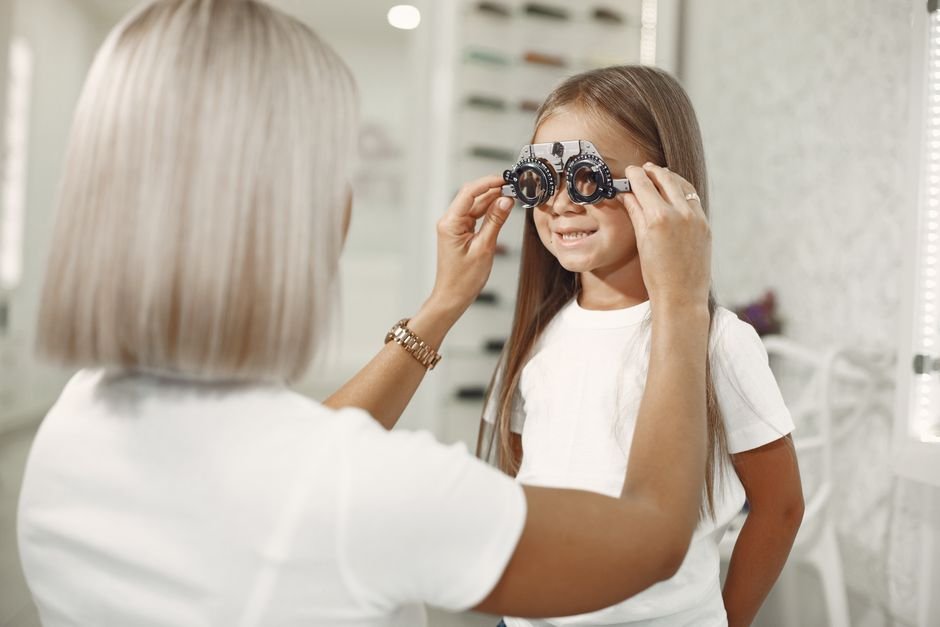


Balancing different dental needs within one family means recognising that a toddler, a school-aged child, a teenager, and an adult each require different aspects of oral care attention at the same time, from monitoring baby teeth to managing orthodontic treatment to maintaining long-established adult habits. Rather than applying one single approach to everyone, effective family dental care adapts routines and checkup schedules to each person’s specific stage of development.
Key takeaways
A toddler’s dental needs centre around monitoring the eruption of baby teeth and establishing early hygiene habits, while a teenager might be managing orthodontic treatment or navigating dietary choices that affect their teeth differently than a younger child’s diet would. An adult, meanwhile, may be focused on maintaining existing dental work or addressing age-related changes such as gum recession.
Recognising these differences helps avoid a one-size-fits-all approach that might overlook something important for a particular family member. A young child may need more guidance and supervision during brushing, while a teenager might need more autonomy paired with periodic check-ins to ensure good habits are being maintained independently.
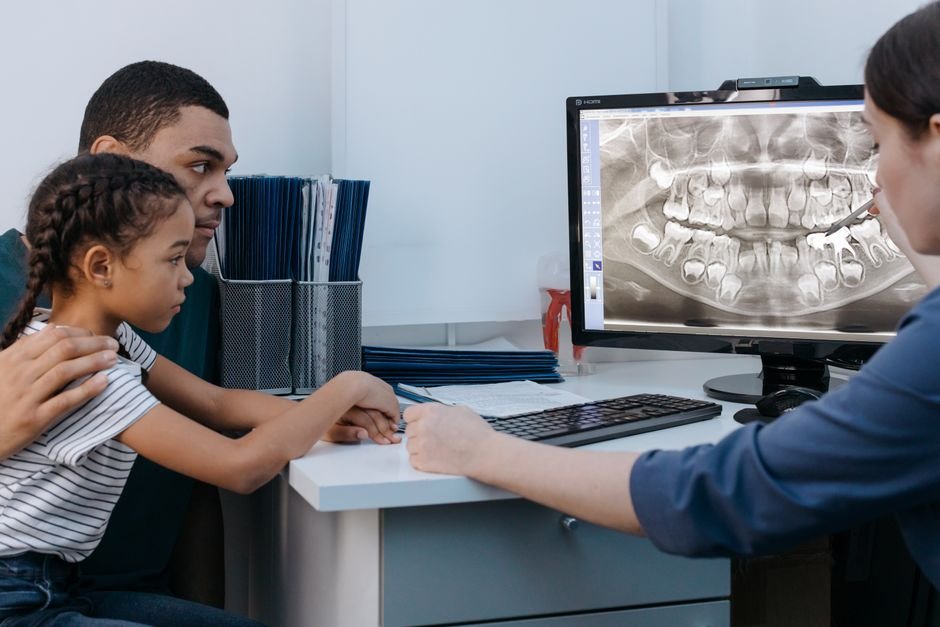
Many family dentists are trained to treat patients across a wide age range, from very young children through to older adults, allowing a single practice to serve as a consistent point of care for the entire household. This can simplify scheduling considerably, since appointments for multiple family members can often be coordinated on the same day or within the same visit window.
A family dentist familiar with each member’s individual history also tends to notice patterns more easily, such as a family tendency toward certain dental issues, which can inform more personalised guidance for each person. This continuity of care can be harder to achieve when different family members see entirely separate providers with no shared context.
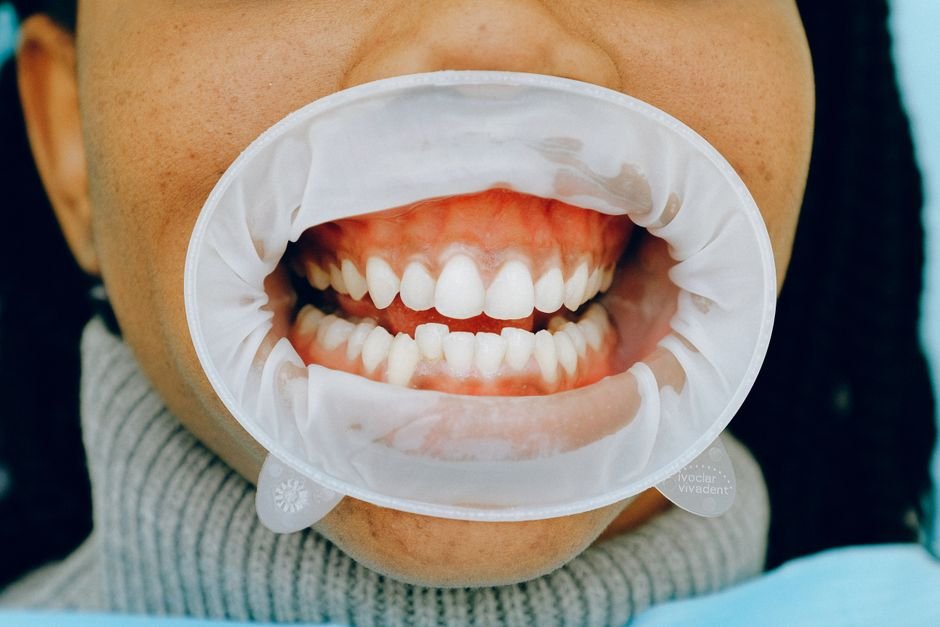
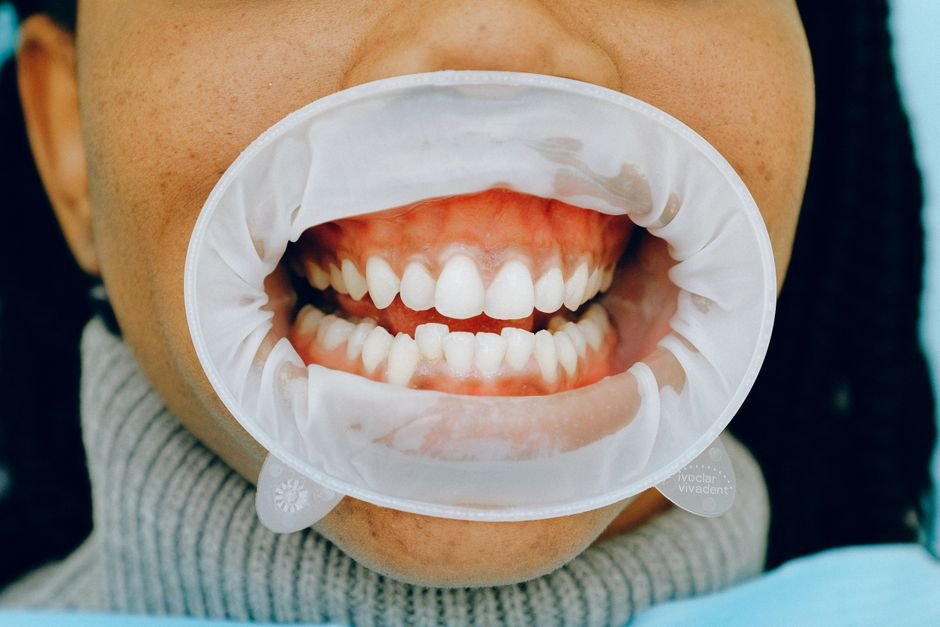
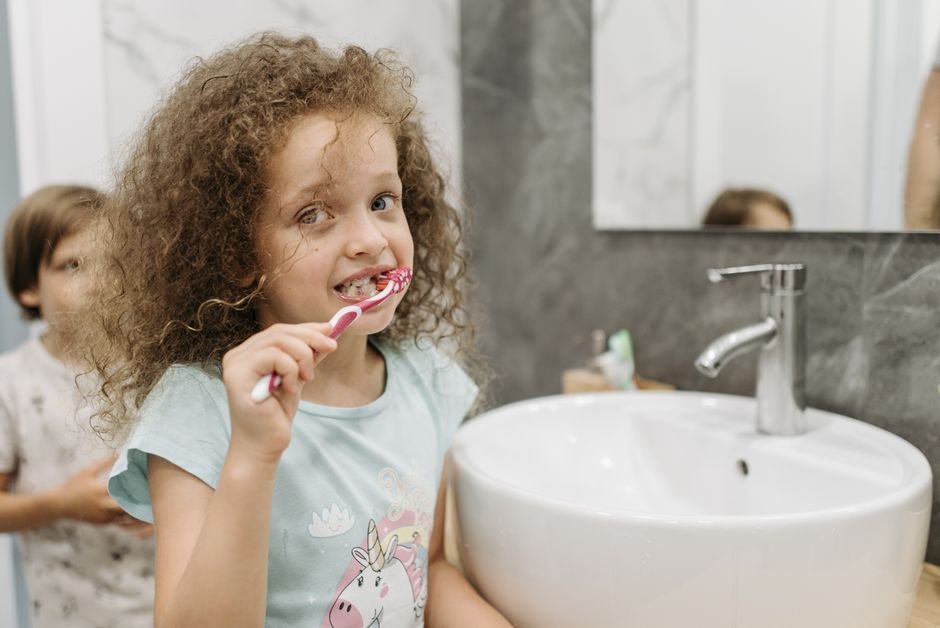
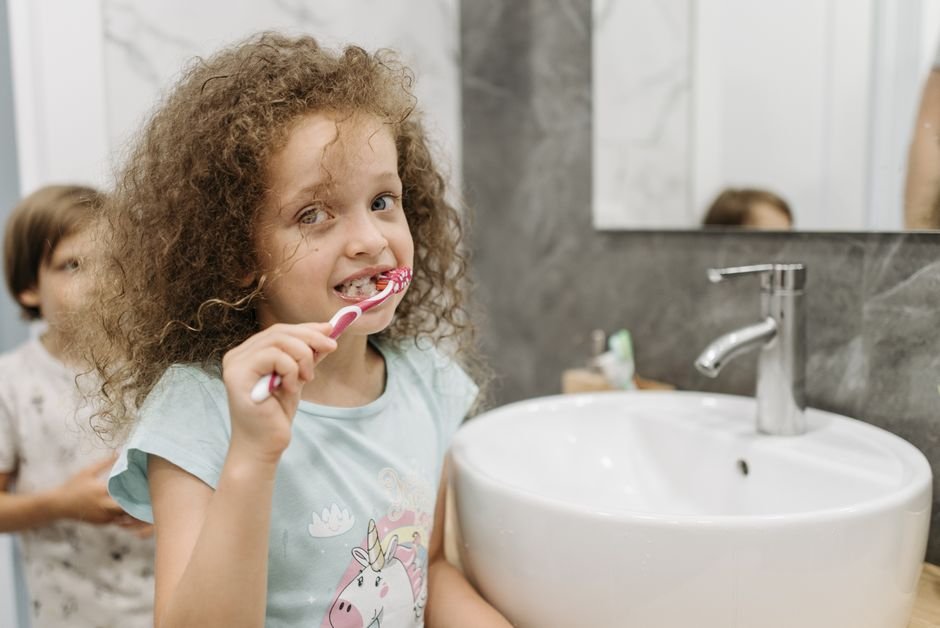
Young children need careful monitoring of baby teeth development, guidance on age-appropriate brushing techniques, and often assistance from a parent to ensure teeth are being cleaned thoroughly. Establishing comfort with the dental environment early on is also a priority at this stage, since early positive experiences tend to reduce dental anxiety later in life.
Dietary habits are another area requiring particular attention with young children, since their eating patterns are often still being shaped by parental choices. Limiting frequent sugary snacks and encouraging water as the primary drink between meals are habits that are often easier to establish early than to introduce later once other patterns have taken hold.
Teenagers often face a combination of ongoing orthodontic considerations, increasing independence in managing their own oral hygiene, and dietary habits that may shift due to social activities, sports, or busier schedules. This is often a period where parental oversight naturally decreases, even though good habits remain just as important as during childhood.
Encouraging teenagers to take ownership of their oral care, while still checking in periodically and ensuring regular dental visits continue, helps bridge the gap between childhood supervision and full adult independence. Open conversations about why consistent habits matter, rather than simply issuing reminders, tend to be more effective with this age group.
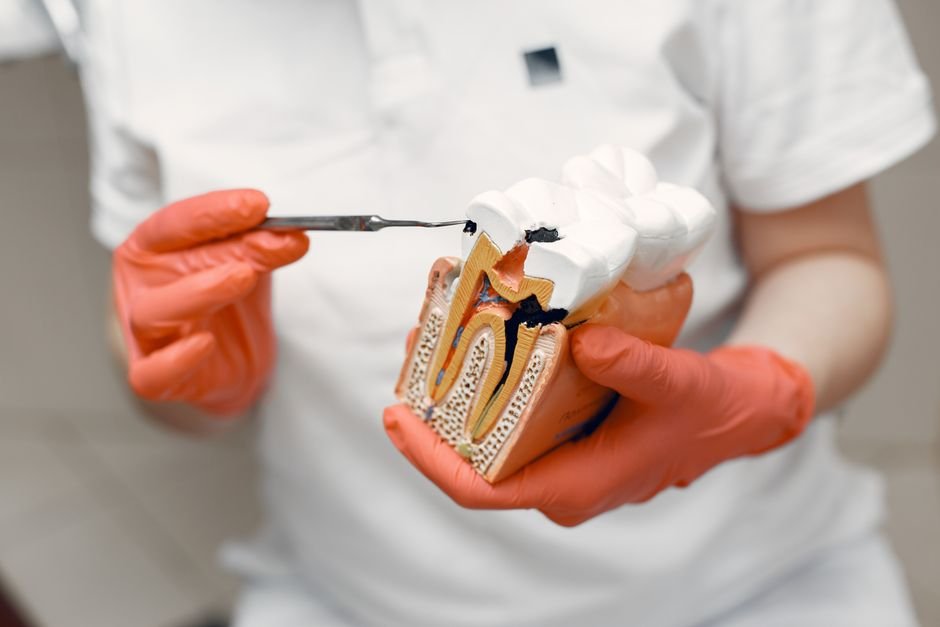
Adults are more likely to be managing existing dental work, such as fillings or crowns, monitoring for early signs of gum disease, and dealing with the cumulative effects of decades of wear on their teeth. Unlike children, whose dental development is still ongoing, adult dental care often focuses more on maintenance and prevention of further decline.
Life stage factors, such as pregnancy, certain medications, or age-related changes in saliva production, can also introduce specific considerations for adult family members that would not apply to children. A family dentist familiar with these individual circumstances can tailor recommendations accordingly rather than applying generic advice across every adult in the household.
Many family dental practices offer the option to schedule multiple family members on the same day, sometimes even back-to-back appointments, which can significantly reduce the overall time commitment involved in managing everyone’s dental care. This is particularly helpful for busy households juggling work, school, and other commitments.
Keeping a shared household calendar or reminder system for upcoming checkups can also help ensure no family member’s appointment is accidentally overlooked amid a busy schedule. Some practices also send automated reminders, which can further reduce the mental load of tracking multiple family members’ individual appointment schedules.
Yes, while specific needs may vary, many core routines, such as a consistent time for brushing together as a family or a shared approach to limiting sugary snacks at home, can still apply across age groups with only minor adjustments. Shared routines often help reinforce good habits precisely because everyone is participating together, regardless of individual differences in specific care needs.
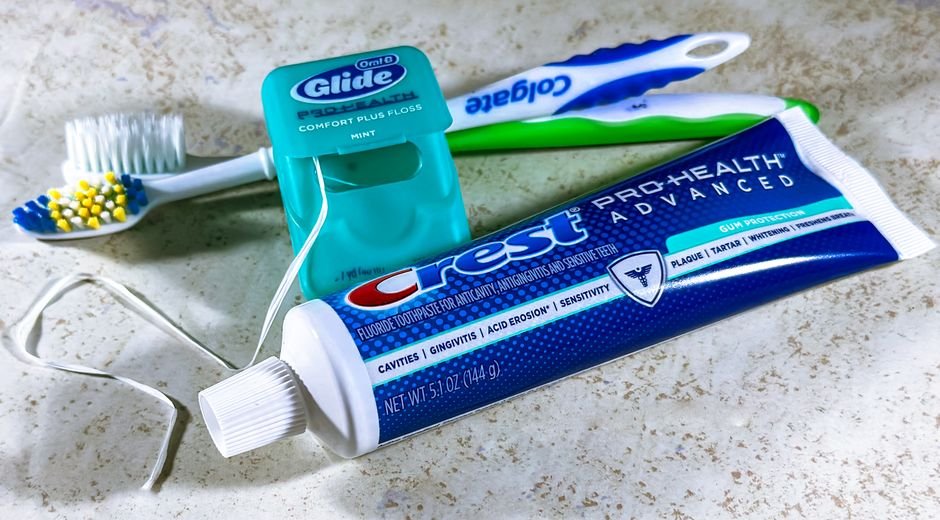
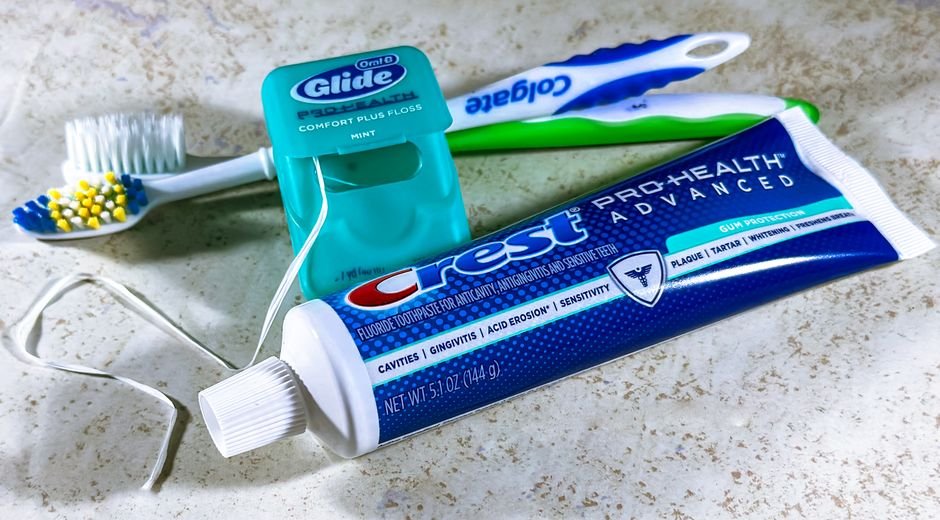
Adjusting shared routines slightly for each person, such as using an appropriately sized toothbrush for a young child while an older sibling uses an adult-sized brush, allows the family to maintain a consistent overall structure while still meeting individual needs appropriately.
Open communication within the family about upcoming appointments, any concerns noticed at home, and general dental habits helps ensure nothing falls through the cracks amid busy schedules. This is particularly important as children grow older and begin taking more responsibility for their own care, since parents may naturally have less direct visibility into daily habits.
Discussing dental care openly, including addressing any anxiety a family member might have about visits, helps create a supportive environment where everyone feels comfortable raising concerns early rather than waiting until a problem becomes more significant. This kind of open dialogue tends to support better outcomes across every age group in the household.
When several family members need treatment around the same time, it can help to discuss priorities openly with the family dentist, who can advise on which needs are more time-sensitive and which can reasonably wait a little longer without significant risk. Understanding these priorities helps families plan both their schedules and their budgets more realistically.
Many practices are also willing to discuss staggering treatment or payment across a few visits when several family members need work at once, rather than expecting everything to happen simultaneously. Being upfront about financial or scheduling constraints allows the dental team to help find a workable plan rather than families feeling they must manage everything alone.
Many family dentists are trained and experienced in treating patients across a wide range of ages, from young children to older adults. If a specific situation requires specialised care beyond a family dentist’s scope, such as complex orthodontics, they can typically provide a referral to an appropriate specialist.
Checkup frequency can vary based on individual risk factors and history, though many families follow a general guideline of checkups roughly every six months. A family dentist can advise on a more tailored schedule based on each person’s specific dental health and needs.
Yes, it is entirely normal for siblings to have different dental needs based on factors such as genetics, tooth development, and individual habits. Comparing siblings directly is generally less useful than focusing on each child’s specific situation and needs as assessed by their dentist.
Using a shared household calendar, setting reminders, or relying on automated appointment reminders from the dental practice can all help manage multiple schedules. Scheduling appointments for several family members on the same day, where possible, can also reduce the overall coordination required.
This depends on the individual teenager’s comfort level and the family’s preference, and many teenagers begin attending appointments more independently as they grow older. Staying involved in a general sense, such as checking in about outcomes afterwards, can still be valuable even if a parent is not present in the room.

What and when a family eats together has a surprisingly direct effect on children’s dental health, since mealtime patterns often

Children are far more likely to stick with good oral care habits when they see parents practising the same routines
Most dentists recommend a child’s first dental visit by their first birthday, or within six months of their first tooth
 English