



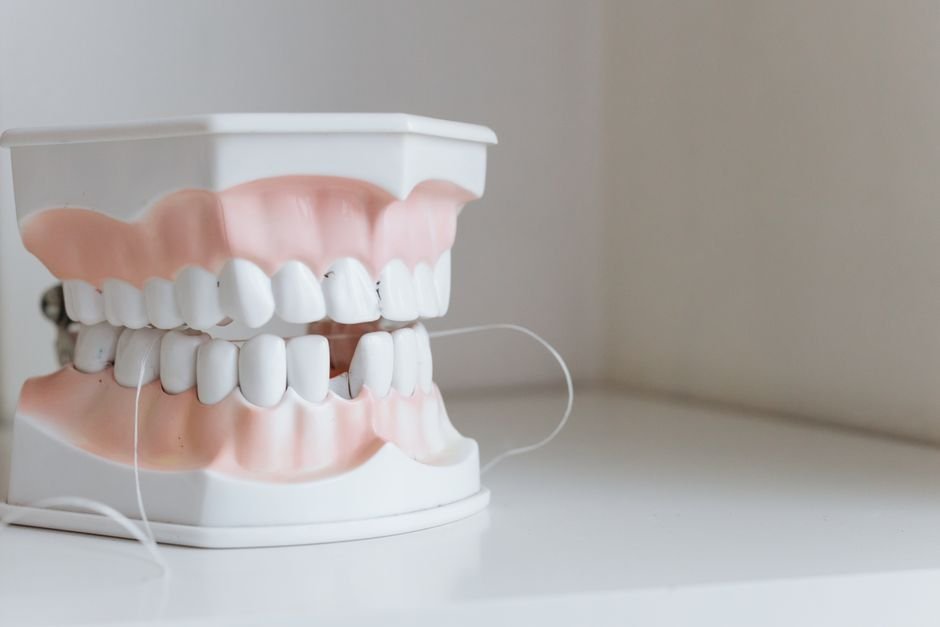

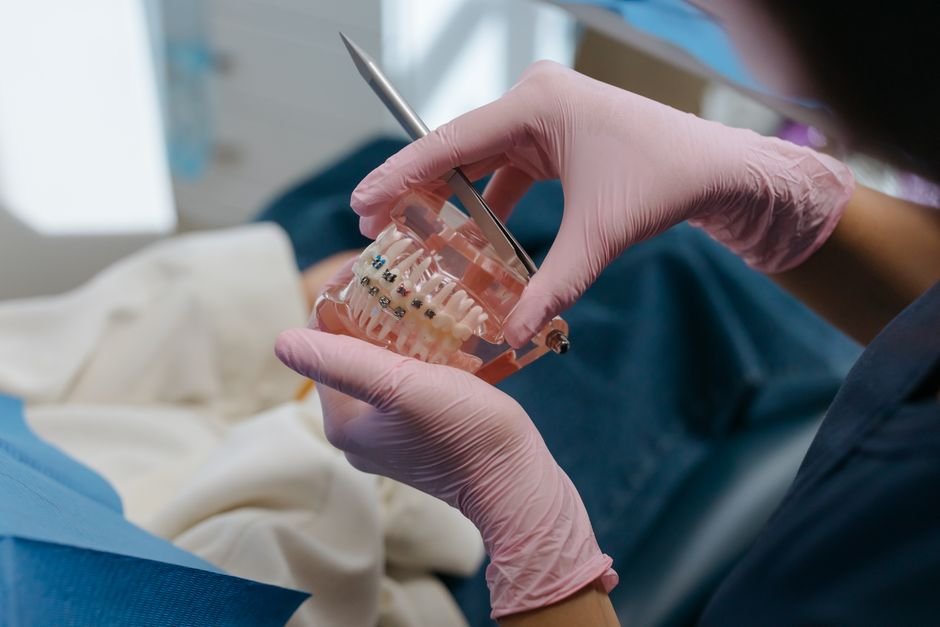



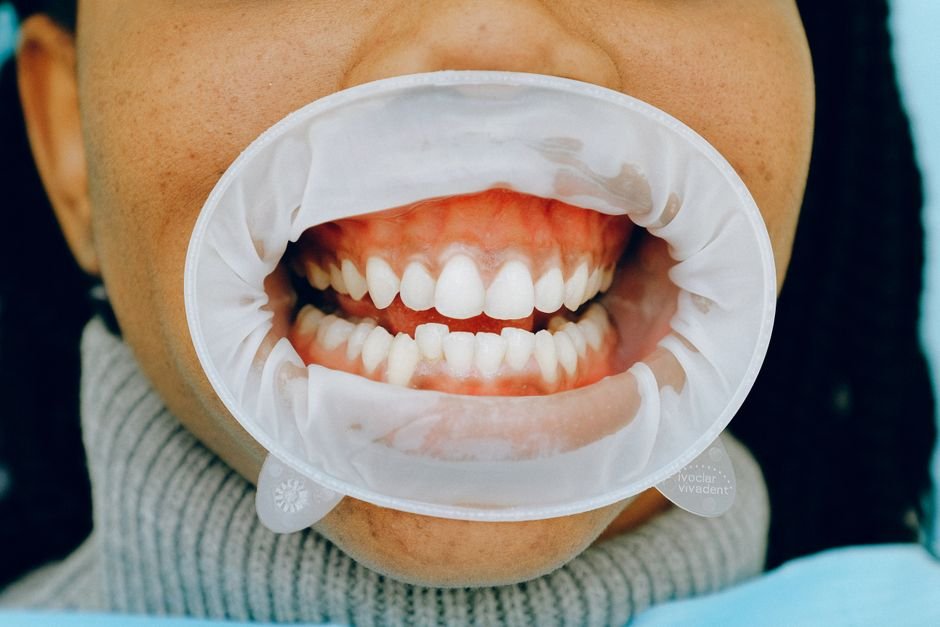

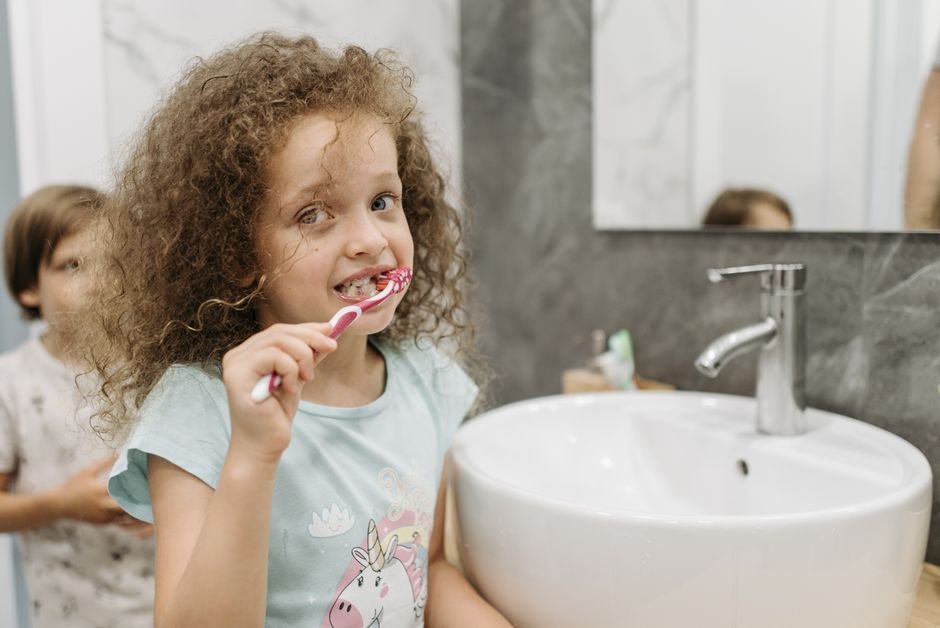






























Thumb sucking is one of the most common self-soothing habits in early childhood, and for most young children it causes no lasting harm at all. The concern for dental development arises mainly when the habit continues past the age when permanent teeth begin to come in, since the repeated pressure and positioning of the thumb can gradually influence how those teeth and the surrounding jaw structure develop. Understanding when this habit becomes a genuine concern, rather than simply a normal part of early childhood, helps families know when gentle guidance is worth introducing.
Key takeaways
Thumb sucking is a natural reflex that begins even before birth, and it continues in infancy as a way for babies and toddlers to self-soothe, especially when tired, anxious or bored. This instinct is so deeply rooted that most children engage in it to some degree without any prompting, and it typically brings genuine comfort during a stage of life when a child has few other tools for managing emotions independently.
For the vast majority of children, this habit fades naturally as they grow, develop other coping strategies, and become more engaged with the world around them. Most children reduce or stop the habit somewhere between the ages of two and four, often without any specific intervention needed from parents or caregivers at all.
The general guidance among dental professionals is that thumb sucking becomes more of a concern once permanent teeth start to erupt, which typically begins around age six. Before this point, the pressure from sucking mostly affects baby teeth, which will eventually be replaced anyway, limiting the long-term impact on the permanent bite.
Once permanent teeth are emerging, however, the same repeated pressure that was relatively harmless on baby teeth can begin to influence how those permanent teeth and the surrounding bone structure settle into place. This is the window where dental professionals typically start paying closer attention to whether the habit is continuing and how intensely.
Persistent thumb sucking can gradually push the front upper teeth forward and the lower teeth backward, creating a gap between the upper and lower teeth when the mouth is closed, sometimes referred to as an open bite. This happens because the thumb physically occupies space between the teeth during a period when the jaw and teeth are still actively developing and highly responsive to consistent pressure.
The roof of the mouth can also be affected, sometimes narrowing in response to the shape and pressure of the thumb resting against it repeatedly over months and years. This narrowing can influence how the upper and lower jaws fit together, which is part of why early evaluation matters if the habit persists.
Not all thumb sucking carries the same risk of affecting dental development. A child who rests their thumb passively in their mouth, without much active sucking pressure, is generally at lower risk than a child who sucks vigorously and frequently throughout the day. The forcefulness and consistency of the habit play a significant role in determining its ultimate impact.
This distinction is useful for parents trying to gauge how concerned to be. A child who occasionally and gently rests their thumb near bedtime is in a very different position from one who actively sucks for extended periods multiple times a day, even if both children are technically the same age.
Gentle, positive reinforcement tends to be far more effective than scolding or punishment when it comes to helping a child move away from thumb sucking. Praising a child for periods without the habit, using simple reward systems, and gently reminding them without shame all tend to build the child’s own motivation to stop, rather than creating anxiety around the behaviour.
Identifying the situations that trigger the habit, such as tiredness or boredom, and offering an alternative comfort object or activity during those moments can also help. Since thumb sucking is often a self-soothing mechanism, addressing the underlying need for comfort tends to work better than simply trying to block the behaviour itself.
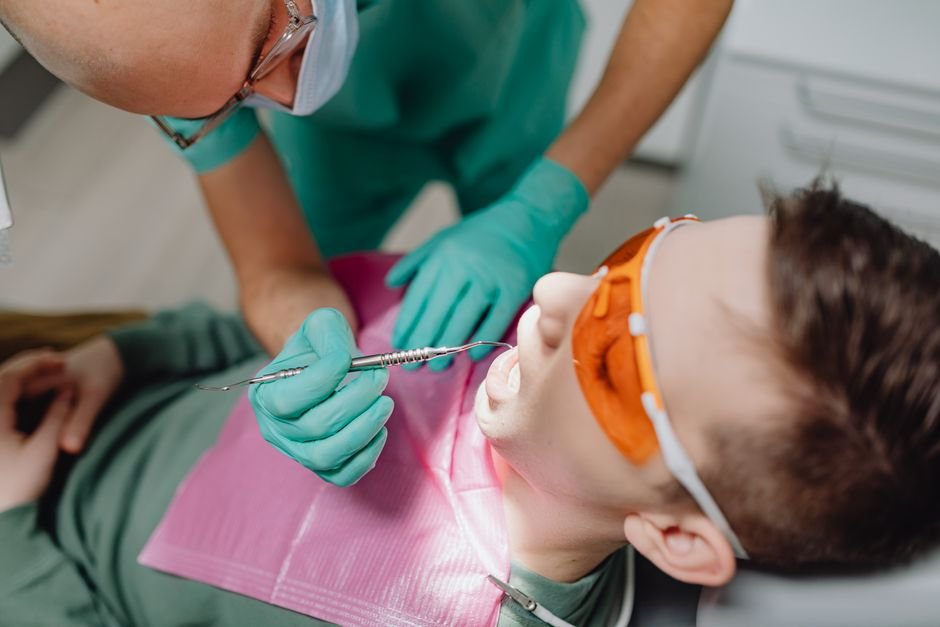
A dentist can assess whether a child’s ongoing thumb sucking habit is beginning to affect the position of the teeth or the shape of the jaw, offering an objective perspective that can be reassuring or, when needed, prompt earlier action. Regular dental checkups during early childhood provide a natural opportunity for this kind of monitoring to happen consistently.
For children who continue the habit intensely past the recommended age, a dentist might suggest simple behavioural strategies first, and in some cases, a dental appliance designed to make the habit less comfortable or rewarding. These appliances are typically considered only after other gentler approaches haven’t worked.
Beyond dental alignment, prolonged and intense thumb sucking can sometimes influence how a child’s speech develops, particularly sounds that require the tongue to touch the roof of the mouth or the front teeth in a specific way. An altered bite or narrowed palate resulting from the habit can make certain sounds more difficult to form correctly.
This connection is another reason why addressing a persistent habit around the time permanent teeth begin to erupt matters. Speech patterns established in early childhood can be harder to correct later, so addressing the underlying dental influence early tends to support clearer speech development as well.
Pacifiers and thumb sucking share many similarities in terms of their potential effects on dental development, since both involve a repeated object placed between the teeth over an extended period. However, a pacifier habit is generally considered easier to phase out, since it can simply be removed from a child’s access, unlike a thumb, which is always available.
Some dental professionals consider pacifier use slightly easier to manage for this reason, though the underlying dental concerns around prolonged use are broadly similar between the two habits. Either way, awareness of when the habit continues past the recommended age remains the key factor for parents to track.
If thumb sucking continues well into the years when permanent teeth are established, the changes to bite alignment and jaw shape can become more difficult to correct without more involved orthodontic treatment. This doesn’t mean the situation becomes hopeless, but it does mean the path to correction typically becomes longer and more involved.
Recognising this reinforces why gentle, early attention to a persistent habit is worthwhile. Addressing the behaviour before permanent teeth are fully established generally means simpler intervention, while addressing it afterward may require the more structured support of an orthodontist to guide the teeth back into proper alignment.
No, thumb sucking is a normal and common self-soothing behaviour in infancy and toddlerhood. It typically only becomes a dental concern if it continues intensely past the age when permanent teeth begin to erupt, usually around age six.
Most dental professionals suggest gentle encouragement to stop becomes more relevant as a child approaches school age, particularly if the habit is frequent and intense. A dental checkup can help determine whether the timing is right for a particular child.
Many mild changes correct themselves naturally once the habit stops, especially if addressed before permanent teeth are fully in place. More significant changes may require orthodontic treatment, which is why earlier attention to a persistent habit tends to simplify the process.
No, many children stop the habit naturally before it causes any lasting effect, and the intensity of sucking matters as much as how long it continues. A dentist can help assess an individual child’s specific situation and risk.
No, gentle behavioural strategies and positive reinforcement are usually tried first. Dental appliances are typically considered only when the habit continues intensely despite these approaches and a dentist determines it is affecting dental development.

What and when a family eats together has a surprisingly direct effect on children’s dental health, since mealtime patterns often

Children are far more likely to stick with good oral care habits when they see parents practising the same routines
Most dentists recommend a child’s first dental visit by their first birthday, or within six months of their first tooth
 English