






































School-aged children commonly deal with tooth decay, gum irritation from inconsistent brushing, teeth crowding as adult teeth come in, and minor injuries from sports or play, and most of these issues respond well to early attention. This stage of childhood brings a mix of remaining baby teeth and emerging adult teeth, along with growing independence in daily habits, which together create a distinct set of dental challenges compared to earlier or later years. Knowing what to watch for helps parents catch small problems before they grow into bigger ones.
Key takeaways
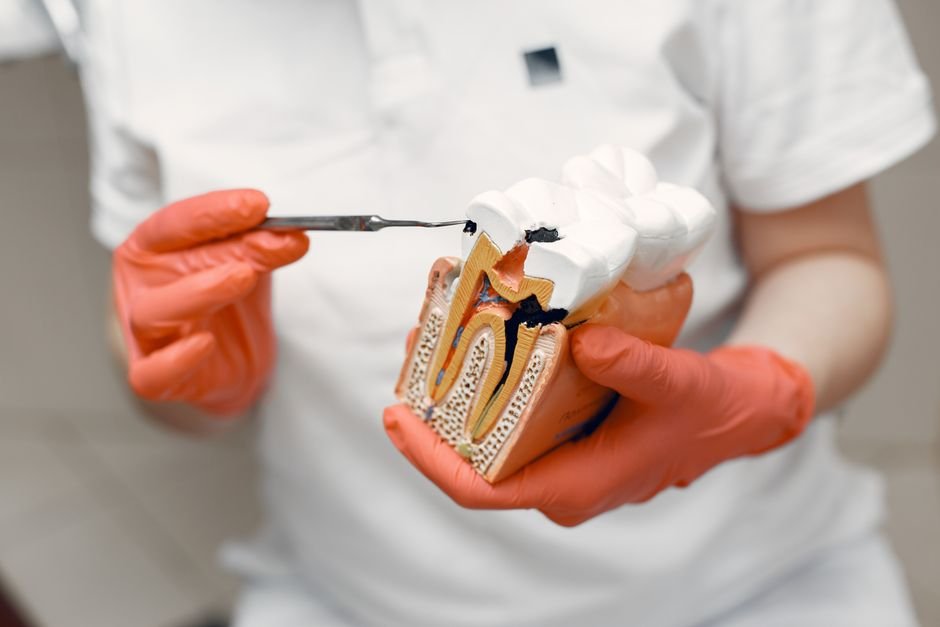
Tooth decay remains one of the most frequently seen dental issues among school-aged children, often linked to a combination of factors including frequent snacking, less consistent brushing supervision as children gain independence, and the natural grooves in newly erupted adult molars, which can trap food and bacteria more easily than smoother, more worn surfaces.
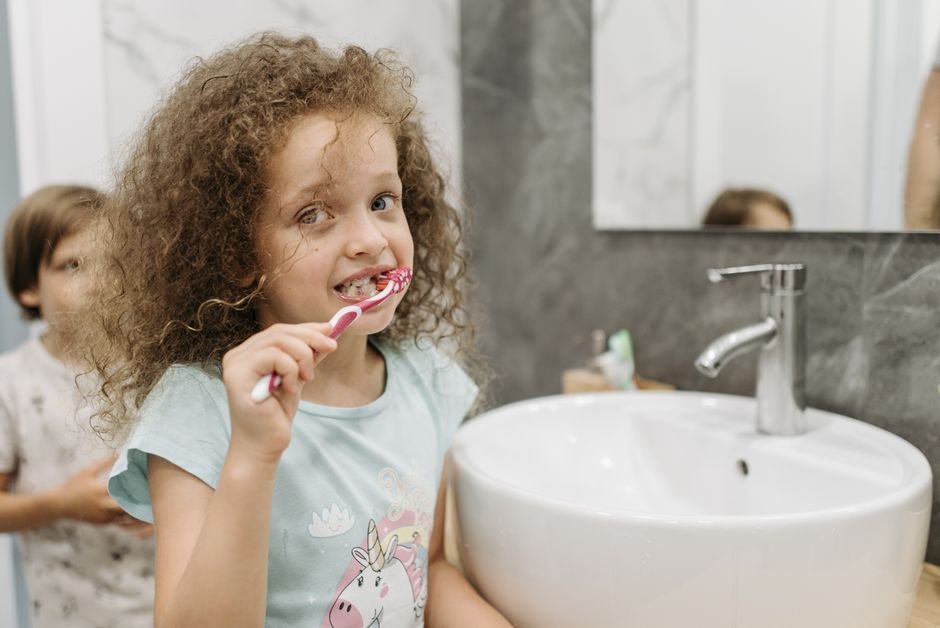
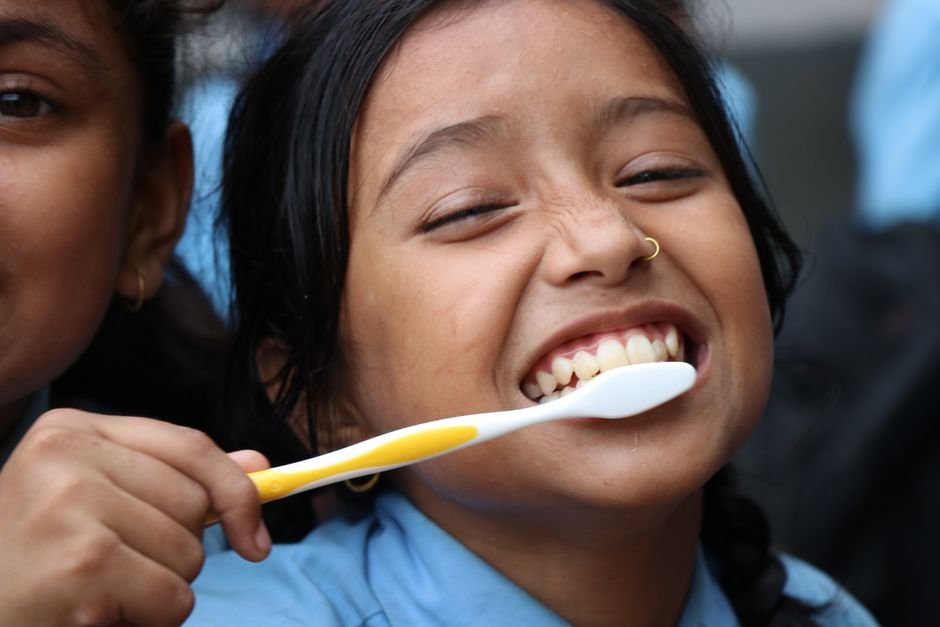
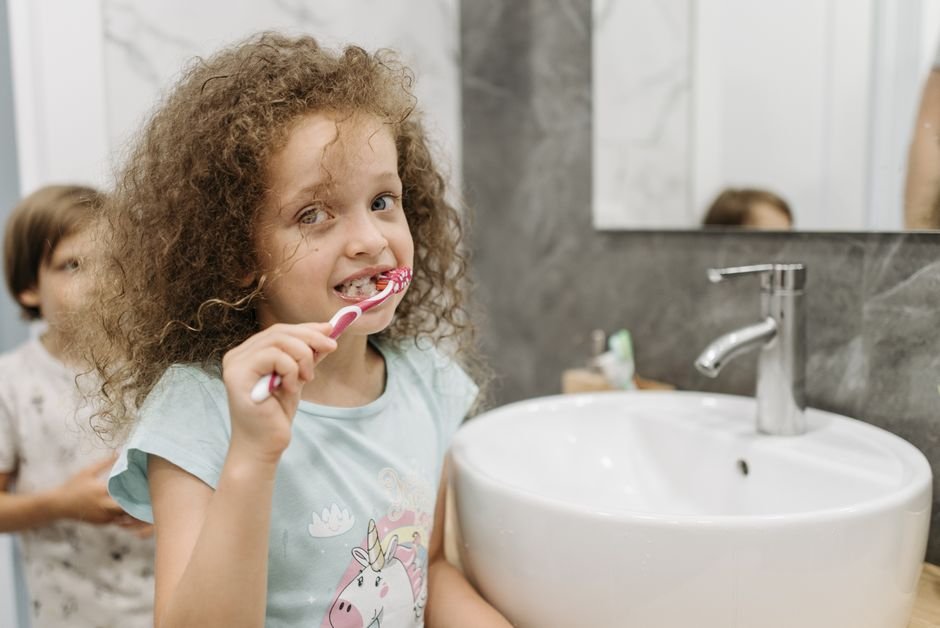
Because children at this age are often brushing on their own rather than with direct parental supervision, technique and thoroughness can vary considerably from one child to the next. Periodic spot checks, along with reinforcing proper brushing time and coverage, help ensure that growing independence does not come at the cost of cleaning effectiveness.
Mild gum irritation, sometimes appearing as slight redness or occasional bleeding when brushing, is fairly common in school-aged children and is most often linked to plaque buildup from inconsistent or rushed brushing rather than a more serious underlying condition. Newly erupting teeth can also cause temporary gum tenderness in the immediate area.
While mild, occasional irritation is not usually cause for alarm, gums that bleed regularly or appear consistently swollen deserve a closer look, since this pattern can indicate that plaque is accumulating more than it should. Reinforcing thorough brushing along the gumline, not just the visible chewing surfaces of the teeth, often resolves this issue fairly quickly.
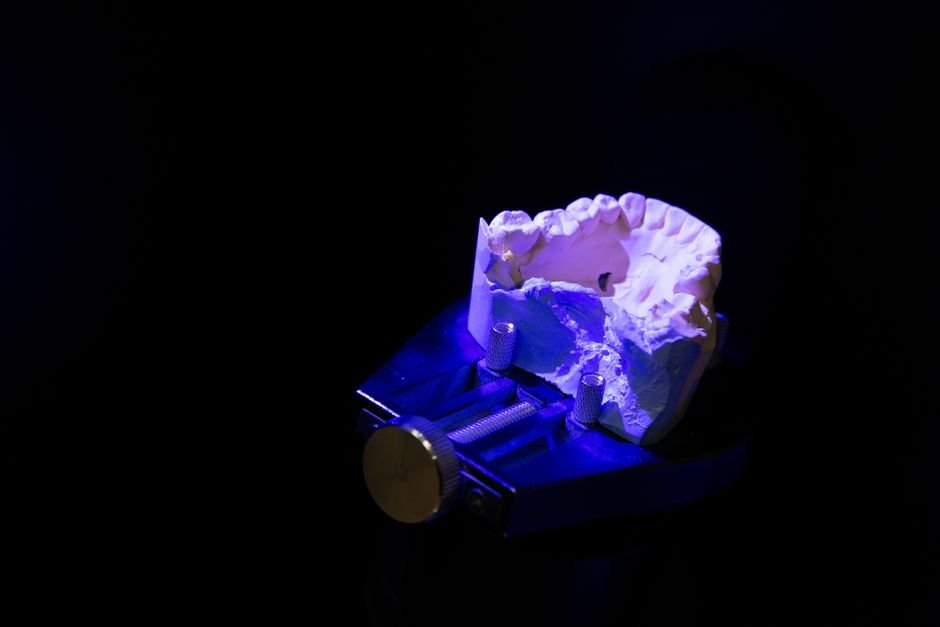
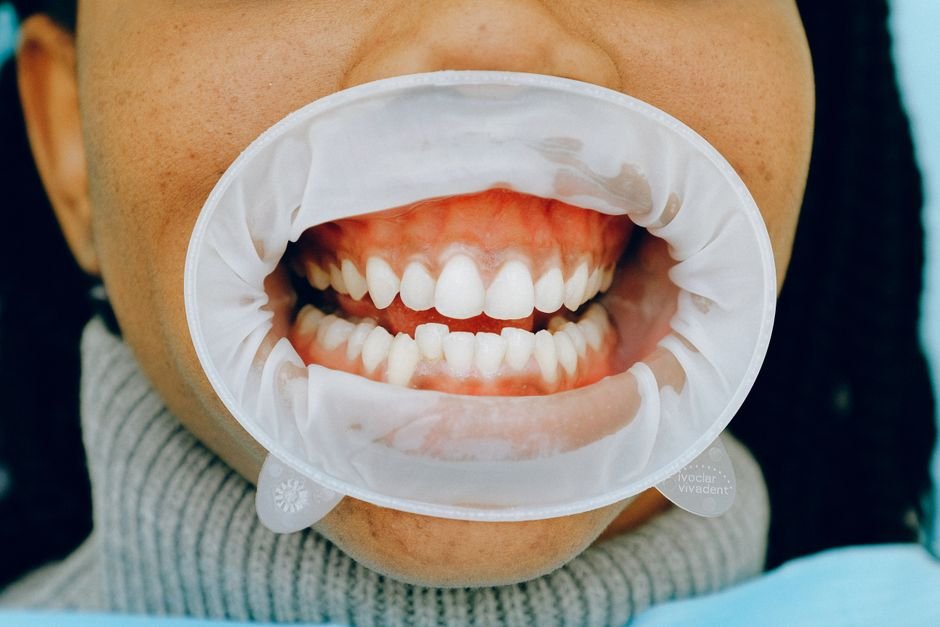
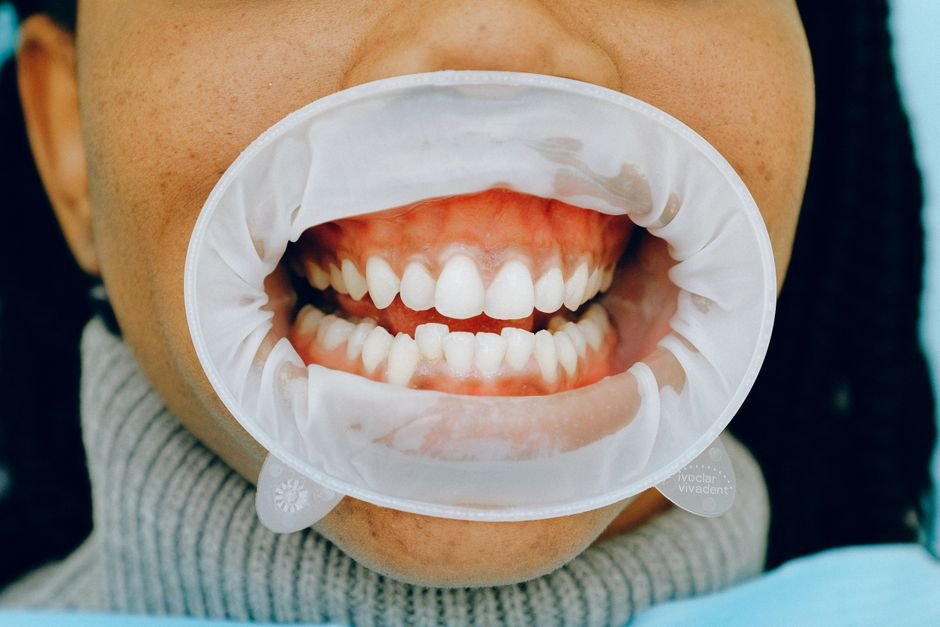
As baby teeth are gradually replaced by larger adult teeth, some crowding or misalignment often becomes apparent for the first time. This happens because adult teeth are simply bigger than the baby teeth they replace, and if the jaw has not grown enough to accommodate the difference, teeth can come in overlapping or at an angle.
Not all crowding requires immediate treatment, since jaw growth continues throughout childhood and some issues resolve naturally as more space becomes available. However, noticeable crowding is worth monitoring through regular dental visits, since a dentist can advise whether early orthodontic evaluation would be beneficial or whether it makes more sense to simply observe how things develop over time.
School-aged children are typically more physically active and involved in organised sports, playground activities, and general roughhousing, all of which carry some risk of dental injury. Chipped teeth, knocked-out teeth, and injuries to the lips or gums from falls or collisions are relatively common in this age group.
Wearing a properly fitted mouthguard during contact sports and higher-risk activities significantly reduces the chance of serious dental injury. Knowing basic steps for handling a dental emergency, such as what to do if a tooth is knocked out, also helps parents respond quickly and calmly if an injury does occur during play or organised sport.
School-aged children often have more independence over snack choices than younger children, whether through packed lunches, school cafeterias, or after-school snacking, which means dietary habits at this stage are shaped as much by the child’s own choices as by parental decisions.
Frequent exposure to sugary or starchy snacks throughout the day gives less opportunity for saliva to naturally rebalance the mouth between eating occasions, increasing decay risk over time. Packing lunches with tooth-friendly options and having open conversations with children about why food choices matter for their teeth helps them start making more informed decisions as their independence grows.
While thumb sucking is more commonly associated with younger children, some school-aged children continue the habit, and if it persists past the point where adult front teeth are erupting, it can begin to affect how those teeth align. Similarly, ongoing use of a pacifier or other oral habits can have a comparable effect if continued too long.
Most children naturally outgrow these habits with encouragement, though a dentist can advise on strategies if a habit is persisting in a way that seems likely to affect tooth alignment. Addressing this during the school-age years, while the jaw and teeth are still developing, tends to be more effective than waiting until adult teeth are fully established.
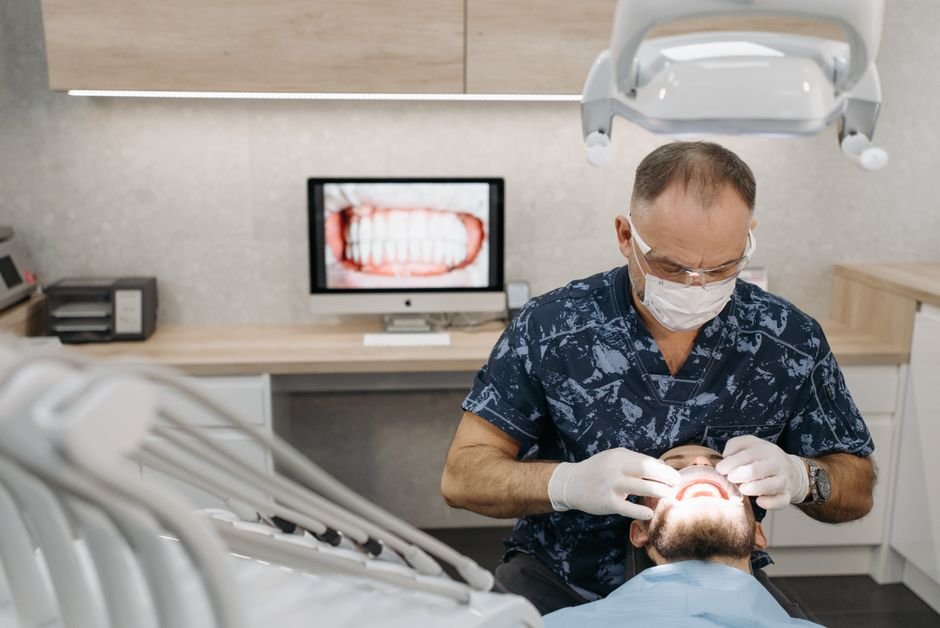
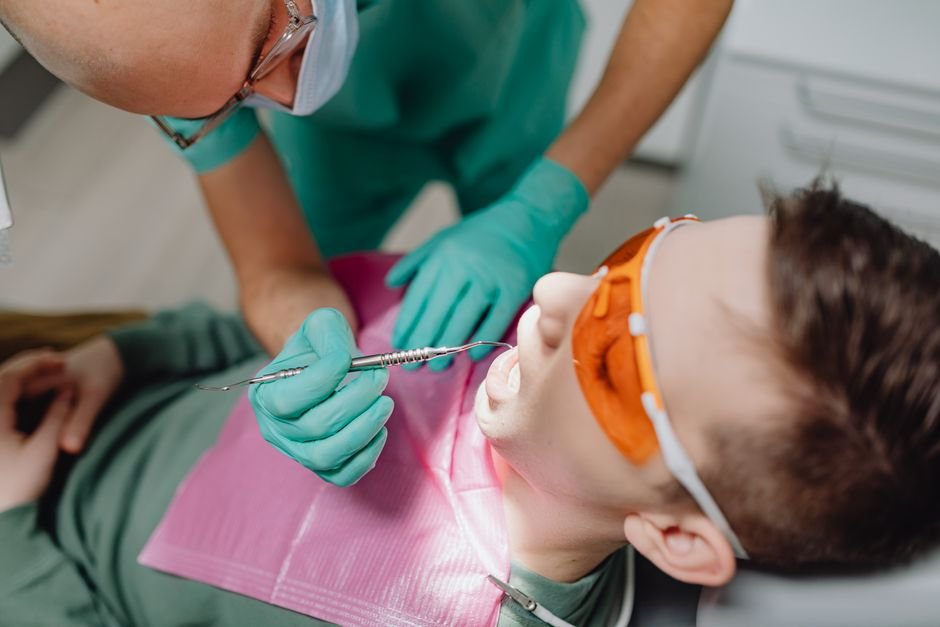
The combination of emerging adult teeth, growing independence in daily habits, and increased physical activity makes this a period where dental issues can develop or change relatively quickly. Regular checkups allow a dentist to track how new teeth are coming in, monitor for early signs of decay, and identify bite or crowding concerns while there is still time to plan an appropriate response.
These visits also give children the chance to build familiarity and comfort with dental care during a formative period, which can shape their attitude toward checkups well into adulthood. A consistent schedule of visits, rather than only going when a problem arises, tends to catch issues at their most manageable stage.
Striking a balance between supervision and independence is a common challenge during these years, since children are old enough to want autonomy over their own routine but not always experienced enough to maintain it fully on their own. Occasional gentle check-ins, rather than constant reminders, tend to work better for maintaining cooperation.
Involving children in choosing their own toothbrush or toothpaste flavour, and explaining the reasons behind good habits rather than simply issuing instructions, often increases genuine buy-in. This approach supports the gradual shift toward children taking full ownership of their own oral care as they move into their teenage years.
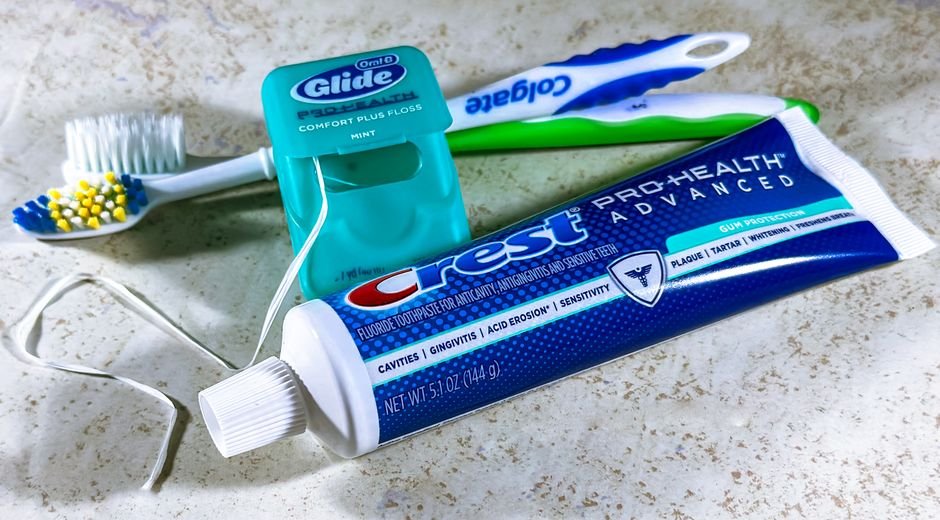
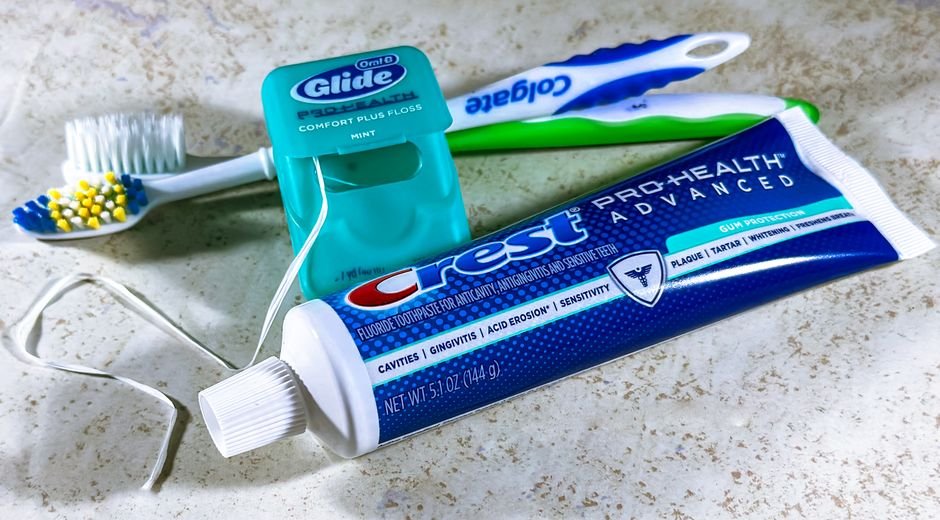
Decay that forms in the tight spaces between teeth is easy to miss during a casual look in the mirror, since it often develops out of direct view and does not always cause noticeable discomfort in its early stages. This makes flossing, alongside brushing, particularly important once a child has multiple teeth sitting close together, which is common by the school-aged years.
Dentists often check these areas closely during routine visits, sometimes using X-rays to spot early decay between teeth well before it would be visible or symptomatic otherwise. Encouraging daily flossing, even if it takes some practice for children to do effectively on their own, helps close this gap in an otherwise solid brushing routine.
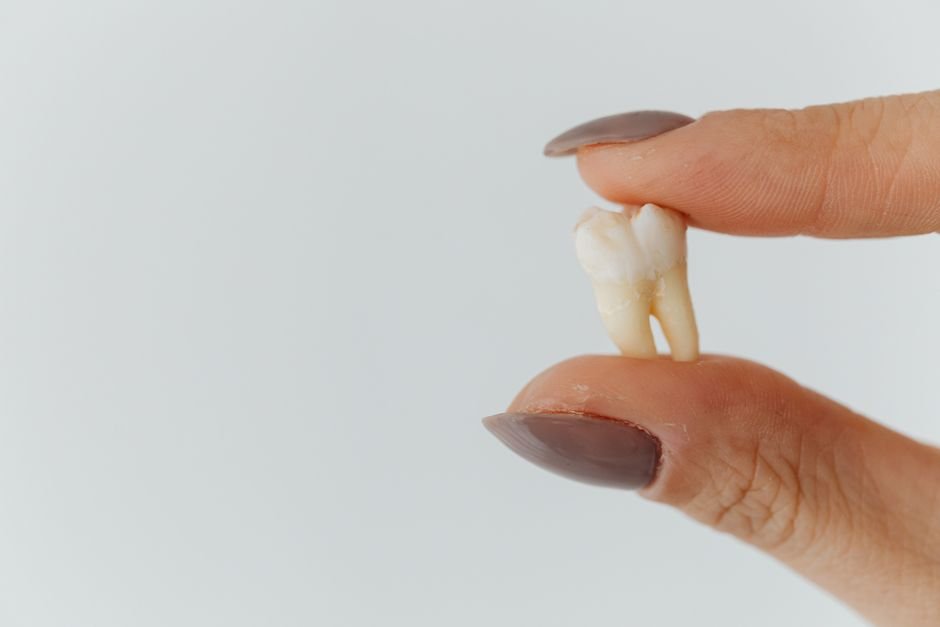
Most children begin losing baby teeth and gaining adult teeth around six years old, though the exact timing varies, and this process typically continues gradually over several years through the school-aged period.
Occasional mild bleeding, especially when brushing habits have been inconsistent, is common and often resolves with more thorough daily cleaning, though bleeding that persists regularly is worth mentioning at a checkup.
Not necessarily. Some crowding resolves naturally as the jaw continues to grow, so a dentist will typically monitor the situation over time before recommending any specific treatment approach.
Mouthguards are most strongly recommended for contact sports, but even casual activities carry some injury risk, so it is worth discussing with a dentist which activities in your child’s routine might benefit from one.
Most dentists recommend checkups roughly every six months for school-aged children, though the ideal frequency can vary slightly depending on an individual child’s dental history and current risk factors.

What and when a family eats together has a surprisingly direct effect on children’s dental health, since mealtime patterns often

Children are far more likely to stick with good oral care habits when they see parents practising the same routines
Most dentists recommend a child’s first dental visit by their first birthday, or within six months of their first tooth
 English