



























Small, consistent swaps in what a family eats, drinks, and uses for daily hygiene can meaningfully reduce cavity and gum disease risk across an entire household, without requiring a complete lifestyle overhaul. Simple changes like choosing water more often, adjusting when treats are eaten, and updating a few hygiene products tend to add up to a real difference over time.
Key takeaways
Sugary or acidic drinks sipped slowly over an extended period, such as juice, soft drinks, or sports drinks, keep teeth bathed in sugar and acid for far longer than the same drink consumed quickly. This extended exposure gives cavity-causing bacteria a near-constant supply of fuel and keeps the mouth’s pH in an acidic range for much of the day.
Replacing these sipping habits with water between meals, while saving sweeter drinks for mealtimes when saliva flow is naturally higher, is one of the simplest and most effective swaps a household can make. Water rinses the mouth naturally and does not feed bacteria, making it consistently the safest default beverage choice throughout the day.
It is not just what a family eats but when they eat it that matters for dental health. Frequent snacking throughout the day, even on relatively small amounts of sugar, creates repeated acid attacks on the teeth, since each exposure triggers a fresh wave of bacterial acid production that takes time to neutralise.
Shifting treats to be eaten alongside meals rather than as standalone snacks between meals allows saliva, which flows more heavily during eating, to help buffer the acid more effectively. This simple timing swap, rather than eliminating treats altogether, can meaningfully reduce the cumulative acid exposure teeth experience across a typical day.
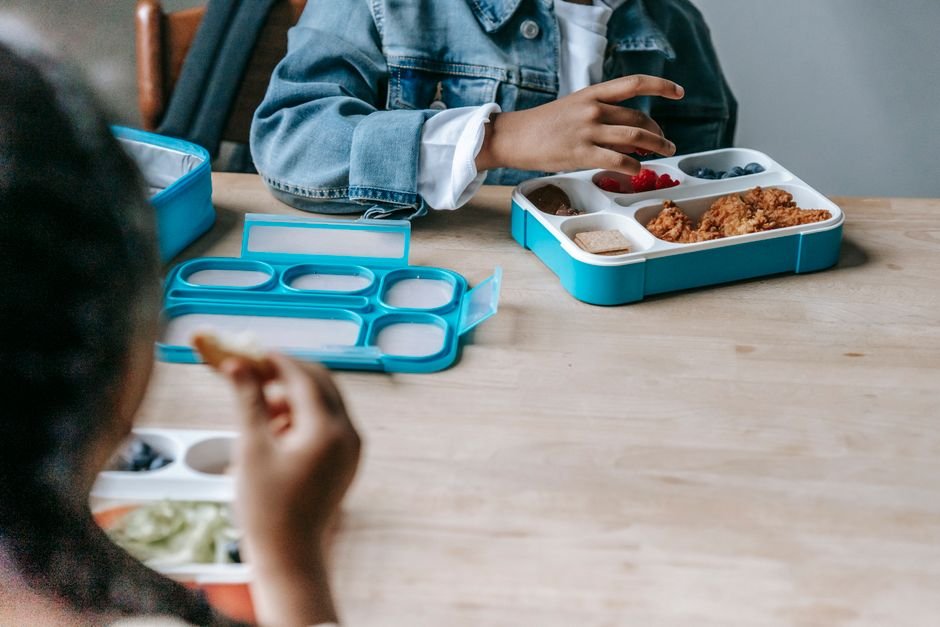
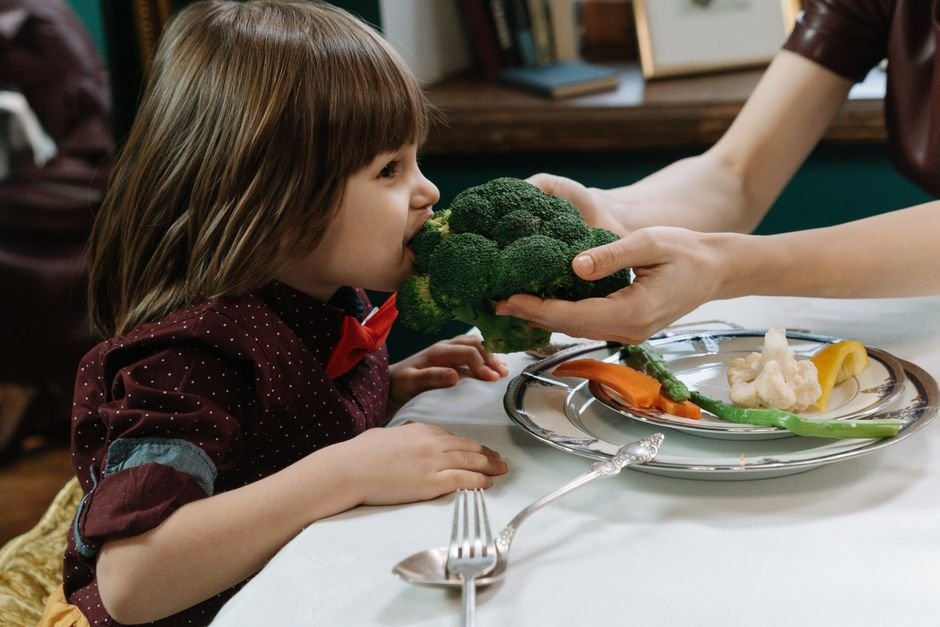
Packed lunches, particularly for children, often include convenient items that are higher in sugar and stickiness than families realise, such as fruit snacks, sweetened yoghurts, and juice boxes. Stickier foods in particular tend to cling to tooth surfaces longer, extending their contact time and associated acid exposure.
Simple swaps such as choosing plain yoghurt over sweetened versions, whole fruit over dried fruit or fruit snacks, and water or milk over juice can significantly reduce the cumulative sugar exposure in a typical lunch. These changes are often easy to implement gradually, swapping one item at a time rather than overhauling an entire lunchbox at once.
While manual toothbrushes can be perfectly effective with good technique, many families find that switching to electric toothbrushes improves cleaning consistency, particularly for children and anyone who tends to brush too quickly or with inconsistent technique. The built-in timers on many electric models also help ensure the full recommended brushing time is actually reached.
This swap tends to have the most noticeable impact in households where brushing has historically been rushed or inconsistent. For families already achieving thorough cleaning with a manual brush and good technique, the swap offers a smaller but still worthwhile improvement in convenience and consistency.
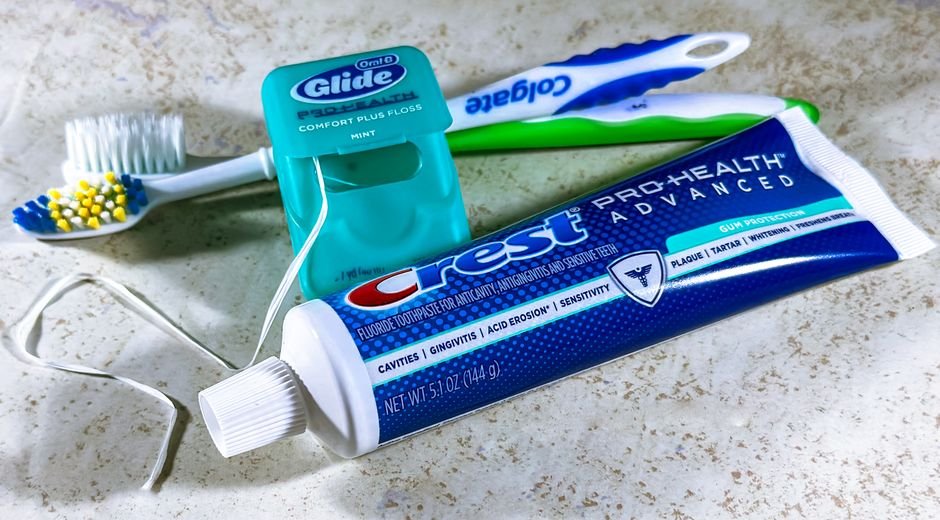
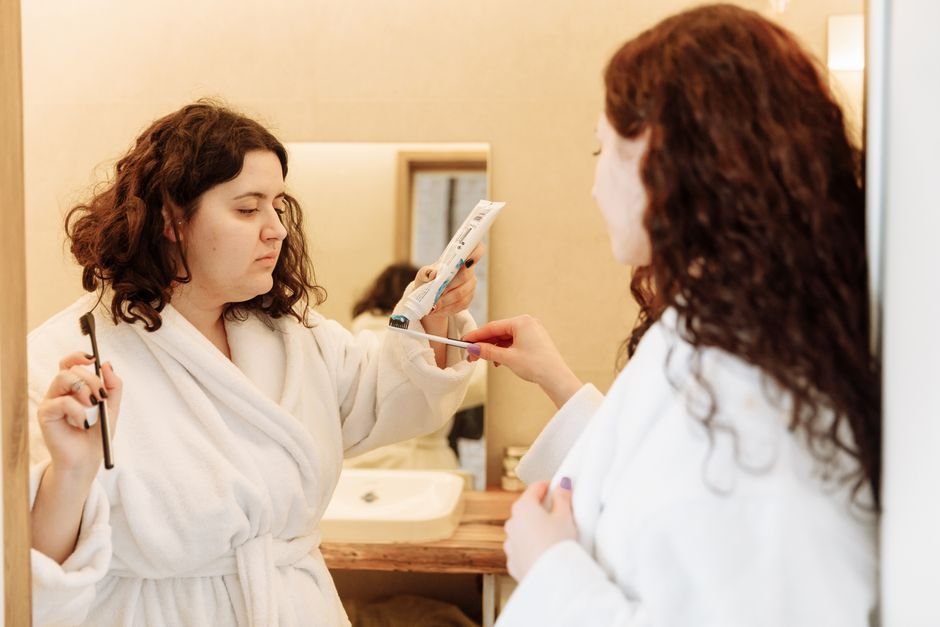
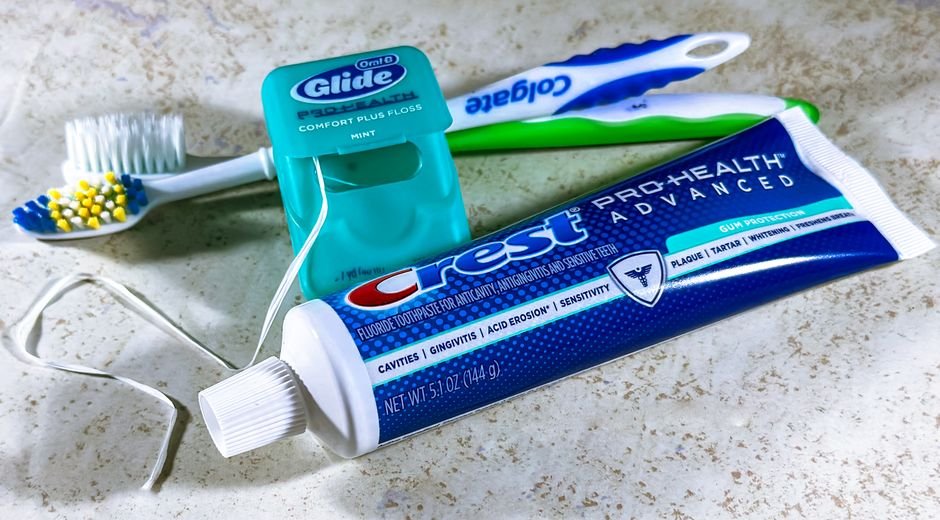
The most important factor in any toothpaste is that it contains fluoride, which remains the single most effective ingredient for strengthening enamel and preventing decay. Beyond that baseline, some households benefit from switching to formulas targeting specific needs, such as sensitivity-focused toothpaste for family members experiencing discomfort.
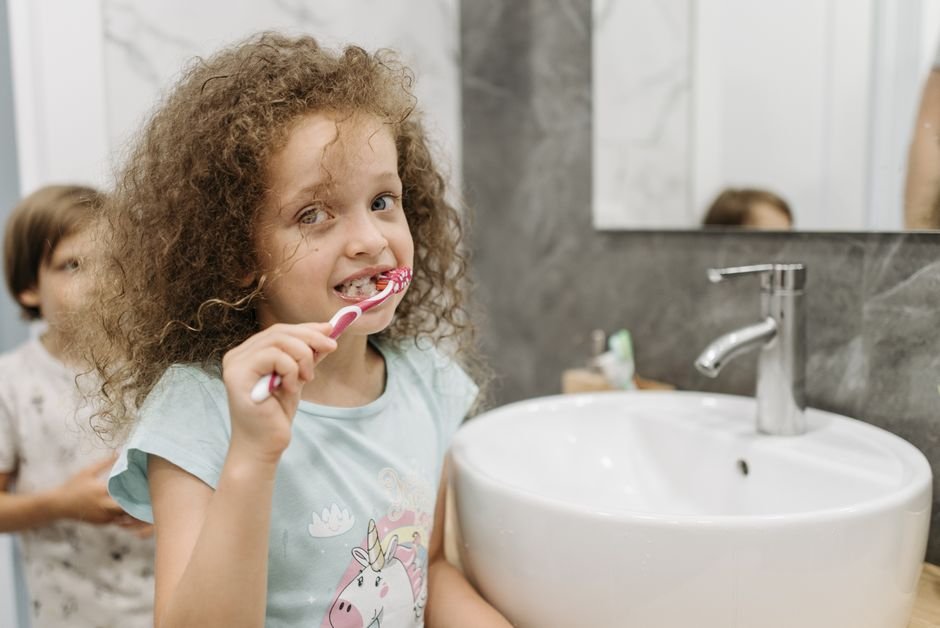
For children, choosing an age-appropriate fluoride toothpaste with a flavour they actually enjoy can make a meaningful difference in how willingly they brush, which matters just as much as the formula itself. A toothpaste that sits unused in the cabinet offers no benefit regardless of its ingredients.
Beyond sugar, acidic foods and drinks such as citrus fruits, vinegar-based dressings, and carbonated beverages can soften enamel temporarily, making it more vulnerable to wear if brushing happens too soon afterward. Being mindful of how often these items appear across a day, rather than eliminating them, is the more practical household swap.
A simple habit worth adopting is rinsing with water after consuming something acidic and waiting around thirty minutes before brushing, allowing saliva time to help re-harden the enamel first. This small timing adjustment protects teeth without requiring families to give up foods and drinks they enjoy.
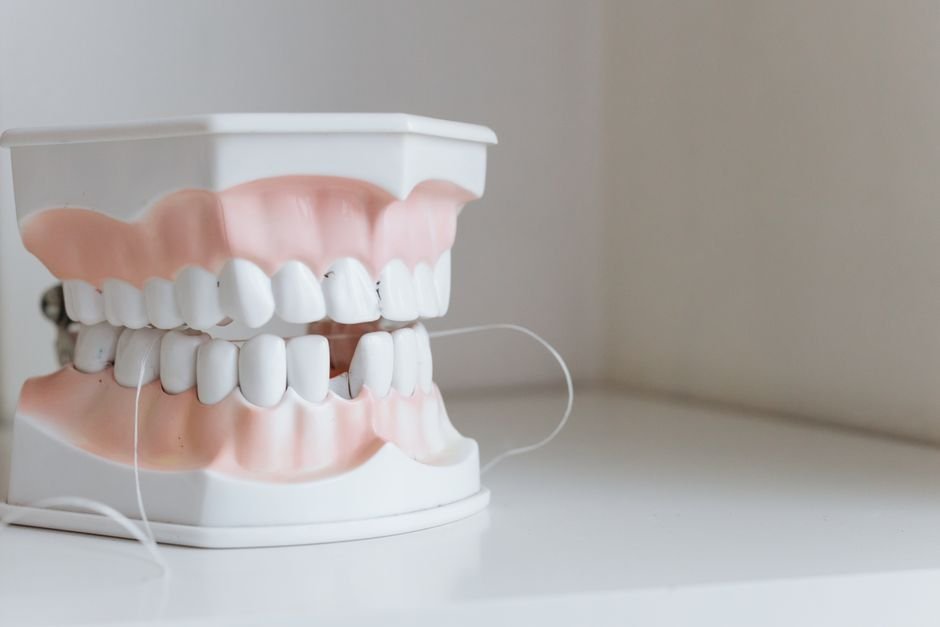
Flossing is often the first hygiene habit to lapse in busy households, particularly for children still developing the dexterity to floss effectively on their own. Switching from traditional floss to floss picks or water flossers can make the habit significantly easier to maintain consistently, especially for younger family members or anyone with limited dexterity.
Making these tools easily accessible, kept visibly near toothbrushes rather than tucked away in a drawer, is a small environmental swap that meaningfully increases how consistently a family actually uses them. Convenience plays a surprisingly large role in whether good intentions translate into a daily habit.
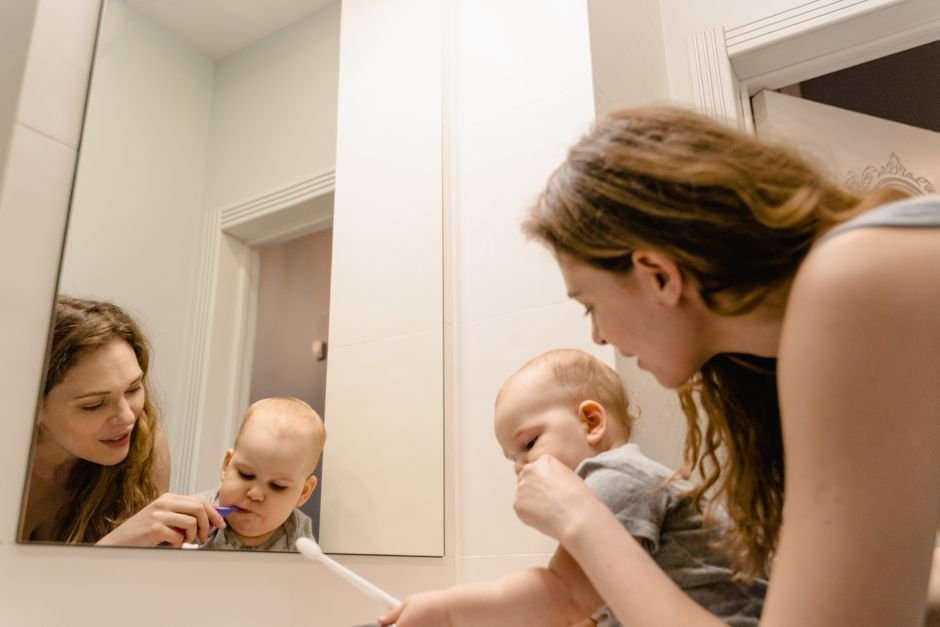
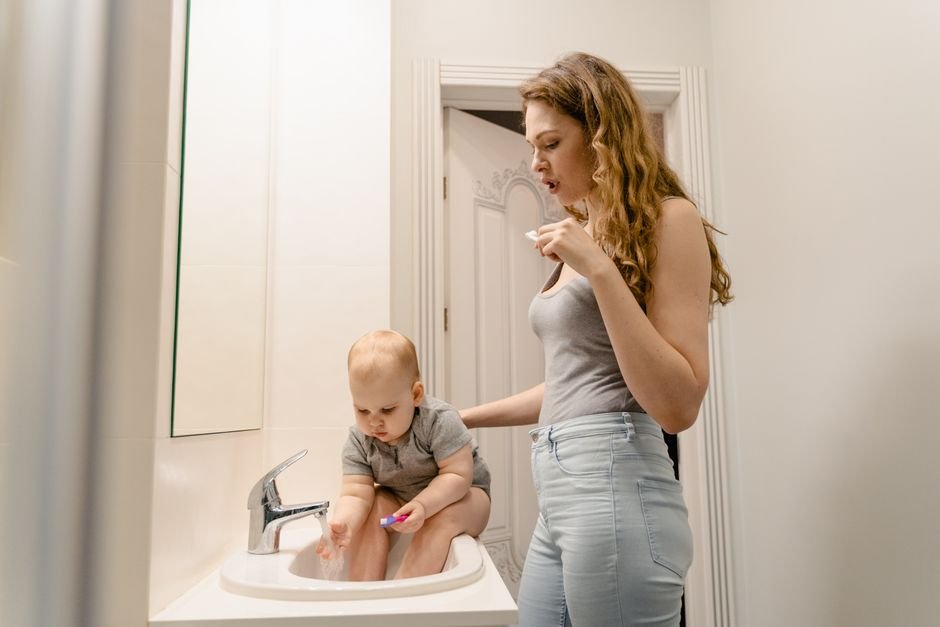
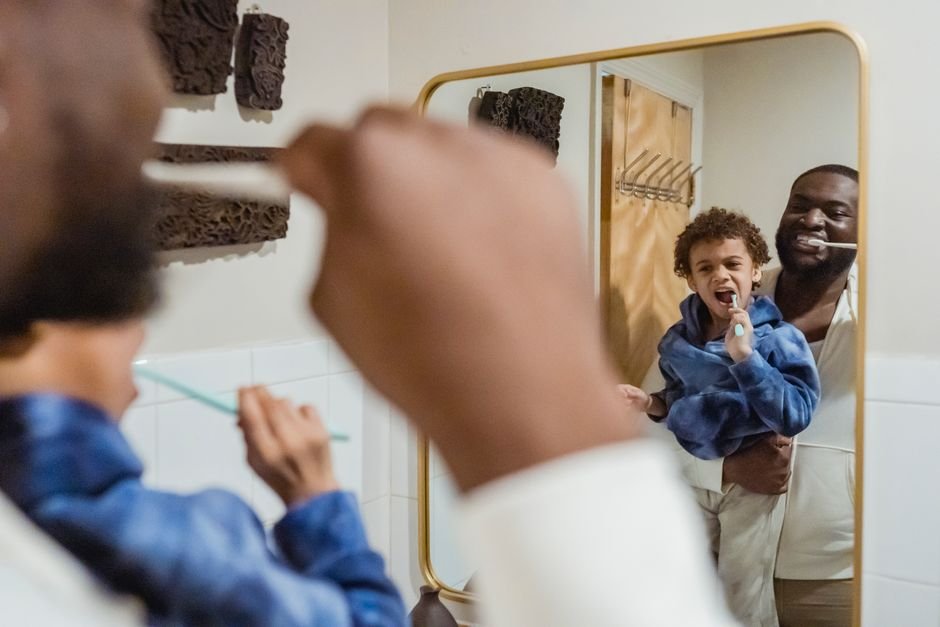
Children are significantly more likely to adopt healthier habits when they consistently see parents and older siblings practising them, rather than being told to follow rules that adults themselves do not observe. Swapping habits as a whole household, rather than singling out children, tends to produce far more durable results.
This also applies to the pace of change. Introducing swaps gradually, one or two at a time, and involving children in choosing alternatives they are genuinely willing to try, tends to build lasting habits more effectively than an abrupt, sweeping overhaul that feels punitive rather than collaborative.
Rather than attempting every swap simultaneously, most families find more lasting success by starting with one or two changes that feel most manageable, such as switching the default drink between meals to water, before gradually introducing further adjustments over subsequent weeks.
Tracking which swaps stick and which ones prove more difficult allows a household to focus energy where it is most likely to pay off. Over time, these individually small changes compound into a meaningfully healthier daily pattern for the whole family’s teeth, without requiring dramatic or unsustainable lifestyle changes.
Evening routines are often when hygiene habits break down fastest, particularly with tired children resisting brushing or parents rushing through their own routine at the end of a long day. Simplifying the evening setup, such as laying out toothbrushes, floss picks, and toothpaste together in one visible spot, removes small friction points that otherwise cause the routine to get skipped.
Pairing brushing with an existing habit already firmly established in the evening routine, such as right after pyjamas or right before a bedtime story, can also help the habit stick more reliably than treating it as a separate, easily forgotten task. These small structural swaps around timing and setup often matter just as much as the products being used.
Yes, juice contains both sugar and acid, and sipping it throughout the day creates prolonged exposure that feeds bacteria and softens enamel. Water has no such effect, making it a consistently safer everyday choice.
For many people, particularly those who rush brushing or use inconsistent technique, electric toothbrushes can improve cleaning results and encourage the full recommended brushing time through built-in timers.
Making water the default drink between meals, while saving sweeter drinks for mealtimes, is one of the simplest and most impactful swaps a family can start with immediately.
Dried fruit tends to be sticky and concentrated in sugar, meaning it clings to tooth surfaces longer than fresh fruit, which contains more water and is generally cleared from the mouth more quickly.
This varies by family, but introducing changes gradually and involving everyone in choosing alternatives tends to build habits that last longer than attempting a sudden, complete overhaul all at once.

What and when a family eats together has a surprisingly direct effect on children’s dental health, since mealtime patterns often

Children are far more likely to stick with good oral care habits when they see parents practising the same routines
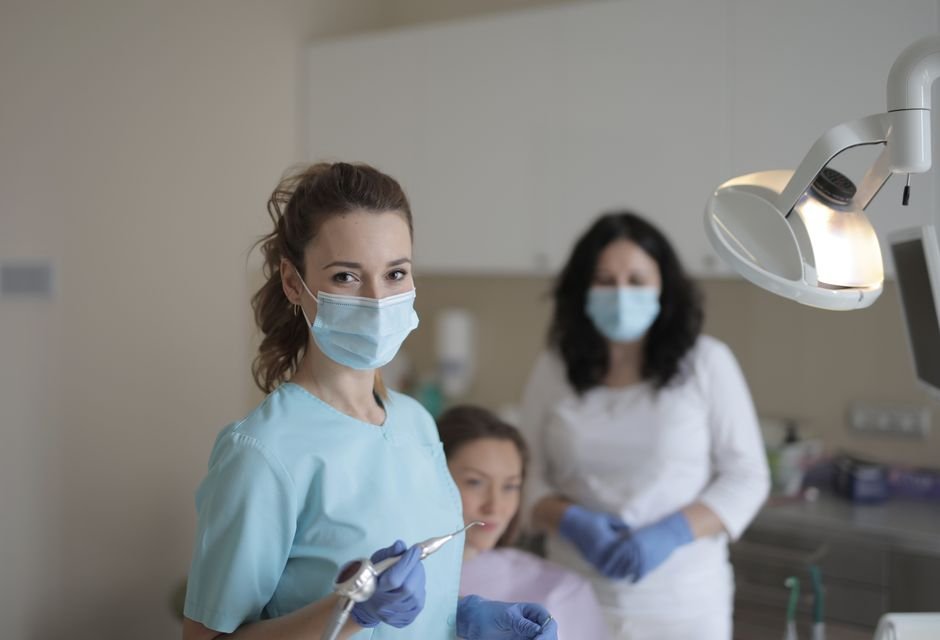
Most dentists recommend a child’s first dental visit by their first birthday, or within six months of their first tooth
 English