













































Gum disease prevention comes down to consistently disrupting the bacterial plaque that builds up along the gumline every day, combined with regular professional cleanings that remove what daily brushing and flossing cannot reach. For most people, gum disease is genuinely preventable through steady, unglamorous daily habits rather than any single special product or treatment.
Key takeaways
Gum disease begins when plaque, a sticky film of bacteria, accumulates along the gumline and is not removed consistently through brushing and flossing. Left in place, this plaque irritates the surrounding gum tissue, triggering an inflammatory response that causes redness, swelling, and the characteristic bleeding often associated with early gum disease.
If plaque is not removed, it can harden into tartar within a matter of days, a much firmer substance that cannot be removed by brushing alone and requires professional cleaning. As tartar accumulates further along and beneath the gumline, it creates an increasingly hospitable environment for more bacteria to thrive, allowing the inflammatory process to continue progressing if left unaddressed.
Gingivitis is the earliest and mildest stage of gum disease, characterised by inflammation, redness, and bleeding, particularly during brushing or flossing. Importantly, gingivitis at this stage has not yet caused permanent damage to the deeper structures supporting the teeth, which is why it remains fully reversible with improved hygiene and professional care.
Periodontitis represents a more advanced and serious stage, where the inflammation has progressed to affect the bone and connective tissue anchoring the teeth in place. Unlike gingivitis, damage caused by periodontitis is not fully reversible, though its progression can be managed and slowed considerably with appropriate treatment. This distinction is precisely why catching gum disease early matters so much.
Brushing twice daily is only effective if the technique reaches the areas where plaque actually accumulates, particularly right along the gumline where the tooth meets the gum tissue. Angling the brush slightly toward the gumline, rather than brushing straight across the flat surface of the teeth, allows bristles to disrupt plaque in this critical area more effectively.
Brushing too aggressively can also cause its own problems, contributing to gum recession over time rather than protecting against gum disease. A gentle, thorough technique using a soft-bristled brush, held at a slight angle and moved in small, deliberate motions, tends to be more effective and less damaging than vigorous scrubbing.
Toothbrush bristles, no matter how well angled, cannot effectively reach the tight spaces between teeth where two tooth surfaces meet. Plaque that accumulates in these interdental spaces is a common starting point for gum inflammation, since it sits undisturbed against the gum tissue if flossing is skipped.
Daily flossing physically disrupts this plaque before it has the chance to harden into tartar or trigger significant inflammation. For people who find traditional floss difficult to use consistently, floss picks, interdental brushes, or water flossers can achieve a similar disruptive effect and are often easier to incorporate into a daily routine reliably.
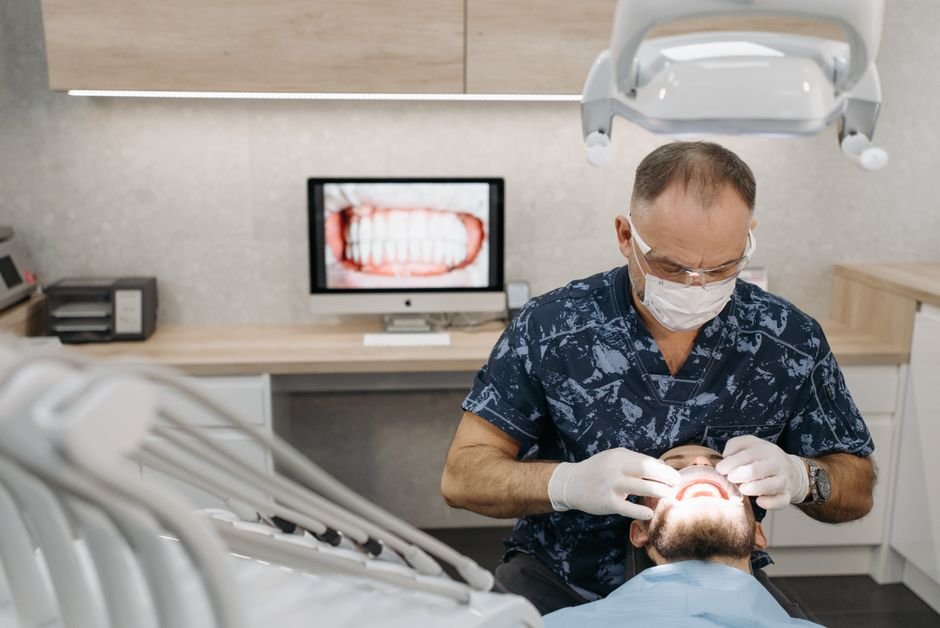
Even with excellent daily hygiene, some tartar buildup is difficult to avoid entirely, particularly in harder-to-reach areas of the mouth. Professional cleanings use specialised tools to remove tartar that has already hardened, effectively resetting the gumline to a cleaner starting point that daily brushing and flossing can then maintain.
These visits also give a dental professional the opportunity to measure gum pocket depth and check for early signs of inflammation or recession that might not be obvious to the patient. This monitoring is a key part of catching gum disease progression early, often well before more serious symptoms become noticeable at home.
Yes, several factors can meaningfully increase gum disease risk beyond hygiene habits alone. Smoking is one of the most significant risk factors, as it impairs blood flow to the gums and reduces the body’s ability to fight off the bacterial infection driving gum disease. Certain health conditions, including diabetes, can also increase susceptibility.
Hormonal changes, genetics, and certain medications can further influence individual risk levels. Recognising personal risk factors is useful because it allows for a more tailored approach to prevention, sometimes including more frequent professional cleanings for those with elevated risk rather than relying solely on standard hygiene recommendations.
Diet plays a supporting role in gum disease prevention, primarily through its effect on overall inflammation levels in the body. Diets high in processed sugar can contribute to a more favourable environment for harmful bacteria, while diets rich in whole foods and various nutrients tend to support better tissue health and healing capacity generally.
Vitamin C in particular has a well-established connection to gum tissue health, with significant deficiency historically linked to gum problems. While diet alone will not prevent gum disease without good hygiene, it serves as a meaningful complementary factor within a broader prevention strategy.
Bleeding gums during brushing or flossing is one of the most common early signs of gum inflammation and should never be dismissed as normal, even though many people initially assume it simply means they need to floss more gently. Other early signs include persistent bad breath, gum redness or tenderness, and mild swelling along the gumline.
Catching these signs early and responding with improved hygiene, along with a dental visit if symptoms persist, gives the best chance of reversing gingivitis before it has the opportunity to progress further. Ignoring these early signals is one of the most common ways mild gum inflammation is allowed to advance toward more serious disease.
For most people without significant risk factors, checkups roughly every six months allow a dentist or hygienist to monitor gum health consistently and catch early changes before they progress. People with elevated risk factors, such as smokers or those with a history of gum disease, are often advised to attend more frequently.
Sticking to whatever schedule a dental professional recommends, rather than waiting until symptoms become noticeable, is what allows gum disease prevention to work as intended. Much of its effectiveness comes from catching subtle changes early, which depends on consistent, ongoing monitoring rather than occasional, symptom-driven visits.
Chronic stress can influence gum health in more than one way, partly through its effect on the immune system’s ability to fight off the bacteria involved in gum disease, and partly through behavioural changes that often accompany stressful periods, such as neglecting hygiene routines or increased teeth grinding, which can aggravate already inflamed gum tissue.
While stress alone does not cause gum disease, it can act as a contributing factor that makes existing risk factors more impactful. Recognising this connection is useful during particularly demanding periods of life, when maintaining consistent hygiene habits, even briefly, becomes even more valuable for protecting gum health despite competing demands on time and energy.
Bleeding during flossing is often an early sign of gum inflammation, even if mild, and should not be ignored. Consistent flossing combined with good brushing technique typically improves this within a couple of weeks if addressed early.
Gingivitis can be reversed with improved hygiene and professional cleaning, but it generally will not resolve without addressing the underlying plaque and tartar buildup causing the inflammation in the first place.
Mouthwash can be a helpful addition to a hygiene routine but is not a substitute for brushing and flossing, which physically remove the plaque that mouthwash alone cannot fully address.
Brushing alone often misses plaque between teeth and can be undermined by risk factors such as smoking, certain health conditions, or genetics, which is why flossing and regular professional care remain important additions.
Smokers face a significantly elevated risk of gum disease and often benefit from more frequent professional cleanings and closer monitoring, alongside the same daily hygiene fundamentals recommended for everyone.

What and when a family eats together has a surprisingly direct effect on children’s dental health, since mealtime patterns often

Children are far more likely to stick with good oral care habits when they see parents practising the same routines
Most dentists recommend a child’s first dental visit by their first birthday, or within six months of their first tooth
 English