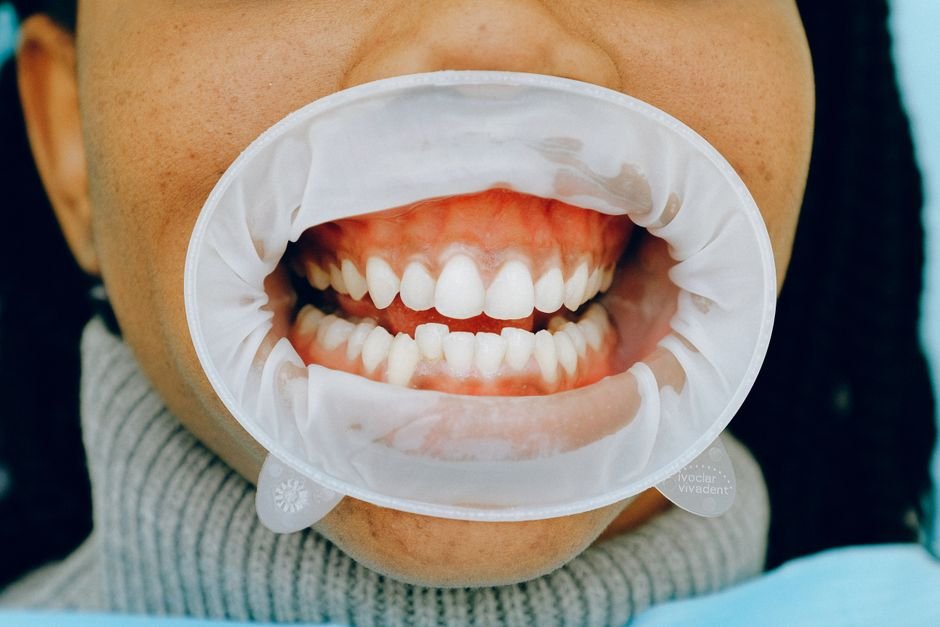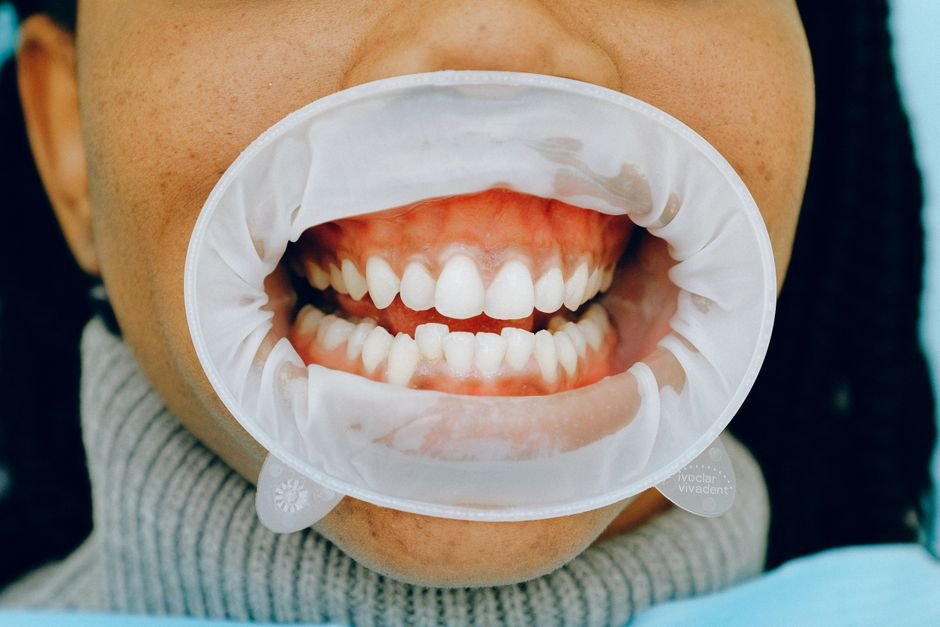

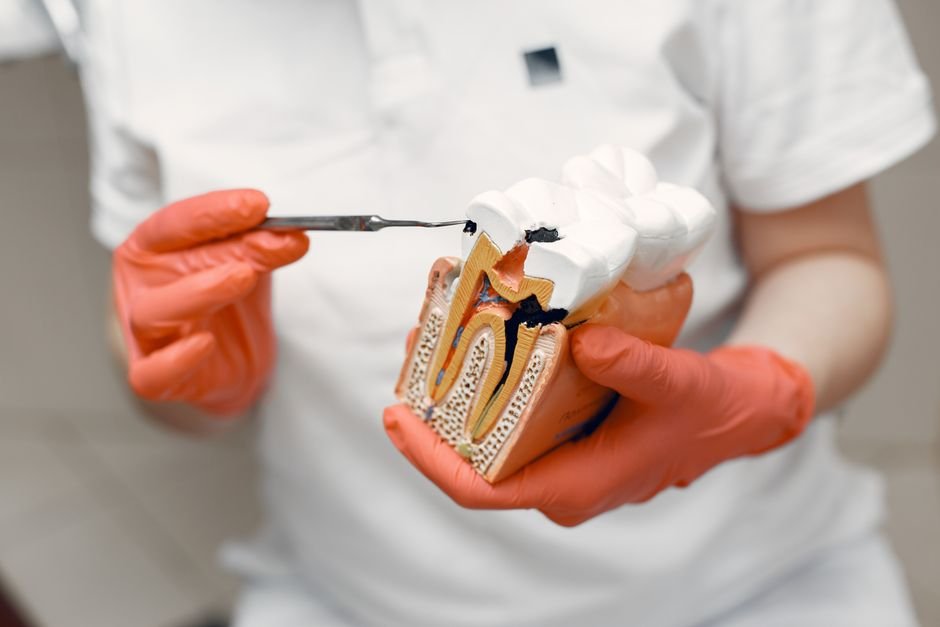



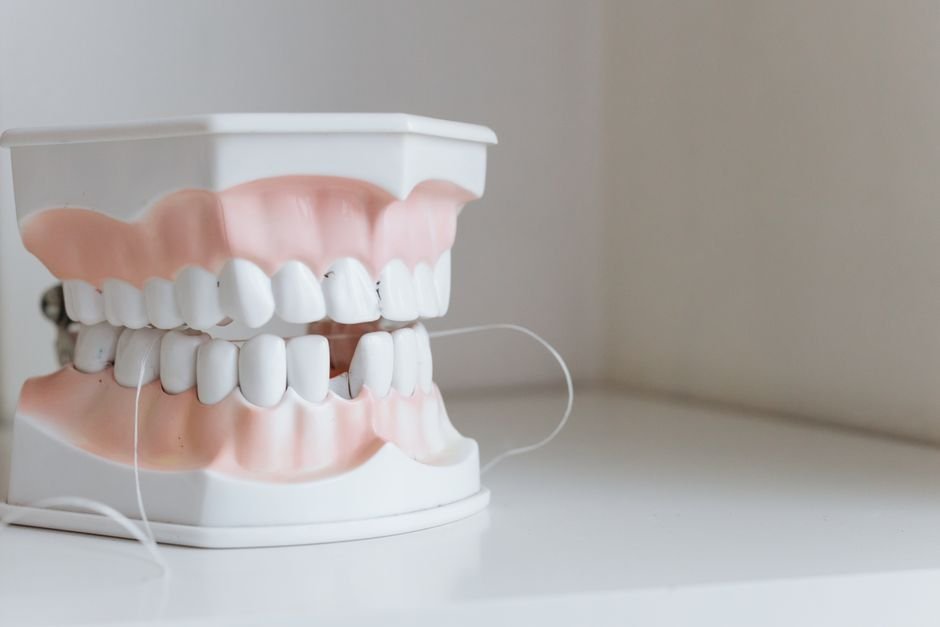
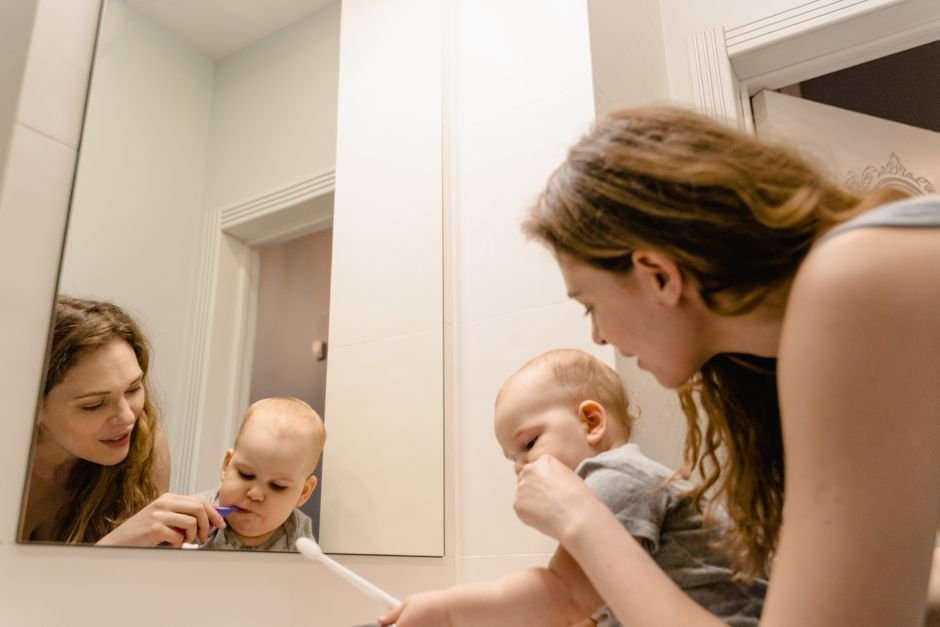







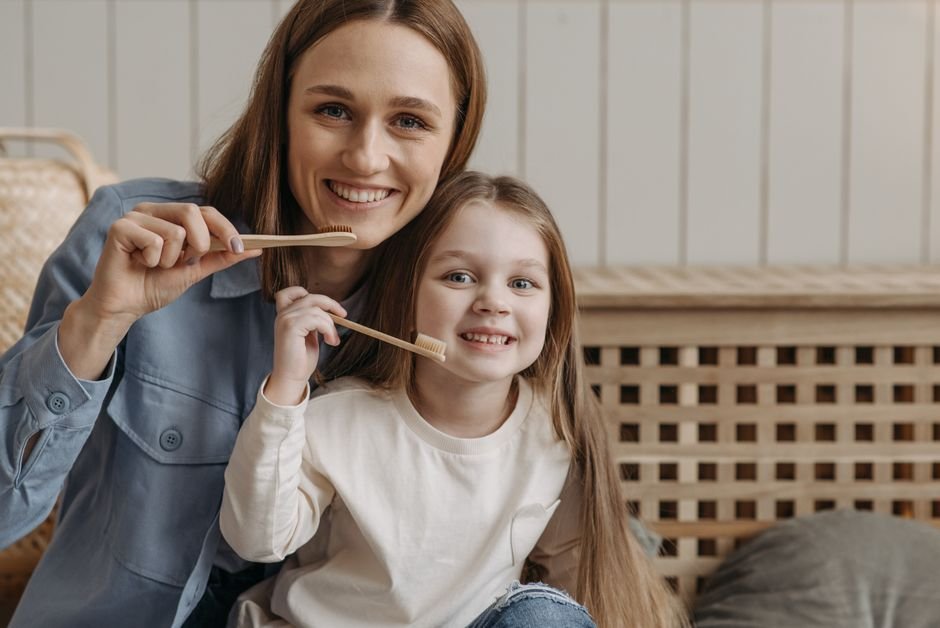






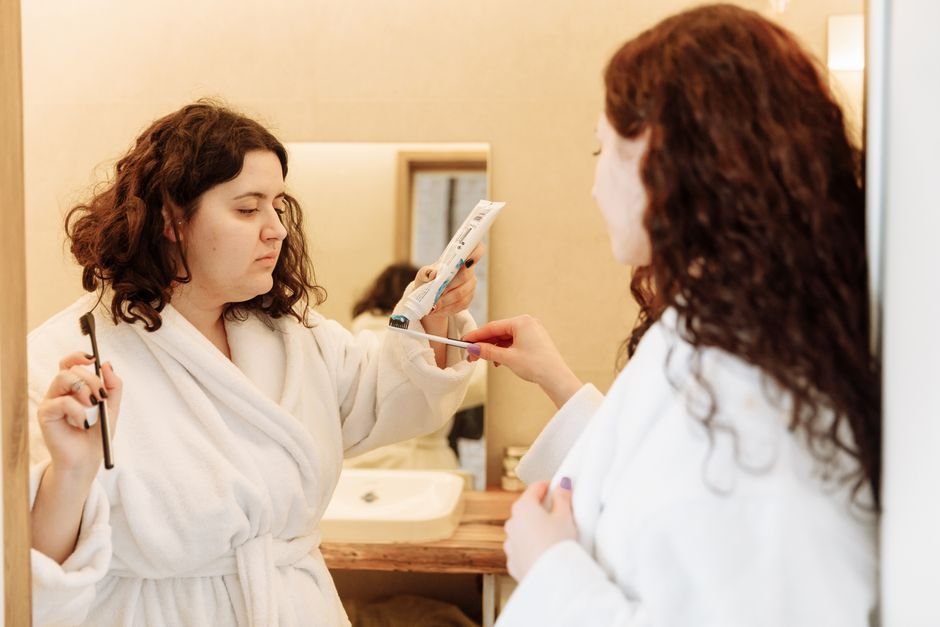
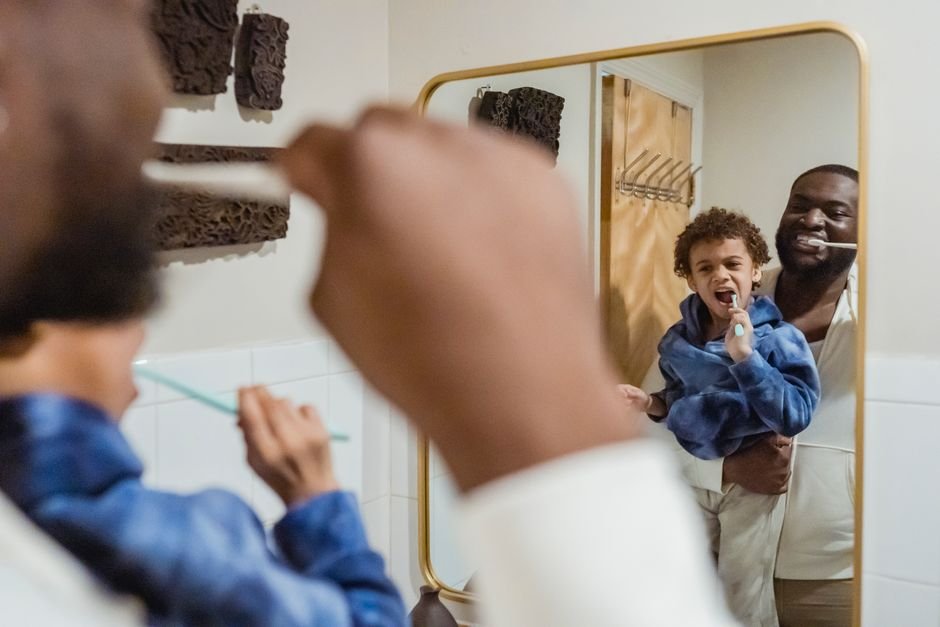

















Children are far more likely to stick with good oral care habits when they see parents practising the same routines alongside them. Brushing together, talking openly about visits to the dentist, and treating oral care as a normal part of the day rather than a chore all help habits take root early and last well into adulthood. This shared approach benefits parents just as much as children, since it reinforces consistency on both sides.
Key takeaways
The habits formed during early childhood tend to persist with surprising consistency into adulthood, which is part of why so much emphasis is placed on getting the family dynamic right from the start rather than trying to correct habits later. A household where oral care is treated as normal, unremarkable, and shared tends to produce adults who maintain that same attitude without much conscious effort.
This is not about achieving perfection every single day, since missed brushing sessions or rushed mornings happen in every family. It is the overall pattern, sustained over years, that shapes long term outcomes far more than any individual day.
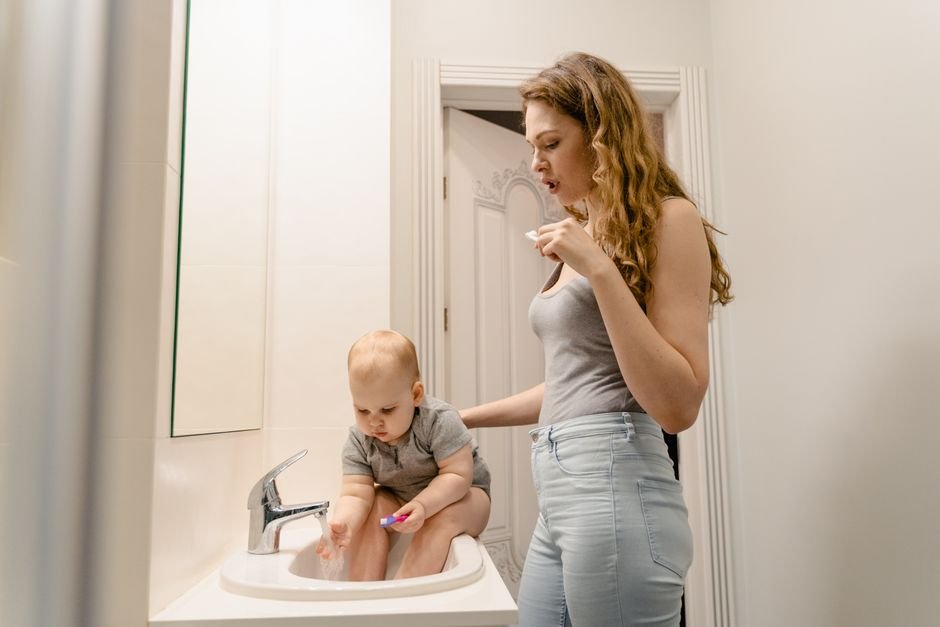
Young children learn largely by imitation, so a parent who brushes and flosses consistently sends a stronger message than any amount of explaining ever could. When oral care is simply part of the daily rhythm of the household, children absorb it as normal rather than as an instruction they need to be reminded about.
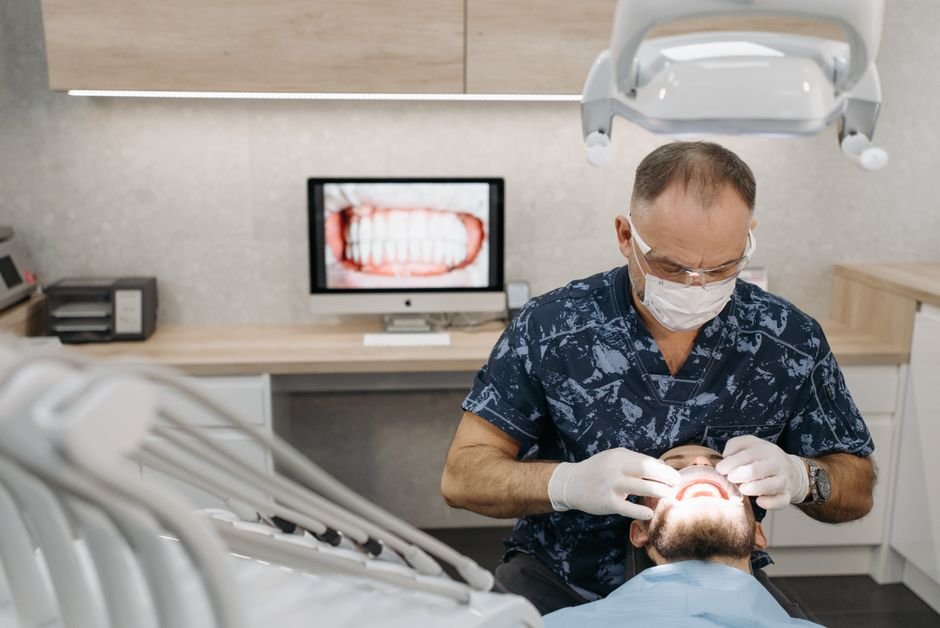
This modelling extends beyond brushing itself. The way parents talk about dental visits, whether with calm confidence or visible dread, tends to shape how children feel about those same visits later on. Children are often more perceptive to this kind of subtle signal than parents realise, picking up on tone and body language even when nothing specific is said.
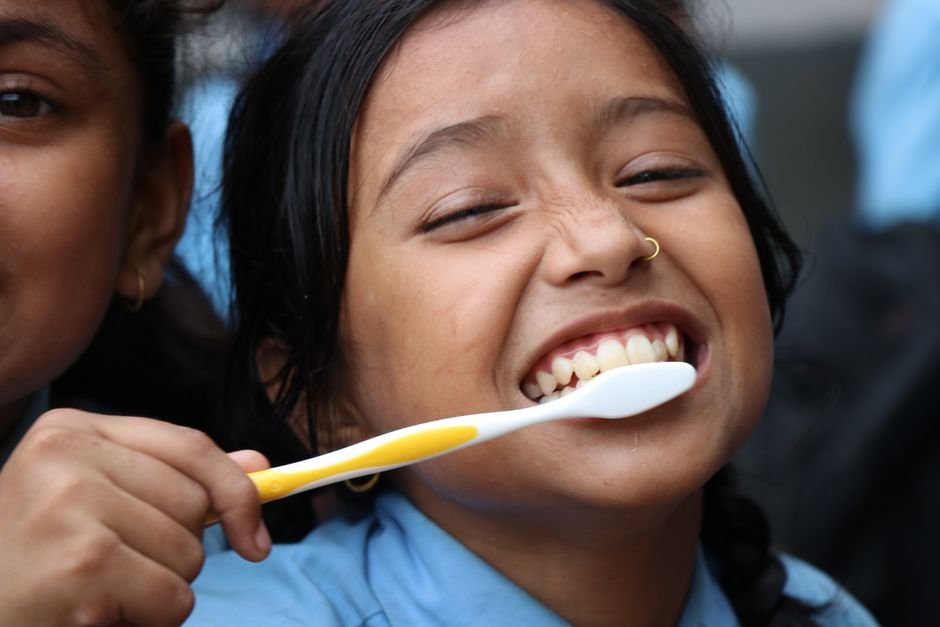
Brushing together, even briefly, turns an individual task into a shared family moment. This works particularly well in the morning and evening, when routines are already established and everyone is in the same part of the house at the same time.
Letting a young child watch and copy a parent’s brushing technique, rather than simply being told what to do, often results in better technique over time than instruction alone. Standing side by side at the sink, rather than supervising from across the room, also makes it easier to gently correct technique in the moment without it feeling like a lecture.
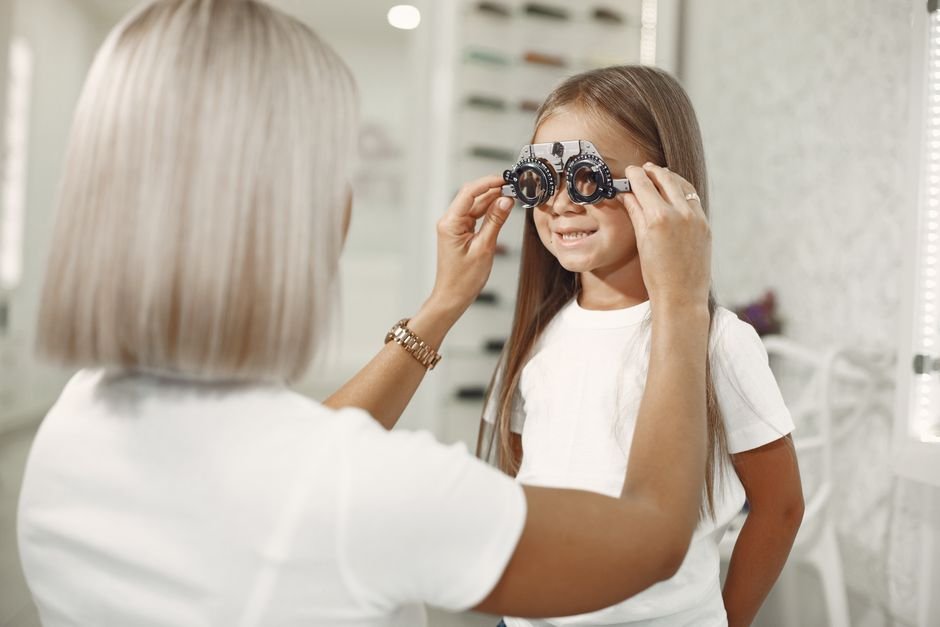
The words parents use to describe a dental visit have a real influence on how a child approaches it. Describing an appointment as something to fear or avoid, even jokingly, can plant the seed of anxiety long before the child has any first hand experience of their own.
Framing visits calmly and positively, focusing on the dentist helping keep teeth strong and healthy, tends to produce far more relaxed children at actual appointments. Avoiding comparisons to any negative personal experiences a parent may have had as a child is also worth being mindful of, since children absorb these stories more literally than adults often expect.
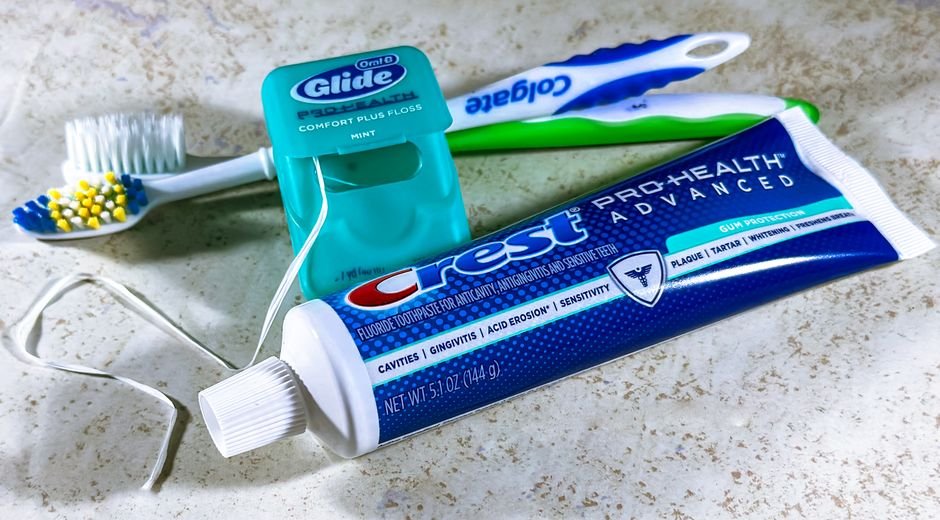
Consistency tends to matter more than intensity when it comes to children’s oral care. A simple twice daily brushing routine, done reliably, protects teeth far more effectively than an occasional thorough clean paired with frequent missed days.
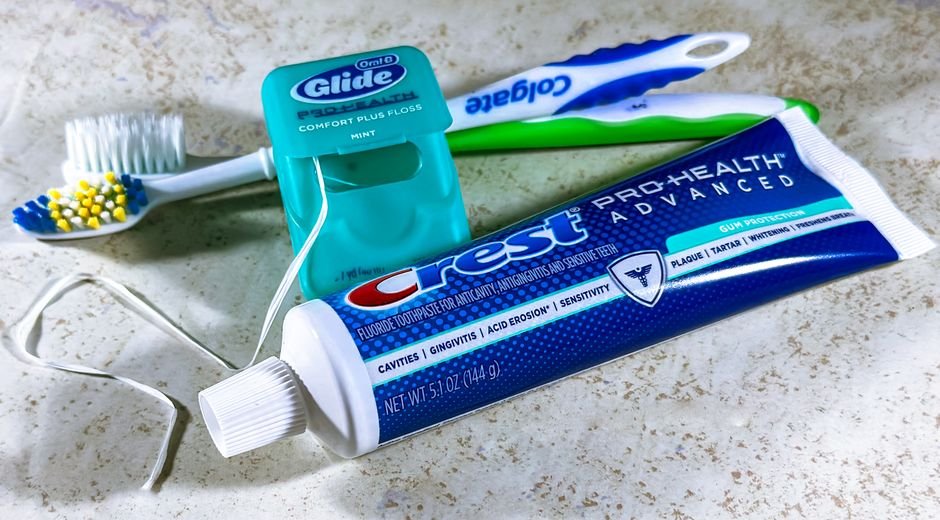
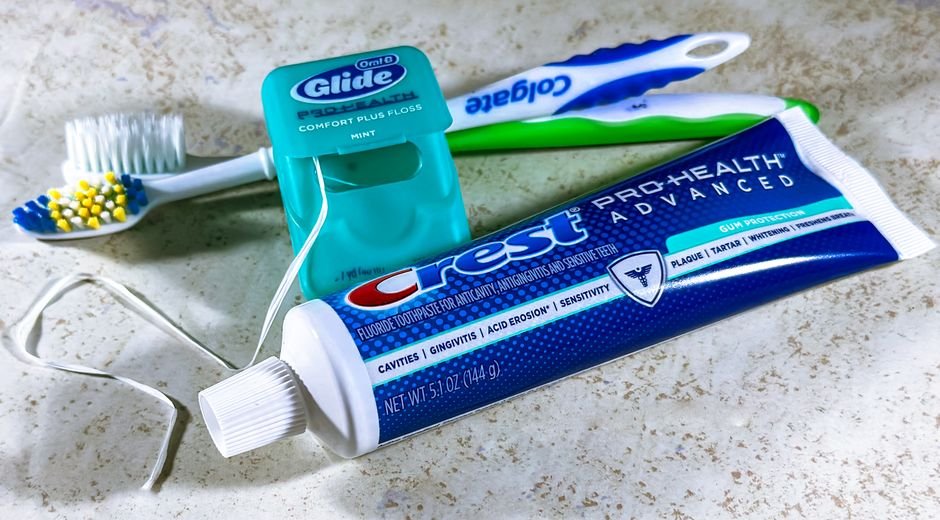
Small additions, such as flossing together once a child has enough teeth in contact, or rinsing with water after sugary snacks, build on this foundation without making the routine feel overwhelming. Introducing these additions gradually, one at a time, tends to work better than trying to establish several new habits all at once.
Some resistance to brushing is a normal part of early childhood, and turning it into a struggle often makes things worse rather than better. Giving children small choices, such as which toothbrush colour to use or which song to brush along to, can restore a sense of control without giving up on the routine itself.
Patience and consistency, rather than pressure, tend to produce better long term results, even if progress feels slow in the moment. Praising effort rather than perfection, particularly with very young children still developing coordination, also tends to keep the experience positive for everyone involved.
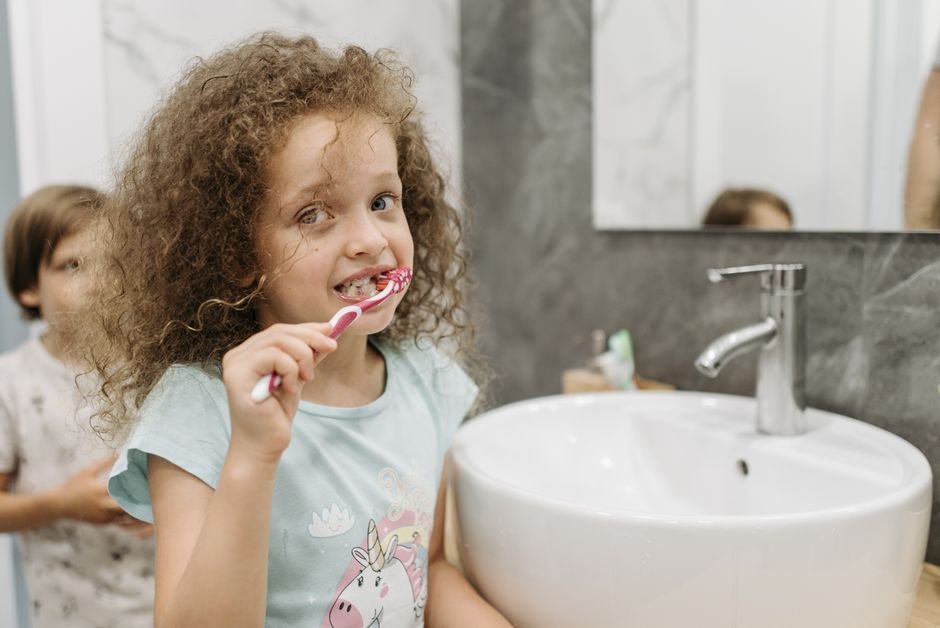
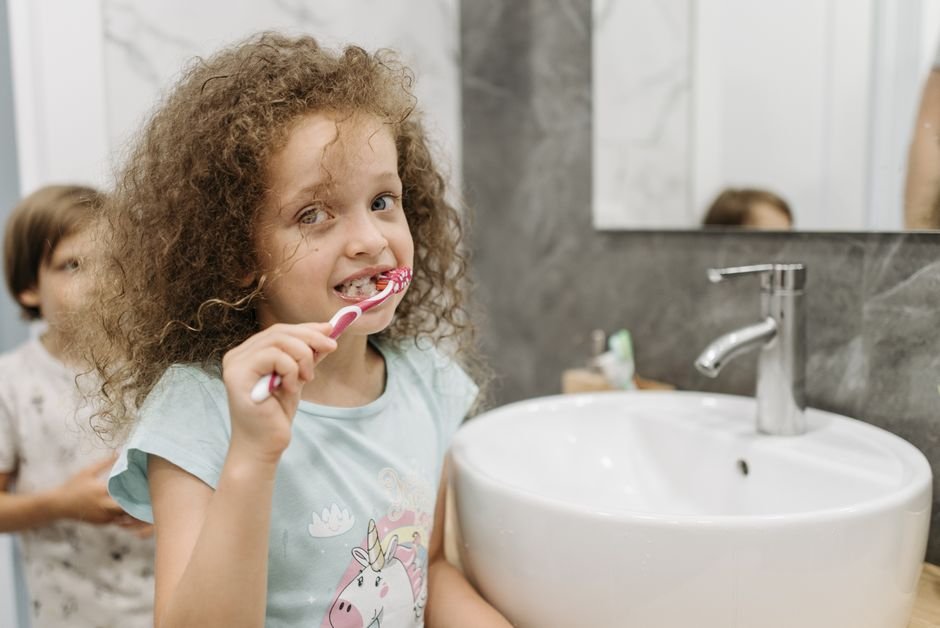
In households with multiple children, older siblings often become an unexpected source of influence on younger children’s oral care habits, sometimes even more so than parents directly. A younger child watching an older sibling brush confidently, or talk positively about a recent dental visit, can reinforce good habits in a way that feels less like a rule and more like something worth copying.
Encouraging older children to model good habits, rather than simply telling younger siblings what to do, can turn this dynamic into a genuine asset for the whole family’s oral care routine.
Some families find that timer apps, brushing charts, or simple reward systems help reinforce consistency without turning oral care into a source of daily conflict. These tools work best when used to support an already shared family routine, rather than as a replacement for parents brushing alongside their children.
Whatever tools a family chooses, the underlying principle remains the same: consistent shared habits, modelled patiently over time, tend to matter far more than any single product or app in shaping how children feel about oral care long term.
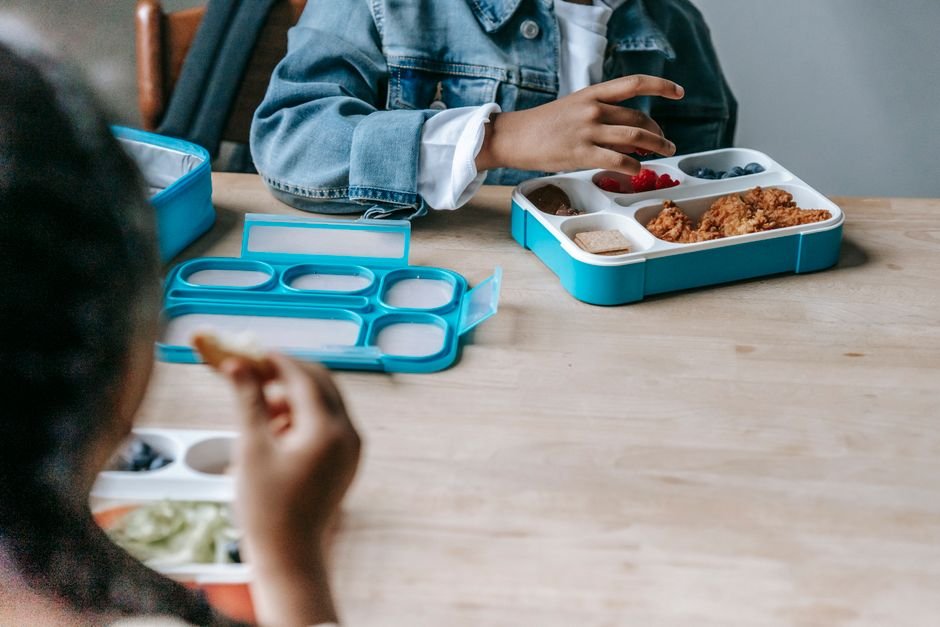
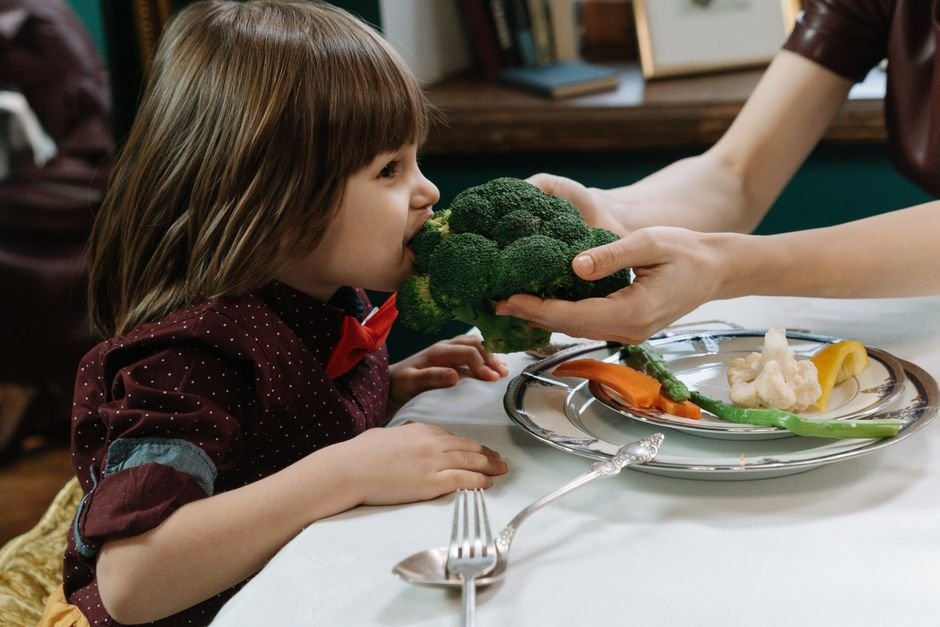
Snacking patterns are often set collectively as a family rather than by any one person’s individual choices, since shared grocery shopping and meal planning tend to shape what is available in the house for everyone. Making a conscious, shared decision to keep teeth friendly snacks like cheese, vegetables, and plain yoghurt more visible and accessible than sugary alternatives benefits the whole household.
This does not need to mean eliminating treats entirely, simply being intentional as a family about how often sugary snacks appear and pairing them with water rather than juice, which is a habit worth modelling consistently for children to pick up on naturally.
A shared approach to oral care does not mean every family member follows an identical routine, since needs genuinely differ by age. What matters most is that the underlying values, consistency, positive framing, and shared responsibility, remain the same even as the specific instructions vary between a toddler, a school aged child, and a parent.
Explaining these differences honestly, rather than pretending everyone’s routine looks the same, can actually help children understand that oral care is a lifelong practice that evolves rather than a fixed set of rules that stops applying once they reach a certain age.
Most children can begin brushing with supervision from around age six, though a parent should continue to check their technique for a few years after that.
Turning brushing into a shared routine, using a timer or song, and offering small choices around toothbrushes or flavours can all help make it feel more enjoyable.
Yes, allowing some choice, within dentist recommended options, often increases a child’s willingness to brush consistently.
Children notice avoidance as much as they notice good habits, so attending your own regular checkups helps reinforce the same behaviour you want them to adopt.
Around two minutes per brushing session is the general guideline, and using a timer or short song can help make that duration feel natural rather than rushed.

What and when a family eats together has a surprisingly direct effect on children’s dental health, since mealtime patterns often

Children are far more likely to stick with good oral care habits when they see parents practising the same routines
Most dentists recommend a child’s first dental visit by their first birthday, or within six months of their first tooth
 English