















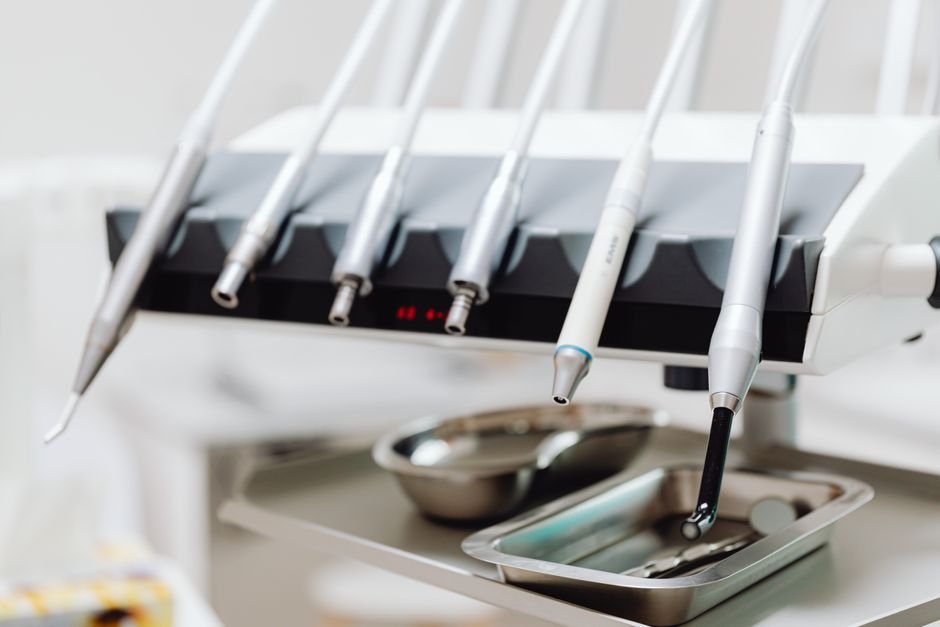











Digital tools, from intraoral cameras and 3D imaging to online scheduling and treatment simulation software, are reshaping how family dental visits happen, making appointments faster, more transparent, and easier to coordinate across multiple family members with different needs and schedules.
Key takeaways
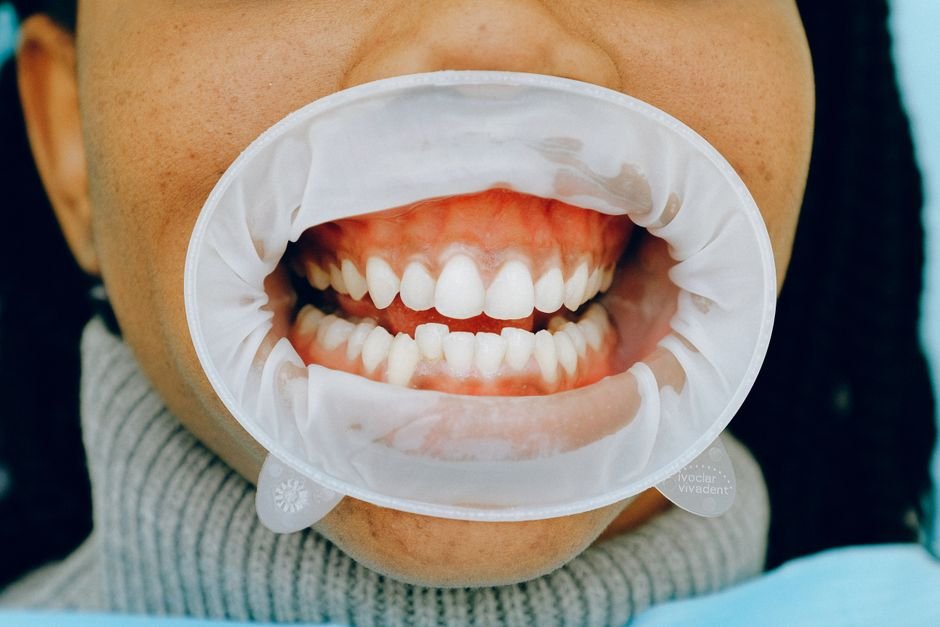
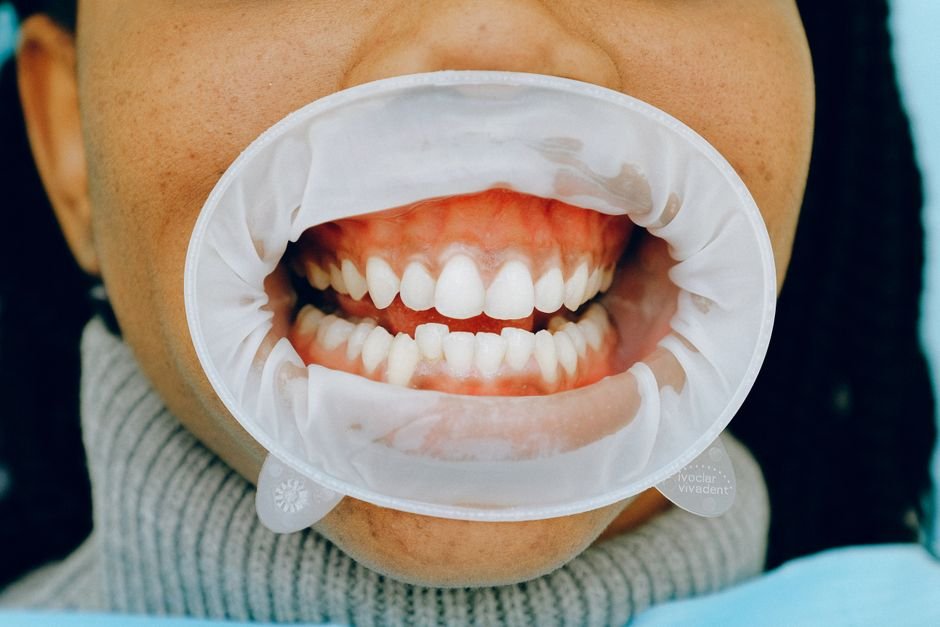
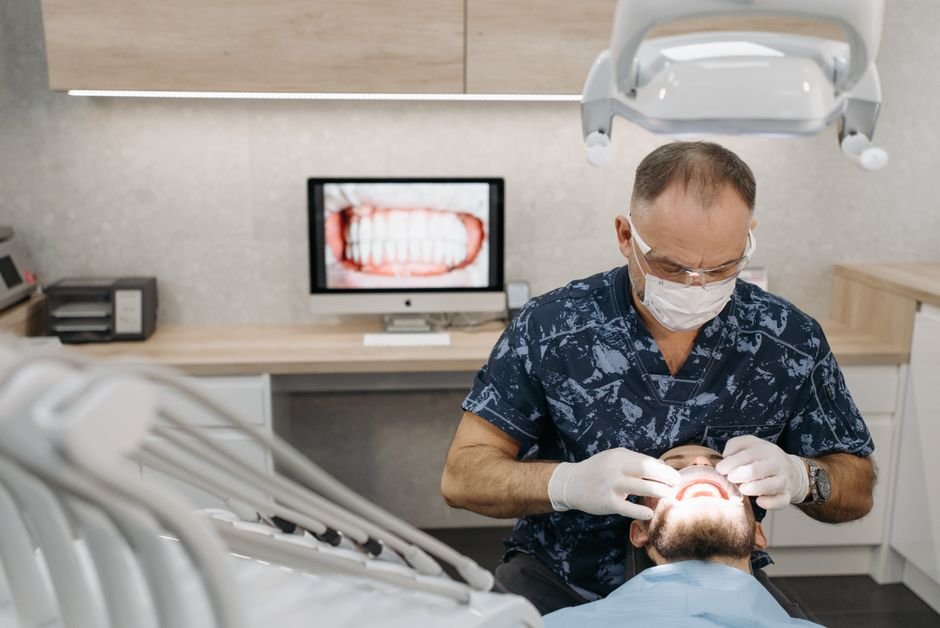
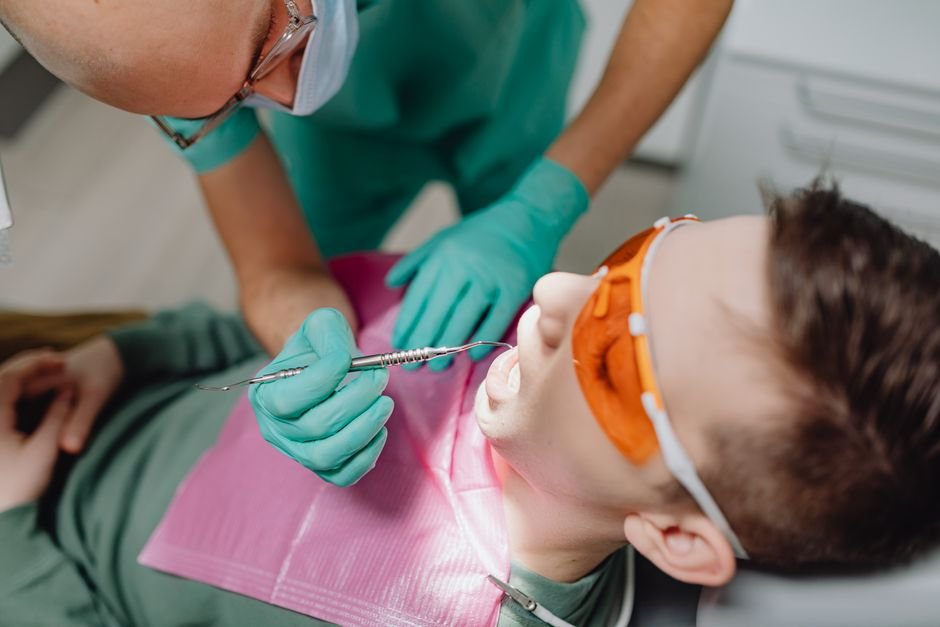
Small cameras that capture close-up, magnified images of teeth and gums allow both parents and children to see exactly what a dentist is describing during an exam, rather than relying solely on a verbal explanation that can be harder for younger family members to fully grasp.
This visual clarity often makes it easier for children to understand why a specific treatment is being recommended, since seeing an actual image of a cavity or other issue tends to be more convincing and less abstract than being told about it without any supporting visual.
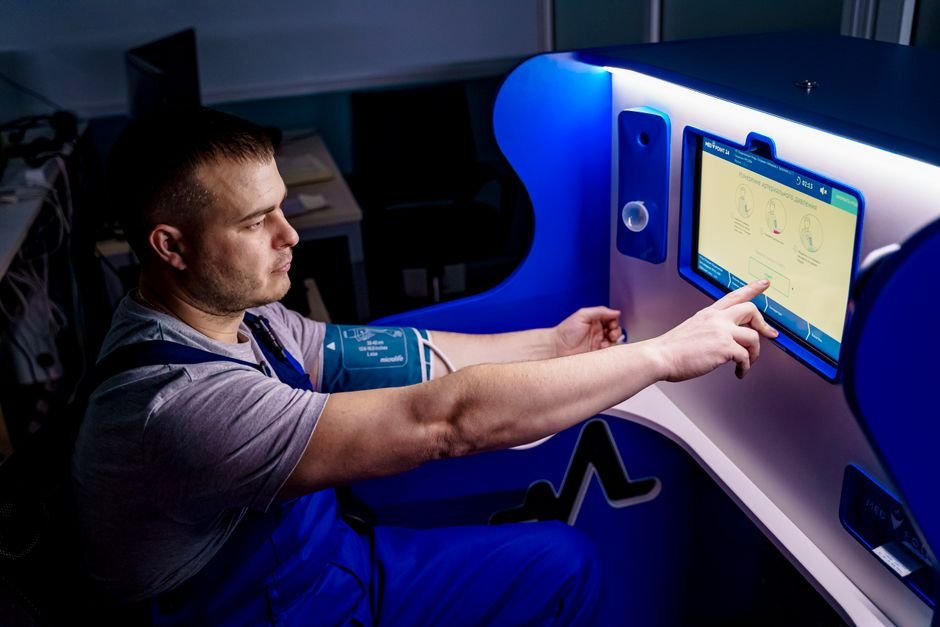
Booking multiple family members’ appointments through an online portal, often with the ability to see available times across different providers within the same practice, has made it considerably easier for busy families to coordinate visits without lengthy phone calls back and forth.
Automated reminders sent via text or email also reduce the mental burden of tracking several family members’ upcoming appointments manually, helping ensure fewer missed visits and less last-minute scrambling to reschedule around school or work commitments.
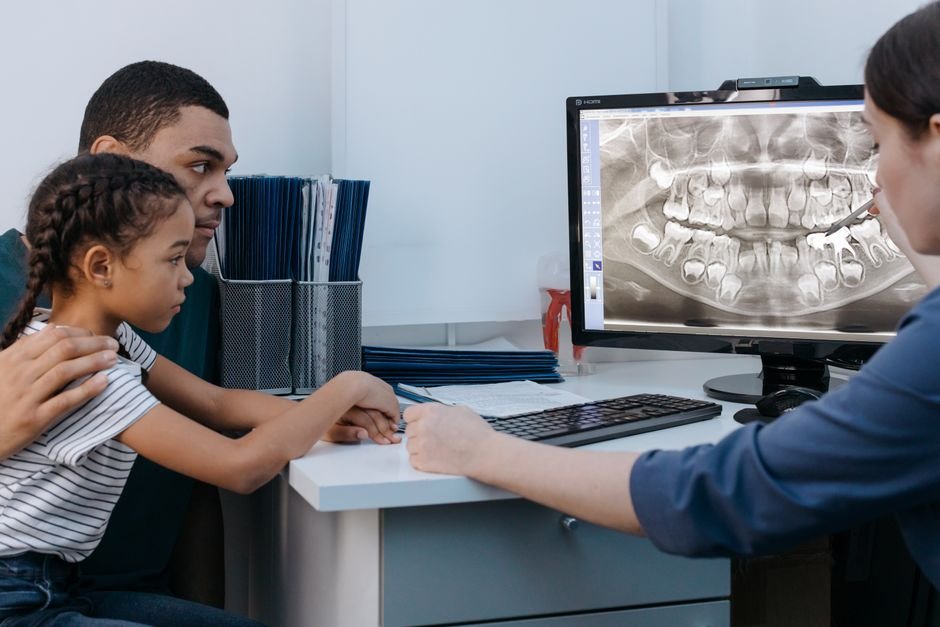
Digital X-rays require significantly less radiation than older film-based systems, which is particularly reassuring for families bringing children in regularly, since it allows necessary monitoring without the same level of radiation exposure concern that older technology once carried.
The near-instant results also mean a dentist can review and discuss findings with the whole family during the same visit, rather than requiring a follow-up appointment, which is especially convenient for families trying to minimise the number of separate trips required for dental care.
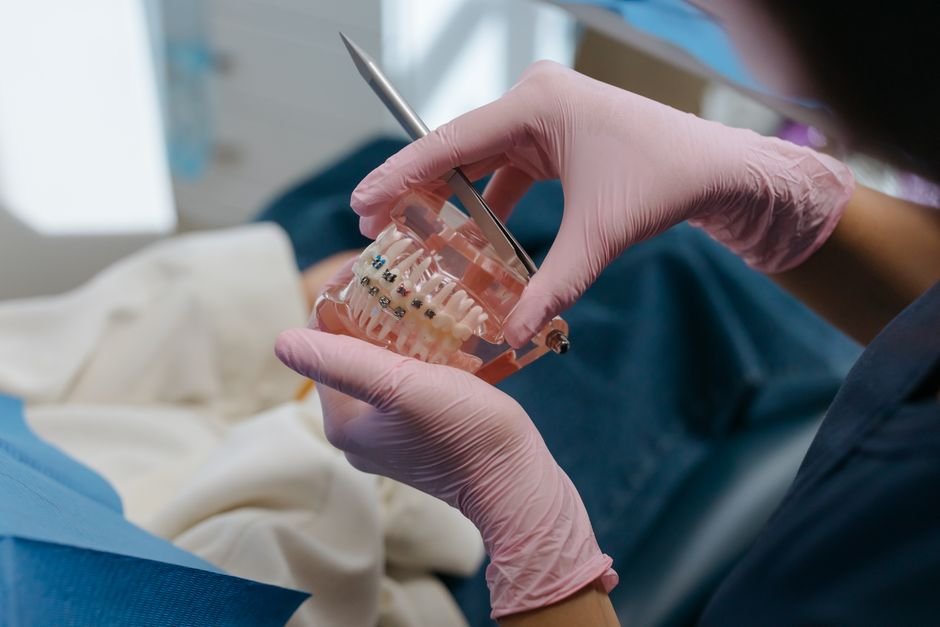
Some practices use digital modelling to show a projected outcome of recommended treatment, such as how a child’s bite might develop with or without early orthodontic intervention, giving parents a clearer visual basis for understanding the reasoning behind a specific recommendation.
This kind of visual projection can make discussions about treatment options feel less abstract and more like an informed decision based on tangible expected outcomes, rather than parents needing to rely purely on trust in a verbal explanation from the dental team.
Electronic health records allow a practice to easily pull up and compare each family member’s dental history over multiple years, making it simpler to spot patterns, such as a child developing the same issue an older sibling or parent once had at a similar age.
This kind of longitudinal tracking, difficult to maintain consistently with paper records, supports more informed, personalised care recommendations for each family member based on a fuller picture of the family’s collective dental history and any hereditary patterns that emerge.
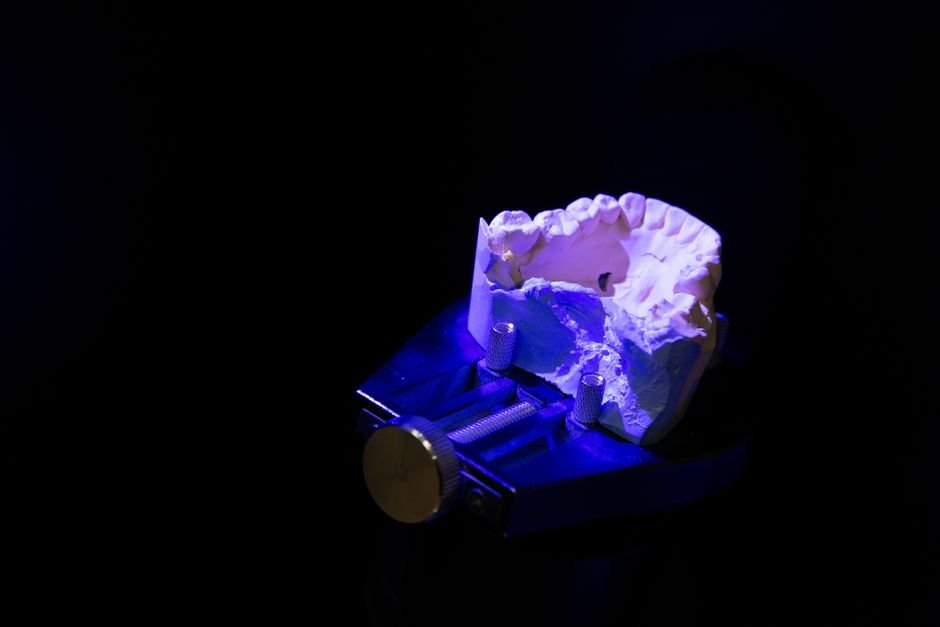
Digital scanners that capture a 3D model of the teeth have largely replaced the thick, uncomfortable putty impressions once used for items like retainers, mouthguards, or orthodontic planning, making the process notably more comfortable, especially for younger children who found the old method unpleasant.
These digital models can also be stored and referenced later without degrading over time, unlike physical models, which supports more consistent long-term monitoring of a child’s dental development as they continue to grow through different stages of childhood and adolescence.
Visual aids like intraoral camera images and digital treatment simulations can help ease anxiety in nervous children or adults, since seeing a clear, concrete picture of what to expect often feels less intimidating than an unfamiliar verbal description alone.
Some practices also use tablets to show short explanatory videos about procedures directly in the treatment room, giving anxious patients of any age a chance to understand what will happen in a calm, controlled way before treatment actually begins.
Faster imaging, streamlined digital check-in processes, and more efficient scheduling systems have generally reduced the amount of time families spend waiting during a visit, which matters considerably when coordinating multiple appointments in a single trip to minimise disruption to a busy day.
Some practices also offer digital check-in from a smartphone before arrival, reducing time spent filling out paperwork in the waiting room, which can be a meaningful convenience for parents managing young children who may struggle to sit calmly during a lengthy check-in process.
Asking whether a practice uses digital X-rays, intraoral cameras, and online scheduling can help families identify a practice that prioritises efficiency and clear communication, both of which tend to make repeated family visits considerably more manageable over time.
It is also worth asking how digital records are used to track each family member’s individual history, since a practice that leverages this data thoughtfully is often better positioned to catch patterns and offer more personalised, proactive care recommendations.
Some families may find the increased use of technology slightly impersonal compared to more traditional interactions, and technical issues, though rare, can occasionally disrupt a portal or scheduling system. These are generally minor trade-offs against the broader convenience digital tools provide.
A good practice balances digital efficiency with genuine, personal communication, using technology to support rather than replace clear conversation between the dental team and family members throughout every visit and treatment discussion.
Further integration between scheduling, imaging, and treatment planning systems is likely to continue streamlining the overall family dental experience, potentially allowing even more seamless coordination across multiple family members’ care over the coming years.
As these tools become more standard across practices, families are likely to increasingly expect this level of digital convenience as a baseline, similar to how online scheduling and digital records have already become widely expected in many other areas of daily life.
Some practices use digital tracking to flag when a family member is due for a preventive treatment, such as a fluoride application or sealant, based on age and individual risk factors rather than a generic schedule applied uniformly across every patient regardless of their specific needs.
This kind of automated, data-informed prompting helps ensure preventive opportunities are not missed simply due to the busy nature of coordinating care for multiple family members, adding a layer of consistency that can be difficult to maintain through memory alone, particularly in households juggling several children’s differing preventive schedules at once.
Yes, digital tools like intraoral cameras and low-radiation digital X-rays are considered safe for children and are often preferred specifically because they reduce radiation exposure compared to older technology.
Many practices offer online portals that show available times across providers, making it easier to book multiple family members’ appointments together or on the same day without lengthy phone coordination.
Yes, many practices now use digital scanners to capture 3D models of the teeth, which is generally more comfortable than traditional putty impressions, particularly for younger children.
Electronic records make it easy to compare imaging and notes across multiple years, helping dentists spot patterns and provide more personalised, proactive recommendations as a child continues to grow.
Not necessarily. A good practice uses technology to support clear communication rather than replace it, aiming to combine efficiency with genuine, attentive interaction throughout the visit.

What and when a family eats together has a surprisingly direct effect on children’s dental health, since mealtime patterns often

Children are far more likely to stick with good oral care habits when they see parents practising the same routines
Most dentists recommend a child’s first dental visit by their first birthday, or within six months of their first tooth
 English