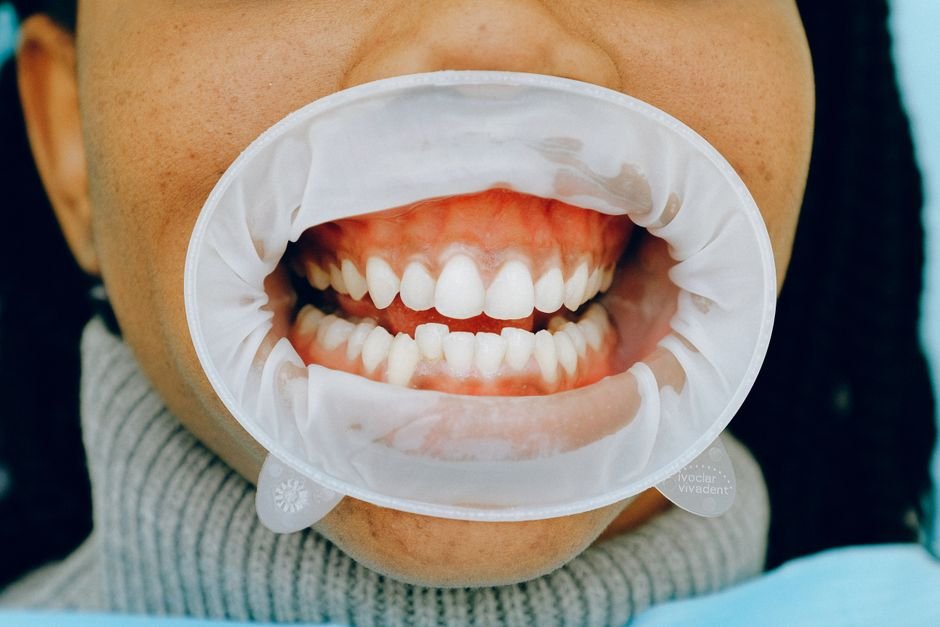

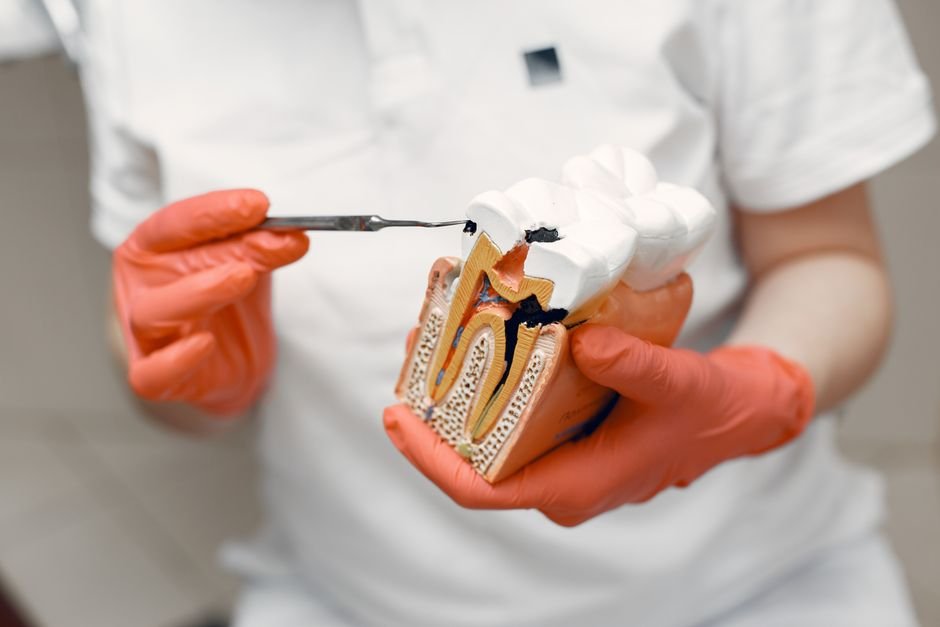



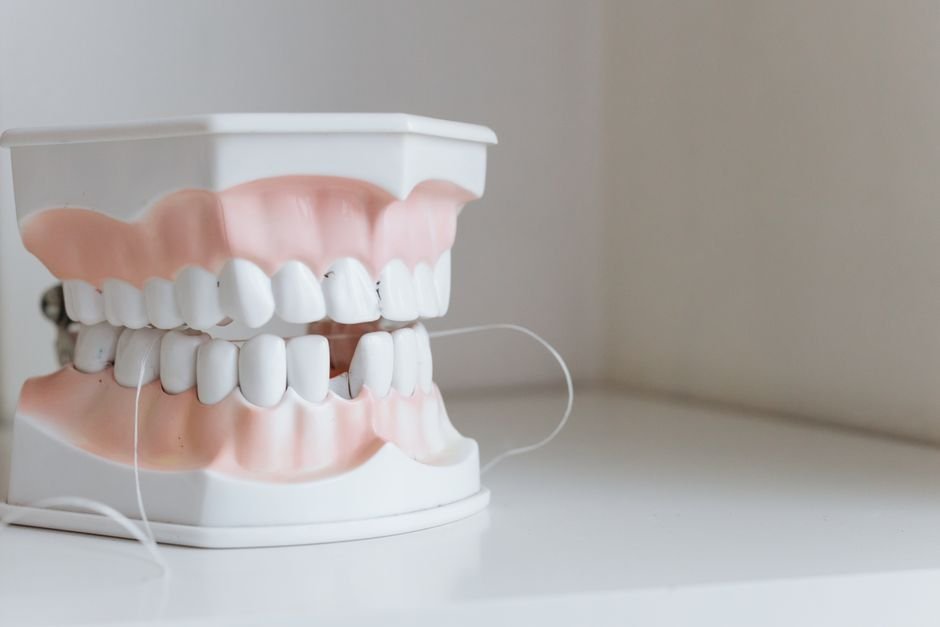
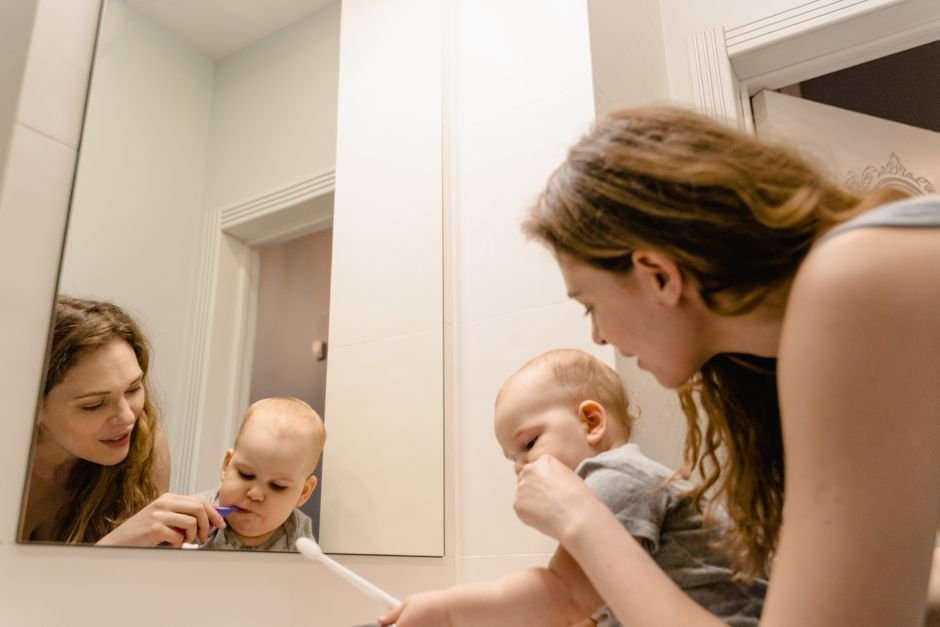
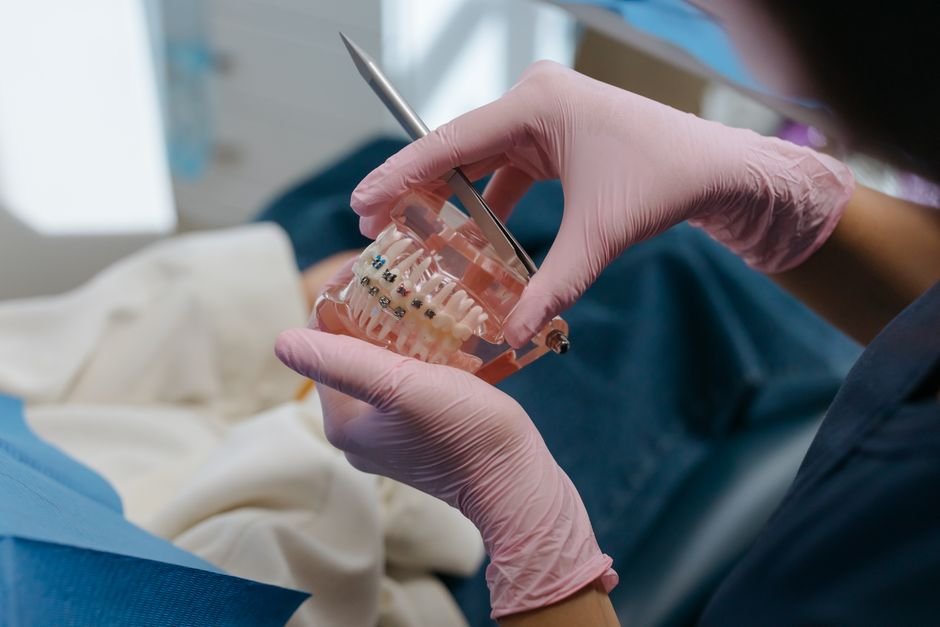



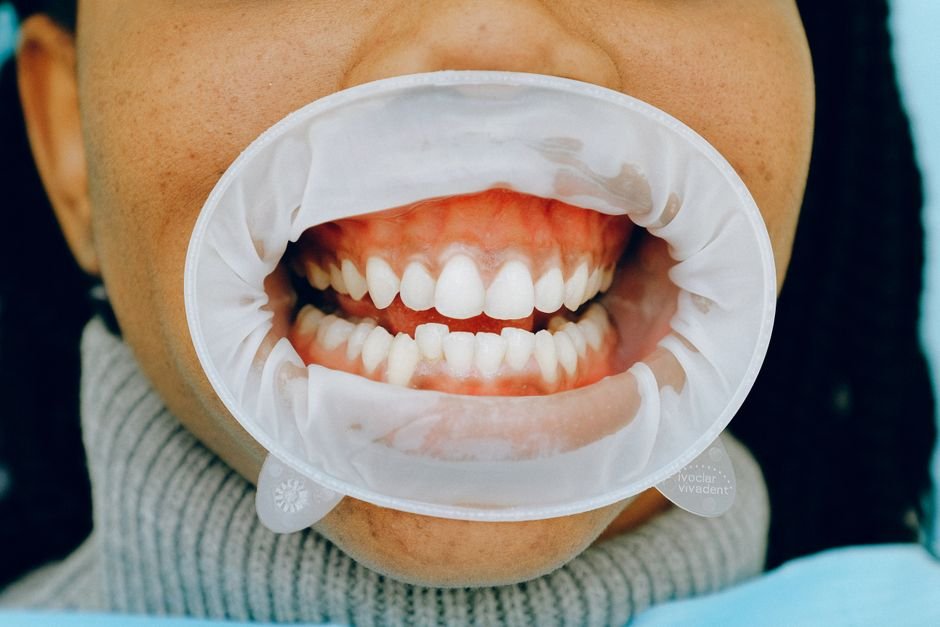

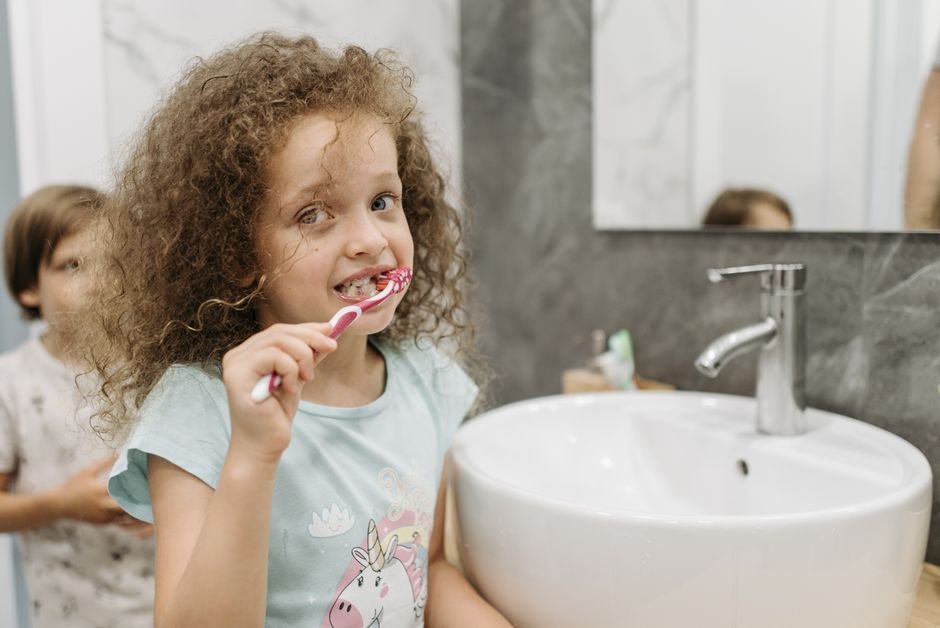




























Oral health does not exist in isolation from the rest of a family’s overall wellness, since factors like sleep, stress, nutrition, and daily routines all influence the mouth just as much as they affect broader physical health. Recognising this connection helps families take a more holistic approach to dental care rather than treating it as a separate, disconnected category of health.
Key takeaways
The mouth is directly connected to broader bodily systems, with gum health linked to cardiovascular health, oral bacteria potentially affecting overall immune function, and stress or sleep issues frequently manifesting through symptoms like teeth grinding or jaw tension experienced by family members of any age.
Viewing oral health as one interconnected piece of overall wellness, rather than a separate category addressed only during a twice-yearly dental visit, encourages families to notice how daily habits and stressors might be showing up in ways connected to dental health that are easy to overlook otherwise.
Stress, whether from work, school, or family dynamics, commonly manifests as teeth grinding or jaw clenching, often during sleep, affecting both adults and children in a household experiencing a particularly stressful period, sometimes without anyone realising the connection at first.
Recognising this pattern across multiple family members experiencing similar stress can help identify when a broader household stressor, rather than an isolated individual issue, is contributing to dental symptoms like unexplained jaw pain, headaches, or noticeable tooth wear appearing simultaneously in more than one person.
Shared family meals and snacking patterns mean that dietary habits, whether generally healthy or heavy in sugar and processed foods, tend to affect every family member’s oral health simultaneously, since household food choices are rarely completely individualised between different people living together.
This shared exposure means that improving family nutrition as a collective effort, rather than targeting one individual’s diet, often produces more consistent and sustainable oral health benefits across the whole household, since everyone is working from the same improved baseline of available food choices.
Poor sleep quality has been linked to increased inflammation throughout the body, including in gum tissue, while conditions like sleep apnea, which can affect family members of any age, are also associated with dry mouth and increased dental complications over time.
Conversely, dental issues like untreated pain or grinding can themselves disrupt sleep quality, creating a two-way relationship where poor oral health and poor sleep can reinforce each other within a family, making it worth addressing both together rather than treating them as entirely separate concerns.
Adequate hydration supports healthy saliva production, which plays a protective role in washing away bacteria and neutralising acid in the mouth, making family-wide hydration habits, such as favouring water over sugary drinks, a simple but meaningful contributor to collective oral wellness.
Households that establish water as the default beverage choice, reserving sugary or acidic drinks for occasional consumption, tend to see benefits extending across every family member’s oral health, since this small shift affects the frequency of acid exposure for everyone in the household consistently.
Regular physical activity supports healthy circulation and immune function, both of which play a supporting role in gum health, while active families also tend to naturally favour water over sugary sports drinks when hydration habits are established thoughtfully around exercise routines.
Encouraging active family habits alongside good oral hygiene reinforces the broader idea that oral health is genuinely connected to overall physical wellness, rather than something that can be fully addressed through brushing and flossing alone, disconnected from other lifestyle factors.
Periods of anxiety or low mood can sometimes lead to neglected oral hygiene routines, whether in a parent managing a difficult period or a child struggling with a stressful transition like starting a new school, making oral care one of many daily habits affected by mental wellbeing.
Approaching lapses in oral hygiene during difficult periods with understanding rather than frustration, while gently helping family members re-establish the routine once things stabilise, supports both the emotional and dental wellbeing of everyone involved during challenging times.
Treating oral health as one thread within a broader family wellness conversation, alongside nutrition, sleep, stress management, and physical activity, tends to create more sustainable habits than addressing dental care as an isolated obligation disconnected from everything else happening in the household.
This might look like discussing oral health alongside other wellness goals during a family conversation, or simply noticing when a stressful period coincides with slipping habits across multiple areas, using that awareness to address root causes rather than only the dental symptom that becomes visible.
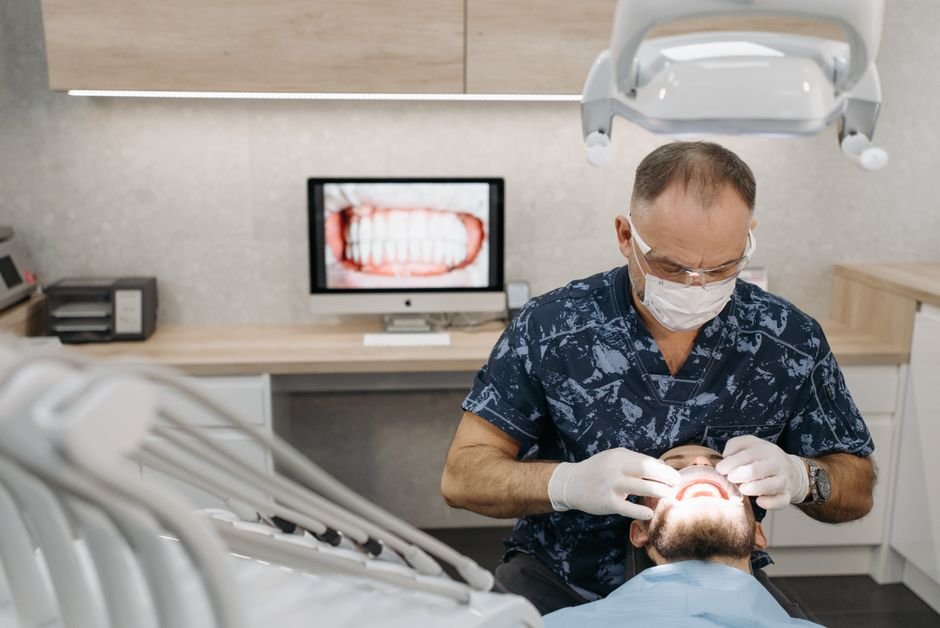
Dentists are often well positioned to notice signs of stress, sleep issues, or nutritional patterns showing up in a patient’s mouth, sometimes before these issues become apparent elsewhere, making regular checkups a valuable touchpoint for broader family wellness monitoring, not just dental-specific care.
Being open with a dentist about significant life changes or stressors affecting the family can help them interpret any related oral symptoms more accurately, leading to more relevant guidance rather than addressing symptoms without understanding their broader context or underlying cause.
Paying attention to whether dental symptoms like grinding, sensitivity, or neglected hygiene tend to cluster around specific stressful periods, dietary shifts, or sleep disruptions can help a family start recognising these broader wellness connections in their own specific patterns and circumstances.
Over time, this awareness can help families respond more effectively, addressing an underlying stressor or habit shift rather than only reacting to the dental symptom that eventually becomes noticeable, supporting a more genuinely holistic approach to health across the entire household.
Extended screen time in the evening can disrupt sleep patterns and sometimes correlates with increased snacking on convenient, often sugary foods consumed absentmindedly in front of a device, both of which can indirectly affect oral health across family members who spend significant time on screens.
Setting reasonable household guidelines around evening screen use, paired with mindful snacking habits during that time, can support both better sleep and reduced casual sugar exposure, offering a practical example of how everyday lifestyle choices ripple outward into oral health in ways that are easy to overlook amid a busy family schedule.
Yes, shared household stress can contribute to symptoms like teeth grinding in multiple family members simultaneously, particularly during especially difficult or busy periods affecting the whole household at the same time.
Poor sleep quality is linked to increased inflammation, including in gum tissue, and conditions like sleep apnea are associated with dry mouth, both of which can contribute to a higher risk of dental complications.
Yes, adequate hydration supports healthy saliva production, which helps wash away bacteria and neutralise acid in the mouth, making consistent hydration a simple but genuinely meaningful contributor to oral wellness.
Yes, sharing this context can help your dentist better interpret symptoms like grinding or neglected hygiene, allowing them to offer more relevant, accurately targeted guidance for your specific situation.
Yes, this is a common and understandable pattern. Approaching it with patience and gently re-establishing the routine once things stabilise tends to work better than frustration or self-criticism.

What and when a family eats together has a surprisingly direct effect on children’s dental health, since mealtime patterns often

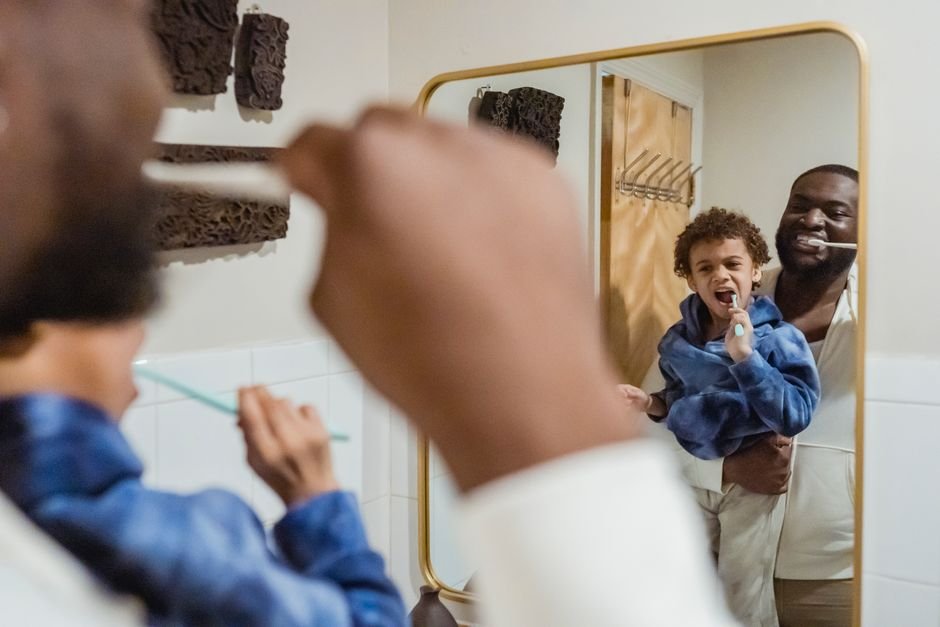
Children are far more likely to stick with good oral care habits when they see parents practising the same routines
Most dentists recommend a child’s first dental visit by their first birthday, or within six months of their first tooth
 English