





































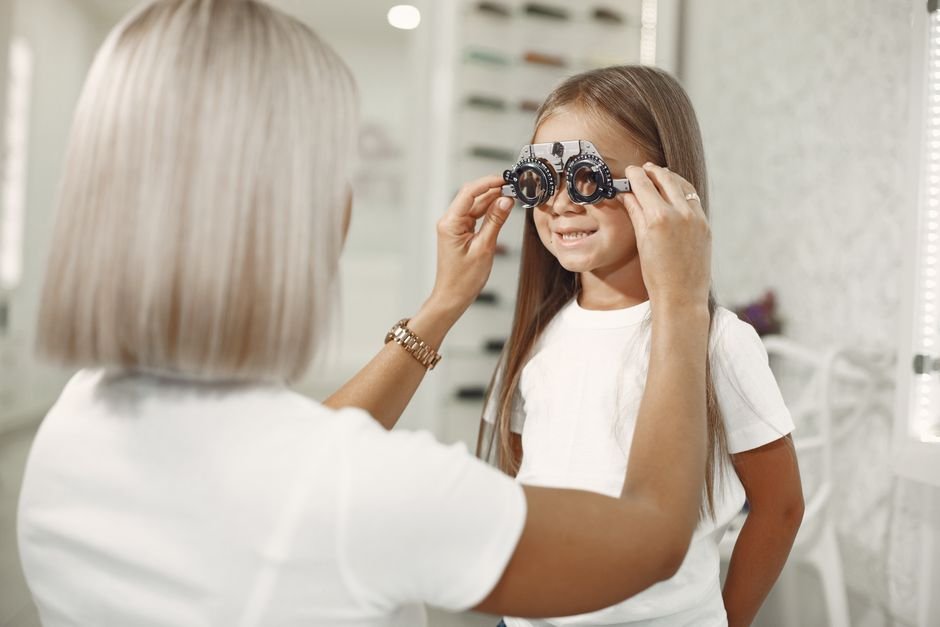


Gum health changes considerably as a family moves through different life stages, from the fragile emerging gums of infancy through the hormonal shifts of adolescence and the gradual recession that can come with ageing, and understanding these changes helps every family member protect their gums appropriately at each phase. Rather than treating gum care as a single, unchanging routine, recognising how needs shift over time allows for more targeted prevention and earlier attention when something outside the norm appears.
Key takeaways
In infancy, gum tissue is soft and sensitive even before teeth emerge, which is why gentle wiping with a clean, damp cloth is often recommended before the first tooth appears. Once teeth begin to erupt, the surrounding gum tissue can become temporarily swollen or tender, a normal part of teething that usually settles once the tooth has fully come through. Establishing gentle cleaning habits early helps set the stage for healthy gum tissue as more teeth arrive.
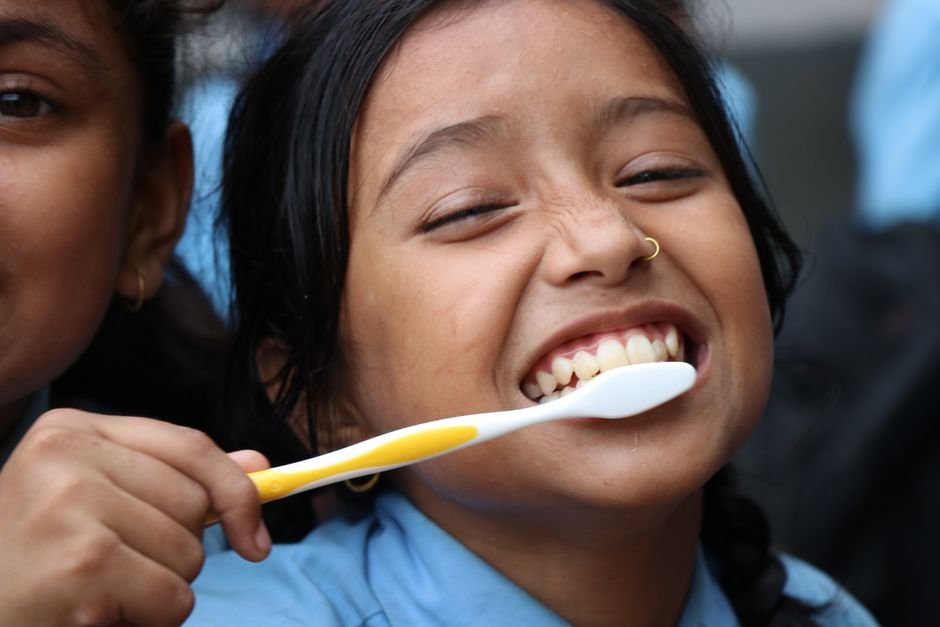
As young children develop a full set of baby teeth, their gums are generally quite resilient, though plaque can still accumulate along the gumline if brushing is inconsistent or too gentle to actually remove it. Parental involvement in brushing during these years plays a significant role in preventing early gum irritation, since young children typically lack the coordination to clean thoroughly on their own until well into their school years.
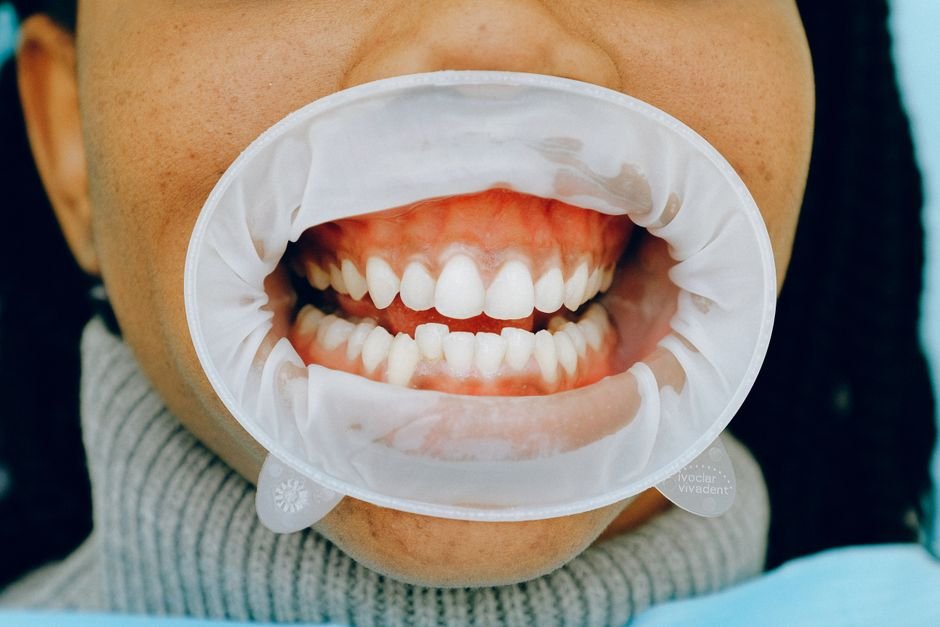
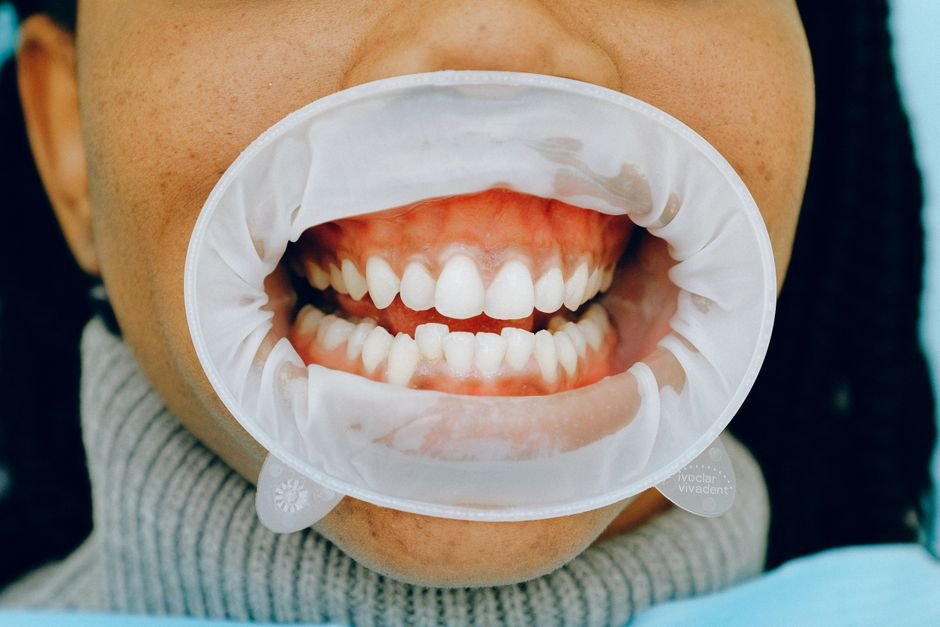
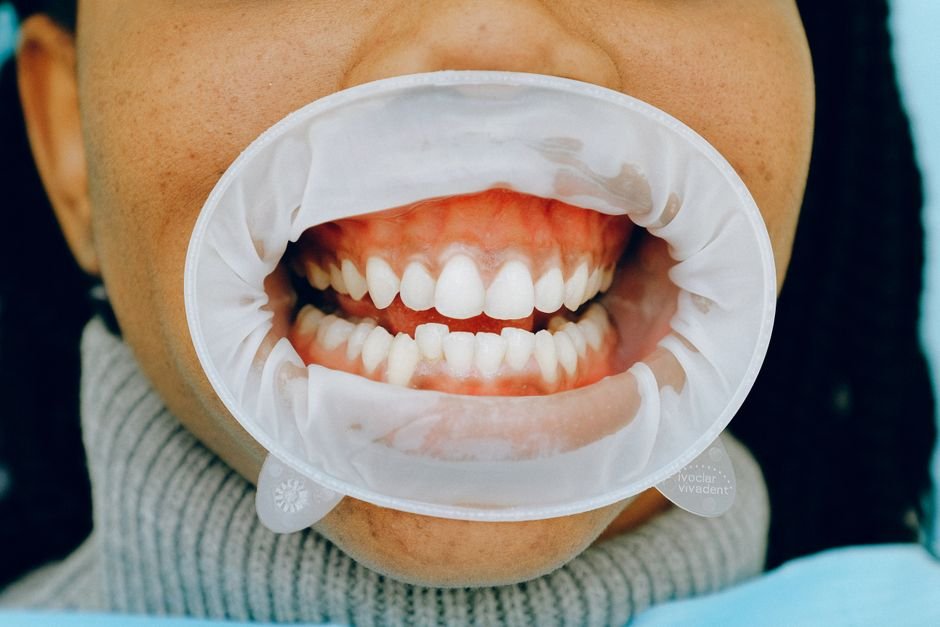
Puberty brings a surge in hormones that can make gum tissue more reactive to plaque than it was in earlier childhood, sometimes resulting in gums that appear redder or bleed more easily even when oral hygiene habits have not changed. This heightened sensitivity, sometimes referred to as puberty-associated gingivitis, typically eases once hormone levels stabilise, but it makes consistent brushing and flossing during the teenage years particularly important.
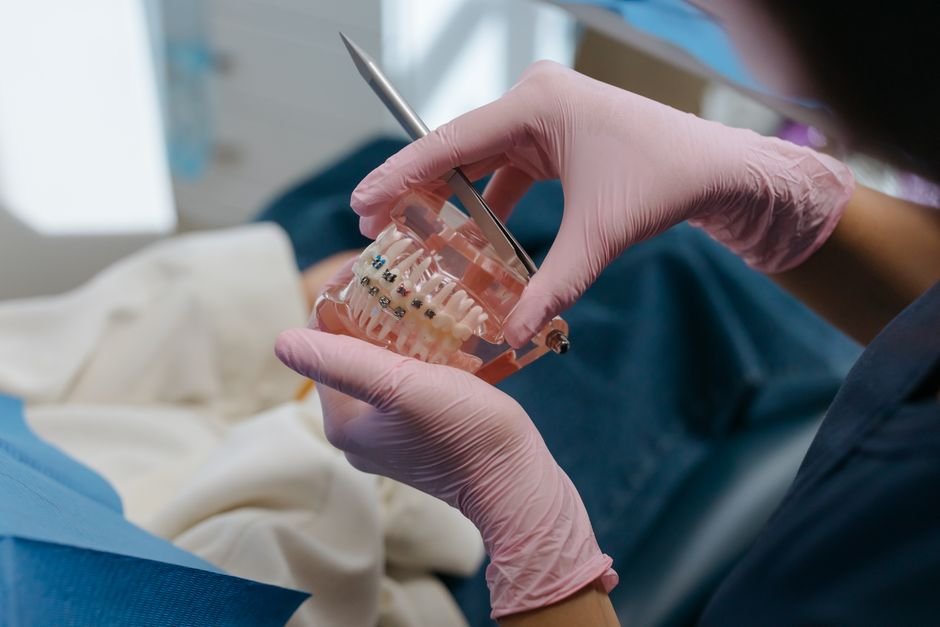
Orthodontic treatment, common during adolescence, adds another layer of complexity, since braces and other appliances create more surfaces where plaque can hide. Teenagers wearing braces often need extra guidance on using interdental brushes or floss threaders to clean effectively around brackets and wires, as gum inflammation can develop quickly in these harder-to-reach areas if cleaning habits do not adapt accordingly.
Hormonal shifts during pregnancy can increase blood flow to the gums and heighten their response to plaque, sometimes leading to a condition known as pregnancy gingivitis, characterised by swelling, tenderness, and a greater tendency to bleed during brushing. This is a common and generally manageable condition, but it does mean that maintaining thorough oral hygiene during pregnancy deserves particular attention rather than being deprioritised.
Some pregnant individuals also notice small, harmless growths on the gums, sometimes called pregnancy tumours, which usually resolve on their own after childbirth. Regular dental checkups during pregnancy allow any gum changes to be monitored, and most routine dental care remains safe and appropriate to continue throughout this period, contrary to a common misconception that dental visits should be paused entirely.
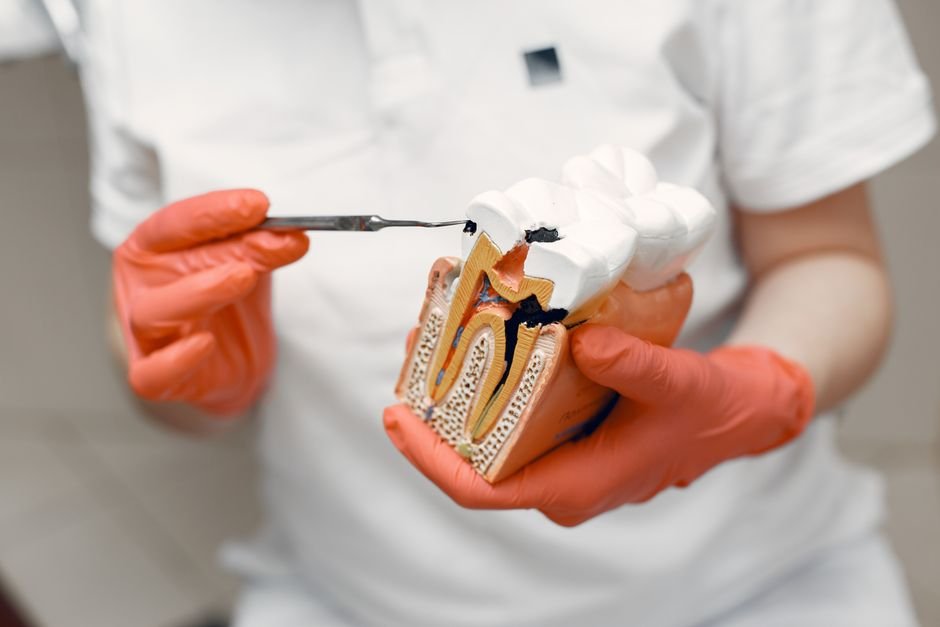
Adult gum health is often shaped by a combination of accumulated plaque and tartar, stress, and lifestyle factors that build up gradually over years rather than appearing suddenly. Gum disease in its early stages, gingivitis, is common among adults and is generally reversible with improved oral hygiene and professional cleaning, but if left unaddressed it can progress to more serious periodontal disease, which affects the deeper structures supporting the teeth.
Stress, in particular, has a well-documented connection to gum health, since it can weaken the body’s ability to fight off the bacteria that cause gum inflammation and often coincides with lapses in oral hygiene routines during particularly demanding periods. Recognising this connection allows adults to be more intentional about maintaining consistent care even, and especially, during stressful stretches of life.
Gum recession, where gum tissue gradually pulls back and exposes more of the tooth root, becomes more common with age, though it is not an unavoidable consequence of getting older on its own. Years of brushing with excessive force, along with the cumulative effects of gum disease if it was not addressed earlier, are more often the underlying cause than age itself. Exposed root surfaces are more sensitive and slightly more vulnerable to decay, making gentle brushing technique increasingly important over time.
Older adults may also be managing medications for other health conditions, some of which can reduce saliva production and indirectly affect gum health by removing one of the mouth’s natural defences against bacteria. Staying well hydrated and mentioning any new dryness to a dentist allows this to be addressed proactively, whether through specific products or adjustments discussed with a doctor.
Because gum health needs shift so much across life stages, families benefit from thinking about oral care as something that evolves rather than staying fixed. A routine that suits a young child will look quite different from what an adolescent with braces needs, which in turn differs from the considerations relevant to a grandparent managing gum recession. Recognising these differences within one household helps avoid a one-size-fits-all approach that may not serve everyone well.
Seeing family members through these different stages also means dental visits often surface useful shared context, such as a family tendency toward sensitive gums or a pattern of gum recession, which can help a dentist tailor advice for each individual more effectively. Open conversations about gum health across generations within a family can also reduce anxiety, particularly when older members model calm, consistent attendance at checkups for younger ones.
Regardless of life stage, certain signs consistently indicate that gum tissue needs attention: persistent bleeding during brushing or flossing, gums that look swollen or unusually red, ongoing bad breath, and any sense that gums are pulling away from the teeth. These signs can appear at any age, though the underlying cause may differ depending on whether the person is a teenager going through hormonal changes or an adult accumulating years of plaque buildup.
Catching these signs early and mentioning them promptly, rather than waiting for the next scheduled checkup, generally leads to simpler and more comfortable treatment. Gum issues caught in their earliest stages are typically much easier to reverse than those allowed to progress, which is true across every stage of life from childhood through to later adulthood.
Building shared habits, such as brushing together as a family in the morning or discussing dental visits openly, helps normalise gum care as a routine part of life rather than an isolated task for each individual to manage alone. Younger family members often pick up habits by observing older ones, making consistent modelling from parents and grandparents one of the more effective ways to instil good gum care habits early.
Scheduling family dental checkups around similar times, where practical, can also make it easier to keep everyone’s appointments on track and gives a dentist the opportunity to notice patterns across the family, from shared risk factors to simply reinforcing good habits across every generation represented in the household.
Yes, hormonal changes during puberty can make gums more reactive to plaque. Consistent brushing and flossing usually help manage this until hormone levels stabilise.
No, routine dental care remains safe and appropriate throughout pregnancy. Regular checkups help monitor any hormone-related gum changes that occur.
Not necessarily. It is more often linked to brushing technique or past gum disease than to age itself, and gentle brushing habits can help prevent it.
Yes, stress can weaken the body’s response to the bacteria that cause gum inflammation and often coincides with lapses in regular oral hygiene routines.
Bleeding during brushing or flossing is usually the earliest and most noticeable sign, and it is worth mentioning to a dentist rather than ignoring.

What and when a family eats together has a surprisingly direct effect on children’s dental health, since mealtime patterns often

Children are far more likely to stick with good oral care habits when they see parents practising the same routines
Most dentists recommend a child’s first dental visit by their first birthday, or within six months of their first tooth
 English