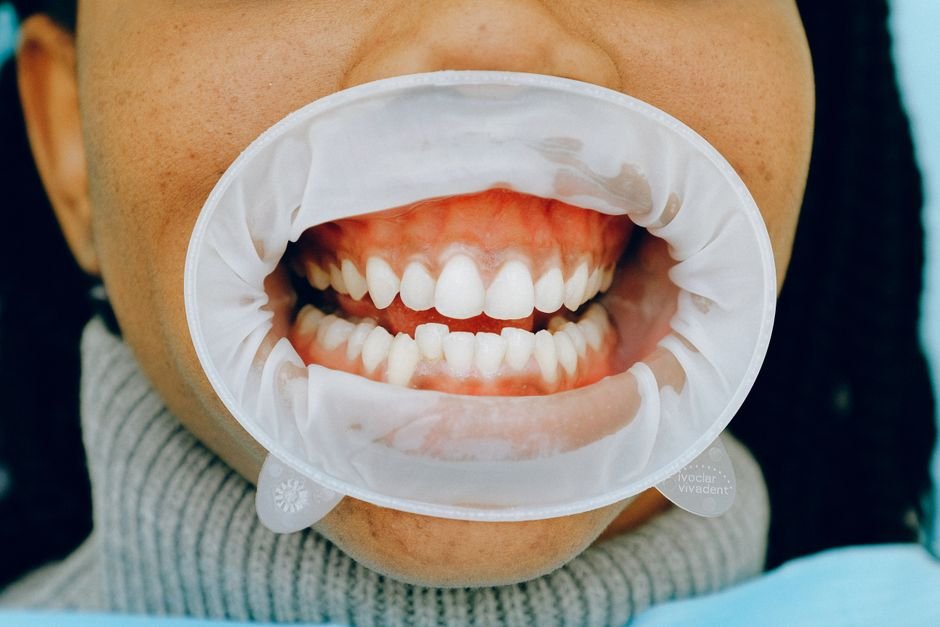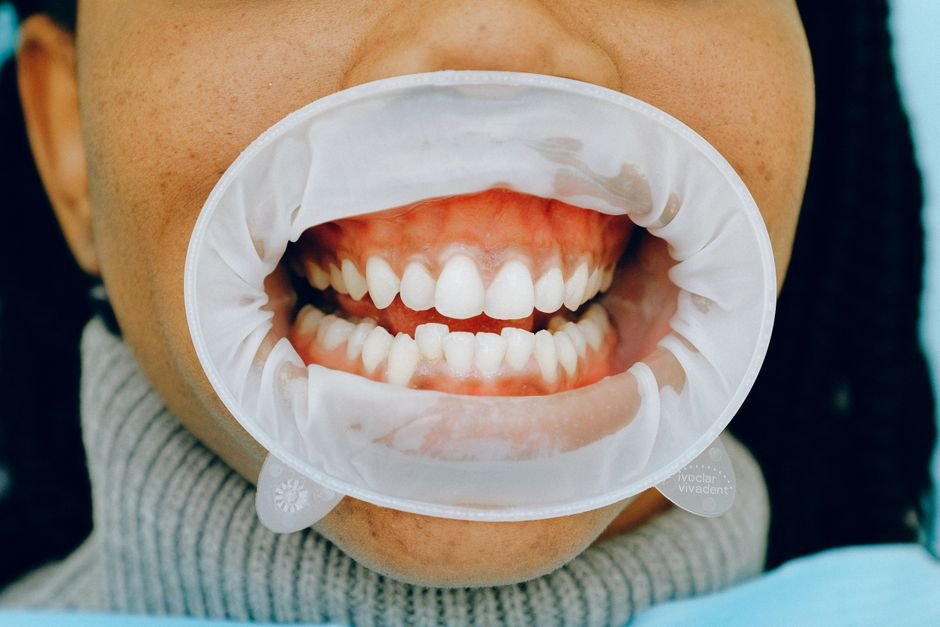

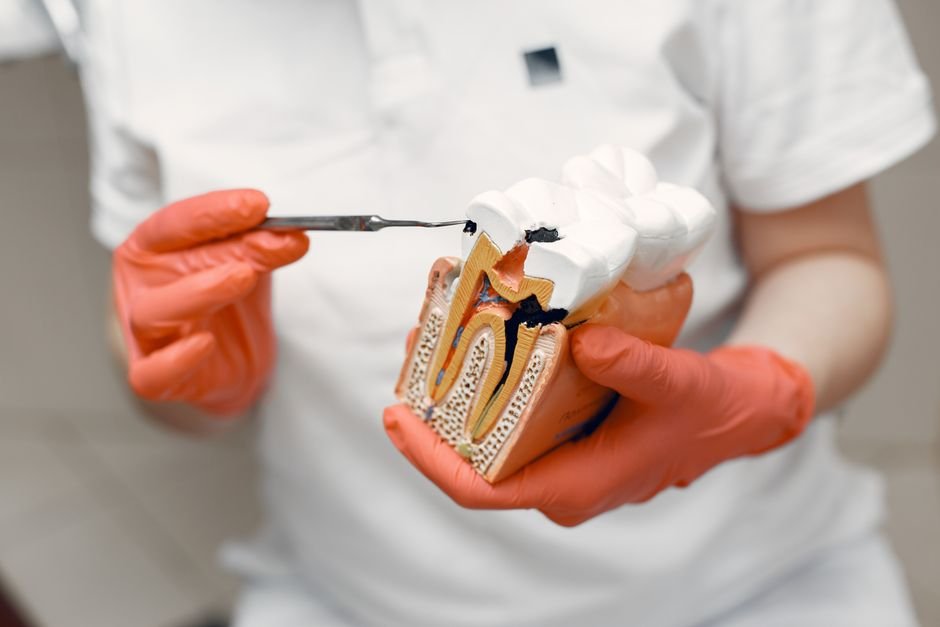



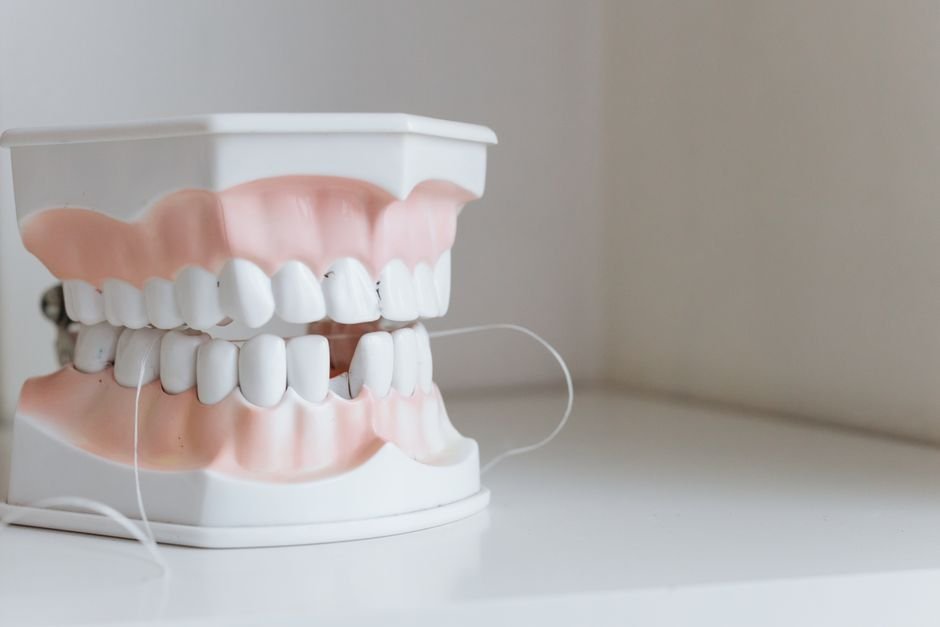




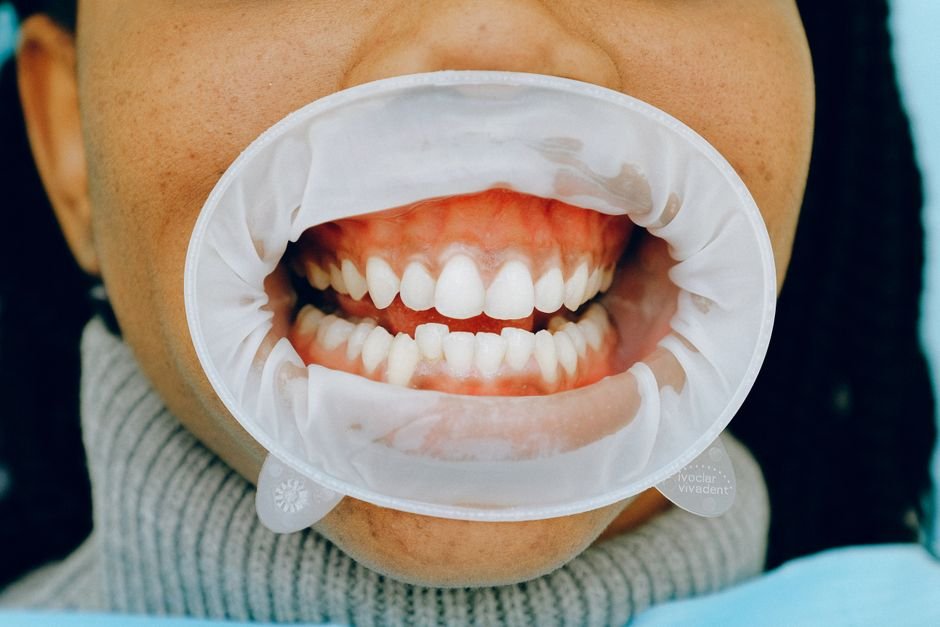





































Gum health changes throughout a person’s life because hormones, tooth development, bone density and daily habits all shift over time, which means the gums need slightly different care in childhood, the teenage years, adulthood and later life. Healthy gums should look pale pink, feel firm and never bleed during brushing or flossing. Recognising what is normal for each stage of life, and what signals a problem, helps families catch gum issues early and keep everyone’s smile comfortable and strong for decades to come.
Key takeaways
A baby’s gums are already doing important work before the first tooth even appears, cushioning the jaw and forming a protective seal around emerging teeth. As baby teeth erupt, the surrounding gum tissue can become temporarily swollen, tender or slightly reddened, which is a normal part of teething rather than a sign of disease. Gentle cleaning with a soft cloth or infant toothbrush from the very first tooth helps establish healthy habits and keeps bacteria from building up along the gum line during this formative stage.
As children lose baby teeth and adult teeth begin to emerge, the gums go through another period of adjustment. It is common for gums around a newly erupting adult tooth to look slightly puffy until the tooth settles into position. Encouraging children to brush twice daily and introducing flossing once teeth touch each other supports gum tissue through this transition. Establishing these routines early makes it far more likely that good gum care will continue naturally into the teenage years and beyond.
The teenage years bring a surge of hormonal activity that can make gum tissue more reactive to the everyday plaque that builds up on teeth. Many teenagers notice their gums bleed more easily when brushing or flossing, even if their oral hygiene routine has not changed. This heightened sensitivity, sometimes called puberty-associated gum inflammation, is linked to increased blood flow to the gum tissue rather than a sudden decline in cleaning habits, though plaque control still matters enormously during this stage.
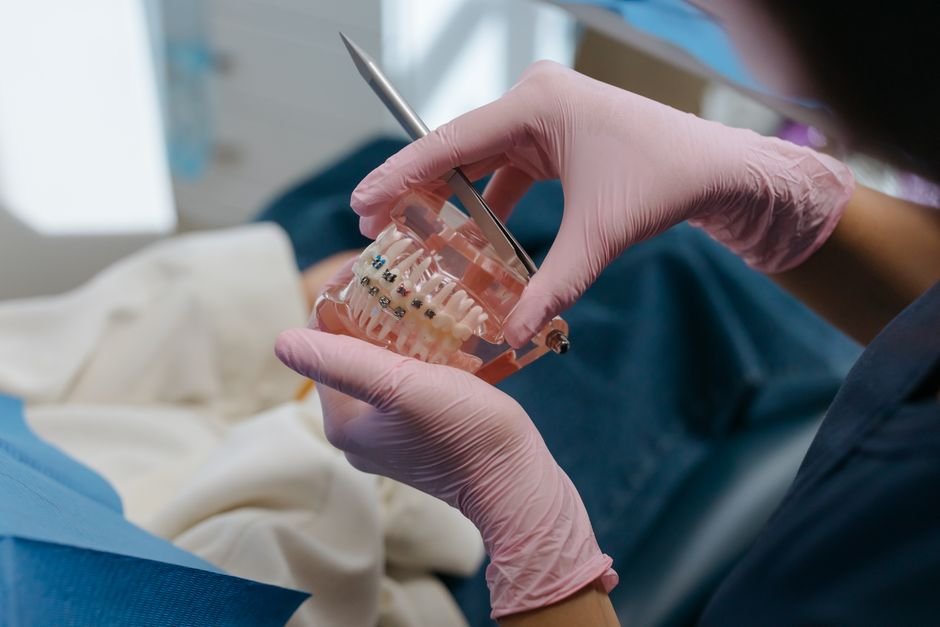
Orthodontic treatment, which many teenagers undergo, can also complicate gum care because braces create extra surfaces where plaque collects. Teenagers wearing braces need to angle their toothbrush carefully around brackets and wires and should use interdental brushes or floss threaders to clean beneath the wire. Encouraging independence with oral care while still checking in occasionally helps teenagers build the confidence and consistency needed to protect their gums through a demanding stage of dental development.
By adulthood, gum disease becomes one of the leading threats to long-term oral health, often progressing quietly without obvious pain in its earliest stages. Gingivitis, the mild and reversible form of gum disease, causes redness and bleeding but responds well to improved brushing, flossing and professional cleaning. Left unaddressed, however, it can advance into periodontitis, a more serious condition where the supporting bone and tissue around teeth are gradually affected, making consistent daily care and regular checkups essential for adults of every age.
Lifestyle factors play a significant role in adult gum health. Smoking or vaping restricts blood flow to the gums and masks early symptoms such as bleeding, allowing damage to progress unnoticed. Stress, poor sleep and an unbalanced diet can also weaken the body’s ability to fight off the bacteria that cause gum inflammation. Adults who prioritise a balanced diet, manage stress and stick to a thorough oral hygiene routine give their gums the best possible chance of staying healthy well into later decades.
Pregnancy triggers significant hormonal fluctuations that can make gums considerably more sensitive to plaque than usual. Many pregnant women experience what is often called pregnancy gingivitis, characterised by swollen, tender gums that bleed more readily during brushing. This heightened response is driven by elevated hormone levels that increase blood flow to gum tissue, meaning that even a small amount of plaque can trigger a noticeably stronger inflammatory reaction than it would outside of pregnancy.
Because gum health during pregnancy has knock-on effects for overall wellbeing, maintaining a diligent oral care routine matters more than ever during this time. Gentle but thorough brushing, daily flossing and professional cleanings help keep inflammation under control. Hormonal changes linked to other stages of life, including monthly cycles and menopause, can produce similar though usually milder gum sensitivity, so recognising this pattern helps women anticipate changes in their gum tissue and respond with appropriate care rather than concern.
As people age, gum recession becomes increasingly common, gradually exposing more of the tooth root and creating areas that are more vulnerable to sensitivity and decay. This recession can result from years of cumulative wear, past gum inflammation, or brushing with too much pressure over a long period. Exposed root surfaces lack the protective enamel found on the crown of the tooth, which makes them softer and more susceptible to developing new areas of decay near the gum line.
Older adults are also more likely to experience dry mouth, often linked to medications taken for unrelated health conditions, which reduces the natural rinsing action of saliva and allows plaque to accumulate more readily. Reduced dexterity can make thorough brushing and flossing more physically challenging as well. Using a soft-bristled or electric toothbrush, staying well hydrated, and considering tools such as floss picks or water flossers can help older family members maintain effective gum care despite these added challenges.
Certain warning signs indicate gum trouble regardless of a person’s age, and recognising them early makes treatment simpler and more effective. Bleeding during brushing or flossing is often the first and most noticeable sign, even though many people dismiss it as unimportant. Persistent bad breath, gums that appear red or swollen rather than a healthy pale pink, and gums that feel tender to the touch are all indicators that inflammation has taken hold and that extra attention to oral hygiene is needed.
More advanced warning signs include gums that appear to be pulling away from the teeth, teeth that feel slightly loose, or a noticeable change in how the teeth fit together when biting down. Family members of any age experiencing these symptoms should not wait for pain to develop, since more advanced gum disease often causes limited discomfort until significant damage has already occurred. Prompt attention to any of these signs allows a dental professional to intervene while treatment options remain straightforward.
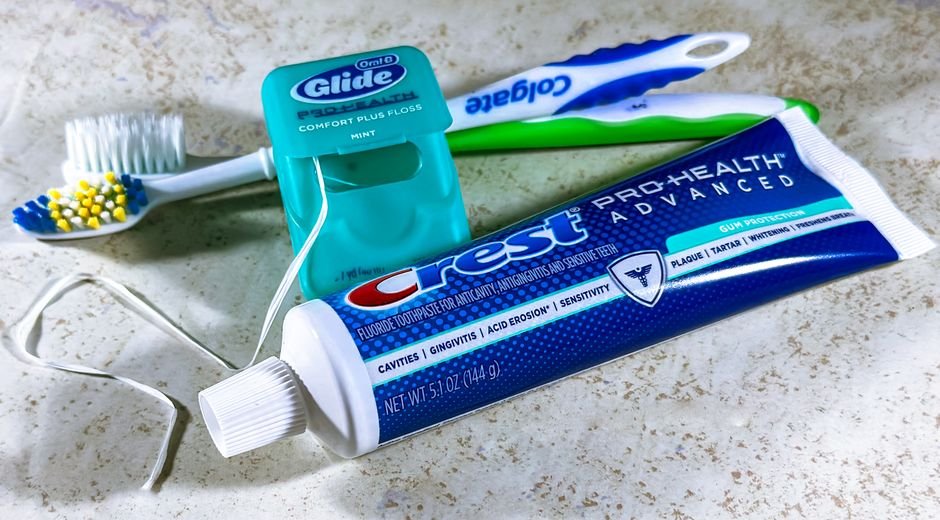
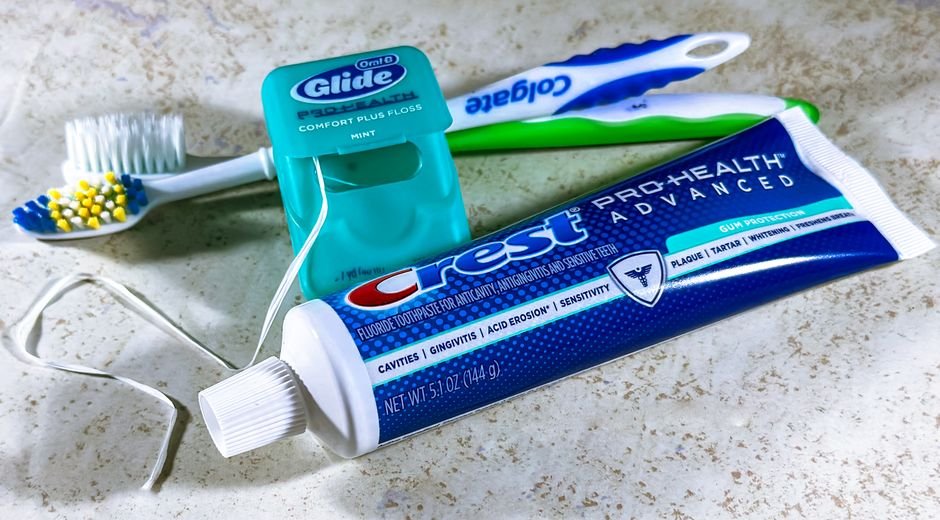
Consistent daily habits form the foundation of good gum health for every member of a family, regardless of age. Brushing twice a day with a soft-bristled toothbrush, using gentle circular motions rather than aggressive scrubbing, protects gum tissue while still removing plaque effectively. Flossing or using interdental brushes once daily reaches the tight spaces between teeth that a toothbrush cannot access, preventing the buildup of plaque that eventually hardens into tartar along the gum line.
Diet and hydration also play a meaningful role in supporting gum tissue. Limiting sugary snacks and drinks reduces the fuel available to bacteria that irritate gums, while a diet rich in fruits, vegetables and water supports the body’s natural defences. Replacing toothbrushes every few months, once bristles begin to fray, ensures cleaning remains effective. Modelling these habits as a family, and making oral care a shared routine rather than an individual chore, helps everyone stay consistent over the long term.
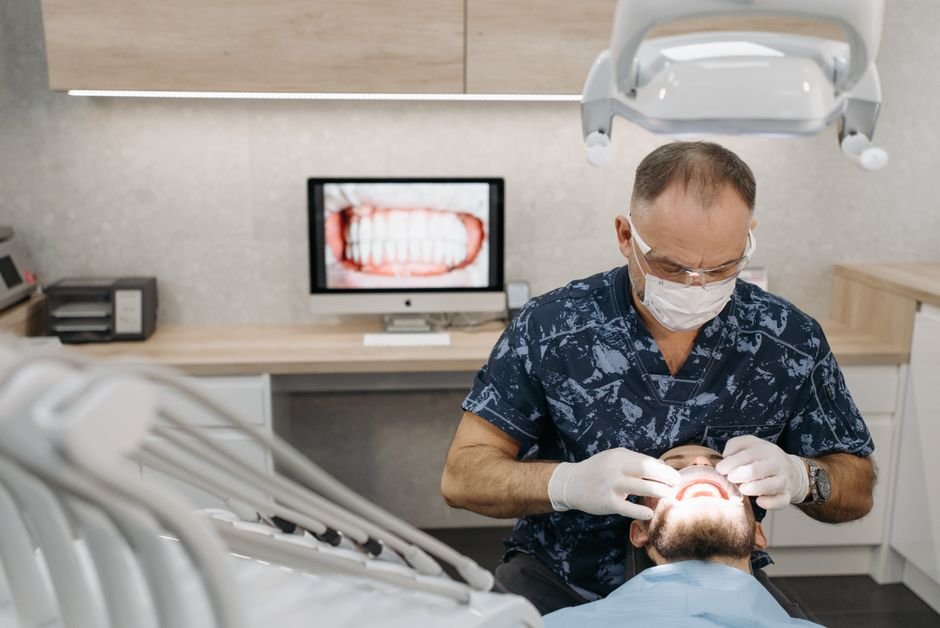
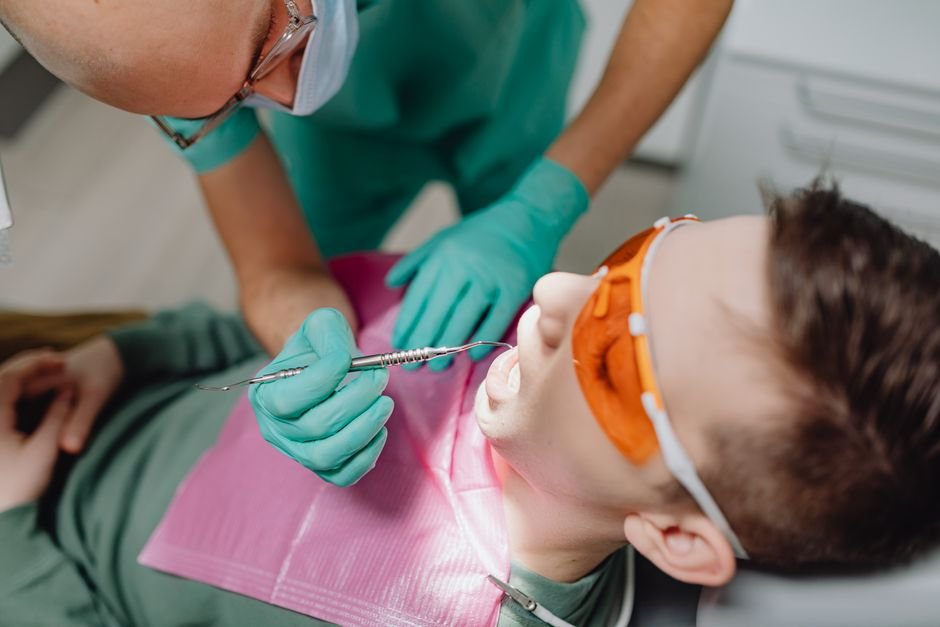
Regular dental checkups allow a dental professional to identify gum changes long before they become noticeable or uncomfortable at home. Professional cleaning removes hardened tartar that ordinary brushing and flossing cannot dislodge, while a thorough examination can reveal early pockets of inflammation around the gum line. These routine visits are particularly valuable because gum disease frequently develops without pain, meaning that self-assessment alone often misses the earliest and most treatable stage of the condition.
Checkups also give families an opportunity to receive guidance tailored to each person’s current life stage, whether that involves teething support for a toddler, brace-friendly cleaning tips for a teenager, or recession-focused advice for an older relative. Consistent scheduling, rather than only visiting when something feels wrong, means that any emerging gum concern is addressed while it remains minor. This proactive approach ultimately saves families both discomfort and more extensive treatment down the line.
Occasional light bleeding can happen if brushing is too vigorous, but regular or repeated bleeding during brushing or flossing is not normal and usually signals gum inflammation. It often means plaque has built up along the gum line and the tissue has become irritated. Improving brushing technique, flossing daily and arranging a dental checkup will usually help the bleeding resolve within a couple of weeks.
Hormonal changes during puberty increase blood flow to the gum tissue, which can make gums react more strongly to the same amount of plaque that previously caused little irritation. This means teenagers may notice more redness or bleeding even with a consistent oral care routine. Maintaining thorough brushing and flossing habits, along with regular dental visits, helps manage this heightened sensitivity until it settles.
Yes, pregnancy hormones increase blood flow to gum tissue and can make gums swell, redden and bleed more easily than usual, a condition often referred to as pregnancy gingivitis. This tends to improve after childbirth as hormone levels return to their usual range. In the meantime, gentle and consistent brushing, daily flossing and professional cleanings help keep the gums comfortable and healthy.
Gum recession in older adults typically results from a combination of years of cumulative wear, past inflammation and, in some cases, brushing with too much pressure over time. As gums recede, more of the tooth root becomes exposed, which can increase sensitivity and the risk of decay near the gum line. Using a soft-bristled toothbrush and gentle technique, along with regular checkups, helps manage and slow further recession.
Most dental professionals recommend a checkup and professional cleaning roughly twice a year for most family members, though some individuals with specific gum concerns may benefit from more frequent visits. Checkups allow early signs of gum inflammation to be caught and managed before they progress. A dental professional can recommend a personalised schedule based on each family member’s current gum health and life stage.

What and when a family eats together has a surprisingly direct effect on children’s dental health, since mealtime patterns often

Children are far more likely to stick with good oral care habits when they see parents practising the same routines
Most dentists recommend a child’s first dental visit by their first birthday, or within six months of their first tooth
 English