




















Weekends change the rhythm of daily life, and that shift often loosens the habits that keep your mouth healthy during the working week. Later mornings, irregular meals, more snacking, and a more relaxed attitude toward bedtime all create small gaps where plaque builds up and oral hygiene slips. Building a short, deliberate weekend routine around brushing, flossing, water intake, and mindful eating keeps your teeth and gums protected even when the rest of your schedule loosens up.
Key takeaways
Most oral hygiene routines are built around structure: an alarm, a commute, a fixed lunch break, a set bedtime. On weekends that structure often disappears, and with it goes the automatic cueing that reminds people to brush after breakfast or floss before bed. Sleeping later can mean skipping the morning brush altogether if it gets pushed aside by a rushed start to the day, while staying up later can mean the evening routine is forgotten in the tiredness of a long day out.
This isn’t a matter of motivation so much as a matter of cues. Habits are triggered by context, and when the context changes, the habit often doesn’t fire unless a new cue is deliberately put in place. Recognising that weekends are a different environment, rather than assuming willpower alone will carry the routine through, is the first step toward keeping oral hygiene consistent across the whole week rather than just five days of it.
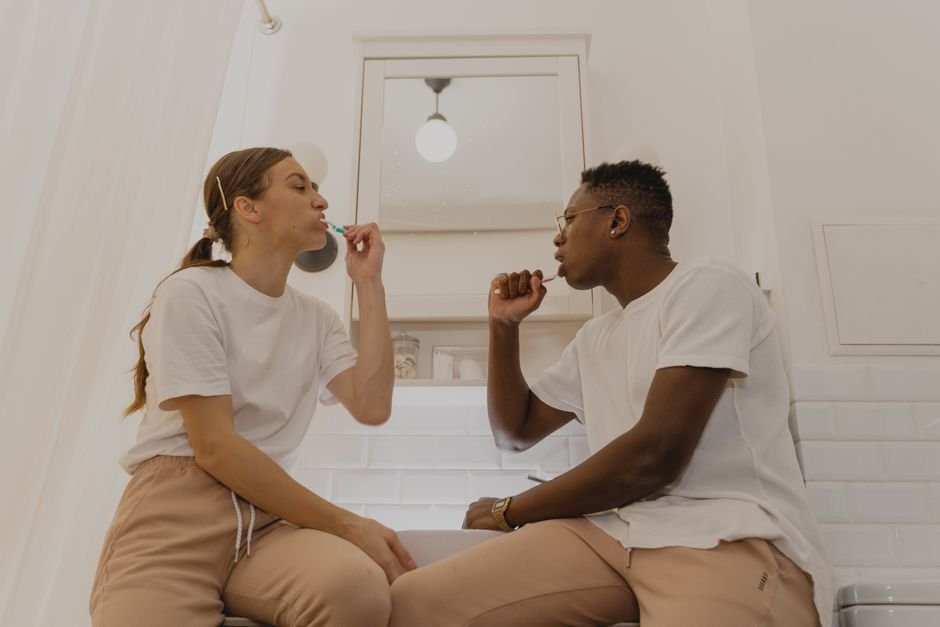
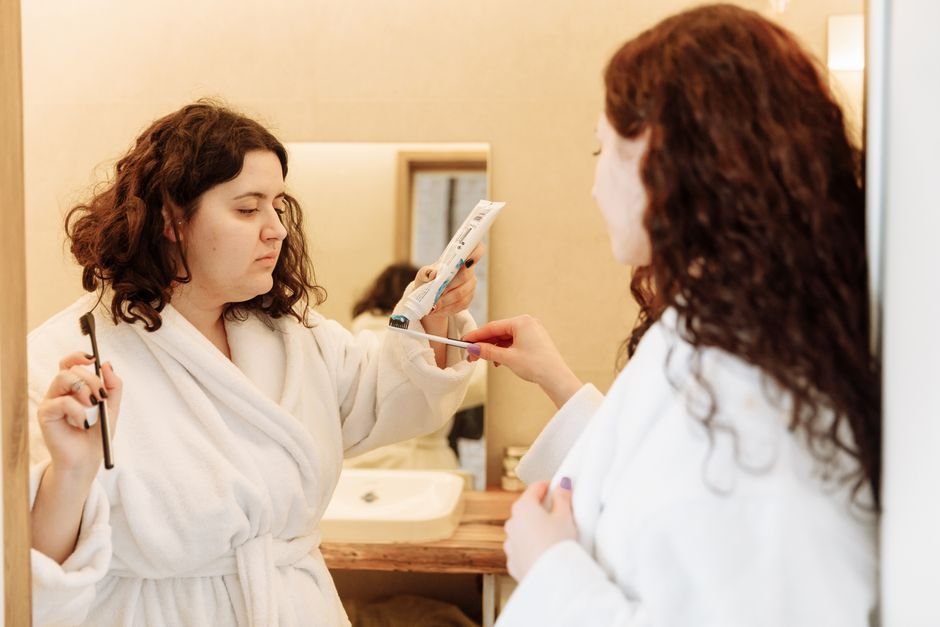
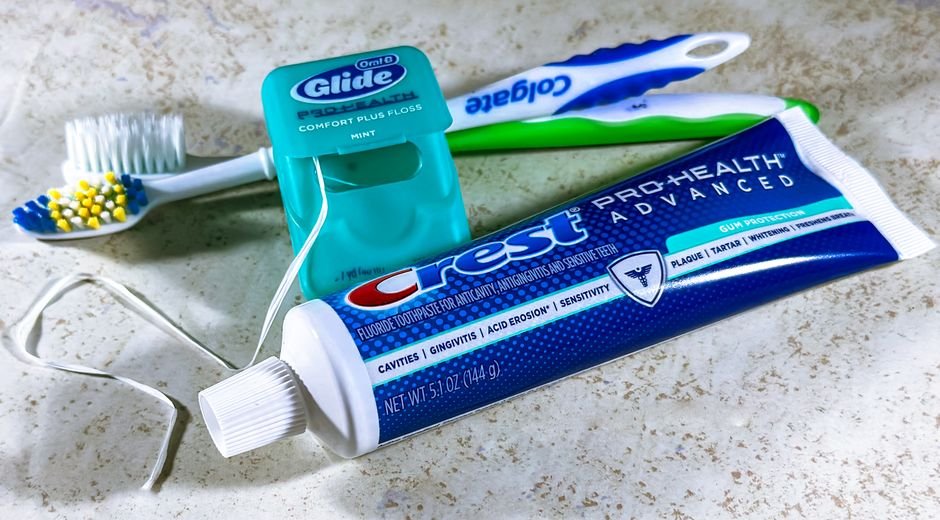
A workable weekend morning routine does not need to mirror a weekday routine exactly; it simply needs to hit the same essential points. Brushing for two minutes with a fluoride toothpaste, ideally paired with flossing or interdental cleaning, remains the anchor regardless of what time you wake up. Attaching this to an existing weekend habit, such as making the first cup of tea or coffee, gives the brain a natural trigger even when the clock time shifts from day to day.
It also helps to keep the sequence identical to weekdays: rinse, brush, floss, then eat, rather than eating first and brushing much later. Waiting a short while after eating before brushing is sensible, since chewing stimulates saliva that helps neutralise acids, but the key is not letting a late start turn into a skipped step entirely. A repeatable, short sequence beats an elaborate routine that only survives on weekdays.
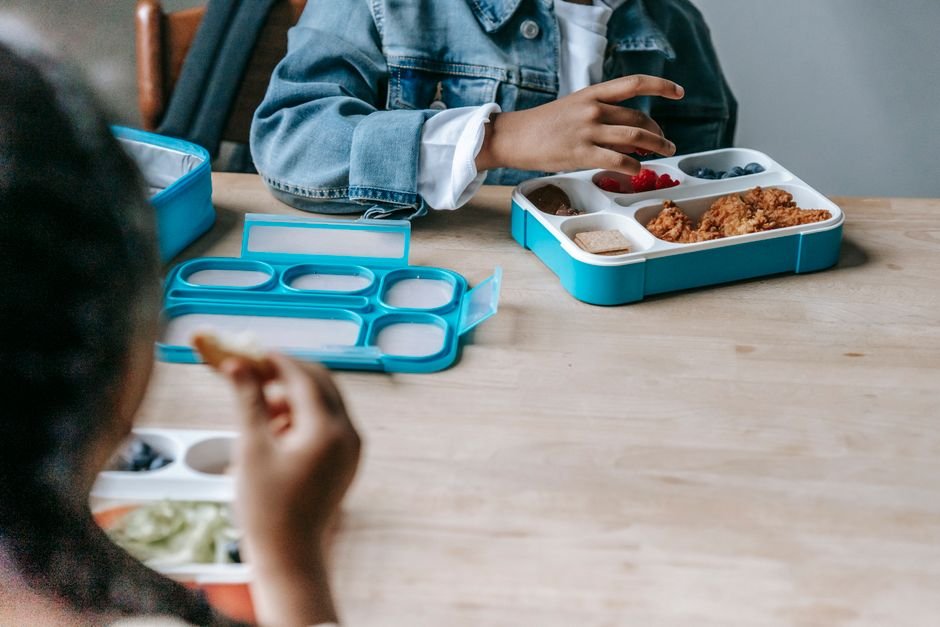
Weekends often bring more grazing than structured mealtimes, whether that’s brunch leftovers, sweet treats, or drinks spread across a long afternoon. Each time sugary or starchy food is eaten, the bacteria in plaque produce acid that attacks tooth enamel for around twenty to thirty minutes afterwards. When snacking is spread out continuously rather than confined to set meal windows, the mouth never gets a proper break to recover, and the cumulative acid exposure across the day rises significantly.
Rather than eliminating weekend treats altogether, the more sustainable approach is to group them together rather than spacing them out. Having a dessert or sweet drink alongside a meal, rather than as a separate snack an hour later, limits the number of separate acid attacks the enamel experiences. Rinsing with water afterwards, or finishing a snacking session with a piece of cheese or some plain yoghurt, can also help bring the mouth’s pH back toward neutral more quickly.
Saliva is one of the mouth’s primary defences, since it washes away food particles, neutralises acid, and carries minerals that help re-mineralise enamel. Dehydration reduces saliva flow, and weekends spent outdoors, exercising, or simply sleeping in and skipping the usual morning drink can quietly reduce how much water is consumed compared with a normal working day. A drier mouth is more vulnerable to plaque build-up and bad breath, particularly later in the day.
Making water the default weekend drink, rather than reaching only for tea, coffee, or juice, supports saliva production throughout the day. Keeping a water bottle within reach during weekend errands or outdoor activities makes this an easy habit to maintain without needing to consciously think about it. Plain water between meals, rather than sipping sugary or acidic drinks continuously, also avoids adding extra acid exposure on top of snacking habits.
Weekday mornings are often too rushed to include every element of a complete oral care routine, which means tongue cleaning, mouth rinse, or a thorough interdental clean sometimes get left out in favour of speed. Weekends, with slightly more time available, are a natural opportunity to reintroduce these extra steps rather than treat them as optional add-ons only for special occasions.
Cleaning the tongue, either with a toothbrush or a dedicated tongue scraper, reduces the bacteria that contribute to bad breath and a coated appearance on the tongue’s surface. An alcohol-free mouth rinse used after brushing can add a further layer of protection, particularly for people prone to gum sensitivity. Treating weekends as the time to complete the fuller routine, rather than the time it’s most likely to be skipped, turns a scheduling gap into an opportunity instead.
The evening brush before bed is arguably the most important one of the day, since it removes the plaque and food debris that would otherwise sit undisturbed against the teeth for hours during sleep, when saliva flow naturally drops. A later, less structured weekend bedtime increases the temptation to fall asleep without brushing properly, especially after a long day or an evening that involved alcohol or a late meal.
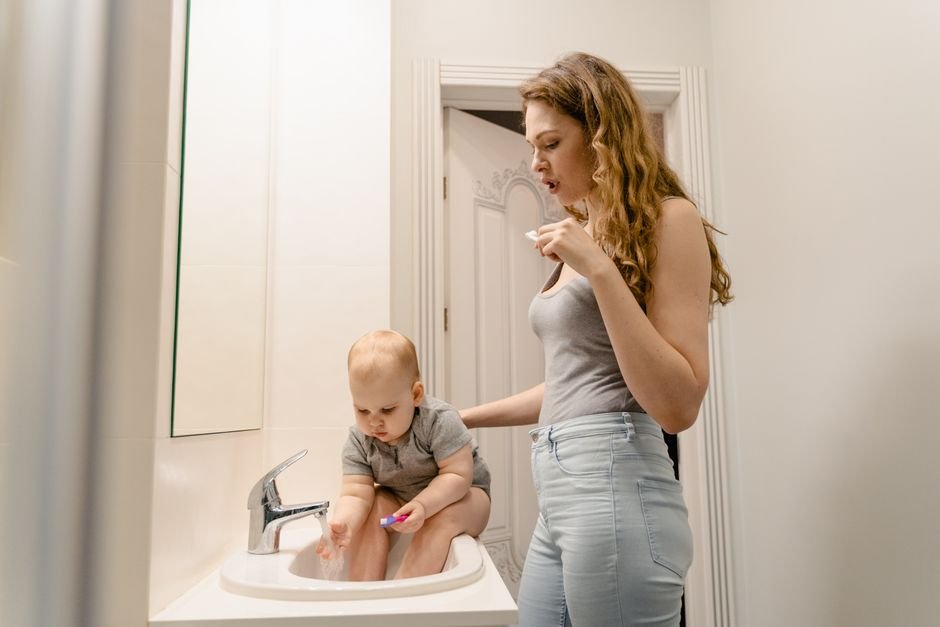
Setting a rule that brushing happens before any screen time or wind-down activity in the evening, rather than being the very last thing before lights out, helps prevent it from being skipped when tiredness sets in. For people who know their weekend evenings run later, keeping toothbrushes and floss somewhere visible and reachable, rather than tucked away, removes one small barrier that can otherwise tip the balance toward skipping the routine altogether.
Weekend workouts, sports, and short trips introduce their own oral health considerations that don’t come up as often during a typical working week. Sports drinks and energy gels, popular during exercise, are often high in sugar and acidity, and sipping them continuously during a long run or ride exposes teeth to prolonged acid contact. Swapping to water where possible, or rinsing the mouth after finishing a sports drink, reduces this exposure.
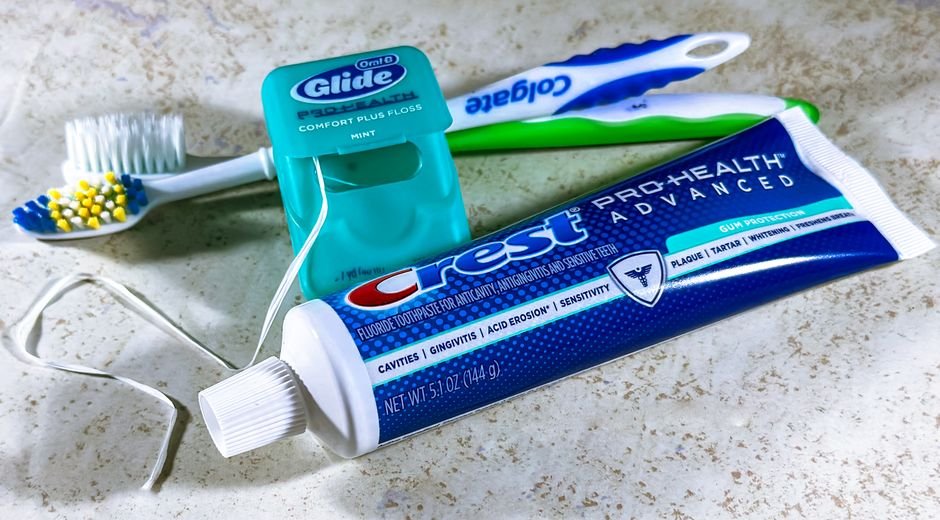
Weekend travel, meanwhile, often means toothbrushes get left behind or packed at the bottom of a bag, making it easy to skip a session entirely. Keeping a compact travel kit with a toothbrush, small toothpaste tube, and floss permanently packed removes the excuse of forgetting supplies. Building this kit once and leaving it ready for any weekend trip means oral hygiene doesn’t depend on remembering to pack it each time.
Weekday meals tend to happen at fairly fixed times dictated by work or school schedules, while weekend meals often drift, with a late brunch replacing breakfast and lunch merging into an extended afternoon of eating. This drift means the mouth spends longer periods in an acidic state, since each new item eaten resets the acid attack clock, even if the total amount of food consumed isn’t much greater than usual.
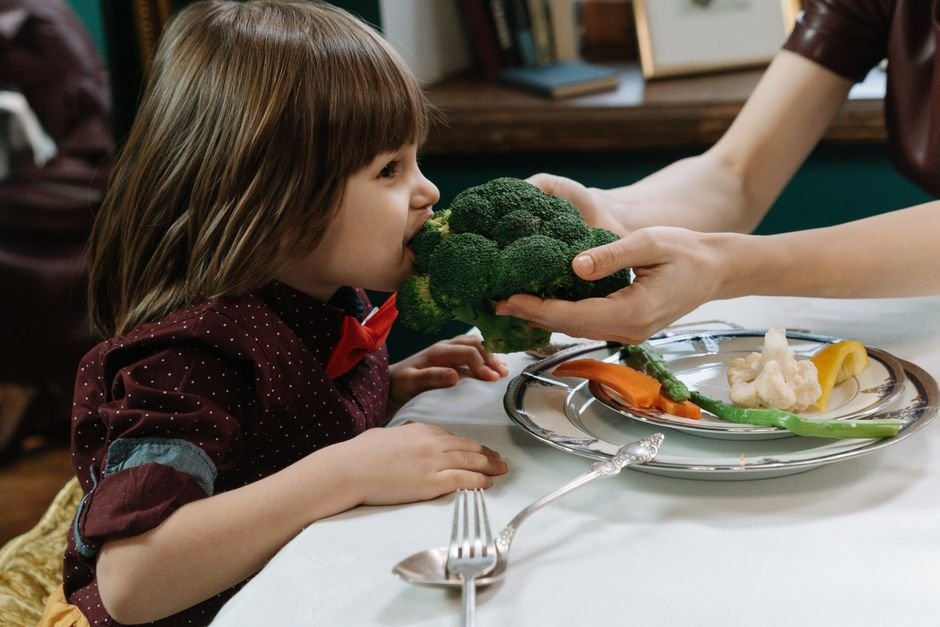
Trying to keep some structure to weekend meals, even if the timing shifts later than usual, helps limit how many separate eating occasions occur across the day. Finishing a meal with a plain food such as cheese, nuts, or vegetables, rather than ending on something sugary, can also help buffer the mouth’s pH before the next gap until brushing. Small adjustments to meal structure, rather than major changes to what is eaten, make the biggest difference here.
Weekends offer a natural pause point to reflect on the week just finished, and a brief oral health check-in fits neatly into that pause. Taking sixty seconds on a Sunday evening to notice any sensitivity, bleeding gums, or a rough edge on a tooth means small issues get flagged early, before they become bigger problems that require more involved treatment.
This check-in doesn’t need to be formal or time-consuming; simply running a tongue over the teeth and gum line, or glancing in the mirror while brushing, is often enough to notice changes. Building this into an existing weekend habit, such as after the Sunday evening brush, means it happens consistently without needing a separate reminder. Over time, this small habit supports earlier detection of problems and reduces the chance of a minor issue growing unnoticed between dental visits.
Skipping a single morning brush occasionally is not going to cause lasting damage, but making it a regular weekend habit allows plaque to build up more consistently over time. Attaching brushing to another fixed weekend habit, such as the first drink of the morning, helps keep it consistent even when wake-up times vary.
Yes, most sports drinks and gels are acidic and contain sugar, and sipping them continuously during exercise keeps teeth in an acidic environment for longer than a single serving would. Drinking water alongside or instead of these products, and rinsing with water afterwards, reduces the impact on enamel.
Continuous grazing tends to be worse for teeth than the same amount of food eaten across defined meals, because each new bite restarts the acid attack on enamel. Grouping snacks together around mealtimes, rather than spreading them across the whole day, reduces the number of separate acid exposures.
It is generally sensible to wait twenty to thirty minutes after eating before brushing, particularly after acidic foods, since enamel is temporarily softened by the acid and brushing straight away can cause minor abrasion. Rinsing with water immediately after eating and brushing a little later is a reasonable compromise.
Attaching brushing and flossing to an existing weekend habit, such as making coffee in the morning or watching a set evening programme, gives the routine a reliable trigger even when normal weekday cues like an alarm or commute are absent. Keeping supplies visible and easy to reach also removes a common barrier to consistency.

What and when a family eats together has a surprisingly direct effect on children’s dental health, since mealtime patterns often

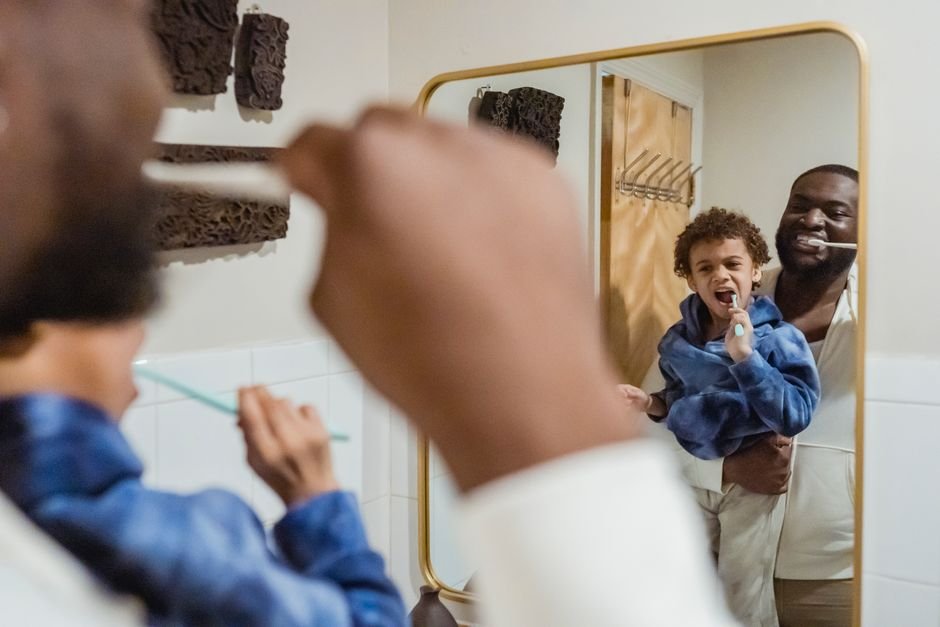
Children are far more likely to stick with good oral care habits when they see parents practising the same routines
Most dentists recommend a child’s first dental visit by their first birthday, or within six months of their first tooth
 English