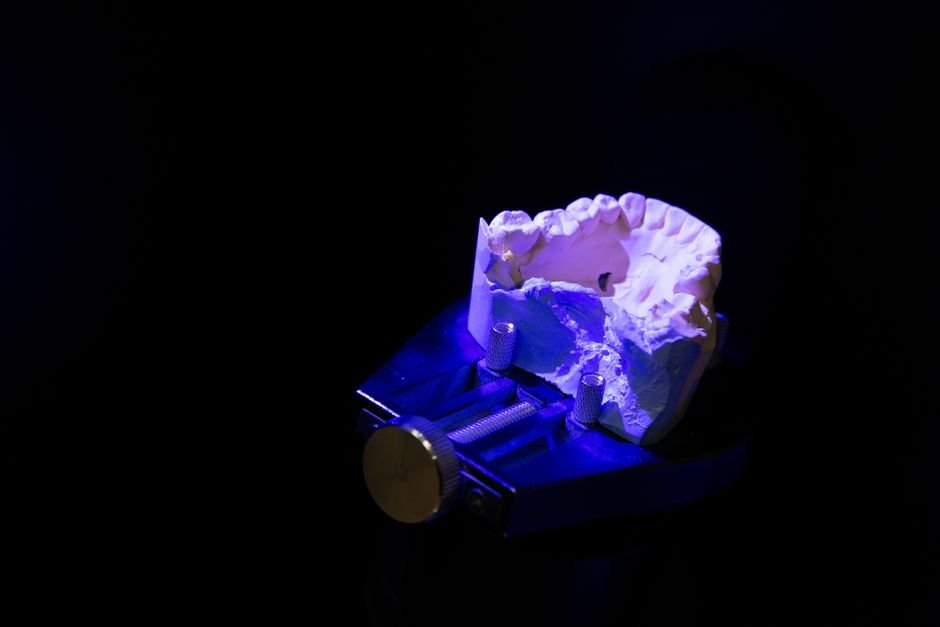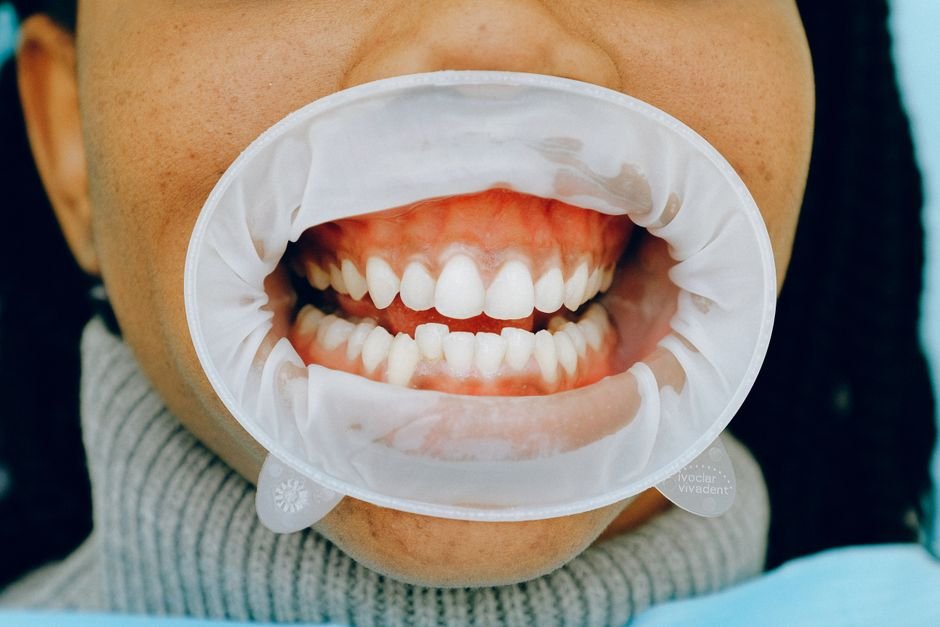




























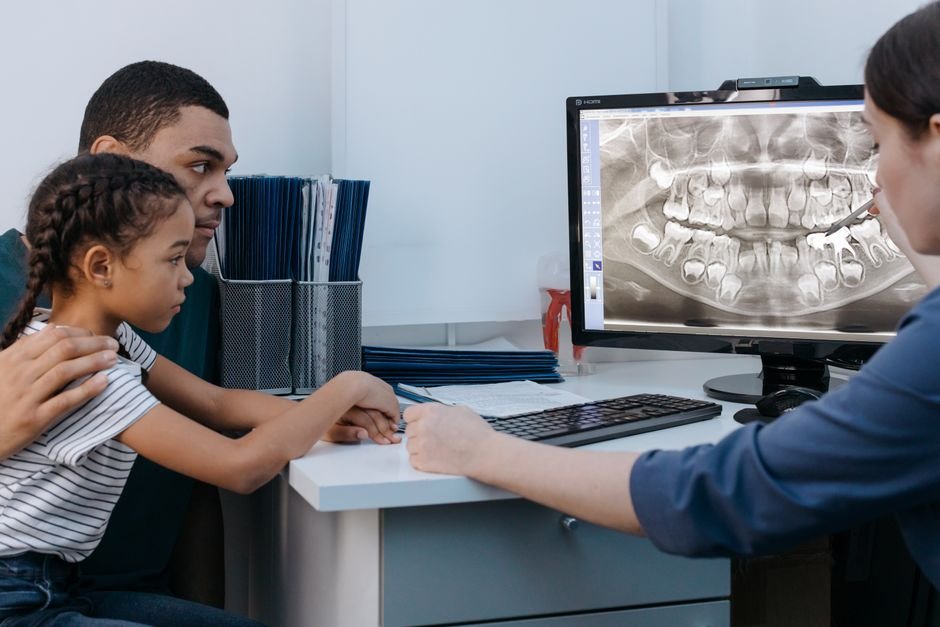




Baby teeth matter because they do far more than serve a child temporarily; they guide proper jaw development, hold space for adult teeth to emerge correctly, and support essential functions like chewing and speech during critical early growth years. Losing a baby tooth too early due to decay or injury can cause lasting effects on how permanent teeth eventually align, making their care just as important as caring for adult teeth.
Key takeaways
It is a common misconception that baby teeth are unimportant simply because they are temporary. In reality, baby teeth play an active role in a child’s development for several years before they are replaced, guiding the growth of the jaw and face, and acting as placeholders that reserve the correct amount of space for the permanent teeth developing beneath them.
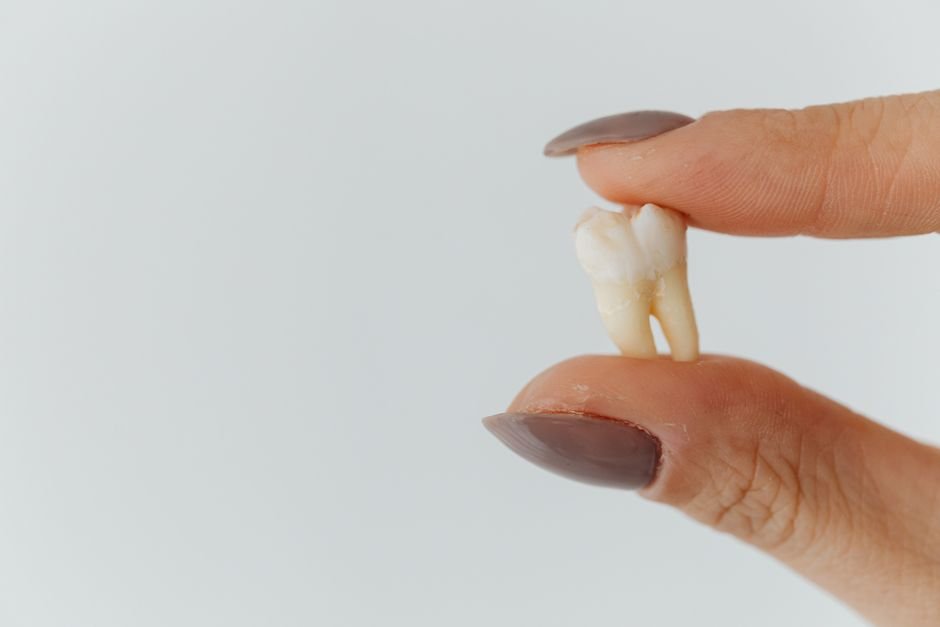
If a baby tooth is lost prematurely, whether through decay or injury, the surrounding teeth can shift into the empty space, leaving insufficient room for the permanent tooth when it is ready to emerge. This can lead to crowding, misalignment, or the need for orthodontic treatment later in childhood that might otherwise have been avoided with proper early care.
Children learn to form many sounds by positioning their tongue against or near their teeth, meaning baby teeth play a functional role in developing clear speech during early childhood. Premature loss of front baby teeth, in particular, can sometimes affect how a child pronounces certain sounds while waiting for permanent teeth to emerge.
While most children adapt reasonably well even with some early tooth loss, maintaining healthy baby teeth for as long as naturally intended generally supports the clearest and most consistent speech development. This is one of several practical reasons dentists encourage parents to treat decay in baby teeth rather than assuming it does not matter since the teeth are temporary.
Baby teeth allow children to chew a wide variety of foods effectively, which supports proper nutrition during a critical period of growth and development. Pain or difficulty chewing caused by decayed or damaged baby teeth can lead some children to avoid certain foods, potentially affecting their overall diet and nutritional intake during these formative years.
Beyond nutrition, the ability to chew properly also supports healthy jaw muscle development, which continues to mature throughout childhood. Ensuring baby teeth remain healthy and pain-free helps children eat comfortably and confidently, supporting both their physical growth and their overall relationship with food and mealtimes.
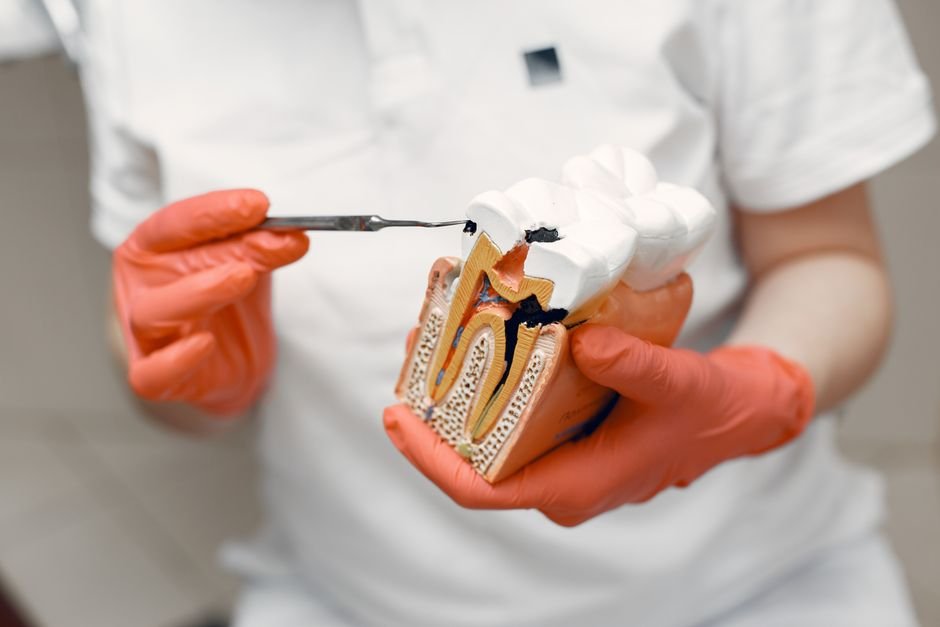
Decay in baby teeth should generally be treated promptly, in much the same way decay in adult teeth would be, rather than being left untreated on the assumption that the tooth will eventually fall out naturally. Untreated decay can progress to infection, cause significant pain, and potentially damage the developing permanent tooth forming beneath the baby tooth.
Regular dental checkups from an early age allow decay to be identified and treated while it is still minor, often requiring simpler treatment than would be needed if the decay is allowed to progress further. Establishing this pattern of early, proactive care also helps children become comfortable with routine dental visits from a young age.
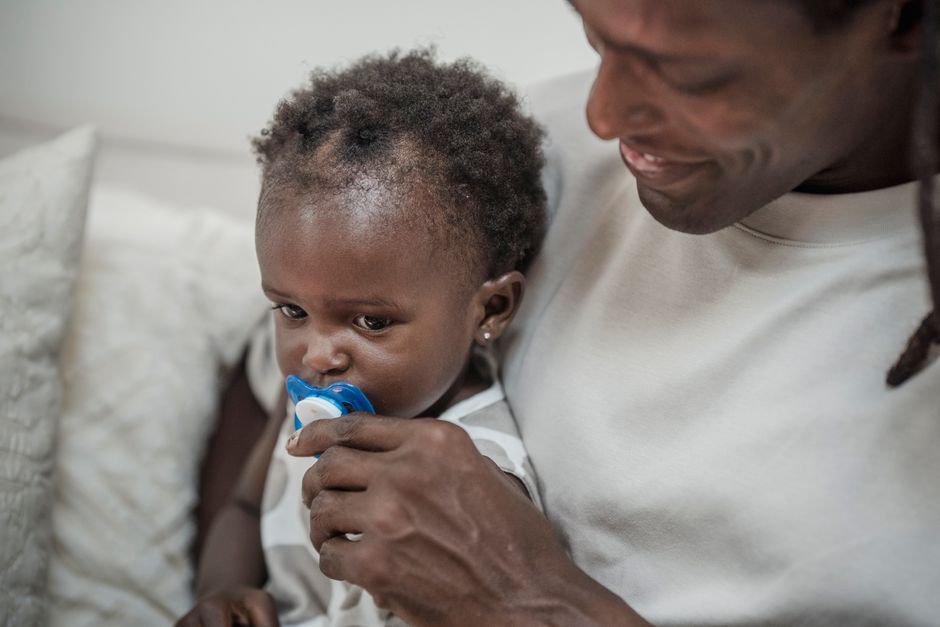
Thumb sucking and pacifier use are common and generally harmless habits in infancy, but prolonged use beyond the toddler years can begin to affect the alignment of baby teeth and the shape of the developing jaw. The pressure created by consistent sucking can gradually push teeth out of their natural position if the habit continues for an extended period.
Most children naturally reduce and stop these habits on their own within the toddler years, and mild effects on tooth position often self-correct once the habit stops early enough. If a habit persists well beyond this typical window, discussing gentle strategies to encourage stopping with a dentist or paediatrician can help minimise any lasting impact on tooth alignment.
When a baby tooth is lost significantly earlier than its natural timeline, whether through injury or decay-related extraction, neighbouring teeth can drift into the resulting gap over time. This drifting reduces the space available for the permanent tooth when it is eventually ready to emerge, which can contribute to crowding or misalignment.
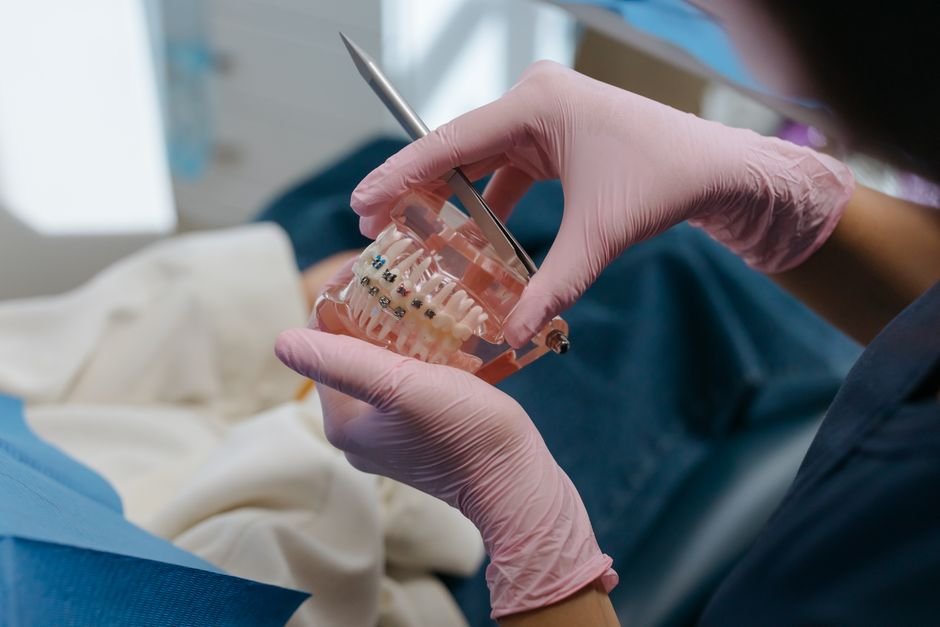
In some cases, a dentist may recommend a space maintainer, a small device designed to hold the gap open until the permanent tooth is ready to come through. This simple intervention can help prevent more significant alignment issues later, reducing the likelihood of needing more extensive orthodontic treatment during the teenage years.
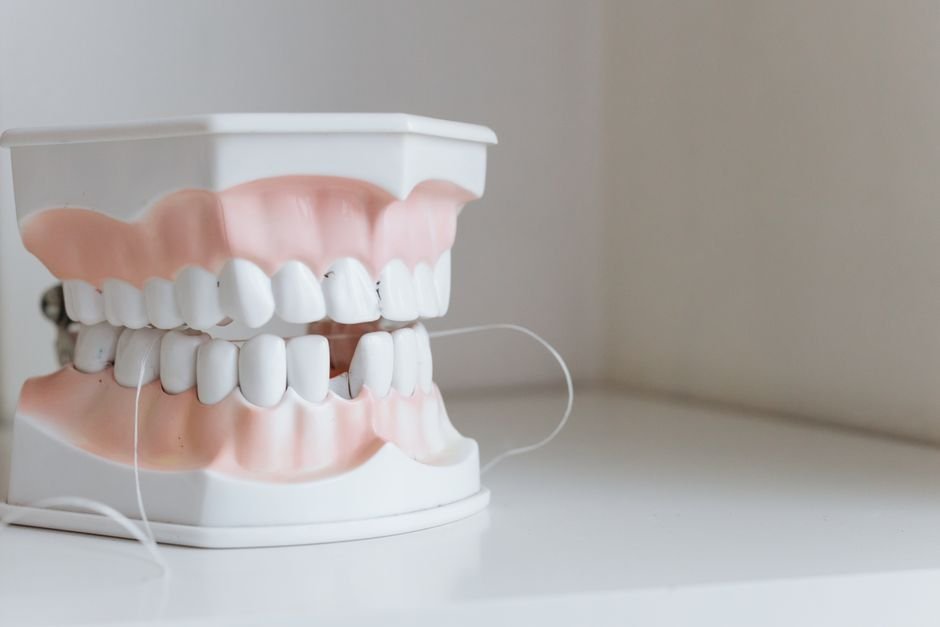
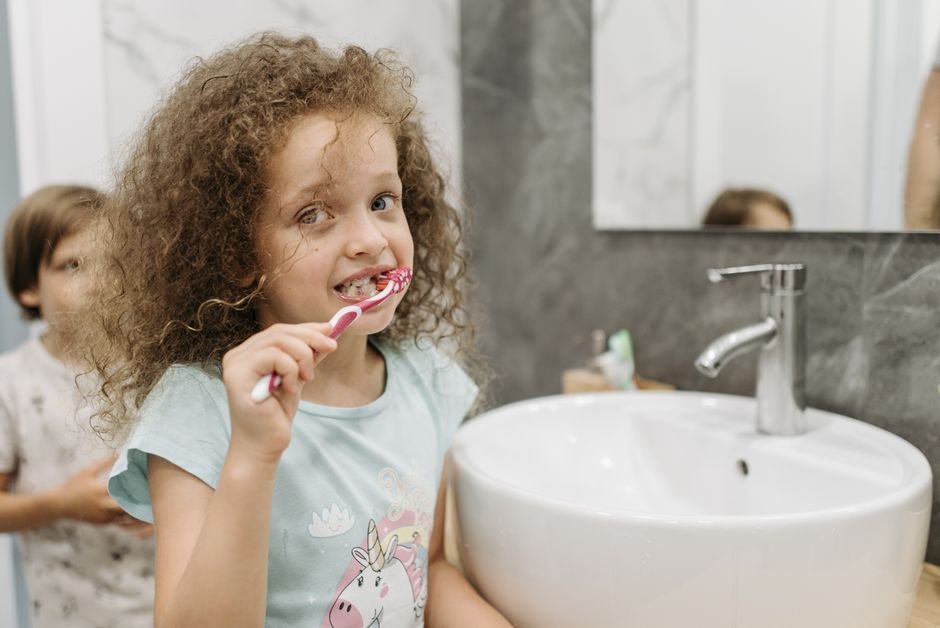
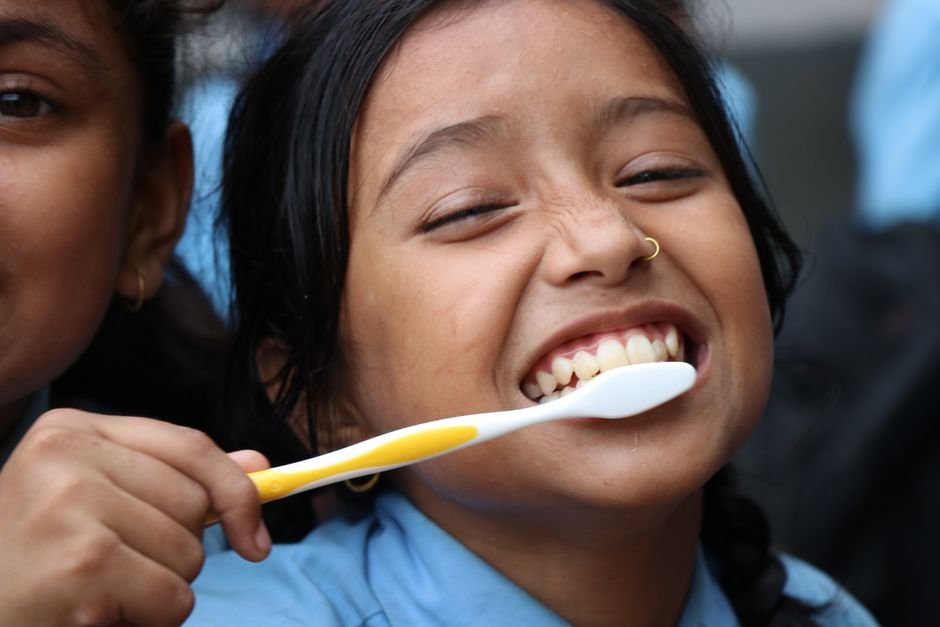
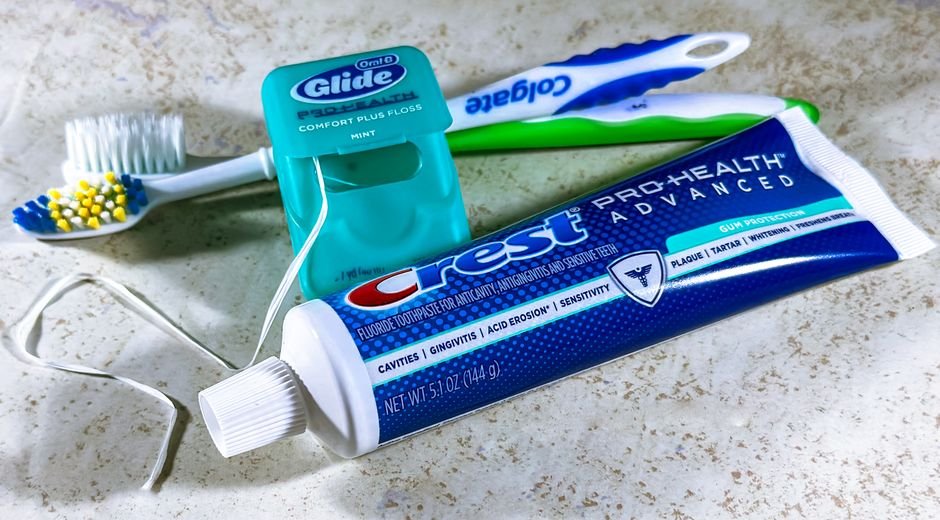
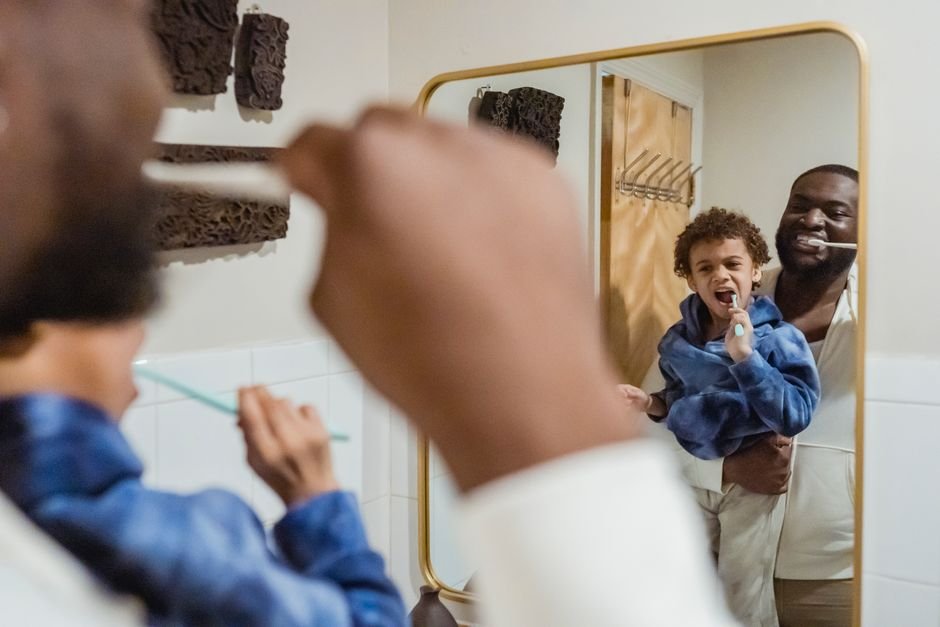
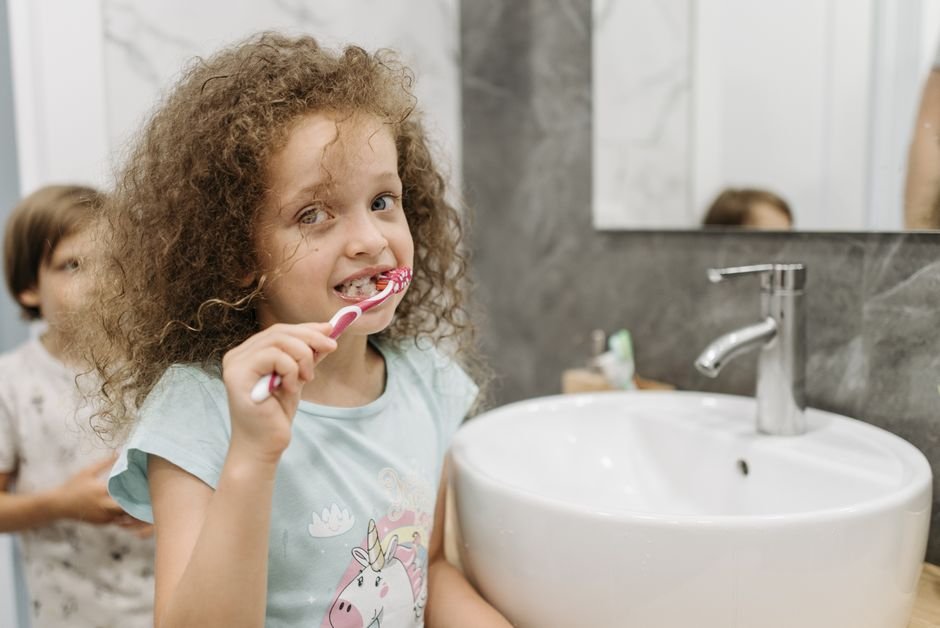
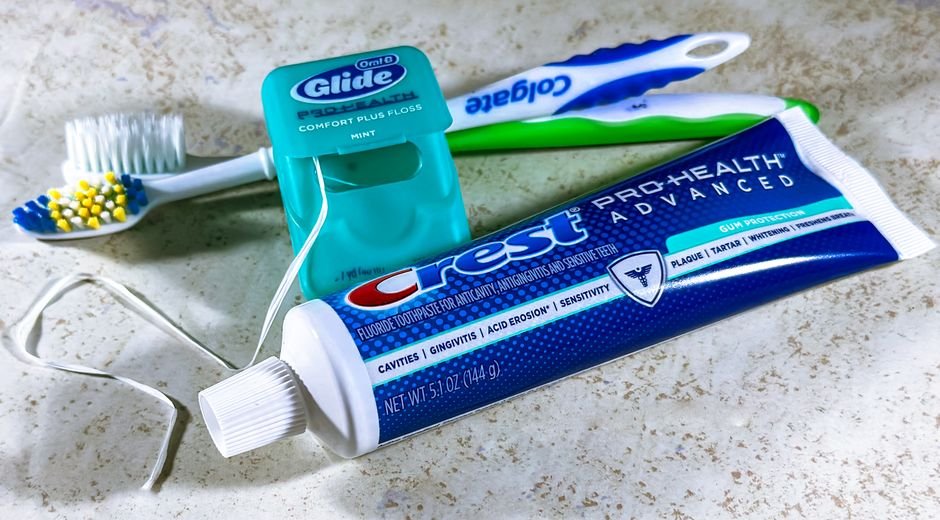
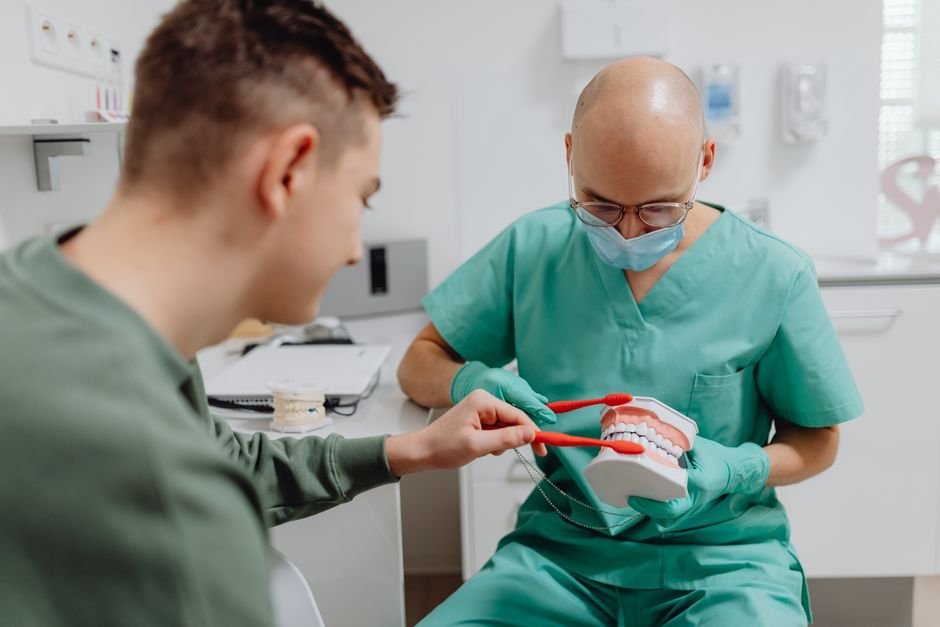
Brushing should begin as soon as the first baby tooth appears, using a soft-bristled, appropriately sized brush and an age-appropriate amount of fluoride toothpaste as recommended by a dentist. Parents typically need to assist with or fully perform brushing for young children, since the fine motor skills needed to brush thoroughly develop gradually over several years.
Establishing a consistent twice-daily brushing routine early on helps normalise the habit before children are old enough to resist or negotiate around it. Making the process calm and consistent, rather than rushed, also helps set a positive tone for a child’s long-term relationship with oral hygiene and dental care generally.
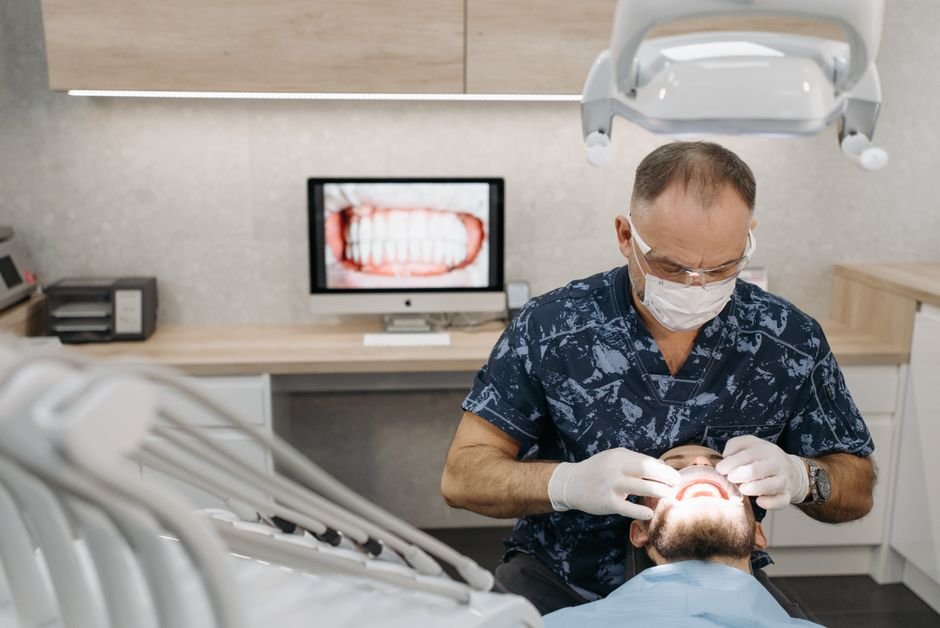
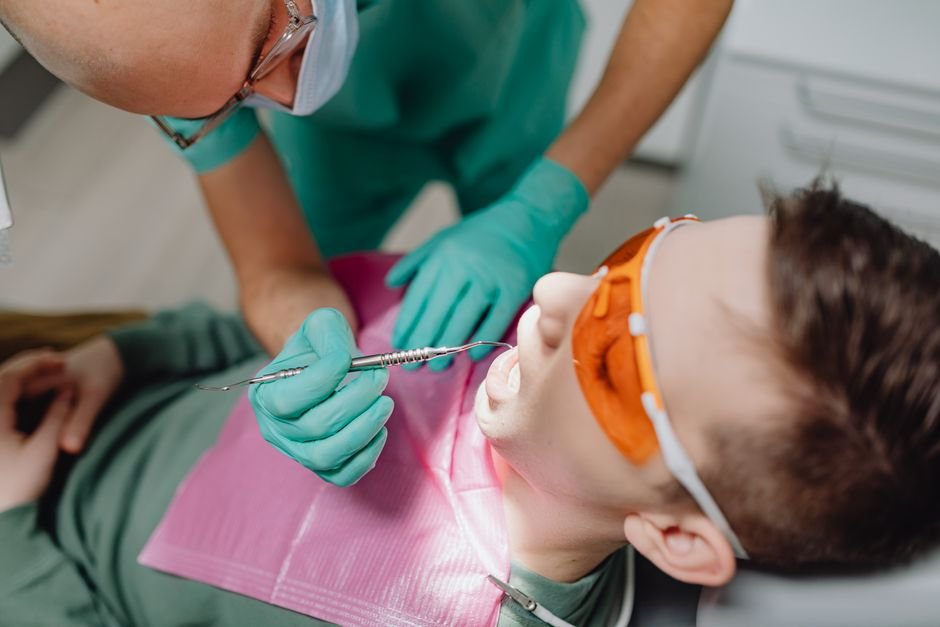
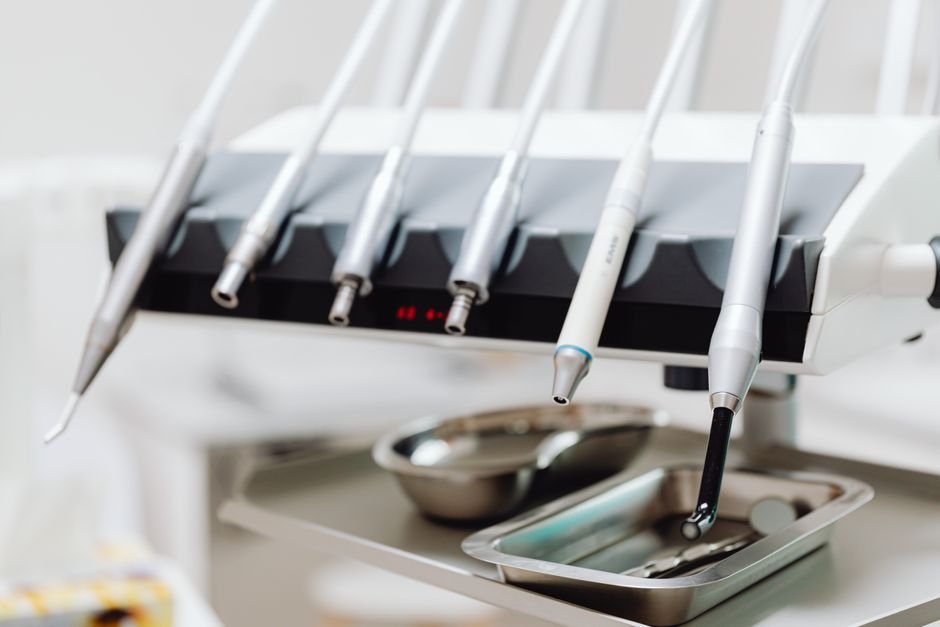
Regular dental visits, generally recommended from around a child’s first birthday or first tooth eruption, allow a dentist to monitor development, catch early signs of decay, and provide guidance tailored to the child’s specific needs. These visits also give parents an opportunity to ask questions about habits such as thumb sucking, diet, or brushing technique.
Beyond the clinical benefits, early and regular dental visits help children build familiarity and comfort with the dental environment, reducing the likelihood of dental anxiety developing later in childhood. A positive early experience with dental visits can have lasting benefits for how comfortable a child feels about ongoing dental care throughout their life.
Frequent snacking on sugary or starchy foods gives decay-causing bacteria repeated opportunities to produce acid that wears down the enamel on baby teeth, which can be thinner and more vulnerable than the enamel on permanent teeth. Limiting how often young children graze on sweet snacks or sipped sugary drinks throughout the day can meaningfully reduce their risk of early decay.
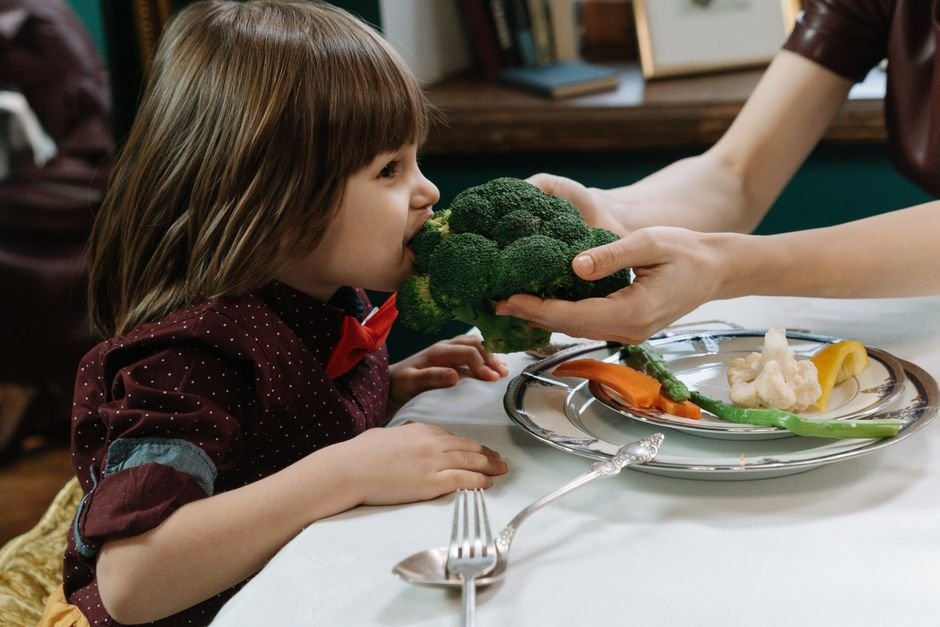
Offering a varied diet with plenty of vegetables, dairy, and water alongside occasional treats, rather than constant small snacks, supports both general nutrition and dental health together. Encouraging water as the main drink between meals, rather than juice or flavoured milk, is a simple habit that supports healthier baby teeth over time.
Most children begin losing their baby teeth around the age of six, though this can vary somewhat from child to child. The process typically continues gradually over several years as permanent teeth emerge to replace each baby tooth in a fairly predictable sequence.
Yes, even if a baby tooth is expected to fall out relatively soon, untreated decay can cause pain, infection, and potentially affect the developing permanent tooth beneath it. A dentist can advise on the most appropriate treatment based on how much longer the tooth is expected to remain in place.
Yes, cavities can develop from various carbohydrate-containing foods, not just obvious sugary snacks, and factors such as brushing consistency and saliva flow also play a role. Regular brushing and dental checkups remain important regardless of a child’s specific diet.
Yes, a chipped or injured baby tooth should be assessed by a dentist, even if it does not appear to be causing pain, since underlying damage can sometimes affect the tooth’s nerve or the developing permanent tooth beneath it. Prompt assessment helps ensure any necessary treatment is provided early.
Starting dental visits early, before any problems arise, helps children build a positive association with the dental environment rather than only visiting when something hurts. Speaking about visits in calm, neutral language and choosing a dentist experienced with young children can also help ease any apprehension.

What and when a family eats together has a surprisingly direct effect on children’s dental health, since mealtime patterns often

Children are far more likely to stick with good oral care habits when they see parents practising the same routines
Most dentists recommend a child’s first dental visit by their first birthday, or within six months of their first tooth
 English