





































Building consistent oral care routines across a busy household depends less on willpower and more on designing systems that keep working even when energy, time, and attention are limited. Households with multiple caregivers, shifting schedules, or several children of different ages often struggle with consistency not because anyone lacks commitment, but because the routine was never built to survive the household’s actual complexity. Treating consistency as a design problem, rather than a discipline problem, changes what solutions actually look like.
Key takeaways
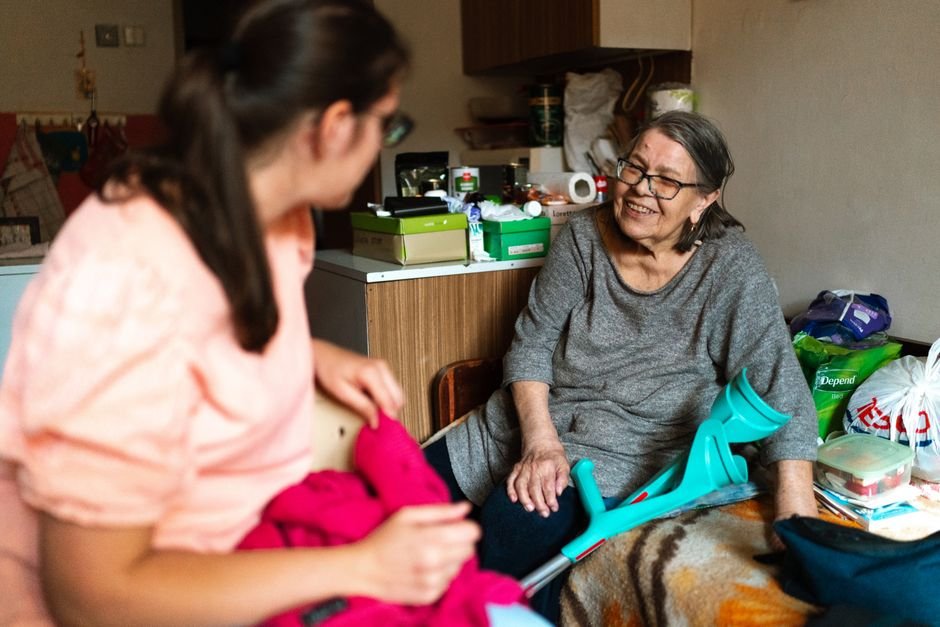
The more people involved in a household, and the more moving parts in a daily schedule, the more points of failure exist for any single routine. A routine that depends on one specific person remembering to prompt it, at one specific time, is fragile in a household where schedules vary day to day or where multiple caregivers share responsibility.
Recognising this fragility is the first step toward building something more resilient. Rather than assuming the routine failed because someone was not disciplined enough, it is often more accurate to say the routine had too few built-in safeguards for a household with this much daily variability.
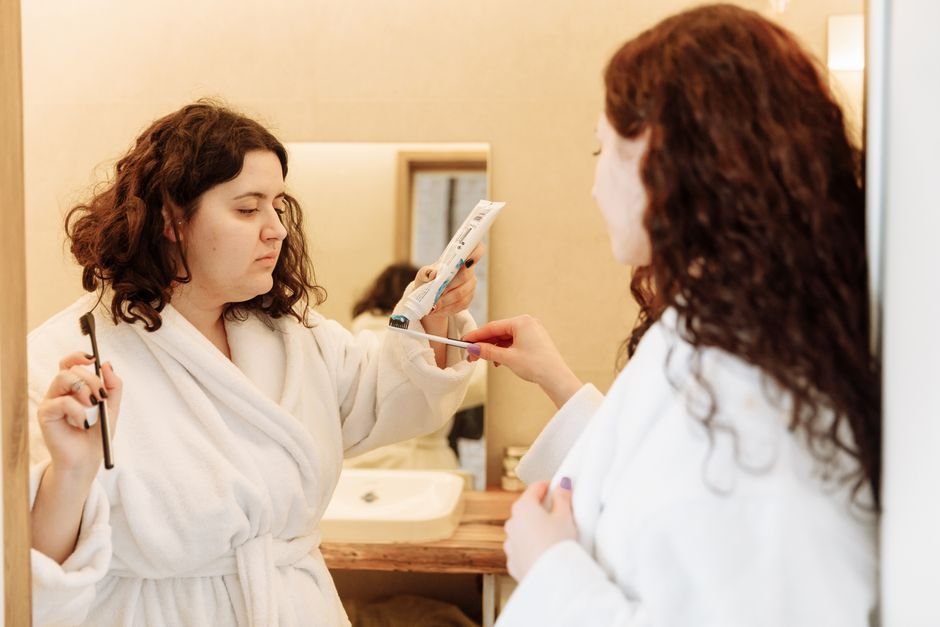
In households where more than one adult shares responsibility for children’s oral care, whether co-parents, grandparents, or other regular caregivers, misalignment about when and how the routine happens is a common source of inconsistency. One caregiver following a routine strictly while another treats it loosely creates confusion for children about what is actually expected.
A brief, explicit conversation about the specific routine, including timing and technique, helps every caregiver reinforce the same expectations. This alignment matters more than any single caregiver’s individual effort, since children quickly learn which adults will let a skipped session slide and adjust their own consistency accordingly.
A simple shared system, whether a chart on the refrigerator or a quick note in a family group chat, gives every caregiver visibility into whether the routine actually happened that day. Without this visibility, it is easy for each caregiver to assume someone else handled it, leading to missed sessions that go unnoticed until they become a pattern.
This kind of light tracking does not need to be formal or elaborate to be effective. Its main value is simply making the routine visible enough that gaps are noticed quickly, rather than only becoming apparent weeks later during a dental checkup.
Even well-designed routines will occasionally be missed, whether due to illness, travel, or simply an overwhelming day. Households that treat a missed day as a single data point, rather than evidence the whole routine has failed, tend to recover faster and maintain consistency over the longer term.
Having a simple, low-effort fallback version of the routine for particularly difficult days, such as a quick brush without the full sequence, prevents an all-or-nothing mindset from turning one missed session into a longer lapse. The goal is always to return to the normal routine as soon as possible, not to achieve a perfect unbroken streak.
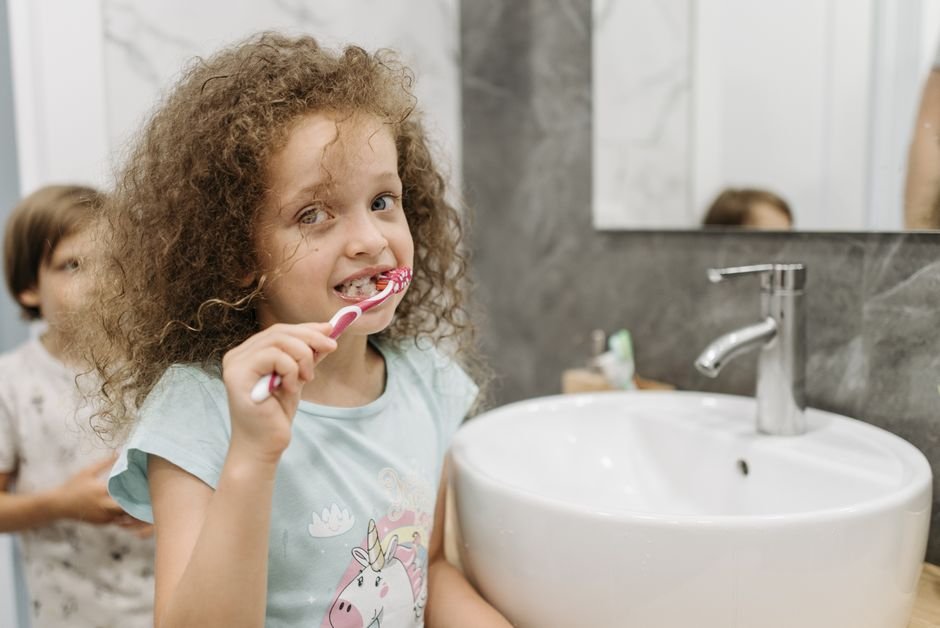
A single rigid routine applied identically to every family member often fits no one particularly well. Younger children need more hands-on guidance, teenagers often need autonomy paired with occasional accountability, and adults may have their own preferences around timing and technique that differ from what works for their children.
Building some flexibility into the routine to reflect these differences, while keeping the core elements of brushing twice daily and flossing consistent, tends to produce better long-term adherence than insisting on one uniform approach that fights against each person’s actual habits and preferences.
The physical layout of where oral care happens can meaningfully affect consistency. Bathrooms that are cramped, poorly stocked, or shared by too many people at once during peak times can create enough friction to discourage a thorough routine, especially during busy mornings or evenings.
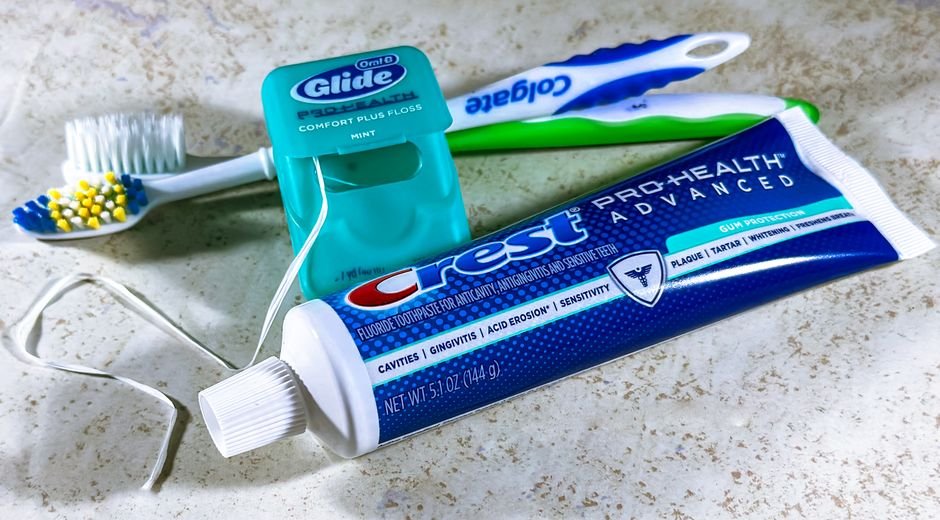
Simple changes, such as ensuring each family member has their own accessible supplies, or staggering bathroom use slightly to avoid bottlenecks, remove physical obstacles that otherwise compound the scheduling pressure already present in a busy household. Small environmental adjustments often produce outsized improvements in consistency.
Occasional, low-pressure check-ins about how the routine is going, particularly with children old enough to participate in the conversation, help reinforce that oral care is a shared household priority rather than a background chore. These conversations do not need to be formal or frequent to be effective.
Acknowledging when a routine has gone well over a period of time, rather than only addressing it when something goes wrong, helps sustain motivation across the household. Positive reinforcement, even briefly mentioned, tends to support consistency more effectively than only correcting lapses after they happen.
Simple tools, such as a phone reminder set at a consistent time or a basic timer used during brushing, can support consistency without requiring a household to adopt an elaborate system. The goal of any technology used here should be to reduce friction, not add another task to remember.
Households that try to adopt too many tracking apps, charts, and reminder systems at once often abandon all of them within a few weeks. Choosing one simple tool that fits naturally into the existing routine tends to be more sustainable than a more comprehensive system that requires ongoing maintenance.
If a household has tried several adjustments and still struggles with consistency, it may be worth discussing the pattern with a dentist, who can offer perspective on which parts of the routine matter most if full consistency is not realistically achievable every single day. Some elements, such as fluoride exposure at least once daily, carry more weight than others.
This kind of prioritisation can relieve pressure on households that feel like they are failing at an all-or-nothing standard, replacing it with a more realistic understanding of which parts of the routine deliver the most protective benefit even on imperfect weeks.
School terms, holidays, and shifting daylight hours can all disrupt an established routine, since the anchors a household relies on, such as a fixed school morning schedule, are not present during breaks or seasonal transitions. Anticipating these shifts in advance, rather than being caught off guard by them, makes it easier to adapt without losing consistency entirely.
Some households find it useful to identify a backup anchor for these periods ahead of time, such as tying the routine to breakfast regardless of whether it is a school day or not. This kind of forward planning reduces the number of days where the routine has to be reinvented on the spot.
A brief, direct conversation about expected timing and technique, ideally revisited occasionally, helps ensure every caregiver reinforces the same standard rather than allowing inconsistency between different adults in the household.
Yes, even simple tracking increases visibility, which helps households notice missed sessions before they become a pattern rather than discovering gaps only much later.
Simply resume the normal routine as soon as possible. Treating a missed day as an isolated event rather than a failure prevents a single lapse from turning into a longer break in the routine.
Not necessarily. Core elements like brushing twice daily should remain consistent, but timing and technique can reasonably flex to fit each person’s age and preferences without undermining overall consistency.
A single simple tool, such as one reminder or timer, can help. Adopting too many tracking systems at once often backfires, since households tend to abandon overly complex systems within a few weeks.

What and when a family eats together has a surprisingly direct effect on children’s dental health, since mealtime patterns often

Children are far more likely to stick with good oral care habits when they see parents practising the same routines
Most dentists recommend a child’s first dental visit by their first birthday, or within six months of their first tooth
 English