





































A first loose tooth is a normal part of growing up, and the best approach is to let it loosen and fall out on its own rather than forcing it. Gentle wiggling with clean hands or the tongue can help the process along once a tooth is genuinely ready, but pulling a tooth that still feels firmly attached can cause unnecessary pain or damage to the gum. Most baby teeth loosen gradually over days or weeks as the permanent tooth beneath pushes the root out of place, and a calm, patient approach usually works best for both the tooth and the child.
Key takeaways
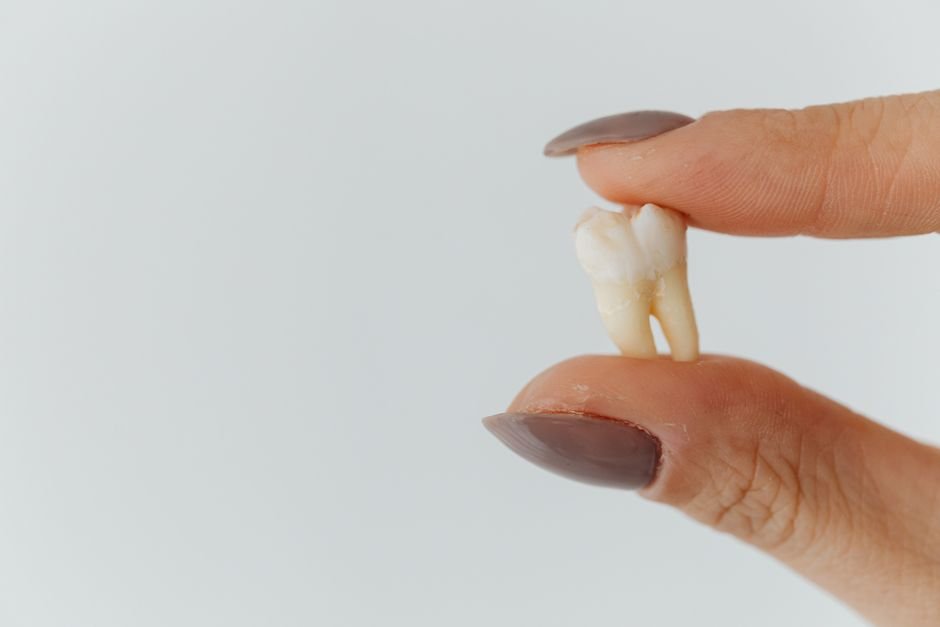
A tooth that is genuinely ready to fall out will usually feel noticeably loose, moving visibly at the base when touched gently, and often causes little to no discomfort. Children may mention it feels “wobbly” or that they can move it with their tongue. This looseness develops gradually as the root of the baby tooth is reabsorbed by the body, making way for the permanent tooth developing underneath.
A tooth that only shifts very slightly, or that causes noticeable pain when touched, is likely not ready yet, even if it looks a little loose. In these cases, it is best to leave the tooth alone and let the natural process continue rather than encouraging a child to keep testing or wiggling it before it is ready.
In most cases, a tooth that is ready to come out will do so with very little help, sometimes falling out while eating or brushing without anyone noticing beforehand. If a child wants some encouragement, gentle wiggling with clean fingers or a soft tissue is generally fine, provided the tooth is already quite loose and the action causes no real pain.
It is best to avoid forcefully pulling a tooth that still has any firm attachment remaining, since this can tear surrounding gum tissue or leave part of the root behind. If a tooth feels only slightly loose and a child is keen to remove it, gentle patience over several more days is usually the more comfortable option than a forced attempt.
Once a tooth comes out, some light bleeding from the empty socket is completely normal and usually stops within a few minutes on its own. A clean piece of gauze or a soft cloth held gently against the area, with light pressure, can help the bleeding settle more quickly if needed. Most children feel little more than mild sensitivity once the tooth has actually separated.
Encouraging a child to avoid poking the socket with their tongue or fingers straight away can help it settle undisturbed. Cool water or a cold, soft food can be soothing in the following hour or two if the area feels a little tender, though most children are comfortable again within a short time.
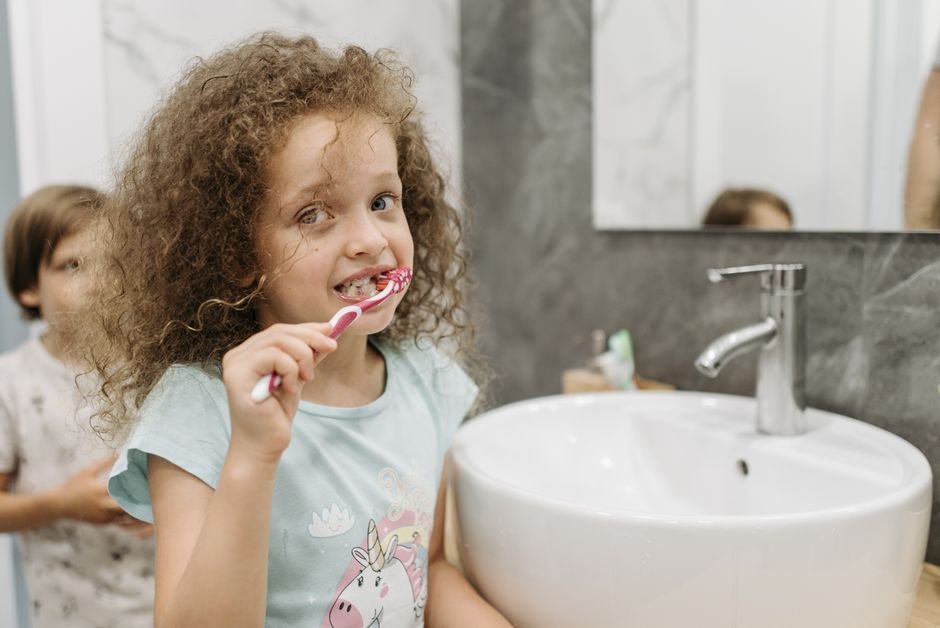
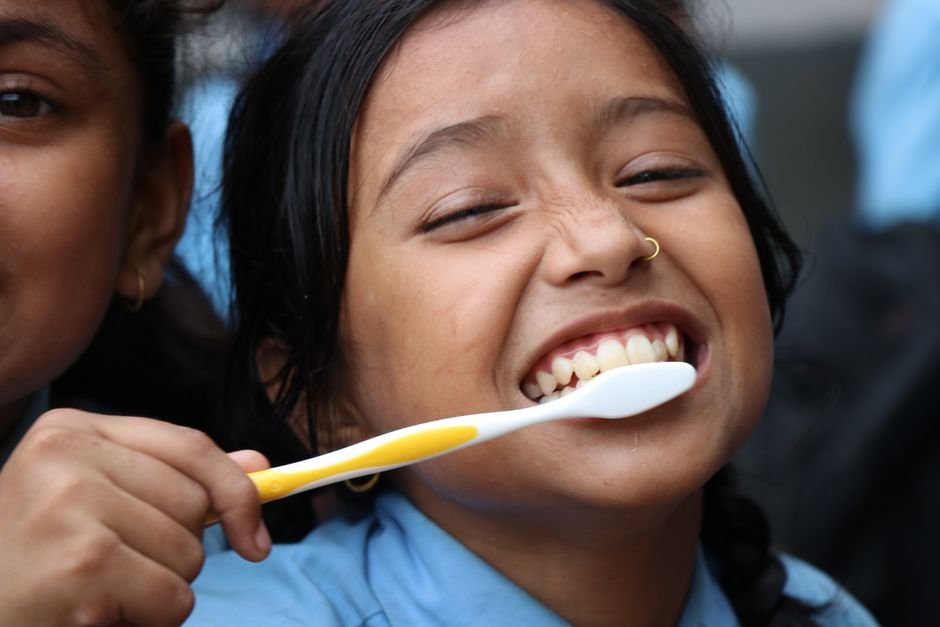
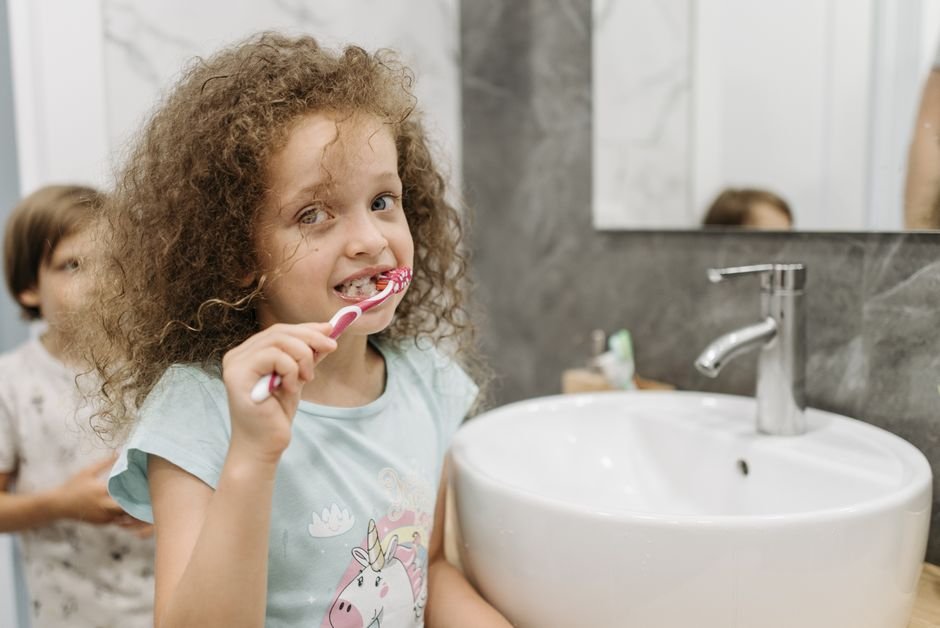
There is generally no need to avoid brushing near a loose tooth, and continuing normal oral hygiene is important for keeping the surrounding gums healthy while the tooth prepares to fall out. Brushing can simply be done a little more gently around the area if the tooth is sensitive, using slow, light strokes rather than firm pressure directly on it.
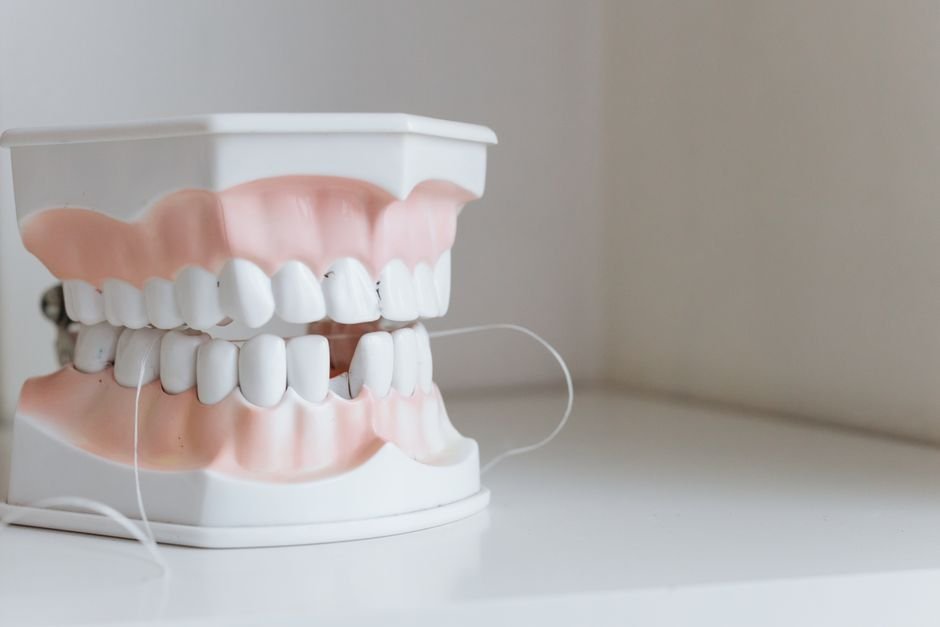
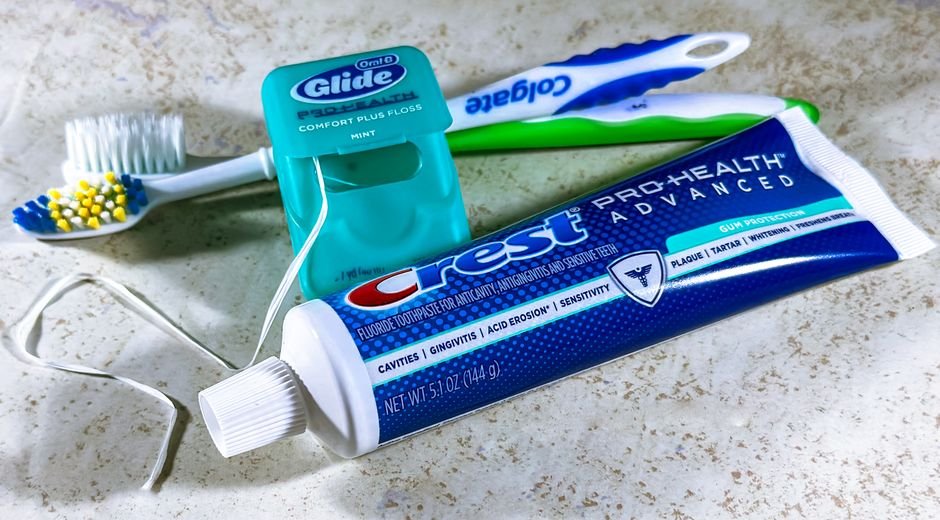
Flossing near a loose tooth is usually fine too, as long as it is done carefully and without tugging at the loose tooth itself. Maintaining these habits through the whole process helps prevent food and plaque from building up around the loosening tooth and keeps the gum tissue in good condition for the new tooth arriving underneath.
A small amount of discomfort as a tooth loosens, along with brief, light bleeding once it falls out, is a normal and expected part of the process for most children. The gum tissue naturally adjusts as the tooth separates, and this rarely causes more than mild, short-lived sensitivity that settles quickly without any specific treatment.
Bleeding that continues heavily well beyond a few minutes, or pain that seems out of proportion to a simple loose tooth, is less typical and worth keeping an eye on. In most everyday cases, though, a little redness or tenderness around the socket for a day or so is simply part of a tooth naturally finding its way out.
A first loose tooth is often an exciting milestone for children, and treating it that way can help ease any nervousness about the sensation of a tooth moving in the mouth. Talking through what is happening in simple terms, explaining that a new tooth is on its way underneath, can help a child feel curious rather than worried about the process.
Letting children take an active but gentle role, such as checking how wobbly the tooth feels each day, often builds confidence and reduces anxiety about eventually losing it. Celebrating the moment once the tooth finally comes out, in whatever small way suits the family, tends to leave children looking forward to the next one rather than dreading it.
From the first sign of looseness to the tooth actually falling out, the process can take anywhere from a few days to several weeks, and this variation is entirely normal. Some teeth loosen quickly and fall out with barely any noticeable stage in between, while others take their time, gradually becoming looser over a longer stretch before finally separating.
There is rarely any benefit in trying to speed this timeline up artificially. The root needs time to fully reabsorb before the tooth is ready to detach cleanly, and rushing the process by forcing a tooth out early can lead to more discomfort and bleeding than simply allowing it to finish naturally.
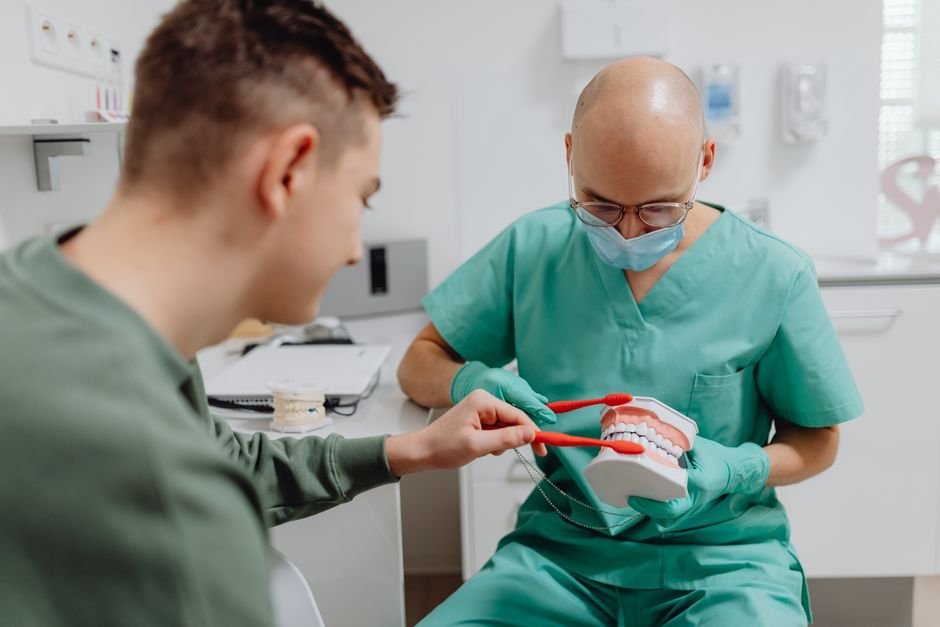
Most loose baby teeth need no professional involvement at all and resolve entirely on their own. However, a few situations are worth having checked, including a tooth that remains only slightly loose without progressing for many weeks, a tooth that becomes loose following an injury rather than natural development, or persistent pain and swelling around the area that does not settle.
It is also worth mentioning a loose tooth at a routine dental visit if a permanent tooth appears to be emerging behind it before the baby tooth has come out, sometimes described as a double row of teeth. This is common and often resolves itself, but a dental professional can offer reassurance and guidance if a parent is unsure.
Once a tooth has fallen out, the empty socket generally heals on its own within a short period, and the permanent tooth typically begins to appear in the following weeks or months depending on which tooth was lost. Keeping the area clean through normal brushing supports this healing process without requiring any special care beyond good everyday hygiene.
If a permanent tooth seems slow to appear, or the gap looks unusual in any way, mentioning it at the next routine check-up is a sensible step rather than a cause for immediate worry. In the vast majority of cases, the new tooth arrives in its own time and the gap simply becomes part of a familiar childhood stage that passes quickly.
Yes, allowing a tooth to fall out naturally is generally the safest approach, since the body reabsorbs the root gradually and the tooth separates cleanly once it is truly ready.
This is a common and generally harmless occurrence, as the small tooth simply passes through the digestive system without causing any issues in almost all cases.
Yes, a tooth that becomes loose suddenly after a bump or fall is different from natural looseness and is worth having checked, since injury-related looseness can affect the tooth’s root or surrounding structures.
Very hard or sticky foods can be uncomfortable on a loose tooth, so softer options may feel easier for a child until the tooth is ready to come out on its own.
This is fairly common, particularly with lower front teeth, and usually resolves as the baby tooth loosens further and falls out, though it can be mentioned at a routine check-up if it persists.

What and when a family eats together has a surprisingly direct effect on children’s dental health, since mealtime patterns often

Children are far more likely to stick with good oral care habits when they see parents practising the same routines
Most dentists recommend a child’s first dental visit by their first birthday, or within six months of their first tooth
 English