

































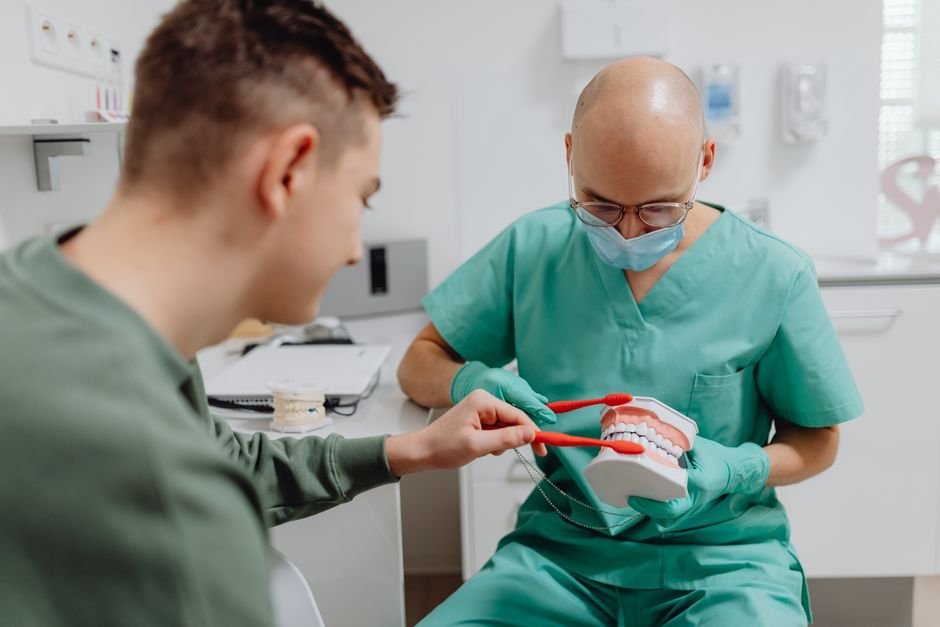




Dental pain and untreated oral health problems can quietly interfere with a child’s ability to concentrate, attend school consistently, and participate fully in classroom activities, even when the connection is not immediately obvious to parents or teachers. Recognising this link helps families understand why consistent dental care is about more than just healthy teeth on its own.
Key takeaways
Dental pain is one of the more commonly recognised causes of preventable school absence among children, since toothaches and related discomfort can be severe enough that a child cannot reasonably focus on schoolwork or sit through a full day. Unlike some other causes of missed school, dental pain is often entirely preventable with regular checkups and timely treatment.
Because dental problems can develop gradually, a child may miss school not from a single acute event but from a pattern of discomfort that builds over time if a developing cavity or other issue goes unaddressed. This makes consistent preventive care particularly valuable, since it aims to catch problems long before they reach a point where pain disrupts a child’s ability to attend school comfortably.
Persistent discomfort, even at a low level, requires a certain amount of mental attention that would otherwise be available for learning and focus. A child dealing with ongoing tooth sensitivity or pain may find it harder to concentrate on lessons, follow instructions, or engage with classroom discussions, simply because part of their attention is occupied by managing discomfort.
This effect can be subtle and easy to miss, since a child experiencing mild, chronic discomfort may not always articulate clearly that something is bothering them, particularly younger children who may not yet have the vocabulary to describe dental pain specifically. Teachers and parents may notice reduced engagement or irritability without immediately connecting it to an underlying dental issue.
Dental pain, particularly from an untreated cavity or infection, can worsen at night and disrupt a child’s sleep, either through direct discomfort or through associated issues like difficulty breathing comfortably. Poor sleep has well-established effects on next-day concentration, mood and learning capacity in children of all ages.
This creates a secondary pathway through which dental issues can affect school performance, separate from daytime pain itself. A child who slept poorly due to nighttime dental discomfort may struggle the following day even if the pain itself feels more manageable during waking hours, making the connection between oral health and academic engagement broader than daytime symptoms alone might suggest.
Dental pain or sensitivity can make chewing certain foods uncomfortable, sometimes leading children to eat less at breakfast or avoid certain foods altogether to prevent triggering discomfort. Reduced or inconsistent eating can affect a child’s energy levels and ability to concentrate during the school day, particularly in the hours before lunch.
Over time, if a child consistently avoids certain foods due to dental discomfort, this can also affect overall nutrition, compounding the impact on both physical wellbeing and classroom engagement. Addressing dental pain promptly helps ensure eating habits remain consistent and supportive of a child’s overall energy and focus throughout the school day.
Beyond physical discomfort, visible dental issues such as significant decay, damaged teeth or noticeable gaps can affect how self-conscious a child feels about smiling, speaking up, or participating in group activities. This self-consciousness can influence classroom participation in ways that are harder to measure but still meaningful to a child’s overall school experience.
Children who feel confident about their smile are often more willing to speak in class, participate in group presentations, and engage socially with classmates without hesitation. While this is a less direct effect than pain-related absence, it reflects another way oral health can quietly shape a child’s day-to-day experience at school.
Routine dental checkups are designed to catch developing issues, such as early cavities or emerging gum concerns, well before they progress to the point of causing pain or discomfort. This preventive approach directly reduces the likelihood of the kind of acute dental pain that leads to missed school days or difficulty concentrating in class.
Checkups also give a dentist the opportunity to apply preventive treatments like sealants or fluoride varnish, which further reduce the chances of a cavity developing between visits. Consistent attendance at these appointments is one of the most effective ways families can reduce the risk of dental issues ever reaching a stage where they interfere with school life.
Parents are often well positioned to notice early behavioural signs that might indicate a developing dental problem, even before a child clearly articulates pain. Reduced interest in certain foods, reluctance to chew on one side of the mouth, increased irritability, or a sudden change in sleep patterns can all be worth paying attention to.
Noticing these signs early and scheduling a dental visit promptly can help address a developing issue before it escalates to the point of causing significant discomfort or disrupting daily routines. Parents do not need to diagnose the specific problem themselves, only to recognise that a pattern of behaviour change might warrant a dental checkup sooner rather than later.
Teachers who are aware of the connection between dental discomfort and classroom engagement are sometimes able to notice patterns in a child’s behaviour that parents might not observe directly, such as reluctance to eat lunch or difficulty concentrating during certain times of day. Open communication between school staff and families can help identify when a dental visit might be worth considering.
Some school health programmes also incorporate basic dental screenings or oral health education, which can help reinforce good habits and catch obvious issues early. While these programmes vary widely in availability, they reflect a broader recognition that oral health and academic environments are more connected than they might initially appear.
Beyond any immediate impact on a specific school day, children who experience frequent dental discomfort may begin to associate dental care itself with negative feelings, potentially making them more reluctant to attend future appointments or maintain consistent hygiene habits. Addressing pain and discomfort promptly helps prevent this negative association from forming.
Establishing consistent, positive experiences with dental care early in a child’s life supports habits that carry forward into adolescence and adulthood. Viewing school performance and oral health as connected reinforces why consistent preventive care matters not just for a single term or school year, but for a child’s broader relationship with their own health over time.
Signs worth watching for include reluctance to eat certain foods, complaints about tooth sensitivity, changes in sleep patterns, or general irritability without an obvious cause. If these patterns appear alongside any of these signs, scheduling a dental checkup is a reasonable next step to rule out an underlying issue.
Most dentists recommend regular checkups roughly twice a year for children, though the ideal frequency can vary based on individual risk factors such as cavity history and current oral hygiene habits. A dentist can provide a more specific recommendation based on a child’s particular needs.
Yes, dental pain or discomfort, particularly from an untreated cavity or infection, can worsen at night and disrupt sleep. Since sleep quality has a well-established effect on next-day concentration and mood, addressing dental pain promptly can indirectly support better sleep and daytime functioning.
If a dental issue is affecting your child’s ability to eat, sleep or concentrate, letting a teacher know can help them understand any related behaviour changes and offer appropriate support in the classroom while the issue is being addressed by a dentist.
Yes, children who feel more comfortable and confident about dental visits are often more likely to attend appointments consistently and communicate discomfort early, both of which help prevent dental issues from progressing to the point of affecting school attendance or performance.

What and when a family eats together has a surprisingly direct effect on children’s dental health, since mealtime patterns often

Children are far more likely to stick with good oral care habits when they see parents practising the same routines
Most dentists recommend a child’s first dental visit by their first birthday, or within six months of their first tooth
 English