























Seasonal changes affect oral health habits mainly through shifts in diet, hydration, daily routine, and even indoor heating and cooling, all of which can subtly influence how consistently a family brushes, flosses, and stays on top of dental checkups throughout the year. Summer holidays disrupt regular schedules, winter brings more hot drinks and comfort food, and each season carries its own small set of habits that either support or quietly undermine oral health. Recognising these patterns makes it easier for a family to stay consistent regardless of what time of year it is.
Key takeaways
Warmer months typically bring more ice cream, cold drinks, popsicles, and sugary snacks, especially for children who are out of their usual school routine and often less supervised around food choices during long summer days. The combination of increased sugar exposure and looser daily structure means brushing and flossing can easily slip, particularly during holidays, camps, or extended time away from home.
Swimming and outdoor activity also mean more frequent snacking to refuel energy, which increases the overall number of times sugar contacts the teeth throughout the day. It is not any single treat that causes the most harm, but the cumulative frequency of sugar exposure across a long summer day that tends to matter most for cavity risk.
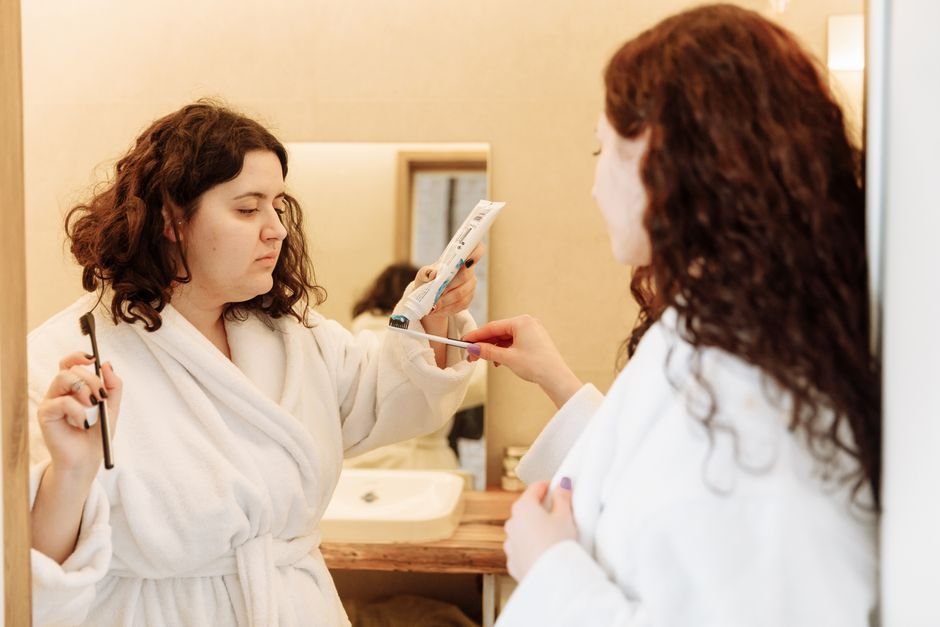
Travel, whether for a summer holiday or a winter break, is one of the most common reasons families report inconsistent brushing and flossing, since normal routines built around a home bathroom and familiar products get interrupted by unfamiliar settings, shared accommodation, or packed schedules. Forgetting a toothbrush, running out of floss, or simply being too exhausted after a long day of travel are all common and understandable lapses.
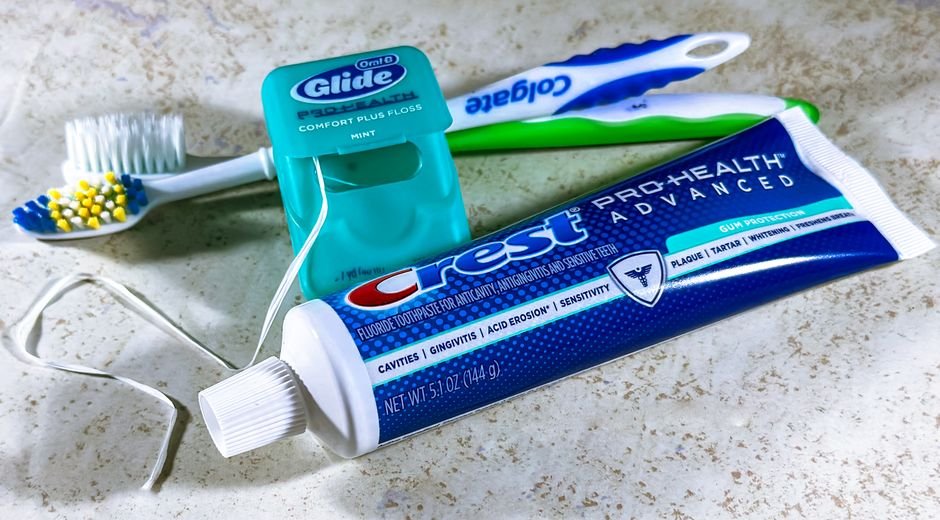
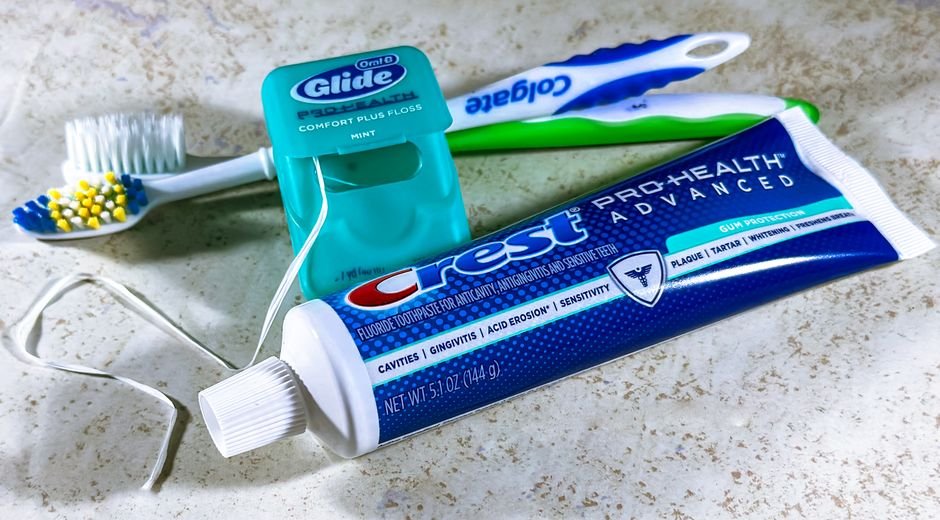
Packing a small, dedicated travel dental kit that stays in a suitcase year-round, rather than relying on remembering to pack bathroom items each trip, removes one of the most common excuses for skipping oral care while away from home. Keeping the routine as close to normal as possible, even in a hotel room or at a relative’s house, helps maintain consistency despite the disruption.
Colder months bring an increase in hot beverages like tea, coffee, and hot chocolate, which can stain teeth over time and, when sweetened, add another regular source of sugar exposure throughout the day. Comfort foods, often richer in starch and sugar, also tend to feature more heavily in winter diets, which can quietly increase the frequency of sugar exposure compared with lighter summer eating patterns.
Indoor heating during winter months also reduces humidity in the air, which can contribute to a drier mouth, particularly overnight. Saliva plays an important protective role in neutralising acid and clearing away food debris, so a drier mouth during winter can leave teeth slightly more vulnerable than during months with more natural humidity.
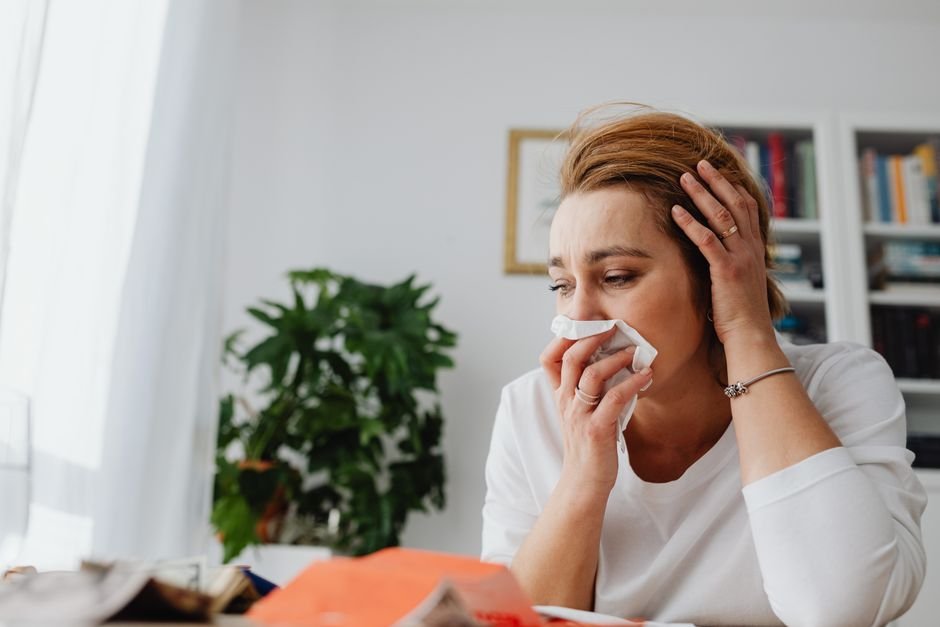
Seasonal allergies, particularly during spring and autumn pollen peaks, often cause nasal congestion that pushes people toward breathing through the mouth rather than the nose, especially overnight during sleep. Mouth breathing dries out the oral tissue considerably faster than nasal breathing, and a consistently dry mouth reduces the natural protective effect saliva normally provides against decay and gum irritation.
Families dealing with seasonal allergies may notice more complaints of dry mouth, bad breath, or mild gum sensitivity during these periods, which is a fairly direct consequence of altered breathing patterns rather than a separate dental issue. Staying well hydrated and, where appropriate, addressing the underlying allergy symptoms can reduce this secondary effect on oral health.
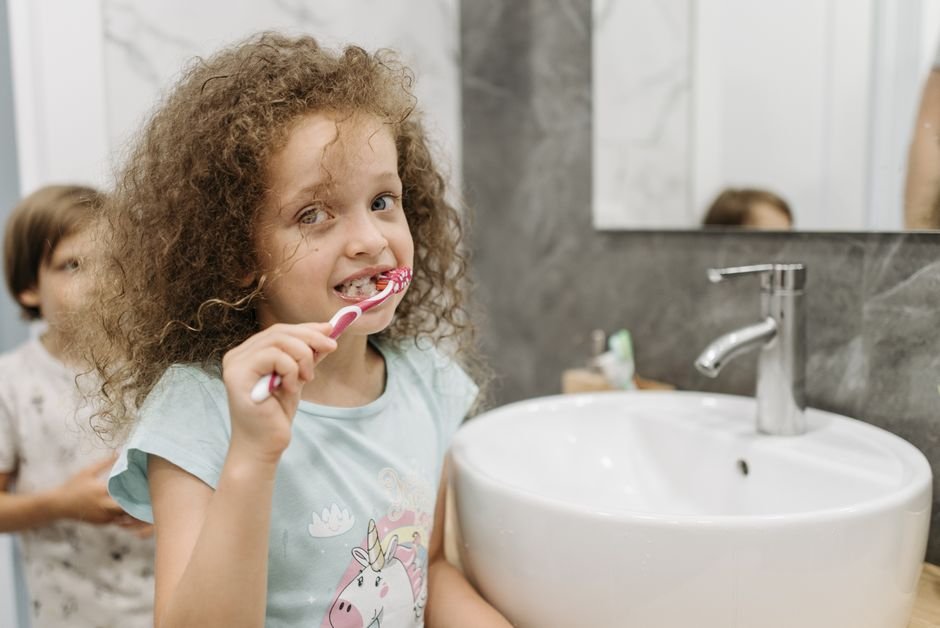
The transition from a loose summer schedule back into a structured school routine is actually a helpful reset point for many families, since it naturally reintroduces fixed wake and bedtime routines that make consistent brushing easier to maintain. This seasonal shift is also a practical time to schedule routine dental checkups, since school-related paperwork and health requirements often prompt families to book appointments they may have otherwise delayed.
Packed school lunches also shift snacking patterns compared with the free-grazing habits common during summer break, which can be an opportunity to build in tooth-friendly choices like cheese, vegetables, or water instead of juice, alongside whatever treats are included. This seasonal transition is a natural moment to reset habits that may have slipped over the summer months.
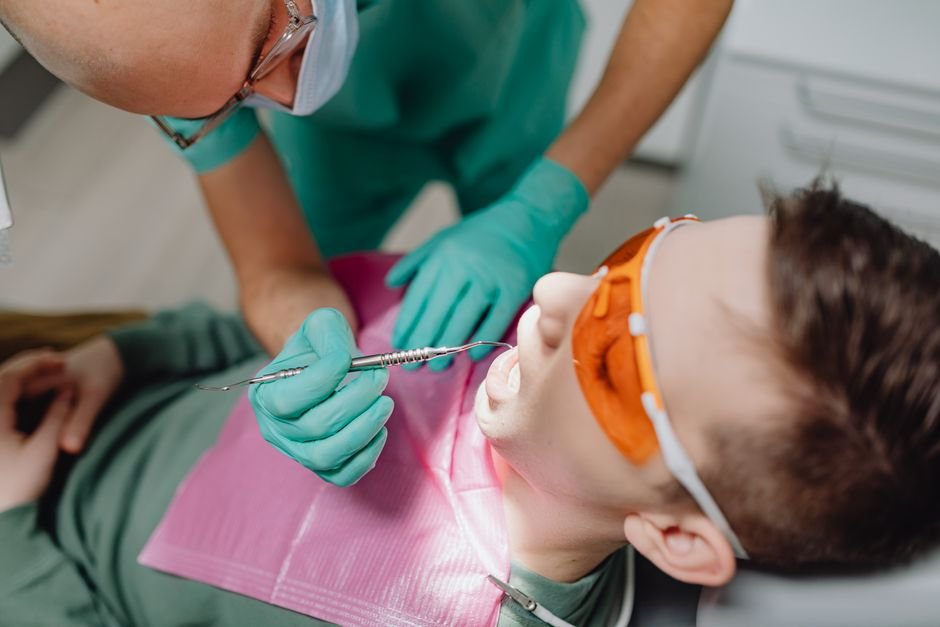
Routine dental checkups often see a seasonal dip during the busiest holiday periods and peak summer travel weeks, simply because families are occupied with other commitments and view a non-urgent checkup as something that can wait. This pattern is understandable, but it can mean gaps of six months stretching closer to nine or ten months between visits, which reduces the chance of catching small issues early.
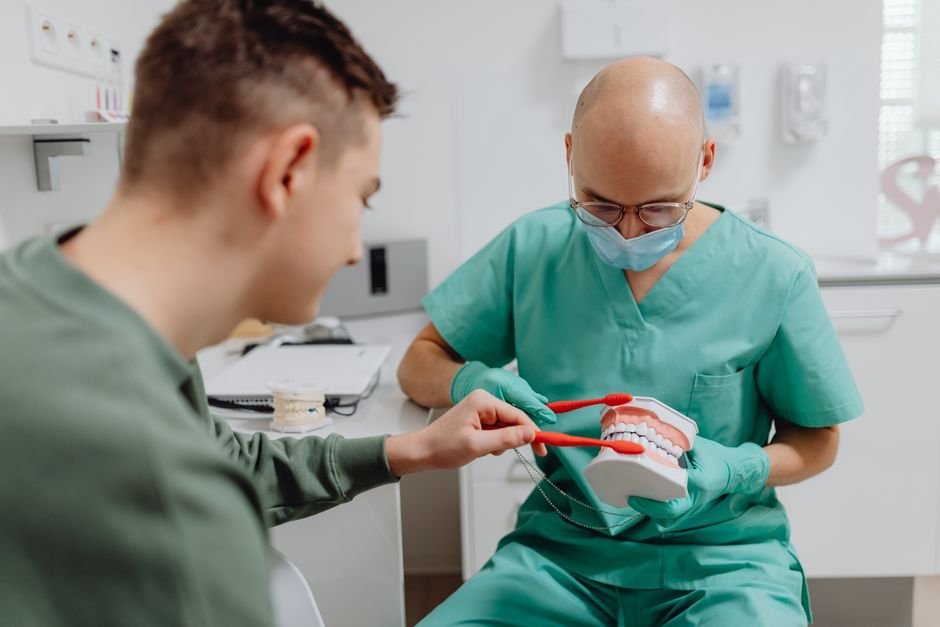
Scheduling the next appointment before leaving the current one, rather than waiting to book around a busy season, is one of the simplest ways families keep checkups on a consistent schedule regardless of what else is happening that time of year.
Shorter, darker days during autumn and winter can affect general energy levels and motivation for many people, and oral care routines are not immune to this seasonal dip, particularly evening brushing when tiredness sets in earlier than during long summer evenings. Conversely, longer summer days can push bedtime routines later, sometimes at the cost of a thorough evening brushing session before eventually falling asleep.
Anchoring the routine to a fixed action rather than a specific time of day, such as always brushing immediately after getting into pyjamas, helps keep the habit consistent even as daylight hours and general energy levels shift across the year.
Keeping a stocked travel dental kit ready for holidays, scheduling the next checkup before leaving the current appointment, and being mindful of the specific seasonal habits that tend to creep in, whether that is extra summer treats or extra winter hot drinks, are all practical ways to stay ahead of the patterns each season brings. None of these adjustments require an elaborate new system, just an awareness of where routines tend to slip at particular times of year.
Families that treat oral care as a year-round constant, adjusted slightly for the season rather than abandoned during holidays or busy periods, tend to maintain far more consistent habits than those who let the routine simply follow whatever the season’s schedule happens to allow.
A short seasonal check-in, done at the start of each season, can help a family notice where habits are likely to slip before the season is even underway. This might mean restocking a travel dental kit before a summer trip, checking that everyone has a fresh toothbrush before the school term starts, or simply having a brief conversation about swapping sugary winter drinks for a lower-sugar alternative on most days.
This kind of light, proactive planning takes only a few minutes but tends to prevent the larger habit slips that are much harder to correct once a season is already underway and old patterns have settled back in. Treating each seasonal shift as a small planning opportunity, rather than reacting to problems after they appear, keeps the family’s oral care routine steady throughout the year.
Yes, indoor heating reduces humidity and can contribute to a drier mouth, particularly overnight, which reduces the natural protective effect saliva normally provides against decay and irritation.
Looser daily structure, more supervision gaps, and increased access to sugary snacks and drinks during summer holidays are the main contributing factors to inconsistent brushing and flossing.
Yes, allergy-related nasal congestion often leads to mouth breathing, which dries out the mouth and can contribute to bad breath, since saliva plays a key role in controlling odour-causing bacteria.
The core routine of brushing twice daily and flossing once daily should stay consistent year-round, though being mindful of seasonal snacking or drink patterns can help offset added sugar or dryness risks.
Busy schedules and competing priorities during holiday periods often push non-urgent appointments to the back of the list, which is why booking the next checkup in advance helps maintain a consistent schedule.

What and when a family eats together has a surprisingly direct effect on children’s dental health, since mealtime patterns often

Children are far more likely to stick with good oral care habits when they see parents practising the same routines
Most dentists recommend a child’s first dental visit by their first birthday, or within six months of their first tooth
 English