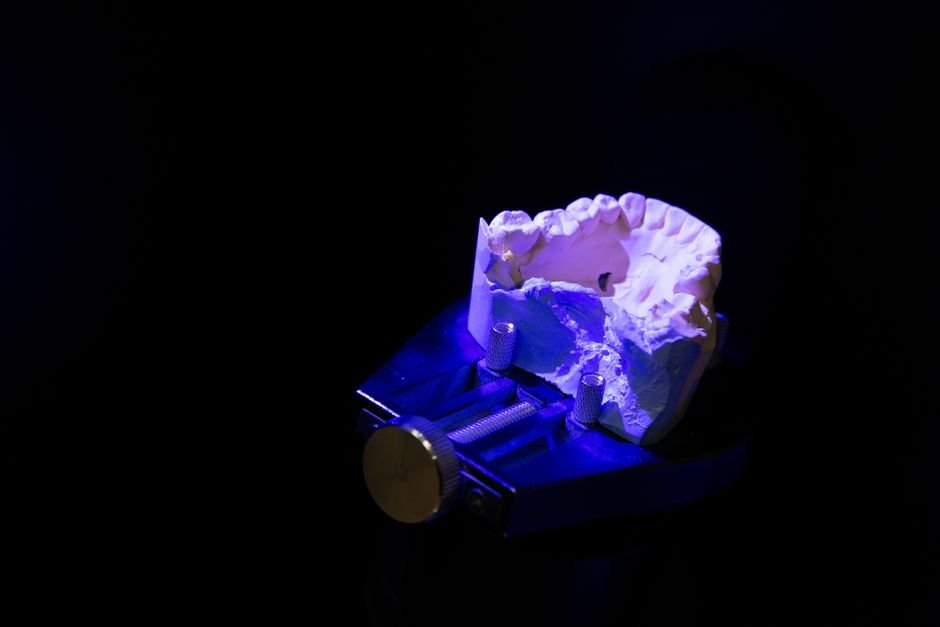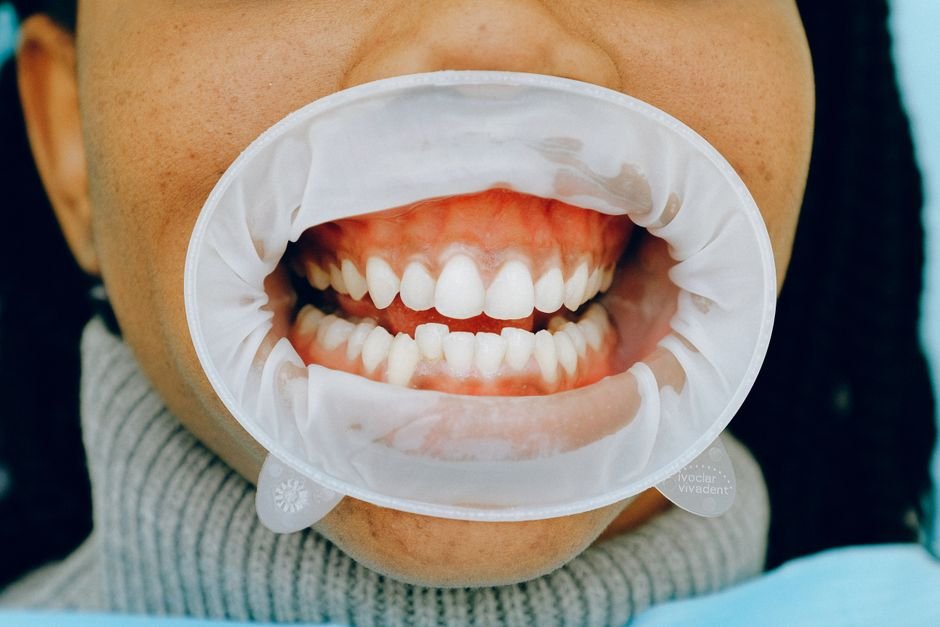

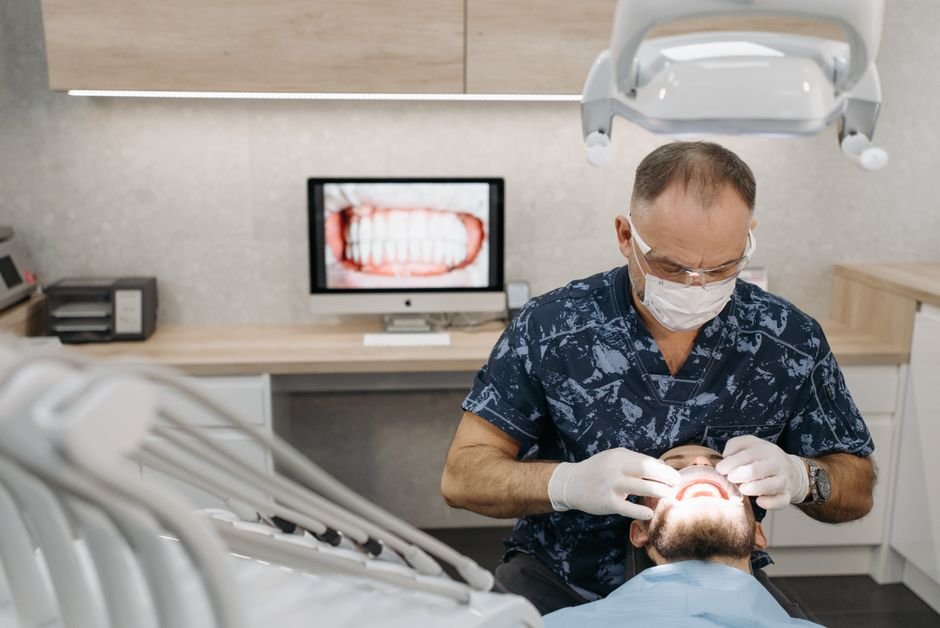



















Digital impressions are 3D scans of the teeth and gums, captured with a small handheld scanner instead of the traditional putty-filled tray, and they give orthodontic teams an accurate, instantly viewable model to plan treatment around. Rather than biting into a tray of impression material and waiting for it to set, the patient simply has the scanner passed gently over their teeth, and a detailed digital model appears on a screen within minutes, ready for analysis, treatment simulation, and appliance design.
Key takeaways
A digital scanner works by projecting light, often a structured pattern or laser, onto the surface of the teeth and gums, then capturing thousands of individual images per second as it moves around the mouth. Specialised software stitches these images together in real time, gradually building a highly detailed three-dimensional surface model that shows the shape, position, and contours of every tooth, including areas below the gumline where visible.
Because the model is generated instantly, the operator can see on screen exactly which areas have been captured and which still need attention, reducing the chance of missing a section that would otherwise only be discovered after a traditional impression had already set and been removed. This immediate feedback is one of the more practical advantages of the digital approach during a busy clinical appointment.
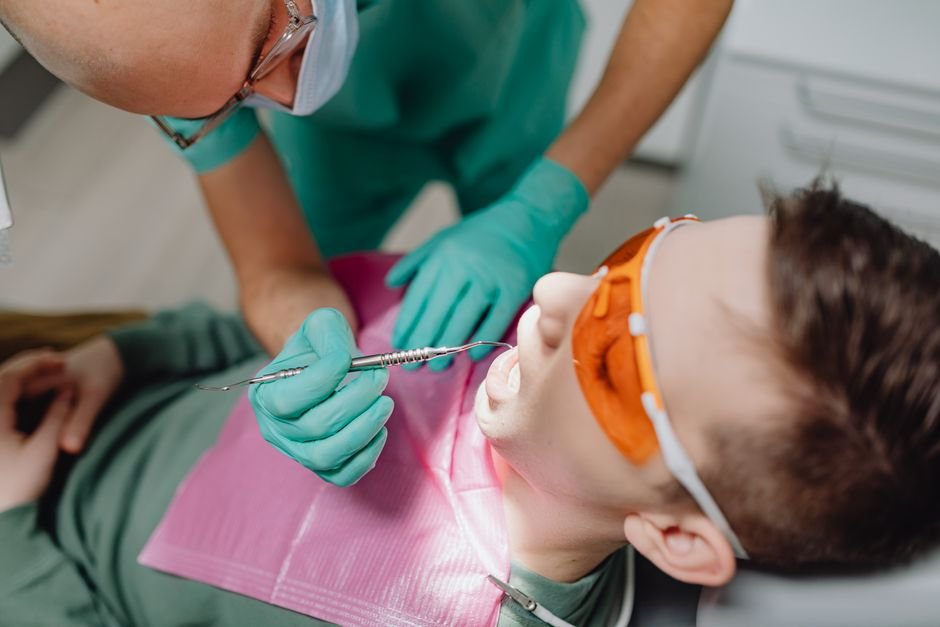
Traditional impressions require biting into a tray filled with a thick putty-like material that must sit in the mouth for several minutes while it sets, which some patients, particularly children or those with a sensitive gag reflex, find genuinely unpleasant. The taste, texture, and pressure of the tray can make the experience stressful, and if the patient moves during setting, the impression may need to be redone entirely.
Digital scanning avoids nearly all of these issues because there is no material placed in the mouth and no extended waiting period. The scanner wand is simply guided around the teeth, and short breaks can be taken at any point without ruining the process, since the software retains everything already captured. This makes the appointment noticeably more comfortable, especially for younger patients or anyone scanning for the first time.
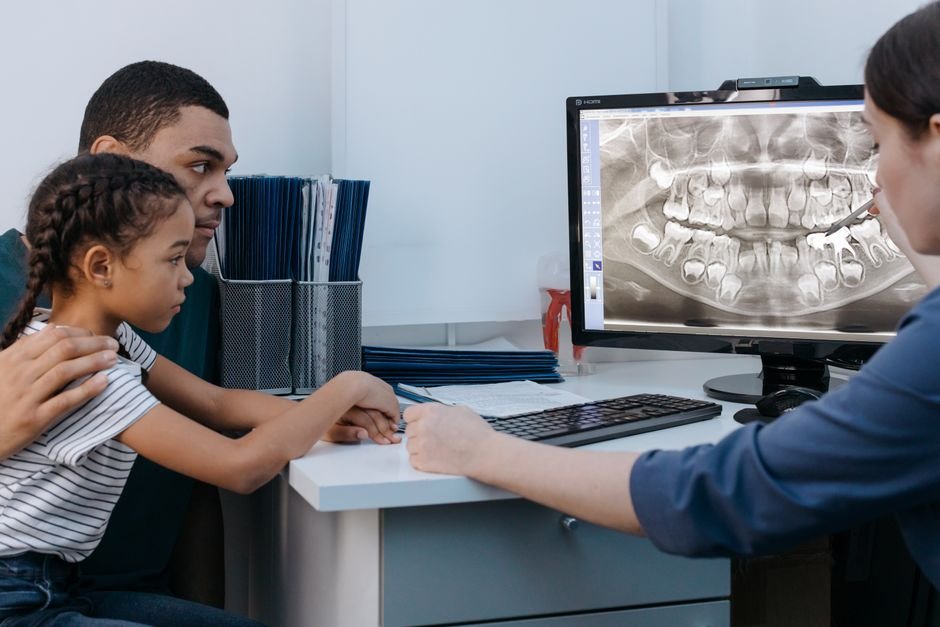
Once a digital model has been captured, it can be viewed from any angle, measured with precision, and used within specialised software to simulate how teeth might move over the course of treatment. This gives the orthodontic team a clear, data-driven basis for deciding on an appropriate treatment approach, whether that involves aligners, fixed braces, or other appliances, based on the individual’s specific bite and alignment.
Because the model exists digitally, it can also be used to generate a visual preview of the expected outcome, giving patients a general sense of how their smile may change over the course of treatment. While this preview is a planning tool rather than a guarantee of the exact final result, it helps patients understand the reasoning behind a proposed treatment plan before it begins.
Modern digital scanners are generally considered highly accurate for orthodontic purposes, and in many cases they capture fine details, such as the precise contours of individual teeth, more consistently than traditional putty impressions, which can distort slightly during removal or if the material is disturbed before it fully sets. This consistency is particularly valuable for orthodontic appliances that must fit precisely against the teeth.
That said, accuracy still depends on factors such as scanner calibration, the technique of the person operating it, and how well the patient’s teeth and gums can be accessed during scanning, for example around areas affected by heavy saliva, movement, or limited mouth opening. Well-maintained equipment and an experienced operator help ensure the resulting model reflects the mouth as closely as possible.
Once captured, a digital scan is stored electronically and can be reviewed on screen, measured, and manipulated in ways a physical mould cannot easily replicate. It can also be sent electronically to a dental laboratory or appliance manufacturer, which removes the delay and risk associated with physically shipping a fragile plaster or putty model that could be damaged or distorted in transit.
Digital files can additionally be archived and referred back to later, allowing an orthodontic team to compare a patient’s current tooth positions against an earlier scan to track progress objectively over time. This kind of side-by-side comparison would be considerably more cumbersome, and less precise, using a series of physical models stored on a shelf.
Yes, one of the practical benefits of digital scanning is that it can be repeated at intervals throughout treatment without discomfort, allowing the orthodontic team to objectively measure how much movement has occurred compared with the original plan. This is particularly useful for treatments involving a series of custom appliances, where each new stage depends on an accurate picture of the current tooth positions.
Regular scans also make it easier to identify early if teeth are not moving as expected, allowing adjustments to the treatment plan to be made sooner rather than later. This kind of ongoing monitoring, supported by objective digital data rather than visual impression alone, contributes to a more responsive and closely managed treatment process overall.
Many modern orthodontic appliances, including certain aligners and retainers, are designed and manufactured directly from a digital model rather than a physical cast. Because the digital file contains exact measurements of tooth shape and position, manufacturers can produce appliances that fit closely against the teeth from the very first attempt, which can reduce the number of adjustment visits needed after an appliance is fitted.
This digital-to-manufacturing pathway also allows for a level of customisation that would be difficult to achieve consistently with traditional methods, since software can account for subtle variations in tooth shape and alignment across the full arch. The result is generally a more predictable fit, which supports both comfort and the effectiveness of the appliance in guiding tooth movement as intended.
A typical digital impression appointment begins with the teeth being dried and, if necessary, gently isolated from saliva to improve scanning accuracy. The operator then guides the scanning wand around the upper and lower teeth in a systematic pattern, pausing briefly if an area needs to be recaptured. Most full-mouth scans are completed within a matter of minutes, considerably faster than waiting for traditional impression material to set.
Patients are typically able to see the model being built on a nearby screen as the scan progresses, which many find reassuring and genuinely interesting to watch. There is no unpleasant taste or texture involved, and because the process does not rely on a fixed setting time, patients who need brief pauses, such as young children, can generally be accommodated without compromising the final result.
A digital impression is a 3D scan of the teeth and gums captured with a handheld scanner, producing an accurate digital model used for orthodontic diagnosis, treatment planning, and appliance design, in place of a traditional putty mould.
Most patients find digital scanning considerably more comfortable than traditional impressions, since there is no putty material, no extended setting time, and no pressure from a tray. The scanner wand is simply moved around the teeth, and brief pauses can be taken if needed.
A full set of digital impressions for both the upper and lower teeth typically takes only a few minutes to complete, depending on how easily the scanner can access all tooth surfaces and how cooperative the patient is able to be during the appointment.
Yes, digital scanning is often well suited to children because it avoids the gag reflex and discomfort sometimes associated with traditional impression trays. The process can also be paused and resumed as needed, which helps when working with younger or more anxious patients.
Digital models are generally stored electronically and can be retained for future reference, allowing an orthodontic team to compare tooth positions over time or refer back to earlier records without needing to keep a physical plaster model in storage.

What and when a family eats together has a surprisingly direct effect on children’s dental health, since mealtime patterns often

Children are far more likely to stick with good oral care habits when they see parents practising the same routines
Most dentists recommend a child’s first dental visit by their first birthday, or within six months of their first tooth
 English