
















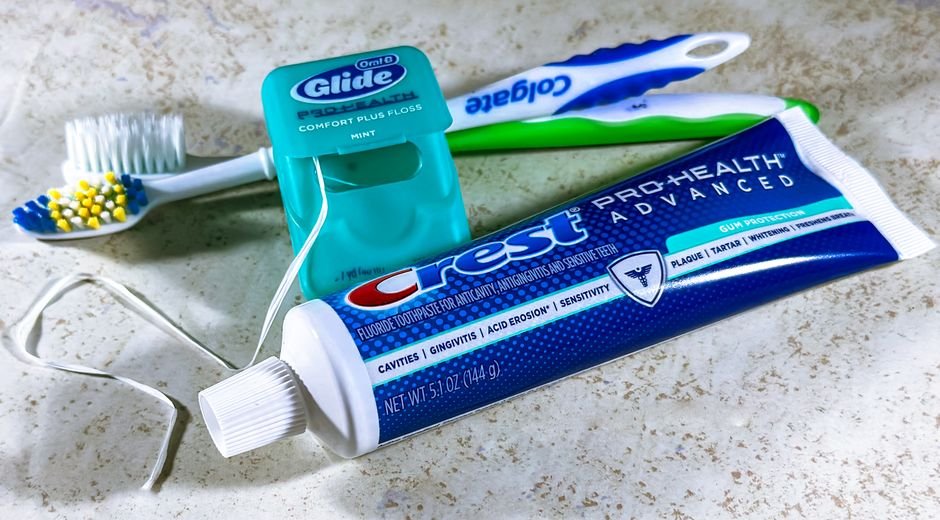








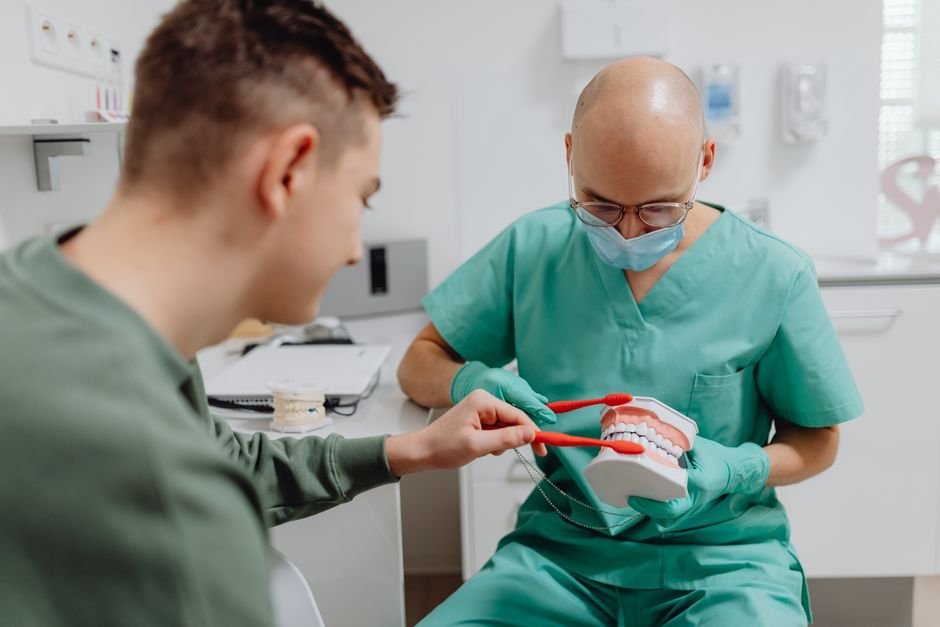



A family friendly oral hygiene routine works best when it is simple enough for every age group to follow consistently, shared as a group activity rather than treated as separate chores for each person, and flexible enough to survive busy mornings and tired evenings. Getting children and adults brushing and flossing at similar times, using tools suited to each person’s needs, and building in small rewards or routines that make the process enjoyable all help turn oral care into a habit the whole household actually sticks with, rather than something everyone quietly lets slide.
Key takeaways
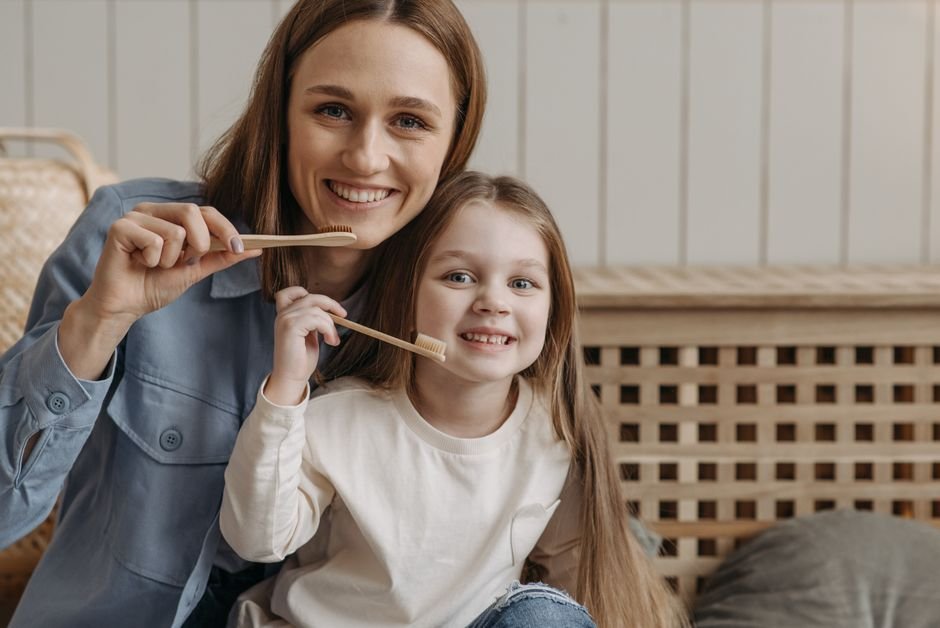
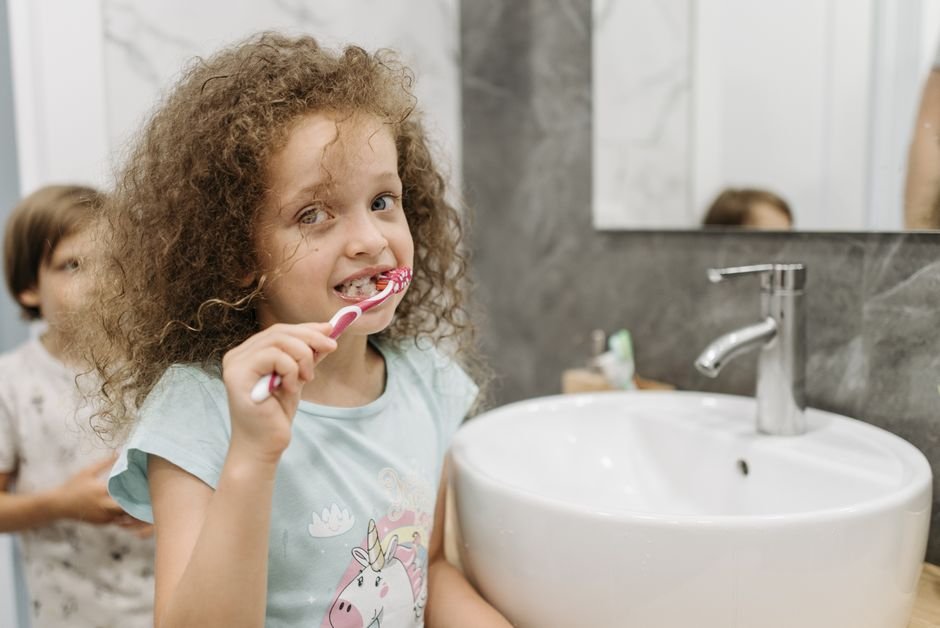
Children are highly influenced by what they observe adults doing on a daily basis, and oral hygiene is no exception to this pattern. When brushing and flossing happen as a shared family activity, even briefly at the same time each morning and evening, children are far more likely to view it as a normal, expected part of the day rather than an isolated task imposed upon them separately from everyone else’s routine.
This shared approach also creates natural opportunities for gentle correction and encouragement, since a parent brushing alongside a child can model proper technique and timing without it feeling like direct instruction. Over time, this consistent shared modelling tends to produce more durable habits than routines where children are simply told to go brush on their own, particularly during the years when technique and consistency are still developing.
Very young children typically need direct parental assistance with brushing, since the fine motor skills required to clean teeth thoroughly usually do not develop fully until around seven or eight years of age. Even after children can hold a toothbrush effectively, many benefit from a parent checking or finishing their brushing for a few more years to ensure all surfaces are being reached consistently.
Older children and teenagers, meanwhile, are often capable of independent brushing and flossing but may need reminders or accountability structures to stay consistent, particularly as their schedules become busier with school and other activities. Adults benefit from periodically reassessing their own habits too, since routines established years earlier do not always keep pace with changing needs such as gum sensitivity or new dental work that requires extra care.
Choosing the right toothbrush size and bristle softness for each family member’s age and needs removes one small but meaningful barrier to consistent brushing, since an uncomfortable or oversized brush can make the whole process feel unpleasant, particularly for younger children. Electric toothbrushes with built-in timers can also be genuinely useful across age groups, helping ensure the recommended two minutes of brushing time is actually being met rather than estimated.
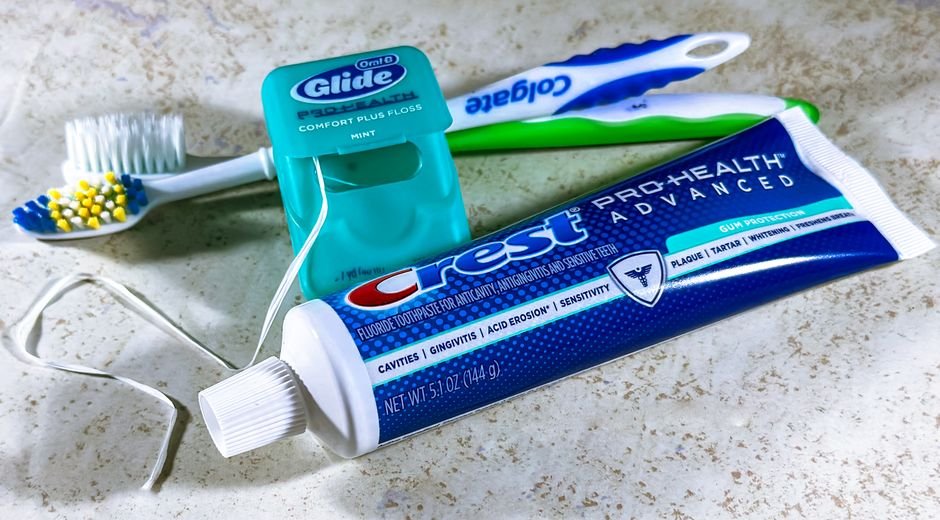
Keeping supplies organised and easily accessible, such as having each family member’s toothbrush and any needed accessories stored in a consistent, visible spot, reduces the small frictions that can derail a routine on a rushed morning. Floss picks or interdental brushes can also make flossing considerably more approachable for children and less dexterous family members compared to traditional string floss.
A simple visual chart or checklist displayed near the bathroom mirror can help younger children remember each step of their routine without requiring constant verbal reminders from a parent, which can become tiring to repeat day after day. Even a basic sequence showing brushing, flossing, and rinsing in order gives children a sense of ownership over completing the routine themselves.
For older children, a shared family calendar or simple sticker system can help build accountability in a way that feels motivating rather than restrictive, particularly during the early stages of building independent responsibility for oral care. These visual tools work best when kept simple and are gradually phased out as habits become automatic rather than being relied upon indefinitely.
A routine that looks ideal on paper but is too complicated or time-consuming to maintain on a hectic weekday morning is unlikely to be followed consistently over time. Building a routine around the reality of a family’s actual schedule, rather than an idealised version of it, makes it far more likely that brushing and flossing happen reliably rather than being skipped during particularly busy periods.
This might mean accepting that thorough flossing happens once daily rather than after every meal, or that the evening routine is slightly abbreviated on especially late nights while still covering the essentials. A consistent, realistic routine that is actually followed provides far more protective benefit than an ambitious routine that frequently gets abandoned when life gets busy.
Allowing children some age-appropriate choice, such as picking their own toothbrush colour or a flavoured toothpaste from a suitable range, can increase their willingness to participate in the routine without much additional effort required from parents. Playing a favourite short song or using a timer with a fun visual countdown can also help make the required brushing duration feel less like a chore.
Framing oral care positively, focusing on how it helps keep their smile strong and healthy rather than solely on avoiding cavities or dentist visits, tends to build a more constructive long-term relationship with the routine. Praise for consistency, rather than perfection in technique, also helps children stay motivated as they continue developing their skills over time.
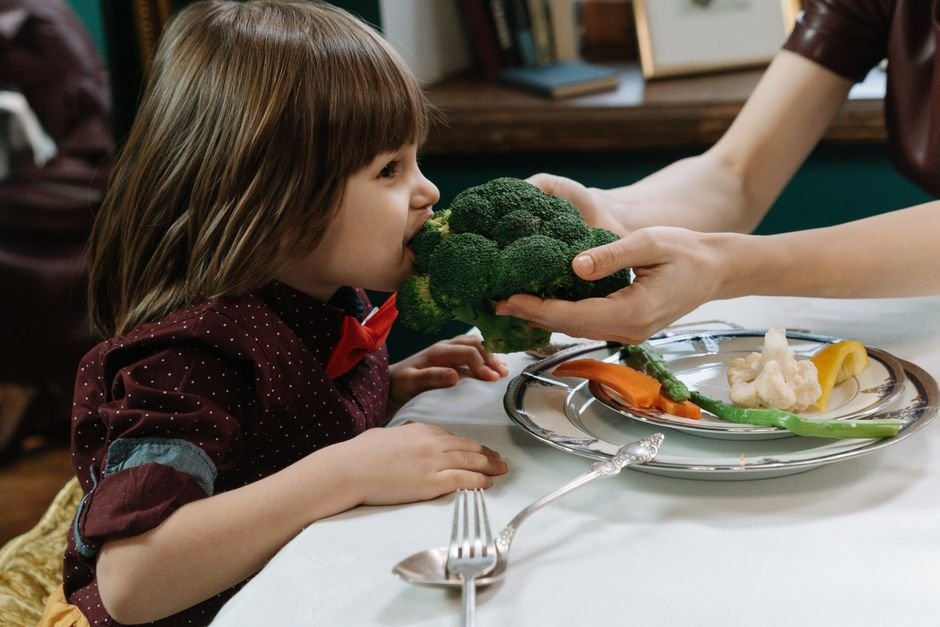
While brushing and flossing form the core of any oral hygiene routine, the foods and drinks a family consumes throughout the day also play a meaningful role in supporting or undermining that daily effort. Frequent snacking on sugary or starchy foods throughout the day gives bacteria more opportunities to produce the acids that damage enamel, regardless of how well brushing is otherwise handled.
Building in simple family habits, such as offering water rather than sugary drinks between meals or keeping particularly sticky snacks as an occasional treat rather than a daily staple, supports the effectiveness of the brushing and flossing routine already in place. These dietary choices do not need to be restrictive to be helpful, since moderation and timing often matter more than complete avoidance.
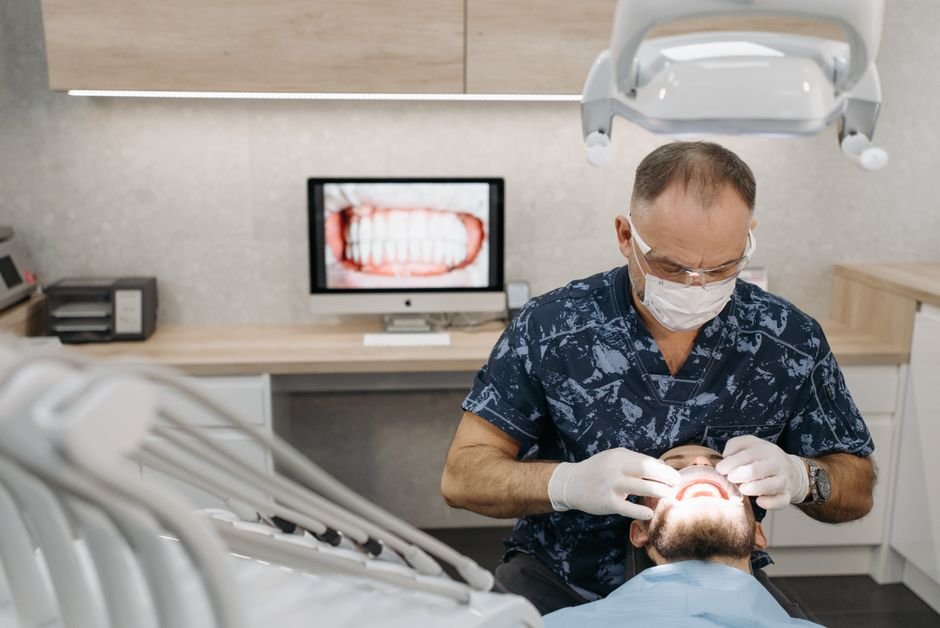
Scheduling family members for dental check-ups around similar times, when practical, can simplify logistics and reinforce the idea that dental visits are a normal, shared part of family life rather than something to be anxious about. Many family-friendly dental practices are able to accommodate multiple appointments close together, making this coordination more convenient for busy households.
Regular check-ups, typically recommended around every six months for most people, allow a dentist to catch small issues early and provide personalised guidance on technique or areas that might need extra attention within each family member’s individual routine. These visits also offer a natural opportunity to reinforce good habits with encouragement from a professional outside the immediate family.
Most children develop the fine motor skills needed for thorough independent brushing around seven or eight years old, though supervision or a follow-up check by a parent is often still helpful for a few more years to ensure all surfaces are being cleaned properly.
Simplifying the process with floss picks rather than traditional string floss can lower the barrier to consistency. Framing flossing around outcomes teenagers care about, such as fresher breath or healthier gums, alongside gentle accountability, often works better than repeated reminders alone.
Yes, some flexibility on weekends is reasonable as long as the core elements of brushing twice daily and flossing regularly are still maintained. Consistency over time matters more than following an identical schedule every single day of the week.
This is common and perfectly manageable, since factors like age, sensitivity, or specific dental needs can call for different toothpaste formulations. Keeping each person’s toothpaste clearly identified and accessible helps everyone use the right product without confusion.
Restarting with a simple, realistic version of the routine, rather than an overly ambitious one, tends to work best after a lapse. Focusing on consistency for the first few weeks, without judgement about the gap, usually helps the habit become established again more easily.

What and when a family eats together has a surprisingly direct effect on children’s dental health, since mealtime patterns often

Children are far more likely to stick with good oral care habits when they see parents practising the same routines
Most dentists recommend a child’s first dental visit by their first birthday, or within six months of their first tooth
 English